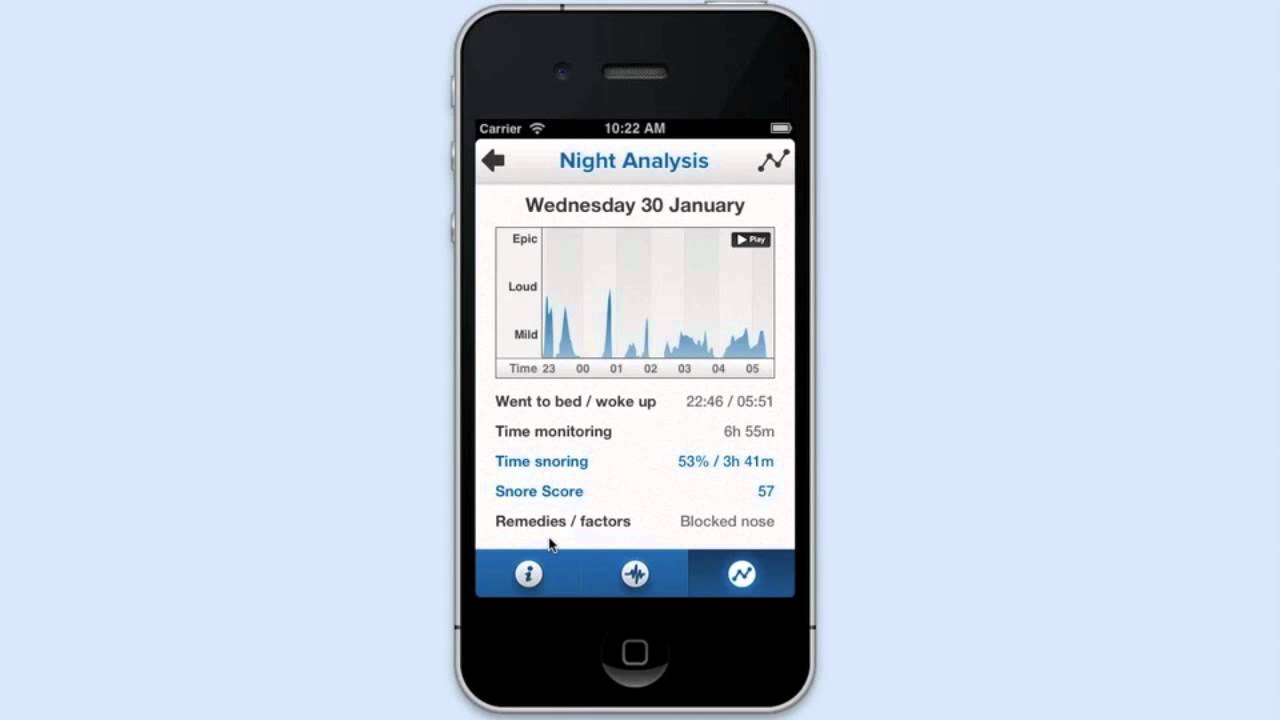
I am a snorer. This should not be taken to mean that I make soft, puppy-like growling sounds in the back of my throat as I sleep. In fact, if you happened to hold that puppy up within six inches of my face while I sawed logs, it is likely that all of the flesh, fur and musculature of that baby dog would be vortexed off its skeleton only to become lodged in the yawning chasms of my throat and nostrils. My snore is the sound of the Seventh Seal being opened, or the universe tearing itself asunder. In all probability? You have never heard anything like me.
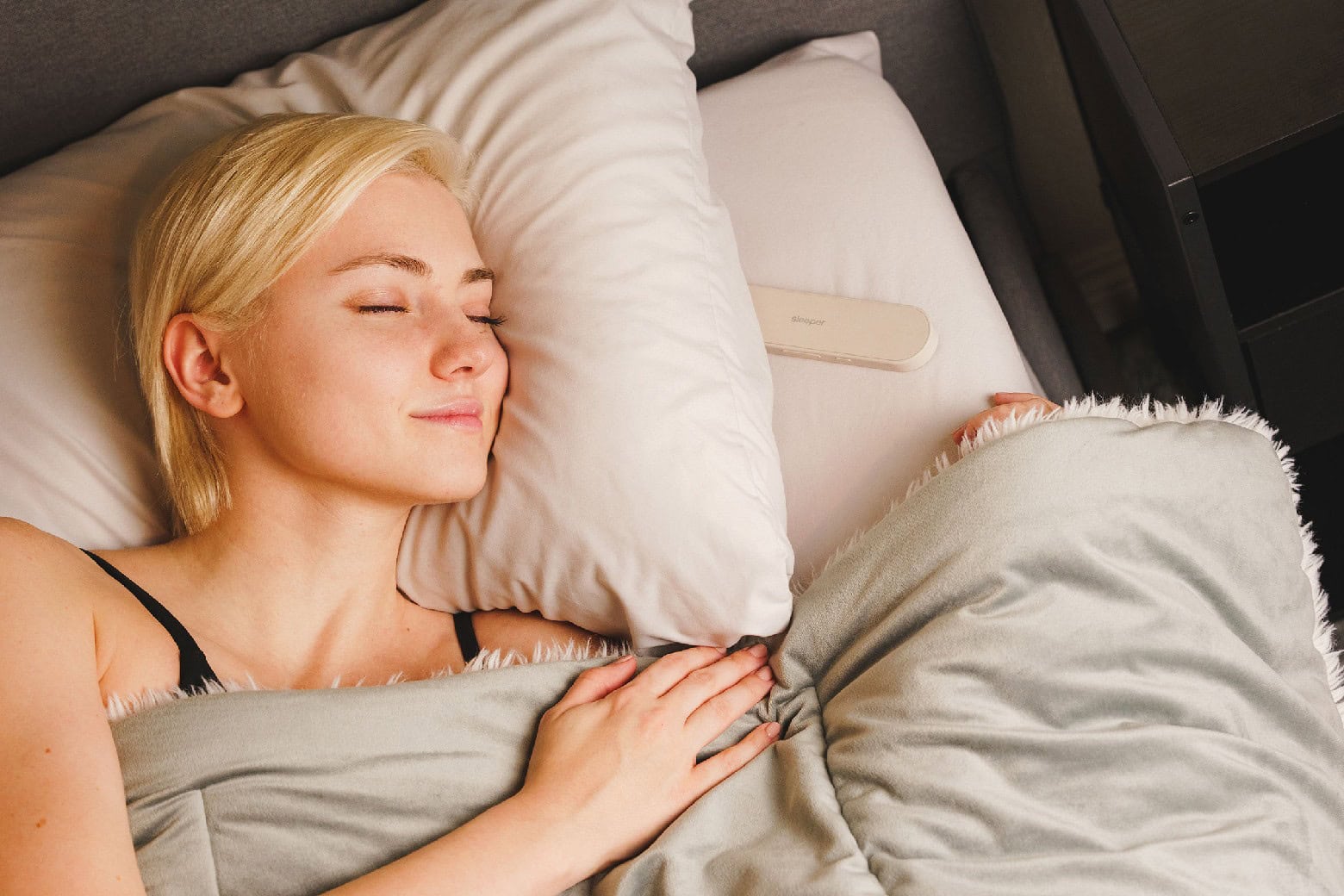
So imagine my poor girlfriend, who sleeps next to me every night as the bed vibrates, the house shakes and the ceiling buckles with my snoring. As you might well imagine, she’s eager for me to do something about my snoring.
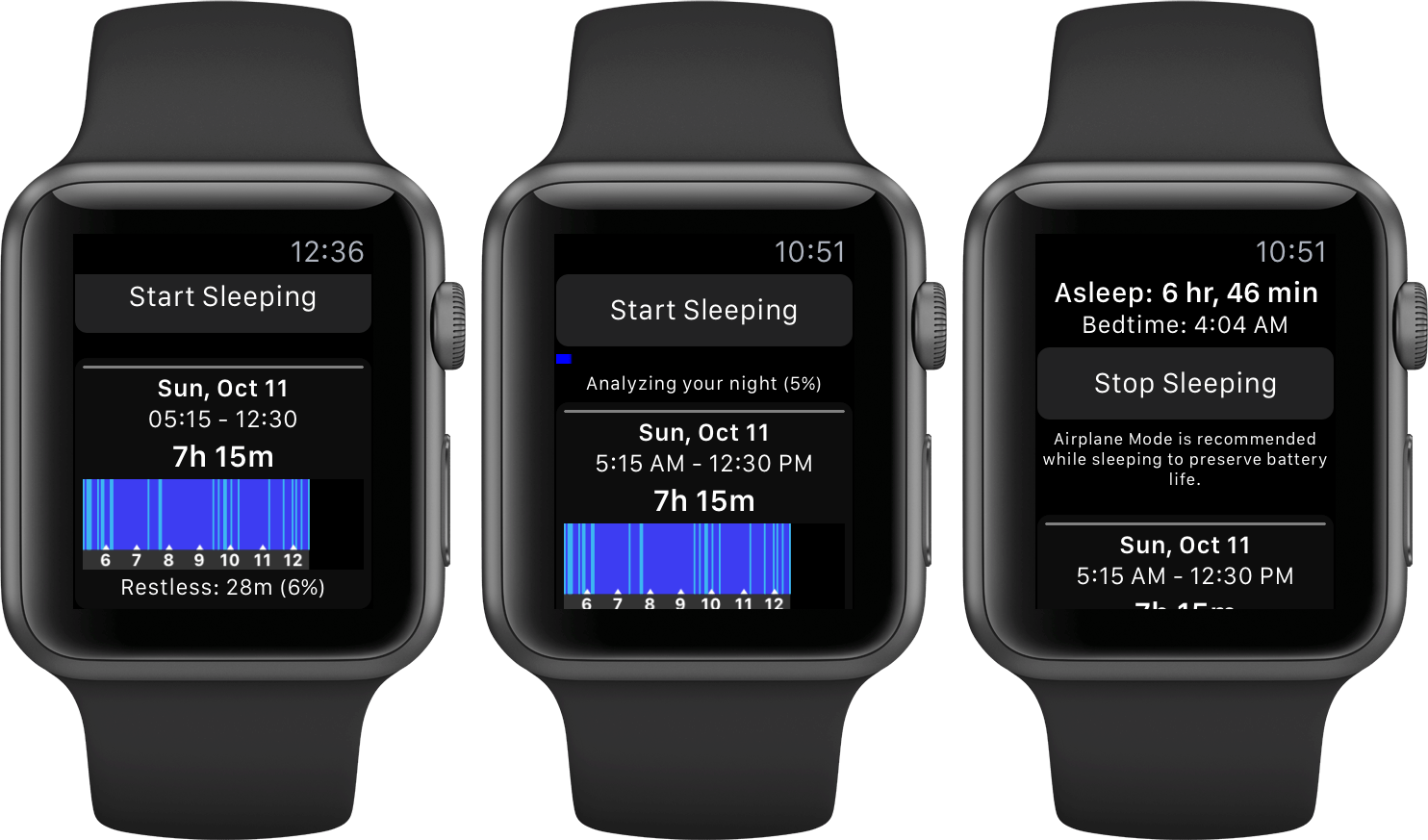
And what do you know? There’s a new app for just that. It’s called Snorelab.
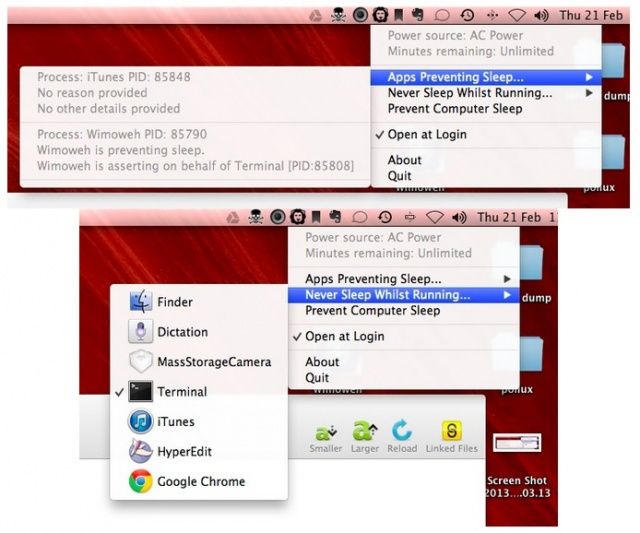
We’ve provided a couple of tips to help you prevent your Mac from going to sleep when you don’t want to, from a time-based app called Sleep No More to some Terminal magic that can do something similar. Unfortunately, both solutions are based on time. What if you want to keep your Mac from sleeping while it’s running a specific app, no matter how long it takes?
Free Mac app, Wimoweh, may be your answer. Check it out.
We showed you a handful of fantastic, instant keyboard shortcuts to shut down, reboot, or sleep your Mac, but an even safer way is to bring up the Power button dialog box that happens when you hit the, well, Power button on your Mac. That’s the one in the upper right corner of the keyboard on most modern Macs, while some older Macs have it as a separate button integrated into the body of the Mac itself.
Either way, hit that Power button and then you can use the following keyboard shortcuts to activate the different options in the dialog.
I’ve been a Mac user since the Performa 638 CD I purchased in 1994, and I had no idea these shortcuts existed. While I wouldn’t recommend them to every Mac user, if you’re comfortable with the potential issues of immediately shutting down your Mac, you’ll want to learn these post-haste.
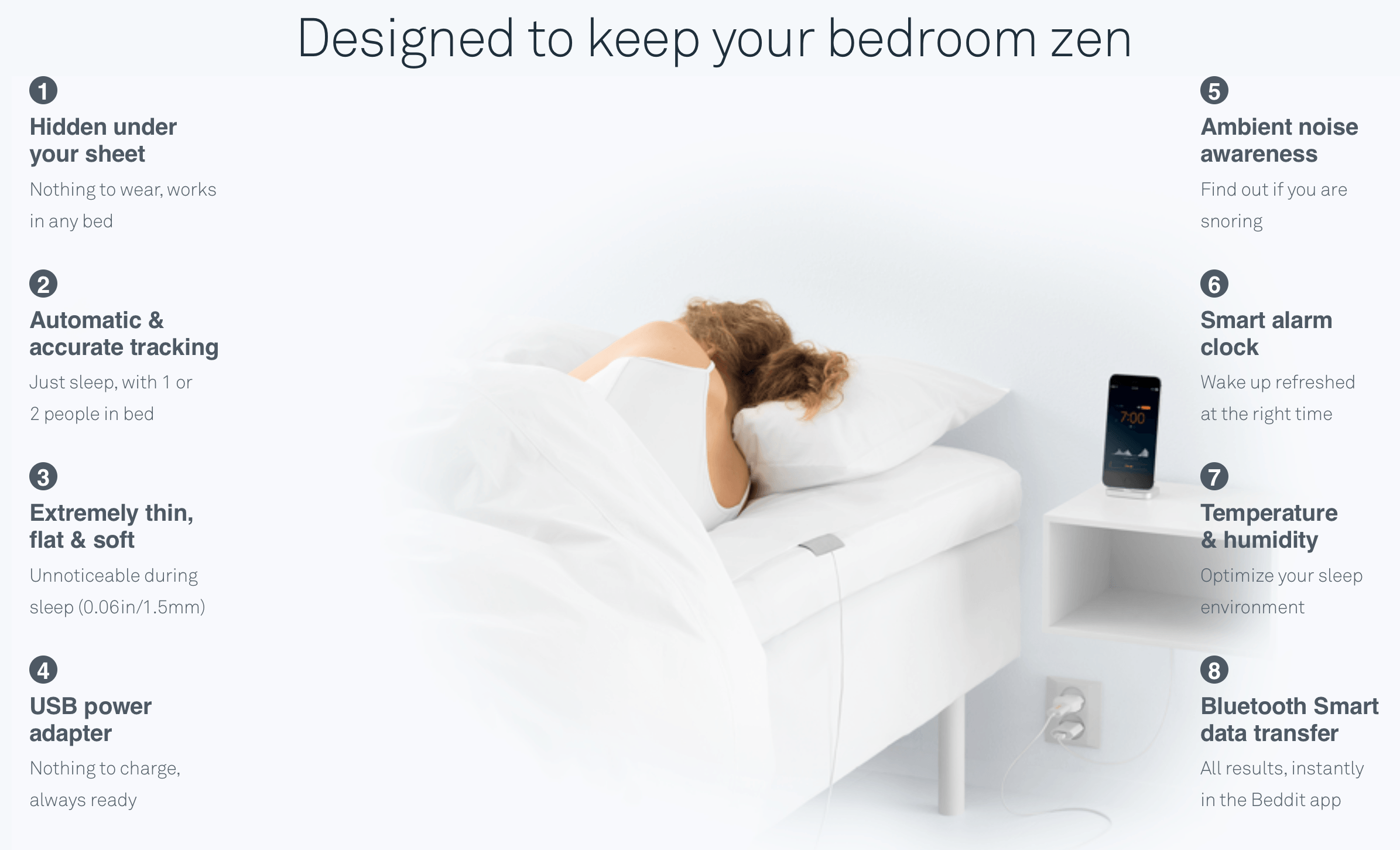
The Lumawake is an iPhone dock designed for your nightstand. It will of course charge your iPhone overnight whilst holding it in a convenient spot, but that’s just the beginning. To really tell you all that it does, I probably need to start a list…
We showed you how to switch on Power Nap on your Mountain Lion-running, SSD-equipped Mac, but just what does this new feature do?
We know that you Mac enters a kind of robotic REM sleep, where it’s brain activity spikes and the network connections power up to download various bits of data, just like Newsstand on iOS. But a new Apple Knowledge Base article outlines the surprising number of tasks which are going on under the sleepy-lidded hood.
It can be seriously annoying when you want your Mac to sleep but it wants to stay up late, playing video games, eating cheese doodles and generally not doing “lights-out.” Wait, maybe that’s my kids. Anyway, when it’s your Mac that won’t get to sleep, today’s tip should help you get to the bottom of it.
I keep my Mac Mini at my bedroom desk, and it’s always spinning up and waking up when I don’t want it to, so maybe today’s tip is more about me than you, but that’s ok, right?
When your Mac doesn’t wake from sleep, the reason could relate to uncooperative hardware or unstable software. When people don’t wake from sleep, it could be the sign of a Monday morning or an upcoming exam…
Sometimes when my mac goes to sleep it doesn’t want to wake up and the screen stays black. I have to turn off computer then turn it back on. Why does it do that?
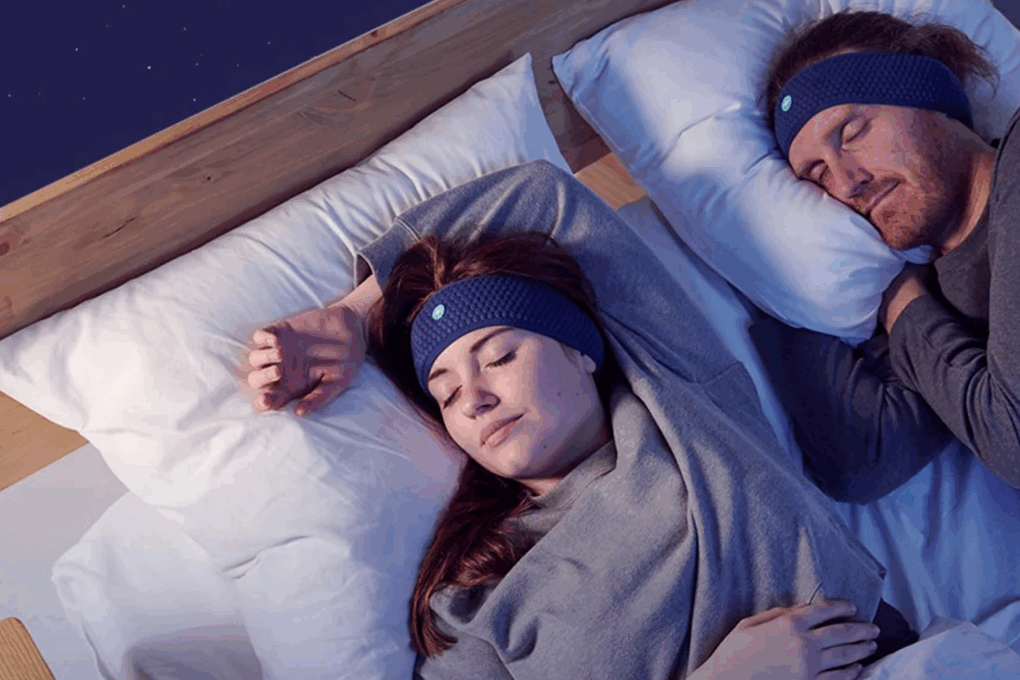
Hauling my back end out of bed each morning is a horrible task, especially during the winter months. Even with the recommended eight hours sleep, I never wake up feeling refreshed. However, I was hoping all that was about to change, thanks to a little app-enhanced headband.
The WakeMate ($60) is an accessory and app for your iOS device that has two main objectives: to help you track and analyze your sleep pattern; and to wake you up at the optimal time in your sleep cycle so that you feel better about waking up early — which is just what I needed.
Just like their older system, Zeo’s new Sleep Manager Mobile tracks your sleep patterns using a transmitter worn on the forehead while sleeping that relays your sleep state to a receiver. Only Zeo’s new gadget transmits the data directly to the iPhone.