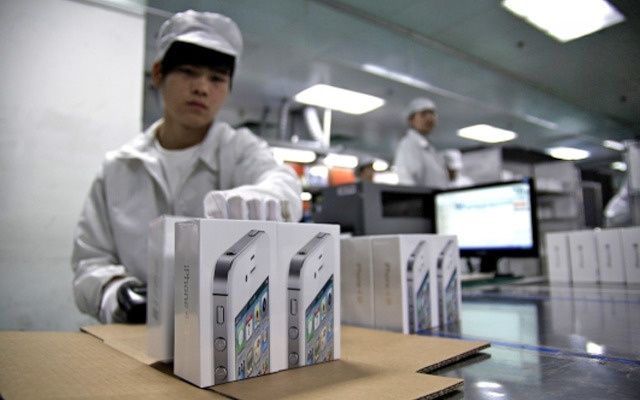
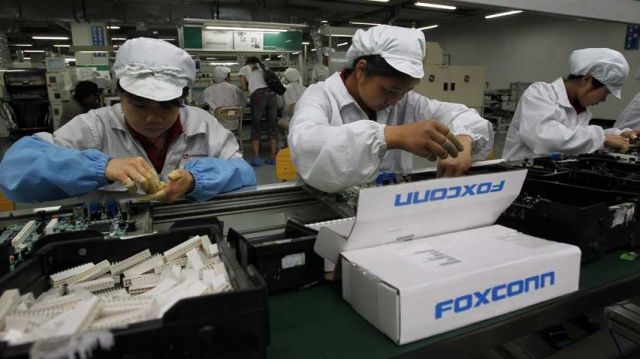
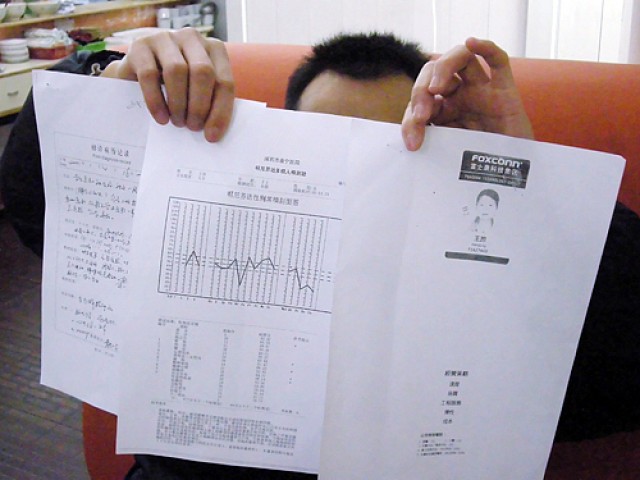
Foxconn has begun taking on new workers as it prepares to begin production of Apple’s next iPhone, according to two seperate reports from Bloombergand The Wall Street Journal.
The company has added to its numbers at an iPhone plant in Zhengzhou, eastern China, ending a freeze on recruitment that was implemented back in February. The new workers will reportedly assemble the upcoming “iPhone 5S,” as well as existing models that Apple has requested to boost capacity, a supply chain source said.
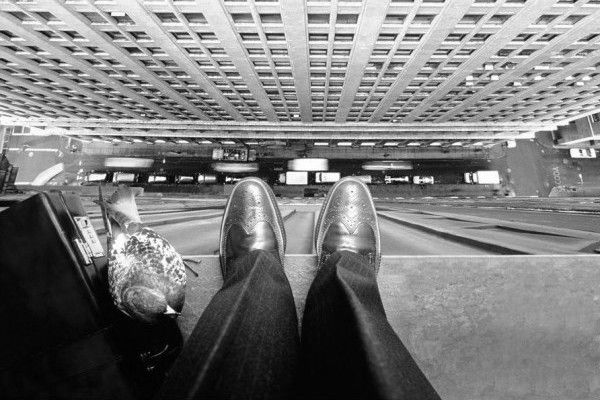
Apple and Foxconn’s jumper problem might not be a thing of the past after all, as reports over the weekend broke that two workers have jumped from the roof of Foxconn’s Shenzhen factory on Friday in reaction to job cuts, lowered wages and the end of free amenities at the world’s largest gadget manufacturer.
Foxconn has reportedly placed a recruitment freeze across most of its factories in China as the company slows production of the iPhone 5, the Financial Times reports. This is believed to be the first such freeze since 2009, and it’s seen as an emphasis of the “weakening demand” for some Apple products. But does the freeze really have anything to do with Apple’s devices?
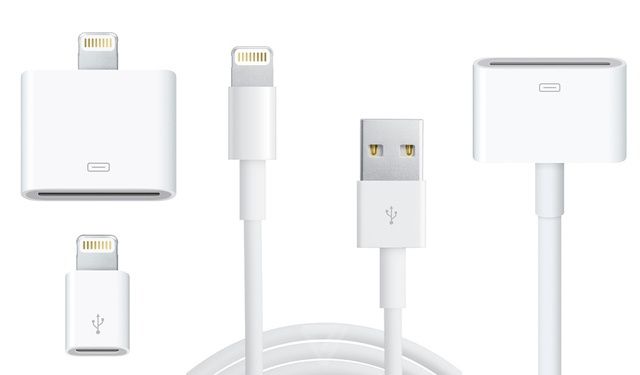
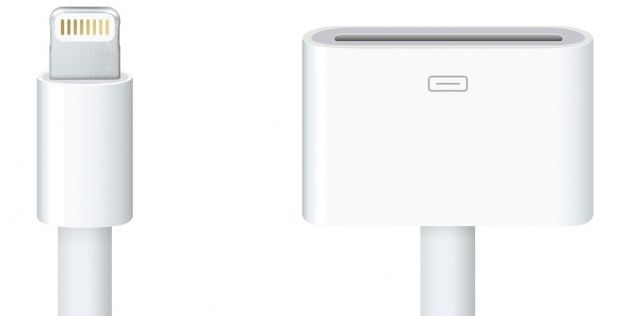
It’s been a couple of months since Apple released Lightning, and in two months, Apple has refreshed every iDevice that uses the old 30-Pin Dock Connector short of the iPod Classic. Despite this aggressive move to ditch the connector of the past, though, there has yet to be a single third-party accessory that supports Lightning.
Why? Because third-parties need to go through Apple for MFi (or Made for iPhone/iPad/iPod) certification, and the guidelines for getting that certification didn’t get announced until very recently at a secret meeting between Apple and accessory-makers in Shenzhen, China.
What’s going on at that meeting? According to a new intriguing report, Apple is making any accessory-maker who signs on for MFi certification to embrace their own supplier code, which should force accessory makers to manufacture their devices a lot more ethically.
Apple will have 7 retail stores in China come Saturday.
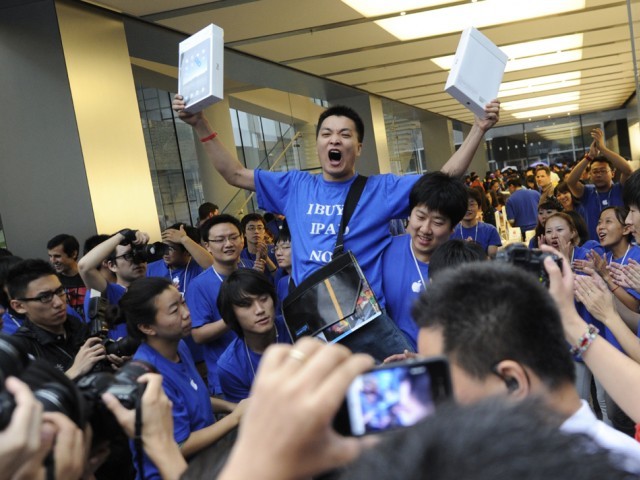
If you own a Mac or an iOS device, there’s a good chance it was assembled by the fine folks at the Foxconn factory in Shenzhen, China. Despite being born there, however, Apple’s latest gadgets aren’t exactly easy to get hold of in the city. But that’s set to change on Saturday, November 3, when the Cupertino company opens the doors to its first Shenzhen retail store.
Will we see third-party Lightning accessories before Christmas?
The iPhone 5 has been on sale for nearly a month now, but we’re still yet to see any official third-party Lightning accessories. It’s not that accessory makers are slow at producing them, it’s that Apple is yet to finalize its Lightning policies and give manufacturers the go-ahead to use its new connector.
Fortunately, this is expected to happen next month. Apple will hold a conference in Shenzhen, China, between November 7 and November 8 with its Made for iPod/iPhone/iPad (MFI) program partners to finalize its Lightning plans, according to a source “close to Apple’s accessory manufacturing partner.”
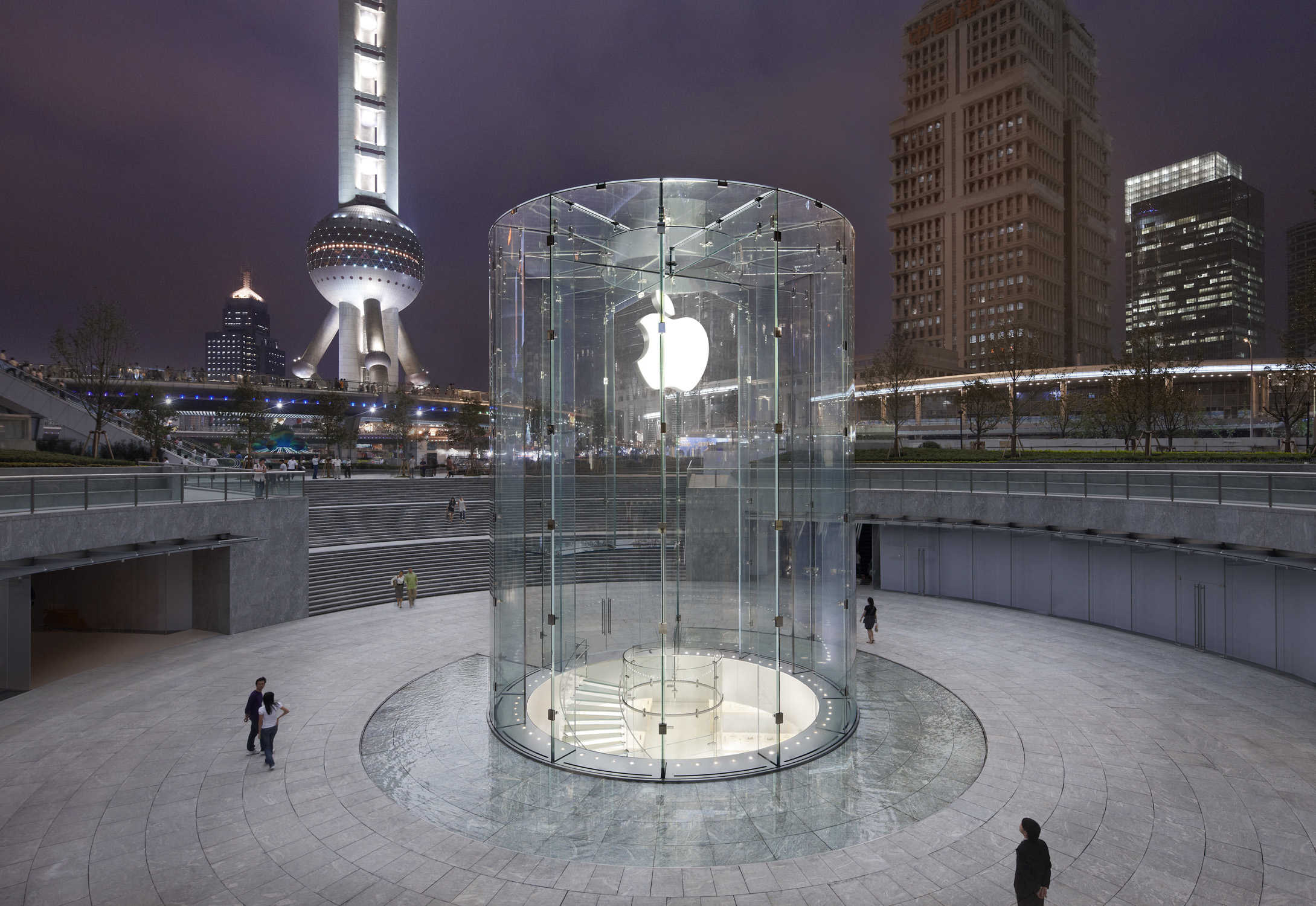
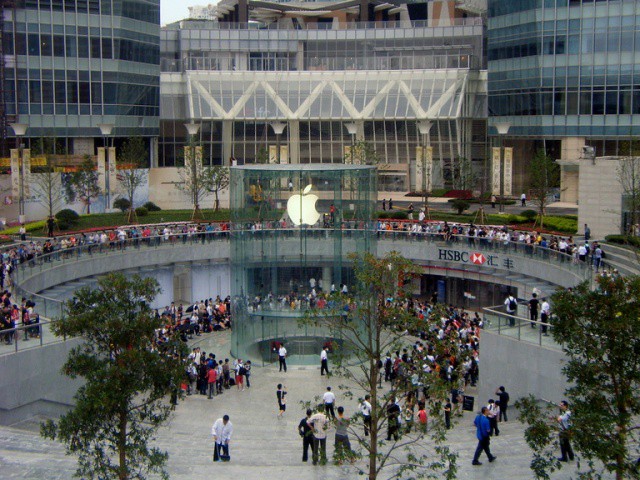
This incredible Apple store in Shanghai is one of only five Apple stores on China's mainland.
Apple is reportedly gearing up to open two new stores in China which will be positioned near the Foxconn factories that assemble the large majority of its Mac and iOS devices. There are currently only five Apple retail stores on China’s mainland — three in Shanghai and two in Beijing — but Chengdu and Shenzhen could be home to another two very soon.
Like any Apple device, the new iPad is big business on China's grey market.
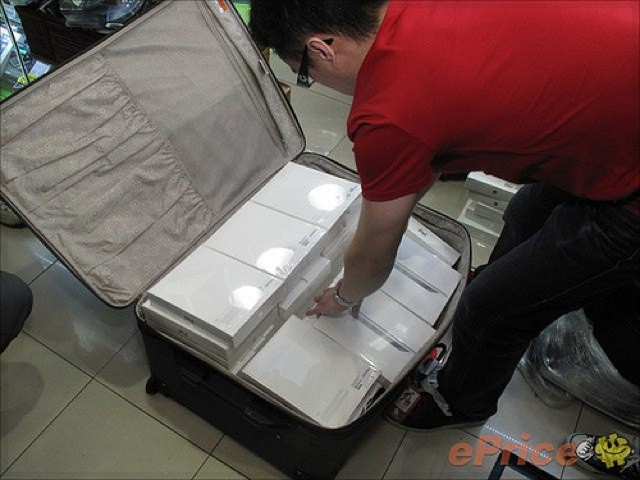
Apple’s new iPad has been available to purchase in the U.S. and nine other countries for just four days, but over 200,000 units have already been smuggled into China for sale on the grey market. Natives are reportedly importing the device into the city of Shenzhen, a city that borders Hong Kong, for a profit of around $20 on each device.
Apple comes down hard on manufacturers that attempt to use its product names — or any variation of its product names — for their own goods. We learned this yesterday when it was revealed the Cupertino company is demanding a New Zealand case manufacturer to change the name of its driPhone brand. But it seems Apple may be guilty of exactly the same practice, which could land it a $38 million fine from Chinese company Proview Technology.
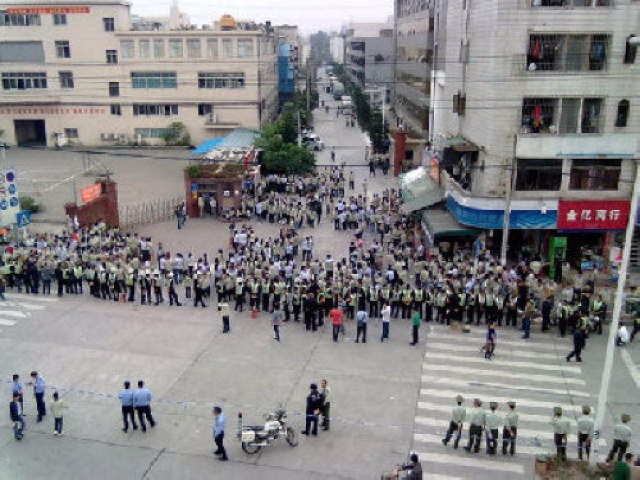
1,000 workers at a Jingmo Electronics factory in Shenzhen, China, staged a strike earlier this week over long hours and poor working conditions. The factory supplies keyboards to companies like IBM, LG, and Apple, and China Labor Watch is now calling for these companies to improve the working conditions for the employees at the factory, focusing specifically on Apple.