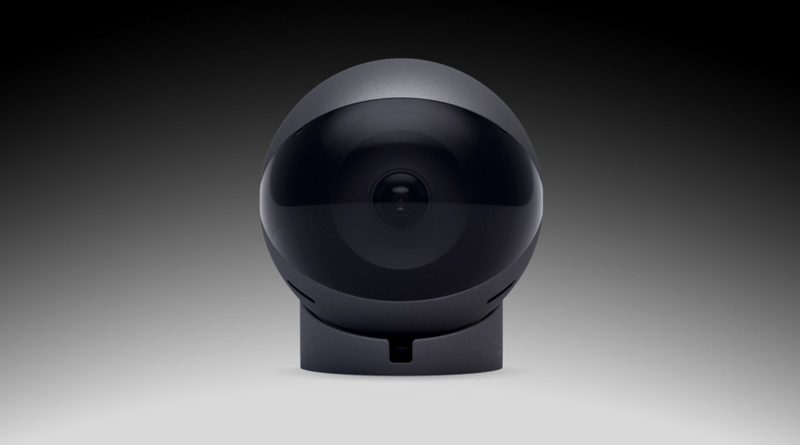
The Bikespike is a GPS-enabled cellular device which lets you track your bike. And while you can use it as an iPhone-connected bike computer, complete with speed, calorie and location stats, its main purpose is as a security device.
iOS 6.1 had not one, but two security exploits that allowed an attacker to bypass an iPhone’s lockscreen to gain access to a users’ data. Apple finally patched up those two holes yesterday with the iOS 6.1.3 update, yet the new version of iOS contains another passcode security flaw.
Using the iPhone’s Control feature, attackers can still bypass your lockscreen. The good news is that the new lockscreen exploit only works on iPhone 4 units right now.
Hot on the heels of a hack over the weekend that compromised Evernote users’ emails, usernames and passwords — and resulted in the company initiating a password reset on all accounts — Evernote’s hurrying through a new two-factor authentication process, which would allow you to authorize your account in a variety of ways, like entering a code you receive by SMS message.
Evernote’s not the only company to roll out two-factor authentication after a breach: Dropbox also introduced two-factor authentication after a hack last year. If Evernote uses Dropbox’s method, it won’t be obligatory, but instead something you turn on optionally in your account. Better safe than sorry.
Apple has a well documented history of banning everything that has anything to do with pornography, even if it’s only remotely related. It’s nice that Apple wants to keep the App Store clean, but their obsession with eliminating porn from computing has a lot of collateral damage.
In its latest push to get porn off your computer, Apple now deletes all iCloud emails that contain the phrase ‘barely legal teens.’ It doesn’t send the messages to spam, or flag them, it just straight up deletes them, and there’s nothing you can do about it.
It’s only been a few weeks since the first lockscreen hack was discovered on iOS 6.1, but some researchers have already discovered a new way to bypass the iPhone’s lockscreen without entering the security PIN.
The bug was found in iOS 6.1 by Benjamin Kunx Mejri, and it follows some of the steps as the last exploit but has some variation in the steps, and it allows an attacker to access all your data by plugging your device into a computer’s USB port.
The hack in question affected more than just Apple; Silicon Valley giants like Facebook and Twitter were also compromised. How exactly were hackers able to gain access to some of the biggest tech companies’ computers? The source is a single web forum for iPhone development.
Yesterday it was discovered that a bug in iOS 6.1 allows users to bypass the iPhone lockscreen without entering in the proper PIN. We’ve seen bugs like this in the past, and Apple has always been quick to shut them down.
Apple has already told us that they will fix the iOS 6.1 lockscreen bug in a future update, and according to a new rumor, that update will hit devices sometime next week.