Restrict website access with these tools. Photo: D. Griffin Jones/Cult of Mac
There is a lot of explicit content out there on the internet, or so I am told.
Before handing a device off to a child, you may want to disable or limit access to the wide-open internet and App Store. Read on to learn how to block explicit content on iPhone and iPad.
A group of software engineers have joined forces to form the Open Web Advocacy (OWA), which will fight Apple’s “anti-competitive” web browser restrictions on iPhone and iPad.
The OWA says that Apple’s tight controls, which prevent third-party browsers from using their own engines on iOS, has stalled innovation for the past 10 years and “prevented web apps from taking off on mobile.”
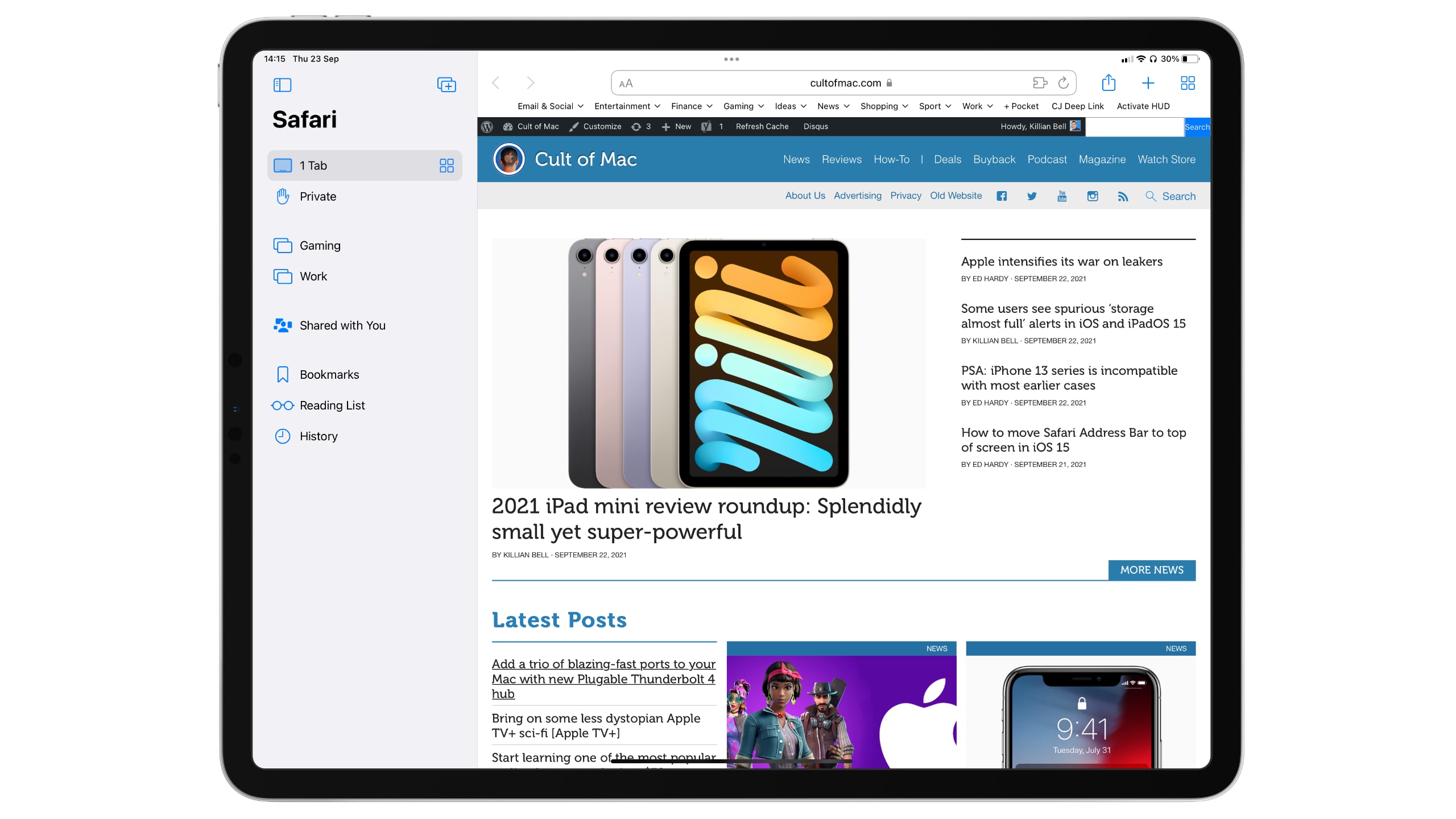
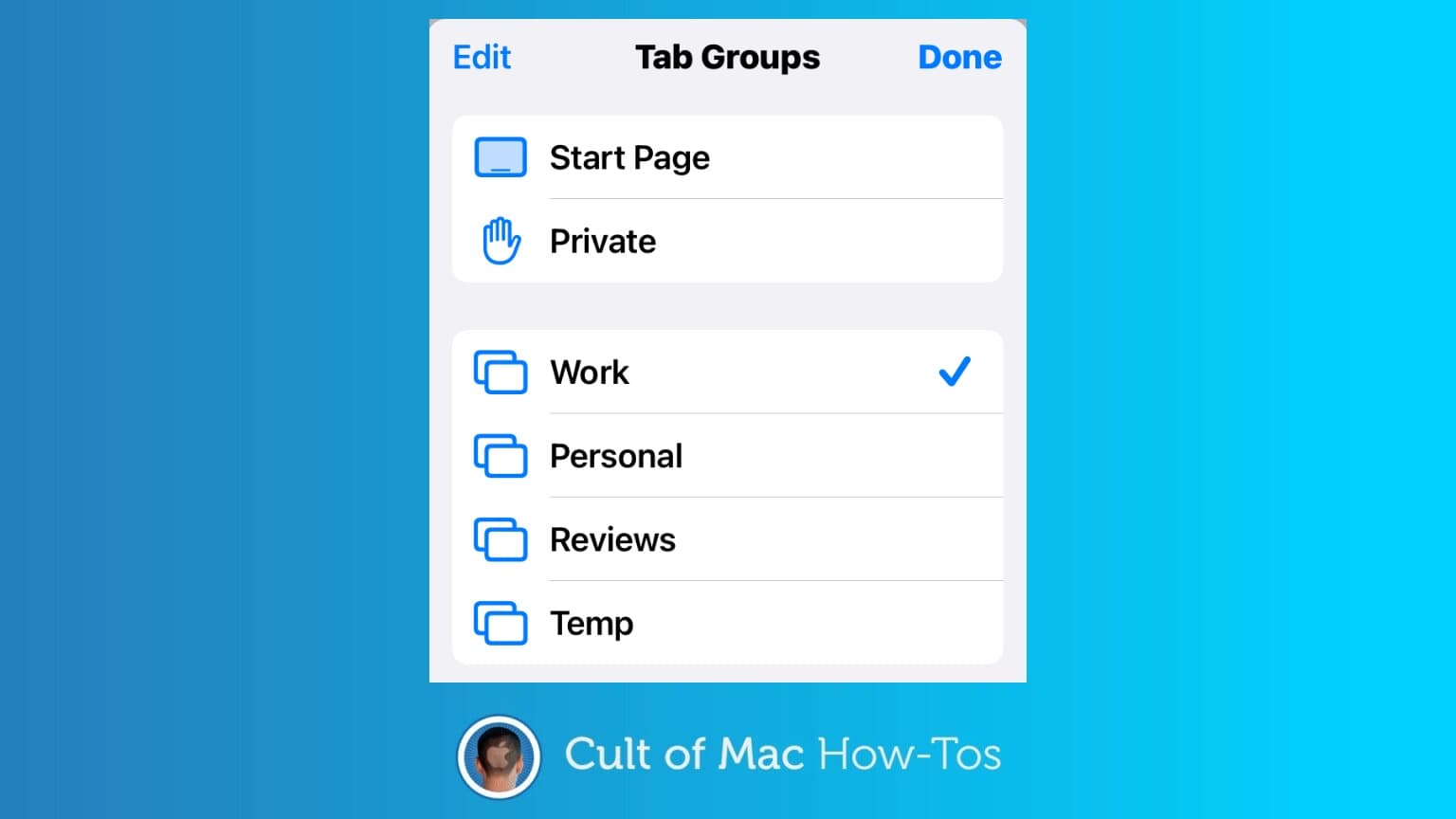
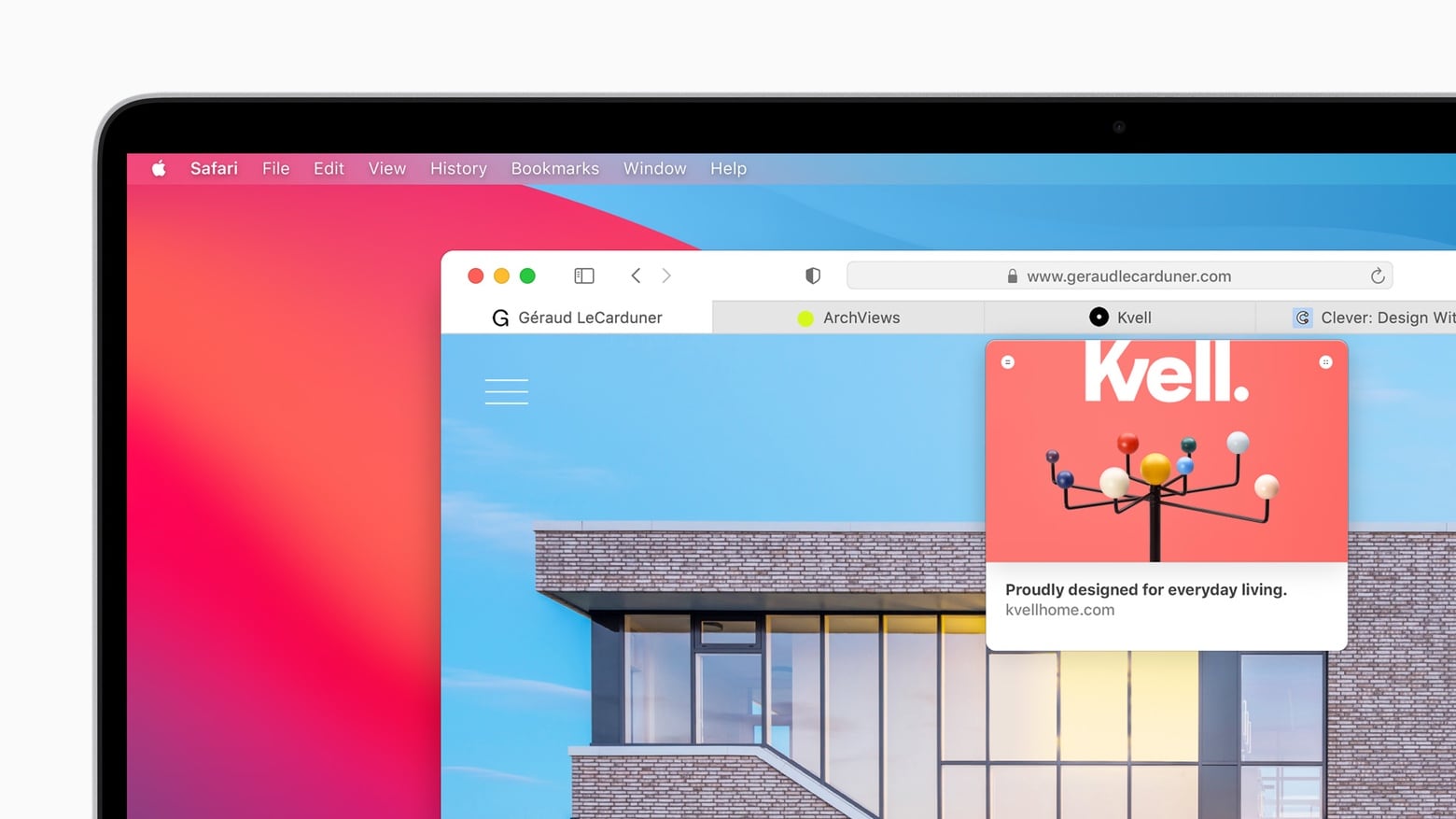
Use Safari Tab Groups to arrange all those browser tabs you have open.. Photo: Cult of Mac
Keeping large numbers of browser tabs open is such a common habit that Apple created a system to organize them. Safari Tab Groups let you put open tabs into logical collections so you can more easily work with them. And the same groups are available across all your Apple devices.
The system gets a little complicated. But here’s how to get started with Safari Tab Groups.
iOS and iPadOS 15.4 make a small but welcome change to the way in which Safari saves login information. As of the third beta release, which rolled out to developers on Tuesday, passwords without user names won’t be saved.
The change, which also applies to macOS 12.3 Monterey, means users will be prompted to add a user name before they can save a new password. It helps prevent a buildup of passwords you can’t remember the user names for.
A big improvement for mobile apps on the web. Photo: Apple
Apple’s first iOS 15.4 beta, rolled out to registered developers last week, lays the groundwork for web apps to deliver push notifications.
The feature, long available in Safari for macOS, always stood out as a notable omission on iPhone and iPad. Fortunately for those who use mobile web apps frequently, that looks set to change in the near future.
iOS 15.7.4 takes care of a long list of security bugs. Photo: Cult of Mac/Egor Kamelev/Pexels
Apple made iOS 15.3 available to all compatible iPhone models Monday. The update squashes at least one bug that recently made headlines. But there are no new features.
Apple also introduced iPadOS 15.3 to erase many of the same bugs. And macOS Monterey 12.2 and watchOS 8.4 debuted, too. tvOS 15.3 arrived Monday as well.
A student showed Apple a Mac webcam security flaw and got paid $100,500. Photo: [email protected]
Apple paid a cybersecurity student what’s thought to be a record-high $105,000 bug bounty. Why? He showed the company how hacking its webcams can render the devices fully vulnerable to further attacks.
But we don't yet know when we'll get it. Screenshot: Cult of Mac
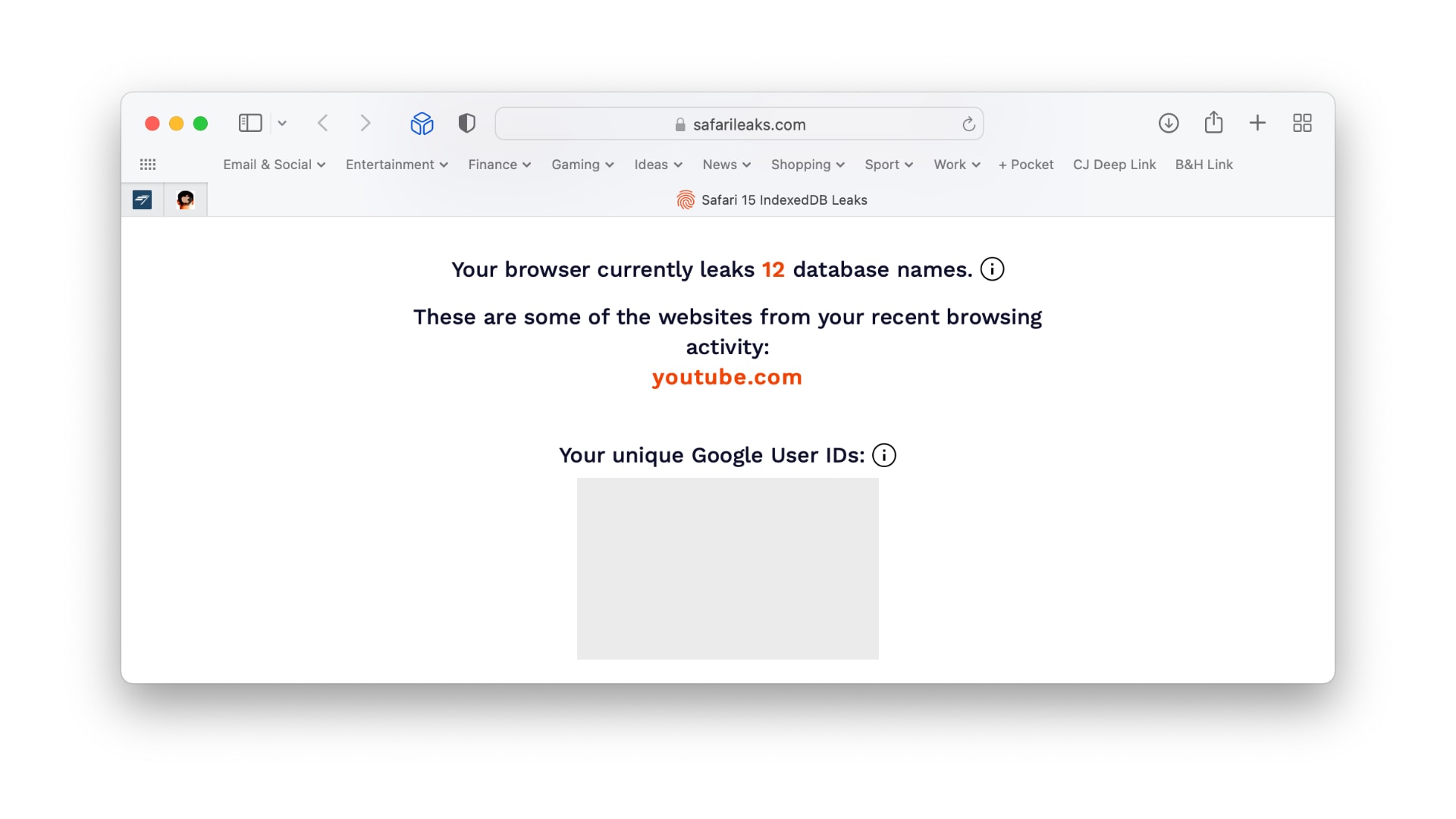
Apple has prepared a fix for a Safari 15 bug that allows websites to view your browsing habits and Google account details. And, because it’s a bug in WebKit — Apple’s browser engine used by Safari and third-party apps in the App Store — it affects virtually all iOS and iPadOS browsers, including Chrome and Brave.
Unfortunately, Apple’s patch won’t be available until the company rolls out new macOS, iOS and iPadOS updates. There’s currently no word on when that might be. Apple is in the process of beta testing new software updates, but it may be too late for the fix to be implemented into those before they are made available to all.
Well, that's not good. Image: Killian Bell/Cult of Mac
A newly discovered bug in Safari 15 allows any website to track your browsing activity and may even reveal your identity if you’re a Google user.
The vulnerability stems from Apple’s implementation of IndexedDB, a storage API widely supported by most modern browsers. And the problem affects users on Mac as well as iPhone and iPad. Here’s what you need to know.
All its privacy features will be enabled by default. Image: DuckDuckGo
DuckDuckGo, the search engine that prides itself on protecting your privacy, is building its very own web browser for Mac. It promises to be simple and fast, with robust privacy features enabled by default.
The browser will feature DuckDuckGo’s popular “Fire Button,” which quickly wipes all your private data in just one click. It also will be built to use native browser technologies, rather than relying on third-party engines.
Cool wash: Note the two Mac Pro machines at lower left. Photo: [email protected]
You see a lot of people busting on each other for “flexing,” or bragging, about their computer setups shown in social media posts. We came across a doozy today with a dual-display setup bathed in a cool wash of color. But it’s not really about the double luxe displays; lots of people have that. It’s about the two expensive Mac Pros tucked under the desk.
Well, would you look at that. Image: Killian Bell/Cult of Mac
There’s not much Apple’s rivals would want to steal from Safari 15 — it’s not exactly the company’s finest (or most popular) browser update. But in true Samsung style, the South Korean firm found one thing worth swiping for its own mobile devices.
The latest version of the Samsung Internet browser gives Galaxy smartphone users the ability to shift the address bar to the bottom of the screen, making it a little more accessible — especially during one-handed use.
Safari is back to its best. Screenshot: Cult of Mac
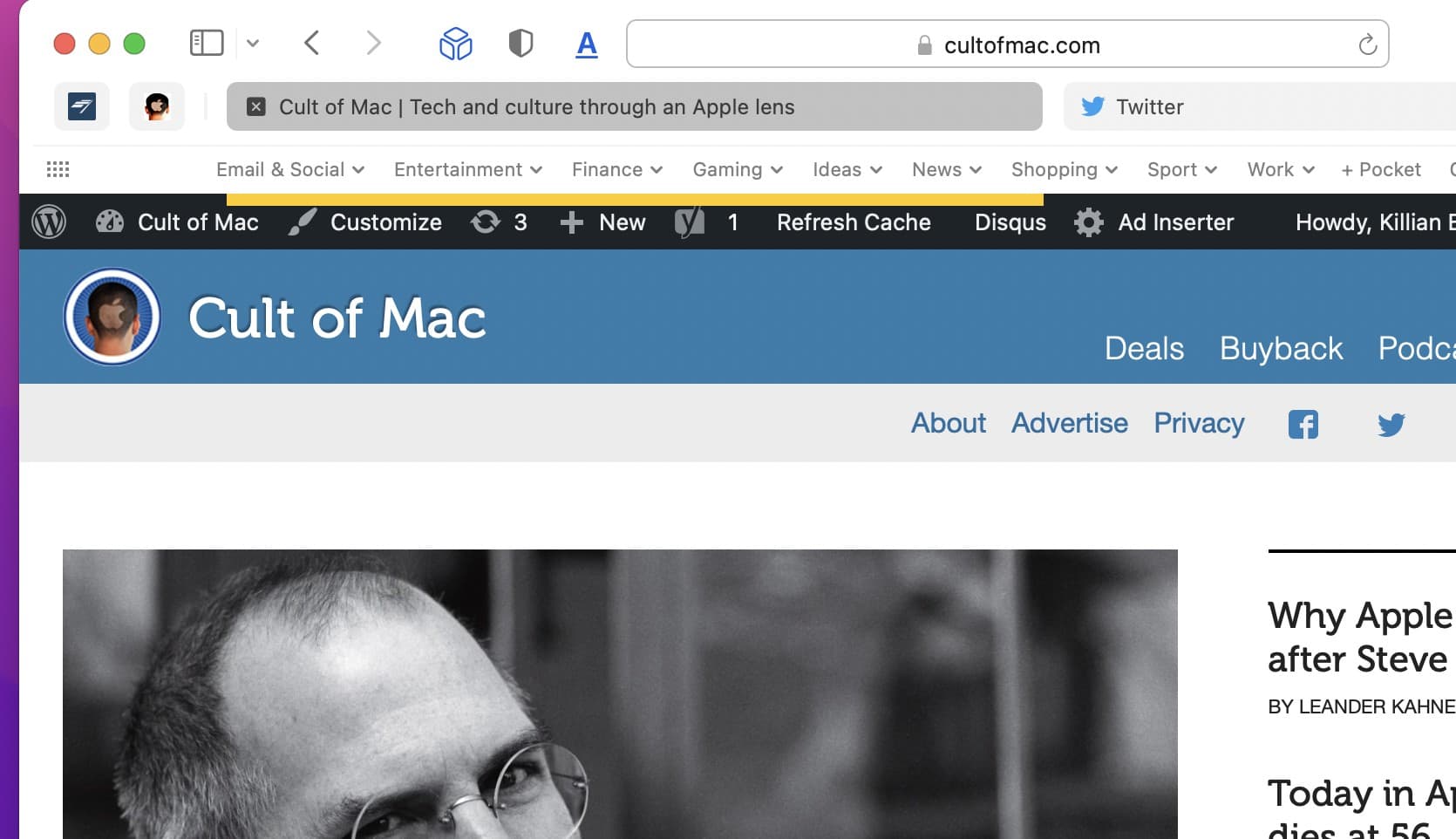
After Apple finally decided to reverse its controversial Safari design changes in the latest macOS Monterey beta (when you use the “Separate” tabs option), it has made the same move for those running macOS Big Sur and Catalina.
The Safari 15.1 update released Wednesday for earlier versions of macOS brings back Safari’s old tab design. However, if you prefer the new “Compact” interface — introduced at WWDC 2021 back in June — you still have the option to use it.
If you wish, you can make Safari in macOS Monterey look like it does in macOS Big Sur. Photo: Apple
Apple threw in the towel on its efforts to change the way Mac users interact with the Safari web browser. Most of the design modifications unveiled at this summer’s Worldwide Developers Conference to emphasize tabs are now completely optional as a result of protests from beta testers.
The latest revisions appear in the release candidates for macOS Monterey, which went to developers Monday.
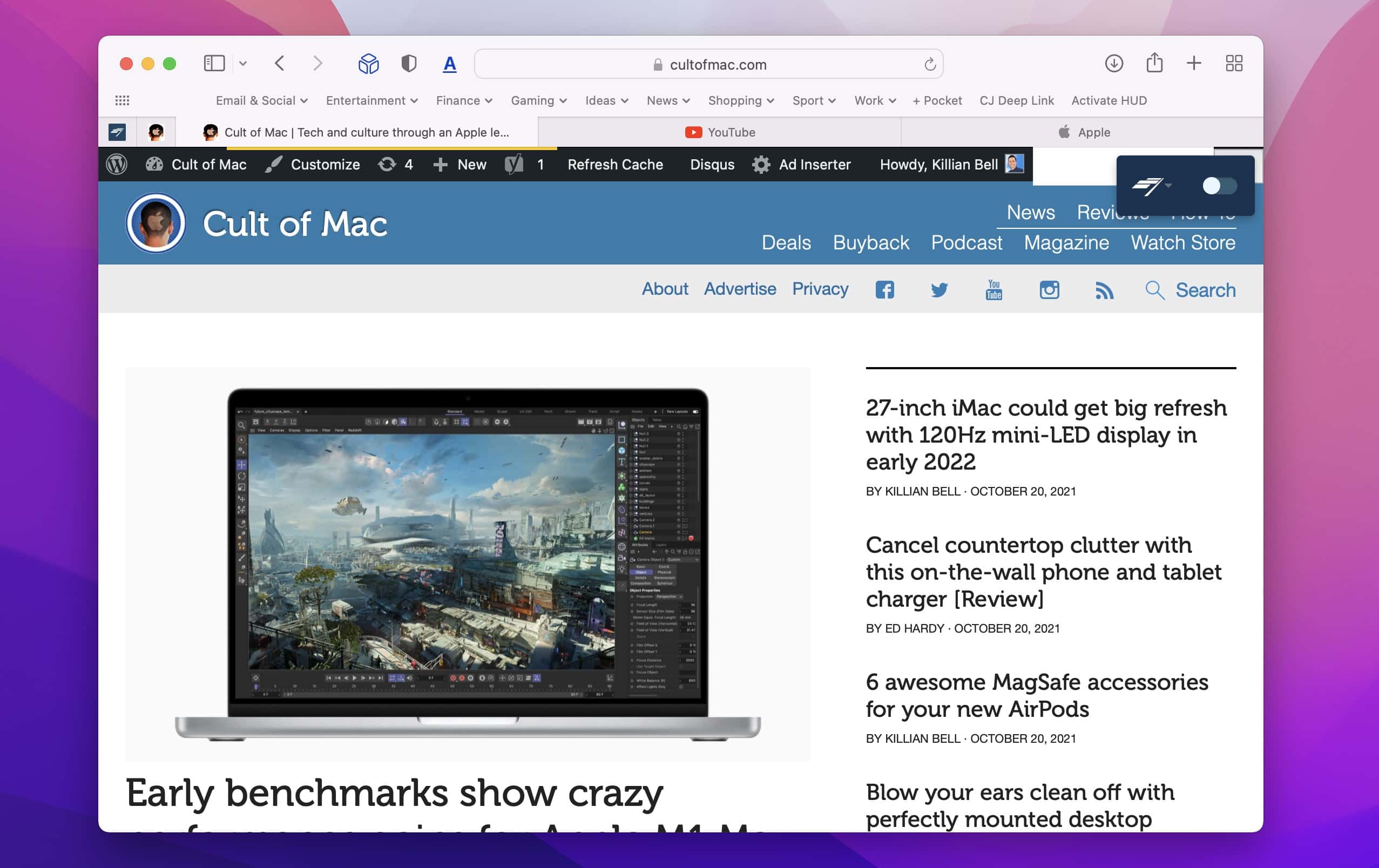
After installing Apple’s newest Safari 15 update, many Mac users quickly noticed that it’s too damn difficult to identify which tab is active. It’s one of the biggest complaints (on a list of many) regarding the browser’s big redesign.
But there’s an easy way to fix it. One developer has created a simple Safari extension called ActiveTab that makes it much easier to see which tab you’re currently using at a glance by drawing a customizable colored line beneath it.
Frequent crashes have become the norm for some users. Image: Killian Bell/Cult of Mac
If you haven’t yet upgraded to Safari 15 for macOS, you’re one of the lucky ones. The latest version of Apple’s web browser is frustrating users with a plethora of bugs that cause repeated crashes. However, there are fixes you can try.
Safari 15 comes bundled with macOS Monterey, which is still in beta testing ahead of its public debut later this fall. It’s also available as a standalone upgrade for those running macOS Big Sur and Catalina.
It’s easy to make Safari in iOS 15 look like it did in iOS 14. Graphic: Cult of Mac
iOS 15 makes the Safari web browser easier to use by moving the Address Bar to the bottom of the screen when the iPhone is held vertically. But not everyone is ready for such a change, so Apple put in the option to move it back to the top.
Grab the latest release today. Photo: Apple/Google
Google has rolled out its newest Chrome beta with a new WebGPU API that finally adds support for Apple Metal. The version 94 release should lead to improved rendering performance for websites and web apps.
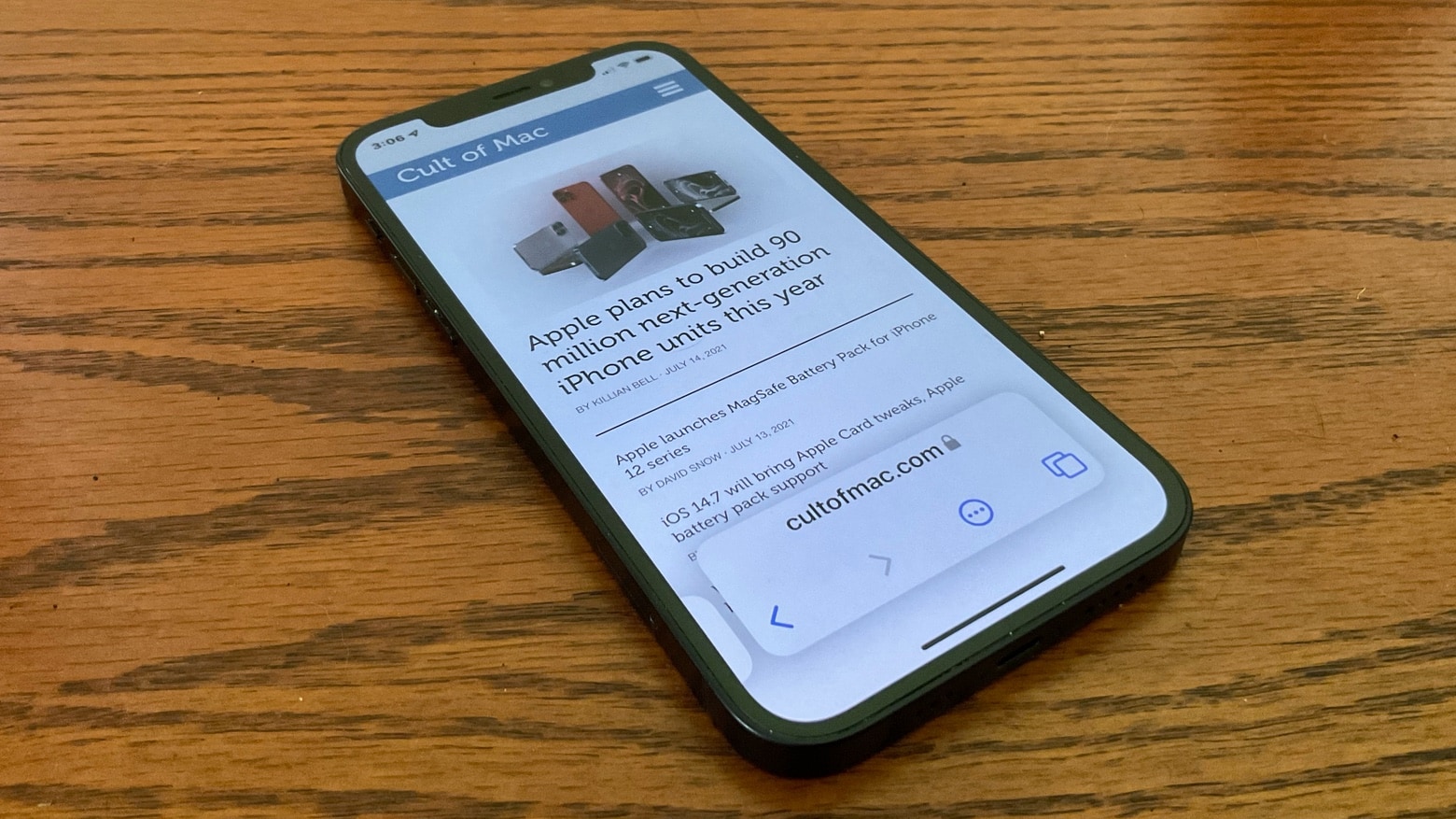
The latest iOS 15 beta gives users the option to have the Address Bar at the top of the screen or at the bottom. Photo: Ed Hardy/Cult of Mac
Apple hoped to redesign the Safari web browser in iOS 15 by moving the Address bar to the bottom of the screen. But there was so much pushback from beta testers that the latest prerelease version includes the option to move the Address Bar back to the top. iPhone users can still keep it at the bottom, though.
And there’s also a much-requested design change for those who decide to keep the Address Bar at the bottom.
App icons are larger and easier to use in iPadOS 15. Photo: Ed Hardy/Cult of Mac
Sometimes in life, it’s the little things. iPadOS 15 makes one of those small changes that bring a big result. For the first time, you can increase the size of the application icons on the iPad Home Screen.
This setting debuts in iPadOS 15 beta 5, released on Tuesday. This is one of a few other tweaks in the latest pre-release version.
Apple isn’t exactly walking back some of the biggest changes in iPadOS 15. But it’s giving users to option to do so. Screenshot: Ed Hardy/Cult of Mac
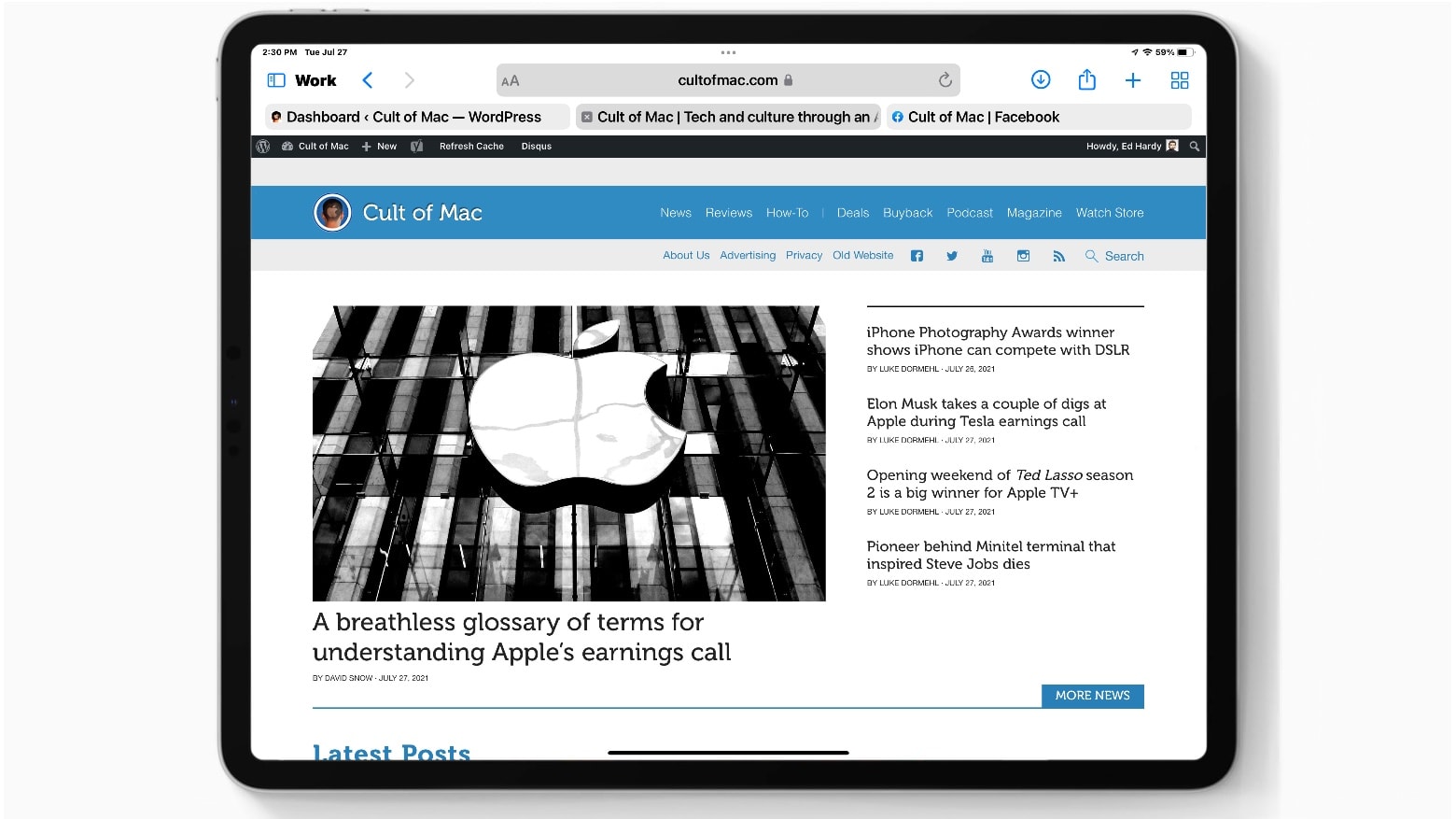
Apparently responding to criticism of the Safari redesign in iPadOS 15, a beta released Tuesday makes significant changes to the layout of the Safari web browser. The newest iteration gives users the option to view the Address Bar very much like it looks in iPadOS 14. But those who prefer can keep the new compact view.
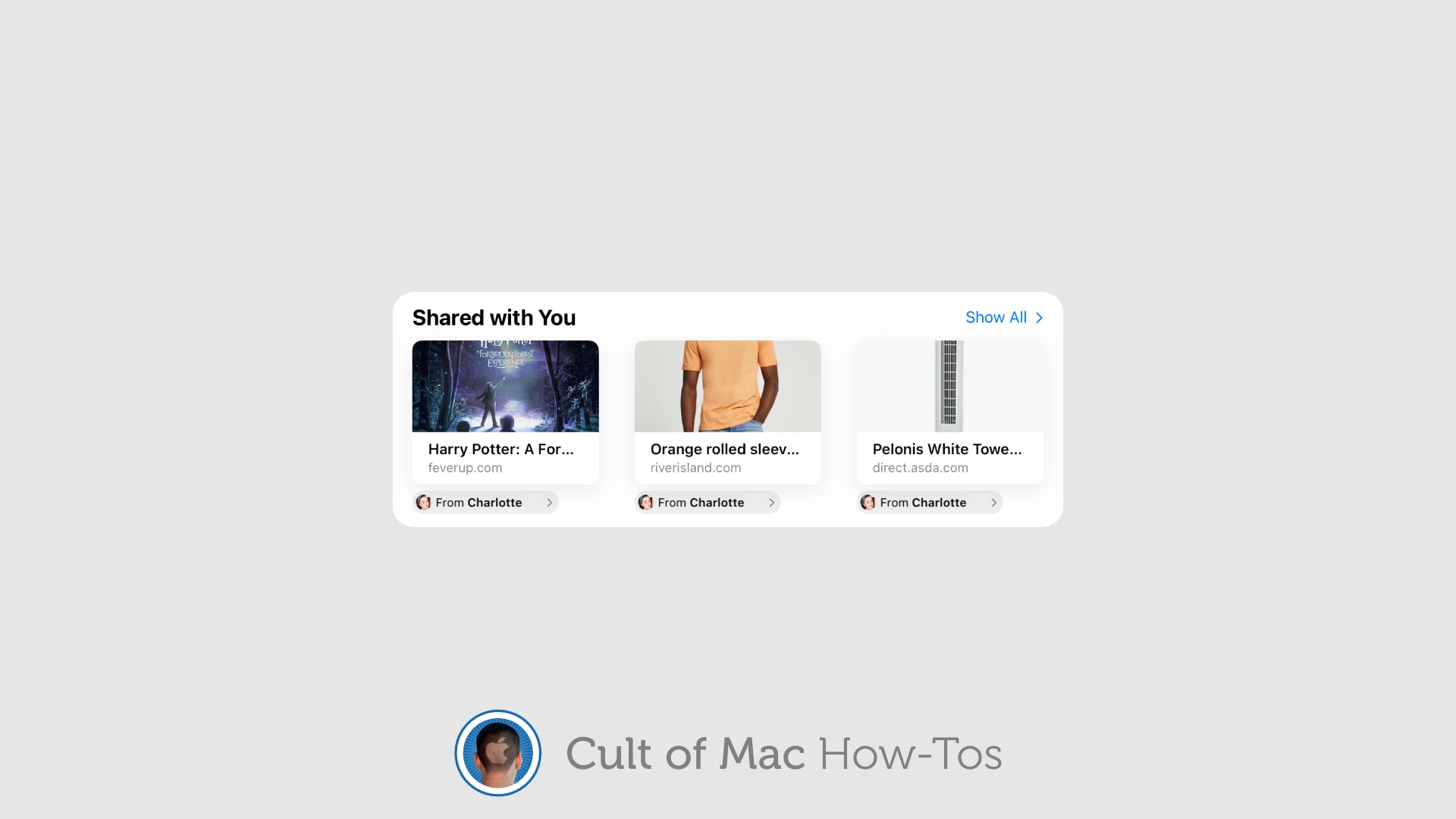
Keep track of links you've received from friends. Image: Killian Bell/Cult of Mac
iOS and iPadOS 15 make it easier than ever to keep track of web links that are shared with you in Messages by putting them all in one place inside Safari.
Here’s where you can find them — and how to view them all on iPhone and iPad.
With the release of iOS 15 beta 3, the Safari Address Bar stays at the bottom of the screen where it belongs. Photo: Ed Hardy/Cult of Mac
The just-released iOS 15 beta 3 fixes the bouncing address bar in Safari. Plus, iPadOS 15 beta 3 makes Safari’s Share button much more prominent. Both changes apparently come in response to complaints from beta testers about Apple’s updated mobile web browser.
The latest betas, released Wednesday, also bring other changes to the iPhone and iPad versions of Safari.
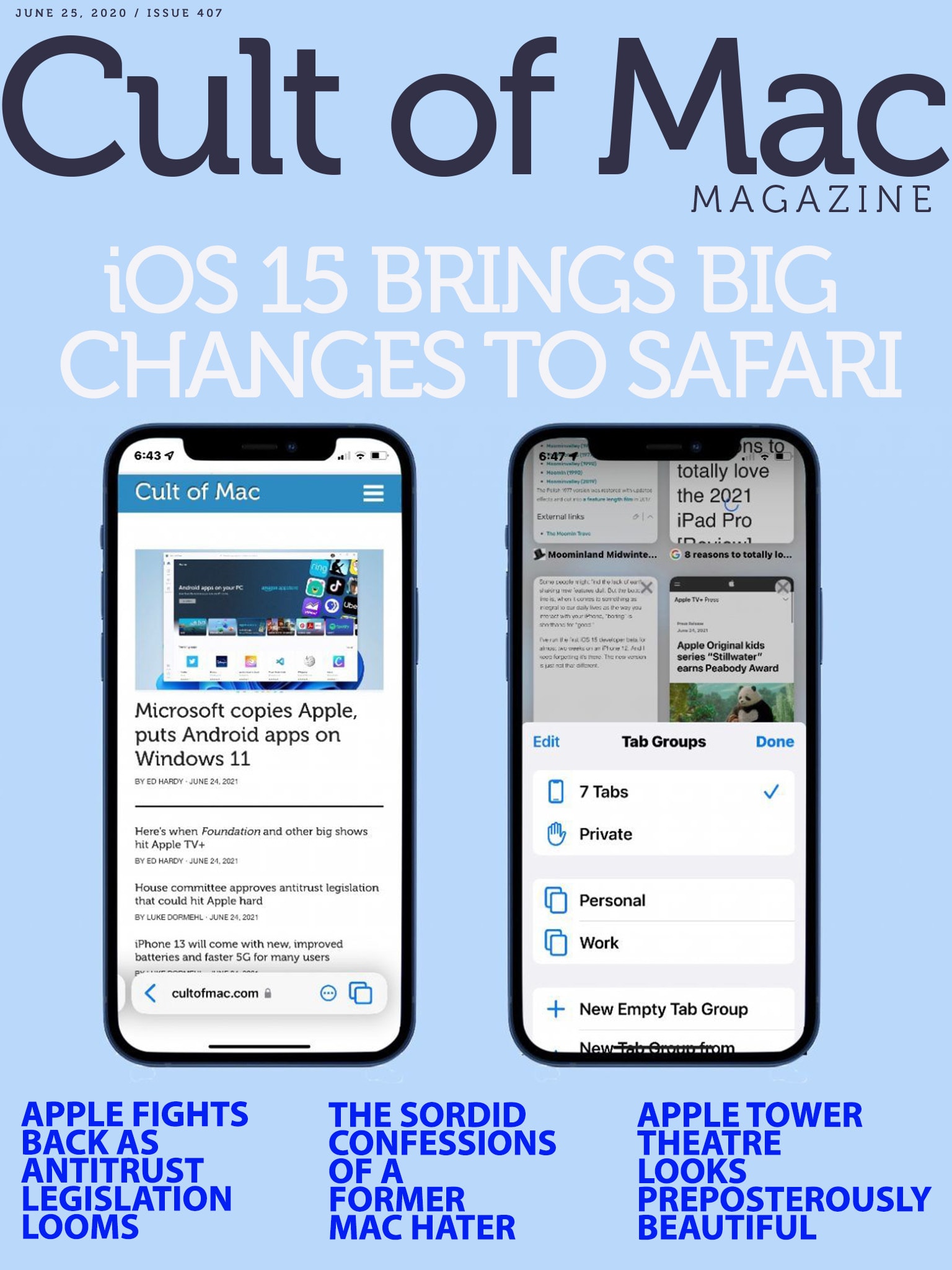
In iOS 15, Safari's Address Bar gets a new address. Cover: Leander Kahney/Cult of Mac
I’m too terrified to put the iOS 15 beta on my iPhone. Luckily, Cult of Mac writer Ed Hardy isn’t afraid to sacrifice his smartphone’s stability — and maybe his sanity.
He’s been selflessly testing the next-gen operating system to evaluate the changes coming soon to an iPhone near you. And he’s ready to tell you exactly what to expect in Safari in iOS 15.
Some folks seem upset by Apple’s more-controversial changes, but Ed says not to worry. Find out what he likes about Safari in iOS 15, and what he doesn’t, in this week’s cover story. Download Cult of Mac Magazine to read for free on your iPhone or iPad.