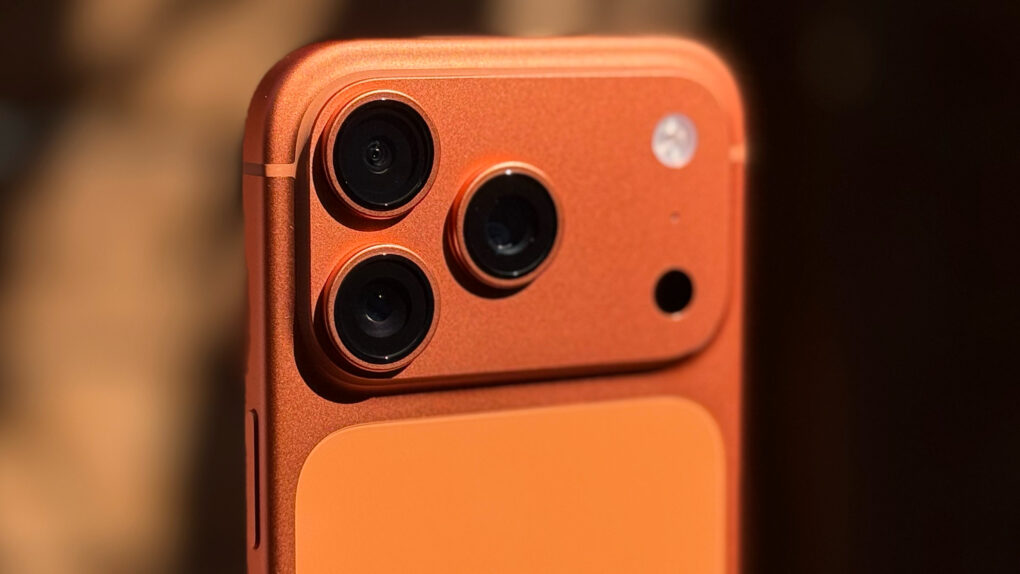
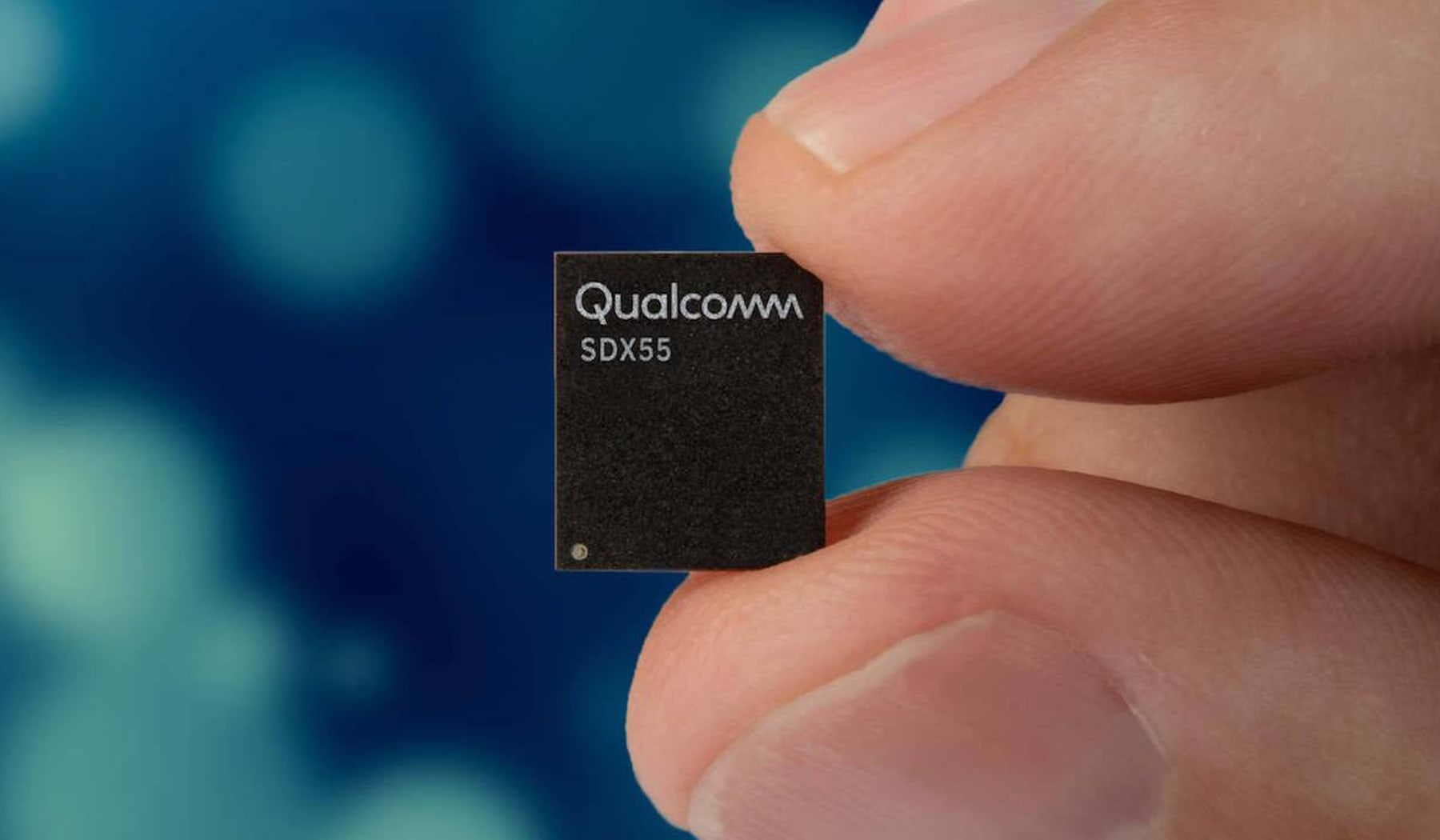
This might just be the last time Apple is using Qualcomm modem on its flagship iPhones. Photo: Lewis Wallace/Cult of Mac
An iPhone 17 Pro Max teardown confirms Apple sticking with Qualcomm’s modem for its flagship iPhones this year. The company did not specifically confirm using Qualcomm’s baseband on the iPhone 17 and iPhone 17 Pro models while unveiling them.
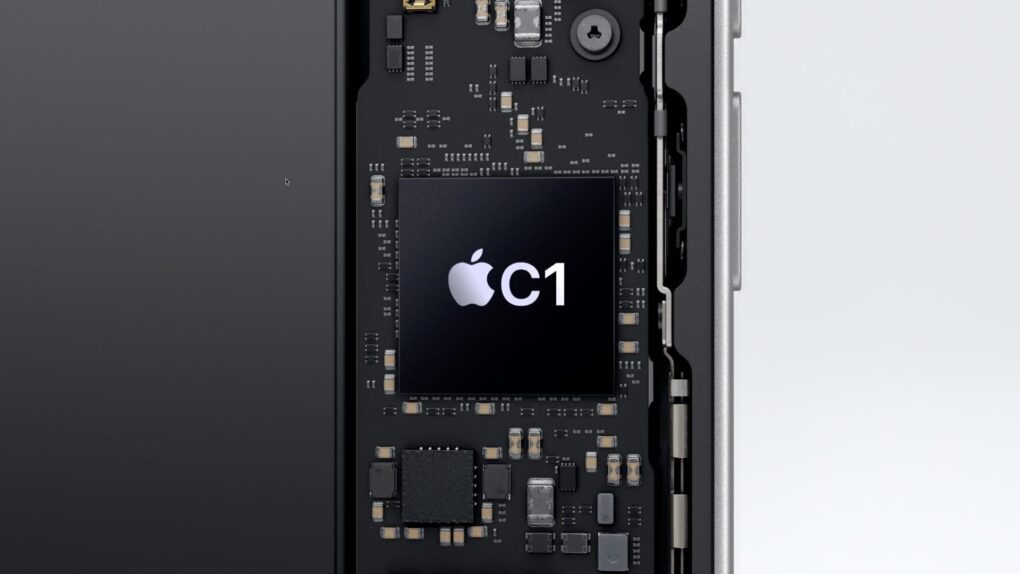
This is unlike the iPhone Air, which uses Apple’s second-gen C1X modem.
A new study funded by Qualcomm shows its modem chips topping C1 in real-world, New York City conditions. Photo: Apple
A new Qualcomm study suggests the company’s modems outperform Apple’s first in-house modem chip, the C1 — particularly in challenging urban network conditions.
The research from Cellular Insights, funded by Qualcomm, tested the iPhone 16e — Apple’s first device to feature the company’s homegrown C1 modem — against Android smartphones powered by Qualcomm chips on T-Mobile’s 5G network in New York City.
A 5G MacBook might finally be on the horizon. Graphic: Ed Hardy/Cult of Mac
A MacBook capable of directly connecting to 5G cellular wireless networks is one potential result of the modem that Apple intends to introduce in 2025, according to a reliable source of insider information.
The 5G modem will supposedly go first into iOS handsets, including the extra-slim one dubbed the “iPhone 17 Air” that Apple is allegedly preparing to launch next year.
Justin Long probably didn't realize he's make a career out of spoofing his classic "I'm a Mac" Apple ad campaign. Photo: Qualcomm
Qualcomm tried a new spoof of a legendary Apple ad campaign Sunday, coming in 14 years late and more than a few dollars short. The new ad for Arm-powered PCs stars “I’m a Mac” actor Justin Long pretending that notifications would drive him away from his MacBook.
The ad appeared at the end of Qualcomm’s “Snapdragon Computex 2024 Keynote: The PC Reborn.” You can see it and Long’s other work for Apple and competitors below.
Apple will have to stick to Qualcomm's 5G modem for the foreseeable future. Photo: Killian Bell/Cult of Mac
Apple is falling further behind in creating an in-house modem for iPhones. After multiple delays, the company targeted a 2025 spring timeline to ship its first modem. But that’s not going to happen.
A new report signals that Apple has delayed the modem’s launch until the end of 2025 or early 2026.
★★★★☆
If you like compact, stemless earbuds with good sound, these are worth a try. Photo: David Snow/Cult of Mac
Don’t want to spend hundreds on great-sounding earbuds? Affordable earbud and speaker maker EarFun unveiled its updated stemless earbuds Monday, EarFun Free Pro 3. They check a lot of quality boxes at a low regular price of $80, or $60 with current discounts (see below).
Like previous EarFun releases, the new buds nail high-quality sound and offer an array of premium features. But in this case, I found the active noise cancellation (ANC) unimpressive — that is, until EarFun sent out firmware update VO.2.1 in early November, and it improved noticeably.
Apple has poured billions into making its own 5G chip, and so far has nothing to show for it. Here's why. Artists concept: Ed Hardy/Cult of Mac
Apple’s five-year effort to make a 5G modem for the iPhone has so far accomplished little besides spending billions of dollars, according to a new report. The reasons for the failure are myriad but mostly come down to executives underestimating the complexity of the project.
That’s left iPhone-maker dependent on Qualcomm for modems, a company Apple has a very rocky relationship with.
Qualcomm says Apple's cellular modem could be ready in 2024. Photo: Qualcomm
Quaclomm CEO Cristiano Amon says he thinks Apple’s in-house modem could be ready in 2024, presumably for use inside the iPhone 16 series. The CEO’s comments came Monday during an interview on the show floor at MWC 2023, a massive tech trade show in Barcelona, Spain.
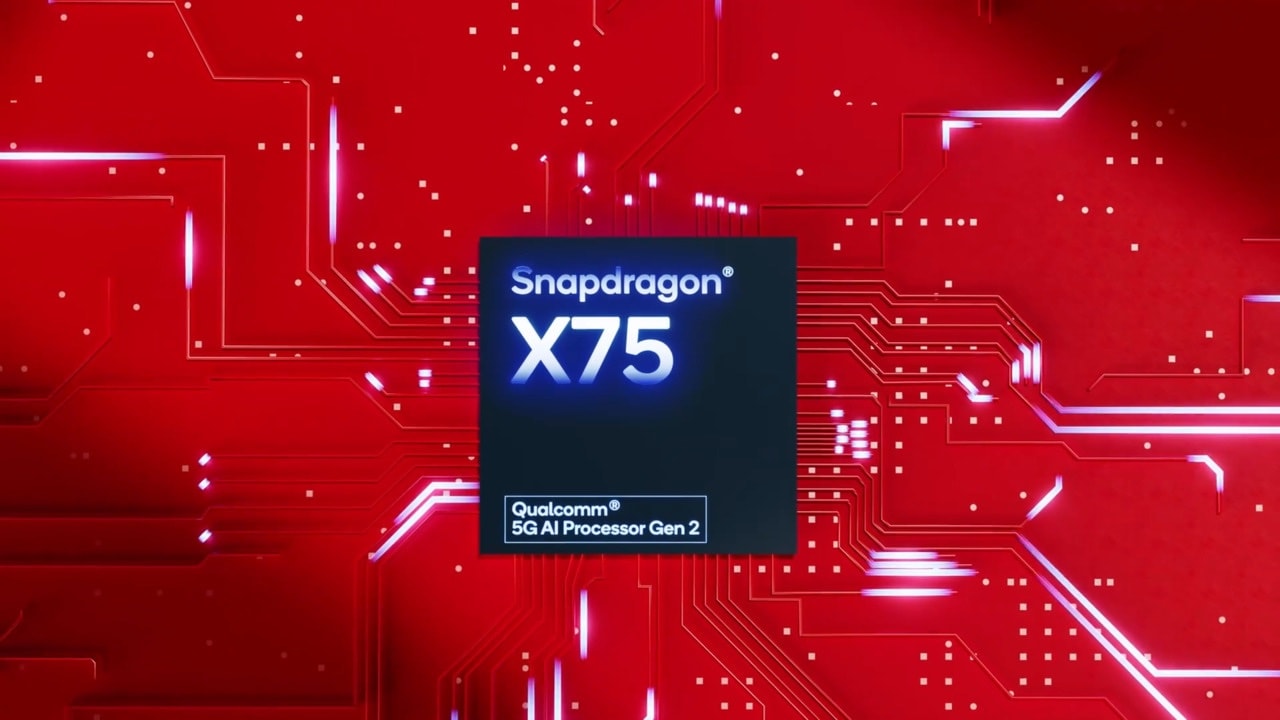
The Qualcomm X75 modem will almost certainly appear in a future iPhone and add support for 5G Advanced. Image: Qualcomm
Qualcomm, the chipmaker that supplies the 5G modems in all iPhones, on Wednesday unveiled the X75, its next-generation modem that will be the first to support 5G Advanced. This emerging cellular-wireless standard will give a speed boost to cellular-wireless networks and make mobile VR/AR more practical.
The X75 probably will be used in the iPhone 16 when it launches in 2024.
Qualcomm is a vital supplier for Apple until the latter's in-house 5G modem is ready. Photo: Qualcomm
Apple’s plans of using its in-house modem starting from the iPhone 15 in 2023 are unlikely to pan out. Qualcomm will continue to supply the Cupertino company with the “vast majority” of iPhone modems next year.
The San Diego chipmaker expects Apple to shift to its in-house modem by 2024 at the earliest. It had previously expected to supply the iPhone maker with only 20% of modem chips in 2023.
You will get faster 5G data speeds on the iPhone 14 Pro. Photo: Lewis Wallace/Cult of Mac
Apple is using a faster and more power-efficient Snapdragon X65 modem on the iPhone 14 Pro series. This allows the new iPhones to pull faster download speeds on 5G networks.
The new modem also reduces the latency time. Combined, these improvements will provide a better network connectivity experience on the iPhone 14 Pro.
We apparently won't see an Apple 5G modem for years to come. Artists concept: Ed Hardy/Cult of Mac
Apple is reportedly unable to produce the 5G modem for the 2023 iPhone, as it had hoped. It will instead have the buy the critical component from Qualcomm, a company that Cupertino has quarreled with in the past.
Cupertino already sank more than a billion dollars into this so-far-unsuccessful effort.
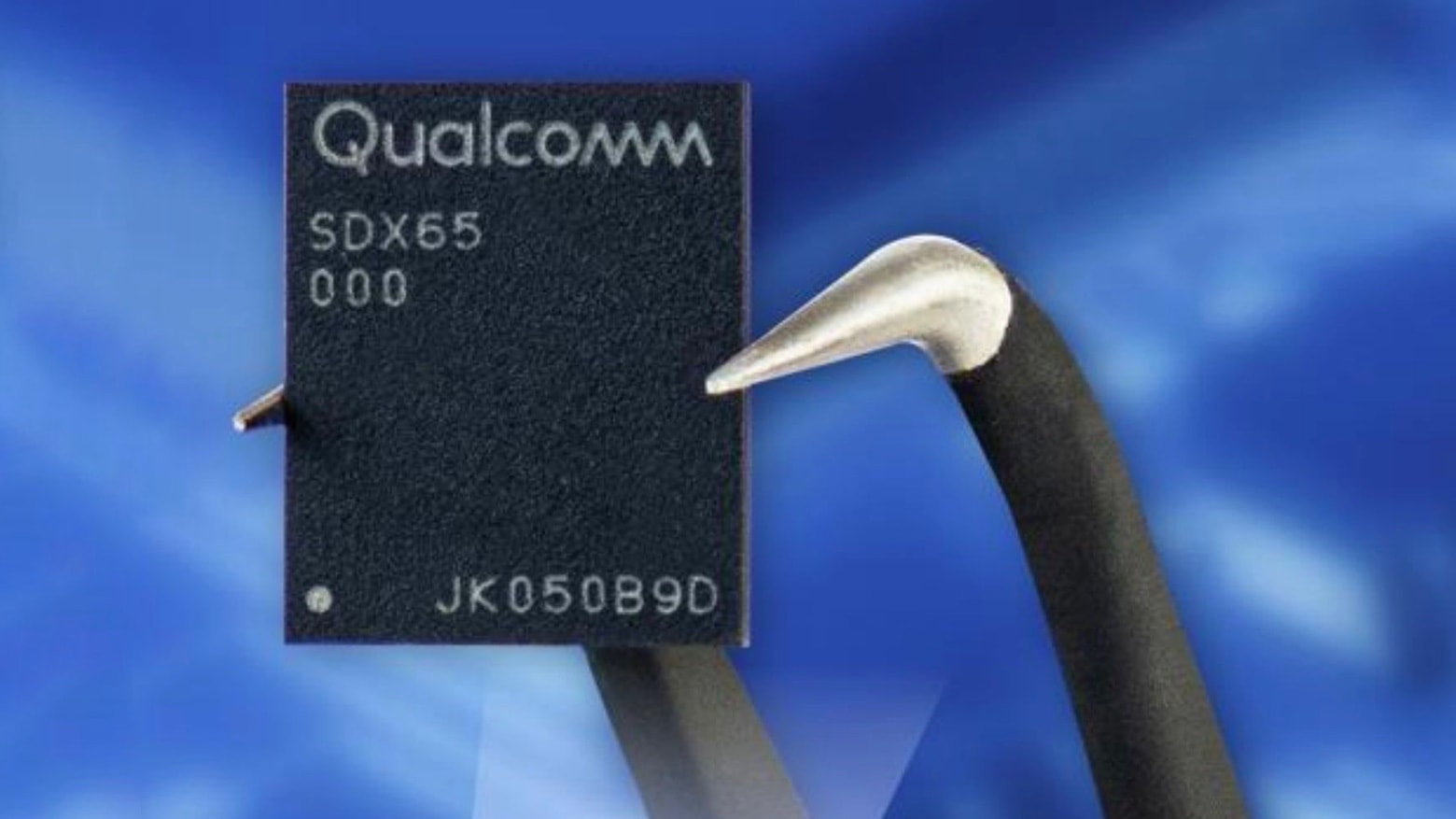
The 2022 iPhone 14 will offer the best 5G service yet thanks to the Qualcomm Snapdragon X65 modem. Photo: Qualcomm
When iPhone 14 launches this autumn, it’s expected to offer better 5G performance than its predecessors. The iPhone 13 already offers speedy connections, but a new modem in the 2022 version will bring advantages to the next iOS handset.
Chief among these is better connections in areas with weak 5G signal.
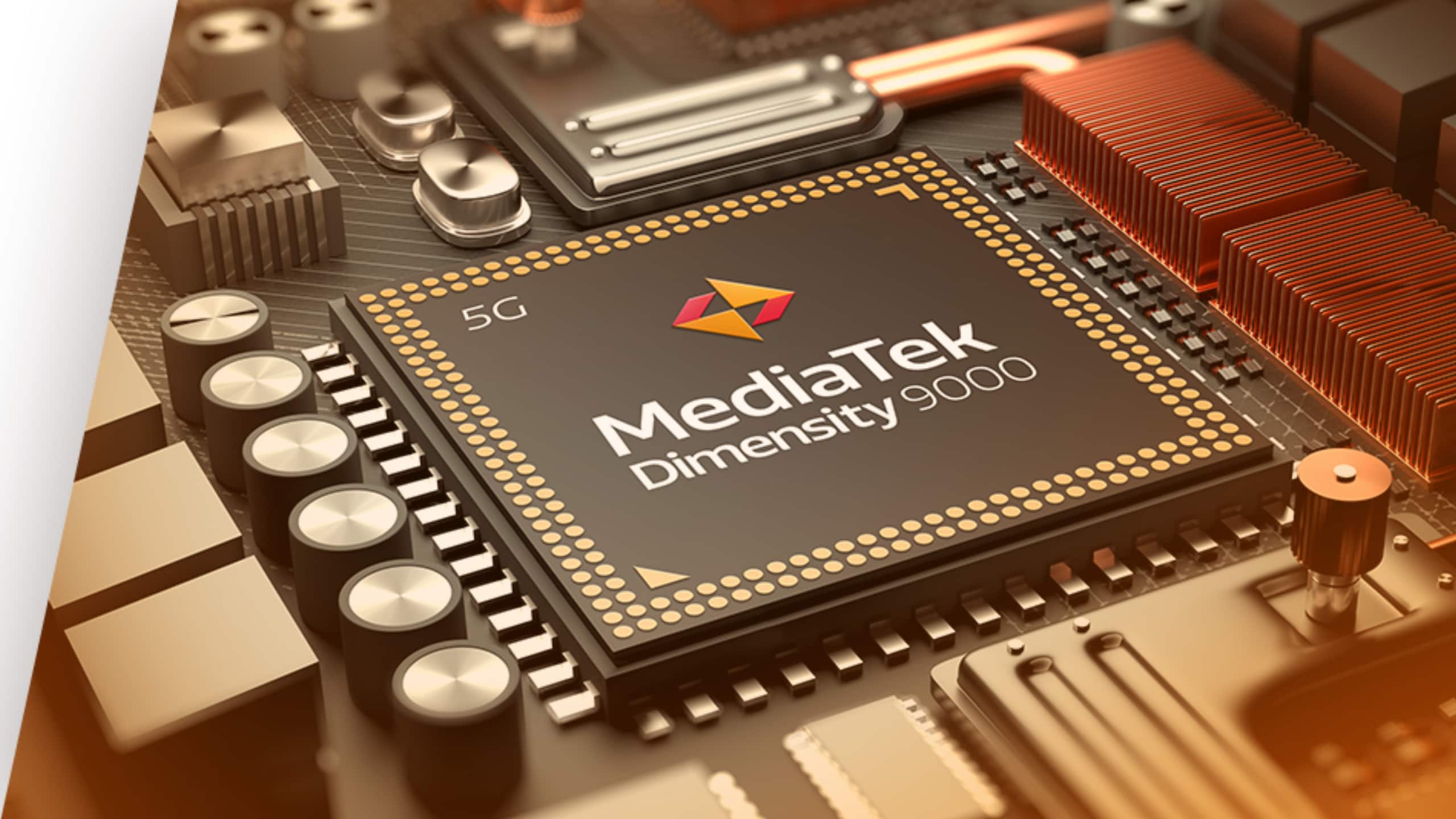
MediaTek looks set to become the first mobile chipmaker to finally give iPhone 13’s A15 Bionic chip a run for its money in processing performance.
The Taiwanese company’s new Dimensity 9000 chipset, announced late last year, is yet to make its way into an Android device. But early benchmarks suggest it will easily outpace rivals from Google, Samsung and Qualcomm.
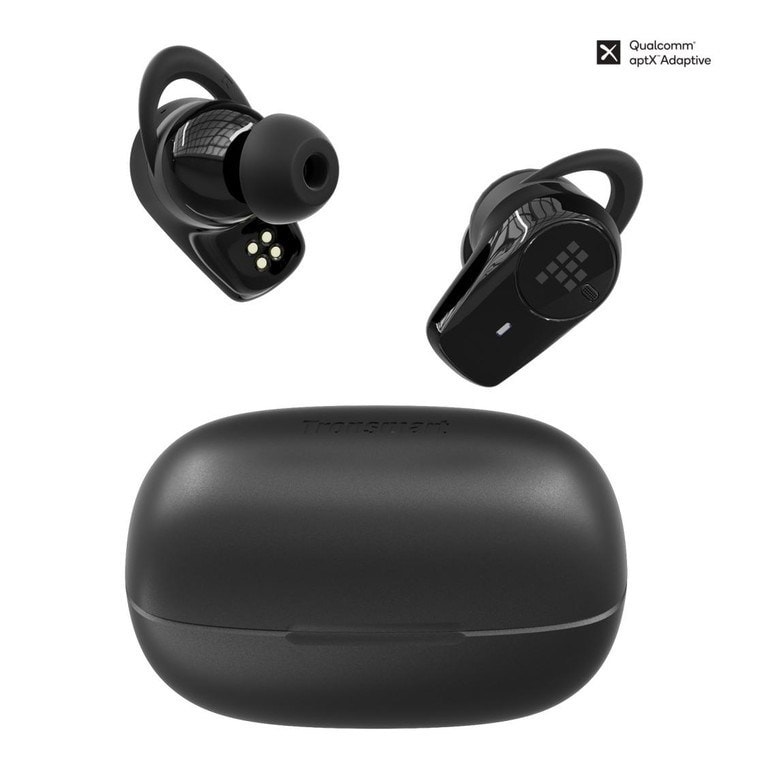
Tronsmart Onyx Prime Dual-Driver Wireless Earbuds Photo: Tronsmart
Is it just your imagination, or are there billions of affordable earbuds boasting great sound quality on the market now? Well, maybe not billions, but many. And now Chinese audio brand Tronsmart adds its new Onyx Prime True Wireless Earbuds to the mix for $69.99.
The move would "distort Arm's incentives," the FTC said. Image: Arm/Nvidia/Cult of Mac
The U.S. Federal Trade Commission has filed a lawsuit to block Nvidia from acquiring Arm. It believes the move would “distort Arm’s incentives in chip markets” and allow the combined firm to “unfairly undermine Nvidia’s rivals.”
Nvidia is already one of the largest chip companies in the world, while Arm’s technology is licensed to some of the biggest and most powerful brands, including Apple, Samsung, and Qualcomm.
Qualcomm is slowly but surely getting the boot. Image: Killian Bell/Cult of Mac
Taiwan Semiconductor Manufacturing Company, Apple’s primary chip production partner, will start manufacturing custom 5G modem chips for iPhone in 2023, according to a new report, which cites four different sources familiar with the plan.
TSMC reportedly will build the chips using a 4-nanometer manufacturing process. The proprietary modems would allow Apple to reduce its reliability on rival chipmaker Qualcomm.
Qualcomm will eventually get the boot. Photo: Apple
Apple is expected to start shipping its own 5G modems for iPhone in 2023. The chips will reduce the company’s reliance on Qualcomm — which is currently a major supplier of cellular chips for Apple devices.
Sources say the modems won’t be integrated into Apple’s primary A-series chipsets for iPhone, but will instead be separate components.
It’s great when a company releases a product that meets its expectations. It’s even better when it exceeds them. But that’s what you can expect when you buy a new Apple device with the latest A15 Bionic chip.
Independent tests confirm that the A15, which can be found inside iPhone 13 and the newest iPad mini, is even more impressive than Apple led us to believe, easily outpacing the newest mobile chips from the competition.
iPhone 13 will reportedly be able to use satellites to exchange calls and texts. Photo: Globalstar
The iPhone 13 will offer two-way communication with low Earth orbit satellites, according to a report from a reliable Apple analyst. If the prediction proves correct, making phone calls and exchanging texts via satellite connection will be possible with Apple’s next handset.
An Apple 5G modem is allegedly in development, and could be in iPhones in a few years. Artists concept: Ed Hardy/Cult of Mac
Apple’s transition from using Qualcomm modems to its own 5G designs could roll out as soon as the next couple of years, TF International Securities analyst Ming-Chi Kuo suggests, in a research note seen by Cult of Mac.