The latest App Report from research firm Appthority has found that free apps downloaded onto iOS devices are more likely to collect your personal data than free apps downloaded on Android, with 60% of the top ten App Store downloads sharing data with advertising and analytics networks.
The report suggests that due to the volume of titles in the App Store, iOS developers are more likely to collect your data and pass it on as an alternative revenue stream.
Every time you purchase an app from Google Play, Google sends your email address, your suburb, and in many cases your full name to the app’s developer. That’s according to Dan, the creator of the Paul Keating Insult Generator for Android, who logged into his Google Play account this week to discover he had personal details for everyone who had purchased his app.
Well, so far this week, we’ve shown you how to tweak the Finder and change up some user interface types of things, all using the power of Mac OS X’s Terminal app, a window into the back end of your Mac. Today, we’re going to spend a little time with the Terminal commands to make your Mac just a bit more secure and private.
Path, the mobile social network that first launched on the iPhone in November 2010, has agreed to settle Federal Trade Commission charges that it deceived its users by collecting personal information from their address books without their knowledge or consent. The settlement requires the company to establish a comprehensive privacy program and to have independent privacy assessments carried out every other year.
The company has also been fined $800,000 for illegally collecting personal information from children without their parents’ consent.
People don’t trust Apple with all their personal data as much as they used to. That’s what the latest survey on privacy data claims, after ranking the top 20 companies that U.S. consumers trust the most with their private information.
Ponemon Institute has conducted its annual privacy survey for the past seven years that asks U.S. consumers to rate organizations that they feel are most likely going to keep their information private. Apple was ranked 14th on last years list, but didn’t make the cut this time.
We’re all concerned about online privacy issues in some form or another. Some of us are obsessive about it while others are a bit more cavalier. Regardless of how you feel about online privacy, there are tons of websites that have your personal information.
Why? Because of data brokers.
Data brokers collect your personal information and sell it online for background checks and marketing. Even social networks can expose sensitive details about your life that you thought you were only sharing with friends and family – and many of them can because of what their terms of service allow.
With this Cult of Mac Deals offer, you can finally fight back – with a one year subscription of Safe Shepherd for just $29!
We’re all concerned about online privacy issues in some form or another. Some of us are obsessive about it while others are a bit more cavalier. Regardless of how you feel about online privacy, there are tons of websites that have your personal information.
Why? Because of data brokers.
Data brokers collect your personal information and sell it online for background checks and marketing. Even social networks can expose sensitive details about your life that you thought you were only sharing with friends and family – and many of them can because of what their terms of service allow.
With today’s Cult of Mac Deals offer, you can finally fight back – with a one year subscription of Safe Shepherd for just $29!
Privacy, it’s important. With all the integration between apps, devices, computers, and the big, bad internet, it’s easy to lose track of all the ways people can find out about you, your friends, and your family.
Thankfully, most services and devices these days have some sort of tool or system to allow you the control you need to manage which info is available and to whom, as well as how much is even out there. iOS 6 is no different, with a nice set of toggles to allow you to be the boss of your own information.
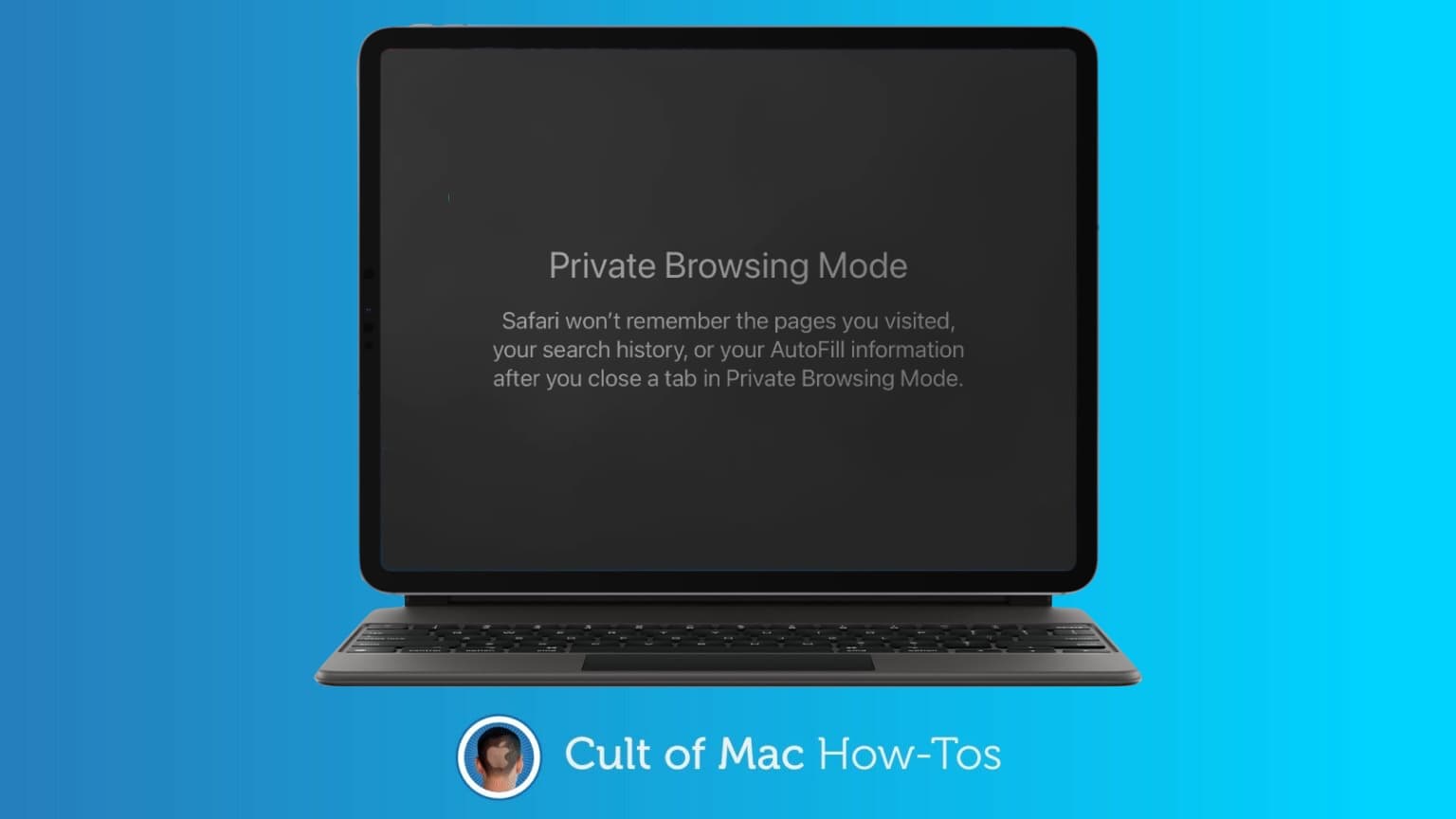
There are some new privacy settings in Safari 6 that potentially prevent a couple of security issues from plaguing you as you roam about the internet.
Some websites may track your browsing activity when they send you web pages to view, which allows those sites to tailor what is presented to you on a specific web page. In addition, when you type search words into the new integrated search bar in Safari 6, Safari will send those words to the search engine itself so that it can send you a list of common searches that are similar to yours. Both of these issues are potential privacy issues, and here’s how you can disable both of them.
We’ve all been itching to get our hands on iOS 6 since it got its first unveiling at WWDC back in June, and today, three months after that announcement, the software finally gets its public debut. Apple’s packed a ton of new features into this update, including some major new features like Map and Passbook, plus some enhancements to existing apps and features, such as new Siri capabilities and a VIP inbox in Mail.
Apple’s been promoting some of these features on its website, but there are tons you may not have heard about. With that said, here’s your comprehensive guide to everything that’s new in iOS 6.