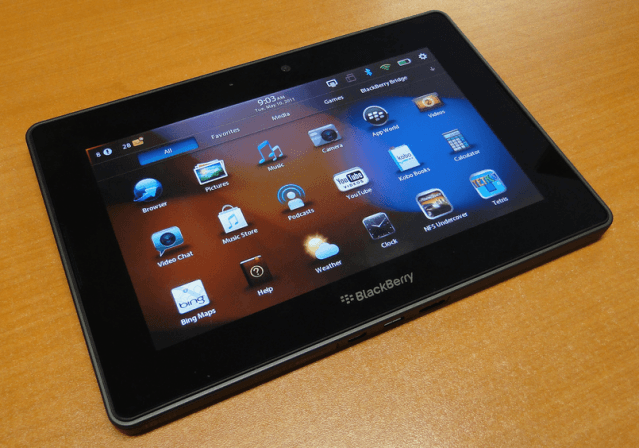
An interesting report from Boy Genius Report claims that Research In Motion is eyeing Samsung as its new daddy. The defunct BlackBerry-maker is apparently considering a last resort to stay afloat amid depressing sales and investor qualms.
According to BGR, Research In Motion wants to sell itself for up to $15 billion to Samsung. Considering the patent war that companies like Apple are fighting at present, Samsung could buy RIM to reinforce its patent portfolio. (Although RIM’s own portfolio may not be that valuable after all.)
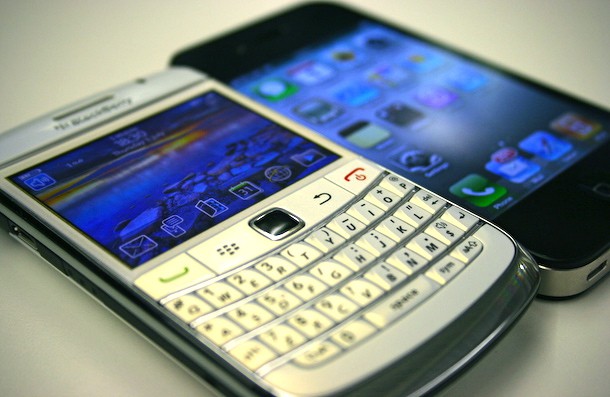
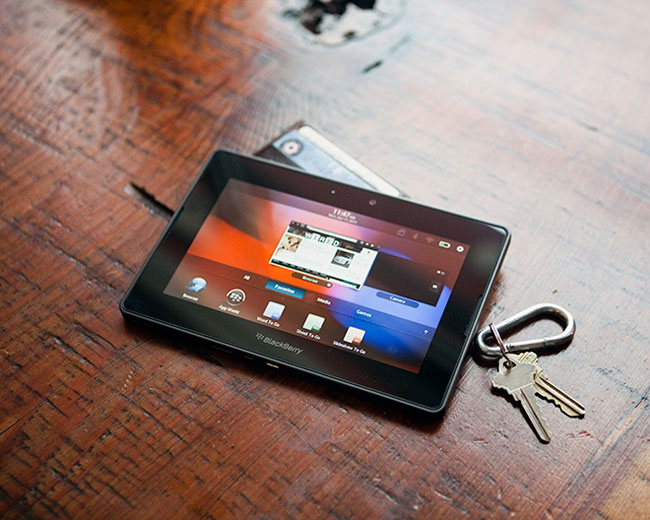
Image used under CC license from Flickr user: estilopda
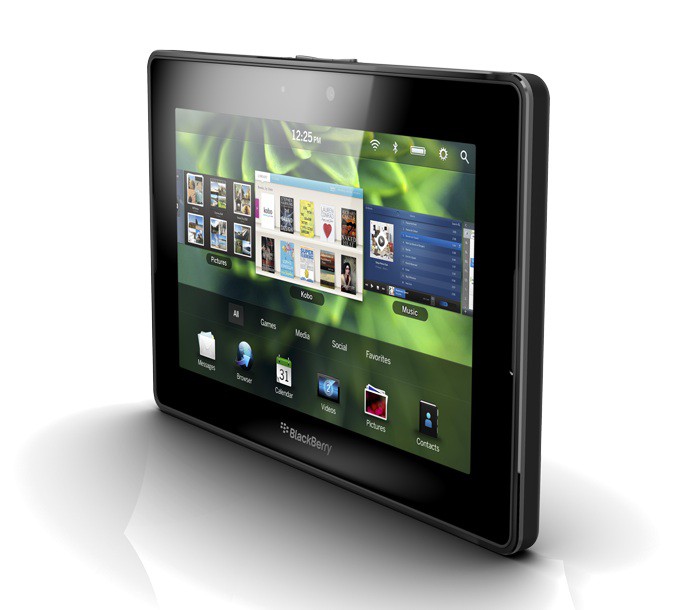
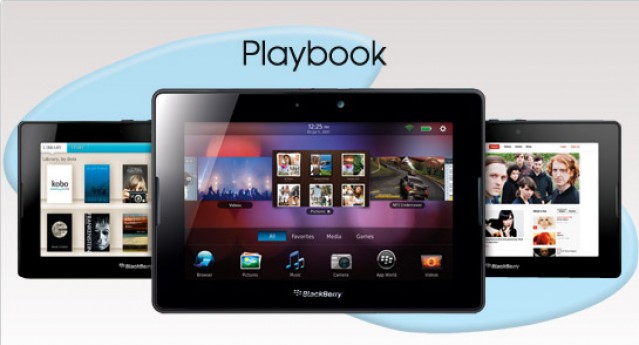
If Research in Motion is gambling on its future, it picked the right venue: the Las Vegas-based CES 2012. The Waterloo, Ont. company plans to introduce an updated version of its PlayBook Operating System, as well as its new BlackBerry 7.1 software amid a storm of criticism. But can new software alone resurrect a troubled tech company?
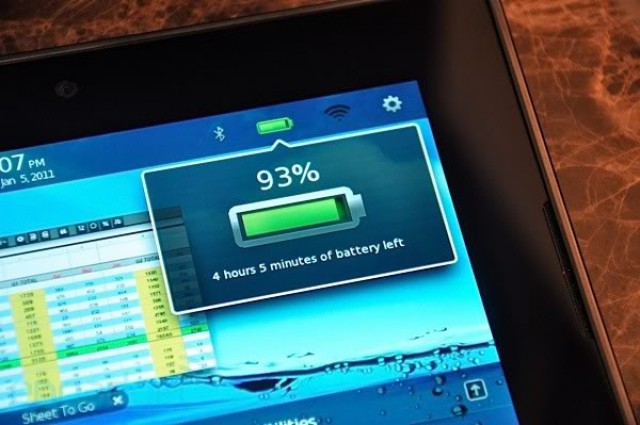
Image used under CC license from Flickr user: estilopda
BlackBerry maker Research in Motion often seems to have two left feet when it comes to management. Now, after becoming a serial failure, the company is considering removing its biggest roadblock: RIM’s co-CEOs. But can it quiet a months-long investor revolt?
How can Apple ward off iPad challengers such as Amazon’s $199 Kindle Fire tablet? One way, according to experts, is to offer the popular iPad 2 device at a much lower price – perhaps $299. Such a move could “seriously” impact the Kindle Fire and others attempting to gain market share by providing a low-cost alternative to the iPad. Others are dropping prices for another reason — nobody wants their tablets.
$1.7 million in Playbooks was recently stolen off a truck on its way from Plainfield, Indianapolis to Ontario, Canada. While the driver took a short pit-stop in Madison County, thieves stole 22 pallets of PlayBooks, totaling 5,200 devices.
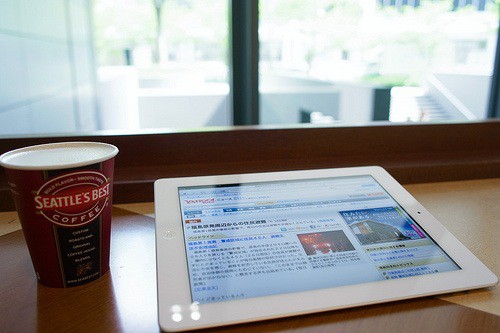
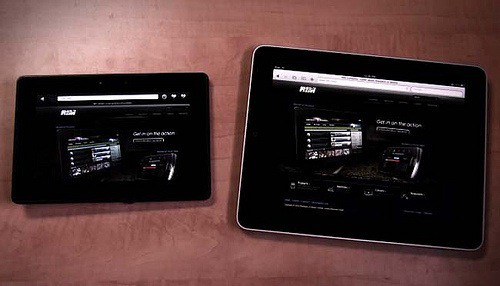
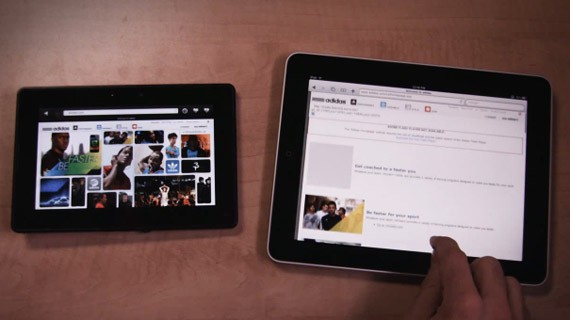
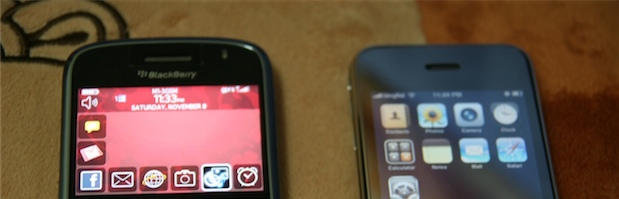
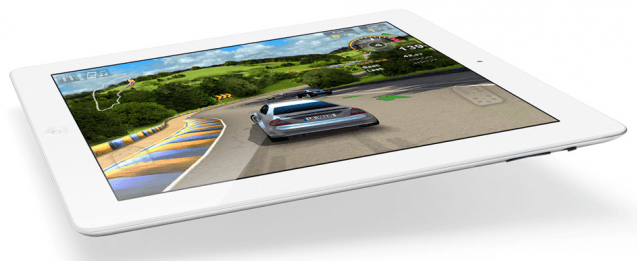
PlayBook versus iPad (Photo by The GameWay - http://flic.kr/p/9p5XMz)
Trying to compete against Apple’s iPad can be costly – especially if you are RIM and your PlayBook tablet went from design to discount bin in record time. Today the Waterloo, Ontario company announced it will take a $485 million charge for a growing number of PlayBooks it just can’t sell.
Research in Motion — roundly clobbered in the smartphone and tablet market — is now trying to hang onto its core enterprise customers. It’s formula is to concede defeat by Apple and Android, then sell its rivals’ victory as a reason to stay with the Waterloo, Ont. company.
High-profile PC makers such as HP and Dell may be preparing to “gradually phase out” of the tablet business, leaving the market to Apple’s iPad, Amazon’s Kindle Fire and Barnes and Noble’s Nook tablets. The rumored sea change follows the realization that best-selling tablets make money from the content they pump out, not from selling the hardware.
It’s never a good sign when you have to give your tablets away in order to compete with Apple’s iPad. A month after cutting consumer prices on its PlayBook, BlackBerry maker Research in Motion is telling businesses they’ll throw in a free tablet if they buy two of the devices. The only thing missing from this desperate plea for sales is the word “please.”
In the latest chapter of RIM’s slow-motion withdrawal from the tablet market, a key supplier of the PlayBook cuts its production line in half amid a “drastically shrinking” market for anything not Apple. Last week, the Canadian smartphone maker announced selling only a fraction of the units Wall Street expected.
Photo by Quang Minh (YILKA) - http://flic.kr/p/5Acibg
The news just never seems to be good for RIM. Thursday, the Canadian company announced it sold just 200,000 PlayBook tablets during the last quarter. Today, an analyst predicts the iPhone 5 will “steamroll” RIM’s upcoming BlackBerry 7 smartphones.
Is RIM’s PlayBook the next HP TouchPad? That’s the thinking of some reading the BlackBerry maker’s news that it shipped just 200,000 of its tablets last quarter, less than half that shipped the previous financial three-month period. What’s worse: there are also PlayBooks unsold at retailers. Can anyone say price cuts are on the way?
We knew Apple’s iPad dwarfed RIM’s PlayBook, but now the image seems even more lopsided, thanks to shipping numbers from a group of analysts. The Cupertino, Calif. company shipped 19 iPads each time the BlackBerry maker shipped one of its rival devices. Little wonder RIM, facing financial scrutiny Thursday, is back concentrating on its smartphones.
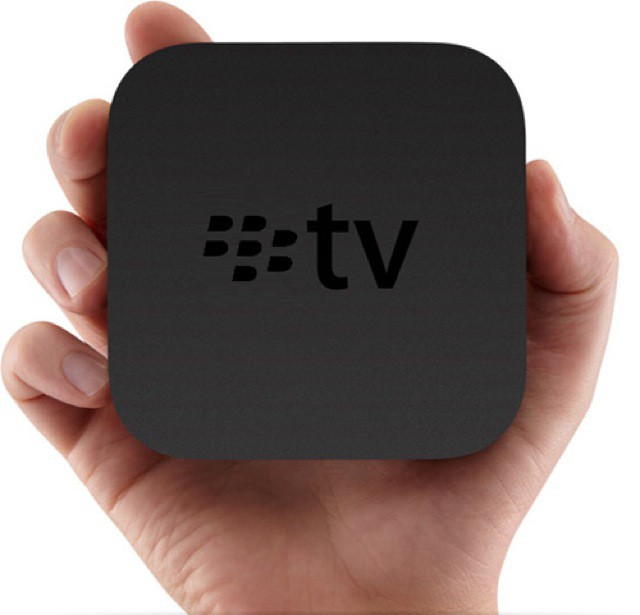
Rather than focusing its efforts on its diminishing smartphone business, it seems RIM may be planning to launch a device that will rival the Apple TV, packed with PlayBook hardware.
Photo by ~ l i t t l e F I R E ~ - http://flic.kr/p/8RoCRM
All that’s left for BlackBerry-maker RIM is to rearrange the deck chairs. After losing its smartphone market, its smartphone subscribers, and Wall Street, the Waterloo, Ontario handset company now sees its developers manning the lifeboats headed for Apple’s iOS. Coders say they’re tired of inconsistent interfaces and applications that just won’t work.
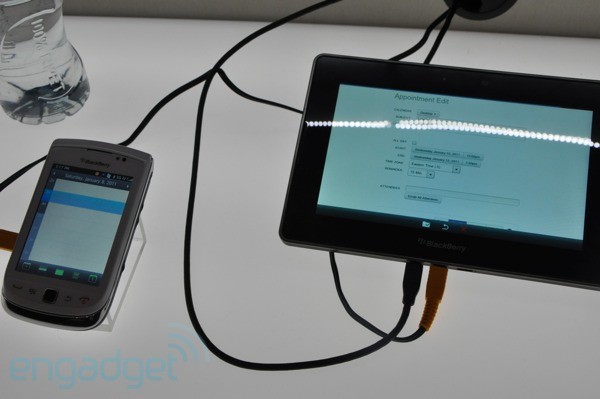
One commonly cited reason why RIM’s would-be iPad killer sucks is that it doesn’t even have email and calendar support natively. To get the PlayBook to run email, you have to tether it to your BlackBerry, which is just stupid.
It’s about to get stupider, though. A new report is suggesting that the PlayBook doesn’t suck at email so much by design as by a complete lack of foresight. It might actually be impossible for the PlayBook to do email natively… at least without RIM radically overhauling their backend.
Adobe just released an update to its Flash Builder and Flex development tools, and for the first time developers can use the programs to create apps for distribution through the App Store for iOS devices. But are cross-platform Flash apps on the iPhone and the iPad really a good idea?
It’s been a bad year for RIM so far. Their BlackBerry business has been harried on all sides by the iPhone, and their stock has delated largely thanks to the arterial spray of customers they are losing to Apple.
Worse, in response to the iPad, RIM released the much heralded BlackBerry Playbook, which might just go down in the books as one of the worst, least functional and woefully misguided pieces of consumer technology ever.
Finally, just last week, Apple totally eliminated RIM’s sole advantage over iOS by announcing iMessage, which Wall Street is already saying will kill BlackBerry’s remaining prospects in enterprise.
Anyone surprised that RIM”s now announcing layoffs after seeing their first quarter results? I thought not.
One tech reviewer has likened RIM’s BlackBerry PlayBook to “the herpes of tablets.” Although the CNN writer was joking, not so funny is how consumers are shying away from the iPad rival.
Oh, Research In Motion! Can you for one moment stop making your would-be iPad killer suck even harder than it already does?
Panned critically at debut, RIM recently had to recall over a thousand half-baked units. Now reports indicate that a recent patch has made PlayBook performance even worse than it was before.
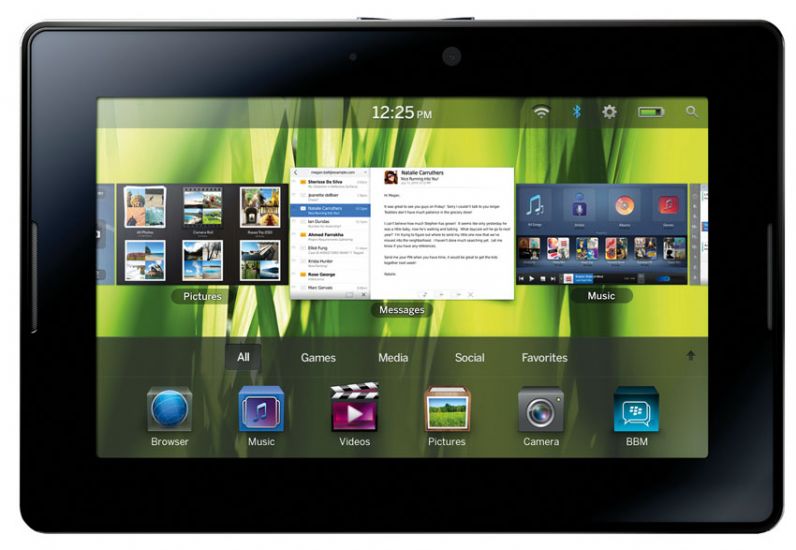
Retailers have announced the U.K. launch date of RIM’s BlackBerry PlayBook today, in addition to a price list that matches that of Apple’s iPad 2. But who will buy it?
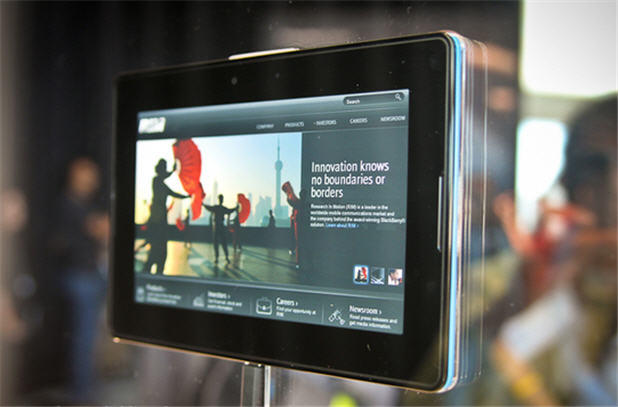
Image used under CC license from Flickr user: estilopda
Initial reviews deeming the device “half-baked” meant a bad start for the BlackBerry PlayBook, and things just got a little worse as RIM recalls nearly 1,000 units.
Oh dear. RIM’s iPad competitor, the PlayBook, gets a solid panning from the New York Times’ David Pogue.
The main problem is the lack of apps. Not even native apps. It doesn’t even have built-in email! The hardware is pretty limited too — no 3G or GPS.
The PlayBook, then, is convenient, fast and coherently designed. But in its current half-baked form, it seems almost silly to try to assess it, let alone buy it.
Remember, the primary competition is an iPad — the same price, but much thinner, much bigger screen and a library of 300,000 apps. In that light, does it make sense to buy a fledgling tablet with no built-in e-mail or calendar, no cellular connection, no videochat, no Skype, no Notes app, no GPS app, no videochat, no Pandora radio and no Angry Birds?
On the bright side, it does have a couple of spectacular features: its secure, can be synced wirelessly, and can power an external screen independently (the iPad only does mirroring). RIM promises updates to the hardware and software throughout the year, but by then, Apple will be finishing the iPad 3. It looks like a bomb.
UPDATE: WSJ’s Walt Mossberg slams it too: “I recommend waiting on the PlayBook until more independently usable versions with the promised additions are available.”
A one month delay to the launch of RIM’s BlackBerry PlayBook may have been down to Apple’s high demand for touch panels for its iPad 2. The 7-inch PlayBook is set to launch on April 19th at $499, but shipments were postponed for about a month because RIM couldn’t get its hands on enough touch panels.
Citing sources from touch screen manufacturers, a DigiTimesreport says the PlayBook setback was “due to a delay in software testing as well as shortage of touch panels because Apple already booked up most of the available capacity.”
Thanks to Apple’s abundance of cash reserves, the Cupertino company can pre-pay for components and get guaranteed priority from manufacturers. This means that RIM’s PlayBook – a tablet which aims to rival the iPad – won’t launch now until at least a month after the iPad 2 began shipping. It was originally scheduled for release during the first quarter of this year.
During last night’s Super Bowl Sunday, I was surrounded by a multitude of passionates for that noble game, fans who felt every impact of muscle and cartilage as gods collided upon the field. While friends around me pumped their firsts and said, with great authority, things like: “”Expect the Packers to try to tie a bow on this baby by running out the clock in the second half,” I nodded sagely and pretended to understand the game.
My secret, of course, is that I don’t. In fact, my understanding of professional football’s rules are almost entirely gleaned from this 1944 theatrical Goofy short that I watched on my iPhone on the car ride to my friend’s house for “the Big Game.”
One thing I do know, however, is the sanctity of the playbook: that secret tome of symbolic crosses and circles ascribed strategic meaning by arrows and squiggles. It’s always seemed to me that the average playbook would make a good app.
Ignorant as I may be of the way professional football is conducted, it looks like I’m not alone, as Dallas Cowboys technology director Pete Walsh has begun to push his team to start using iPads as their playbooks.