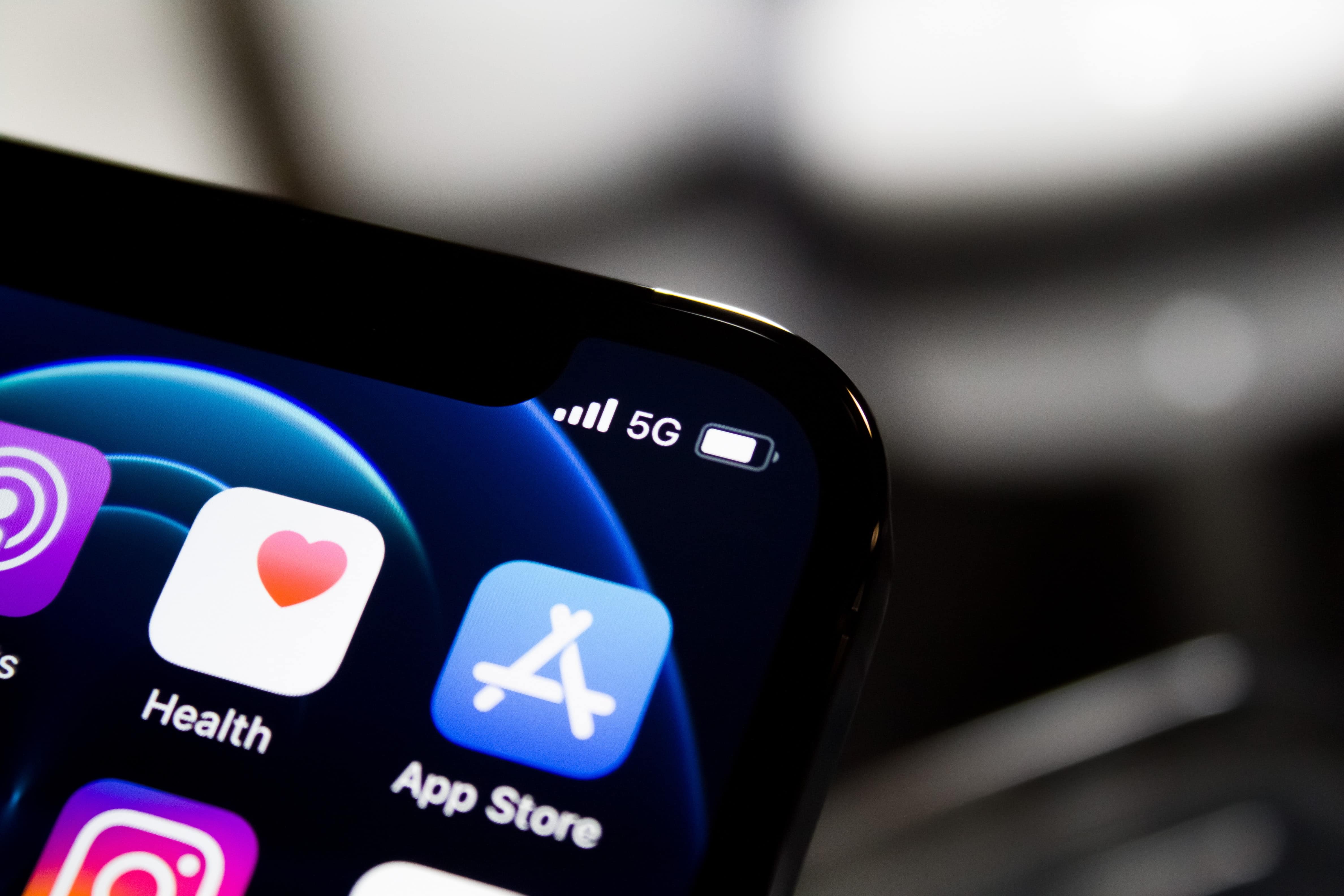
The iPhone SDK plants the seeds for the App Store's stunning success. Photo: Apple
March 6, 2008: Apple releases the iPhone software development kit, finally allowing coders to start creating native mobile apps for the new smartphone. The iPhone SDK gives developers the tools they need to unlock the new smartphone’s potential.
When the App Store eventually opens a few months later, a new industry springs up overnight. Third-party devs rush to take advantage of Apple’s lucrative app distribution network.
On this day in 2003, Steve Jobs revealed his plan to bring iTunes to Windows. Photo: Apple
October 16, 2003: Six months after opening the iTunes Music Store for Mac owners, Apple expands the service to Windows computers. This gives PC owners a new, legitimate way to download — and pay for — songs at a time when digital piracy threatens the music industry.
Apple CEO Steve Jobs later quips that making iTunes available to Windows owners is akin to “giving a glass of ice water to somebody in hell.”
What was the first app you ever downloaded? Photo: Graham Bower/Cult of Mac
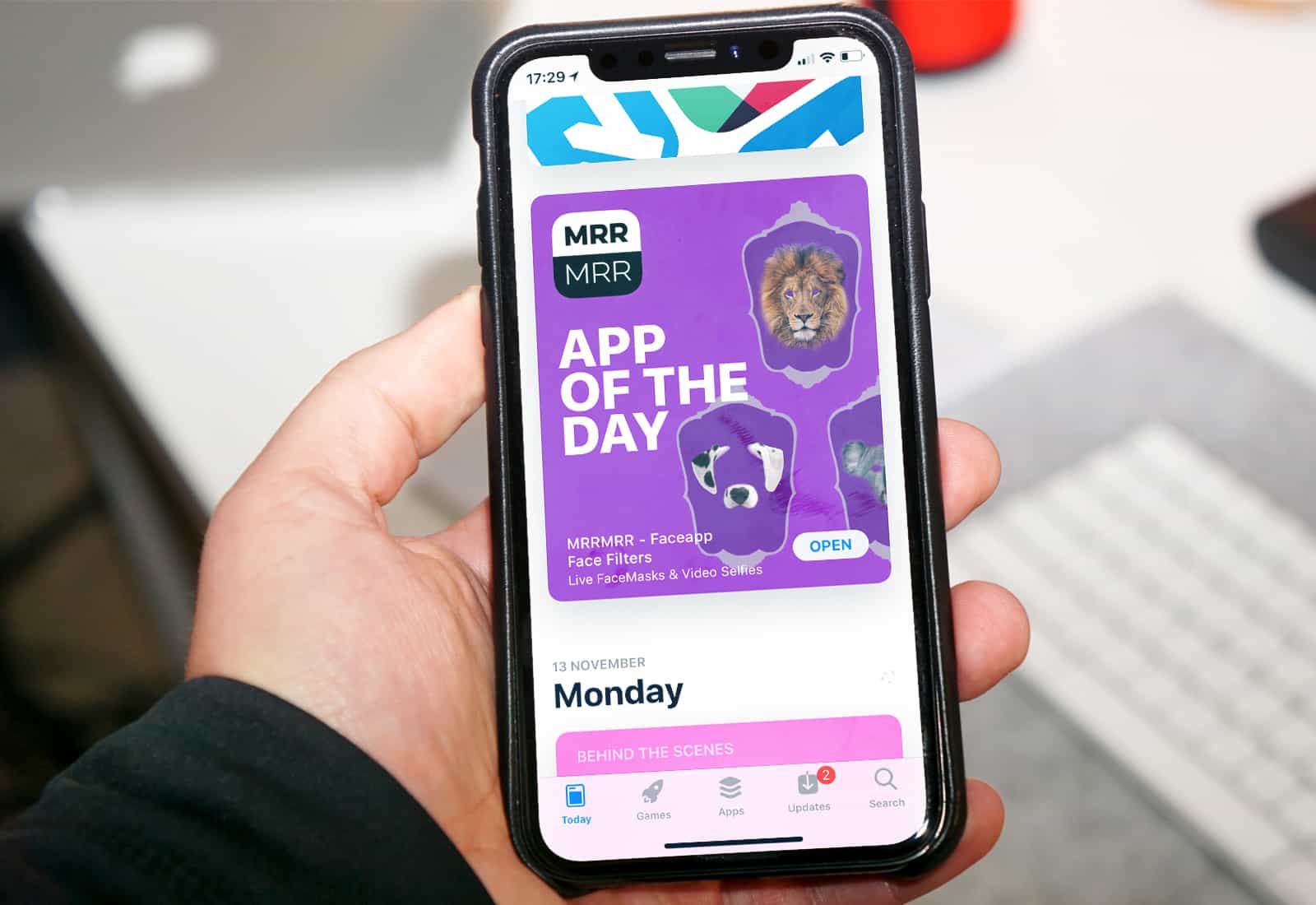
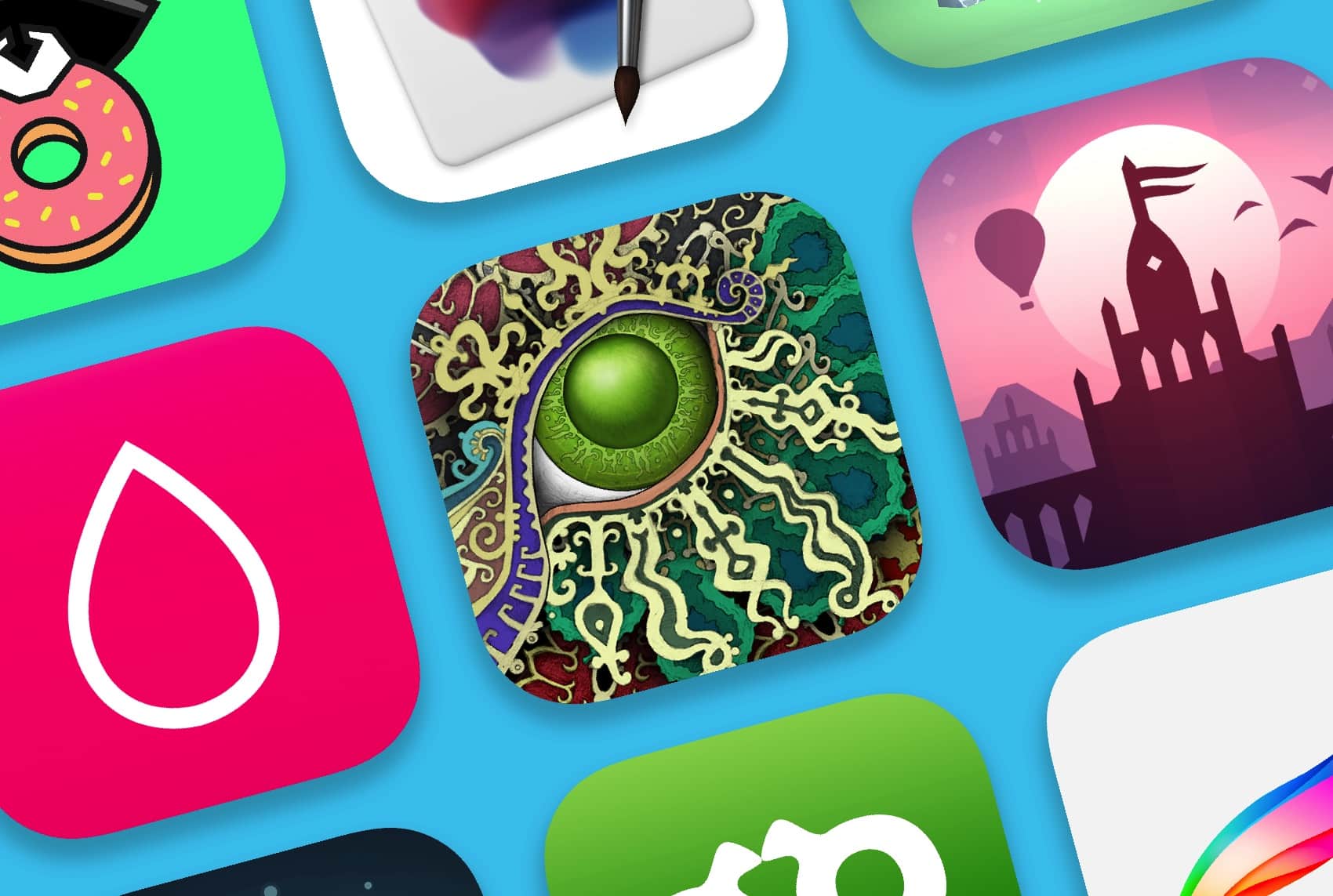
July 10, 2008: Apple launches the App Store, an online hub that lets iPhone owners browse and download apps made by third-party developers. Transforming the iPhone from a locked-down platform to a generative one, the App Store means that every iPhone user can have his or her own “killer app” depending on the software they want — from social networking to composing music to playing games.
One of the most significant launches in Apple history, the App Store opens up a whole new revenue stream for Cupertino. It’s hard to believe that Steve Jobs was originally dead-set against it!
What was the first app you ever downloaded? Photo: Ste Smith/Cult of Mac
July 7, 2011: Three years after its launch, the App Store passes 15 billion downloads.
This represents a major milestone for Apple. The App Store offers more than 425,000 apps, which give the iPhone and iPad incredible capabilities and add to the devices’ wide appeal.
Apple put the Power Mac G4 Cube "on ice" in 2001 after disappointing sales. Photo: Apple
July 3, 2001: Apple suspends production of its Power Mac G4 Cube, one of the most notable busts in Apple history — and the first major flop following Steve Jobs’ glorious return to the company in 1997.
Although Apple leaves the door open to possibly reintroducing the remarkably clear G4 Cube at a later date, this never happens. The stylish computer is superseded by Apple’s upgrade to G5 processors and then to Intel Core-based Macs.
Apple started accepting App Store submissions on this day in 2008. Photo: Ste Smith/Cult of Mac
June 26, 2008: A year after the first iPhone was released, Apple sends an email to developers calling for smartphone software to be distributed in the forthcoming App Store.
Coders around the world greet the news with excitement. They hurry to submit their iPhone apps and get in on the looming App Store gold rush. Many rake in small fortunes when the App Store goes live less than a month later.
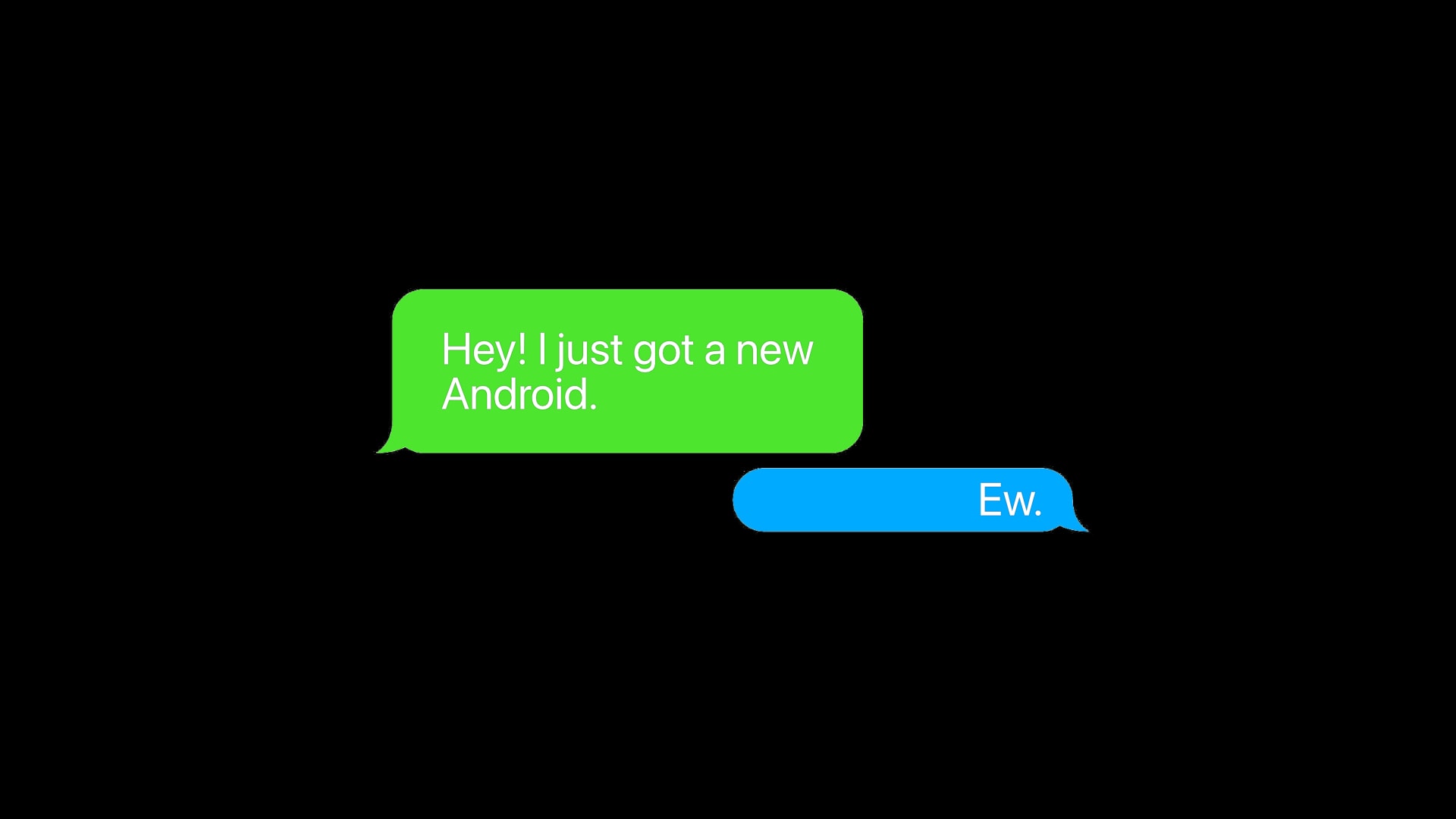
Apple could fix the iMessage problem. It just won't. Image: Killian Bell/Cult of Mac
Google is once again calling on Apple to adopt a more open text messaging standard after accusing Cupertino of benefitting from bullying.
It comes after a report highlighted the struggle some teens face when using an Android device, which results in broken group chats and green bubbles — as opposed to blue ones — when texting peers who own an iPhone.
A former iMessage manager explained the reasoning behind the differences in Apple’s defense. But some might (rightly) say the arguments hold no value today, with text messaging in a better place than it was when iMessage landed.
Apple will make several changes to its App Store policies to settle a class-action lawsuit brought by developers, the company said Thursday. Cupertino also will cough up $100 million to create a “fund” for small app-makers.
As part of the deal, Apple will allow developers to inform customers about alternative payment methods outside of their iOS apps. But they won’t be able to mention those payment methods inside the apps themselves.
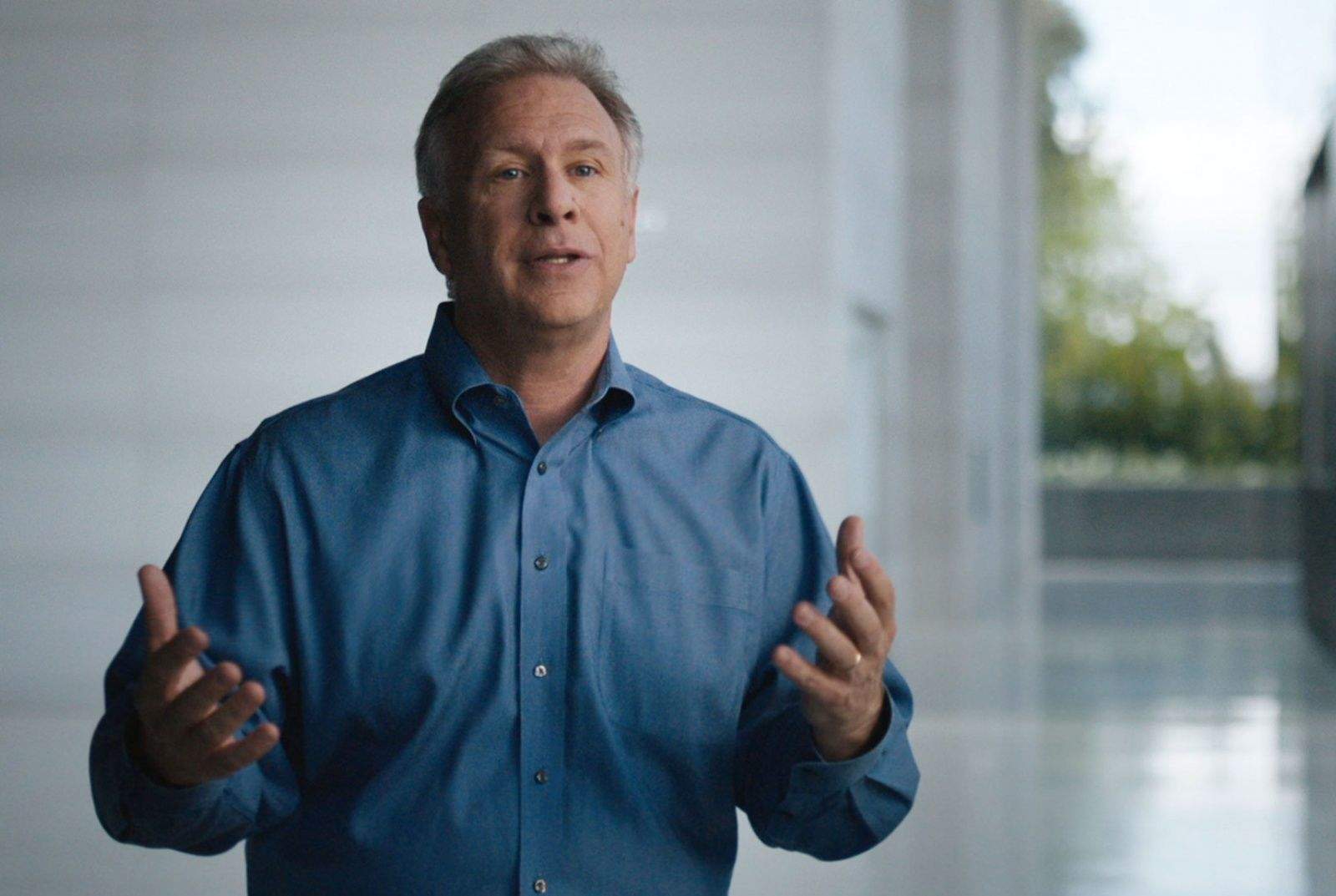
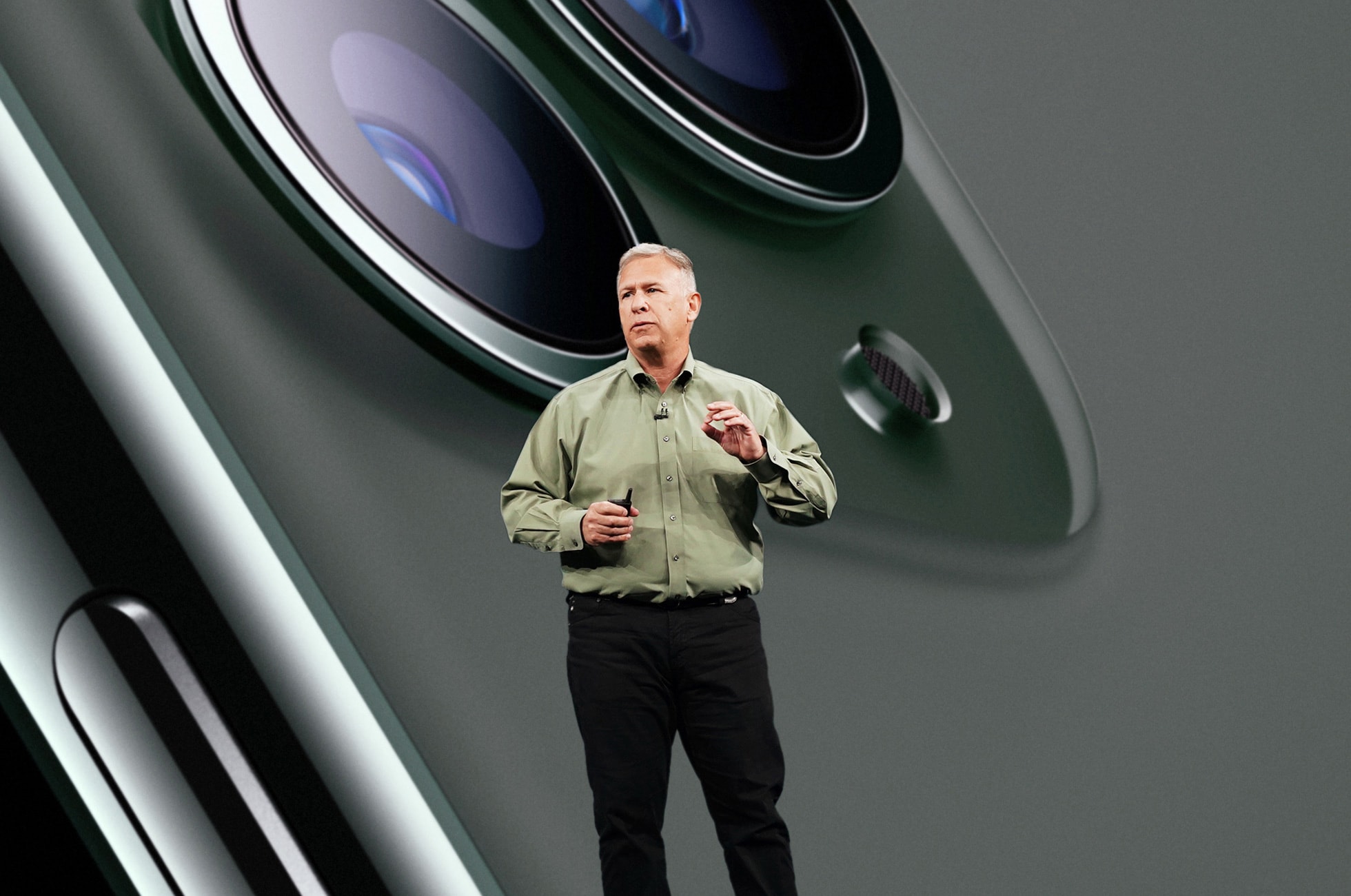
No one knows the App Store better than Phil Schiller. Photo: Apple
Apple fellow Phil Schiller took the stand Monday in the Epic Games v. Apple lawsuit and during testimony revealed the cost of the annual Worldwide Developers Conference: $50 million. He’s in charge of both WWDC and App Store so he brings unique insight to the ongoing court battle.
This is one of many details the long-standing Apple executive talked about on the stand.
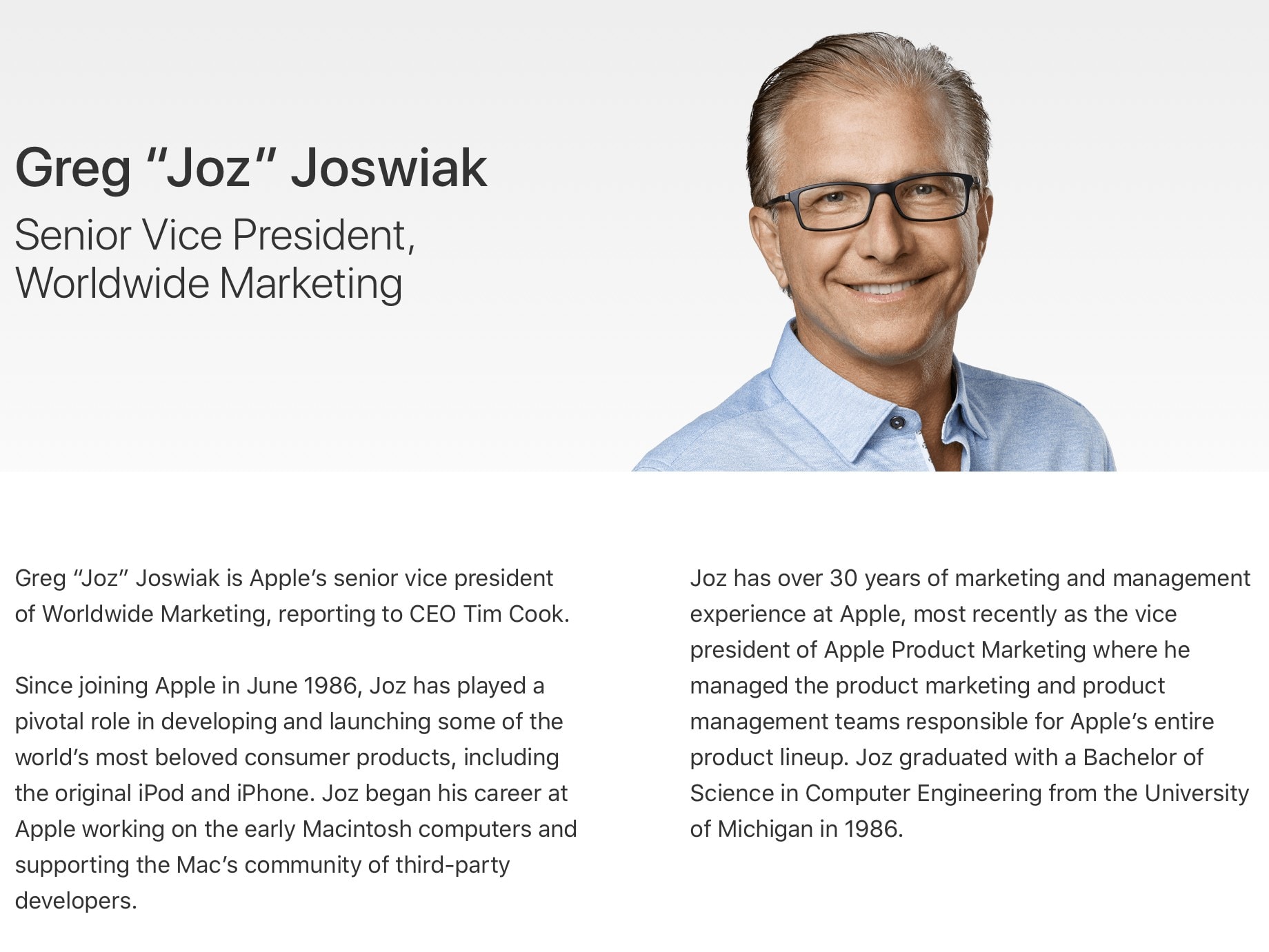
Joswiak's bio as it appears on Apple's Leadership page. Photo: Apple
Apple has updated its Leadership page to officially show Phil Schiller’s replacement by Greg Joswiak as Apple’s Senior Vice President of Worldwide Marketing.
Schiller was named an Apple Fellow in August, an honorific title that Apple has given to a handful of top employees over the years. Schiller, who still appears on Apple’s list of leaders, will continue to head up the App Store and appear at Apple Events.
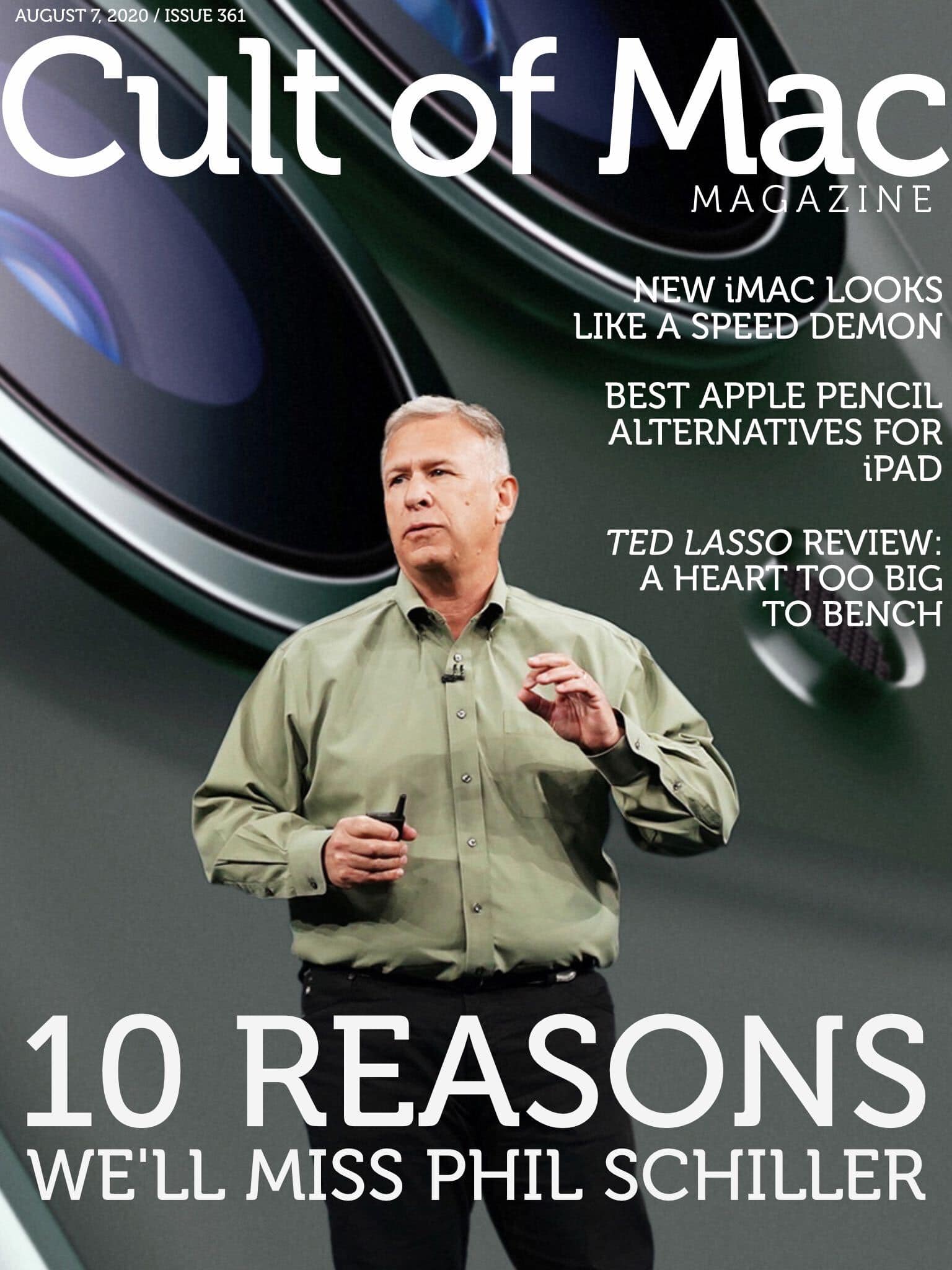
Here's why we love this longtime Apple exec. Cover: Killian Bell/Cult of Mac
We’re all going to miss Phil Schiller now that he’s stepped down from his role as Apple’s marketing chief. He was a close friend of Steve Jobs, and he played a major role in Cupertino for decades.
To be clear, he’s not leaving Apple entirely. Instead, he became an Apple Fellow (and he’ll run the App Store and Apple Events). Still, it’s a big change for Cupertino. In tribute to an Apple OG, let’s take a trip down memory lane and relive Phil Schiller’s greatest hits.
That post is just one of the good reads you’ll find in this week’s free issue of Cult of Mac Magazine. Download it now and get all the week’s top Apple news, reviews and how-tos in an easy-to-read package.
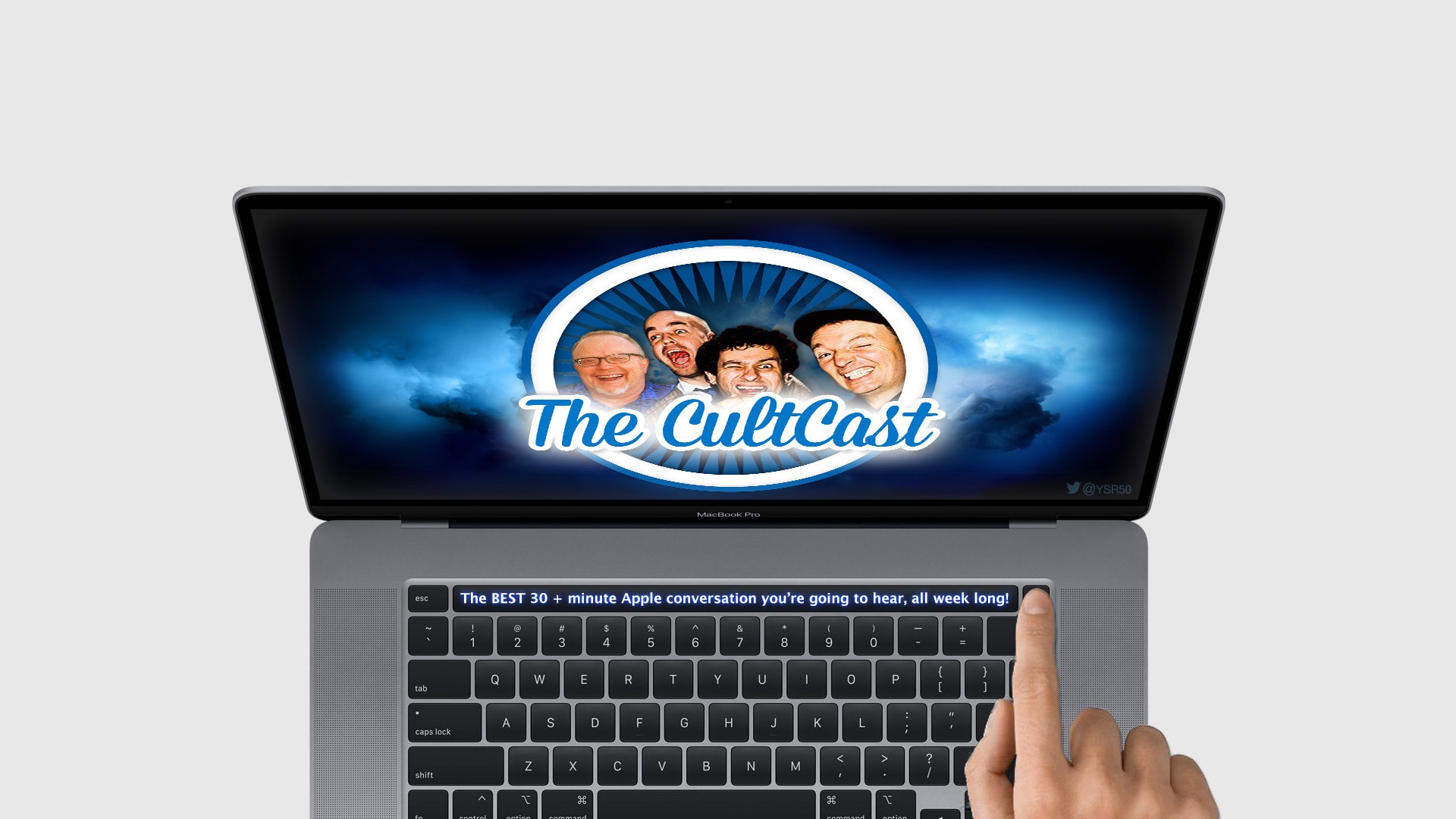
Which makes a better investment, iMac or AAPL? Photo: @YSR50
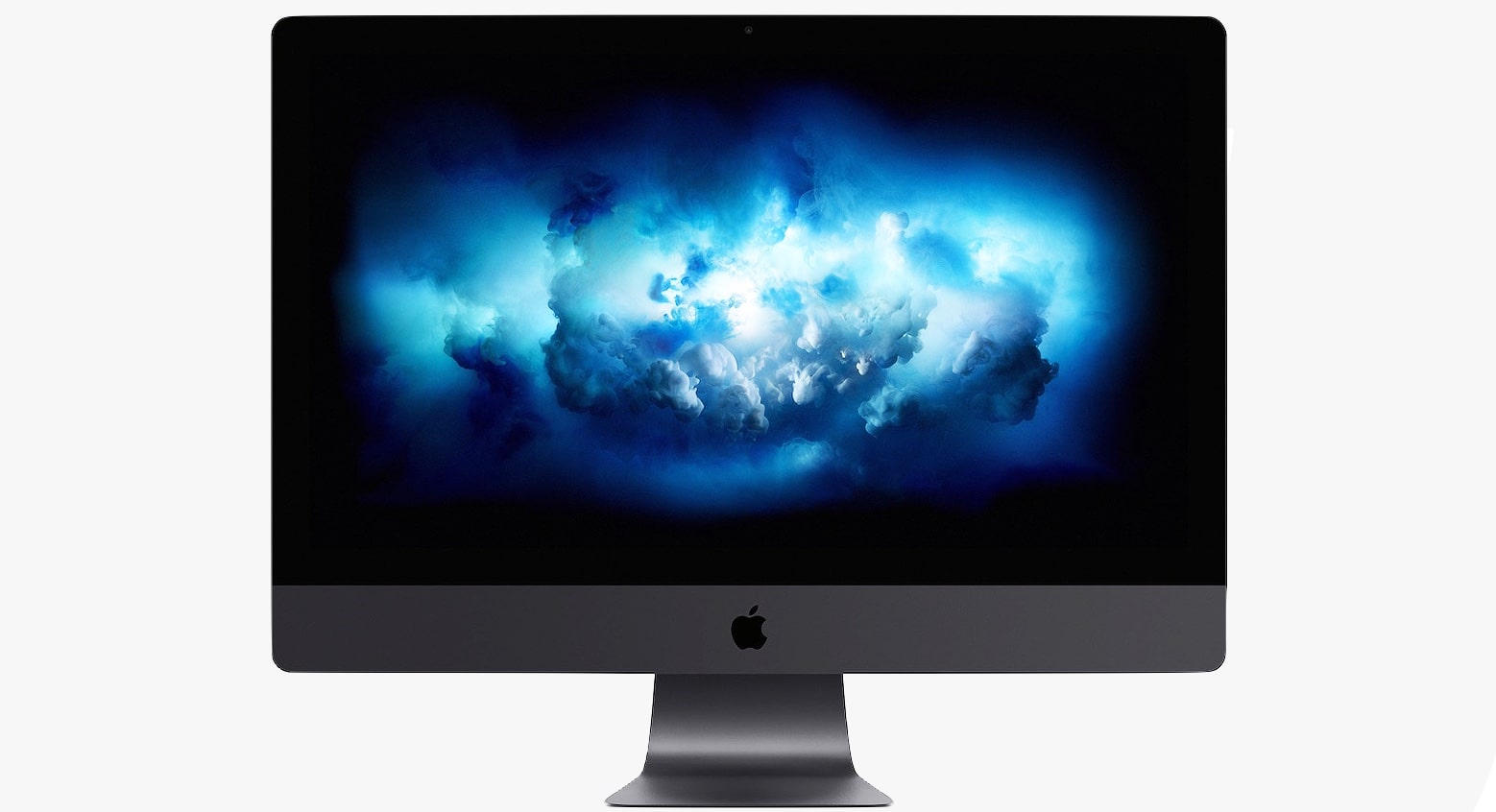
This week on The CultCast: The brand-new iMac may look the same, but it’s so powerful that video editors are gleefully buying two or three at a time — we’ll tell you everything that’s new.
But look, forget buying the shiny new iMac, and put your money in Apple stock instead! I’m going all in on AAPL. Find out why I’m about to dump a huge cash stockpile into Apple stock, and the cash value of my current investments. We’re talking real numbers here, people.
Our thanks to Squarespace for supporting this episode. Easily create a beautiful website all by yourself, at Squarespace.com/cultcast. Use offer code CultCast at checkout to get 10% off your first purchase of a website or domain.
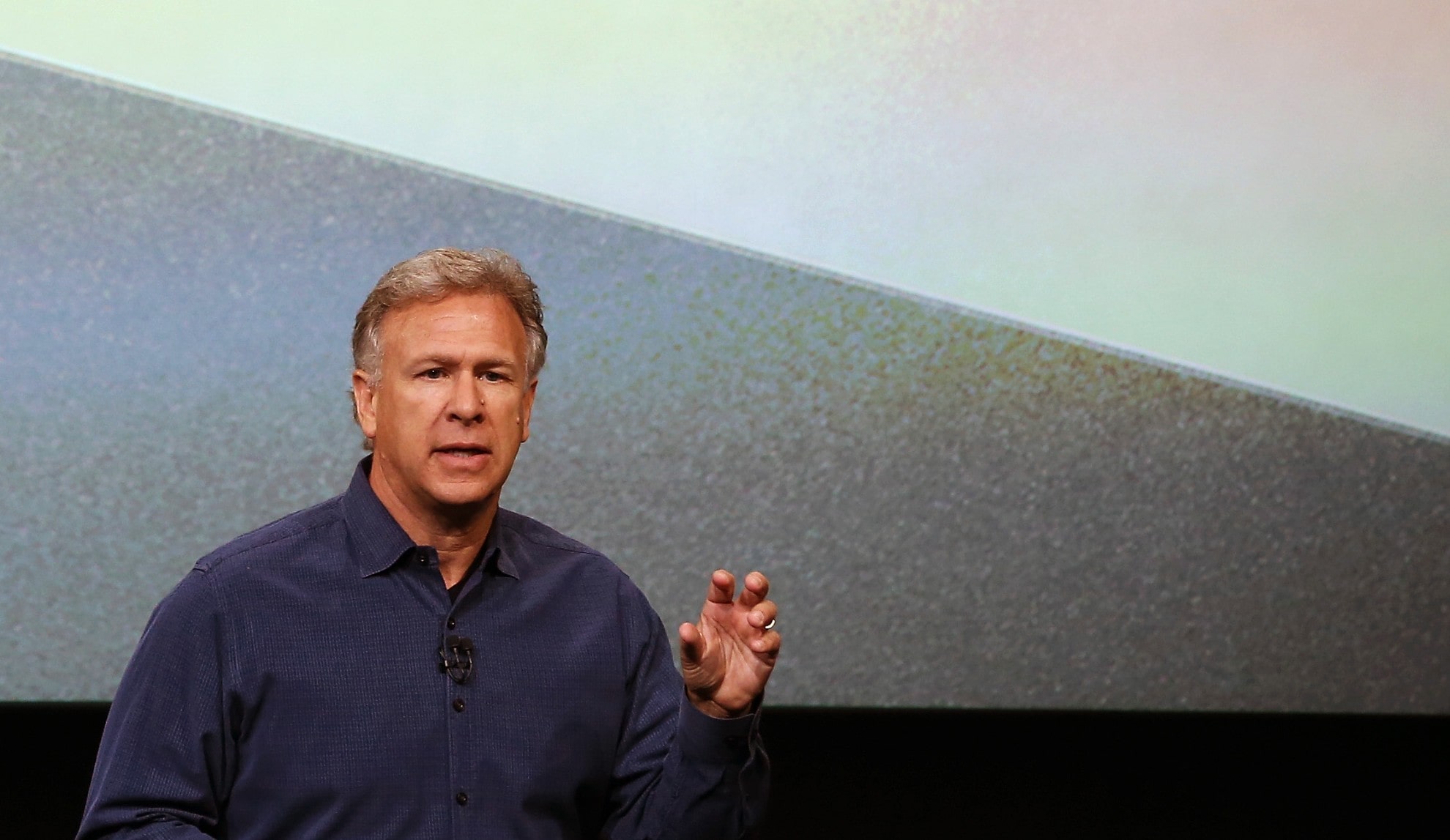
For long-time Apple fans like myself, Tuesday marked the end of an era. Phil Schiller stepped down from his role as VP of worldwide marketing.
Schiller was the last of the OG — a stalwart onstage companion to Steve Jobs, long before it was fashionable to watch Apple keynotes. Schiller was there at all the seminal moments in Apple history, including the launch of iMac, iPod, iPhone and iPad. Back in the day, he and Jobs were a remarkable double act. Jobs would announce the products, and then Schiller would stride in to perform the demos.
Fortunately, Schiller’s not gone for good. In his new role as an Apple Fellow, he will still keep an eye on the App Store and Apple Events. But I wanted to take this opportunity to remember the man, the legend, that is Phil Schiller. Here are the top 10 reasons why I’ll miss him.
Phil Schiller is far from the only Apple Fellow in company history. Photo: Apple
On Tuesday, it was announced that Phil Schiller, Apple’s senior vice president of worldwide marketing, will transition into a new role as an Apple Fellow. This honorary position is one that Apple recognizes for a person’s outstanding contribution to the company in some capacity.
But while many newer Apple fans may not be familiar with the role, it’s one that’s been part of Apple dating back to the 1980s — even if this is the first time in more than 20 years that Apple has inducted someone into the club.
Here’s what you need to know about the other Apple Fellows:
Schiller guided Apple's marketing efforts for more than 30 years. Photo: Apple
Apple on Tuesday said that Phil Schiller, the company’s senior vice president of worldwide marketing, will move on to become an Apple Fellow.
Schiller continues to report directly to Apple CEO Tim Cook in his new position, which involves leading the App Store and Apple Events. Greg “Joz” Joswiak takes up Schiller’s previous role.
Apple exec Phil Schiller calls the App Store a good deal for devs. That's just one of the reasons Apple deserves a fair commission for powering the App Store. Photo: Globovisión/Flickr CC
When Apple CEO Tim Cook takes questions from Congress on Wednesday, he’ll surely get an earful of software developers’ complaints about how the App Store operates. Chief among the criticisms will likely be the fact that Apple charges a percentage of revenue earned from in-app sales.
There’s not a bit of justification for any of these highly publicized complaints. They come from companies that want to have their cake and eat it, too.
Apple VP Phil Schiller sees no need for changes to the App Store payment rules on revenue sharing. Photo: Apple
There are no plans to modify the rules of the iOS App Store that would allow Basecamp’s Hey mail app to avoid paying to be listed, according to Phil Schiller, Apple’s SVP of marketing.
The creators of Hey made news recently by calling Apple “gangsters” for requiring companies to pay 30% of their revenue to have software appear in the App Store.
Don't even think about swiping that screen! Photo: Apple
Apple isn’t going to release a touchscreen Mac any time soon, says Phil Schiller, SVP of Marketing.
In a new interview, Schiller chimed in on the question on whether Apple might consider merging its mobile and desktop operating systems. The answer might disappoint fans of the Microsoft Surface.
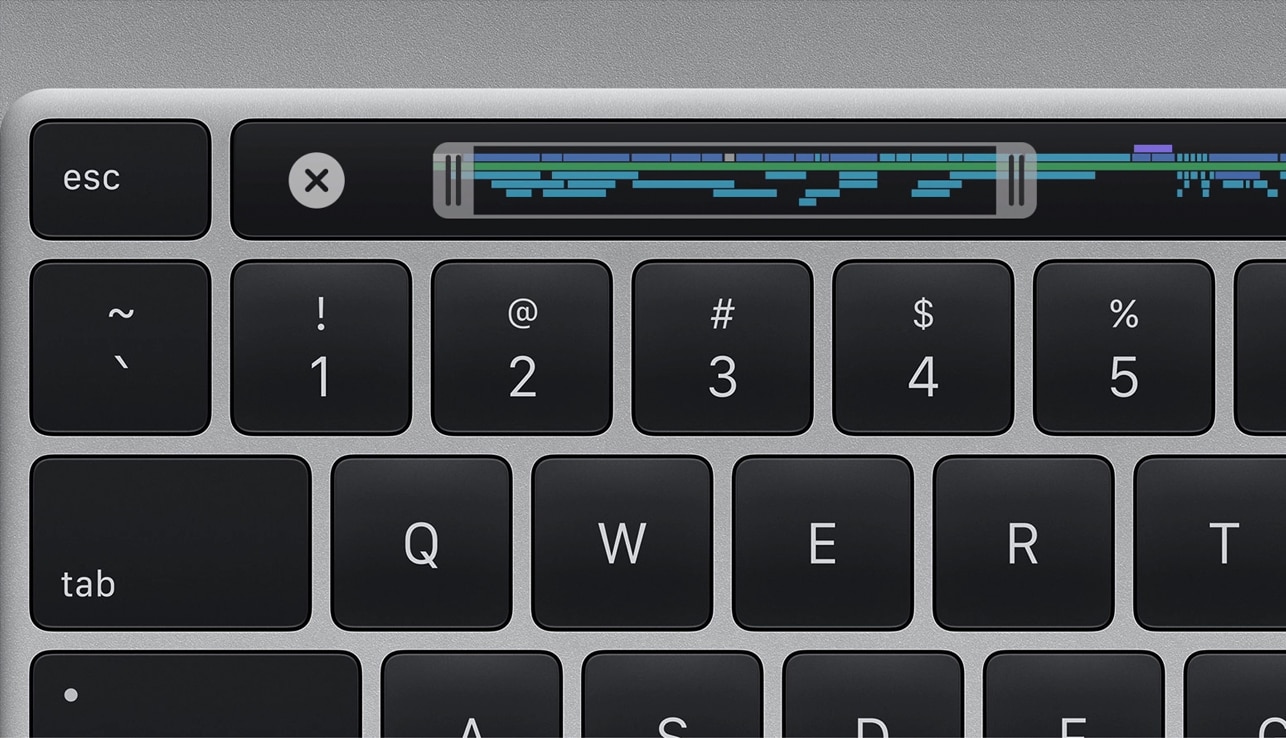
Apple’s newly unveiled 16-inch MacBook Pro ditches the controversial butterfly keyboard and brings back the scissor switch Magic Keyboard.
In a new interview, Apple marketing SVP Phil Schiller talked about redesigning Apple’s notebook keyboard. And whether or not the non-butterfly keyboard will make it to other Apple laptops anytime soon.
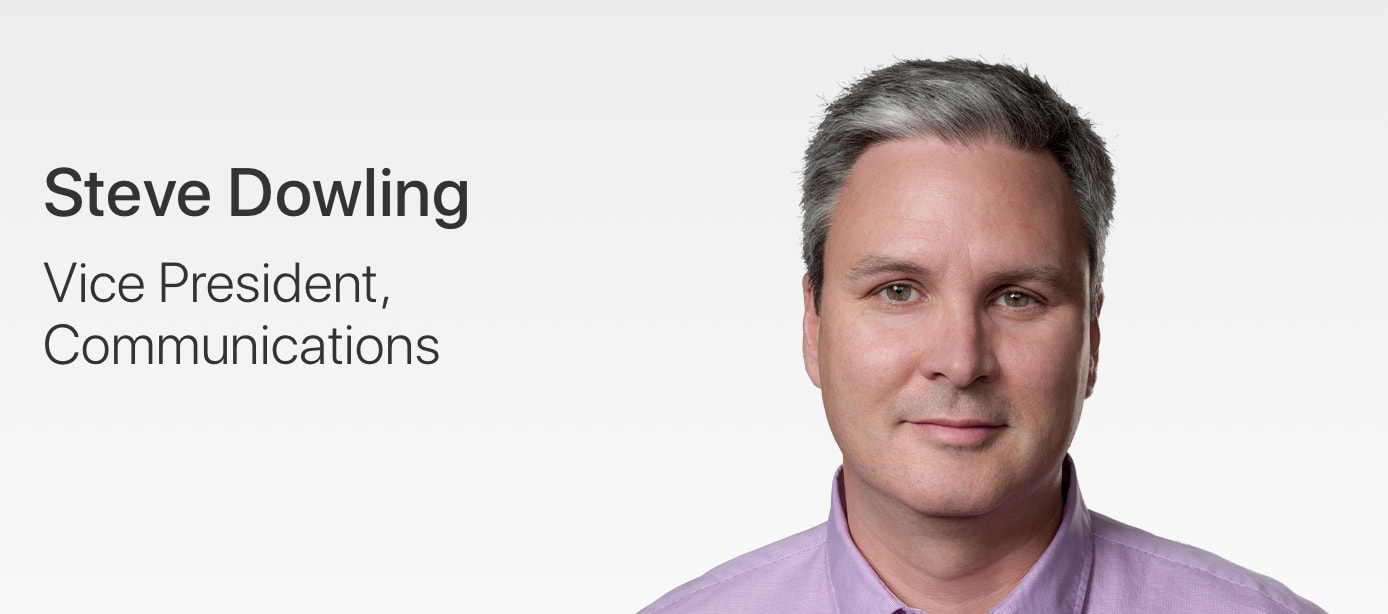
"I will always bleed six colors," says outgoing Apple PR boss Steve Dowling. Photo: Apple
Apple’s VP of communications is stepping away from the company after leading Apple’s public relations efforts for the last five years.
Steve Dowling, who worked at Apple for 16 years, sent out a memo to staff saying that now is the time for him to step away from the company. The news comes right after Apple’s biggest PR week of the year, the fall iPhone keynote, but Dowling’s note to employees is full of optimism for the iPhone-maker.
It's the toughest iPhone yet. And it comes in new colors! Photo: Apple
The iPhone upgrade you’ve been waiting all year for has finally landed.
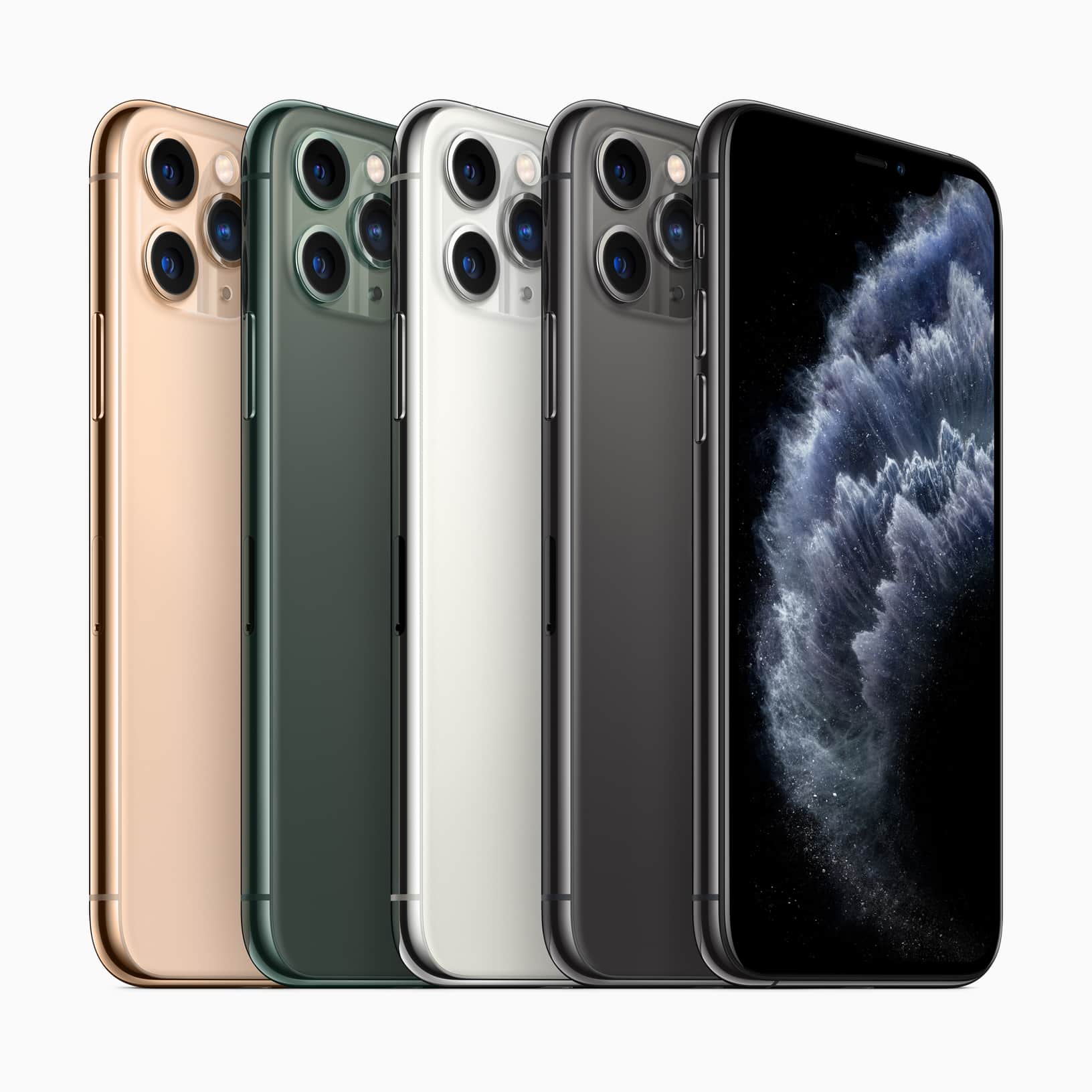
Apple today unleashed iPhone 11 Pro and iPhone 11 Pro Max, with huge camera improvements, an improved Super Retina XDR display, and an even faster A13 Bionic chip. They’re also some of its toughest handsets yet.
Here’s everything you need to know about the 2019 iPhone lineup.
Get ready for Apple's latest innovations. Photo: Killian Bell/Cult of Mac
The stage of the Steve Jobs Theater is set for the biggest Apple keynote of the year — and we can’t wait to watch the iPhone 11 unveiling with you.
Rather than live-blogging the Apple “By Innovation Only” event, Cult of Mac is hosting a live chat so all our writers and readers of the site alike can nerd out on all the glory Tim Cook and the gang have in store. We know for sure we’re getting new iPhones but there’s still plenty of room for some surprises.
Could we see a new Apple TV set-top box? A Tile-style tracking device called Apple Tags? An Apple TV+ price tag and launch date? The anticipation is killing us. Apple’s iPhone 11 keynote kicks off Tuesday at 10 a.m. Pacific. Of course, we’ll be getting wild in the chat beforehand, so come in and join the fun.
Apple apps no longer dominate App Store search results. Photo: Ste Smith/Cult of Mac
Apple’s recently-adjusted App Store algorithm prevents too many of its own apps from dominating search results.
The change, which followed Spotify’s complaint regarding “unfair” App Store practices several months, handicaps Apple titles and has had a huge impact since being introduced.
Nothing makes it onto an Apple App Store without a human looking at it. That takes less time than you might think. Photo: Apple
With close to two million applications in its software stores, Apple reportedly doesn’t have much time to devote to testing most new submissions. Details leaking out about the process show that a typical app either gets approved or blocked in 5 or 10 minutes.
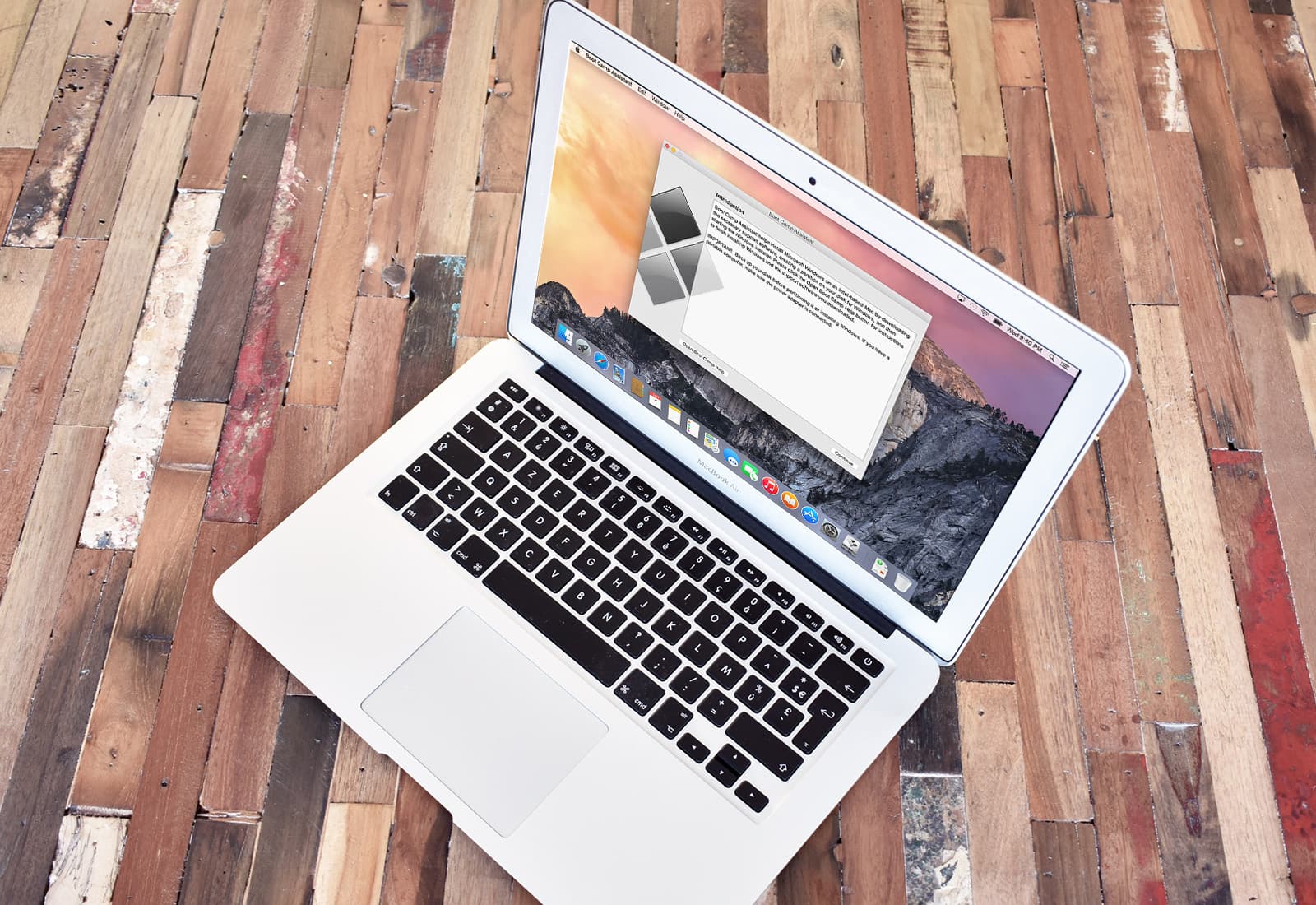
 April 5, 2006: Apple introduces the public beta of Boot Camp, software that allows users with an Intel-based Mac to run Windows XP on their machines.
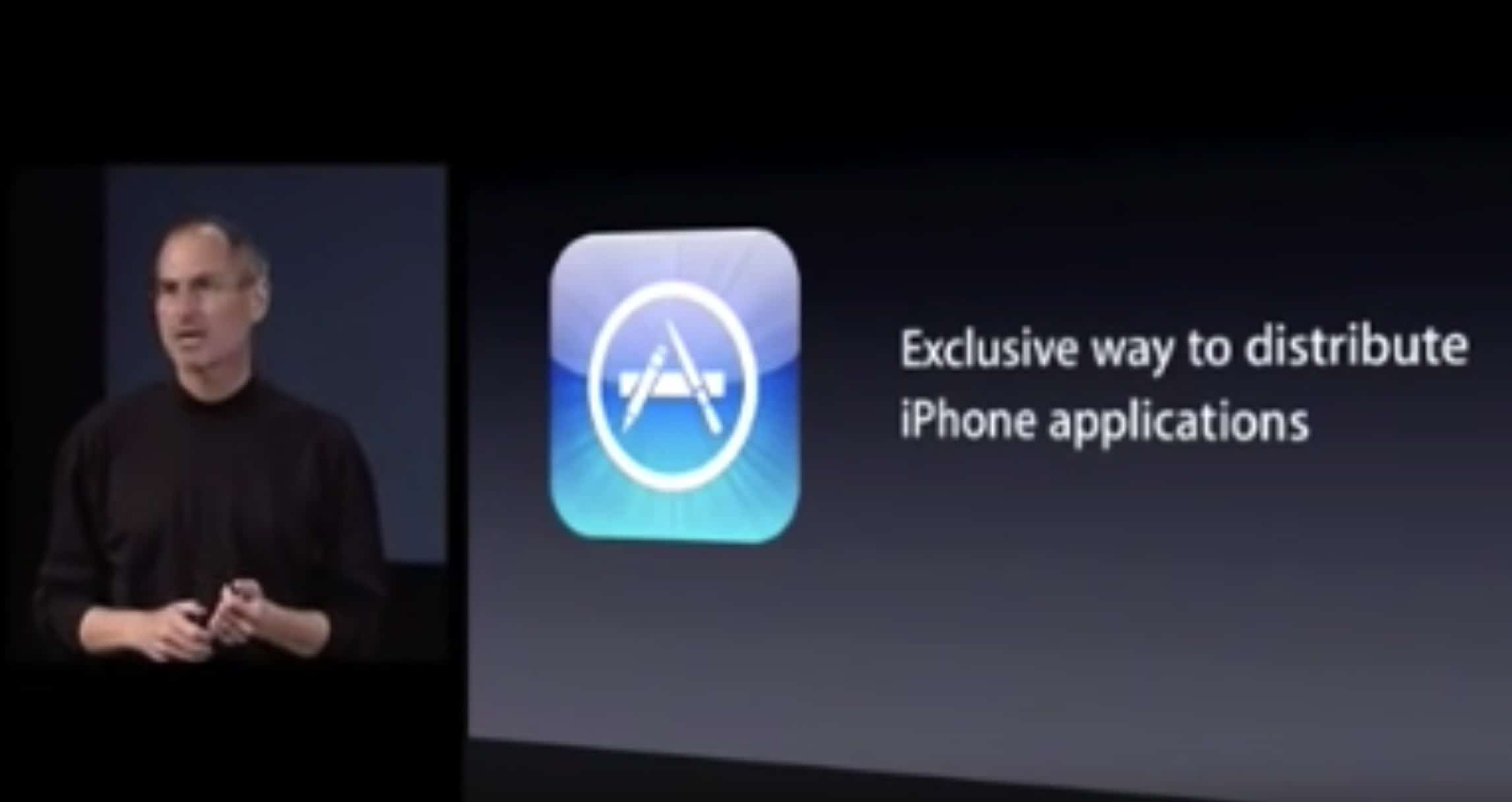
 March 6, 2008: Apple releases the iPhone software development kit, finally allowing coders to start creating native mobile apps for the new smartphone. The iPhone SDK gives developers the tools they need to unlock the new smartphone’s potential.
 October 16, 2003: Six months after opening the
 July 10, 2008: Apple launches the App Store, an online hub that lets iPhone owners browse and download apps made by third-party developers. Transforming the iPhone from a locked-down platform to a generative one, the App Store means that every iPhone user can have his or her own “killer app” depending on the software they want — from social networking to composing music to playing games.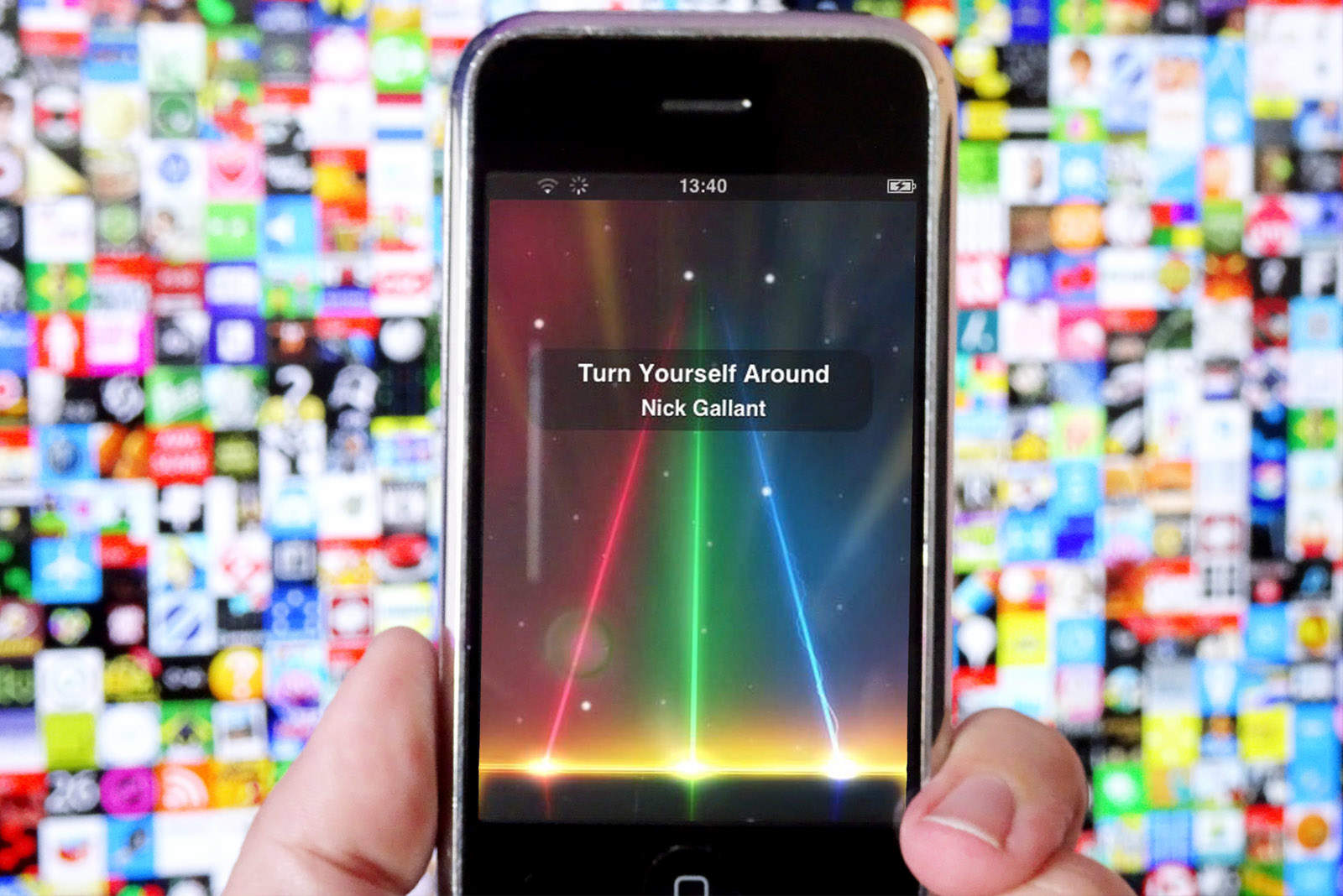
 July 7, 2011: Three years after its launch, the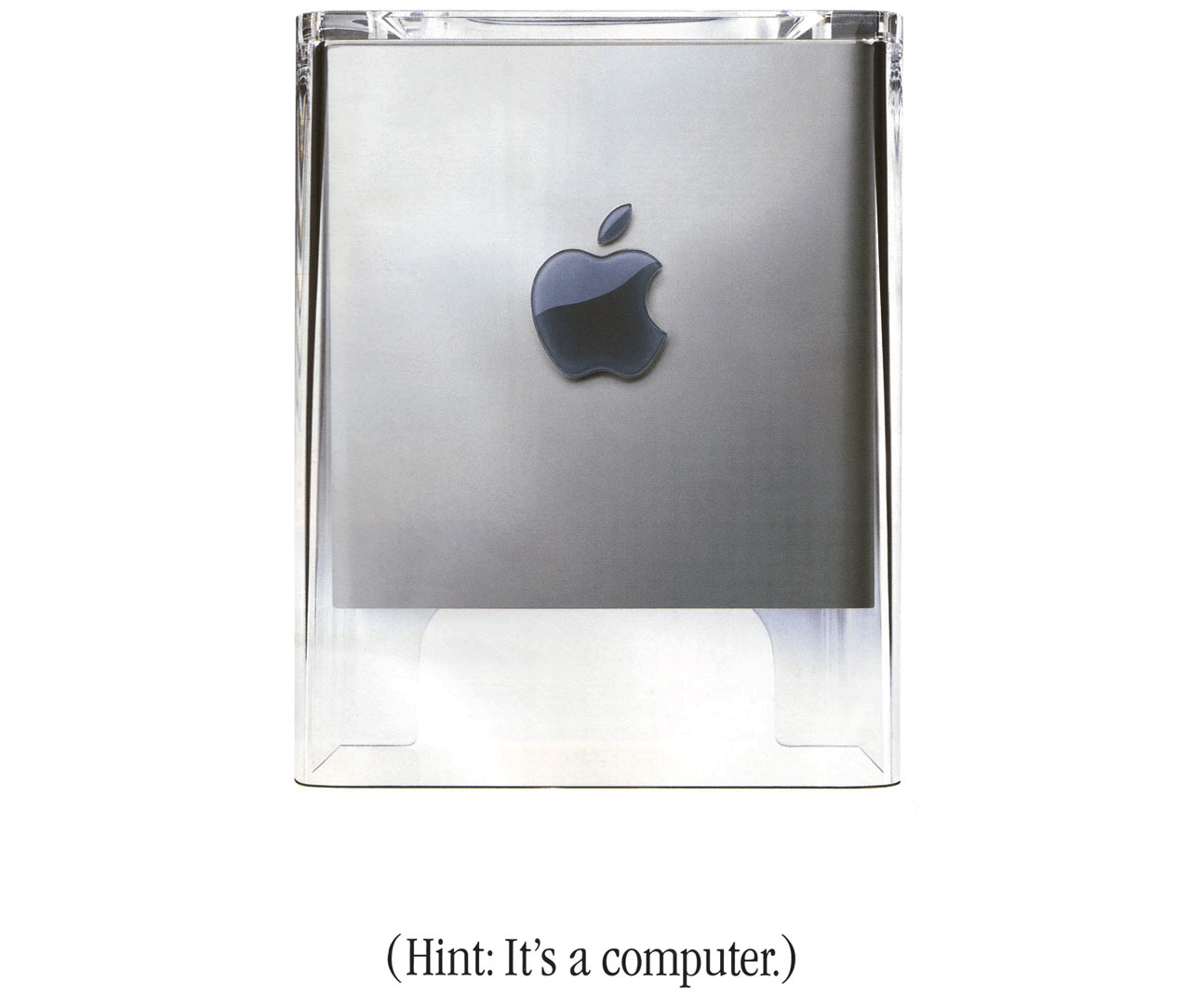
 July 3, 2001: Apple suspends production of its Power Mac G4 Cube, one of the most notable busts in Apple history — and the first major flop following
  June 26, 2008: A year after the