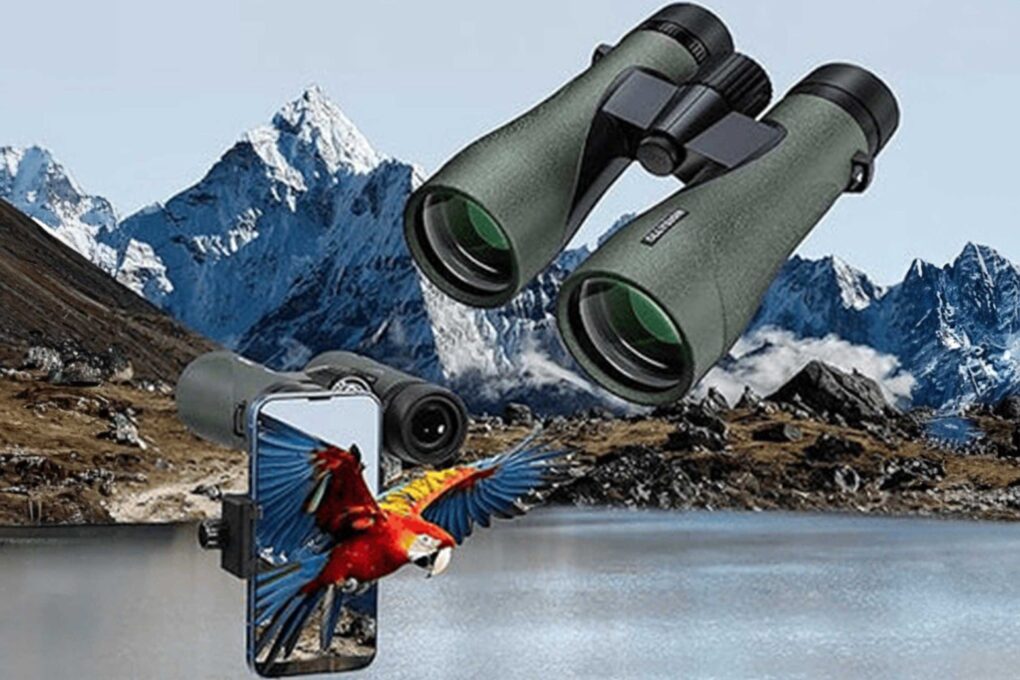
These $$69.99 binoculars connect to your iPhone or Android device. Photo: Cult of Mac Deals
When you head outside to watch wildlife, you’d better bring a good pair of iPhone binoculars. These HD binoculars from Gllysion offer powerful magnification (up to 12x) and also let you bring home evidence of what you spotted.
Cult of Mac Deals has a small stash of these refurbished iPhone binoculars on sale for $69.99 (regularly $149.99). Don’t miss your chance to see more of the great outdoors.
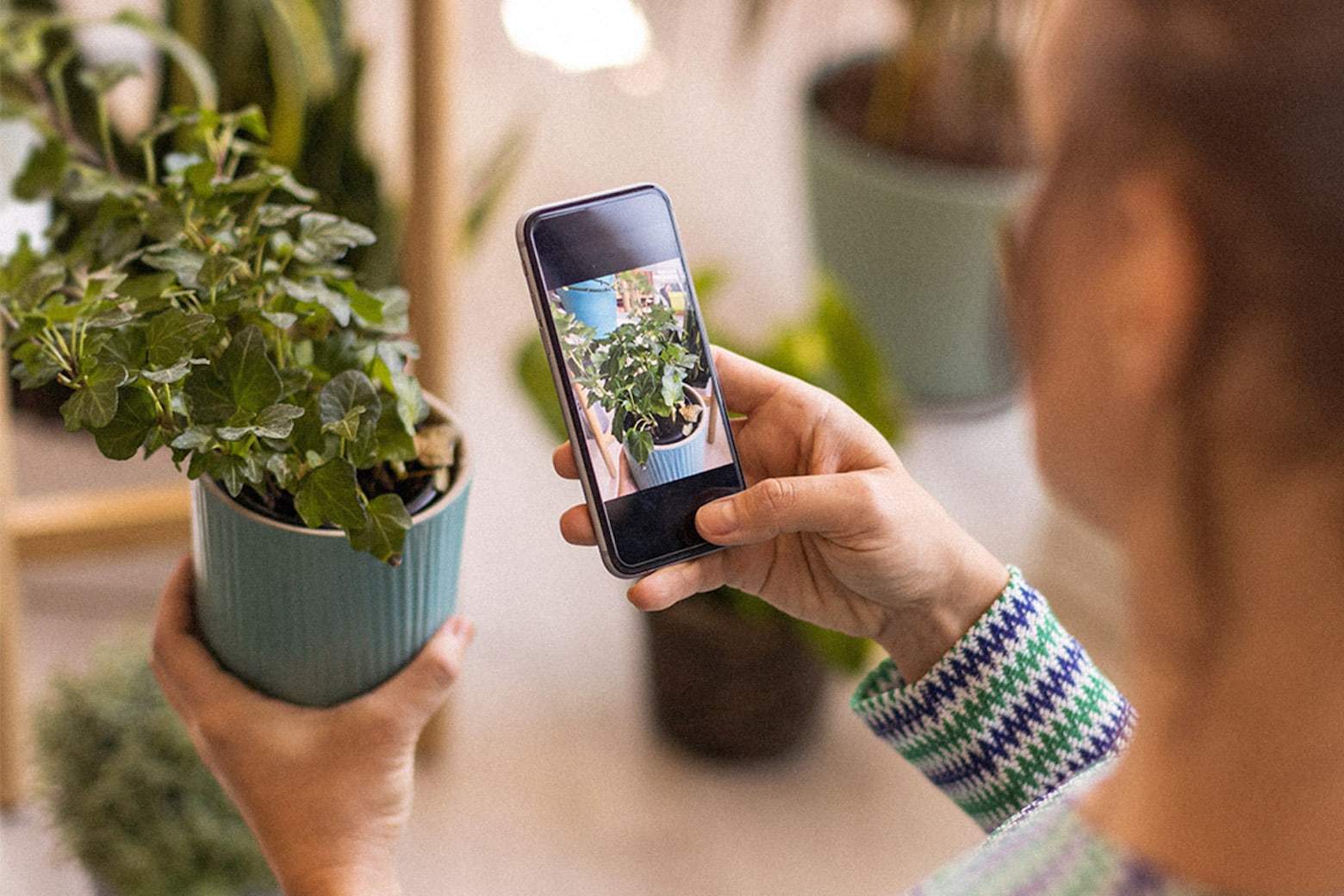
Make sense of the natural world with these iPhone gadgets and apps. Photo: Cult of Mac Deals
It’s nearly summer, and these cool outdoor gadgets and apps will help you make the most of your time in nature. We found four fantastic yard and garden iPhone accessories that can add a technical flair to some classically fun outdoor activities.
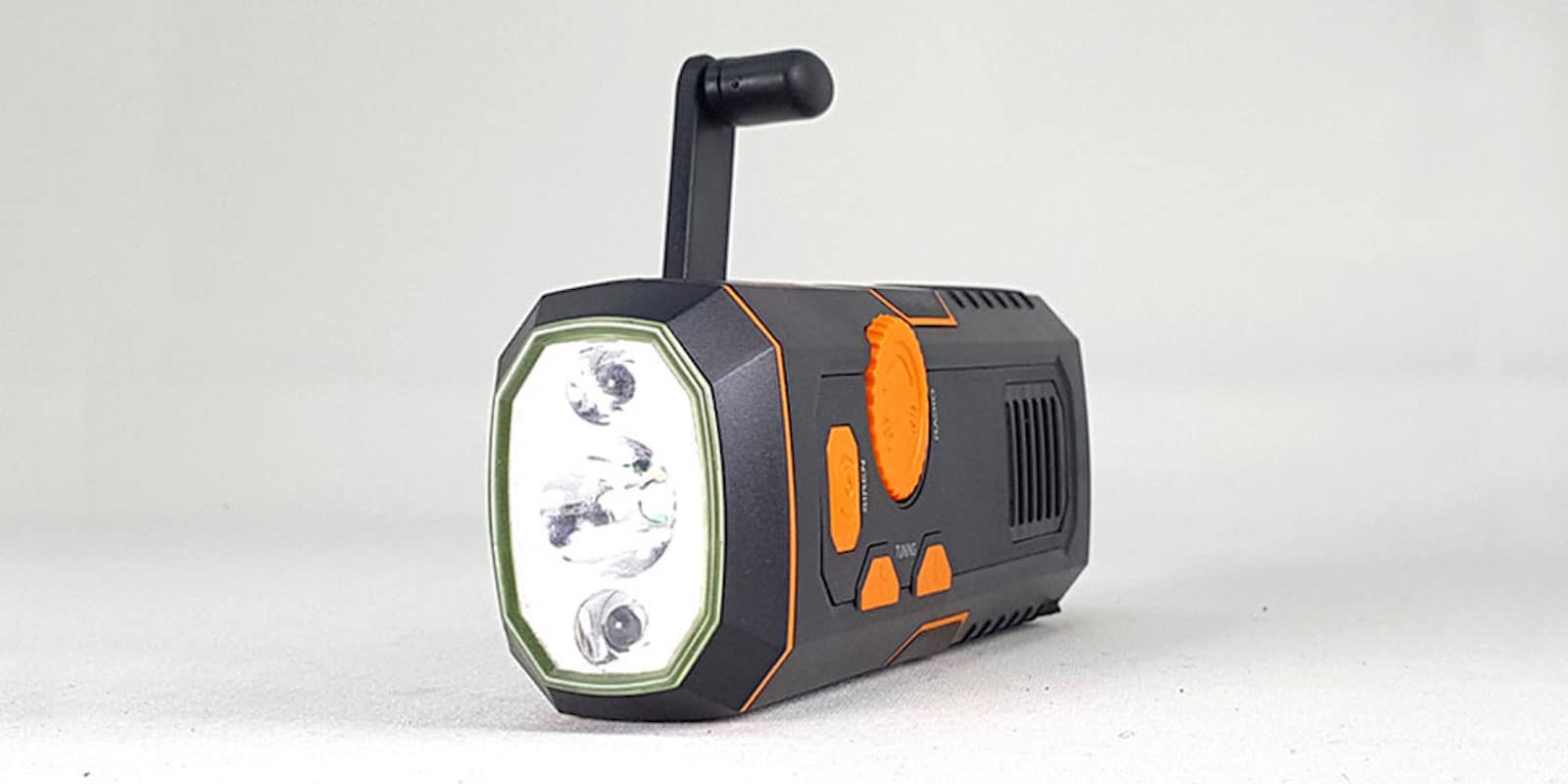
Be prepared for the unexpected with this self-powered lamp that doubles as an FM radio. Photo: Cult of Mac Deals
You never know when the big one is going to hit. So whether it’s an earthquake, power outage, flood, or some other unforeseen calamity, it’s smart to prepare.
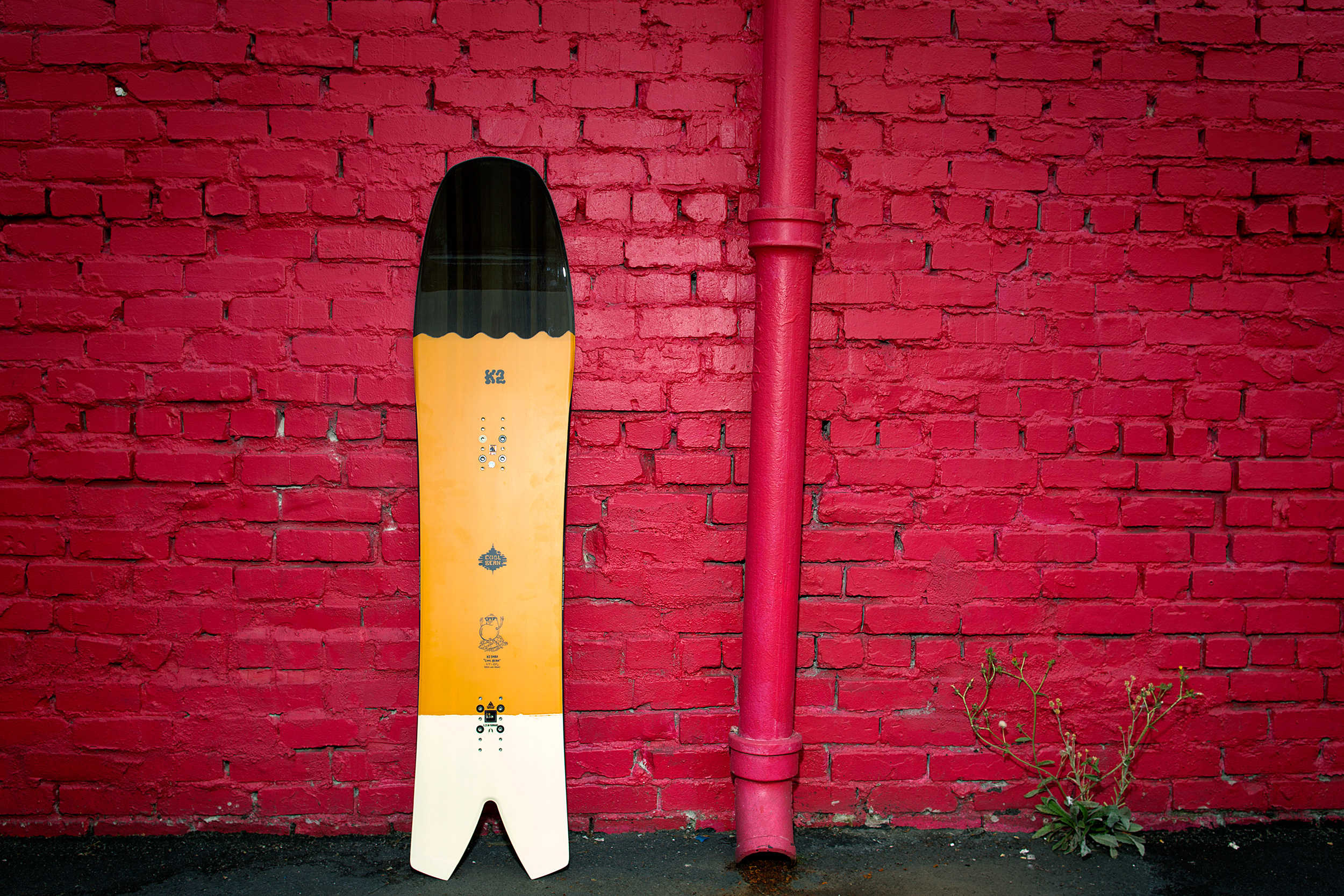
The Cool Bean snowboard looks weird but is a ton of fun. Photo: Jim Merithew/Cult of Mac
Best List: Cool Bean snowboard by K2
If you hope to spend run after run in the sweet, deep powder on a single plank this winter, you’ll want a state-of-the-art companion.
K2 Snowboarding’s Cool Bean is just that: a directional, short and fat board with a swallowtail design that’s built for the freshies and surfing whatever the mountain throws at you.
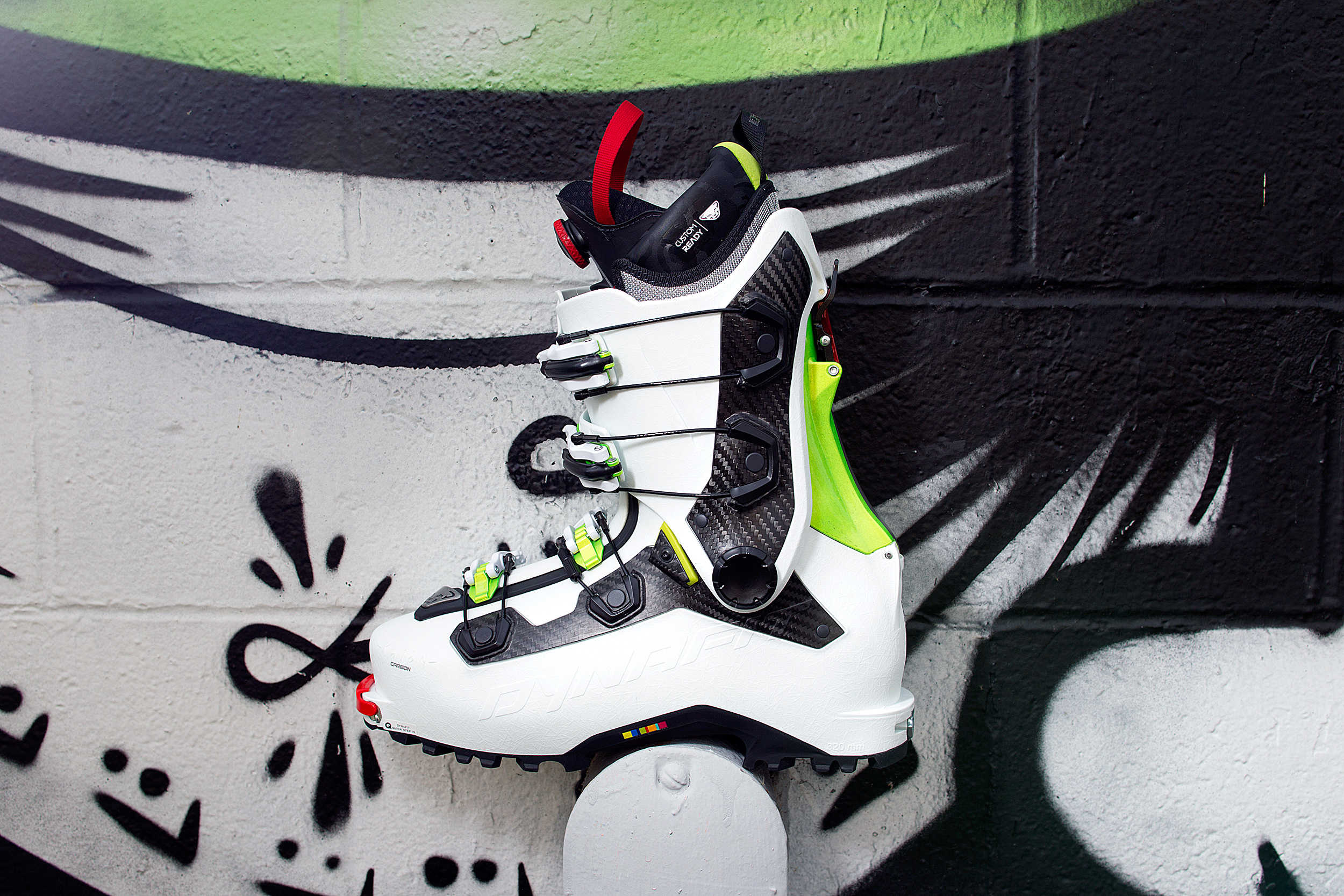
The Khion Carbon ski boot goes up as well as it goes down. Photo: Jim Merithew/Cult of Mac
Best List: Dynafit Khion Carbon
It is never easy to design something that’s going to serve two distinctly different purposes, like a car that turns into an airplane or a fork that doubles as a spoon. Or, in this case, a ski boot that is helps you skin up a mountain or ski the downward slopes reliably, precisely and with some sense of ear-grinning enjoyment.
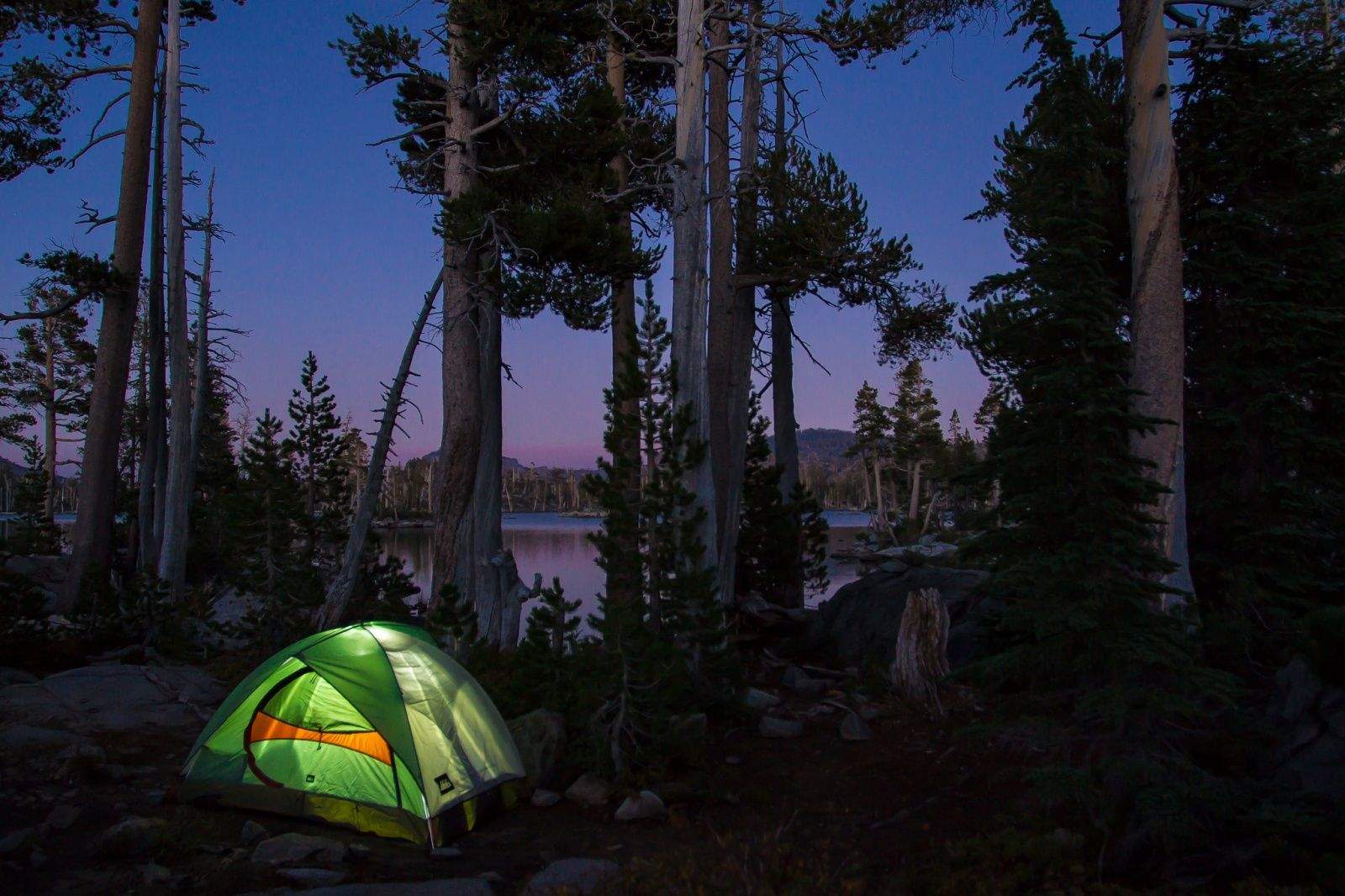
Hit the outdoors with these gift ideas. Photo: Christian Arballo/Flickr CC
Going gear-shopping for your favorite outdoors-loving friend or family member can be harder than trekking up Mount St. Helens as she’s about to blow. There are so many options, but so much crap.
To help you out with your holiday shopping, Cult of Mac waded through the endless lists of camping and hiking gear and gadgets to find the stuff your special someone will love.
Whether you’re looking for something for an adventuring buddy, or picking a present for someone you’d never want to be trapped in a tent with, we’ve found gifts for everyone. From hiking clothes to campsite gadgets, we’ve got you covered.
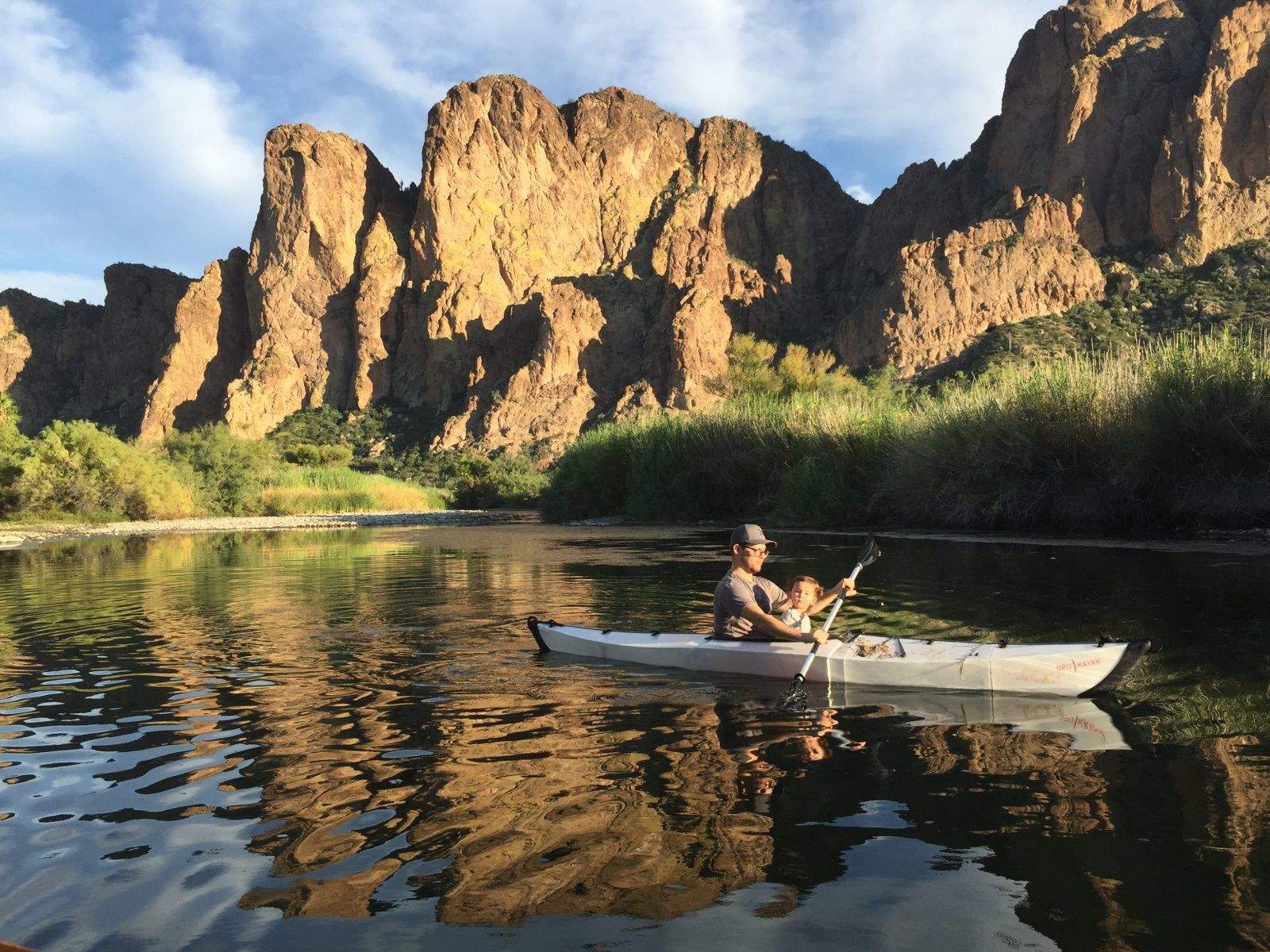
Taking the Oru Kayak for a ride. Photo: Buster Hein/Cult of Mac
I consider myself to be “the adventurous type” but I’ve never once kayaked, thanks to two big hurdles: I live in the desert, and I drive a tiny Fiat that barely fits four grown humans in its cramped interior.
Water activities in these parts of Arizona require a gas-guzzling truck and a garage big enough to store your boats, putting kayaking out of reach for most urban dwellers. Oru Kayak destroys both those necessities with a foldable boat that’s strong enough to take on a lake or river, while also compacting into a box small enough to fit in your closet.
Before the Oru Kayak glided into my life, my go-to outdoor activity was hiking. Point me to a waterfall 15 miles away in the desert and even if that AZ ‘dry heat’ was boiling the tar on the highway, I was totally there. Now that there’s a boat that fits in my car, everything’s changed.
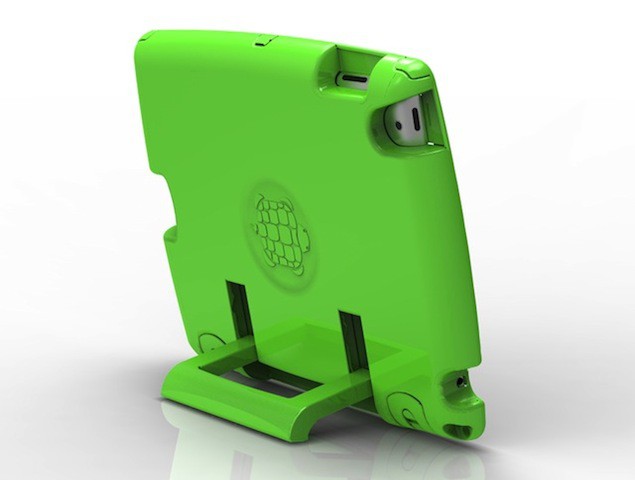
Los Angeles-based TRTL BOT turned to Kickstarter for the latest project: A massive, multi-use iPad 2 case/stand called The Shell, with a nod to keeping an iPad safe during brutal use. Like when it’s in the hands of kids.
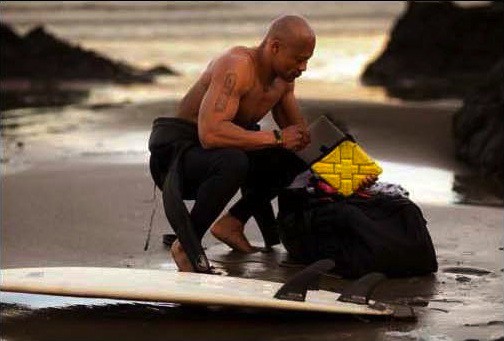
Ok, we’re a little baffled why this dude is pulling out an iPad in this sitch. Last-minute conditions-check? Confused about the term “surf the web”?
What’s pretty clear though, is that the blindingly yellow G-Form iPad Extreme Sleeve case ($60) he’s peeling off his iPad is now shipping. We love talking about this case; partly because we’re fascinated with the extreme-sport-derived protective material it’s made from, and partly because we’re mesmerized by the crazyvideos G-Form keeps releasing to demonstrate the Extreme Sleeve’s protective ability — which seems formidable.
Right now, it’s only available (thankfully, also in black) from G-Form directly.
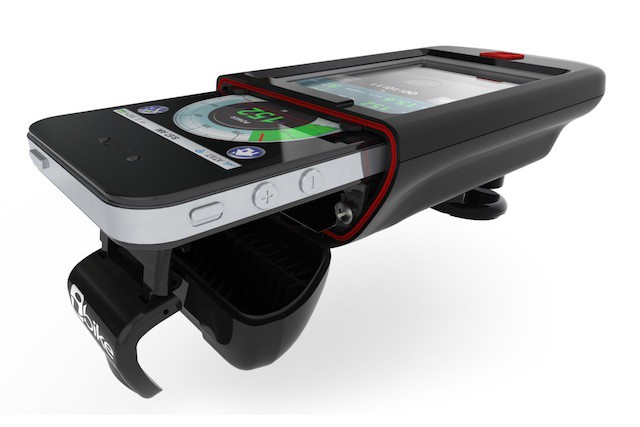
Seems practically everyone has cottoned on to the idea that the iPhone makes for a stellar cycling computer — because hardware that turns the iPhone into a feature-packed riding companion keeps popping up. The latest is Velocomp’s iBike Dash series of app-enhanced hardware stashed inside their waterproof Phone Booth case that work with its free iBike app.
The unit starts out at $200 for the waterproof case with built-in ANT+ receiver and a speed sensor for your bike; $329 will bag you the Deluxe kit that adds a heart-rate strap, cadence sensor and supplemental battery for the iPhone. Velocomp also sells the Phone Booth case only — without the ANT+ electronics in it — for $50.
The waterproof case looks pretty rugged, but pricing strikes us as a tad steep compared with other kits out there from Wahoo, Digifit and New Potato Technologies (even though we were less-than-enthusiastic about the latter).
The iPhone is a phenomenal tool for a bit of tromping about in the bush; navigation, stargazing, photographing/filming and even staying alive can all be accomplished with the help of the little gadget. That is, if it’s got any juice left.
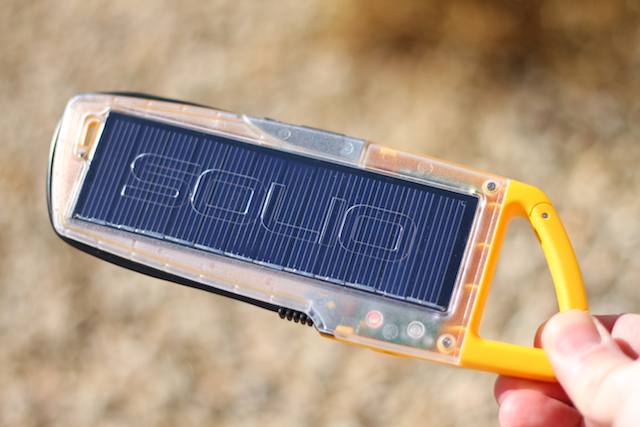
Solio’s Rocsta ($80) — a solar panel mated to a thin slab of a battery in a sleek, flat, user-friendly housing — seems to have been created with a nod to minimalist adventurous types who want a rugged, no-fuss solar charger aong on their next Iditarod or photo shoot for National Geographic.