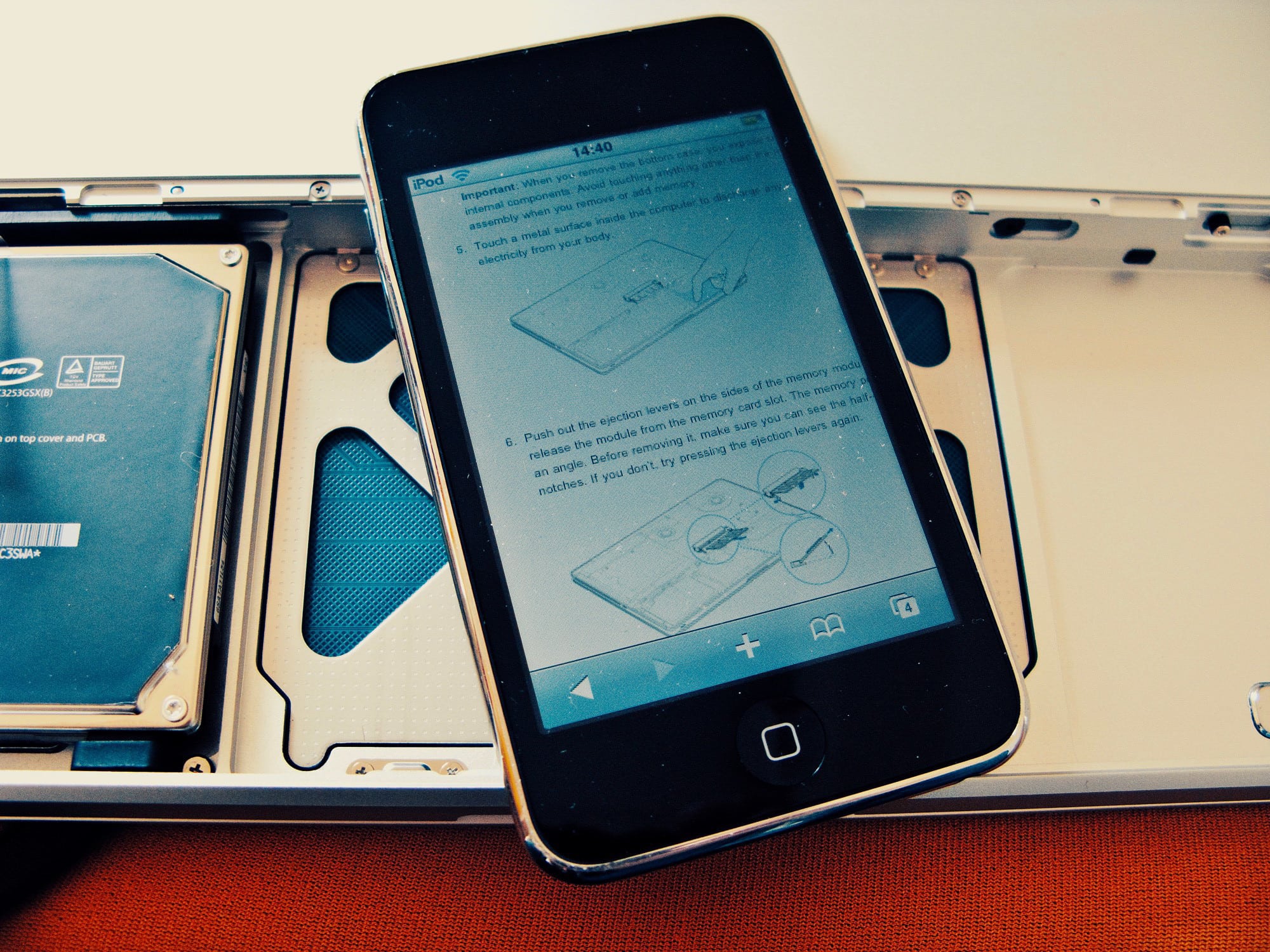
It's a repair manual! The iPod touch can be anything. Photo: Charlie Sorrel/Cult of Mac
The iPod touch exists to be used by waiters, warehouse staff, delivery persons, and anyone else whose employer wants them to use an iOS device as a handheld on-the-job computer. That’s why it just got an update, and it’s probably why it hasn’t — and never will — change size or shape. It is a utility computer. Making it an all-screen, buttonless iPhone-lite is pointless. Adding Touch ID is equally useless when it is used by multiple people.
But that doesn’t mean it isn’t also a great device for everyone else. If you need a utility iOS computer, then you should buy it. Musicians are one great example of potential users. Let’s see why the iPod Touch is still great.
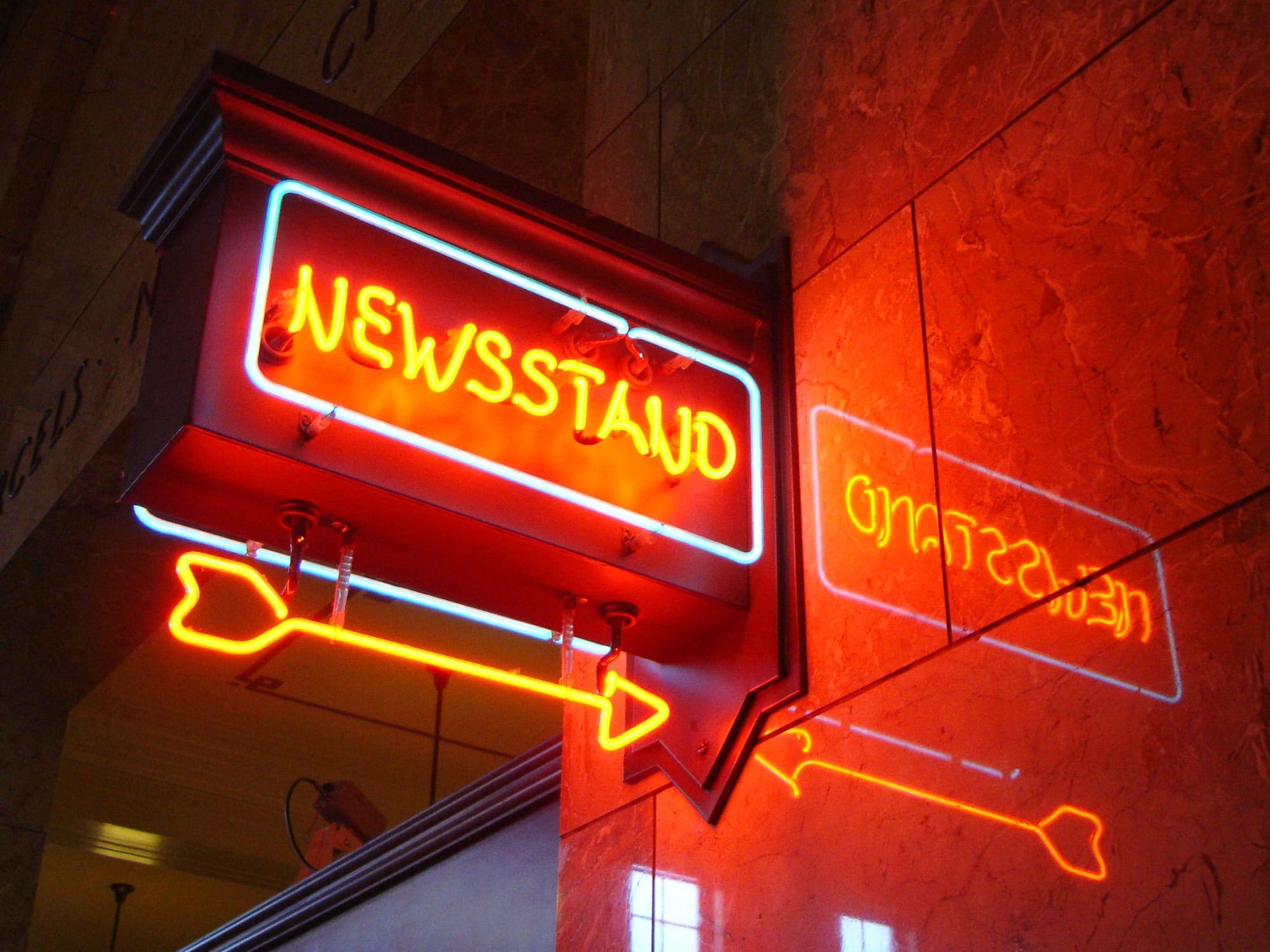
Apple is here to save the magazine and newspaper industry. Stop me if you’ve heard this one before. Back in 2011, Apple’s Newsstand made the same promise.
Newsstand was a kind of odd hybrid app/folder, and you could subscribe to individual magazines. Some were specially designed to work on the then-new iPad, and others were repurposed PDFs. Publishers thought it would prop up their failing print sales, but it did nothing of the sort.
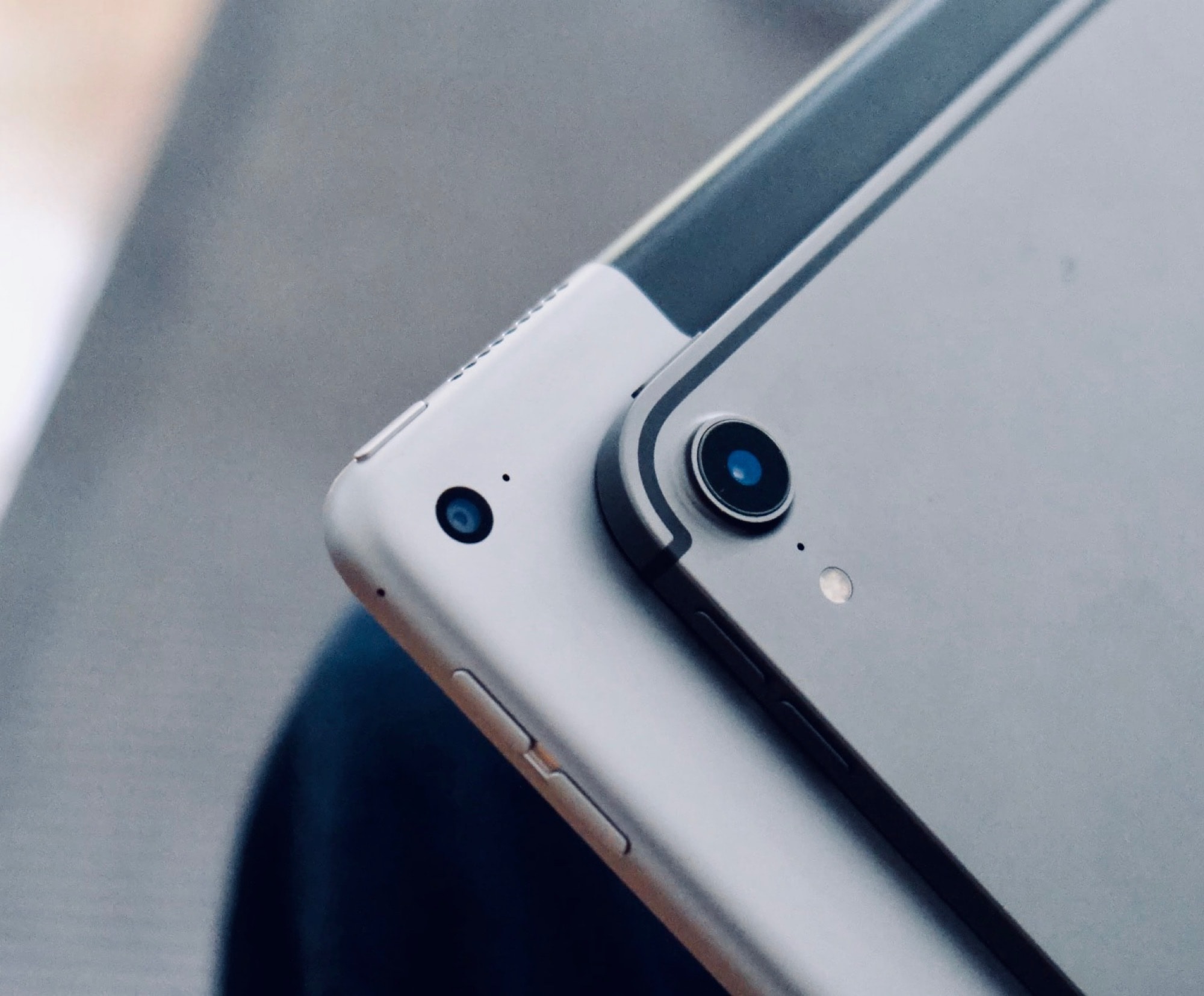
The new iPad Pro is Apple’s best ever portable computer. Photo: Andrea Nepori
I love the new iPad Pro, but if you’re planning on buying one, you may be misinformed. There’s a lot of nonsense about Apple’s best portable computer ever all over the internet, and today we’ll set some of it straight. Here are five iPad Pro myths that just aren’t true.
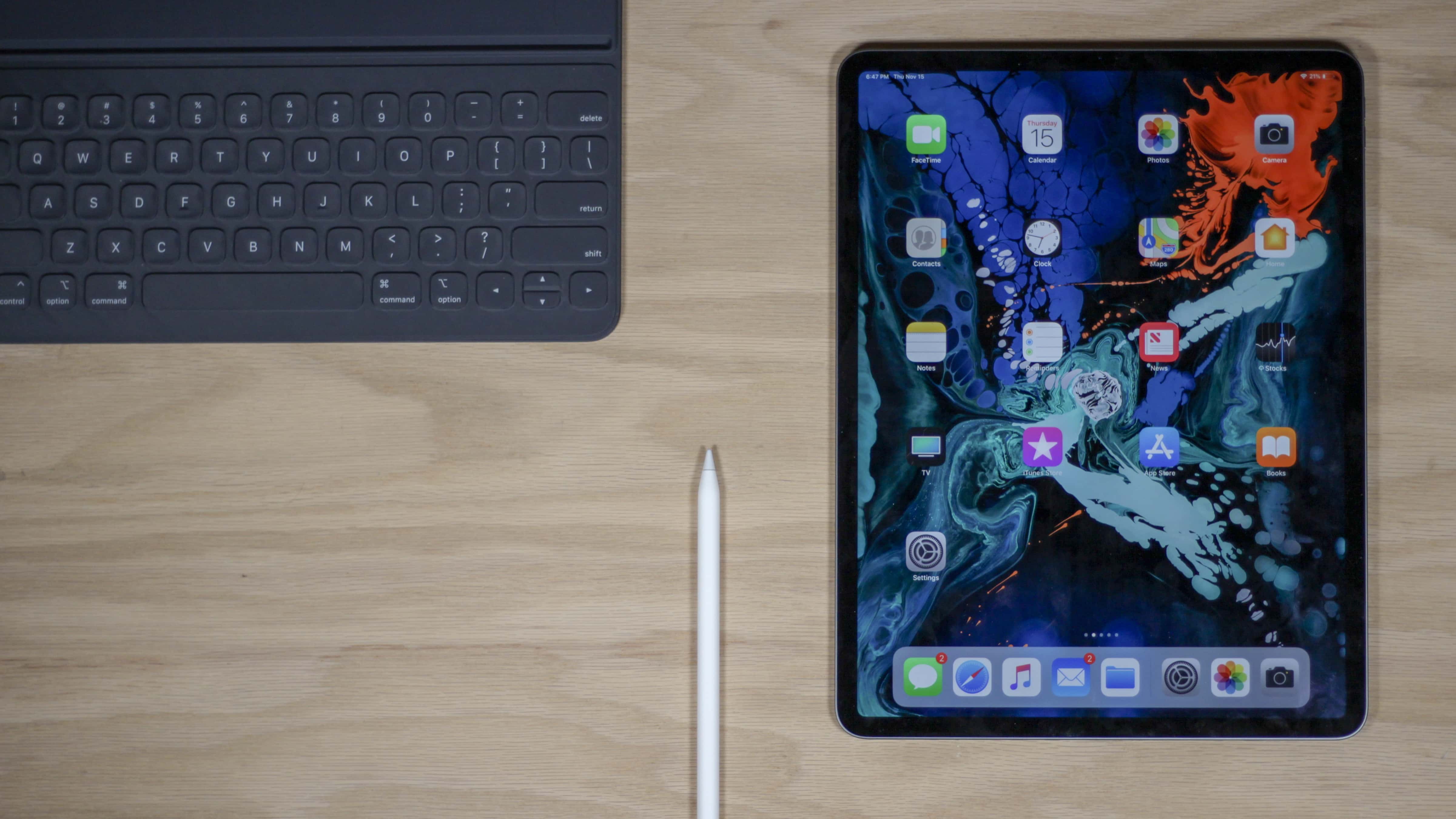
Do the drawbacks of the 2018 iPad Pro outweigh its advantages? Photo: Ian Fuchs/Cult of Mac
The latest iPad Pro includes the most significant changes Apple has made to its tablets in years. There’s USB-C instead of Lightning, Face ID instead of Touch ID, and the device is more portable. In some ways it’s better than a MacBook.
But that’s not to say Apple got everything right. The 2018 iPad Pro has problems noticeable enough to leave me questioning whether I made the right decision buying one.
Author’s Note Sept. 26, 2019: The release of iPadOS 13 brought so many new features that it removed nearly all my regrets about the iPad Pro. The addition of mouse support and full access to drives plugged into the USB-C port are game changers. And giving apps the ability to open multiple windows simultaneously greatly simplifies my workflow. It seems Apple took the unusual route of waiting about 9 months after the iPad Pro’s debut to introduce a software update that makes the tablet shine.
In short, many of the regrets listed here are no longer relevant in 2019.
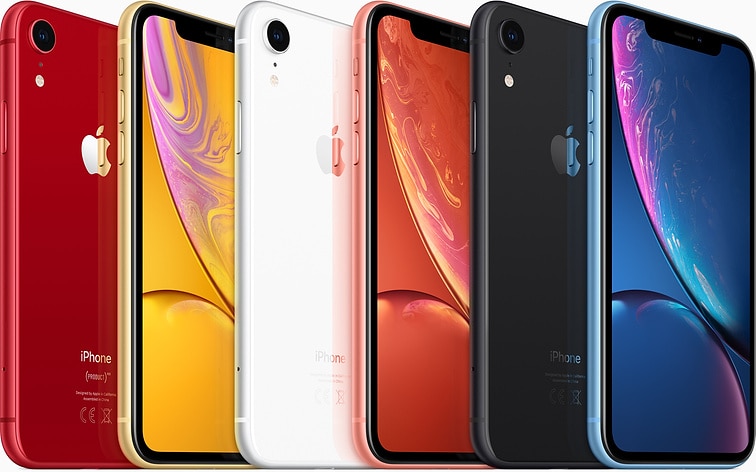
The iPhone XS might be Apple’s best phone yet, but the iPhone XR will probably be Cupertino’s best-seller ever. It could even beat out the record-breaking iPhone 6, which proved so successful it skewed Apple’s sales numbers for years after its launch.
Why? Because the XR is cooler, cheaper and bigger than the top-of-the line iPhone XS, and nobody who buys it will care about the other differences. I almost wish I’d waited and bought one of these instead of the iPhone XS.
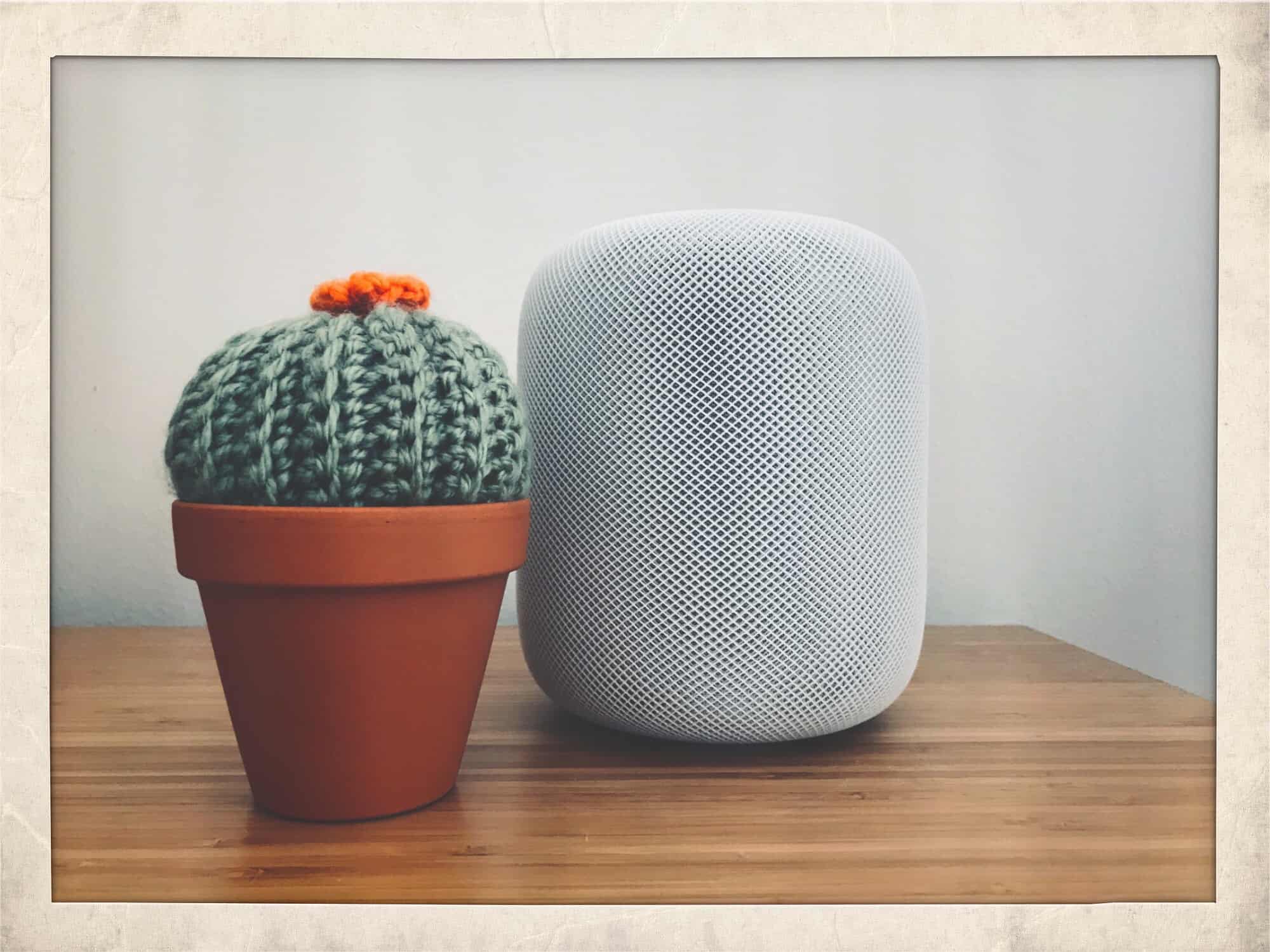
Are you excited at the prospect of a new HomePod? Photo: Charlie Sorrel/Cult of Mac
HomePods went on sale in Europe this week, and I ordered one. It arrived the very next day. I tried it out, and then sent it back to Apple the day after that. Why? Because it’s a half-finished product. Siri is just as glitchy and annoying on HomePod as elsewhere. It doesn’t work properly with a Mac. And it’s not even a very good speaker.
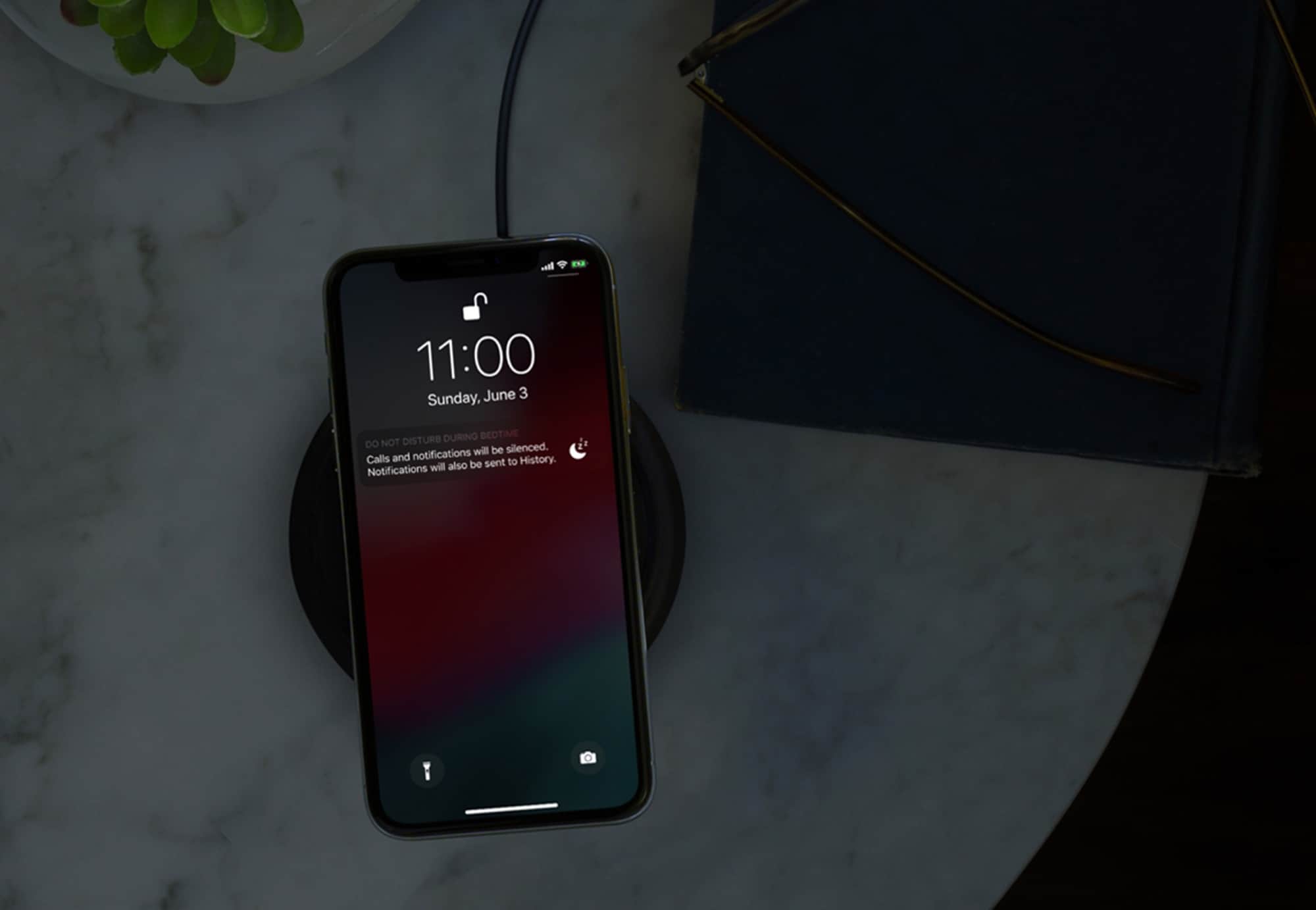
Time for bed. iOS 12 lets you choose who can disturb you. Photo: Apple
Maybe the most important new feature of iOS 12 is something that helps you to do less with your iPhone, not more.
If any other company had introduced Screen Time, the new system-wide toolset for limiting phone distractions, then it would (rightly) be dismissed as a gimmick, a sop to the increasing worries about phone addiction. But as is typical of Apple, Screen Time looks like it took a lot of work to get just right.
Screen Time may seem to be about combatting app addiction, and reducing the amount of time “wasted” on your iPhone. However, taken together with the new Do Not Disturb settings in iOS 12, it’s more about putting users back in control of their iPhones.
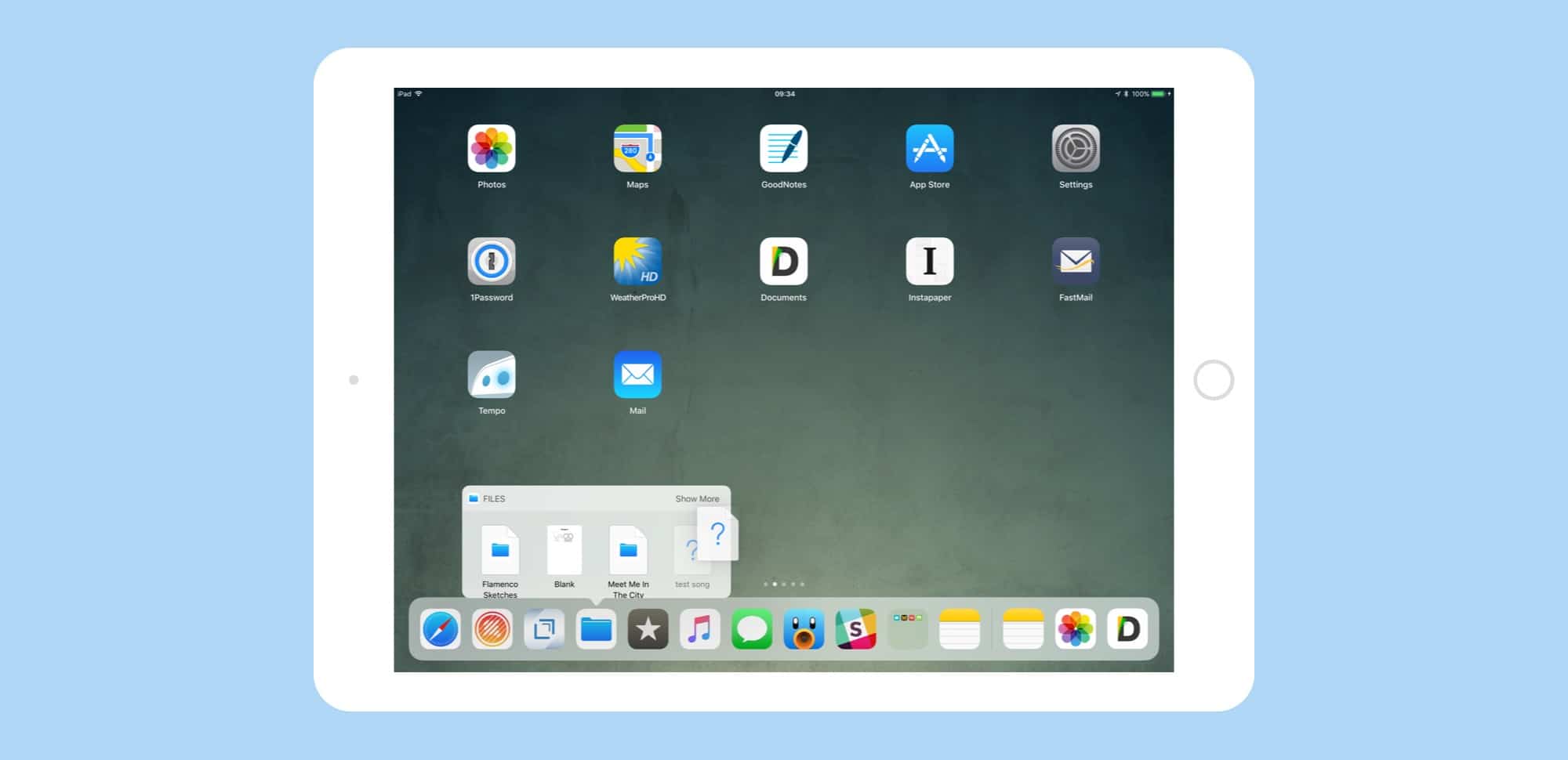
Drag-and-drop is a great. way to get things done, but not the only way. Photo: Cult of Mac
iOS 11’s biggest new feature, for iPad users at least, is drag-and-drop support, which goes way beyond just letting you drag a file or snippet of text between apps. I’ve been using iOS 11 since the first beta last summer, and while drag-and-drop was neat, it didn’t really come into its own until third-party apps started supporting it.
Two things have surprised me. One: How useful drag-and-drop is inside a single app (which works on iPhone, too). And two: How bad drag-and-drop is for certain tasks.
iPhone still dominates Flickr uploads. Photo: Apple
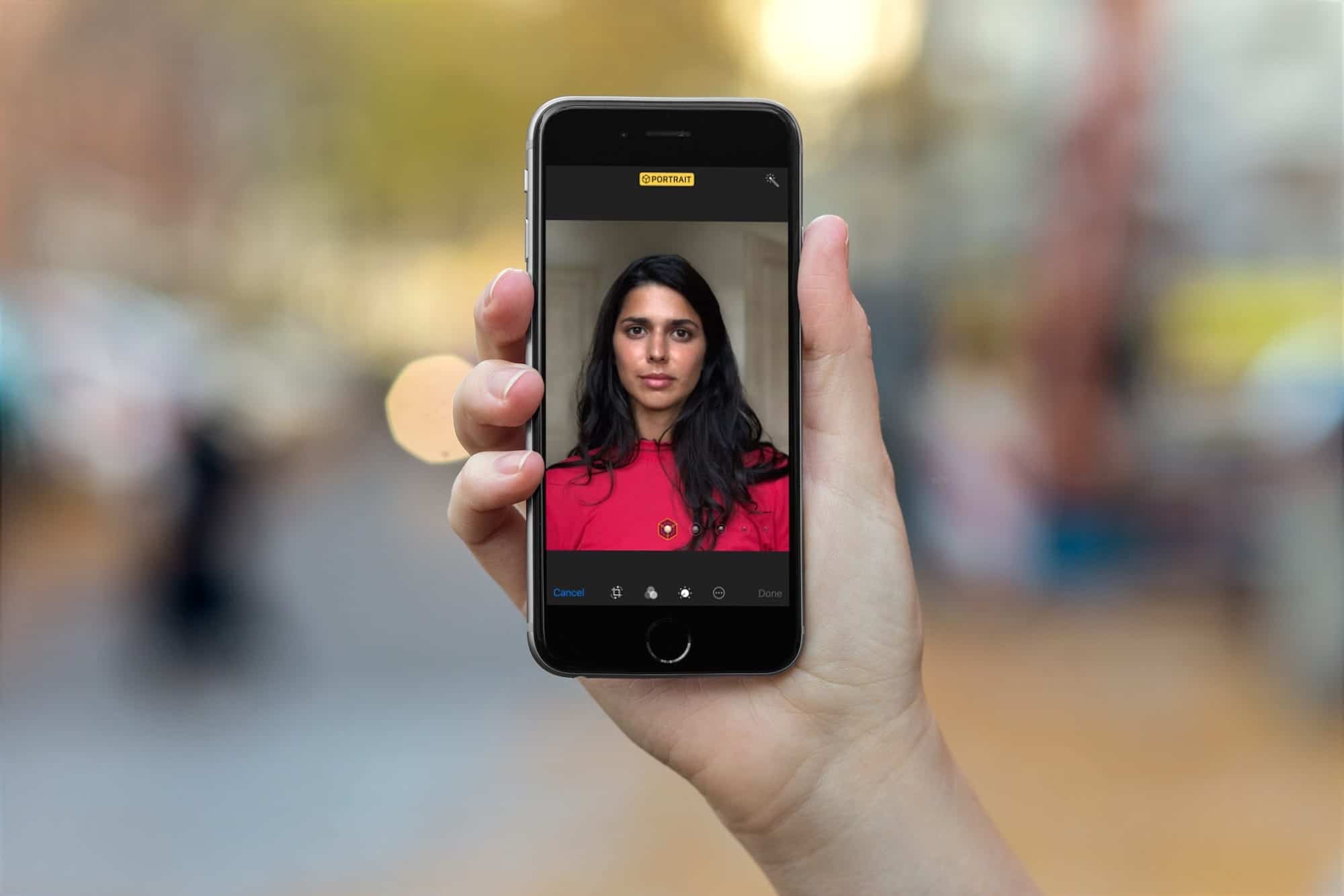
Just calling the cameras in the iPhone X and the iPhone 8 plus “cameras” is like mistaking the iPhone itself for a phone. The combination of hardware and software in these new machines could better be likened to a movie FX or photography studio in the extent of their capabilities. The standout feature on these new iPhone X camera is Portrait Lighting, and today I want to take a look at why it’s so amazing.
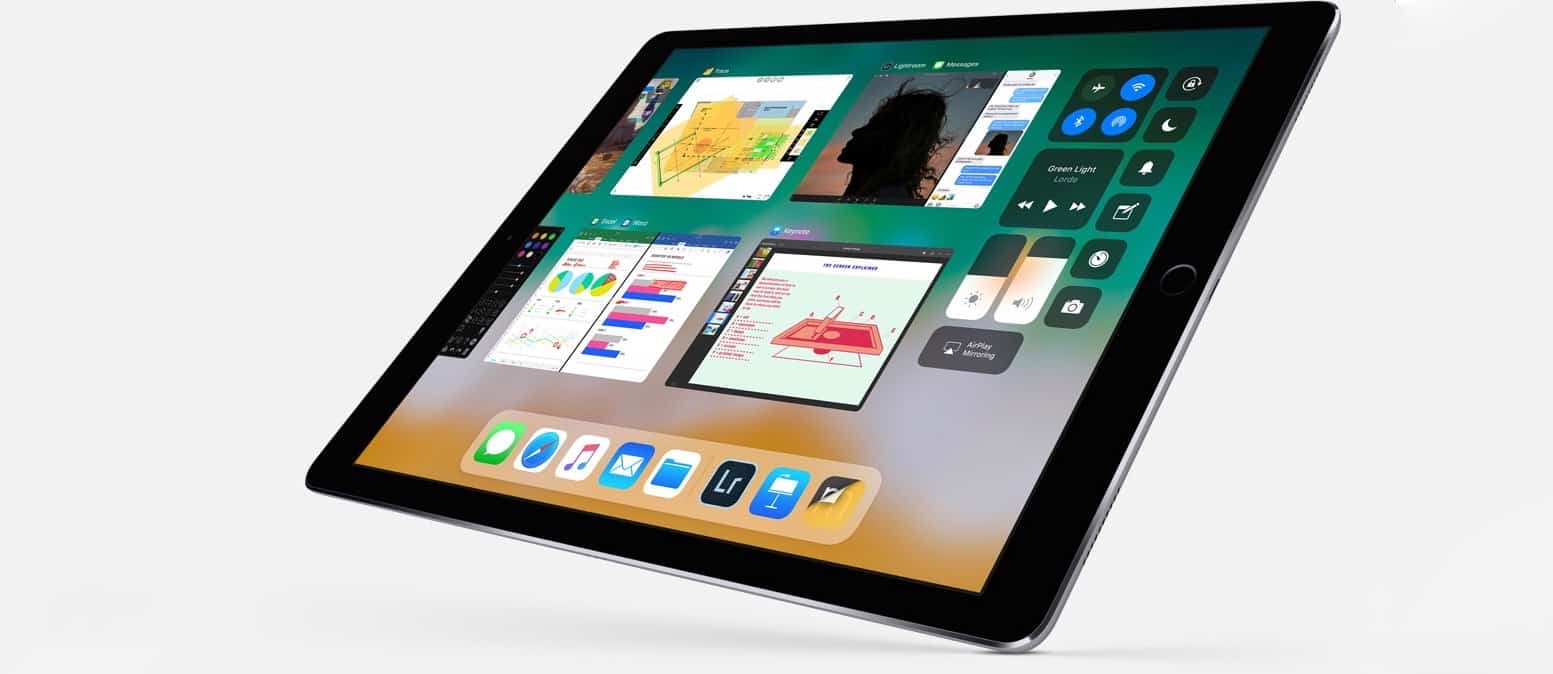
iOS 11 for iPad might be Apple's biggest new product this year. Photo: Apple
Updated 27 June, 2017: This post now includes details about the iOS 11 public beta.
Apple’s Worldwide Developers Conference keynote this June was so packed that even two-and-a-half hours didn’t seem like enough time. And yet the biggest announcement wasn’t new hardware, or a new app. It was an update.
Specifically, the iOS 11 update for the iPad, which turns Apple’s tablet from little more than a big iPhone into a full-featured touchscreen PC. In one go, Apple showed that it is still full-steam behind the iPad, and that a desktop-class touchscreen computer doesn’t have to actually run a desktop OS, like Microsoft’s Surface.
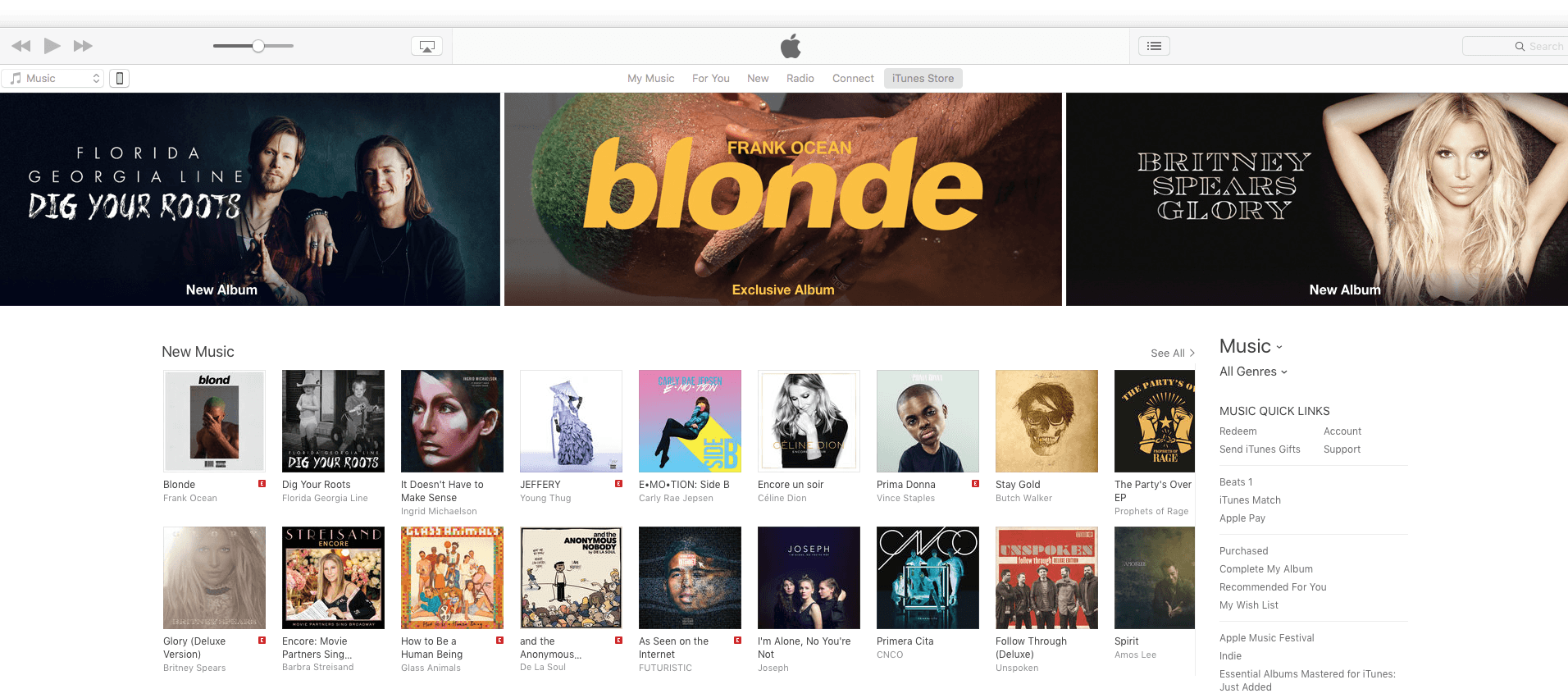
Frank Ocean pulls a fast one with his Apple Music exclusives, Endless and Blonde. Screenshot: Cult of Mac
By Brandon Shaw
I know, you’re tired of hearing, “Frank Ocean’s new album is amazing!!!” Me too. I’m interested less in the album itself, and more in what it means for the future of music.
With a pair of Apple Music exclusives, Frank Ocean pulled a fast one on his old record label — and shook up the the entire record industry. It’s the latest indicator that Apple sits at the center of a rapidly evolving music industry, where rules and strategies are changing by the minute. Now everyone from Spotify to Universal Music Group is frantically trying to figure out what to do.
Find new music; listen to your favorites. It's that simple. Photo: Jim Merithew/Cult of Mac
What the hell, internet? Apple Music, for all its growing pains and glitches, is a fantastic music streaming service.
It’s free unlimited music now, cheaper unlimited music later, and Apple Music is undoubtedly going to get better, especially if you’re already tied into Apple’s ecosystem.
If you take off before the trial period ends, you’re gonna miss out.
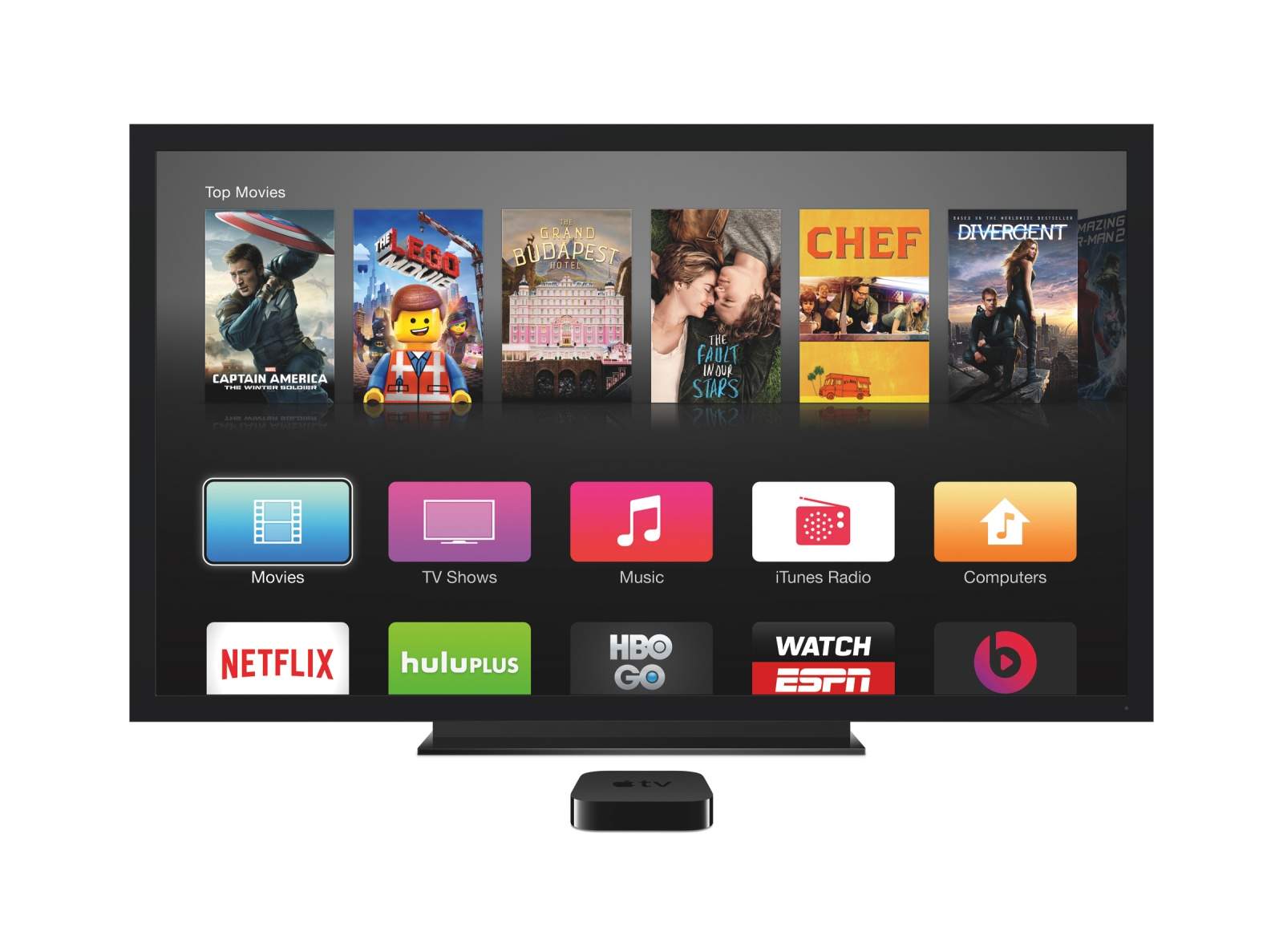
Check out nine seriously cool ways to make the most out of your old Apple TV. Photo: Apple
OK, play time is over. Last week’s article on five things to do with your obsolete Apple TV was meant to bring some light humor to your day, but we heard your comments loud and clear. Many of you looking for legitimate tips on what to do with an old Apple TV felt misled by the headline when you wound up scrolling through a sarcastic list. For that, we apologize. I apologize.
But we’re not all talk and no action at Cult of Mac. Without further ado, here is an actual list of nine things – four extras because we like you a lot – that you can do with your old or soon-to-be-obsolete Apple TV. For real this time. Seriously.
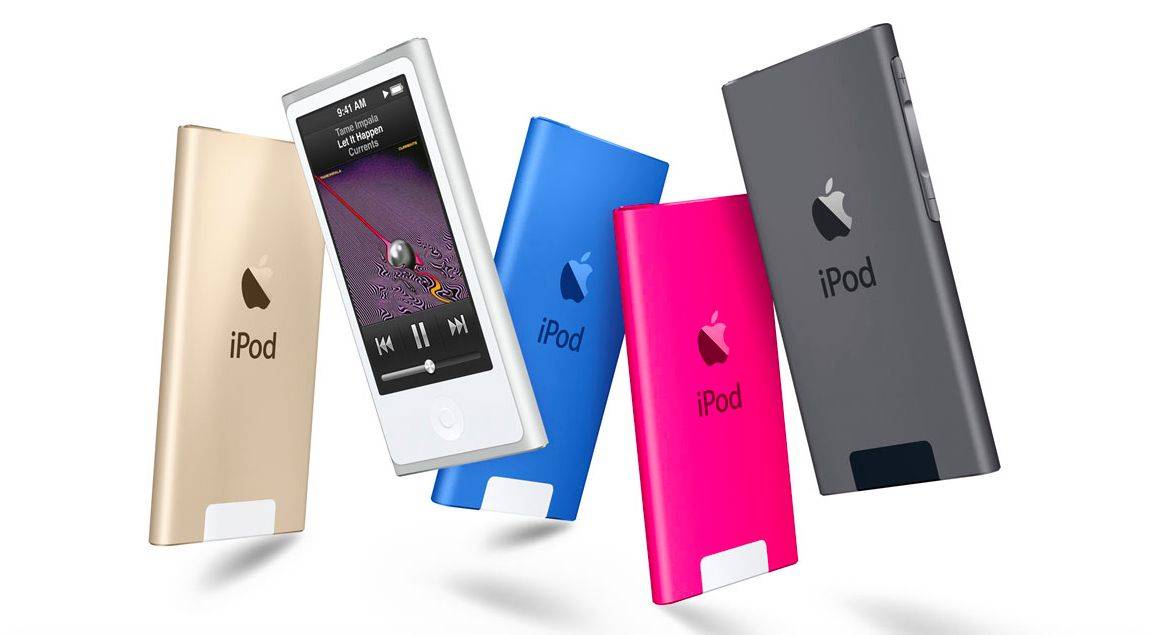
Despite Apple's latest iPod refresh, it doesn't make much sense to buy one. Photo: Apple
Today’s iPod refresh came as an odd surprise to some and maybe even a long-awaited update to others. Now that the iPod line is finally up-to-date after being dormant for a few years, you might even be considering buying one.
Regardless of how you feel, do yourself a favor: Don’t buy one.
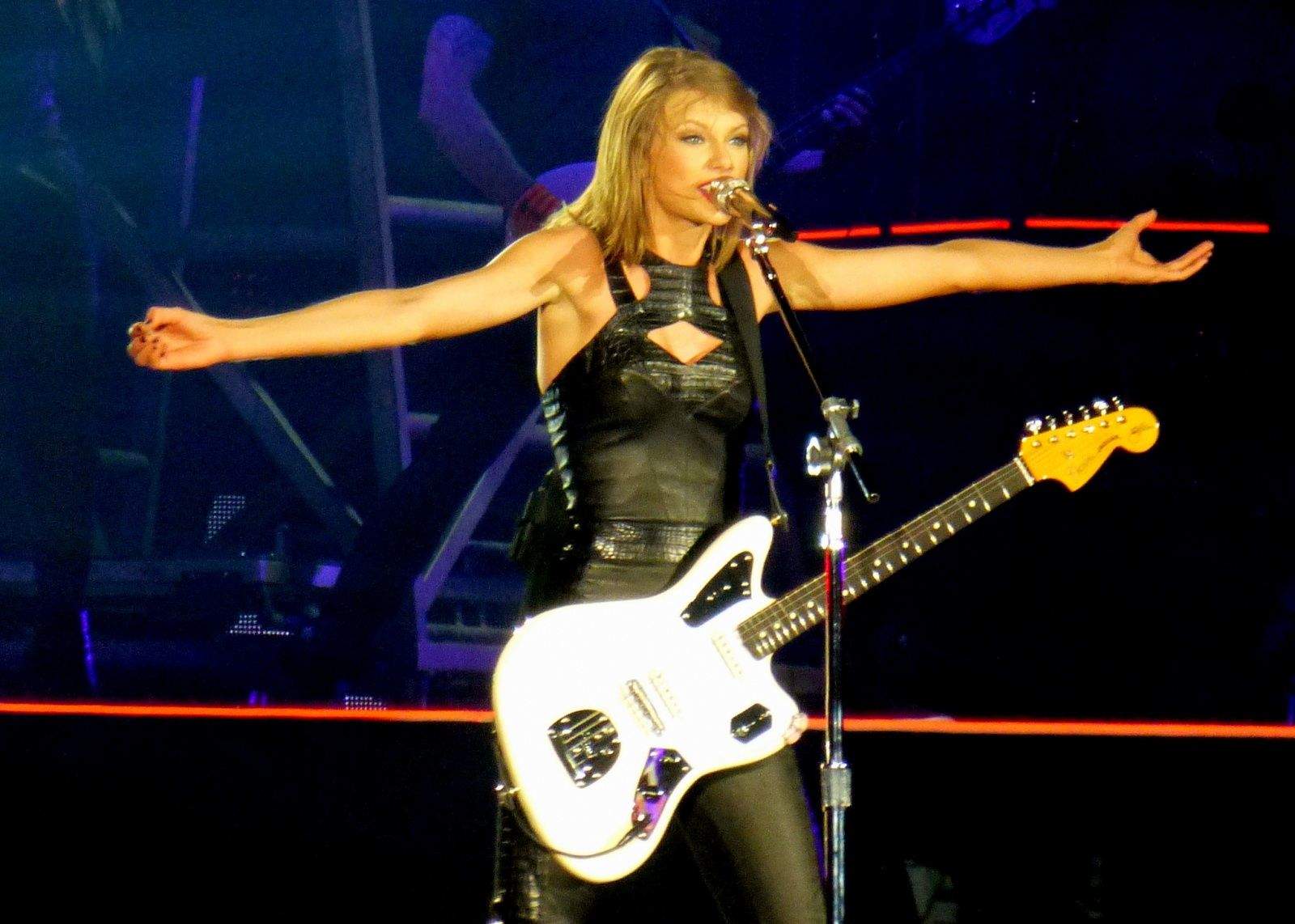
Taylor Swift's '1989' album is finally available for streaming, so I was all ears. Photo: GabboT/Flickr CC
No one has shut up about this album since it came out in October 2014. Taylor Swift’s “1989” sold over a million copies in the first week alone and continues to sell well even today, largely due to the fact that it was previously nowhere to be found on streaming services. That is until Apple Music launched and Swift suddenly had a change of heart.
Still, since everyone I know buzzed about this album and the media certainly buzzed about it given the Spotify melodrama, I had to give it a listen. I didn’t want to buy it because I truly didn’t care that much, but I cared enough to listen if I was already paying for a streaming subscription. Now that I’m officially an Apple Music member, I got to stream “1989” in its entirety while I was cooking my lunch.
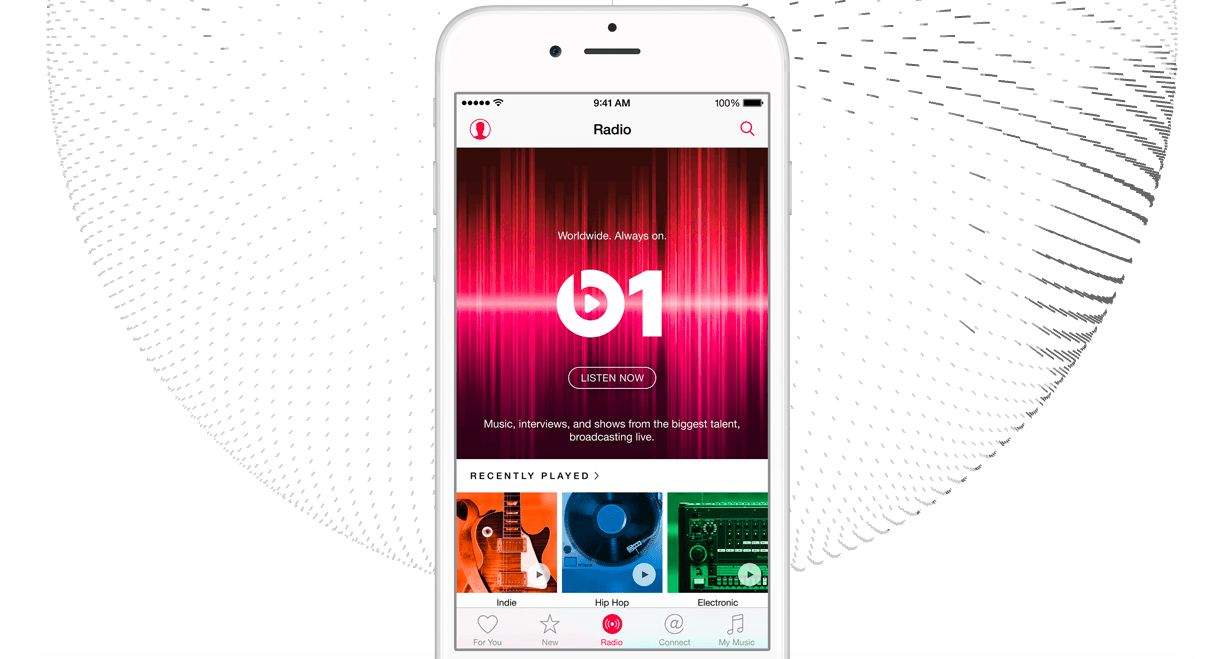
Beats 1 Radio is live on Apple Music, but is it worth your time? Photo: Apple
Open your iOS 8.4 Music app and start listening. Beats 1 radio went live today at 9 a.m. Pacific time or 12 p.m. Eastern time, one hour after the launch of Apple Music itself. But is it any good? I’m your fellow music lover here to answer that question in as much depth as possible based on some first impressions.
First, a little background: Apple’s own radio station billed as “programs from people who love music” will stay live 24/7, broadcasting in over 100 countries. The station promises interviews with A-list celebrities and even radio shows hosted by the celebrities themselves every so often. They’ll create their own playlists and mixes and broadcast some of their favorite tunes. Jaden Smith will have his own show, so prepare to have an existential crisis.
Apple Watch is a great early adopter device. Photo: Jim Merithew/Cult of Mac Photo:
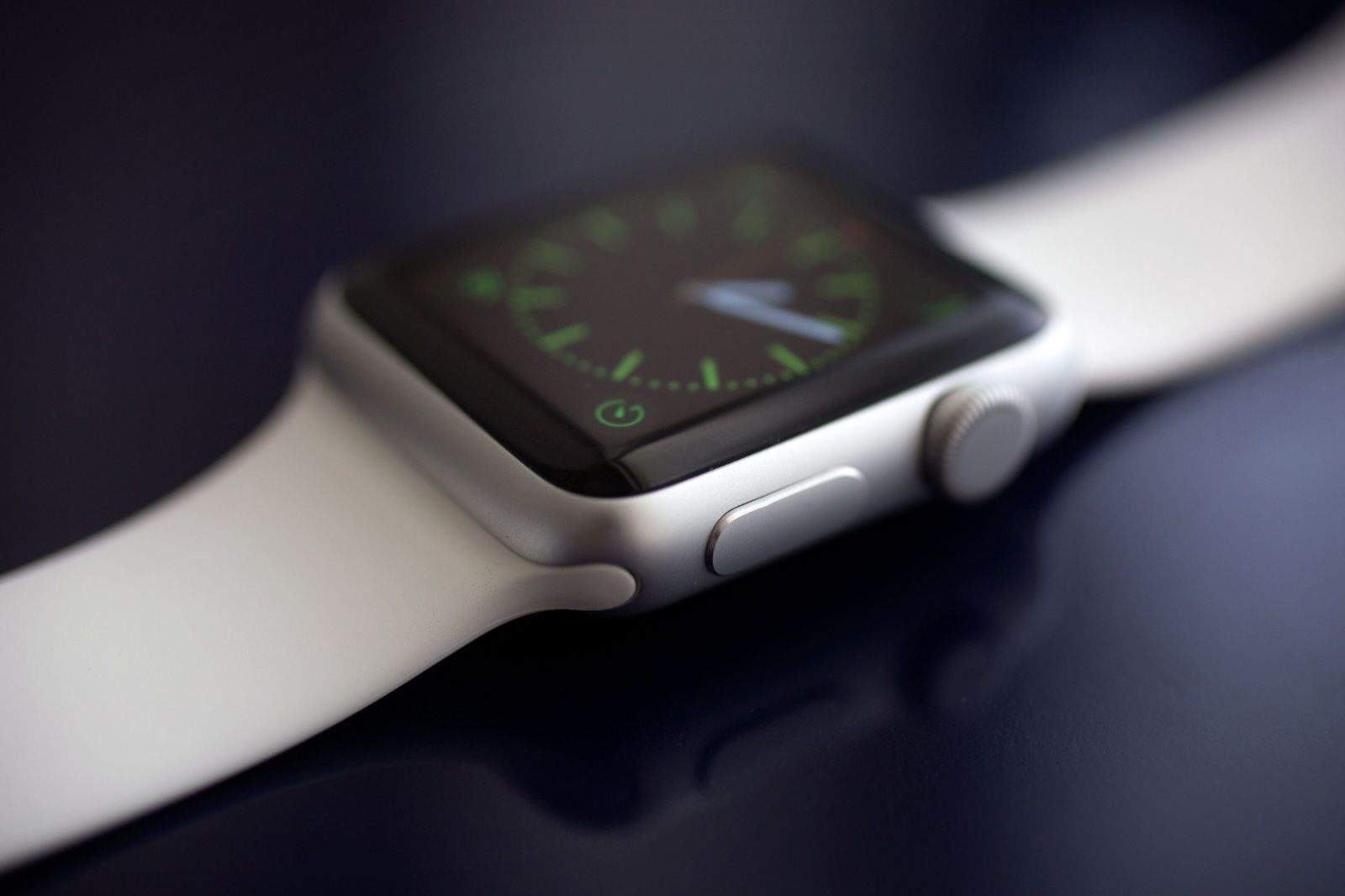
Apple Watch is the most confounding device to come out of Cupertino since Steve Jobs unveiled the iPhone. Is is it a watch? Is it a tiny computer on your wrist? It’s both — and it’s so much more.
After four days playing with the Apple Watch, we’ve found it to be far more futuristic — and far more fun — than we could have imagined. (It’s even more impressive if you’ve tried any of the other smartwatches on the market.)
Apple Watch isn’t without its disappointments, though. If you’re still unsure whether to shackle yourself to Jony Ive’s fabulous timepiece, here’s our take on what works — and what doesn’t.
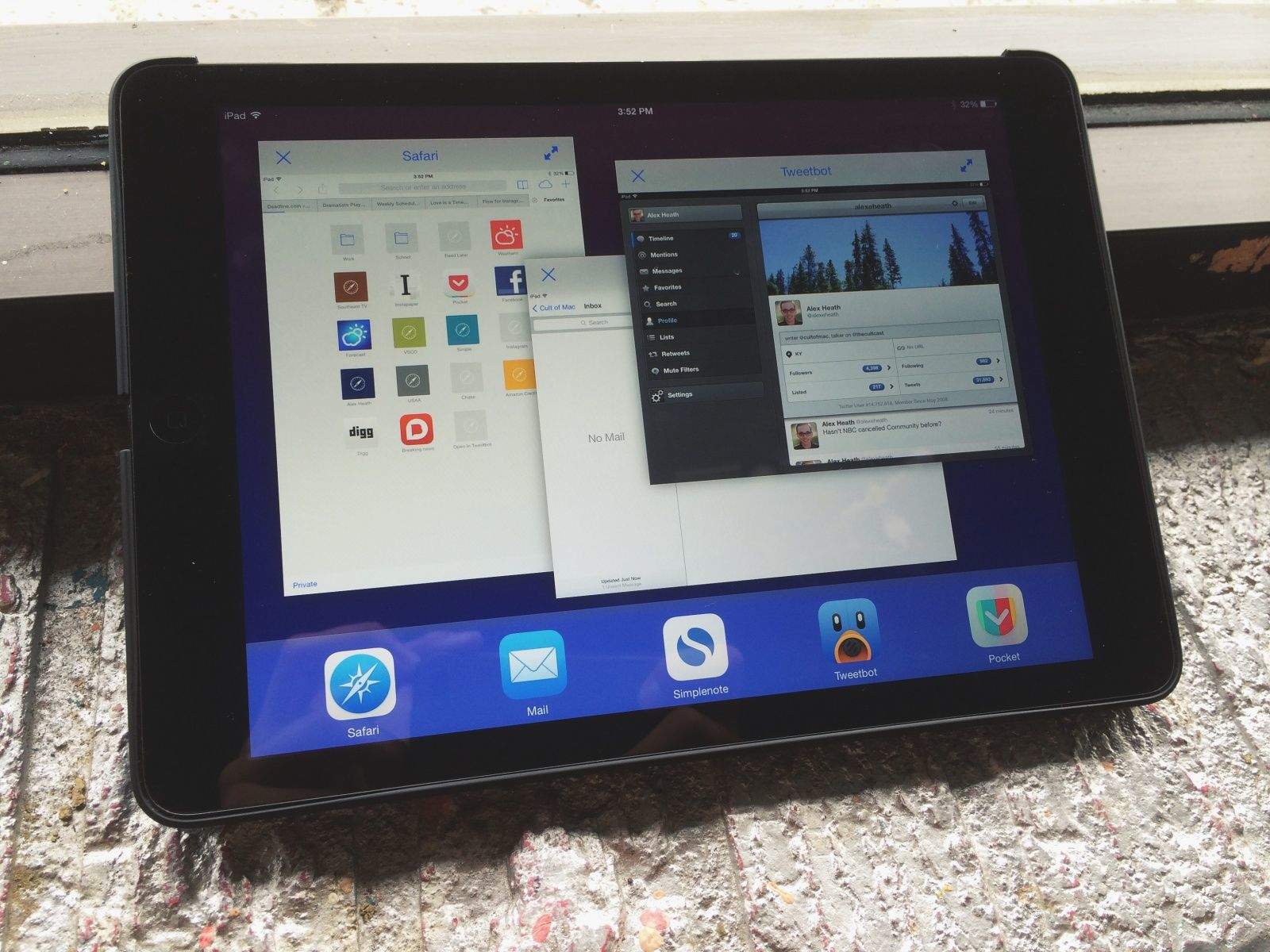
Almost from the start, iPad users have begged and pleaded with Apple to add a missing feature: split-screen multitasking.
Split-screen multitasking is the ability to run two or more apps simultaneously, side by side, just like you can on a desktop computer. But iOS, of course, is the antithesis of traditional multitasking. You can have only one app on the screen at a time.
That may be about to change. Apple is rumored to be adding multitasking to the iPad in iOS 8, which is expected to be shown to developers at next month’s Worldwide Developer’s Conference.
With split screen multitasking, you could write a paper in Pages on the left while researching in Safari on the right. You may even be able to drag and drop items between the two apps, like photos or chunks of text.
For some, this would be nirvana. Better multitasking would turbocharge the iPad, especially for work, right?.
Microsoft loves to crow about the Surface 2 tablet’s ability to multitask, which in Redmond’s eyes makes the tablet appear more suited for work than watching cat videos. Some iPad users have been lobbying for it for years. The feature has been the subject of plenty UI mockups, design videos, and jailbreak tweaks.
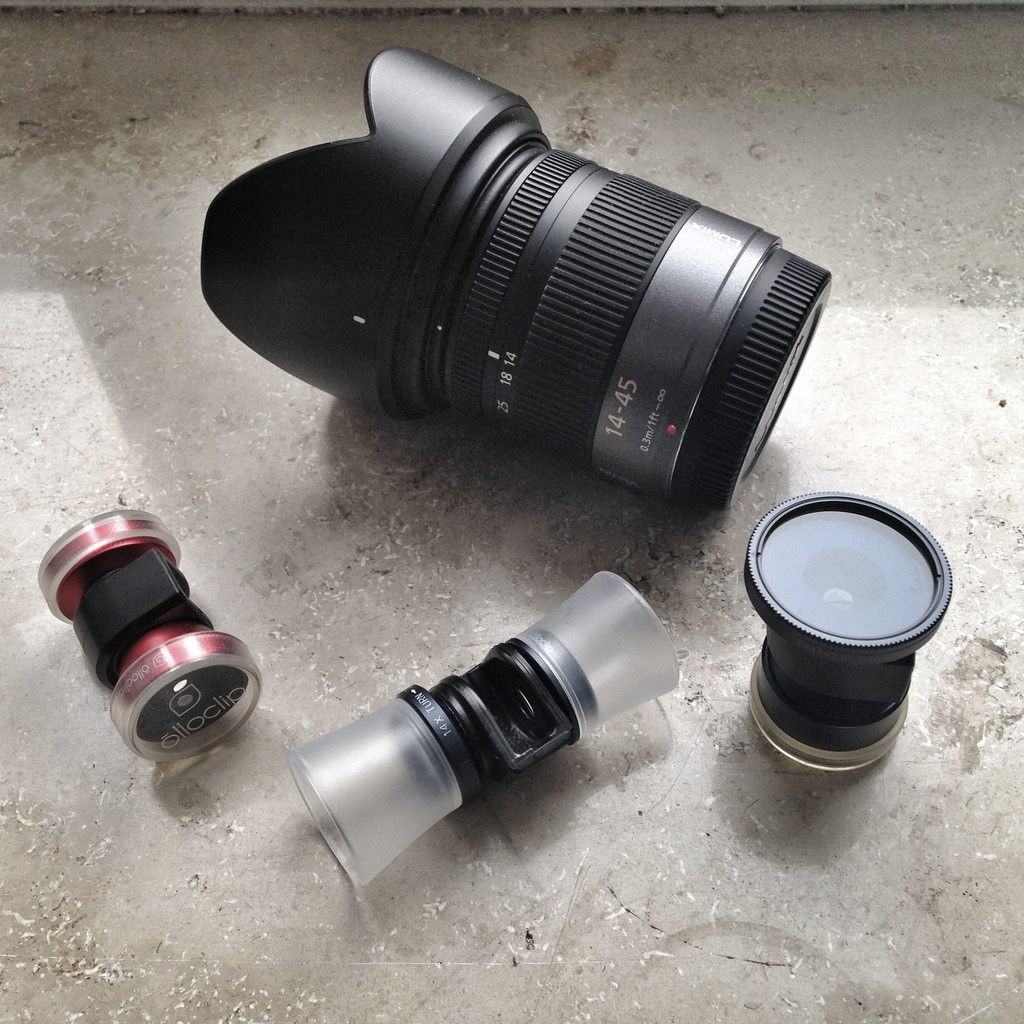
Quick-connect iPhone lenses are certainly less bulky than typical camera gear, but there's a price to be paid for convenience. Photos: Charlie Sorrell/Cult of Mac
One December years ago, in London’s Piccadilly Circus, a Santa Claus sat in a pavement cafe eating lunch with an elf. Santa had a pint of beer in from of him. I raised my old film SLR, which was prefocused and had the exposure already dialed in, and took a couple of shots.
I hoped they’d turn out well.
“Who are those pictures for?” said a guy, shouting as he jogged toward me. He’d come from somewhere nearby because it was too cold for just a shirt on a December afternoon in London, and he wasn’t wearing a jacket. I ignored him — there are a lot of nutters in Piccadilly any time of the year.
The Galaxy S5 is trying to win a game the iPhone isn't even playing.
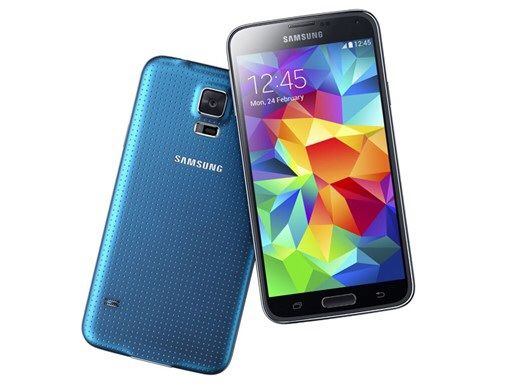
One of several themes at this year’s Mobile World Congress in Barcelona has been cellphone cameras (the others were waterproof phones, crappy smartwatches, and NFC). Samsung’s new flagship Galaxy S5 ups the pixel count from 13MP 16MP, and adds 4K video capture. Nokia’s handsets can now shoot RAW pictures (or rather, record RAW pictures, as all photos are RAW to begin with) and Sony was showing off new camera modules (the iPhone uses a Sony camera).
As I was walking around the show and shooting everything with my iPhone 5, I started to wonder: who cares?
I just switched back to the full-sized iPad – in the form of the iPad Air – after over a year of exclusive iPad Mini use. The reason? I can’t get on with the Retina Mini. The Mini is great in many ways, and so you’d think that an A7 Retina-ized version would be even better. But almost since I bought it, the new hi-res Mini has been driving me crazy.
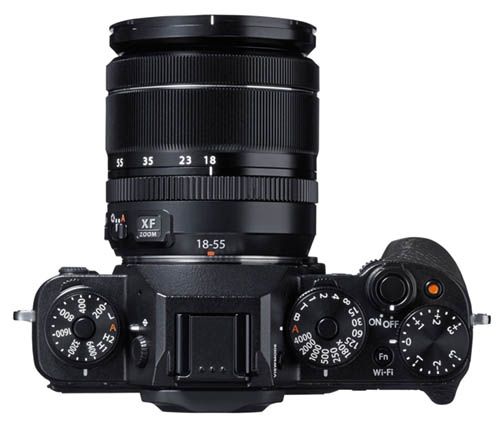
To quote the all-seeing Strobist, “Memo to @Nikon: THIS is how you do a retro-dialed digital camera.” Take a look. These are the official product shots of the Fujifilm X-T1, an SLR-style mirrorless camera joining Fujifilm’s X-Series lineup. Isn’t she purdy?
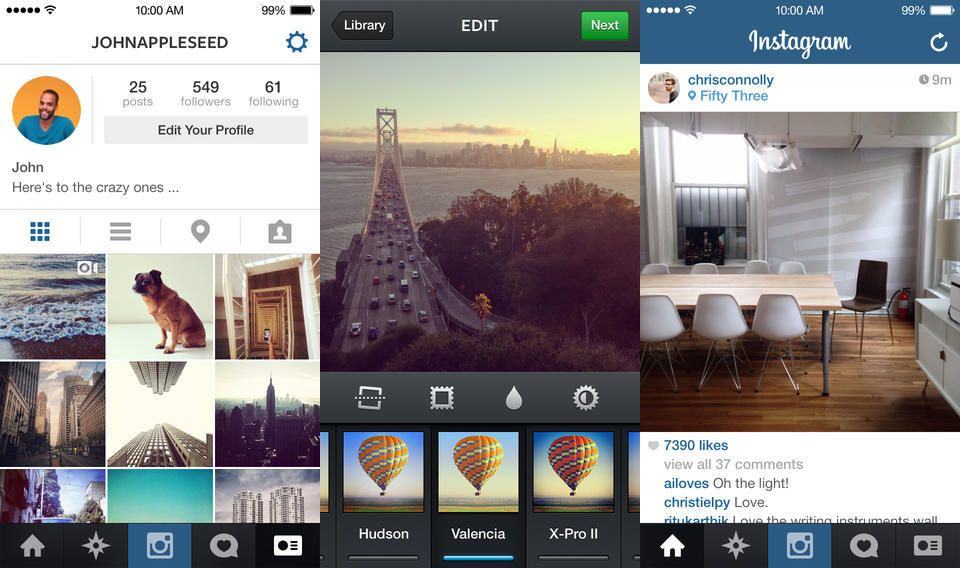
There’s a funny fact in the world of iOS apps: Whereas one-man shop can manage to have a radically new version of its app available day and date with a big iOS update, giant software companies seem to take years to get things done. Spotify took (literally) years to come up with a ho-hum iPad app, and Instagram still isn’t on the iPad. One can only assume it will never be designed for the tablet.
And speaking of Instagram, this new iOS “update” is a sham.
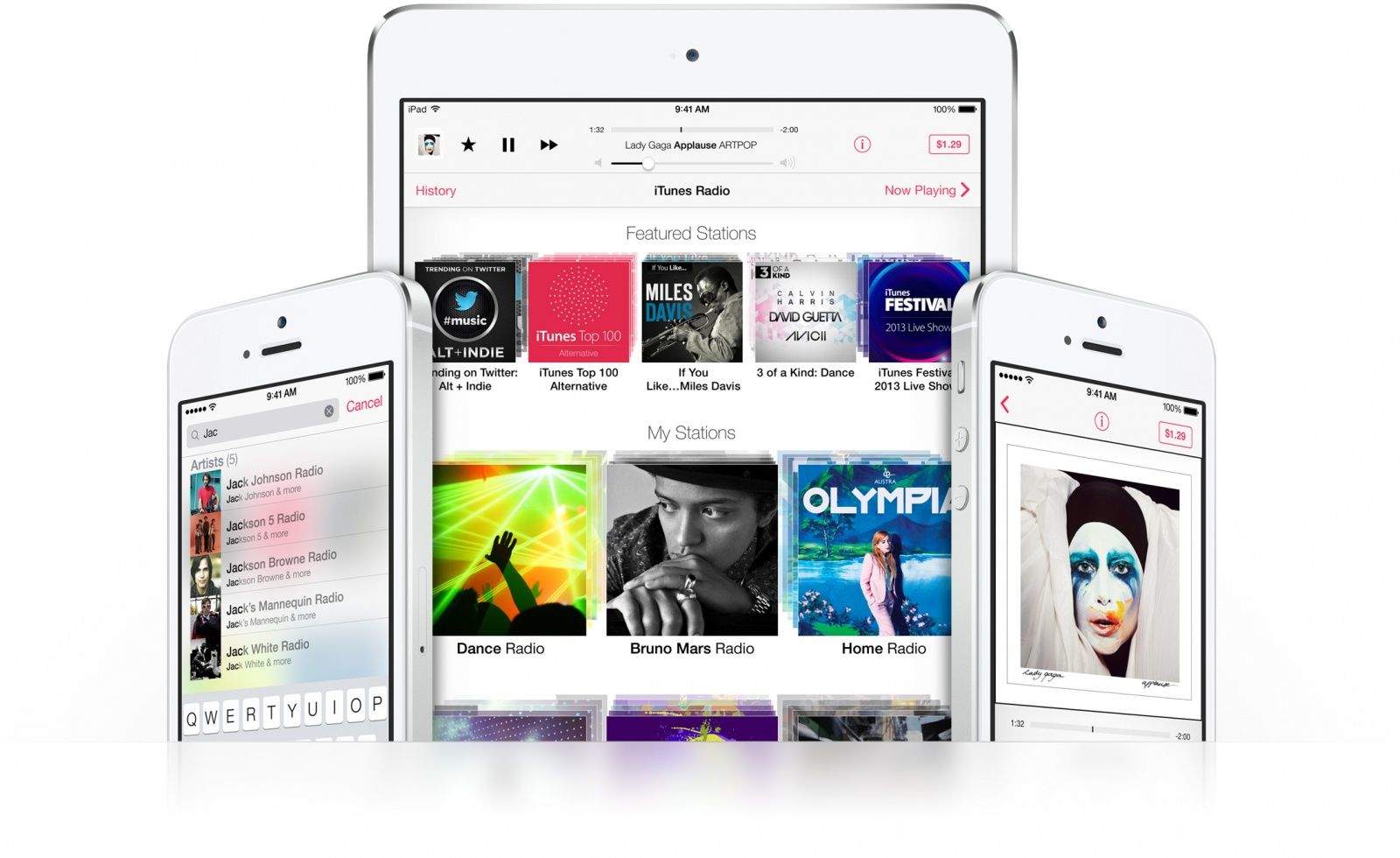
With last week’s iOS 7 launch, Apple also released iTunes Radio, its long-awaited internet radio service that’s available for free on all iOS devices and iTunes on the desktop. While iTunes Radio was thought to be a Spotify-killer before Apple’s Eddy Cue unveiled it at WWDC in June, how it works is more similar to Pandora. You listen to stations based on artists or genres you like, and more importantly to Apple, you can quickly buy played songs through iTunes.
I’ve had access to iTunes Radio all summer through the iOS 7 beta, and I maybe used it for a total of 10 minutes. Since everyone got access last week, I’ve tried using it more to see how well it works post beta. My experience was largely one of frustration. It’s obvious that iTunes Radio still has a lot of growing up to do.
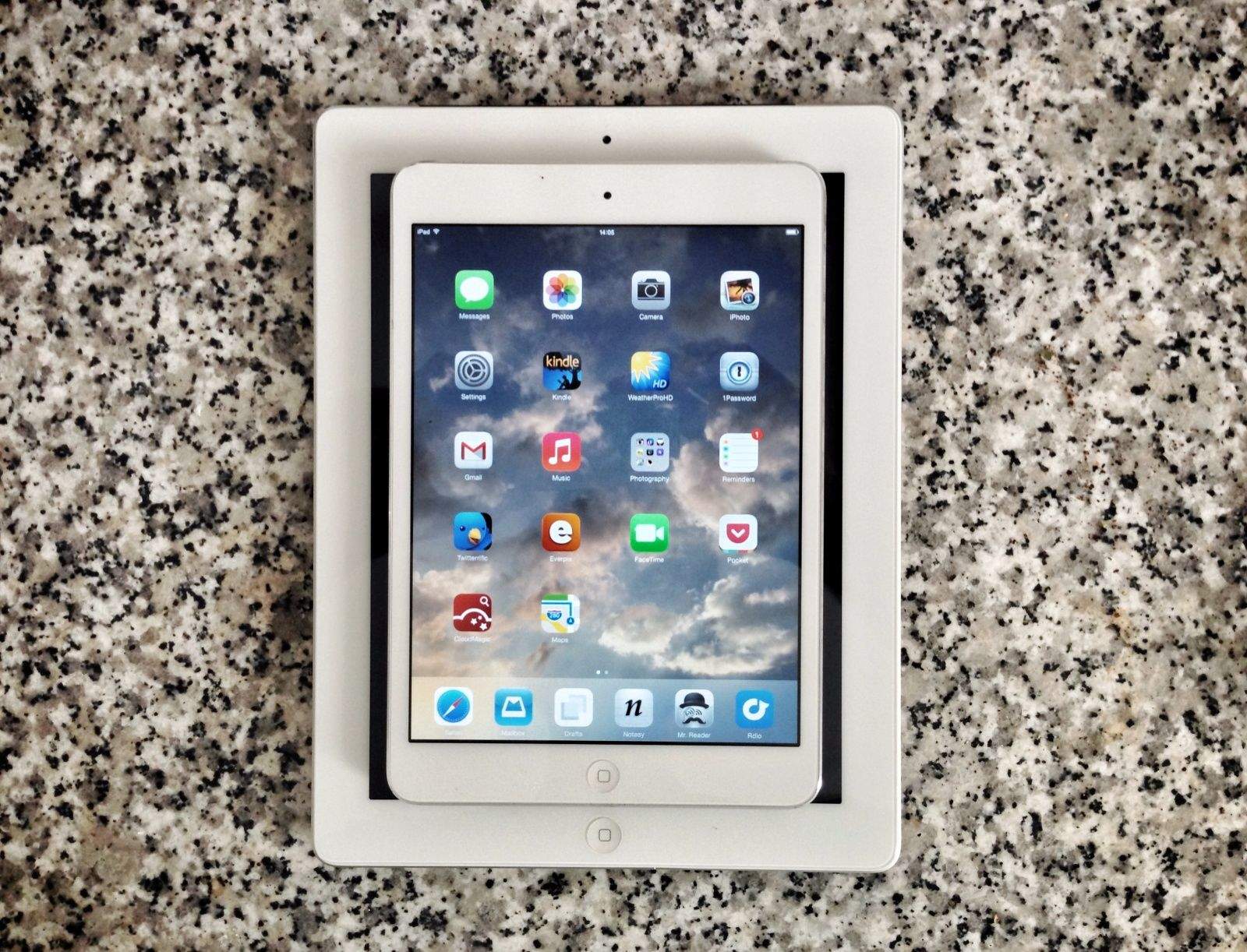
Eliminate the bezels, and the big iPad isn't that much bigger than the mini.
There will almost certainly be new iPads this fall, and the Apple Predictotron in the CoM basement says that we’ll see a Retina-screen iPad mini, plus a thinner, smaller iPad 5 – a kind of enlarged iPad mini, complete with tiny side bezels.
Which might create a dilemma. You see, Like many folks I have all but ditched my large iPad for the mini. I still long for that amazing screen whenever I pick up the Retina iPad 3, but the mini is so just so damn convenient I choose it over the big version every time.
But what if the iPad 5 is small enough to compete with the mini?