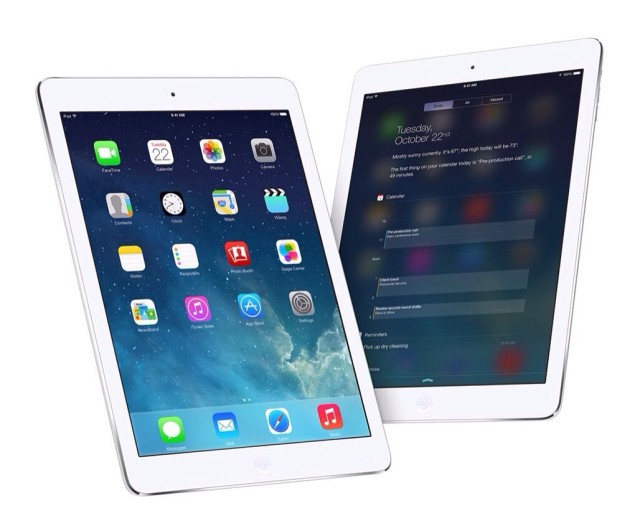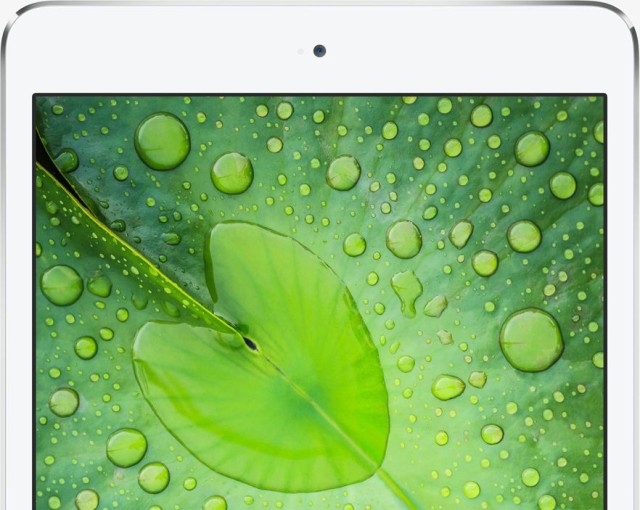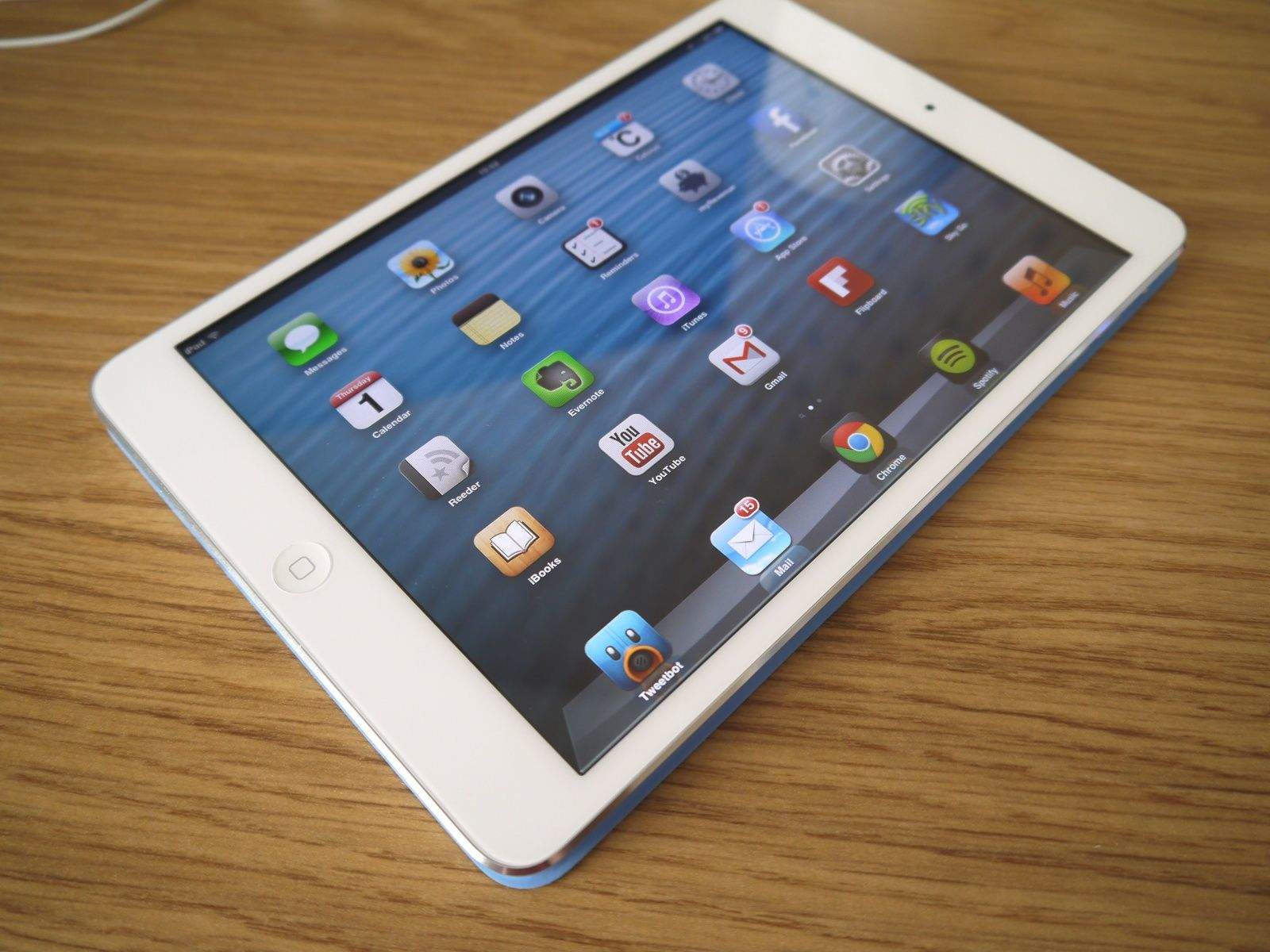
KGI Securities analyst Ming-Chi Kuo has issued a note to investors in which he says the second-generation iPad mini with Retina display won’t enter mass production until October due to yield issues with the new high-resolution display. If true, the problem could make a fall launch for the device very unlikely.
Microsoft is planning a new lineup of Surface tablets that includes a 7-inch model designed to compete with Apple’s iPad mini and Google’s Nexus 7, The Wall Street Journal reports. The device will enter mass production later this year, according to people familiar with Microsoft’s plans, but it’s unclear when the company will bring the new slate to market.
Although you probably wouldn’t usually call it a PC, the iPad is a personal computer. And it’s currently dominating the PC market. During the fourth quarter of 2012, every one in six PCs sold was an iPad, according to research firm Canalys. When you include the Mac as well, more than a third of worldwide PC shipments during the holiday quarter were from Apple.
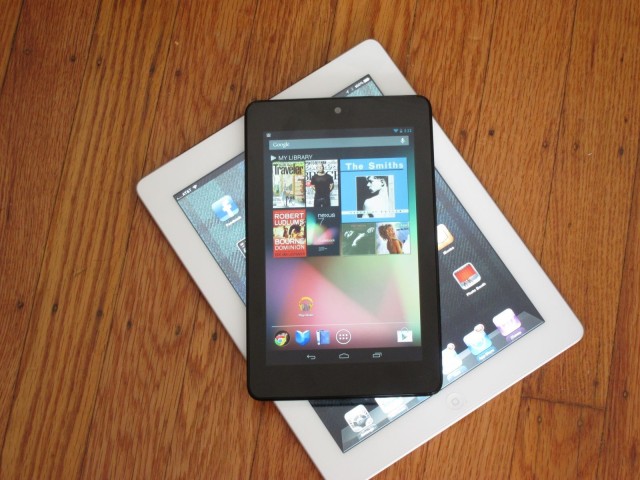
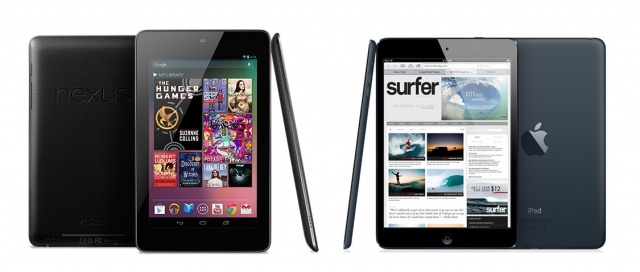
The iPad may be the king of tablets in some markets, but Apple’s device cannot compete with the Nexus 7 in Japan. Its premium price tag is causing tablet buyers to opt for Google’s 7-inch slate instead, despite its smaller display and lack of a rear-facing camera. One survey of Japanese electronics stores has found that the Nexus 7 has claimed 44.4% of the tablet market.
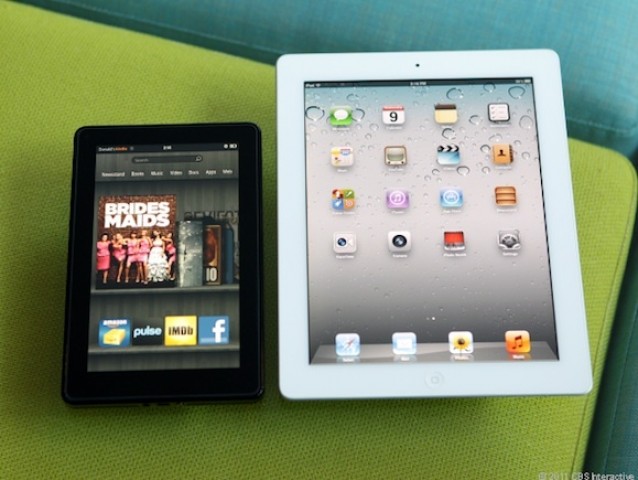
Thanks to affordable offerings like the Amazon Kindle Fire HD and the Google Nexus 7, Android tablets continue to increase their market share and claw away at the iPad’s lead. However, Apple’s tablet remains king of the web, accounting for a whopping 87% of tablet web traffic in North America.
Guy Kawasaki was one of the Apple employees behind the legendary marketing of its 1984 Macintosh, and he’s well known among the Apple community for being a former evangelist of the Cupertino company. You might think, then, that when Kawasaki’s phone rings, it’s an iPhone he pulls out of his pocket.
Well that couldn’t be further from the truth. Kawasaki’s a diehard Android fan, and he has been for about a year. He no longer uses any iOS products at all — not even an iPad.
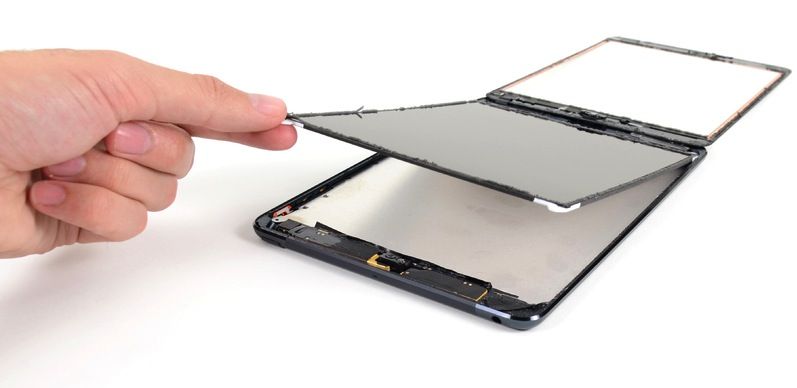
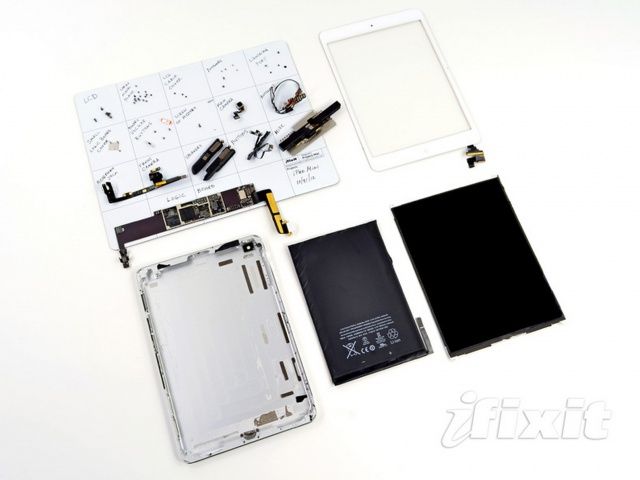
The iPad mini is Apple’s answer to smaller Android tablets from the likes of Amazon and Google. But there’s a good reason why it doesn’t come with the same $200 price tag. A teardown has revealed that the new iOS device costs at least $188 to build, and that price rises when you add bigger storage options and 4G connectivity.
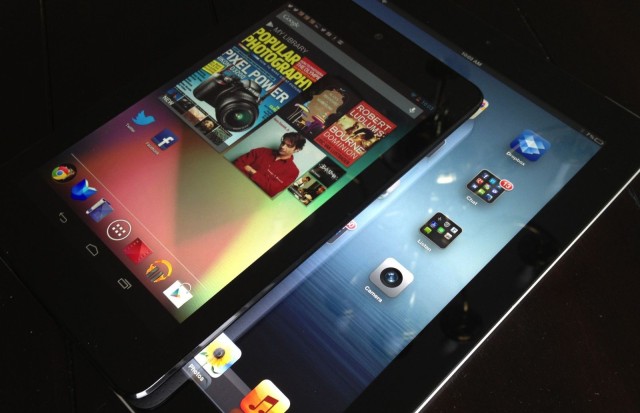
Now that the iPad mini’s been on sale a few hours, it’s time to address the issue you’re all itching to know about. I’m talking, of course, about the drop test. Apple’s new tablets have been put to the test against Google’s $199 Nexus 7, and the iPad mini does surprisingly well, only sustaining any real damage when dropped on its face onto concrete.
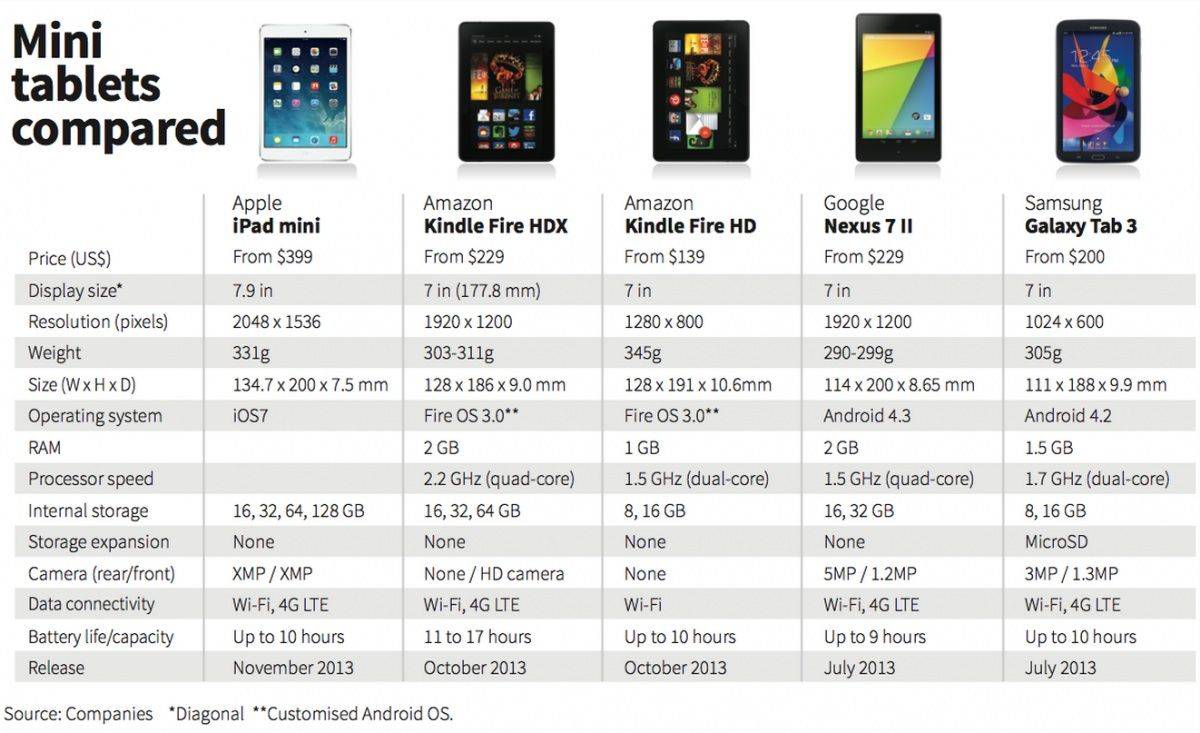
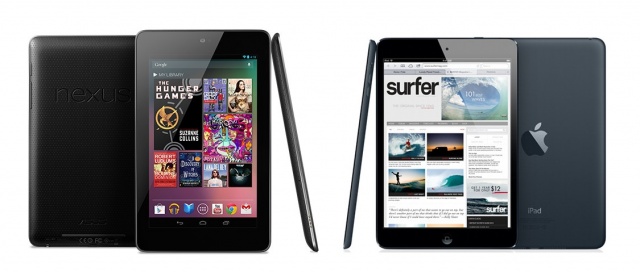
The Kindle Fire/Fire HD and Nexus 7 have given birth to a small, yet powerful, sub-category of affordable 7-inch tablets. One that has been slowly eating away at a market that has been dominated by the much larger Apple iPad. To battle this growing trend, Apple decided to break down — after vowing to never to make a 7-inch tablet — and create a smaller version of their highly successful iPad line. Apple’s iPad Mini may not be a 7-inch tablet (it’s 7.9-inches), but it’s clear Apple’s intentions are to disrupt the sales of those pesky 7-inch competitors out there who keep chipping away at their market share.