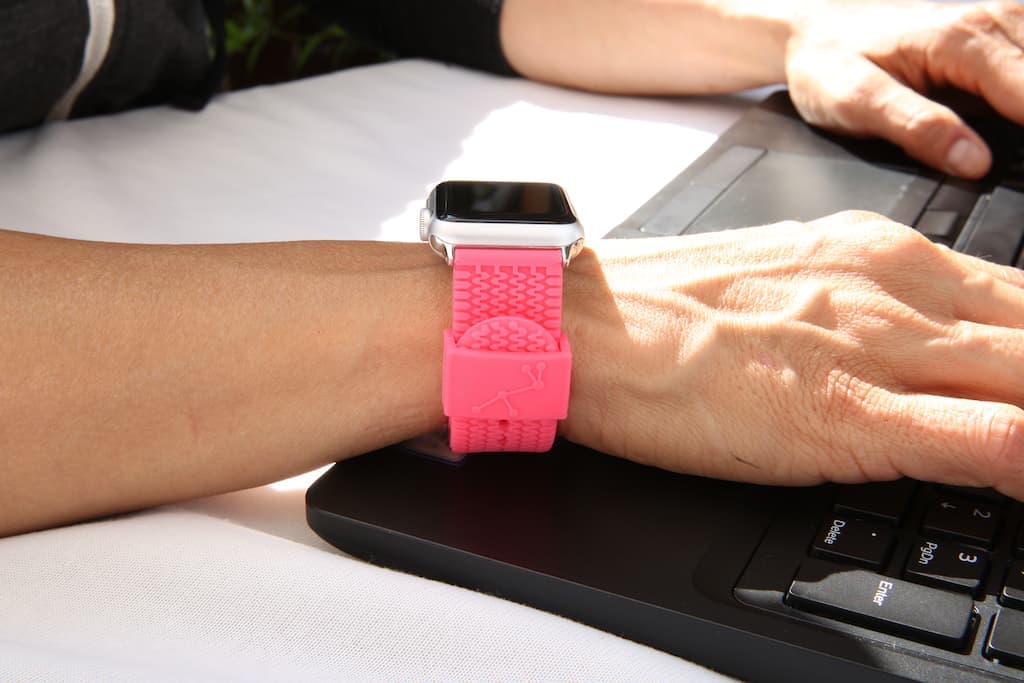
Bag yours in one of seven awesome color options. Photo: Benjamin McKay/Cult of Mac
Made from strong and sturdy silicone, Carterjett’s terrific Tire Tread band for Apple Watch is ideal for even the toughest workouts. It’s easy to clean and doesn’t mind getting wet, and it’s a steal at just $24.99.
It also comes in a bunch of great color options — including a red and a blue that are a great match for Apple Watch Series 6.
But declining readership, competition from news apps and difficulty getting advertising has led us to retire the publication. It’s been a great run, but it’s time to shut up shop.
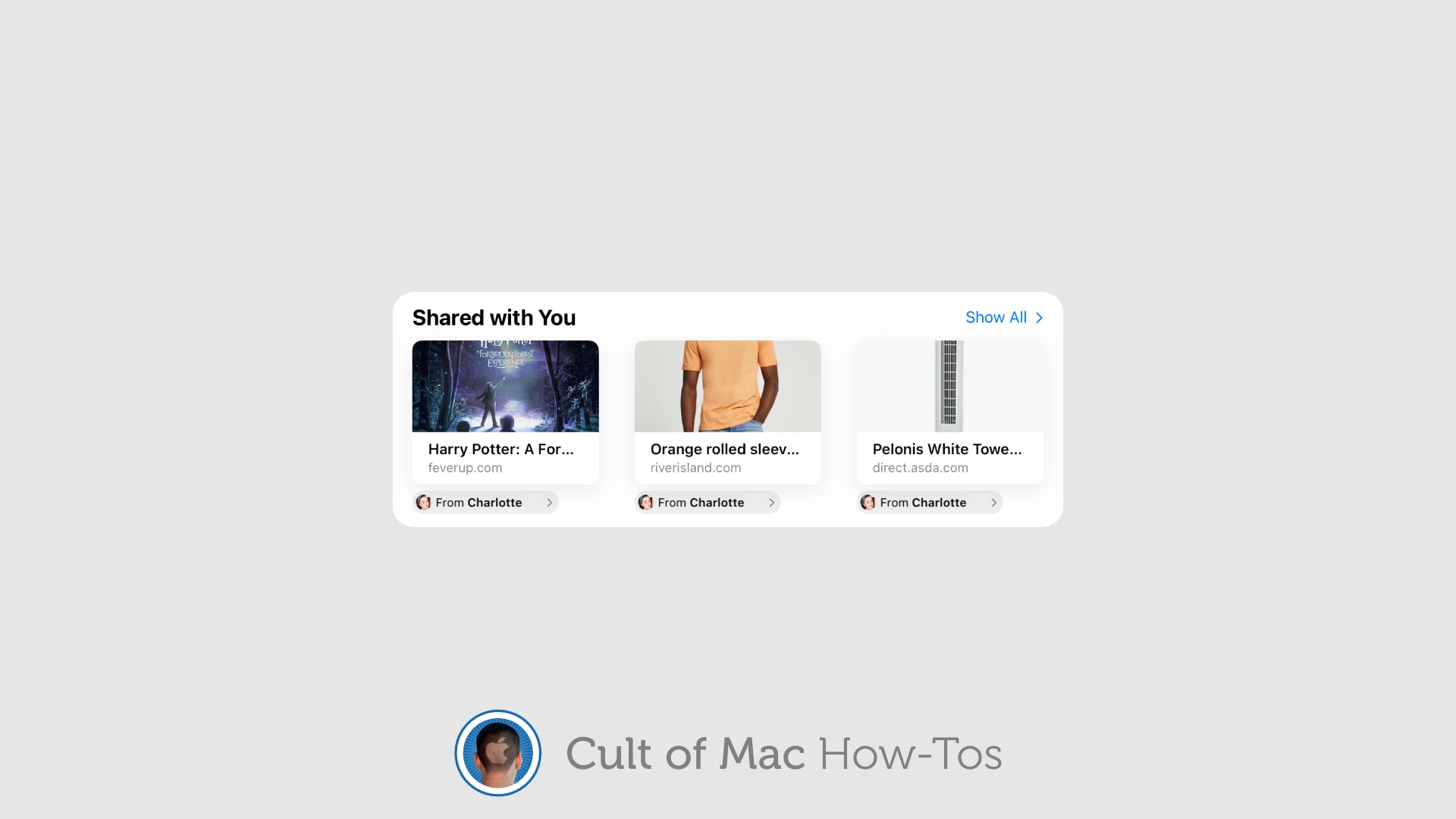
Keep track of links you've received from friends. Image: Killian Bell/Cult of Mac
iOS and iPadOS 15 make it easier than ever to keep track of web links that are shared with you in Messages by putting them all in one place inside Safari.
Here’s where you can find them — and how to view them all on iPhone and iPad.
Not summering on the Baltic Sea shoreline in the south of Sweden, are you? Photo: [email protected]
Redditor N3oPuff drew some attention on the social media platform with a setup photo that flaunts mind-blowing gear not so much as it does natural beauty. It definitely brings to mind the old real estate maxim: “location, location, location.” But an M1 Mac mini always helps.
In fact, it could be the perfect Setup for a summer Friday.
Jason Sudeikis, Brendan Hunt and Nick Mohammed survey the pitch. Photo: Apple TV+
The big American heart in the body of the United Kingdom is beating again. Ted Lasso is back for another season of relentless positivity, and fans of the hit Apple TV+ comedy can rest easy. They know exactly what they’re getting.
The title character, played by Saturday Night Live alum Jason Sudeikis, returns for more unorthodox soccer coaching with his deep bench of homespun aphorisms intact. In short, if you liked the first season — and who didn’t? — you’ll enjoy this one as well.
Expect a fancy screen upgrade for the MacBook Air. Photo: Leander Kahney/Cult of Mac
Apple’s new MacBook Air with 13.3-inch Mini-LED display will debut in mid-2022, says respected TF International Securities analyst Ming-Chi Kuo in a new note to clients, seen by Cult of Mac.
Kuo had previously said that a MacBook Air with Mini-LED screen would arrive sometime next year. However, he had not narrowed this down to a particular time of the year. Kuo is one of the more accurate (although not infallible) Apple analysts/reporters. According to AppleTrack, he has an accuracy rating of 76.6%.
There are plenty of ways to tune in. Photo: The Olympics/Cult of Mac
The Tokyo 2020 Olympic Games officially kicks off on Friday, June 23, and you can enjoy it all on Apple TV, iPhone, iPad and Mac. We’ll guide you through who’s hosting the action, and which apps you’ll need to watch it.
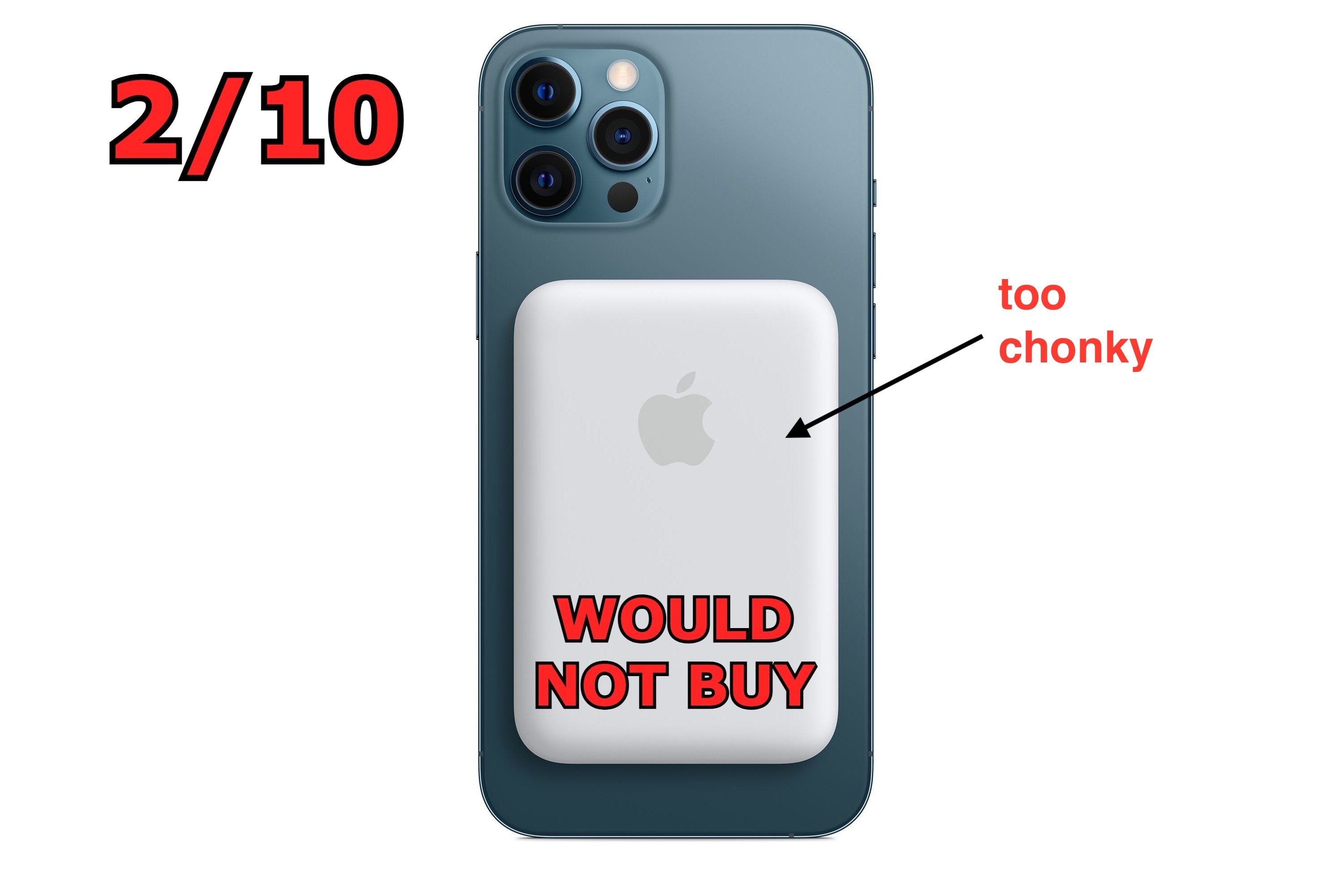
Oh no. Apple's new MagSafe Battery Pack fails to defy the laws of physics. Image: Cult of Mac
Apple’s just-released MagSafe Battery Pack faced plenty of mockery for not being about as slim as a credit card, as some people apparently expected. This criticism clearly comes from people ignoring an inescapable fact: Batteries are always bulky.
Until there’s a revolutionary breakthrough in power storage tech, there’s no way to make an ultra-slim battery store a useful amount of power. Stop expecting it. And stop criticizing companies for not miraculously producing an impossible product.
No more betas. You can update your computer(s) to macOS Big Sur 11.5 and/or iPadOS 14.7. Photo: Cult of Mac
Both macOS Big Sur 11.5 and iPadOS 14.7 made the jump from beta to full release on Wednesday. They bring only a handful of new features, though, as well as bug fixes.
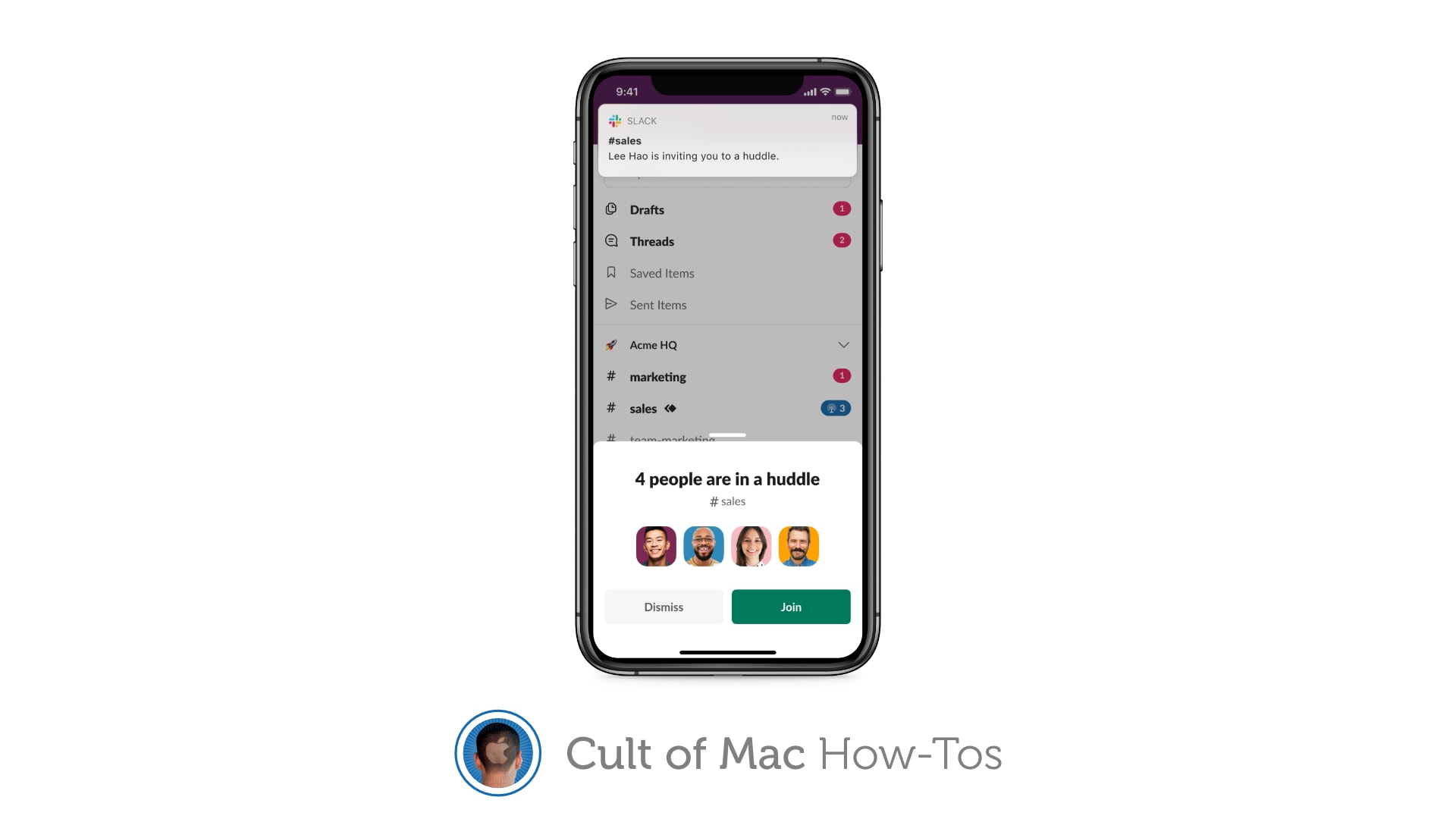
Host casual conversations, share your screen and more. Image: Slack/Cult of Mac
Slack is rolling out its new Huddles feature in an effort to bring the office environment to wherever you might be working. The feature lets you hold “quick, informal discussions” with other members of your team.
You can also use it to share your desktop screen, which makes it great for demonstrations. We’ll show you how to use Huddles on iPhone, iPad and Mac.
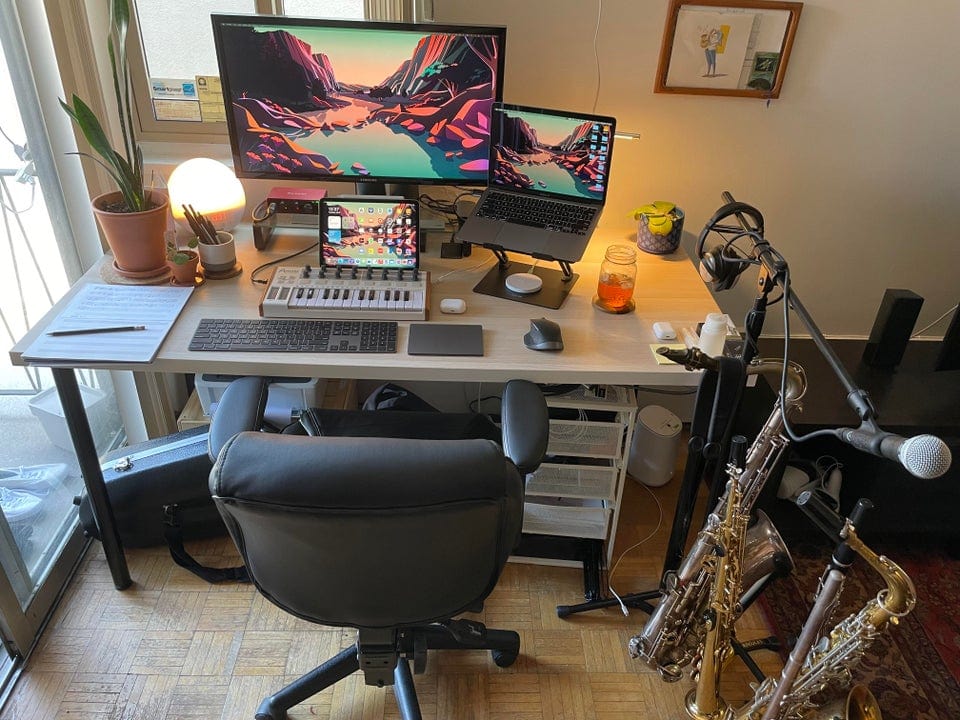
Warning, jazz joke ahead: "Remember to always practice safe Sax," quipped a Redditor. Photo: [email protected]
Redditor madeitinthewild makes beautiful music up in Canada. Or he makes music, anyway. Jazz music. You can tell by the assortment of saxophones next to his M1 MacBook Air- and iPad Air 4-based mini music studio. That, and he said so.
“Remember to always practice safe Sax,” came the obligatory jazz-joke comment.
“No way I live on the edge,” replied madeitinthewild, kinda true to his Reddit handle.
Get ready for the next iPhone keynote! Photo: Apple
The iPhone 12 has been a major success for Apple, but Wedbush analyst Dan Ives thinks the company’s expectations are even greater for the iPhone 13.
In a Wednesday note to clients, seen by Cult of Mac, Ives suggests Apple is gearing up to produce between 90 million and 100 million iPhone 13 units. That’s a 15% increase year-on-year over the iPhone 12, whose initial orders were for 80 million units.
The analyst also sheds light on when he thinks the iPhone 13 event will take place.
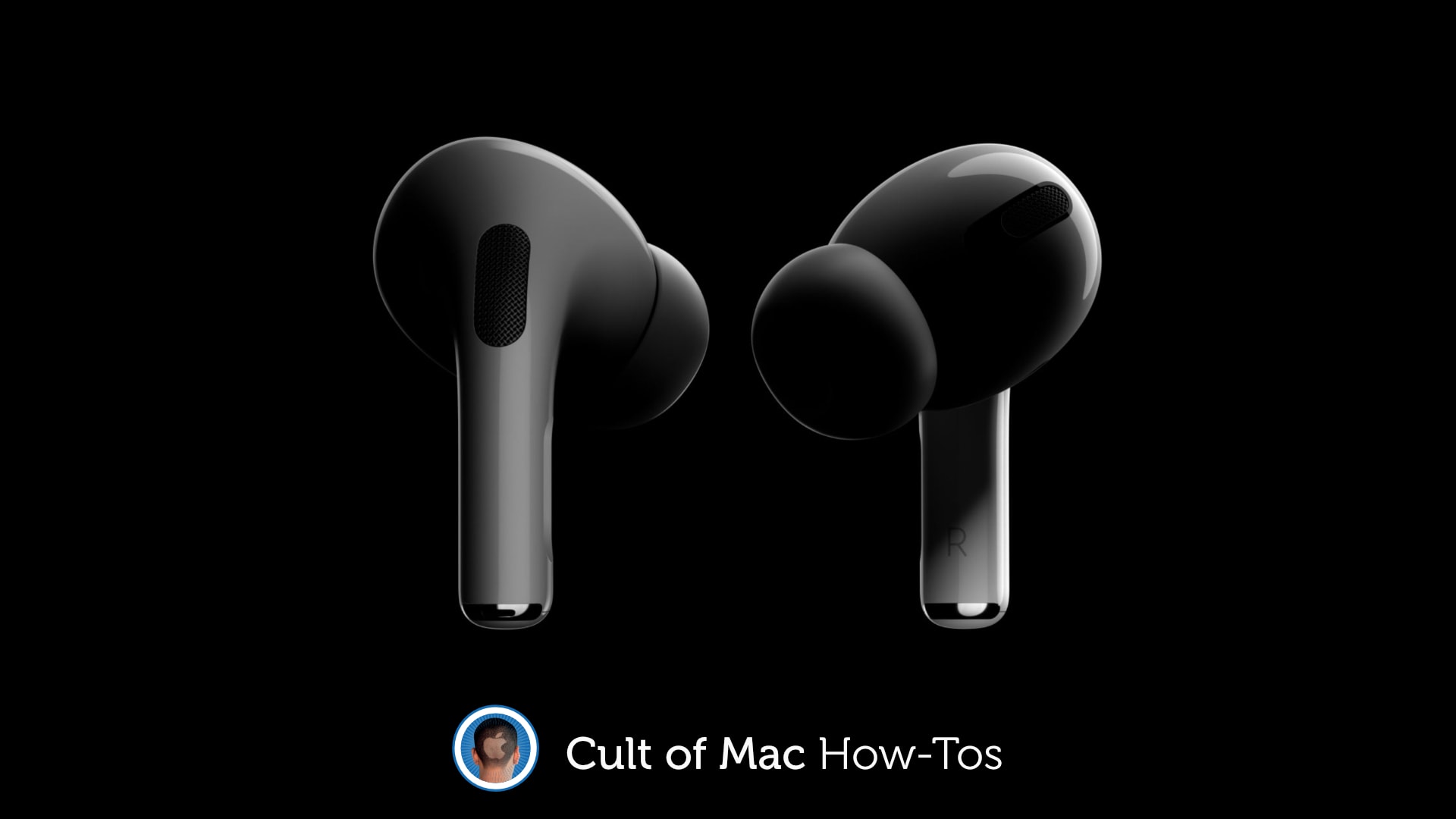
Grab Apple's first AirPods Pro beta today. Image: Apple/Cult of Mac
Apple this week seeded its first AirPods Pro beta firmware for registered developers. This version enables a number of new features, including Ambient Noise Reduction and spatial audio for FaceTime calls.
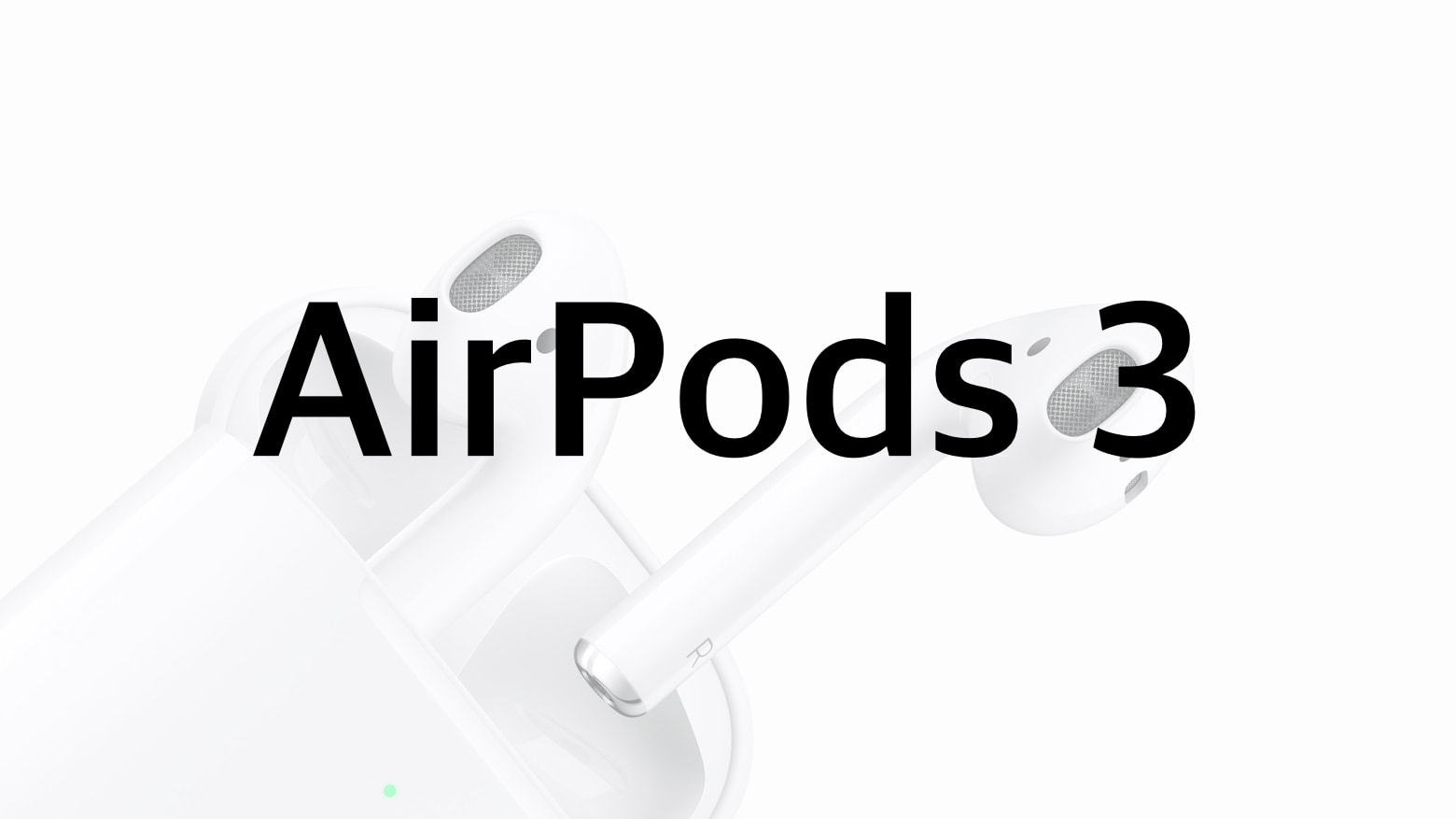
Coming soon to a pair of ears near you. Graphic: Cult of Mac
Apple’s next-gen AirPods, the third iteration of the company’s regular AirPods, will go into production next month, Nikkei Asia reported Wednesday.
This would be the first upgrade for Apple’s standard issue AirPods since the second-gen version debuted March 2019. The original AirPods made their debut in December 2016.
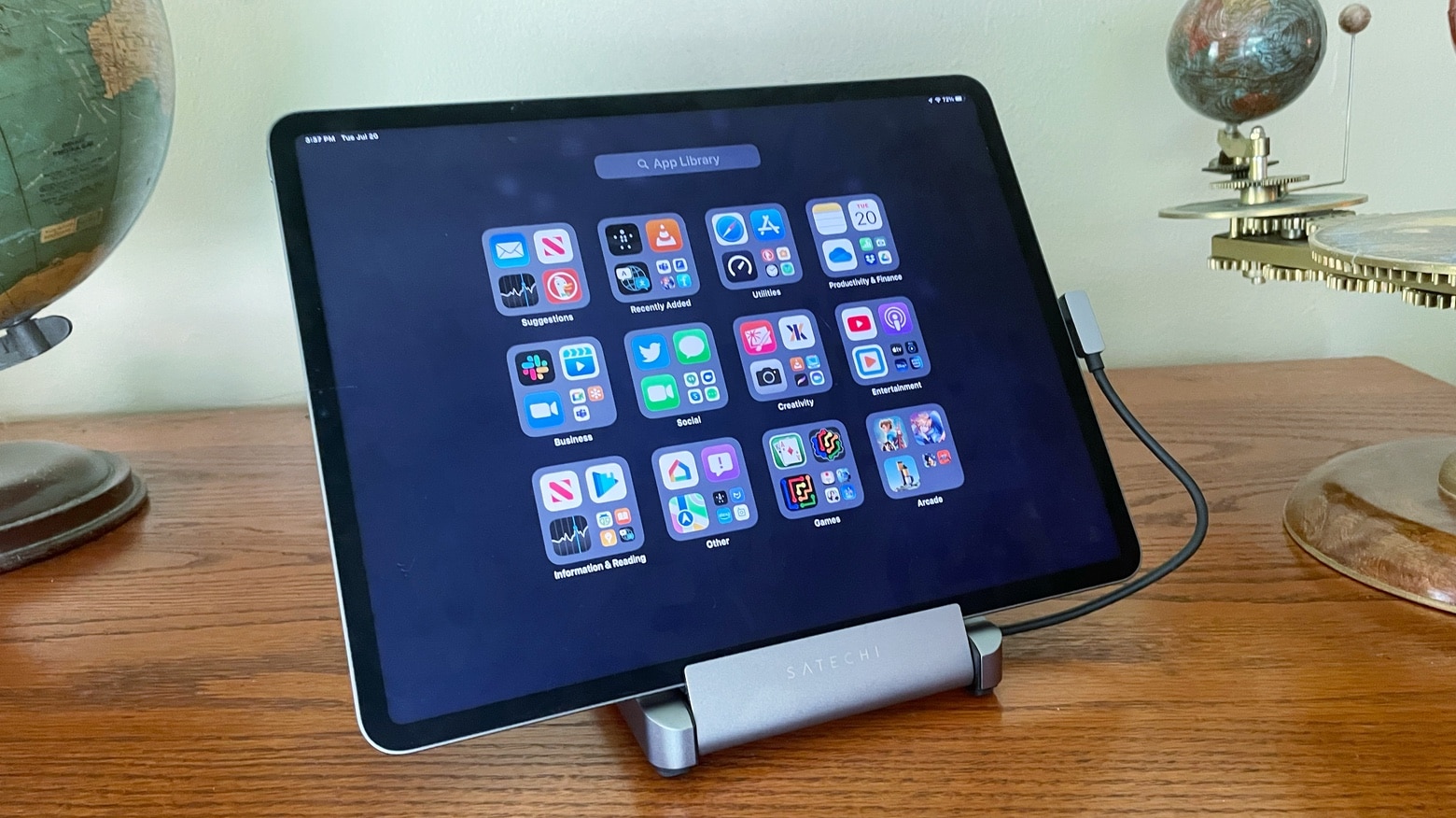
The Satechi Aluminum Stand & Hub has what you need to make your iPad Pro or Air into a portable desktop. Photo: Ed Hardy/Cult of Mac
The Satechi Aluminum Stand & Hub turns your iPad into a useful desktop. Not only does it prop up your tablet, it includes six useful ports. And it goes almost anywhere, from a meeting room to a coffee shop.
I’ve used the tablet stand for weeks, including on a recent vacation. Here’s why I love it… despite a limitation or two.
And how to tell if your iPhone is infected. Photo: NSO Group/Cult of Mac
NSO Group’s Pegasus spyware is making headlines again after it was reported that a number of governments around the world have been using it to hack the smartphones of activists, politicians, journalists and other individuals.
A list of potential surveillance targets, which includes more than 50,000 phone numbers, was leaked and obtained by a number of news outlets over the weekend, reigniting concerns over government surveillance.
So, what exactly is Pegasus? And who might be a potential target of an attack? How can you tell if your iPhone already fell victim to the spyware? We rounded up everything you need to know about Pegasus.
It's easier than you think. Image: Killian Bell/Cult of Mac
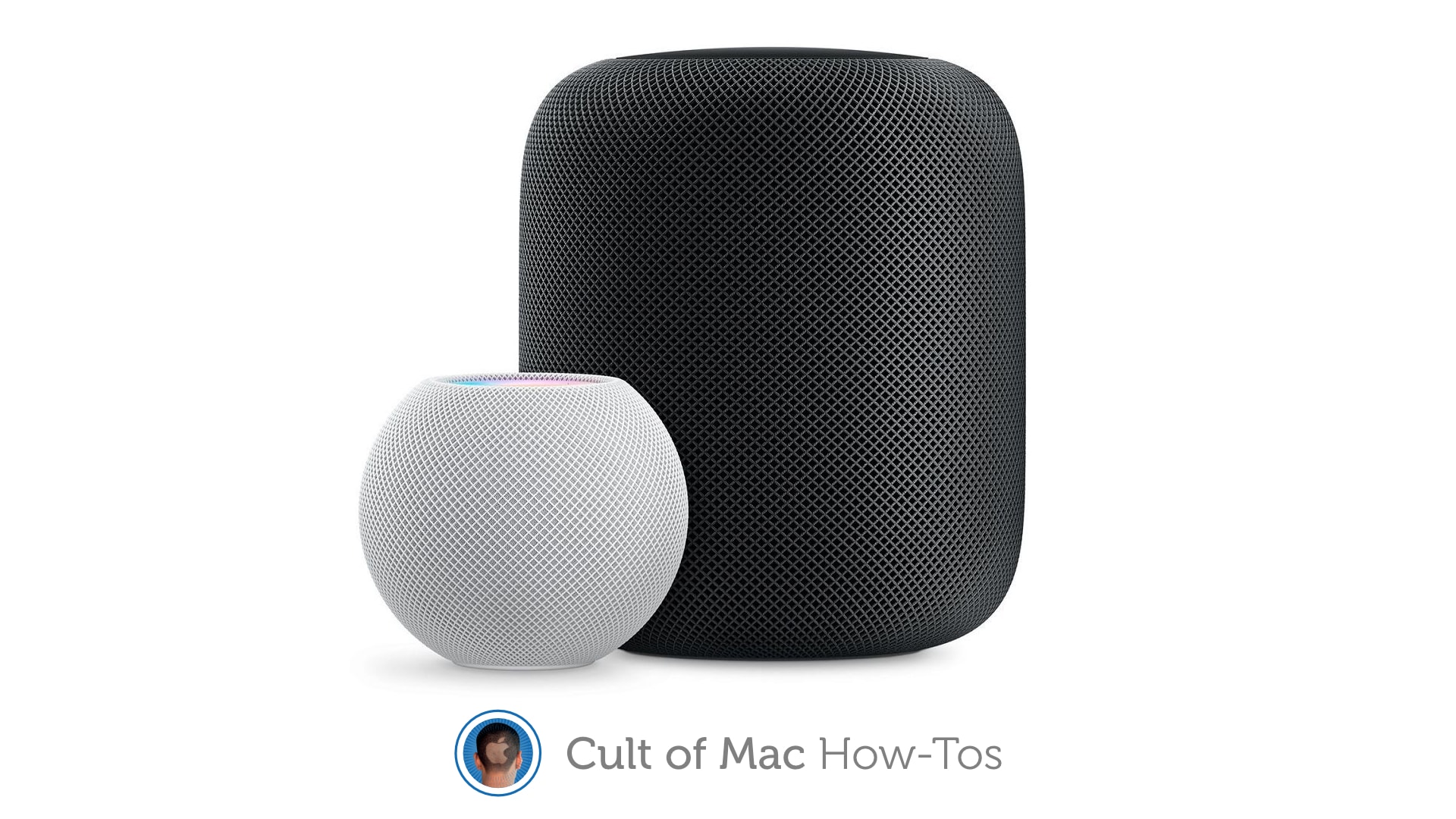
It’s easy to set alarms or timers on a HomePod smart speaker with Siri voice commands, but HomePod Software Version 14.7 adds the ability to make manual changes to of these with an iPhone or iPad. No Siri required.
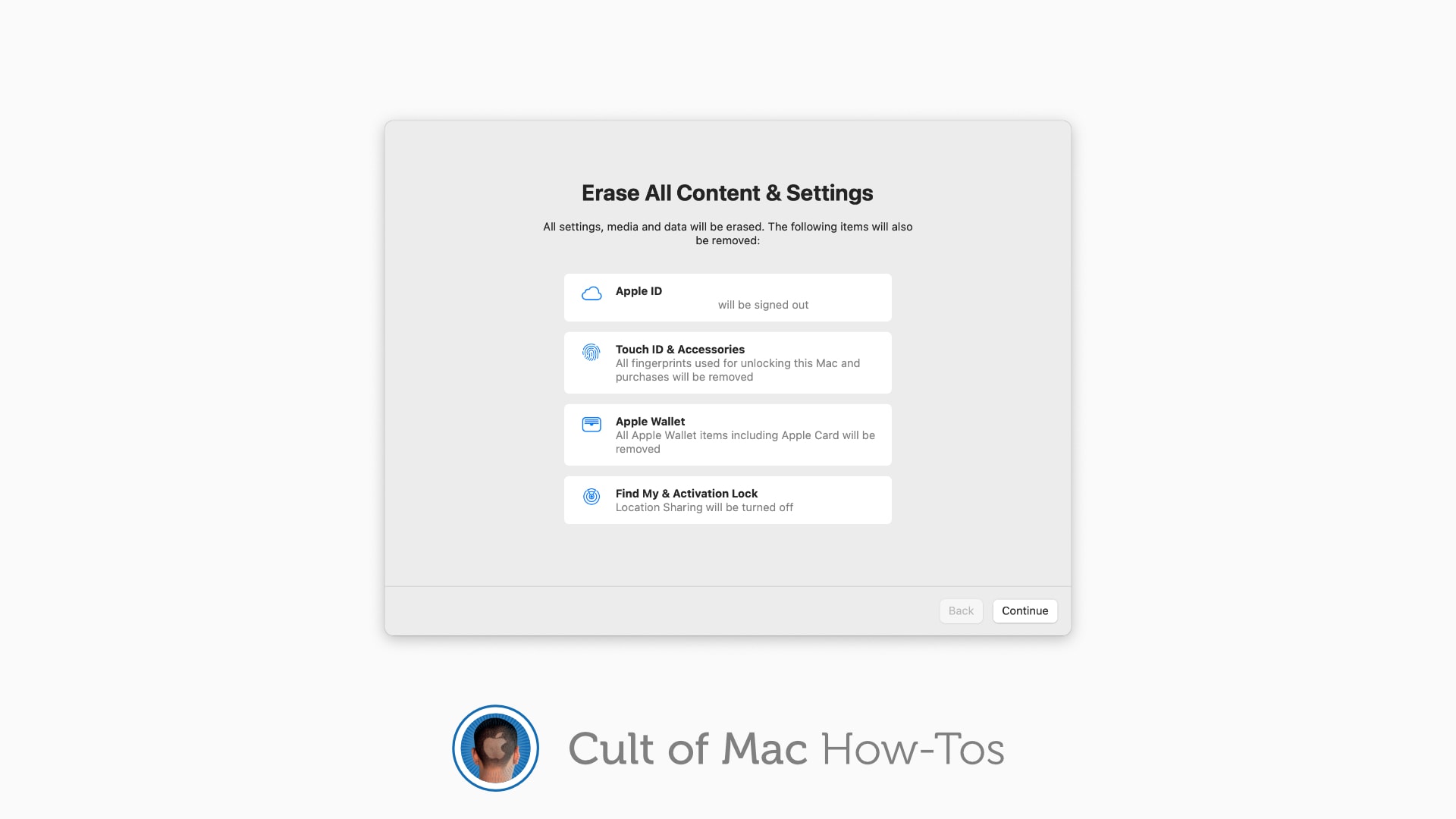
It's easier than ever to wipe your Mac clean. Image: Killian Bell/Cult of Mac
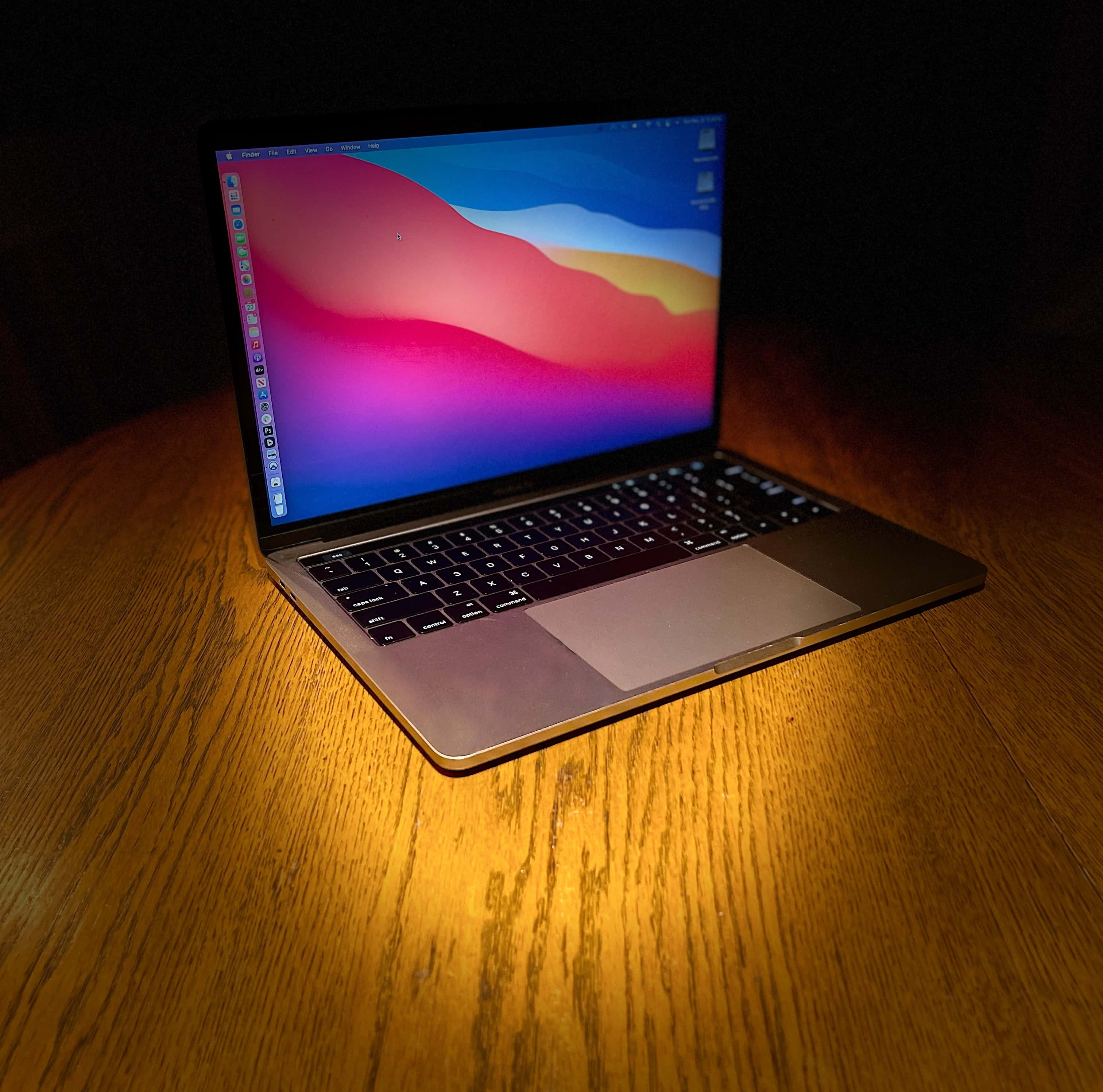
macOS Monterey makes it easier than ever to remove all your precious data from your Mac when it’s time to sell it or make a fresh start. Its new Erase All Content & Settings feature wipes your machine without forcing to you to reinstall its operating system, just like on iPhone and iPad.
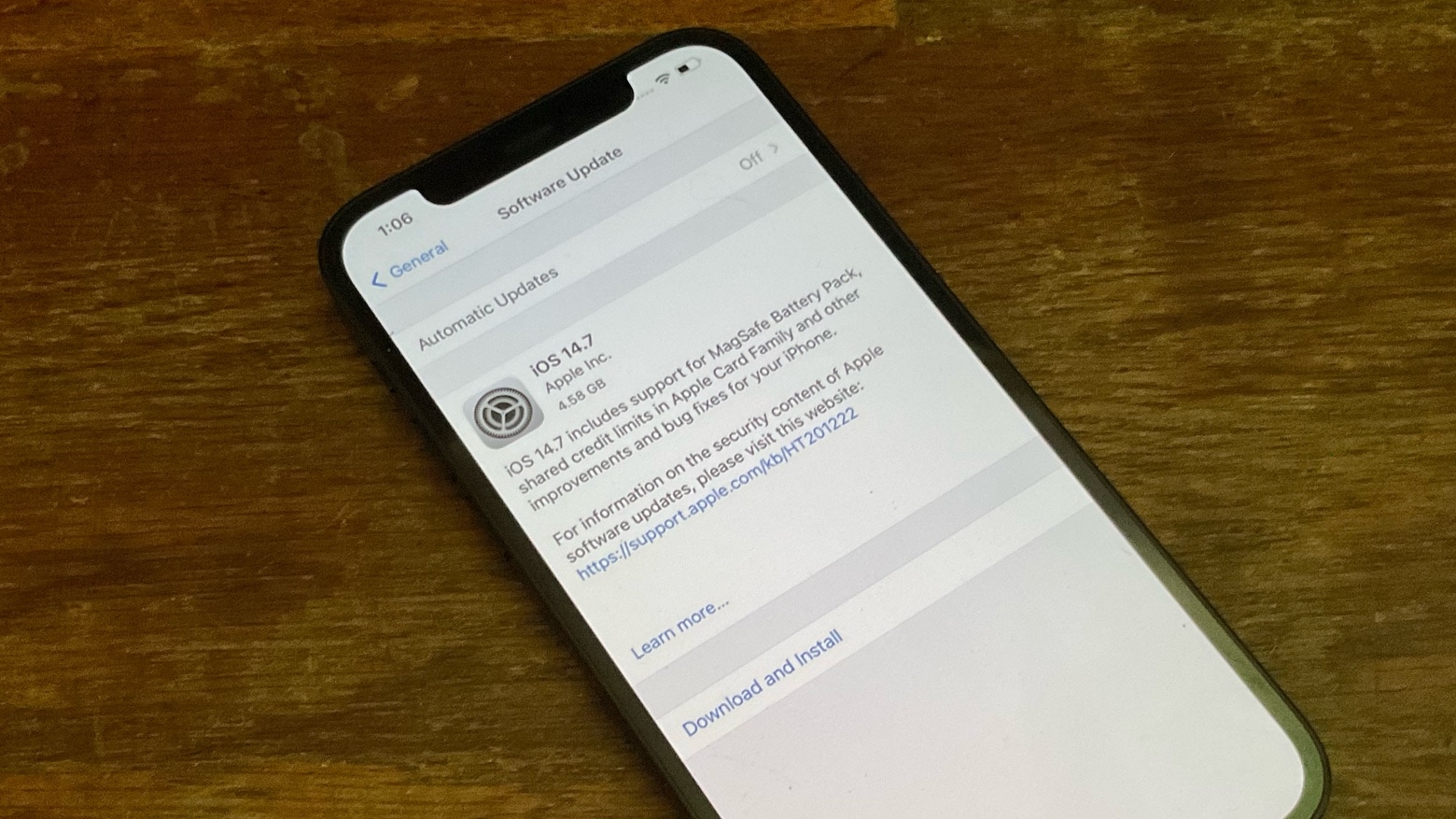
iOS 14.7 brings some tweaks, but isn’t a major update. Photo: Ed Hardy/Cult of Mac
iPhone users can now download iOS 14.7. The update, released Monday, adds reverse wireless charging to the iPhone 12 series, albeit in a limited way. It also includes some promised improvements to the Apple Card, and allows users to manage timers on a HomePod.
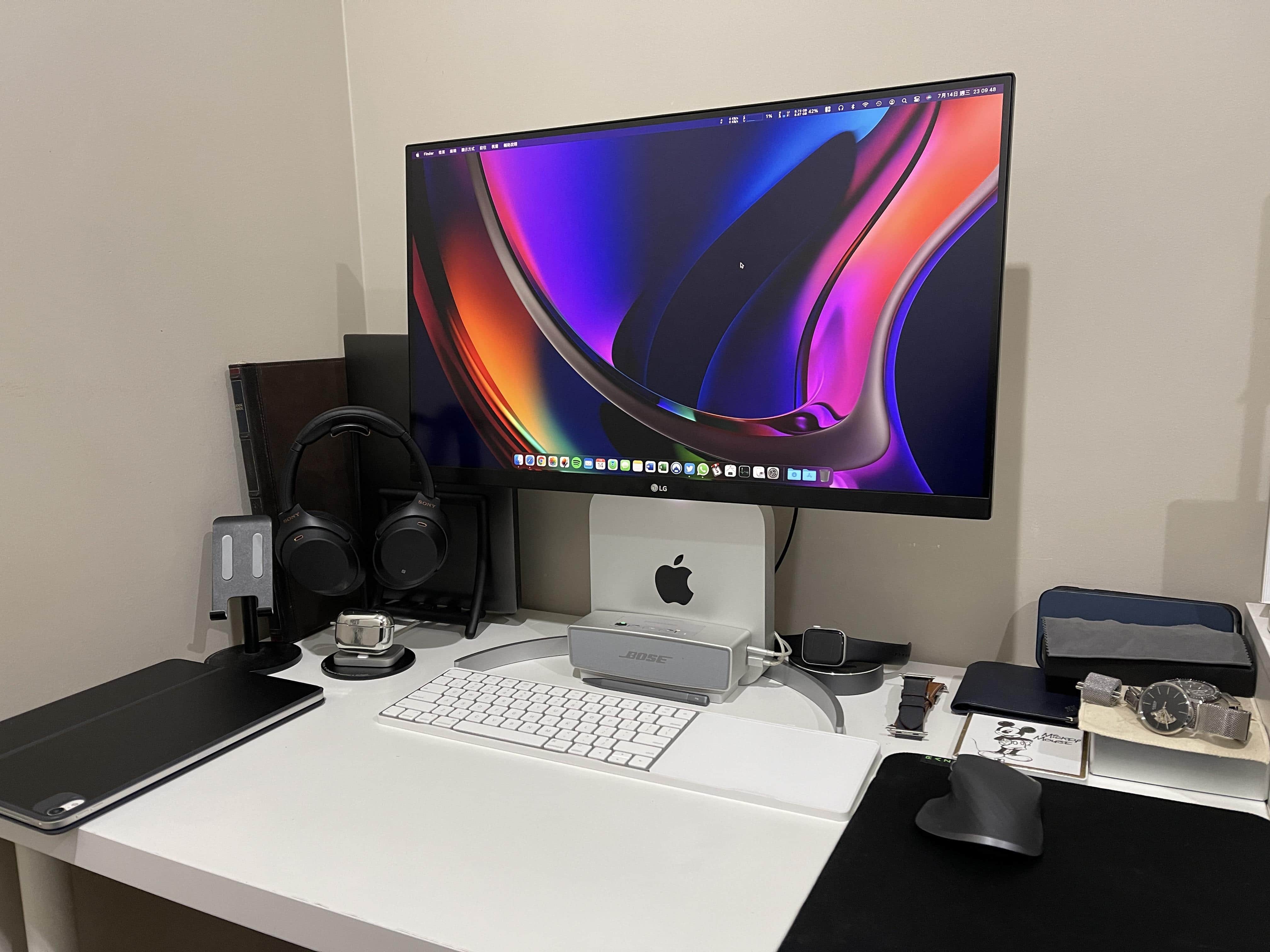
You can stand your Mac mini vertically or mount it behind the monitor or under the desk. Photo: [email protected]
Redditor mnsl0826 decided to save some space by standing up his M1 Mac mini vertically at the base of his monitor, rather than laying it flat. It worked for him, but posting about it on Reddit generated heaps of concern about whether you’re supposed to do that.
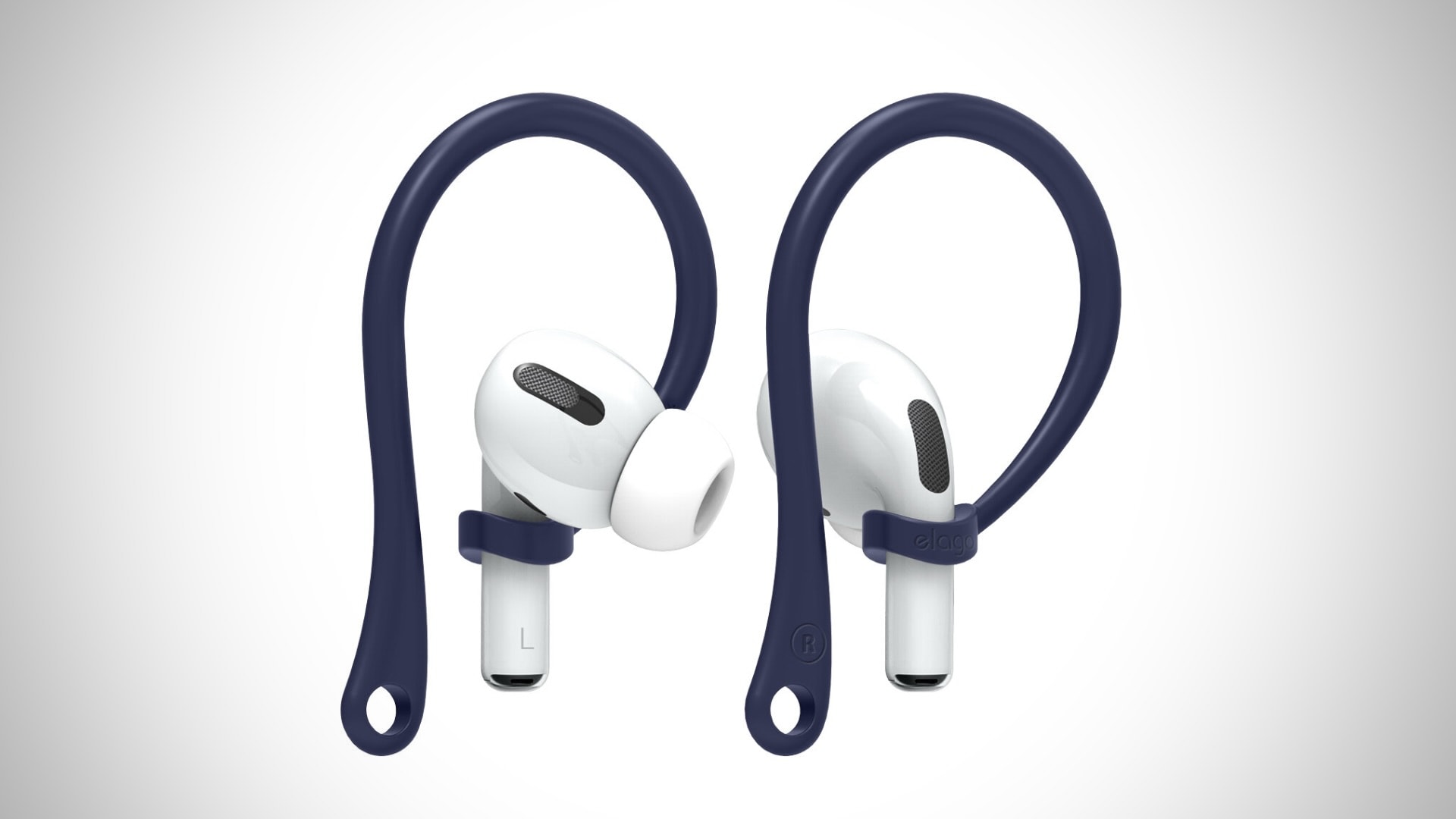
Breaking up is hard and painful, unless you’re an AirPod. They’re far from loyal, and they will leave you any time and anywhere. That’s why you need Elago’s awesome EarHooks.
EarHooks prevent an ugly breakup by ensuring AirPods and AirPods Pro always stay in your ear — whether you’re working out or squeezing onto a busy train. And you can get yours today from just $10.99.
One of many hot features that could make the iPhone 13 a big winner? Artist’s concept: Ed Hardy/Cult of Mac
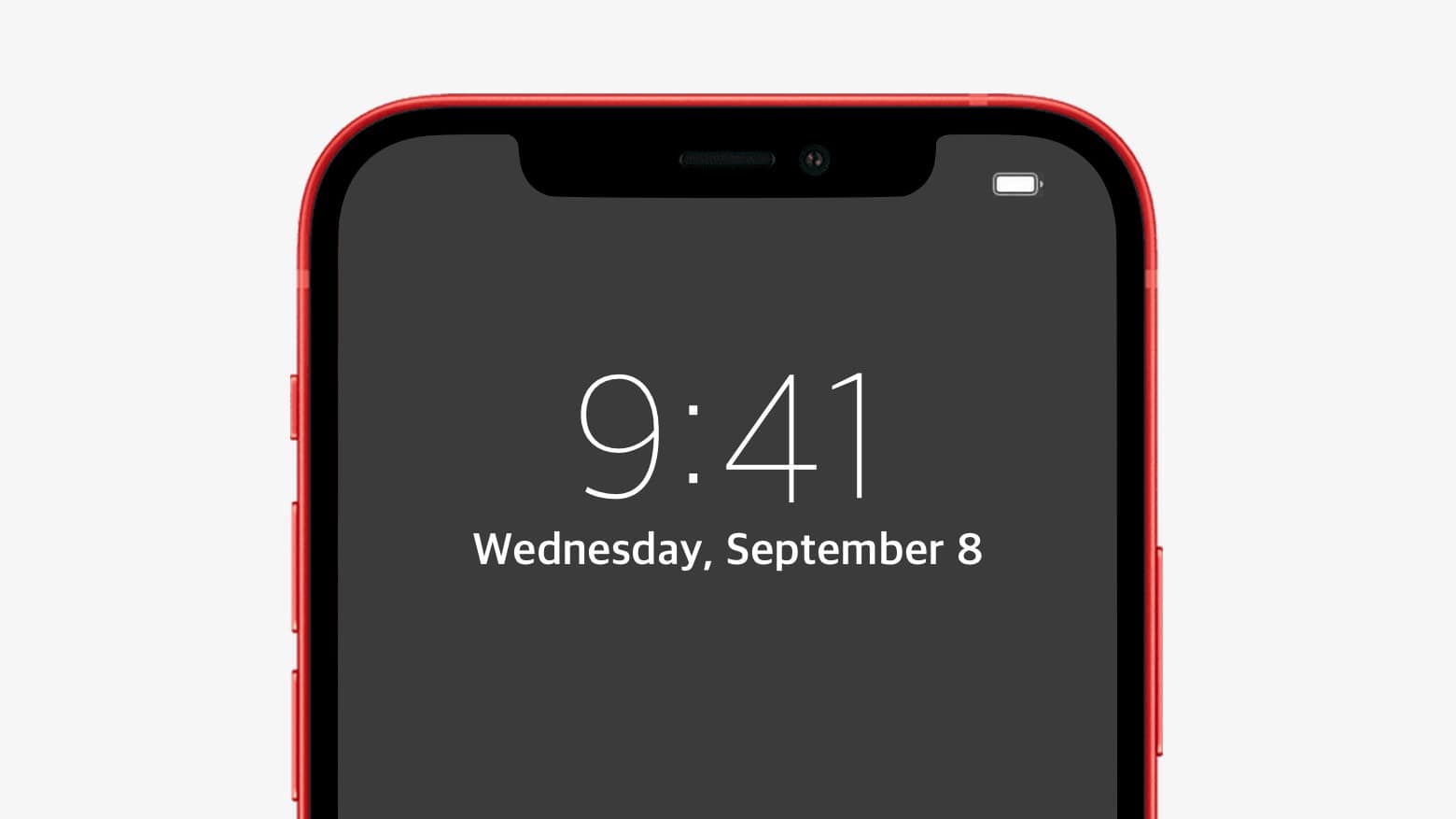
Apple could bring an “always-on” screen, which it debuted in the Apple Watch Series 5 in 2019, to the iPhone for the first time this year. The latest rumor says the display on at least some 2021 iPhones might show information on the screen at all times.
Already a prevalent in Android devices, such a display lets users see time, date, notifications, missed calls and more when their phone is locked. Bringing the feature to iPhone could be one factor driving Apple’s high expectations for sales of its next-gen handsets.
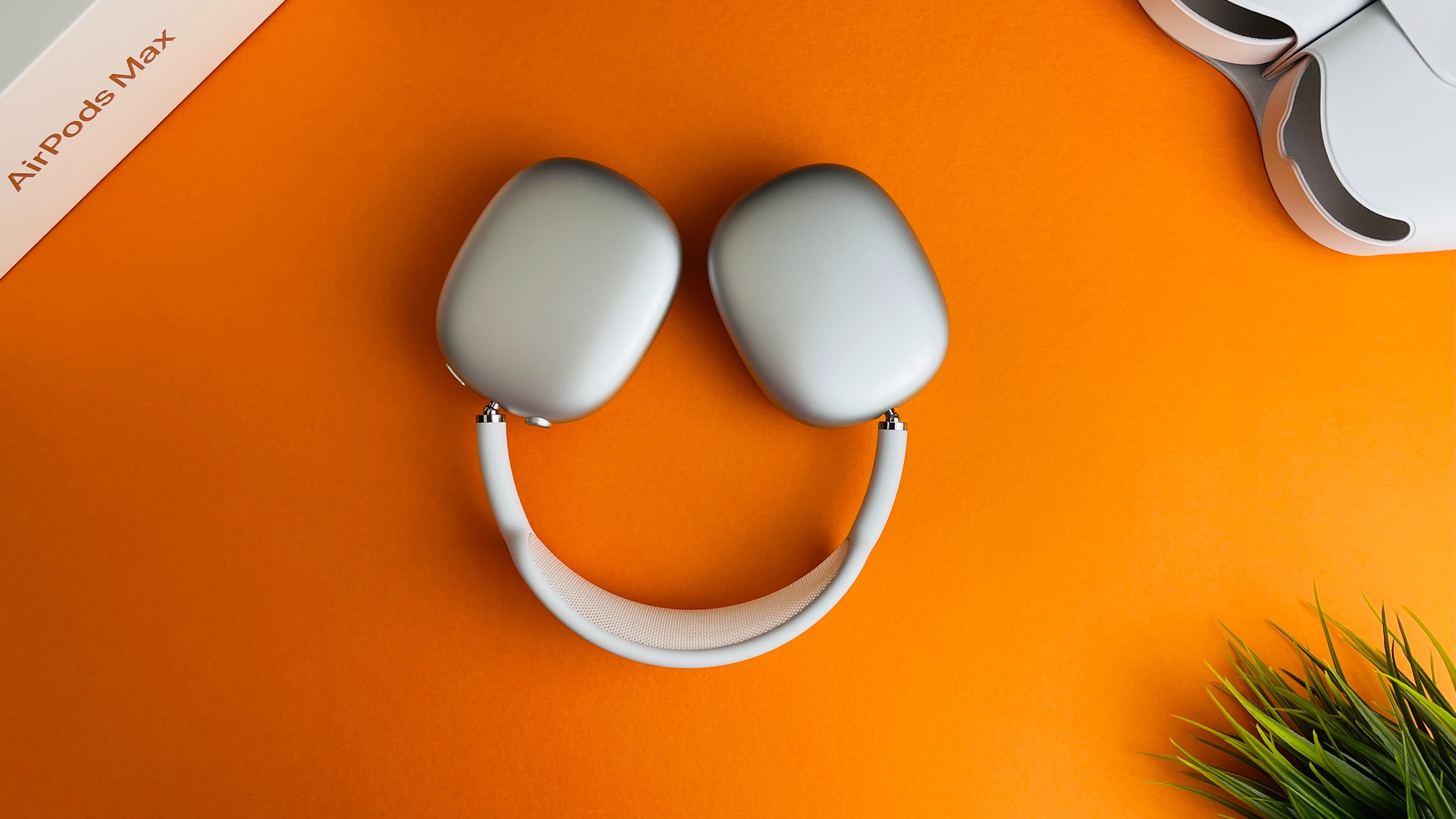
Apple’s nifty and well-loved AirPods Max headphones are on sale for a full $100 off their $549 MSRP. Available from Adorama, all colors are available for just $449.
What if you could charge your AirPods just by putting them on your iPhone? Photo: Ed Hardy/Cult of Mac
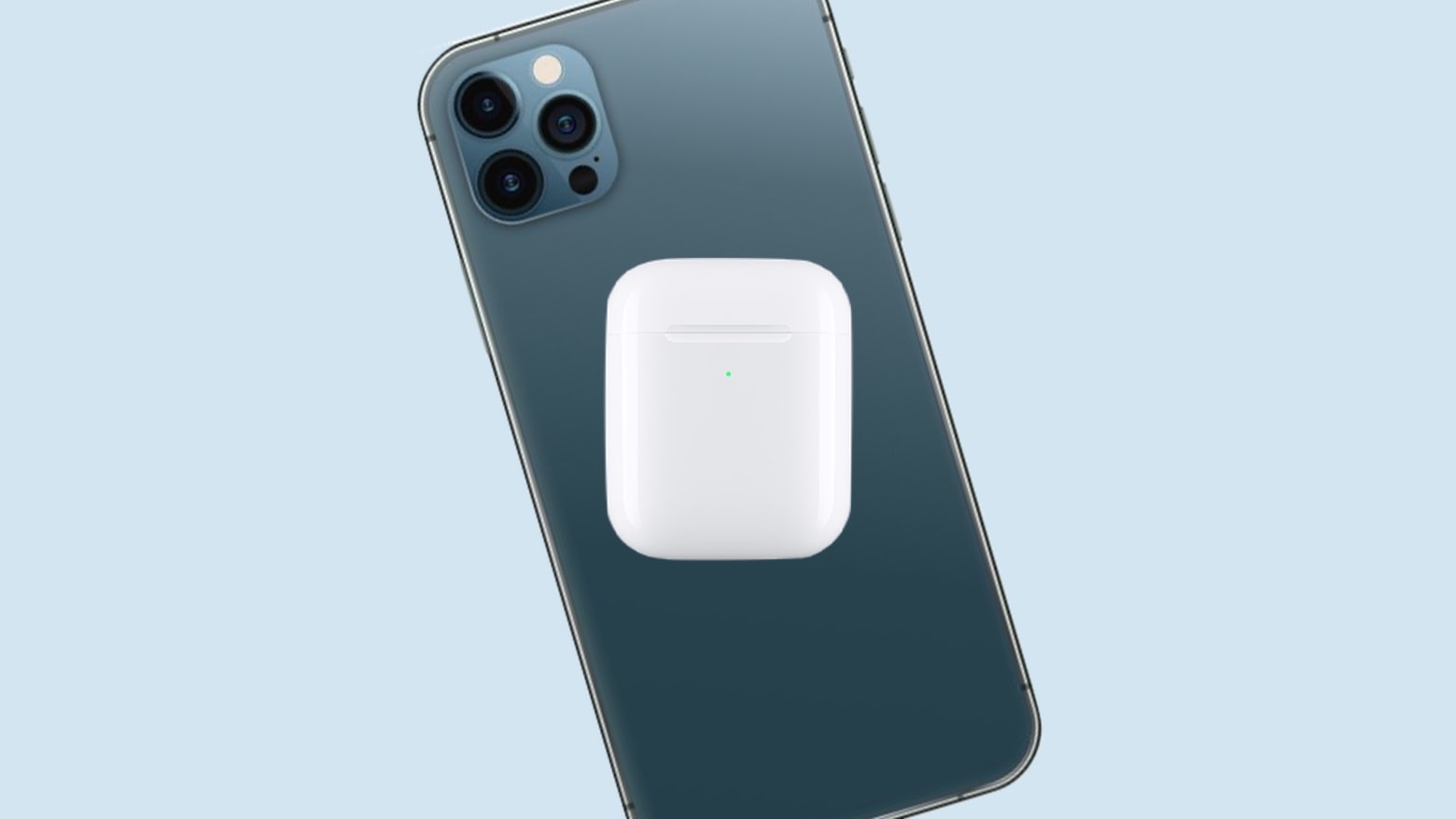
Turns out the iPhone 12 could do reverse wireless charging all along — Apple just didn’t talk about it until this week. And now that the cat’s out of the bag, Apple should embrace the capability and let iPhones wirelessly charge any other compatible device.
Cecily Strong and Keegan-Michael Key wind up in a surreal situation. Photo: Apple TV+
With a murderers’ row of talent behind and in front of the camera, and nods to handsome musicals and TV of the past, Schmigadoon! could become a major crossover hit for Apple TV+.
The new musical comedy injects a thoroughly modern sensibility into the classic Brigadoon storyline. Loaded with the obligatory singing and dancing you’d expect, it’s good and occasionally great.
If you like musicals, you’ll almost certainly love Schmigadoon!. The only question is, is the public’s thirst for musical theater enough to sell this high-concept gamble?