So you’re starting a new venture in 2013. Need a new logo for it? What about getting that web design dealt with so you can launch your first website? Perhaps it’s time to finally consider styling up your business cards?
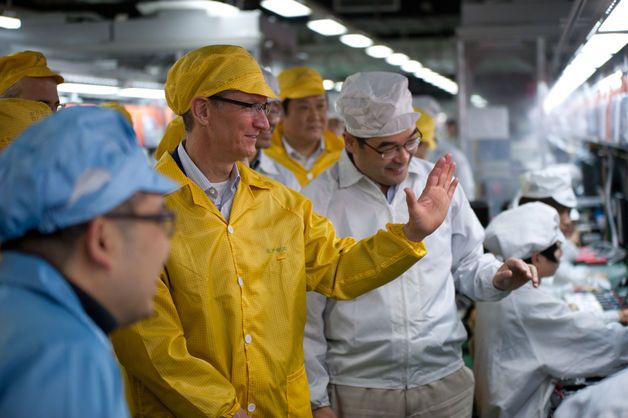
After the mainstream media turned its attention to Apple and Foxconn, the Fair Labor Association (FLA) got involved to help ensure quality factory life for Chinese workers. For years, Apple has also been performing detailed audits of over 800 facilities where parts for its products are made and assembled. The Cupertino company has been beefing up its requirements in order to set the bar even higher in the supply chain. All of the combined efforts have resulted in better overall working conditions and pay raises for Foxconn employees. But that doesn’t mean there’s no more progress to be made.
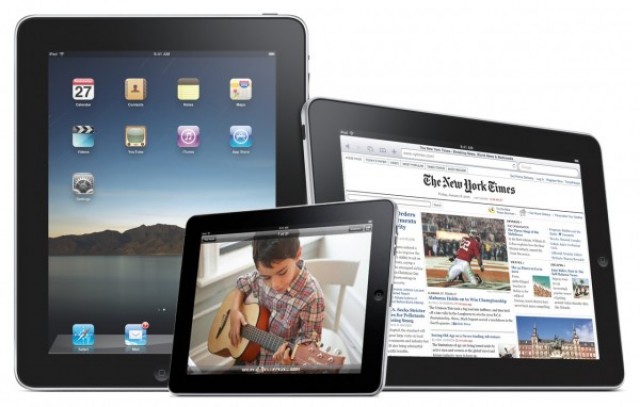
Following numerous sources like iMore, Digitimes, Macotakara, Bloomberg and The Wall Street Journal, The New York Times now reports that Apple is planning to launch a 7.85-inch iPad this year. In a ploy “to lure customers who want different sizes of tablets into the iPad product family,” the smaller device will cost “significantly less” than the current iPad Apple starts at $499.
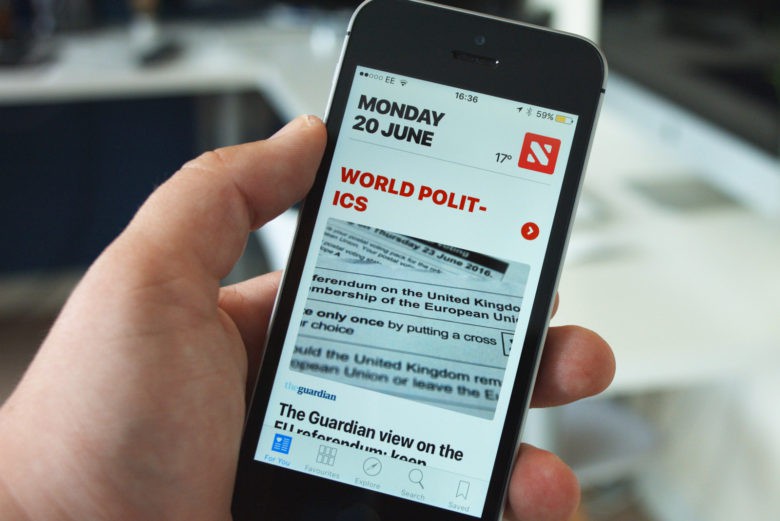
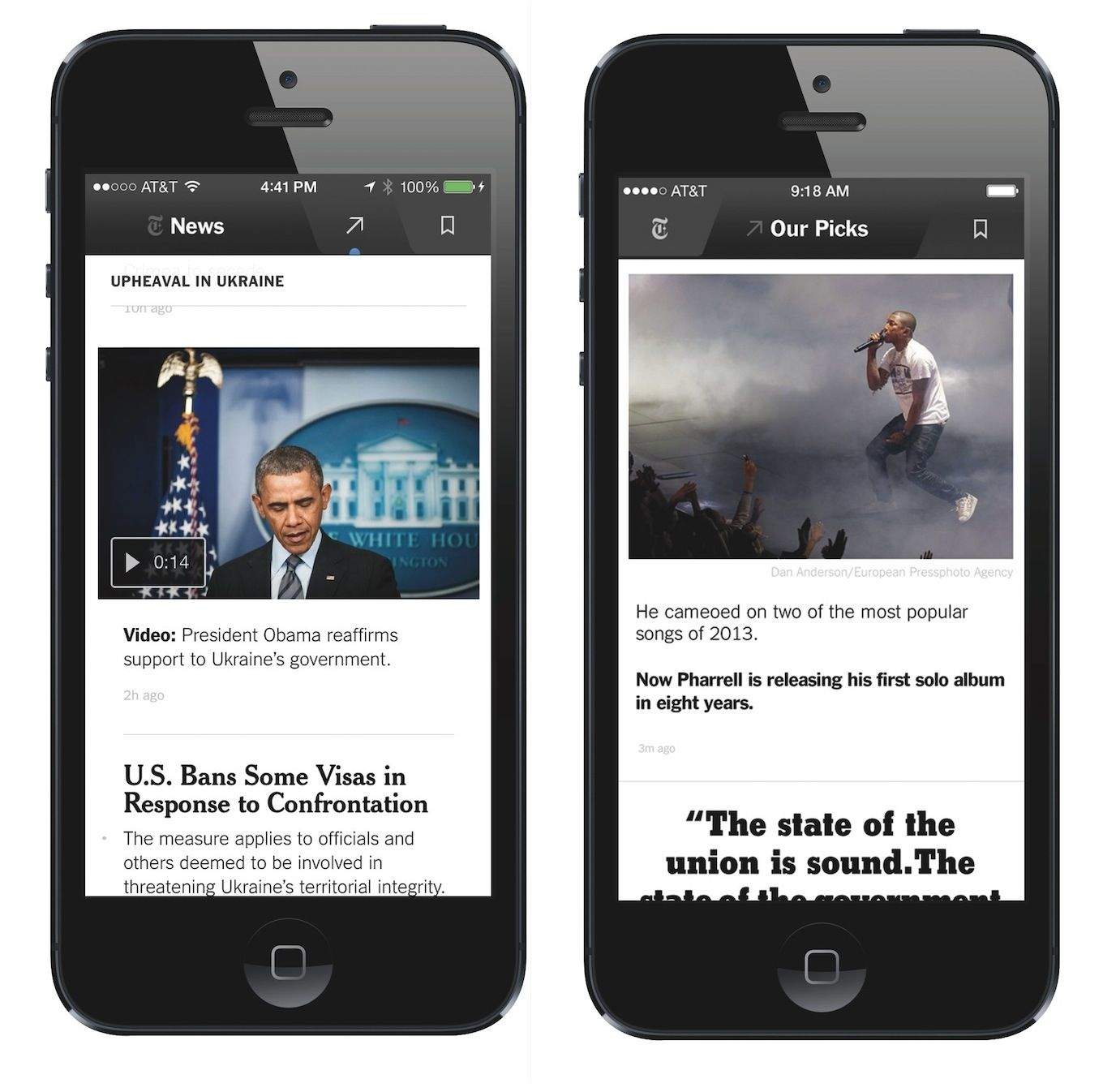
The New York Times comes to your favorite news reader.
If you’re a New York Times subscriber, you’ll be pleased to know that you can now enjoy full access your favorite content via Flipboard, one of the best news readers available on iOS. Even those who don’t subscribe still get a little treat: free access to the publication’s “Top News” section.
Well, duh. Apple is just way cooler than GE in the first place.
The New York Times published a story recently that attacks Apple for avoiding billions of tax dollars every year, but does it matter in the court of public perception? A new study says that Apple’s reputation score in the aftermath of the report remains relatively unscathed. Compare this to General Electric (GE), a company also reported to be avoiding paying their fair share of taxes. GE’s score dropped considerably in the same amount of time after a similar New York Times story on them last month.
Apple's taxes due and tax rate for 2011 don't match reported numbers
Earlier in this day, we reported on a New York Times piece in which the paper claimed that Apple was using a variety of measure to avoid paying U.S. income tax. It turns out that the Times based key pieces of its information on a study that had been discredited two weeks prior.
The data used by the Times included a report by the Greenlining Institute, which made errors in computing Apple’s supposed tax rate at 9.8% for the 2011. The data used by the report effectively compared Apple’s 2011 profit with taxes paid by the company for profits in 2010 and drew unfounded conclusions as a result.
Apple fails when it comes to defending its tax practices
Over the weekend, the New York Times ran another in its series of exposes about Apple. This one focused on Apple’s complex mix of offices and subsidiaries located throughout the world and the U.S. that allow the company to keep large portions of its more than $100 billion in low-tax states and countries.
The report comes after the paper’s expose on working conditions within Foxconn, the contractor that Apple uses to assemble most of its products and calls by politicians and members of the media for Apple to move more of its manufacturing and money to American soil.
Over the last few weeks, third-party iOS developers received a lot of heavy venom from the Internet after reports surfaced that apps are accessing users’ address book information without users’ permission. It appears that the situation is worse than first thought and that apps can access more than just address books without notifying users. Photos on iOS devices are also susceptible to apps once a user has granted an app permission to their location information.
A Brazil-made iPad has been in the offing since July 2011. However, plans by Taiwan’s Foxconn to build the tablet in South America were held up by negotiations surrounding taxes that could double the cost of Apple’s tablet. Now comes word the government has exempted the iPad, freeing Foxconn to begin churning out iPads stamped “Made in Brazil.”
We thought we’d put this Apple television business to rest as a pipe-dream, but then Steve Jobs’s biography came out, where he claimed he had finally “cracked” the TV problem. Now the rumor mill has started itself up again with renewed vigor, and the latest report from Nick Bilton over at The New York Times: his sources tell him that Jobs thought that the “industry was totally broken” a real Apple-branded television set “isn’t a matter of if, but when,” a “guaranteed product.”