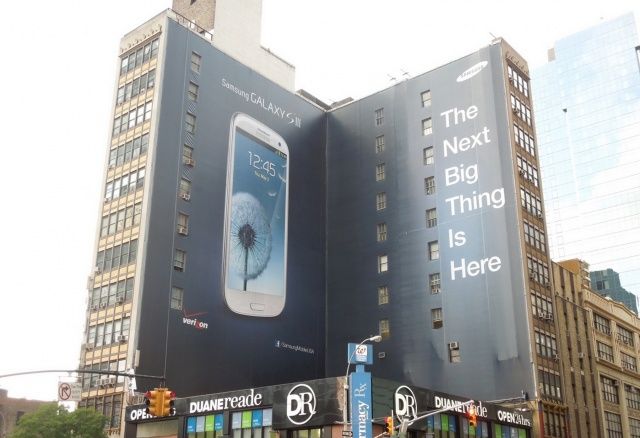
It seems you can’t go anywhere these days without seeing an advert for the iPhone. They’re on billboards in the street, they’re there when you switch on the TV, and you’ll also find them in newspapers and magazines. But believe it or not, there’s one company that spends more — a lot more! — on advertising its smartphones than Apple does.
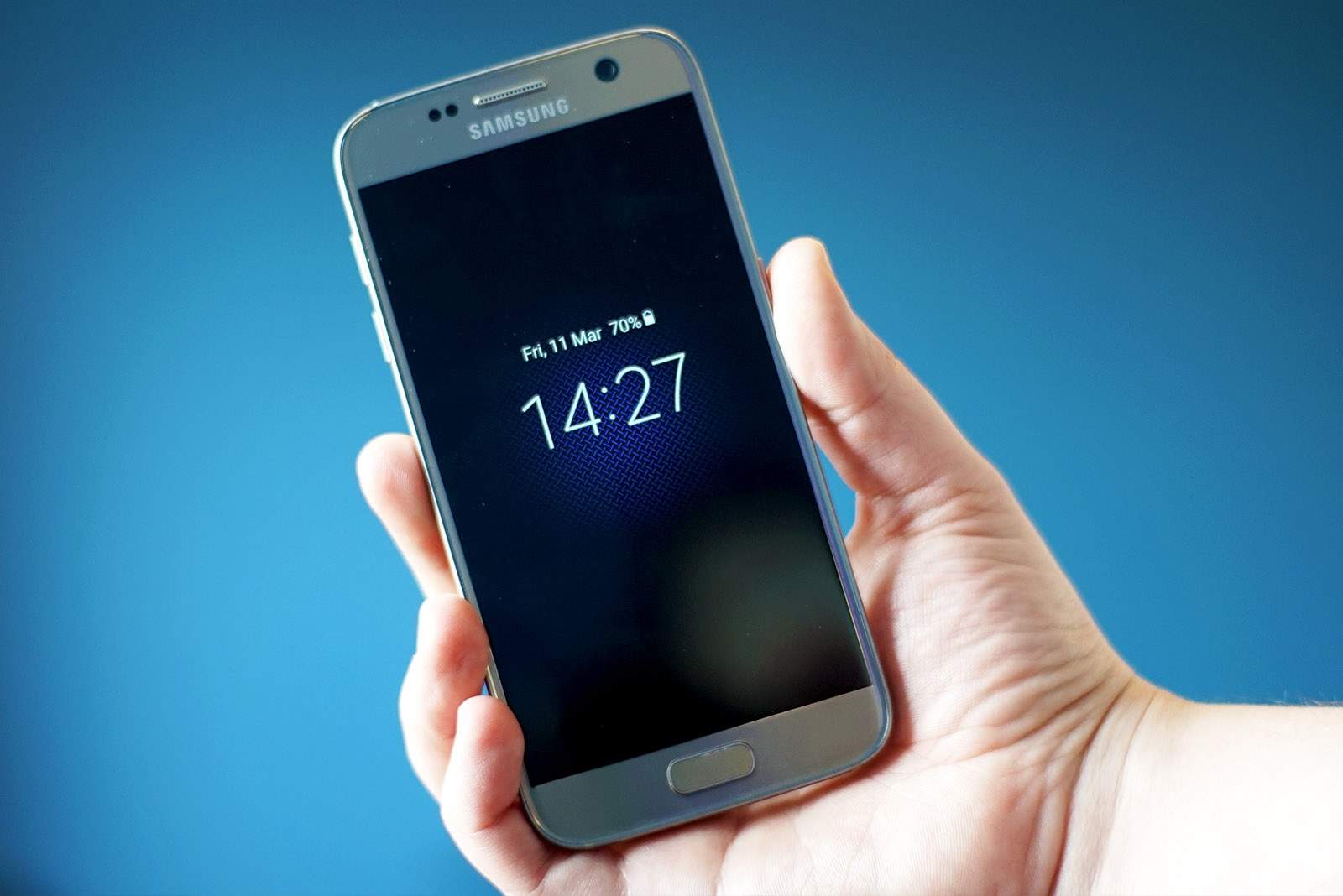
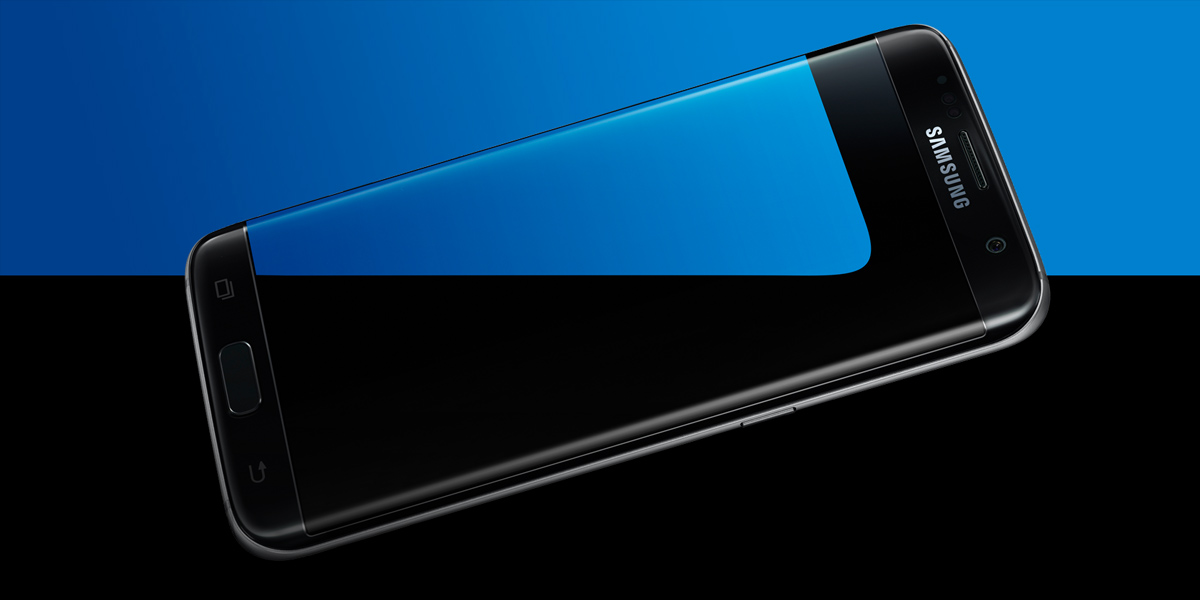
That company is Samsung. In 2012, Samsung outspent Apple by more than three to one in smartphone advertising, with a number of large campaigns on TV, in print, and on the Internet. In total, the Korean company spent $401 million advertising its phones.
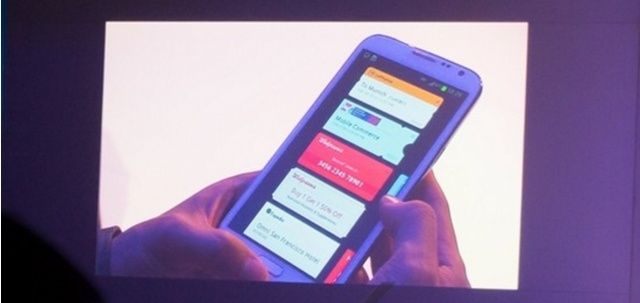
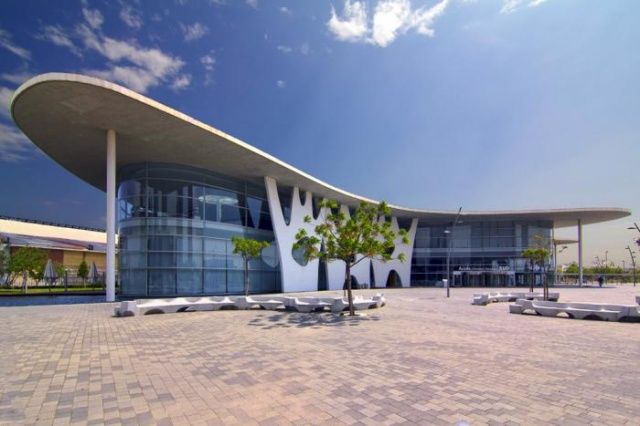
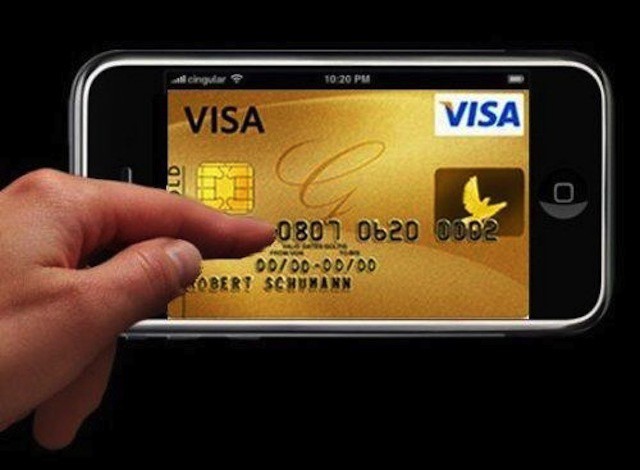
BARCELONA, MOBILE WORLD CONGRESS — During a Samsung developer conference here at Mobile World Congress this morning, the Korean company unveiled a new service called Samsung Wallet, which lets Samsung smartphone owners turn tickets, coupons, membership cards, boarding passes, and more into digital cards that they can store in a virtual wallet.
The service probably sounds familiar, and it is — Samsung Wallet is basically Apple’s Passbook, but for Samsung phones. It works in almost exactly the same way, and looks very similar, too.
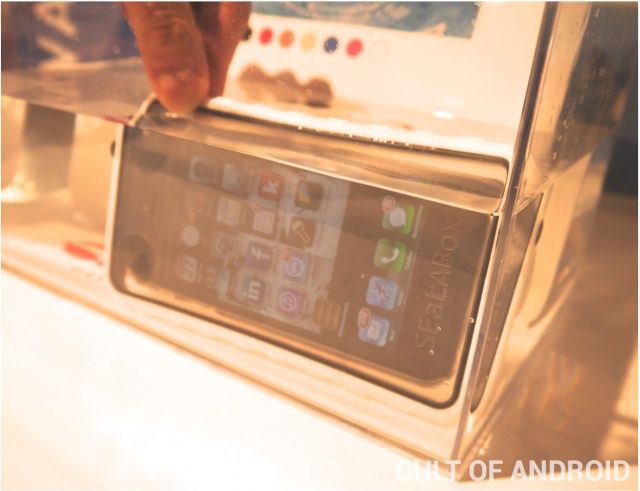
BARCELONA, MOBILE WORLD CONGRESS — Here at MWC in Barcelona, Krussell is showing off its latest lineup of waterproof smartphones cases called Sealabox, which let you take your smartphone swimming to snap pictures of the fishes. Available for almost all common smartphones, the Sealabox is IPX7 certified for water resistance up to one meter, and it’s been carefully designed to allow you to make the most of your smartphone in almost any environment.
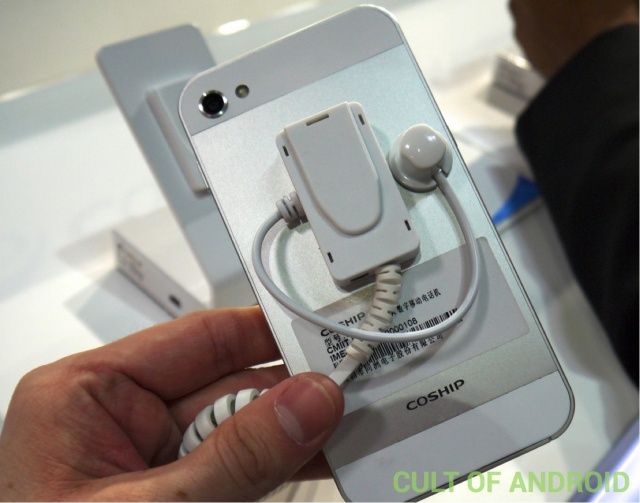
BARCELONA, MOBILE WORLD CONGRESS — As I was walking around the show floor at MWC today, I noticed a number of smartphones that looked very familiar — yet they were being paraded by Chinese companies I’d never heard of. I saw what looked like a large iPhone 5, an entire range of Samsung Galaxy devices, and a number of high-end HTC handsets.
Except they weren’t really Apple, Samsung, or HTC devices at all; they were actually cheap clones that were trying their best to look like the real thing. They even had fake accessories that were identical to the originals.
Cult of Android will soon be on its way to Barcelona for this year’s Mobile World Congress — which kicks off Sunday, February 24 — where we’re expecting a whole host of announcements regarding new smartphones, tablets, apps, and accessories. More than 65,000 people will attend the event, and they’re all there for one thing: to see what’s on the horizon in the world of mobile for 2013.
We’re expecting new devices from Samsung, LG, ZTE, Huawei, Nokia, Asus, and more — and you can follow all of our coverage from here. In the meantime, here’s what you can look forward to.
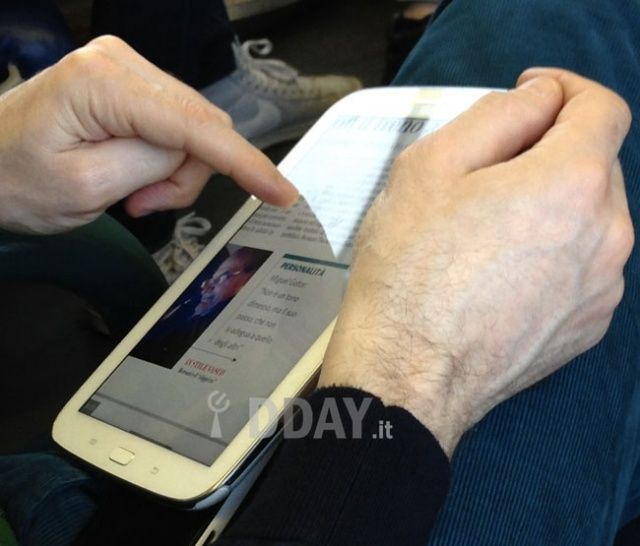
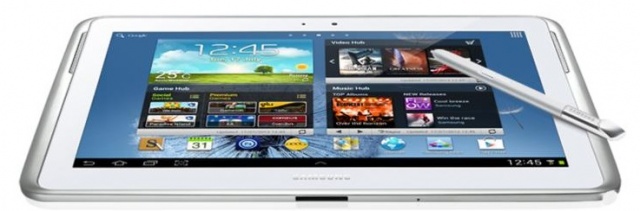
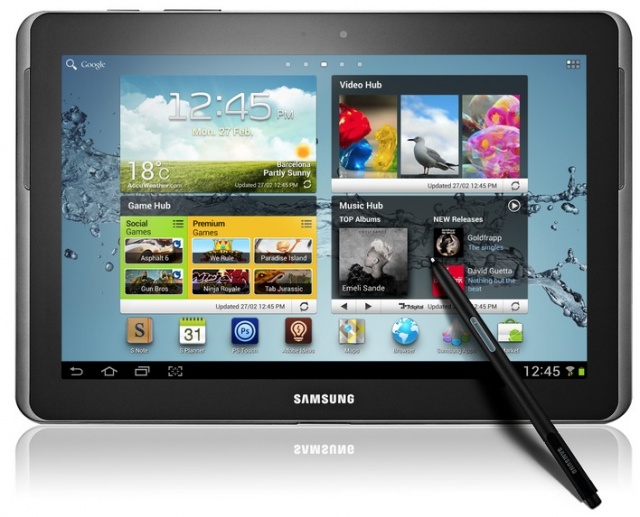
Samsung vice president JK Shin has confirmed that the company will be announcing the Galaxy Note 8.0 at Mobile World Congress next month, but you don’t need to wait until then to see what it’ll look like. Thanks to these pictures of the device out in the wild, we can see that the iPad mini competitor looks a lot like a giant Galaxy S III, with a traditional button setup that’s unlike other Galaxy tablets.
The Galaxy Note 10.1 is about to get a little brother.
Samsung Mobile vice president JK Shin has confirmed to a Korean news outlet that the company will unveil the Galaxy Tab 8.0 at Mobile World Congress in Barcelona next month. The device, which is believed to be an iPad mini competitor, is expected to offer an 8-inch display with a 1280×800 resolution, coupled with a 1.6GHz quad-core processor.
The Galaxy Note 10.1 could be about to get a little brother.
Samsung looks to be preparing to take on the iPad mini with the Galaxy Note 8.0, a smaller version of the Galaxy Note 10.1, which is expected to be priced very aggressively. In addition to an 8-inch display, the device will reportedly offer a 5-megapixel rear-facing camera, a 1.3-megapixel front facing camera, and of course, Samsung’s S Pen stylus.
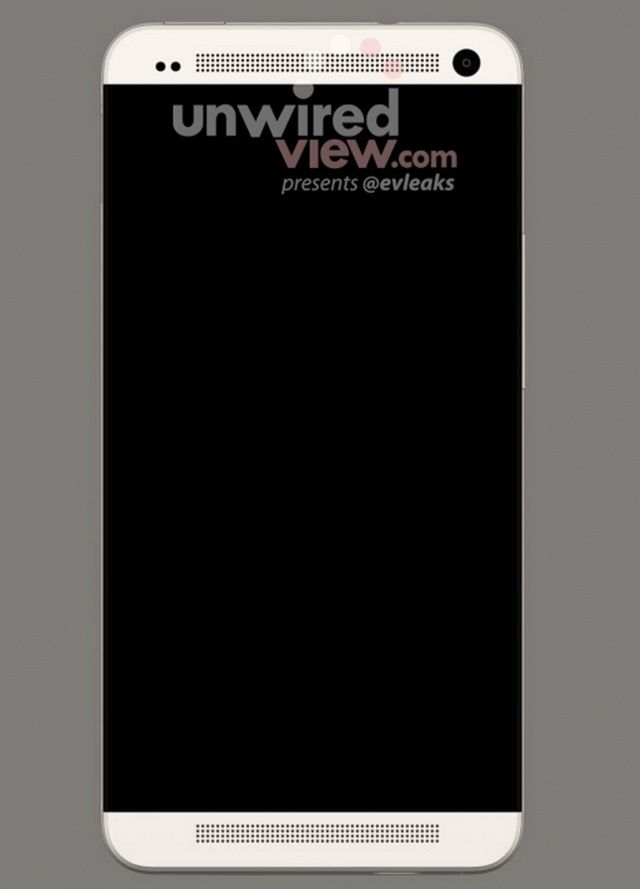
HTC is set to announce a new flagship smartphone at Mobile World Congress next month, and recent rumors have revealed it’s set to be called the HTC M7. We already know a lot about its internal specifications, thank to previous leaks, but we had no idea what the handset would look like — until today.
Now we’re led to believe the device is going to look almost identical to the iPhone 5.
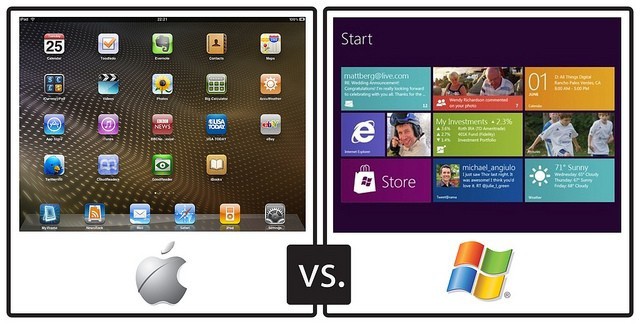
Many pundits have made the argument that the iPad’s days in the business and corporate world will be numbered once Microsoft releases Windows 8 and Windows on ARM (WOA) tablets later this year. The biggest rationale behind this argument is that corporate IT departments will feel much more comfortable deploying and managing Windows devices and that they will already have the skills, tools, and resources needed to setup, secure, and roll out Windows-powered iPad competitors.
That argument lost a lot of credibility this week when Microsoft acknowledged that WOA tablets cannot be managed like other Windows variants including Windows 8 on PCs and x86 tablets or PCs running Windows 7, Vista, or XP. This makes the iPad much more suited for business than Windows on ARM devices.