Jean-Louis Gassée thinks mobile payments are, first and foremost, a way to sell hardware. Illustration: Cult of Mac
Former Apple exec Jean-Louis Gassée has posted a new edition of his always enjoyable Monday Note blog, arguing that Apple isn’t intending to disrupt banks and credit card companies with its entry into the mobile payments world.
It’s an interesting read, and makes a whole lot of sense: pointing out that Apple’s mobile payment drive is simply an extension of the company’s current strategy.
Apple could use both NFC and tokenization as part of its mobile payments drive.
In addition to near field communication (NFC) as part of its mobile payments drive, Apple will be incorporating something called “tokenisation” technology, according to sources who spoke with Bank Innovation.
As the report explains, “Financial institutions — card issuers and networks — prefer token technology because it replaces primary account numbers, those 16-digit card numbers on the front of credit and debit cards. Instead, the tokenization technology uses complex codes that are easily transmittable over the air and between devices, but that are used only once, so even if they are intercepted, are of no use to fraudsters.”
Apple has been investigating tokenization technology for several years, with multiple patents relating to the process dating back as far as 2009.
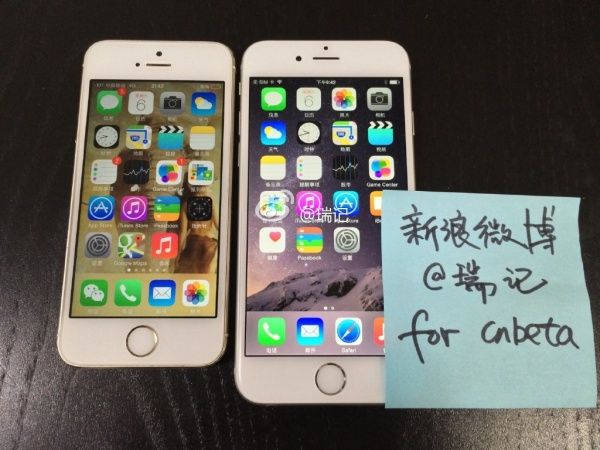
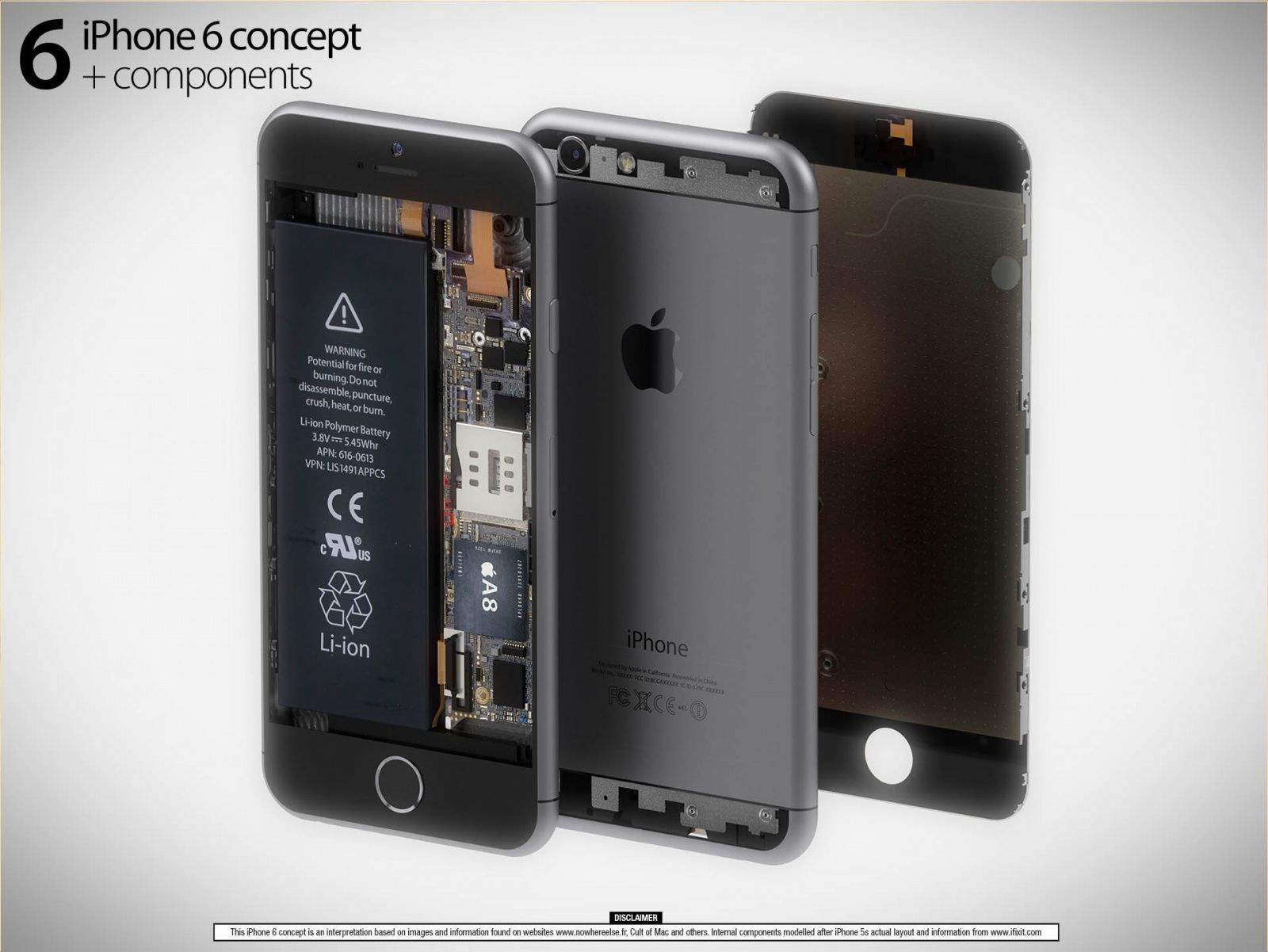
Pictures of what is allegedly a working iPhone 6 have surfaced on the Chinese social network Weibo. While tons of parts have leaked up to this point, this is the first time we’ve seen what appears to be the device powered on and running iOS 8.
The 4.7-inch device looks legit, although it’s authenticity cannot obviously be confirmed. On the screen, there’s a new Passbook icon. This hints towards the mobile payments platform Apple is expected to unveil at next week’s event.
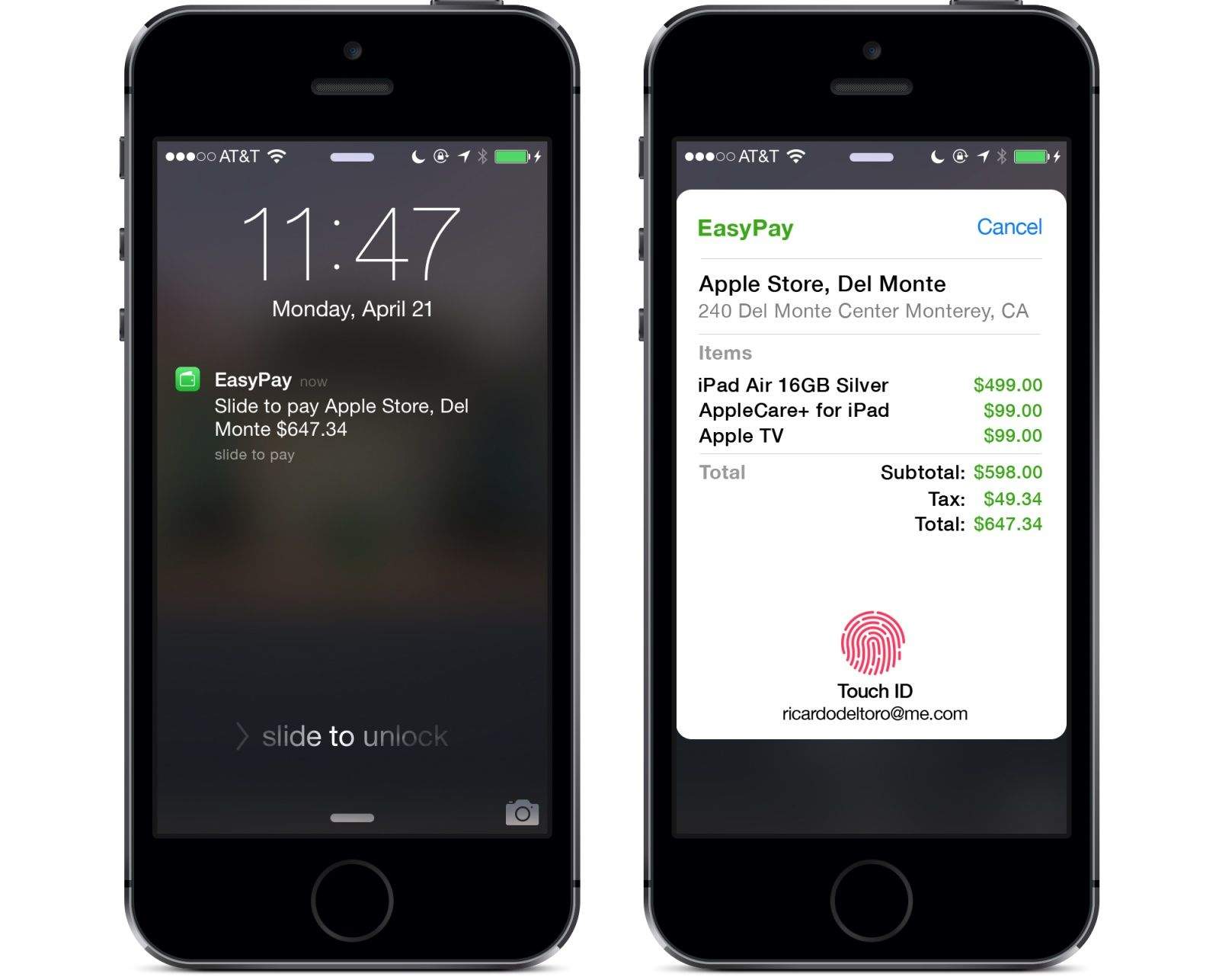
An 'EasyPay' concept that imagines how Apple could handle mobile payments.
The five largest banks in the U.S. have reportedly struck a special deal with Apple for its upcoming mobile payment platform.
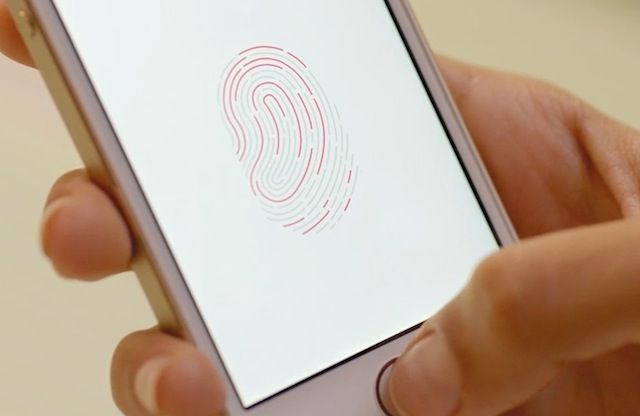
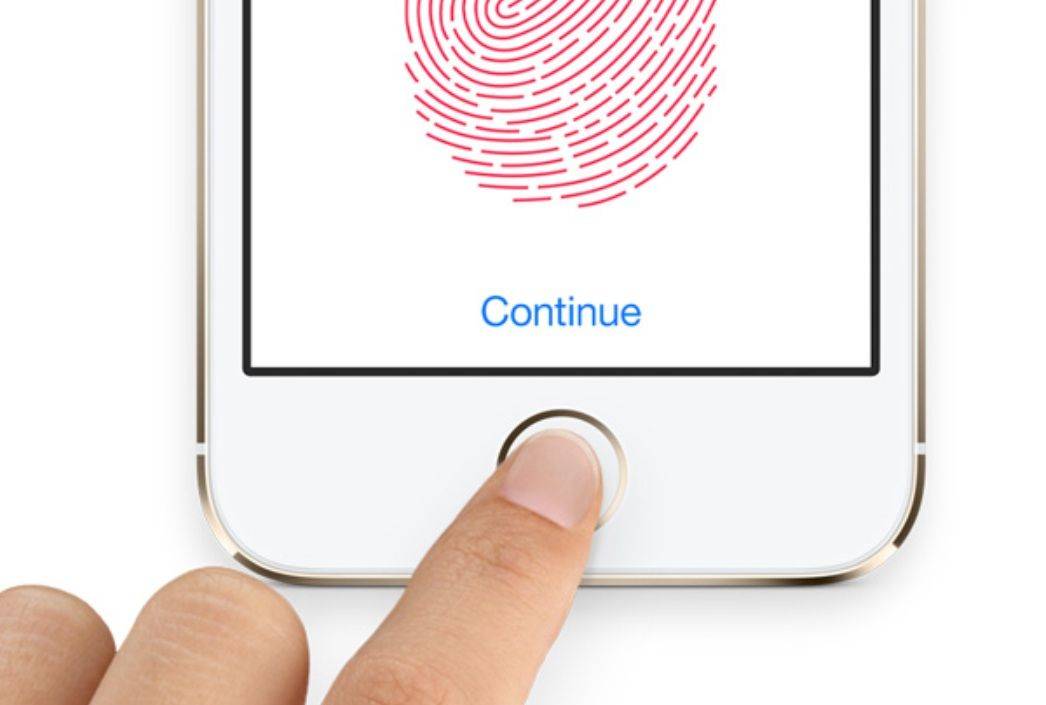
According to Bank Innovation, Apple has managed to negotiate a lower transaction fee with American Express, JP Morgan Chase, Citigroup, Capital One, and Bank of America. How? By convincing them that Touch ID and location-aware NFC will make its mobile payments more secure.
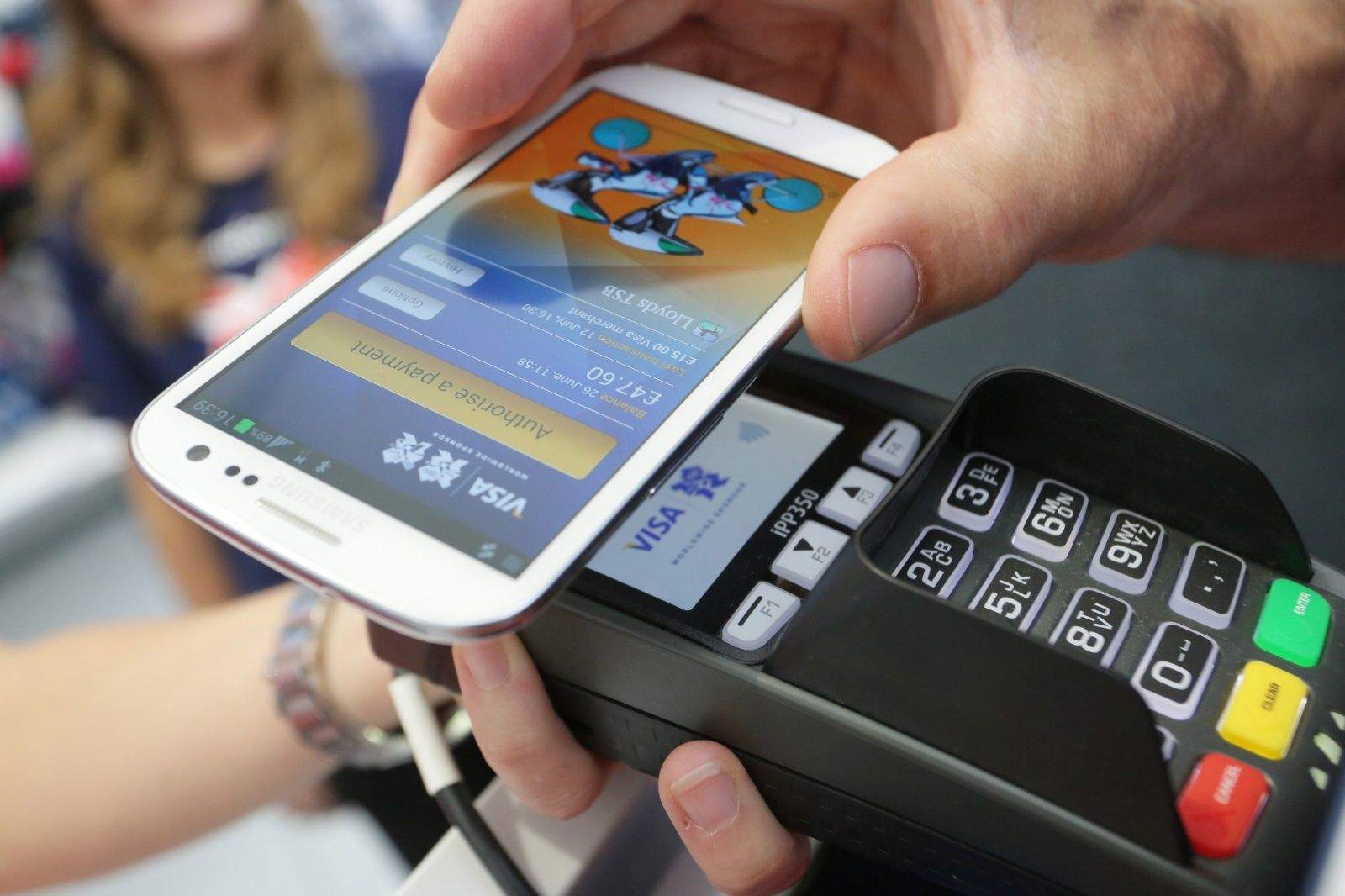
Many Android phones have come equipped with NFC for years.
After years of reports saying that NFC is coming to the iPhone for mobile payments, it looks like it will finally be a reality on September 9th.
Part leaks have indicated that Apple’s next-gen iPhone hardware will indeed be equipped with NFC to make transactions for physical goods at brick and mortar stores. Now Apple has struck a partnership with American Express, Visa and MasterCard to support mobile payments in the iPhone 6, according to new reports.
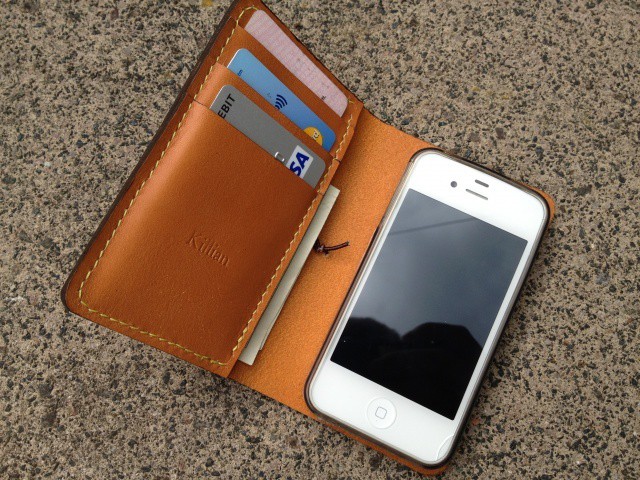
The iPhone 6 is going to attempt to replace your wallet, according to a report from Wired, claiming Apple’s mobile payment system will debut as a major feature in the iPhone 6, and NFC is a key piece of the puzzle.
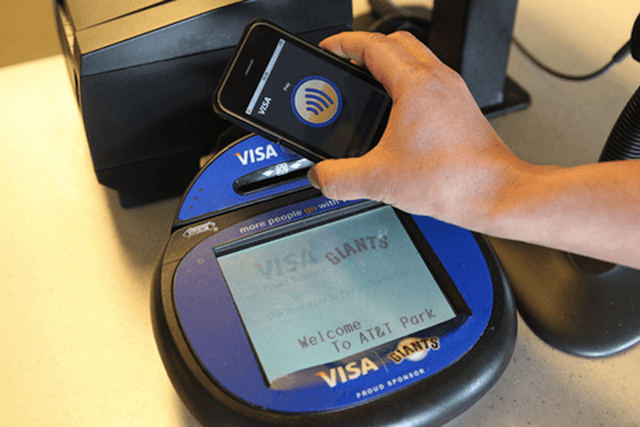
Apple’s mobile payments platform will take on Google Wallet, Square, and others this September by adding NFC and a secure element to store all your credit cards info on the iPhone 6, allowing users to make NFC payments with retailers with out having to fumble around with your cash or credit card.
Apple’s big plan for mobile payments could debut as early as the iPhone 6 this fall, according to a new report from The Information. While the company has been in talks with major players in the payments industry for a while, its efforts haven’t made it into the light of day yet.
The mobile “wallet” would allow the user to pay in the real world using just their iPhone, and Apple already has the security feature in place to make it all work seamlessly.
An 'EasyPay' concept that imagines how Apple could handle mobile payments.
Apple is working on its own mobile payments solution, per multiple reports from places like The Wall Street Journal. Exactly how the company plans to implement such a service remains to be seen.
Tim Cook has made it clear that Touch ID was created with mobile payments in mind, which makes sense when you consider that it’s such a secure form of authentication.
A new concept called EasyPay takes the Apple approach to mobile payments on the iPhone, and it looks great.
We’ve known that Apple has been interested in mobile payments for some time. Now the company is interviewing potential candidates to lead the initiative, according to a new report from Re/code.
Apple’s head of e-commerce, Jennifer Bailey, has reportedly been meeting with executives in the payments industry “to fill head of product and head of business development positions.”
While Apple’s “ambitions” are described as “very, very serious,” it’s likely that any sort of mobile payment system from Apple won’t come out anytime soon.
Want to be able to order and pay for burgers using your iPhone?
Burger King has announced that it will be releasing a dedicated mobile app, featuring a Passbook-style virtual card that allows users to load on cash and then use this to make payments.
According to an article published by Bloomberg, the Burger King app will also include “coupons for deals, such as $1 any-size drinks and free fries, as well as nutrition facts.” A feature allowing you to place an order for pick-up at a later time will additionally be included.
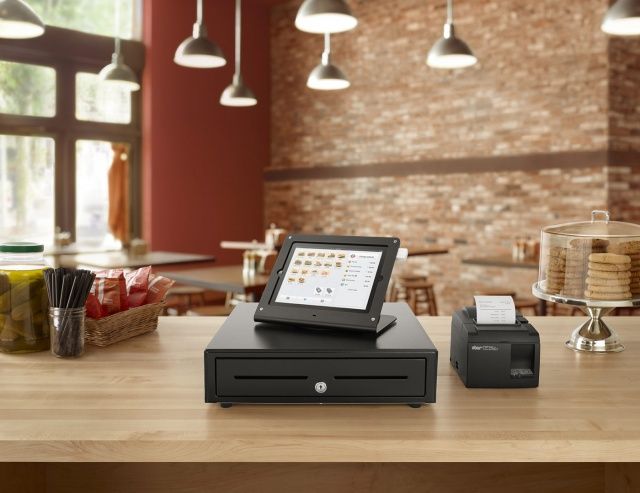
An iPad, Square, and an internet connection is all you need to run a small business.
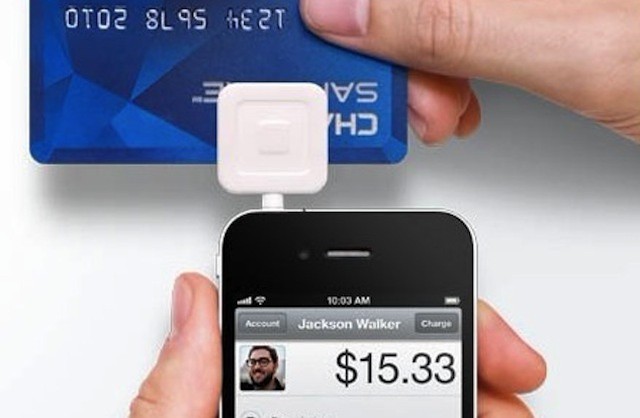
Square, the mobile payment startup that lets you pay for your coffee with an iPhone app, has announced a new product for small business owners. Since Square already specializes in helping merchants use the iPhone and iPad to process payments, the company is launching what it’s calling a “Business in a Box.” The package includes an iPad stand, cash drawer and optional receipt printer. It lets Apple’s tablet totally replace a traditional cash register.
After delays, Isis will launch its NFC-based digital wallet in just two U.S cities.
After months of delays, Isis has announced the debut of its mobile payment system. A joint venture by AT&T, T-Mobile, and Verizon, Isis made news earlier this year at the Mobile World Congress in March, but has been pretty quiet since then. During that quiet period a number of other players in the mobile payment market have stolen the spotlight and announced major deals.
Apple is expected to eventually unveil its own mobile payment system, one that will most likely be based around the iTunes Store payment system, but hasn’t made announcements beyond iOS 6’s Passbook feature. Apple has also kept quiet about whether it will include NFC chips used in some mobile payment systems in the upcoming iPhone 5, which some analysts and pundits consider a barrier to entry into the mobile payment market.
PayPal announced the biggest partnership yet in the U.S. mobile payments market today – a deal with Discover that will bring PayPal in-store payment to seven million locations next spring.
PayPal looks to expand its mobile payment market share and features with an app-based payment trial at McDonald's locations in France.
Square’s announcement of its partnership with Starbucks and the launch of new mobile payment company by several key retail and service chains were signs that the mobile payment industry and digital wallet concept is big business. Late last week, however, there was more news on the mobile payments front that proves that the race is far from over – one could even say that it’s barely started.
In a move that could make Square’s deal with Starbucks seem small and limited, Reuters reports that PayPal may soon be expanding its brand of mobile payments to include on the biggest fast food chains on the planet – McDonald’s. PayPal is currently testing a payment system in 30 McDonald’s locations in France. The company demoed the technology earlier this year.
Major retails join forces on mobile payments system to fend of Google, PayPal, Isis, and other potential digital wallet competitors like Apple.
In a move that makes the Square/Starbucks partnership announced last week look like small potatoes, a group of national and international retailers announced plans to develop their own mobile payment network complete with mobile apps and digital wallet functionality. The move seems almost certain to shake up the nascent mobile payments market where a wide range of companies and organizations have been trying to figure out the secret sauce that will turn mobile payments into a mainstream retail system for the past couple of years.
The Merchant Customer Exchange or MCX, as the new company is known, plans to deliver a solution that offers convenience in both making purchases and in receiving customizable offers from retailers. Development of a mobile app and payment network are underway, but MCX has yet to announce any details about either the app or its network.
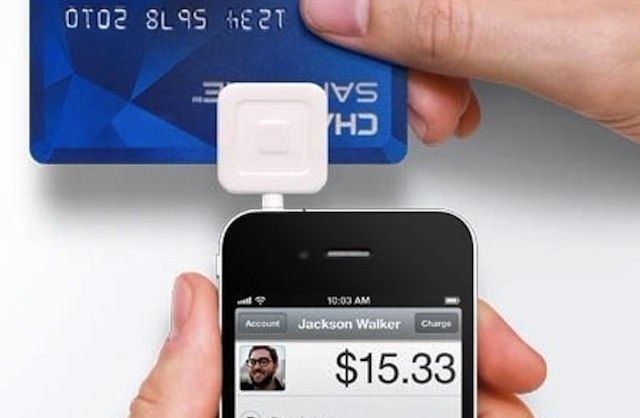
Square scored its big partnership with Starbucks by realizing mobile payments aren't really about mobile payments.
Last week’s announcement that Starbucks is partnering with Square for mobile payments and credit card processing is big news for the nascent U.S. mobile payments market. It was also a warning shot fired by the startup across the bow of traditional payment processing companies, many of which have struggled to bring together an effective and successful digital wallet (or iWallet) solution. The move could also complicate any plans that Apple has to move into that market following the release of iOS 6 and its Passbook feature.
O2 executive James Le Brocq points out what an iWallet needs in order to be a success.
Apple may be the only major company operating the mobile space that hasn’t announced a partnership or trial related to delivering mobile payments and creating an iWallet. While it seems a forgone conclusion that Apple will eventually enter the mobile payment market, a recent statement by James Le Brocq, managing director at O2 Money (a division of the U.K. mobile carrier O2) illustrates why Apple hasn’t yet entered the that market and why that’s a good move for Apple: consumers aren’t that interested in mobile payments.
With PayPal's acquisition of card.io mobile credit/debit payments could become as easy as snapping a photo.
While Apple’s taking a wait and see approach to the nascent mobile payments and digital wallet industries, PayPal seems ready to launch an all-out offensive. In addition to its existing assortment of mobile, local, and online payment systems, PayPal announced this week that it is acquiring startup card.io.
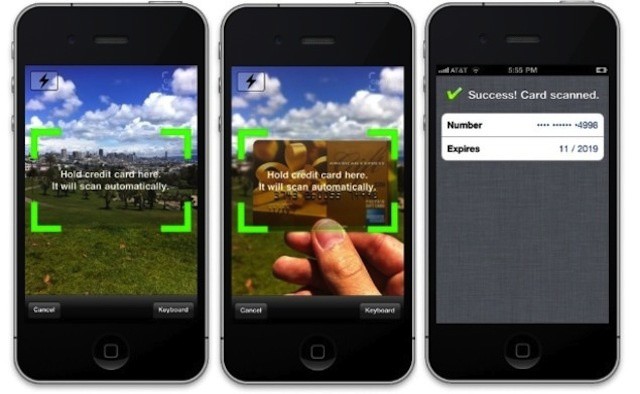
card.io currently works with a range of iOS and Android developers to help them integrate mobile credit/debit card payment capabilities into their apps without the need of additional hardware like Square’s card reader or PayPal’s Here card reader. Instead, card.io’s partners use the built-in camera of an iPhone (or other iOS or Android device) to snap a photo of a credit card. The card number and related information is extracted and passed to a payment processor to complete the transaction (manual keying in a card number is also supported as a backup).
Passbook could be a brilliant way for Apple to trump any other mobile payment option.
Mobile payment technologies have an interesting and complicated relationship with local businesses. On the one hand, local mom-and-pop restaurants, shops, and services are probably the companies that you’d expect to adopt new payment technologies the slowest – particularly if those technologies require new point of sale hardware like an NFC reader. On the other hand, mobile payment systems could be poised to deliver a new wave of business to such local companies.
Making the situation more complicated is the fact that any mobile payment system (Google Wallet, PayPal in-store purchasing, or any system that Apple may be slowly developing) can’t be considered a solid winner or option unless that system strikes it big with local businesses. A system that only applies to large chains, like the in-store purchasing the PayPal rolled out to Home Depot and other retailers, can’t be considered mainstream unless it’s adopted very widely and by a significant percentage of small businesses.
Further complicating the relationship is the fact that many players in the race to create a true digital wallet are on focusing widely varying options for small and local businesses. That means that no one company is leading and no company really seems to have a consistent strategy for tapping this immense and important market.
Despite new technologies for mobile payments, customers trust familiar companies like Apple.
PayPal, Amazon, and Apple are leading the mobile payment market according to IDC. The research company released the results of a business strategy study that focused on new and emerging payment technologies. The 2012 study is eighth year that IDC has conducted the survey, but it is the first year where mobile payments were a major focus.
While many efforts are underway to develop new payment technologies, many of them based around NFC, most new technologies have yet to catch on with consumers.
Overall mobile payments, however, are catching on with consumers. IDC reports that the number of individuals making mobile payments has doubled since last year’s report and that one-third (33%) of consumers have made some form of mobile payment. The data also shows that the mobile payments market is being led established players and existing technologies.
We’ve all been waiting with bated breath for Apple to take the mobile payment industry by storm and bring it to the mass consumer market. For years, there have been whispers that Apple is working on its own approach to reinventing mobile payments, including the possibility of a NFC-equipped iPhone. When Apple unveiled Passbook in iOS 6 last month, the company announced its first real foray into mobile payments by partnering with select companies for handling virtual goods like coupons and airline tickets.
According to a new report on The Wall Street Journal, Apple’s Passbook is only a shadow of things to come. The company is “deliberately” working on its own mobile payment system, and while the rest of its competitors scramble to test the waters, Apple is sitting back and developing the right strategy.
Congressional testimony raises concerns about consumer protections for mobile payments
Are mobile payments safe? That was a question that the House Financial Services Subcommittee on Financial Institutions and Consumer Credit posed to various finance officials earlier today. The subcommittee didn’t get a particularly clear answer.
According to written testimony provided by Stephanie Martin, associate general counsel for the Federal Reserve Board of Governors, defining what protections apply to mobile payment systems is complicated by the fact that many businesses involved in the transfer of money through mobile devices aren’t banks. Companies involved in mobile payment systems that don’t meet the established definition of providing banking services aren’t subject to certain scrutiny, regulation, or consumer protection laws.
The mobile payment options becoming mainstream are the simplest and low-tech ones.
Read enough articles about NFC and its potential for mobile payments and you’ll find yourself thinking the technology is the inevitable mobile payment platform. Every major mobile platform except iOS already includes or will include support for NFC-enabled devices. There are lots of partnerships being announced between key players like device manufacturers, carriers, and banking or credit card companies. It also just seems to make sense that this is the future.
Until you look up from all the stories about what NFC and look at what’s really happening in the world. You don’t see much evidence of NFC payment systems in everyday life. NFC isn’t yet emerging into mainstream commerce, but there is ample evidence that mobile payments are taking off without it. Those options becoming mainstream are decidedly low tech by comparison, but that’s precisely why they’re succeeding.
Passbook could be a brilliant way for Apple to trump any other mobile payment option.
There’s been a lot of talk over the past year or so about mobile payment systems and the concept of an iWallet. One of the challenges to any digital wallet concept is that it needs several components, most of which are provided by different companies and governed by different regulations. At a minimum, those components need to include on-device hardware, a mobile app or OS that can manage the transaction, a banking or credit card system that actually transfers money from your account to a retailer, support by major POS and cash register systems, and some mechanism for your phone to securely check-in with your selected account(s) to ensure money is available for purchases.
That’s a tall order and a lot of cooperation is needed when you have a different company providing each of those required functions. One way to simplify the process is to have one company deliver all or most of those functions on its own. There are few companies in the world that can pull all those capabilities together. One of them is Apple.
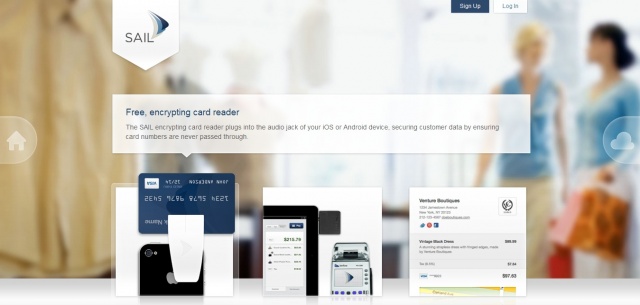
It looks like Square has yet another competitor in the mobile payments arena. Global payment leader VeriFone has announced SAIL, a credit card reader much like Square’s, that will attach to a number of mobile devices. While VeriFone may have a little catching up to do, they have the advantage of an extensive network with a commanding percentage of retail transactions passing through their service.