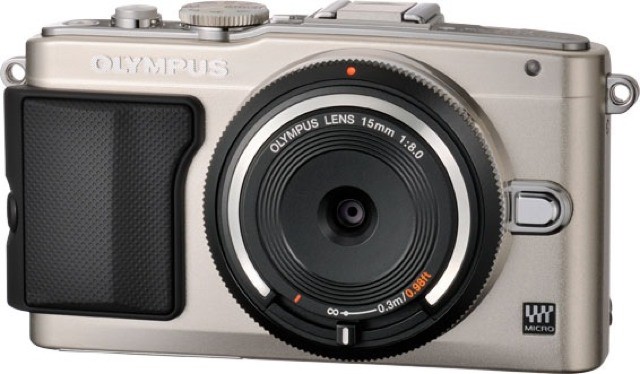
There's one camera accessory which you probably never, ever use — unless you're a professional who carries several cameras: the body cap. This protective plastic disk is most likely in the back of a closet somewhere, waiting inside the camera's box for the day you sell it and the cap is needed once again.
But Olympus thinks that it can tempt you with a fancy body cap. What's more, it thinks that you'll pay £70 for it (around $114). Behold: The 15mm ƒ8 "body cap."
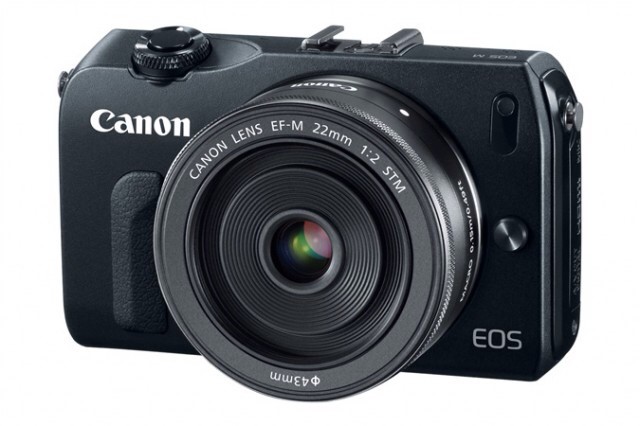
Finally! Canon has at last announced its answer to Micro Four Thirds and other mirrorless formats. And unlike Nikon, which was content to dash off a crappy toy in the shape of the “1,” the EOS M is pretty much exactly what we hoped for: an EOS SLR packed into a tiny body.
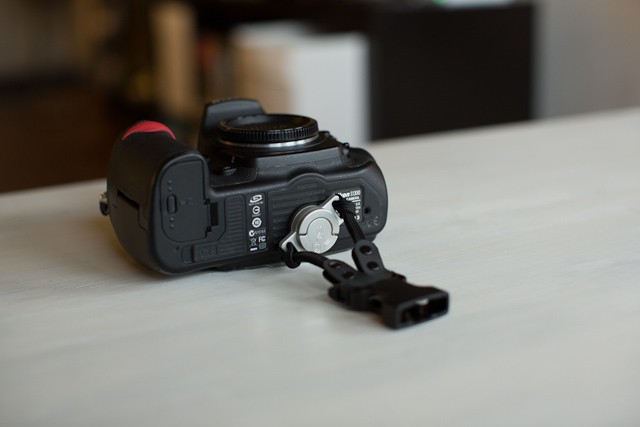
Most all DSLRs come with built-in top-side brackets you can use to attach your camera strap. But what you might not know, is that it’s far more comfortable to attach your camera strap to the bottom of your DSLR, especially while you’re walking. And wearing your camera while it’s slung down near your hip also helps prevent your lens from bumping and grinding into the nearest person, place, or thing — something you’ll appreciate in a crowded room.
But how do you connect a strap to your DSLR’s bottom? An adapter that screws into your camera’s tripod mount will do the trick. And the C-Loop ($40), from Custom SLR, is exactly that. But the C-Loop also has an inconspicuous talent that all other tripod mount adapters lack.
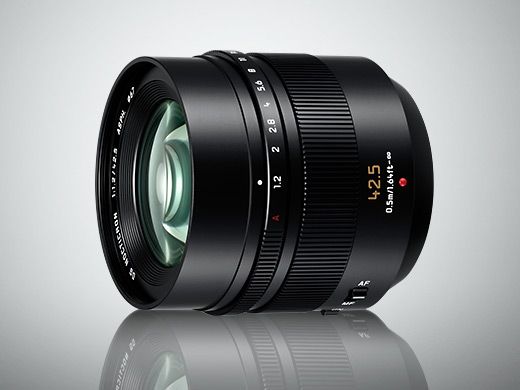
Everyone who owns a Micro Four Thirds camera will buy this lens
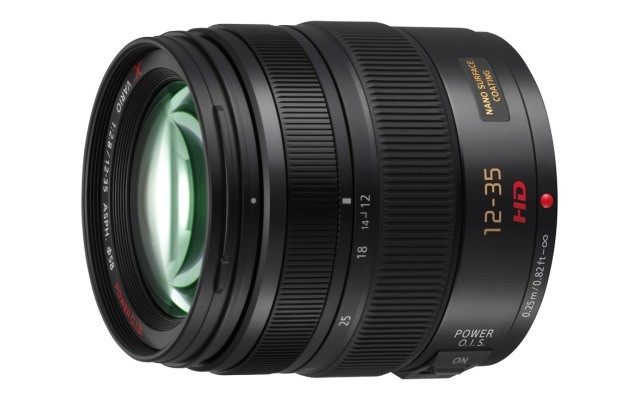
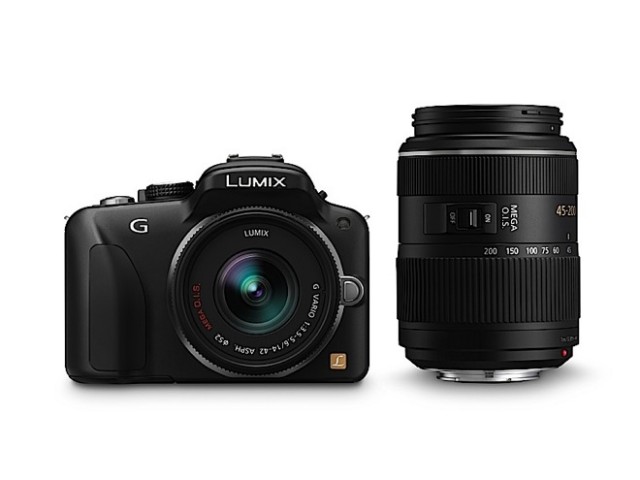
“Oh. Oh. Oh!” was the ejaculative ‘sentence’ I uttered when I saw the press release for this new Micro Four Thirds lens. It comes from Panasonic, and runs from 12-35mm, or 24-70 in old money, and also packs in image stabilization.
That’s fine. But the reason I’m excited is that the maximum aperture is a constant ƒ2.8 along the whole zoom range — a first for mirrorless systems says Panasonic.
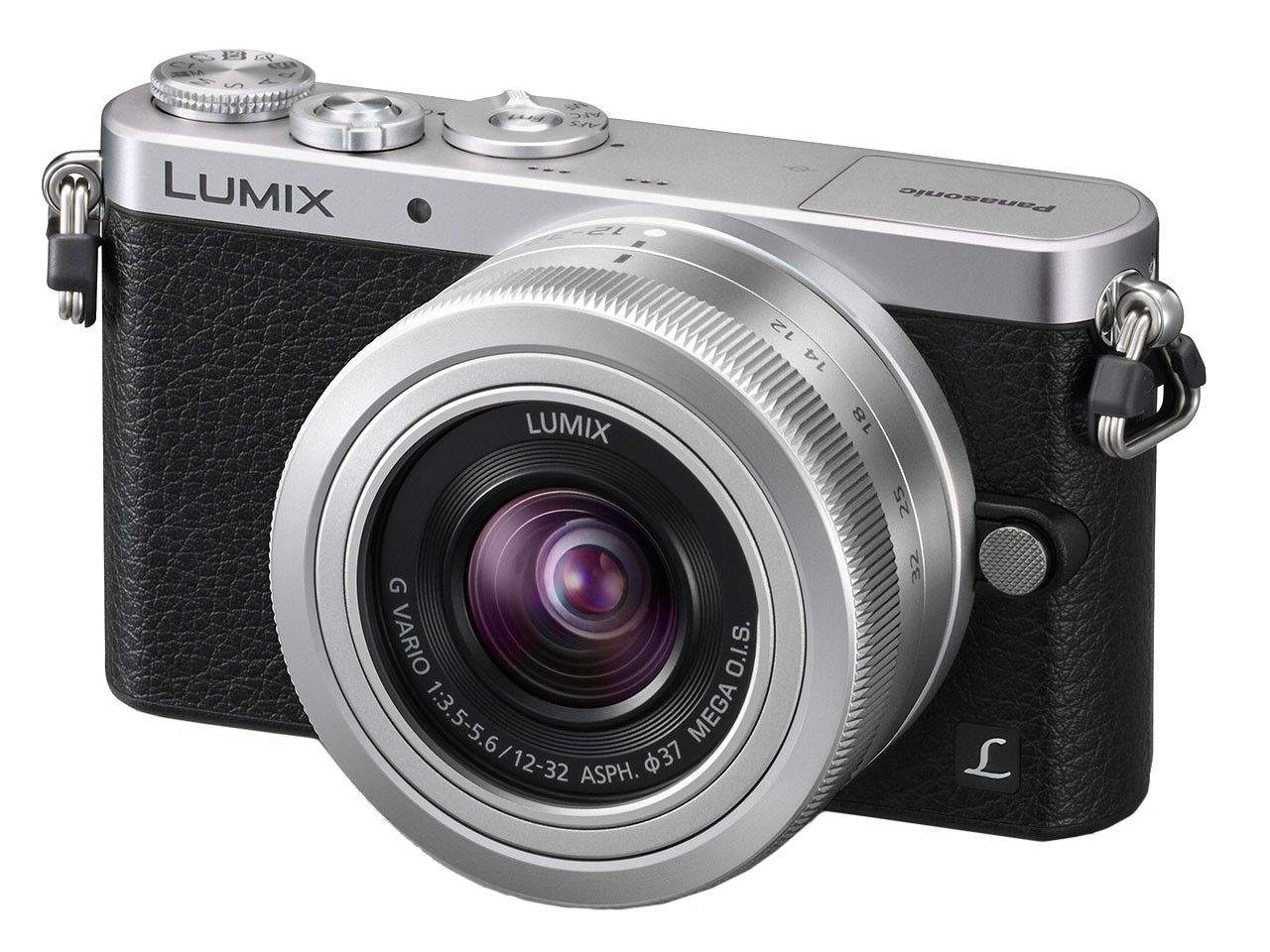
The GF5 gets an all-new sensor, and a rubberized grip
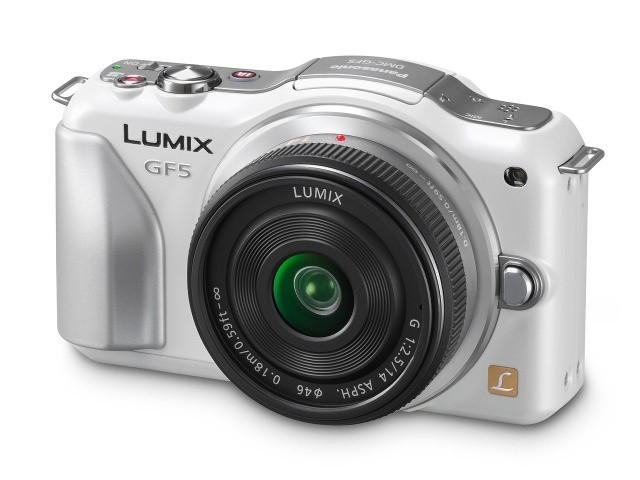
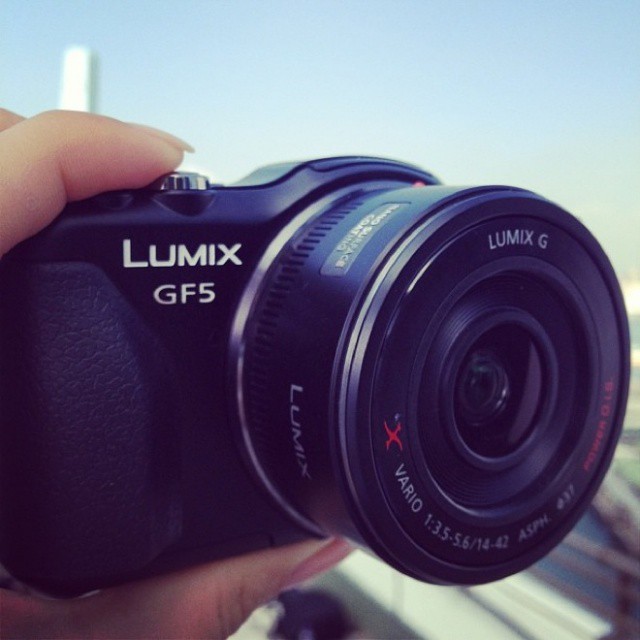
Panasonic’s GF5, leaked a couple of weeks ago on Instagram, is now officially official. The new Micro Four Thirds camera skips right over the superstitiously suspect name GF4 (which apparently sounds like “death” in Japanese), but does little more than add polish and a new sensor. But what a sensor.
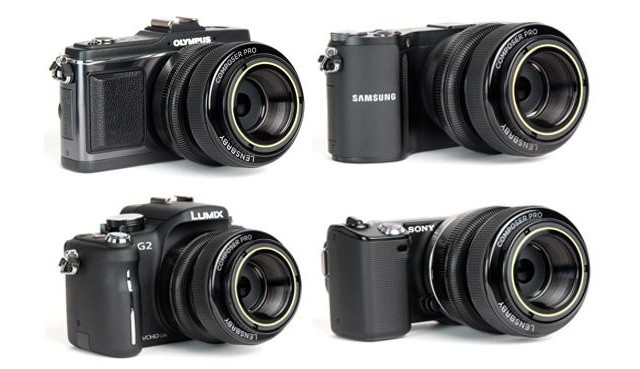
The Composer Pro is now ready for pretty much every mirrorless system
A year after the launch of the Lensbaby Pro for DSLR cameras, the light-bending lens comes to mirrorless cameras. The upmarket version of the regular Composer can now be had in models that fit Sony NEX, Samsung NX and Micro Four Thirds cameras, and I can’t wait to get my hands on one.
Who ever thought that Instagram would be a source for product leaks? But it looks like the iOS-only photo-sharing service has inadvertently outed the successor to the Lumix GF3 — the GF5.
The object on the left will give you the photograph on the right. As long as you are at a basketball game
Lensbaby, purveyor of the finest image-degrading lenses known to man, has come up with a new blur-tastic optic. Named the Edge 80, it cuts a sharp, straight slice of focus through the photographic haze.
Olympus has revived its classic OM SLR film camera series this week, with the brand new Olympus OM-D EM-5, the first in a series of OM Digital Micro Four Thirds cameras, and the world’s first camera to offer 5-axis image stabilization.
Aimed at advanced photographers, the EM-5 boasts a built-in electronic viewfinder and a rugged dust- and splash-proof body. Olympus promises you’ll also get superior image quality and blazing fast speeds.
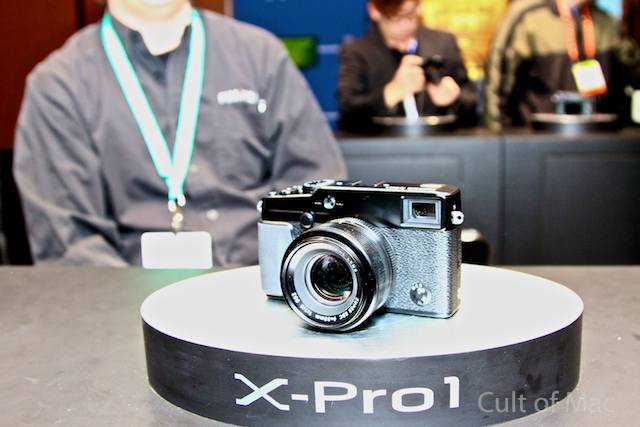
My colleagues here at Cult of Mac, PR reps completely unrelated to Fuji or anything photographic, random showgoers whose snippets of conversation I intercepted — everyone seemed to be talking about it. Even the very air at CES seemed to be pulsating with the word “Fuji.” Of course, they were all talking about the enigmatic, neo-retro Fuji X-Pro1.