Apple News+, the subscription magazine and news service revealed last week, is already more popular than the service and app based it on, Texture.
Apple News+ blows by Texture in just 48 hours
Photo: Apple

Apple News+, the subscription magazine and news service revealed last week, is already more popular than the service and app based it on, Texture.
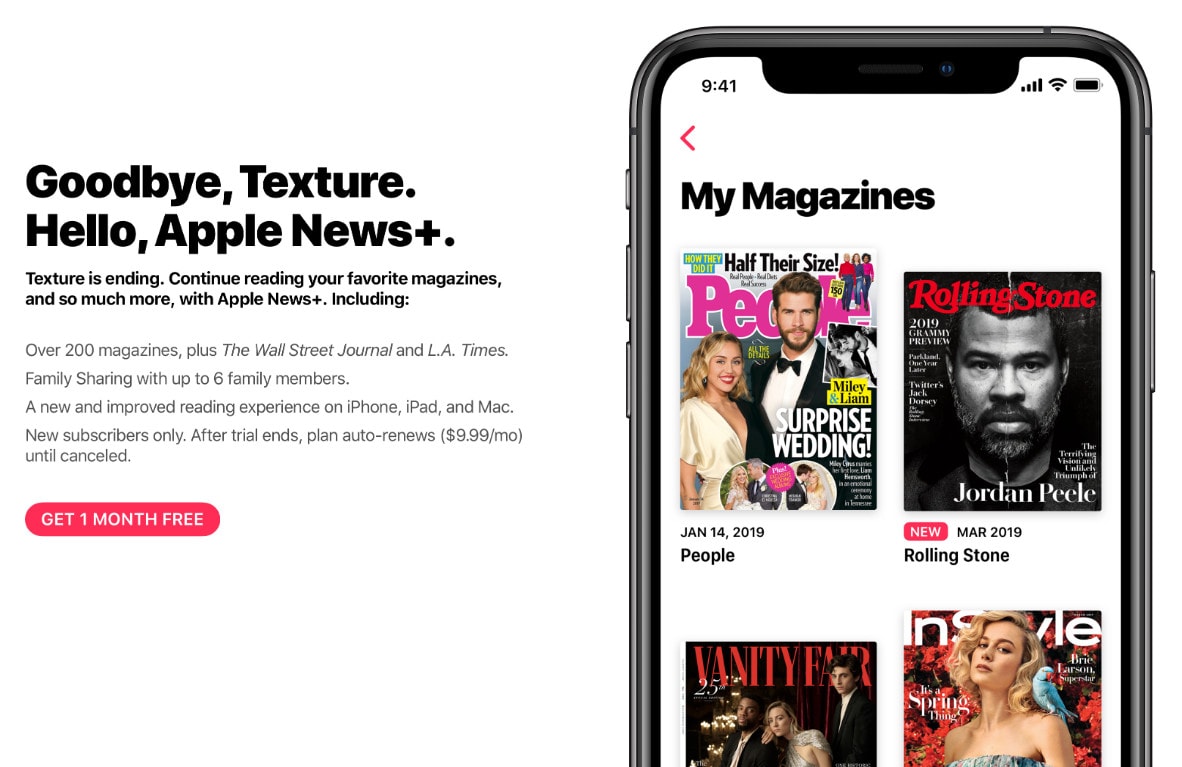
Apple will close down Texture in May following the recent launch of Apple News+.
Texture, another magazine subscription service, was acquired by Apple for an undisclosed sum last spring. Cupertino encourages existing subscribers to migrate to its new platform. But those who don’t use Mac or iOS will have to find their magazines elsewhere.
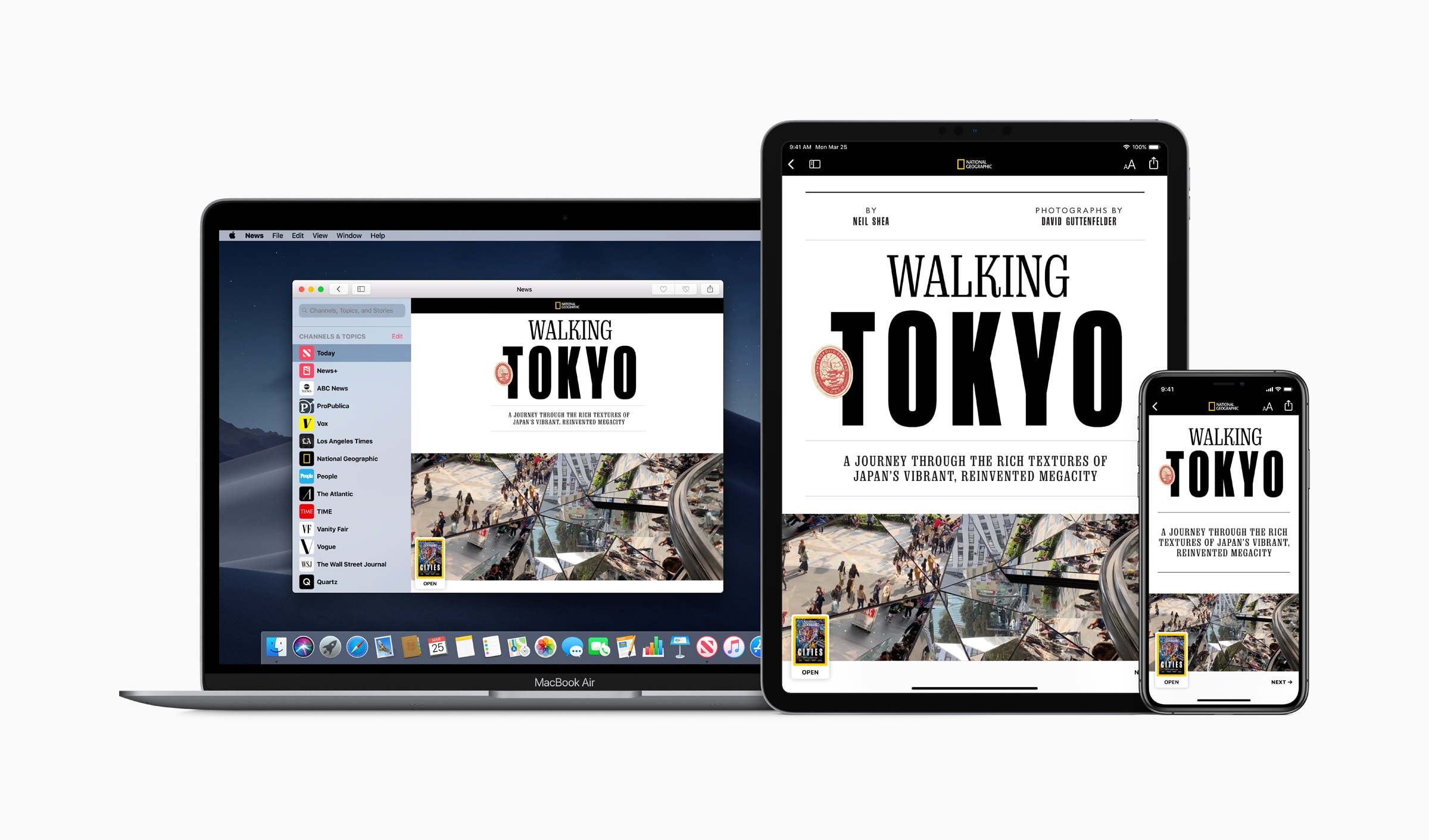
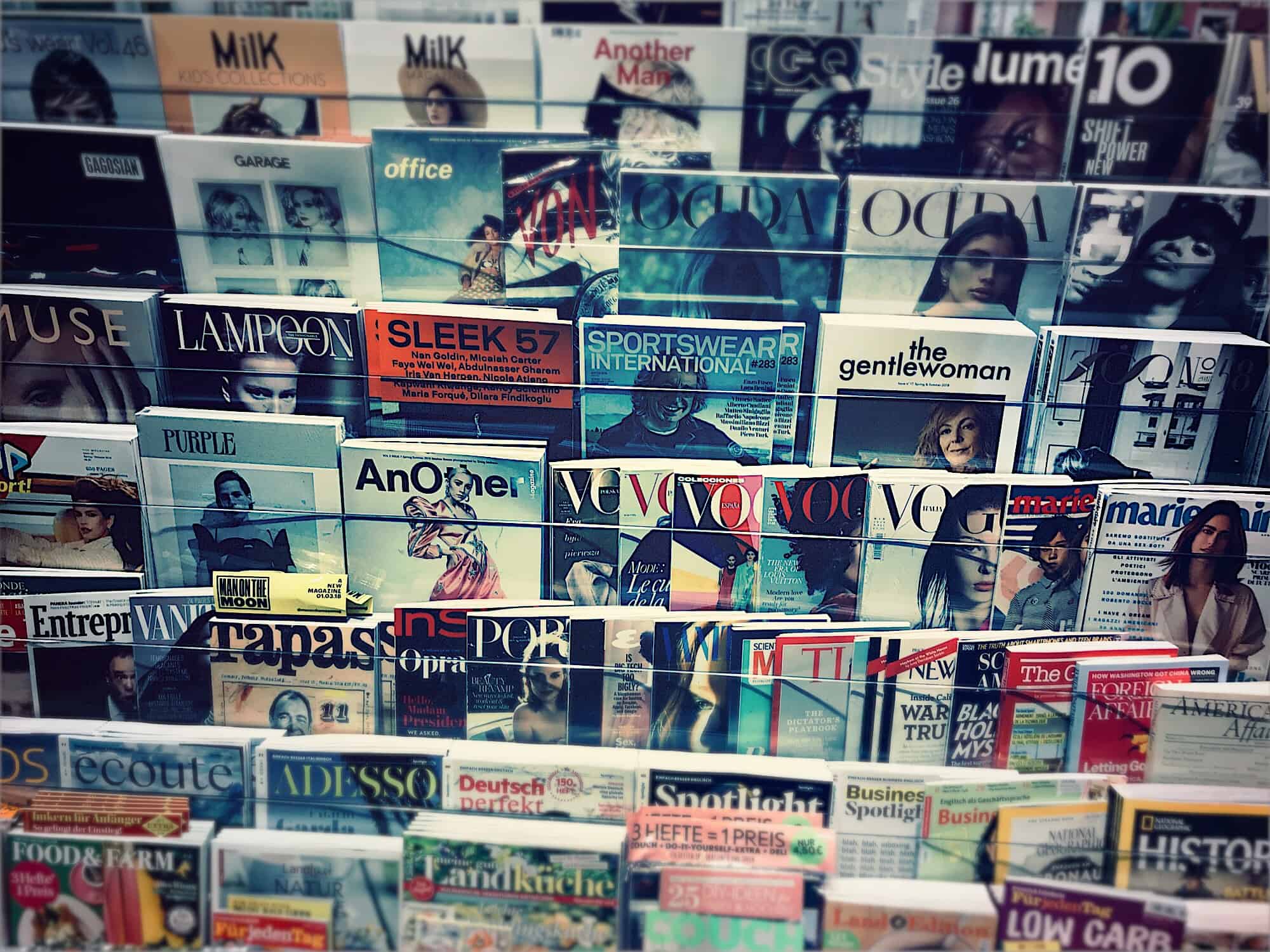
You can now find your favorite magazines inside Apple News.
A new subscription provides access to a wealth of periodicals from the likes of Vogue, Rolling Stone and The New Yorker. It also features content from The Wall Street Journal and The Los Angeles Times.
You can read as many as you like, as much as you like, for just $9.99 a month.
This week on The CultCast: Apple’s “it’s show time” event is just around the corner, and this is the first event ever that focuses purely on services. Is Apple’s streaming TV service going to suck? Don’t miss our “show time” keynote predications. Plus: Leander unveils the details on his new Tim Cook book, out April 16th!
Our thanks to Squarespace for supporting this episode. Easily create a beautiful website all by yourself, at Squarespace.com/cultcast. Use offer code CultCast at checkout to get 10 percent off your first purchase of a website or domain..
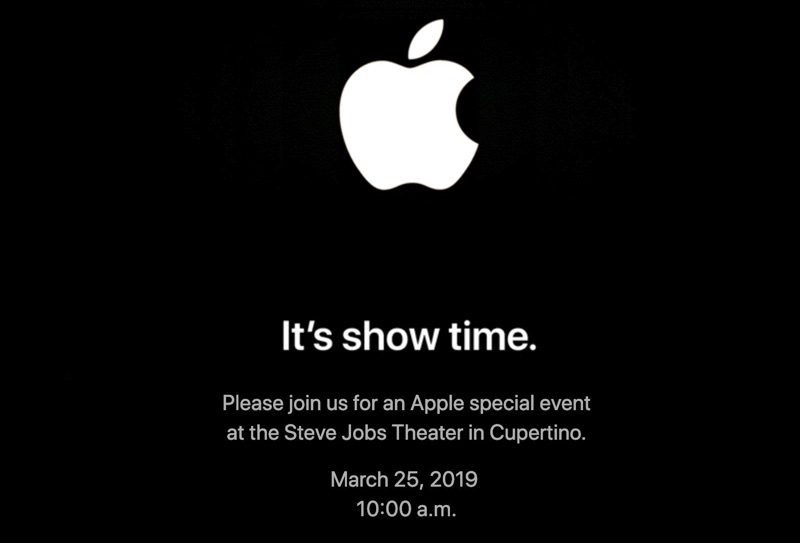
The first Apple event of 2019 is nearly here. Tim Cook and friends are set to take the stage at the Steve Jobs Theater on March 25 to unveil the company’s newest goodies, only instead of unveiling some shiny new gadgets you can buy, Apple is supposedly going to bust out some services you can subscribe to.
The Apple rumor mill has been working in overdrive leading up the event, so we have a pretty solid idea of what we’ll see.
If you hate Apple keynote spoilers, stop reading now.
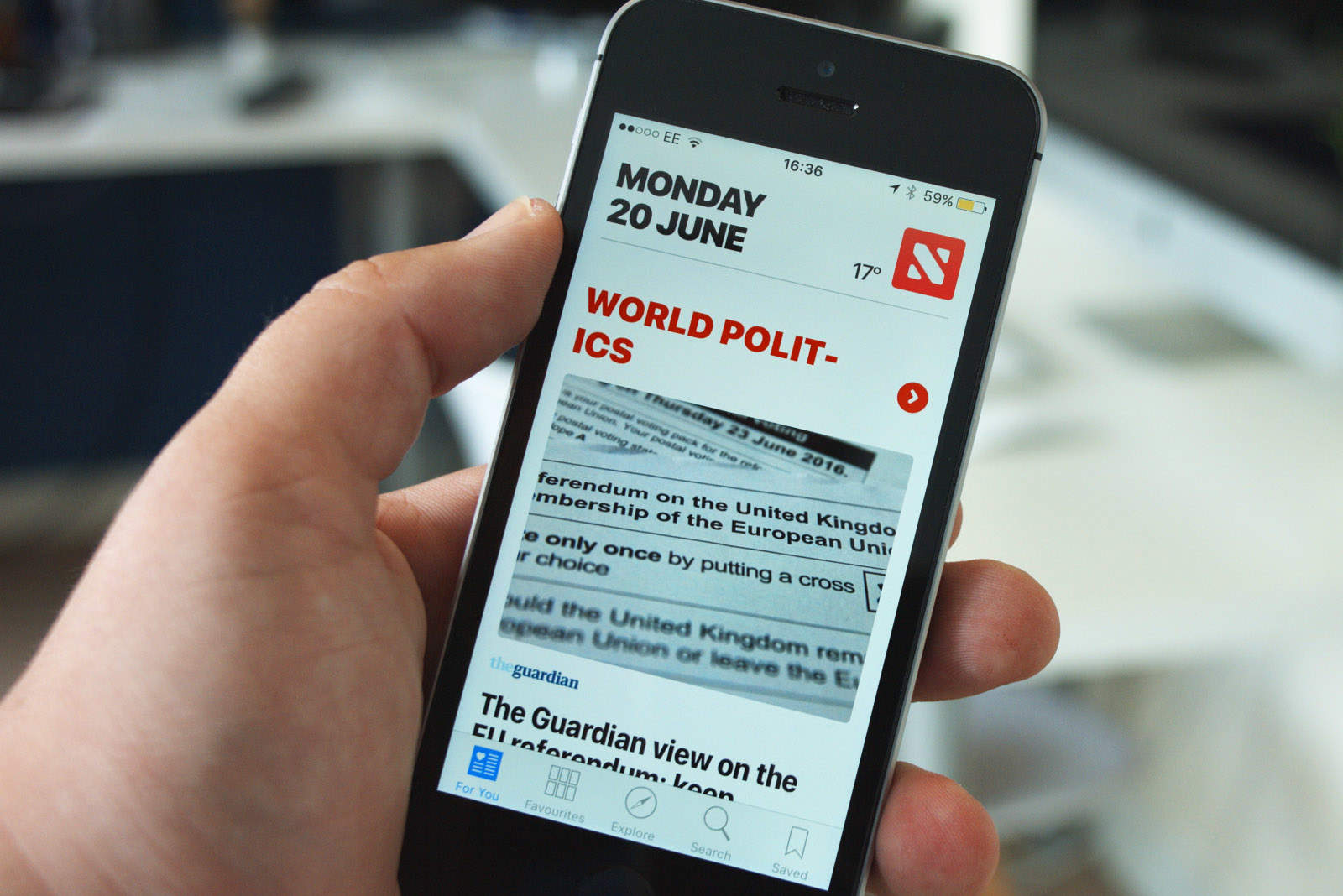
Apple News’ magazine subscription service looks like it will be available on iOS and macOS when it’s unveiled later this month.
After digging into the latest macOS 10.14.4 beta, developer Steve Troughton-Smith found some new references that confirm the magazine subscription service is on the way. Even better, Apple’s code provides some new details about it that we didn’t know.
Apple will hold its next special event on Monday, March 25, in the Steve Jobs Theater in Cupertino.
The “It’s show time” event is expected to bring a number of new services, including new TV content and a paid Apple News service. Fans have been eagerly anticipating confirmation of Apple’s next keynote, with rumors surrounding new subscription services circulating. The tagline for this one suggests it will focus on Apple’s upcoming video service, with hardware taking a backseat.
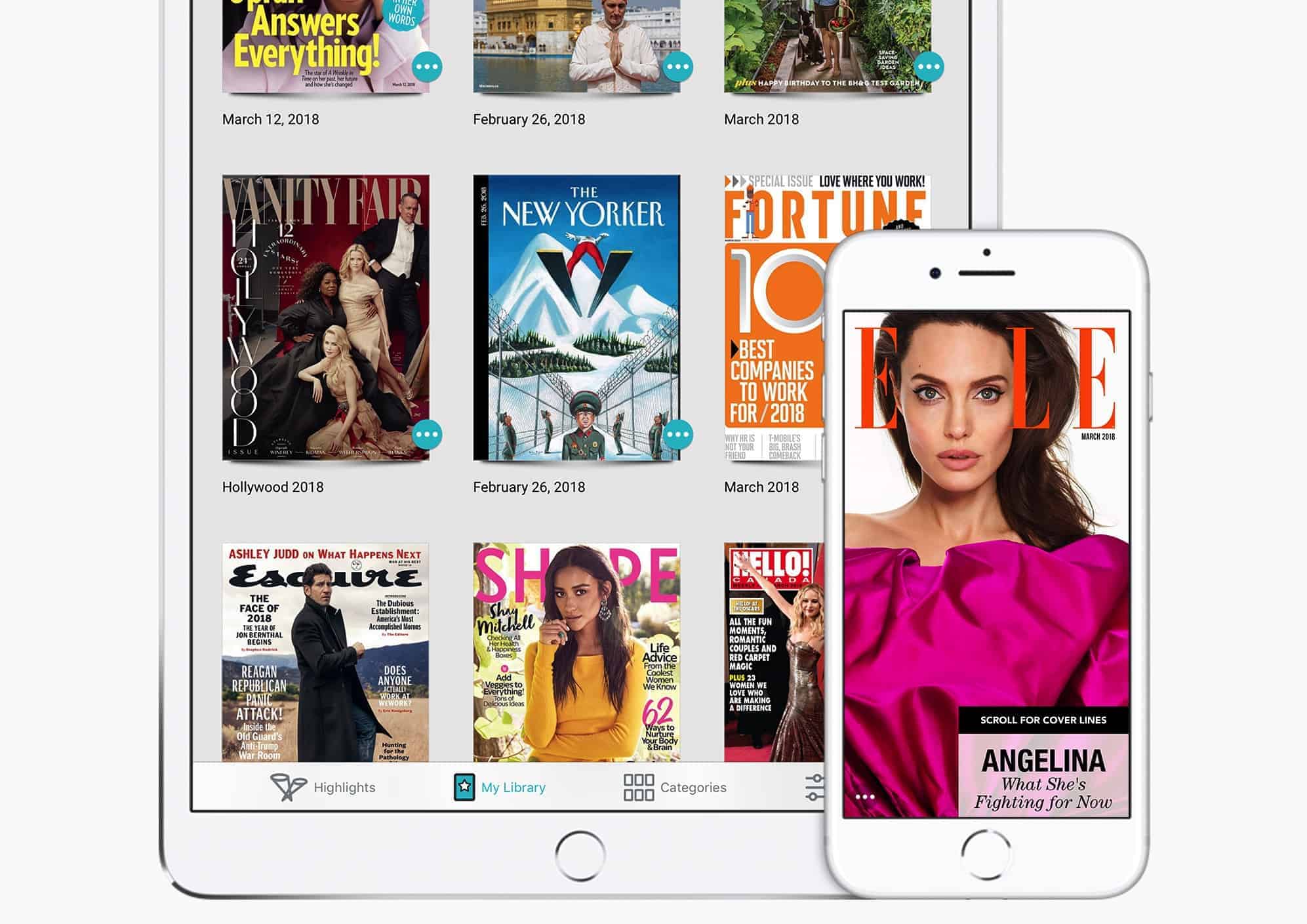
Texture, the digital magazine subscription service Apple acquired back in March, is simplifying its fee structure. Previously, Texture offered a $9.99 Unlimited Basic Plan and a $14.99 Unlimited Premium Plan, with the difference between the two being the addition of weekly magazines.
Now Texture has lowered the price for the Premium Plan to $9.99. In essence, this means that all customers should now have access to the widest possible range of publications for just ten bucks a month!
Apple still hasn’t revealed exactly how it plans to make its original video content available to customers.
However, a new report suggests that Apple may take a page out of Amazon’s playbook by launching a single Amazon Prime-style subscription package, compiling Apple Music, a magazine subscription service, and its original TV shows into one.
App subscriptions are great, mostly. Trial subscriptions let you try out all the app’s features for free, and if you like the app enough to keep using it, the developer gets an ongoing income that lets them keep improving the app. It’s a win-win.
But what if you signed up for a trial subscription, and you don’t like the app? Or maybe you subscribed to a monthly magazine, and those unread copies just keep piling up? Canceling a subscription is easy, whether it’s a fresh trial, or a years-long subscription you just don’t want any more. Here’s how.
When I was in high school, I got the jump on all the other photography students because my dad bought weekly and monthly photography magazines that he passed on to me when he was done. I learned a ton about photography (and also the female anatomy, thanks to the “glamour” sections that seemed to be featured in every issue.
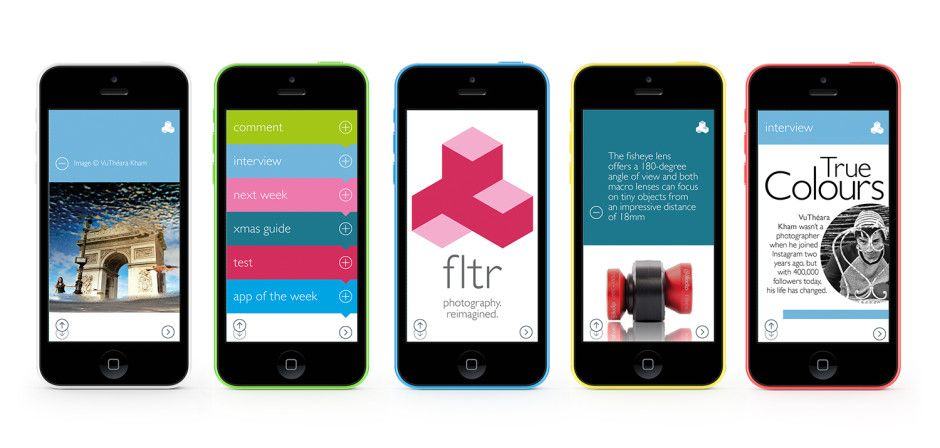
These days we have the internet for both learning and porn, but I still have a soft spot (ahem) for photo magazines, which is why I’m checking out FLTR, “world’s first smartphone photography magazine.”
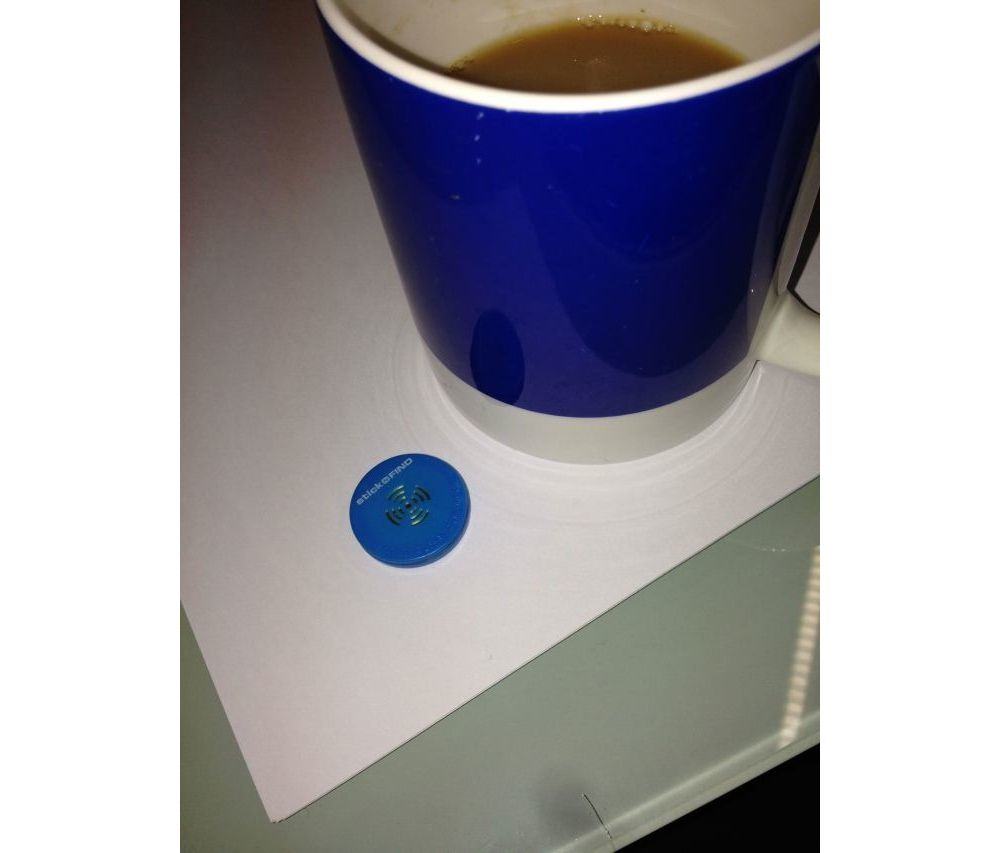
You know how you walk into a coffee shop or bar, order a refreshing beverage and then grab a newspaper or magazine to read? Now, thanks to Apple’s iBeacons, you can do the exact same thing, only you can peruse the provided periodicals on your iPad or iPhone.
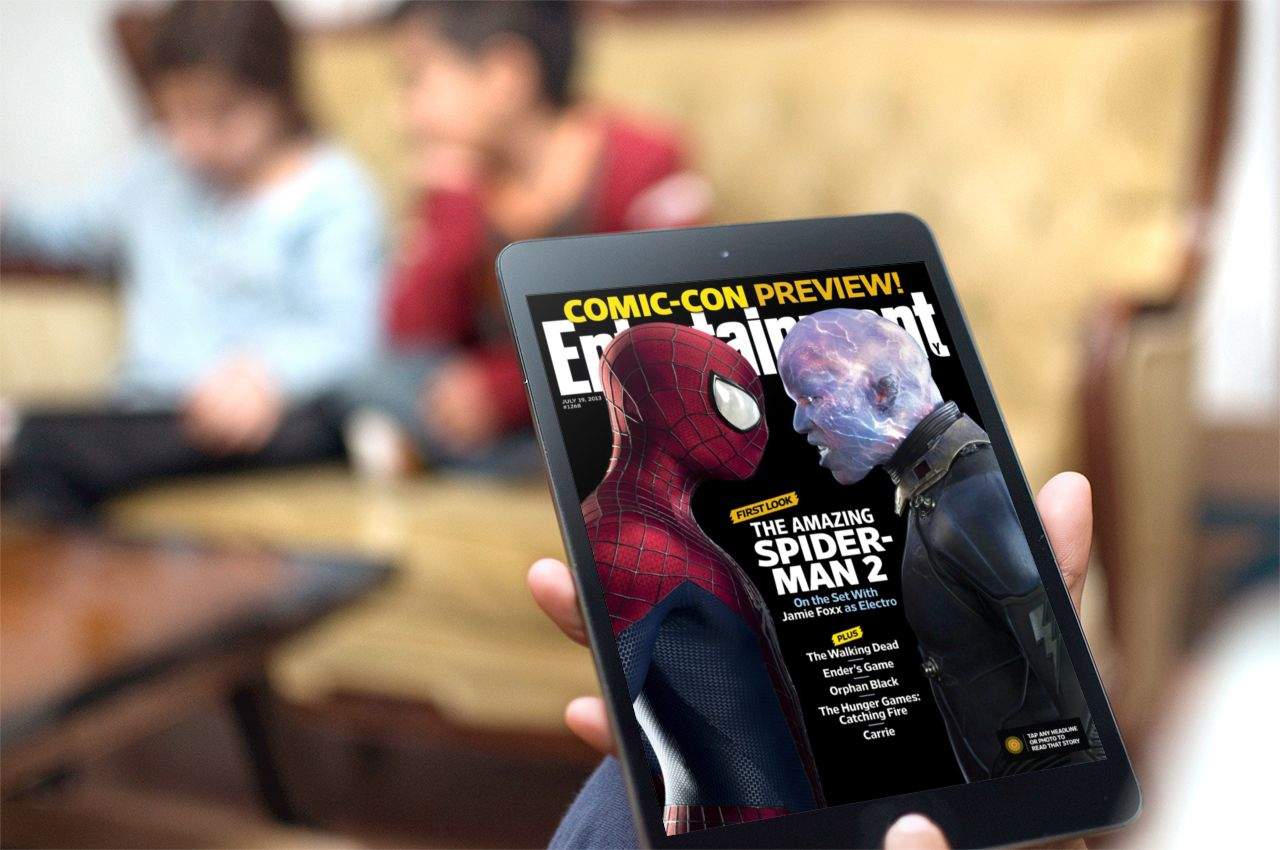
From today, Time Inc. is allowing Newsstand users to try its digital magazines before they buy them. You’ll be able to read a handful of articles from its latest magazines in full — as well as teasers for others — before you hand over any cash.

If you’re a frequent user of the official Nook app for iOS, then you’re going to love its latest update. In addition to support for high resolution magazines on the iPad, version 3.4.0 introduces support for Nook Comics, more detailed imagery, better organization options, and lots more.

 Zinio, the popular digital newsstand available to Android and iOS devices, has slashed up to 50% off its top 100 magazine subscriptions until. The deal includes titles like Macworld, GQ, Wired, Playboy, PC Magazine, and many more, and it’s valid until Monday, January 7.
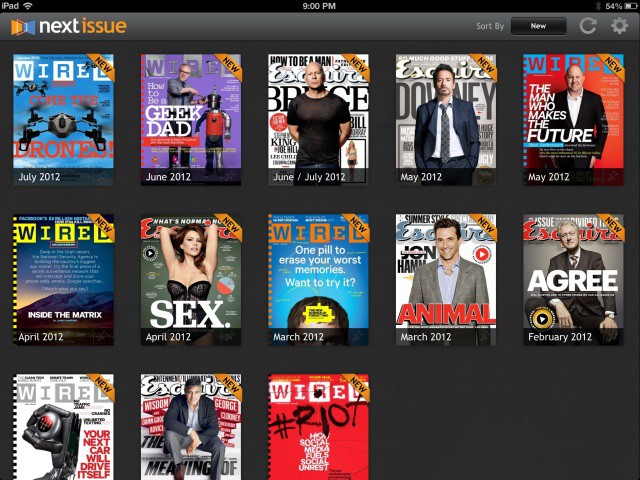
Next Issue Media just became available for the iPad, making the jump from its Android roots. The app is a subscription-based magazine app that may redefine what you think of when you hear the words ‘magazine suscription.’
With Next Issue, you purchase a subscription to ALL the magazines in their service, for one fee. Techcrunch makes the obvious comparison to Netflix, for good reason, but we’ll try to avoid that here. Oops.
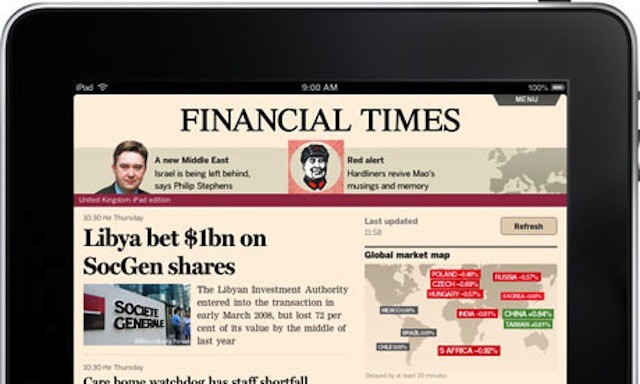
When Apple announced the terms for Newsstand and digital subscriptions, many publications felt that the company was being too hard on them. Apple’s requirement that publishers offer the same deals through the App Store that they do elsewhere while still taking its typical 30% cut of the income ruffled a lot of feathers in the publishing world. While there was a lot of angry discussion about the policy when Apple announced and implemented it, many publications decided to accept the policy – at least initially.
Since then, however, a handful of publications have decided to abandon their presence on iOS devices. Some are planning to build a web app as their only iOS or mobile presence. Others are looking to create deals with various news aggregators. Regardless of their plans, Apple’s terms are one of the key reasons that publishers are getting out of the App Store.
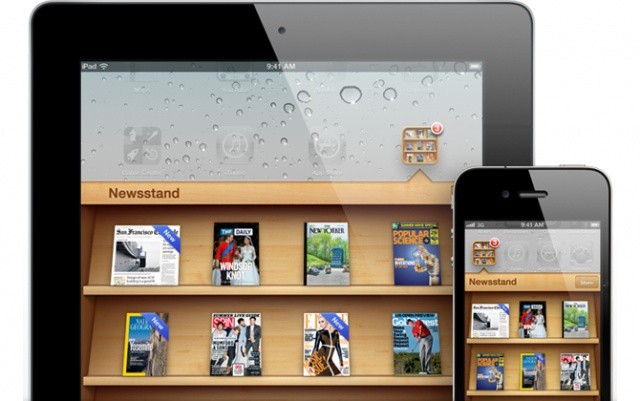
Hearst, the publishing conglomerate that includes several of the world’s largest magazine brands, sees a bright future of iPad and tablet editions. Duncan Edwards, CEO of Hearst Magazines International, delivered some surprising statements as to what that future will look like at this week’s World e-Reading Congress in London.
The most surprising statement was that Hearst doesn’t plan to include interactive content in its digital publications despite work done in the company’s little known App Lab and the belief that users will pay more for a digital edition. Edwards also described mix of devices used by Hearst digital subscribers. That mix is headed up by the iPad but with Barnes & Noble’s Nook platform right behind it.
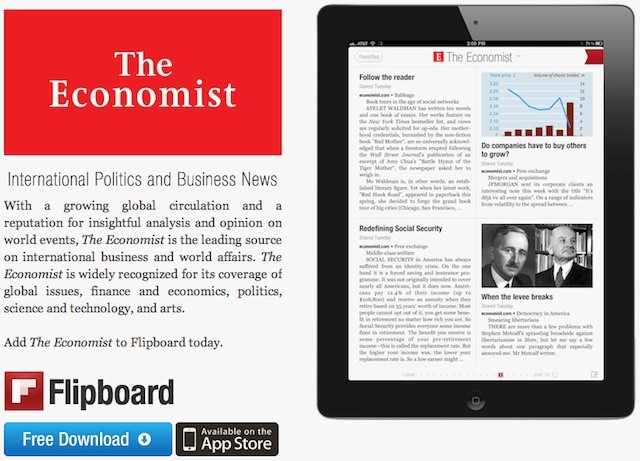
Apple’s Newsstand feature wasn’t without controversy as the company rolled it out. Issues around Apple’s control of subscriptions as well as the company’s 30% cut of content sales were hotly debated last year. However, with Newsstand a hit, publishers (and Apple) are reaping $70,000 a day from it.
And, if publishing execs everywhere agree with The Economist’s CEO Andrew Rashbass, that controversy is dead and buried – and it’s other iOS digital distribution models that pose a threat to publishers.
Google’s beautiful magazine-esque news reader has received its first major update today. The update takes care of a slew of issues but most importantly, it takes care of the painfully slow syncing. Users will now have instant online sync as well as sync speeds 7x faster than the previous version. Other improvements to the app include:
It’s pretty clear that digital distribution is going to play a large role in the future of magazines and newspapers. That doesn’t mean, however, that print editions are going away any time soon. For the foreseeable future, we’re likely to see print/digital hybrids while consumers and publishers test the waters of both digital products and distribution channels.
The road to digital hasn’t been a smooth ride for many publications. Part of the reason is the lack of resources being devoted to creating engaging and immersive digital content that doesn’t feel as if you’re simply reading a PDF of the print edition.
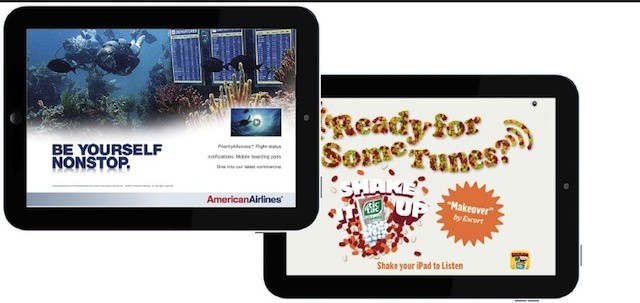
One big area where publisher are still failing is advertising – despite excellent interactive ad systems like Apple iAd, publishers are still stuck in a print mentality when it comes to ads. In fact, according to a new study, publications often simply toss the exact same print-formatted ads into digital editions that run in their print counterparts.
The iPad’s new Retina display is going to look fantastic. Reading text, for instance, is going to be like reading text in a real magazine, only brighter. This is great news for us, the readers, but not so good for the designers and publishers. Why not? Because many iPad magazines use bitmap images to make their pages. At normal resolution, this works out to perhaps 150-300kB per page, according to David Sleight of Stuntbox. When resized for the Retina display, that goes up to 2MB. Per page.
Apple has been embracing subscription-based iOS applications for some time, such as those that offer magazines and newspapers, but the same model did not appear for iOS games until earlier this week, when the Cupertino company approved a title from Big Fish Games that offered gamers the opportunity to pay a monthly fee of $4.99 to access the companies entire catalog through one app.
When the title hit the App Store, it was reported that Apple had begun accepting subscription-based games for iOS, and that the new release from Big Fish could be the first of many games to offer a similar service. However, Apple has quickly put a stop to those dreams after it pulled Big Fish’s title from the App Store.
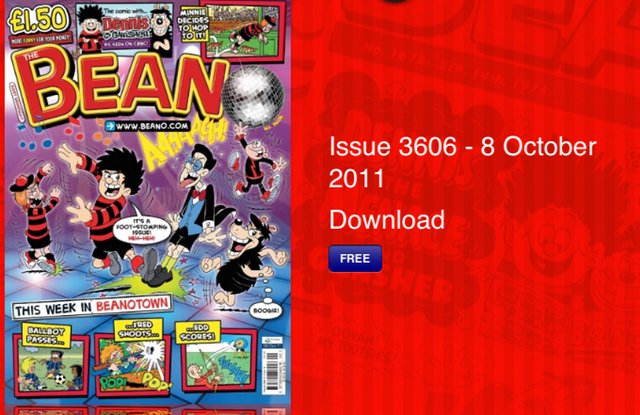
Iconic Brit kids comic The Beano has made its debut on the iOS App Store, with a hidden treat inside for kids: five free issues for the grabbing.

Once is a new photography magazine for iPad, but it’s one with a nice twist: the publishers plan to share income with the contributors.