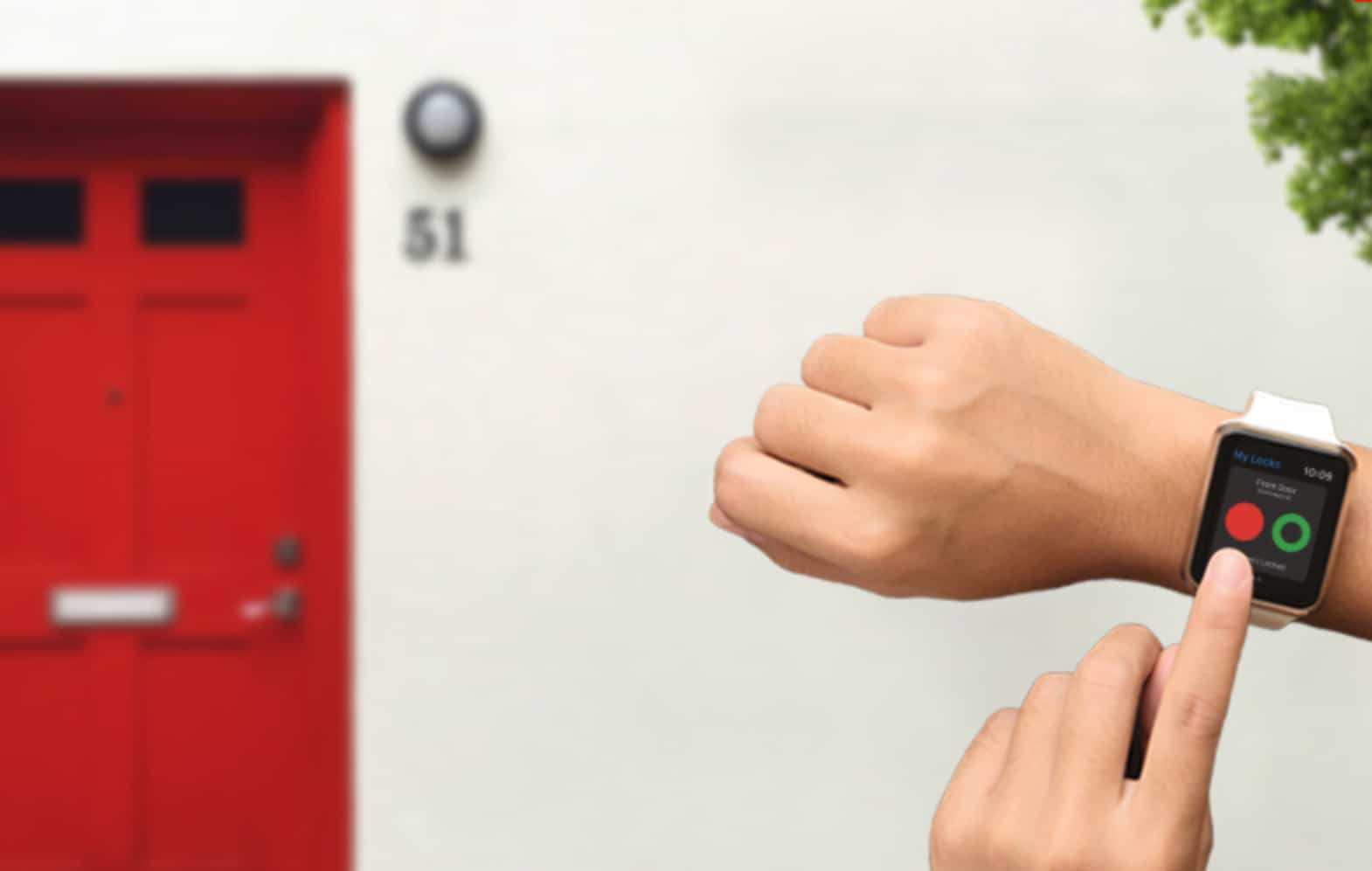
It’s all thanks to the August Smart Lock. Photo: August
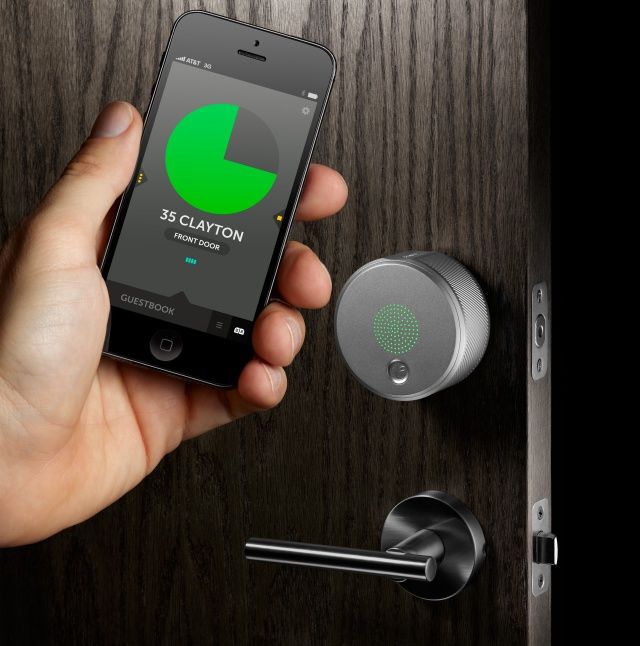
If you’re forever losing your keys, why bother using them at all? Now you can unlock your doors using your Apple Watch, thanks to the August Smart Lock.
It’s one of the easiest and fastest ways to get into your home, and you don’t even need your iPhone.
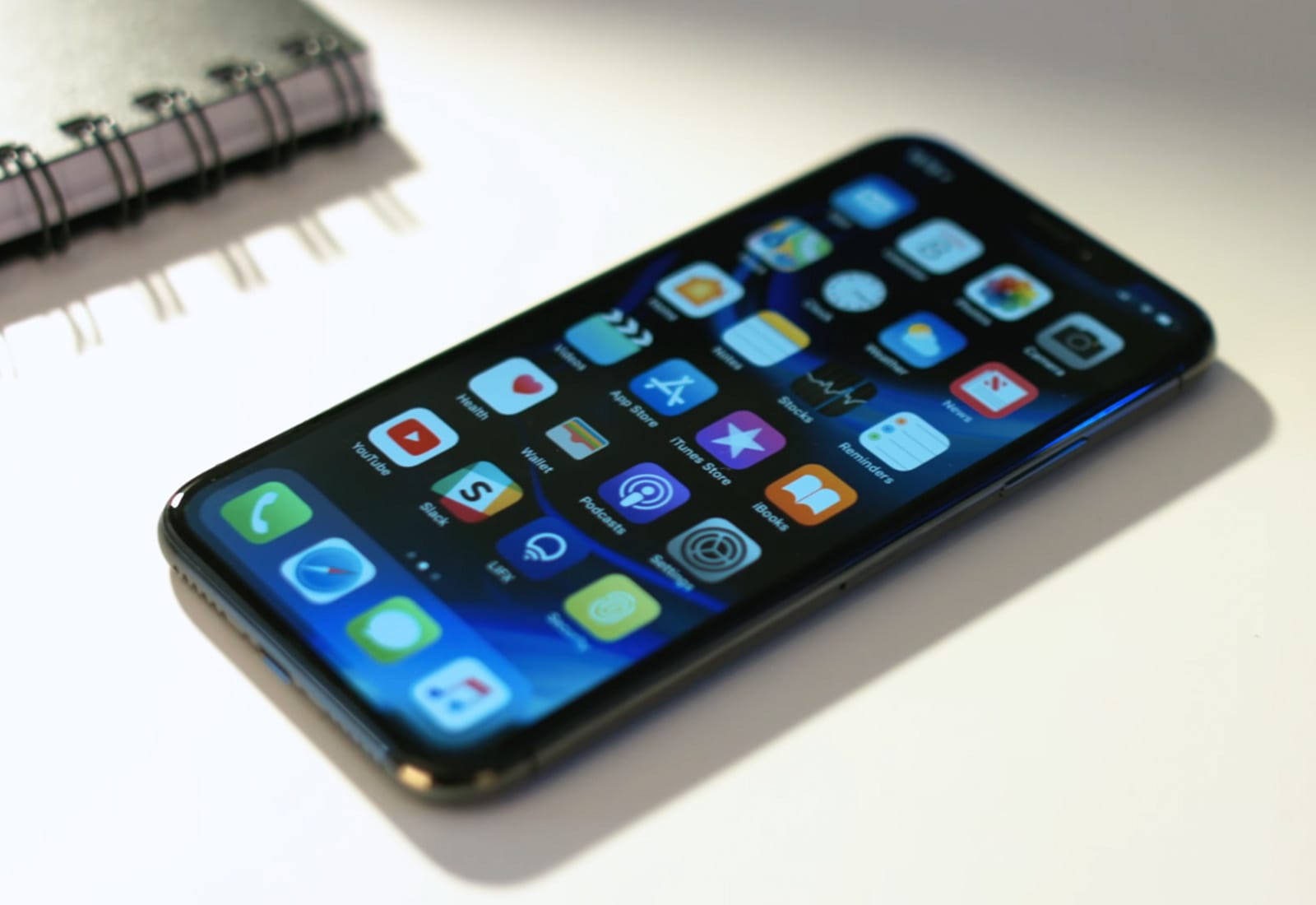
Ready to ditch your iPhone X already? There's still time to get a great price! Photo: Ste Smith/Cult of Mac
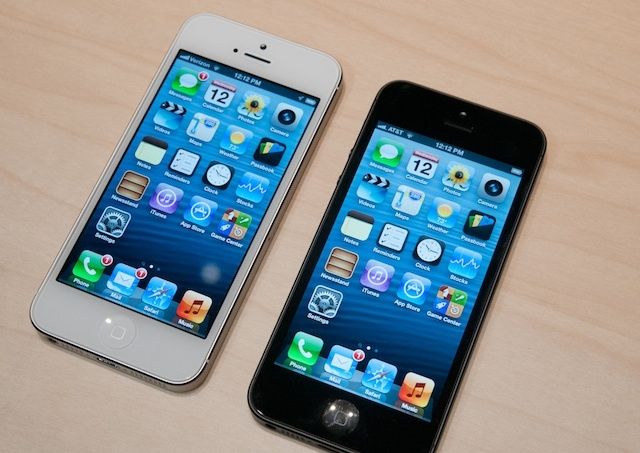
Verizon plans to start locking all phones, including iPhones, to its network for a certain period of time. The carrier is hoping the move, which will prevent customers from using other SIM cards in Verizon devices, will help it fight theft.
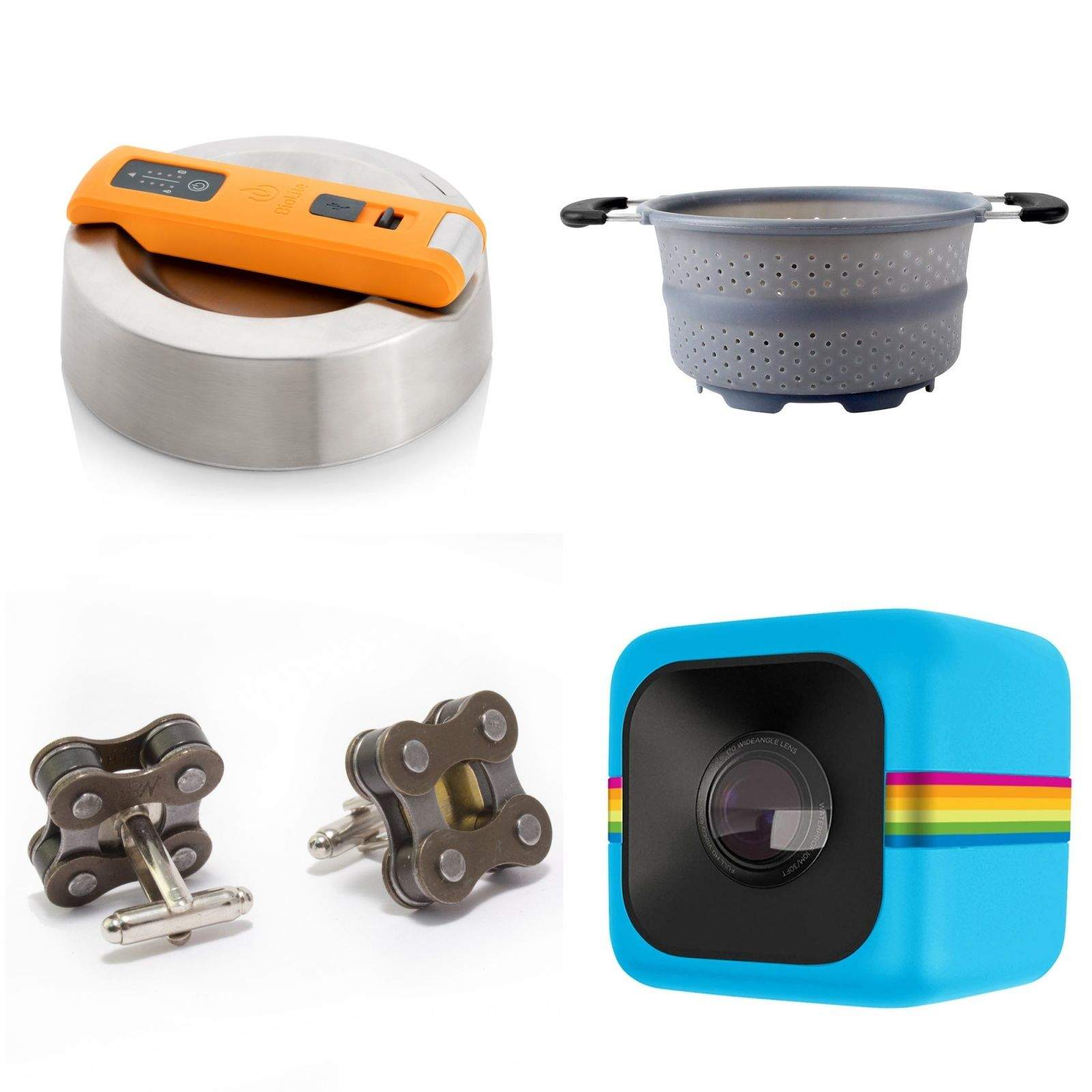
Cooking, charging, carrying and, uh, cufflinking. Yes, this week’s Gadget Watch is all about the c-word. We even have a cubic camera, a keyboard with a nipple (which doesn’t start with "C" but it’s close -- and clicky).
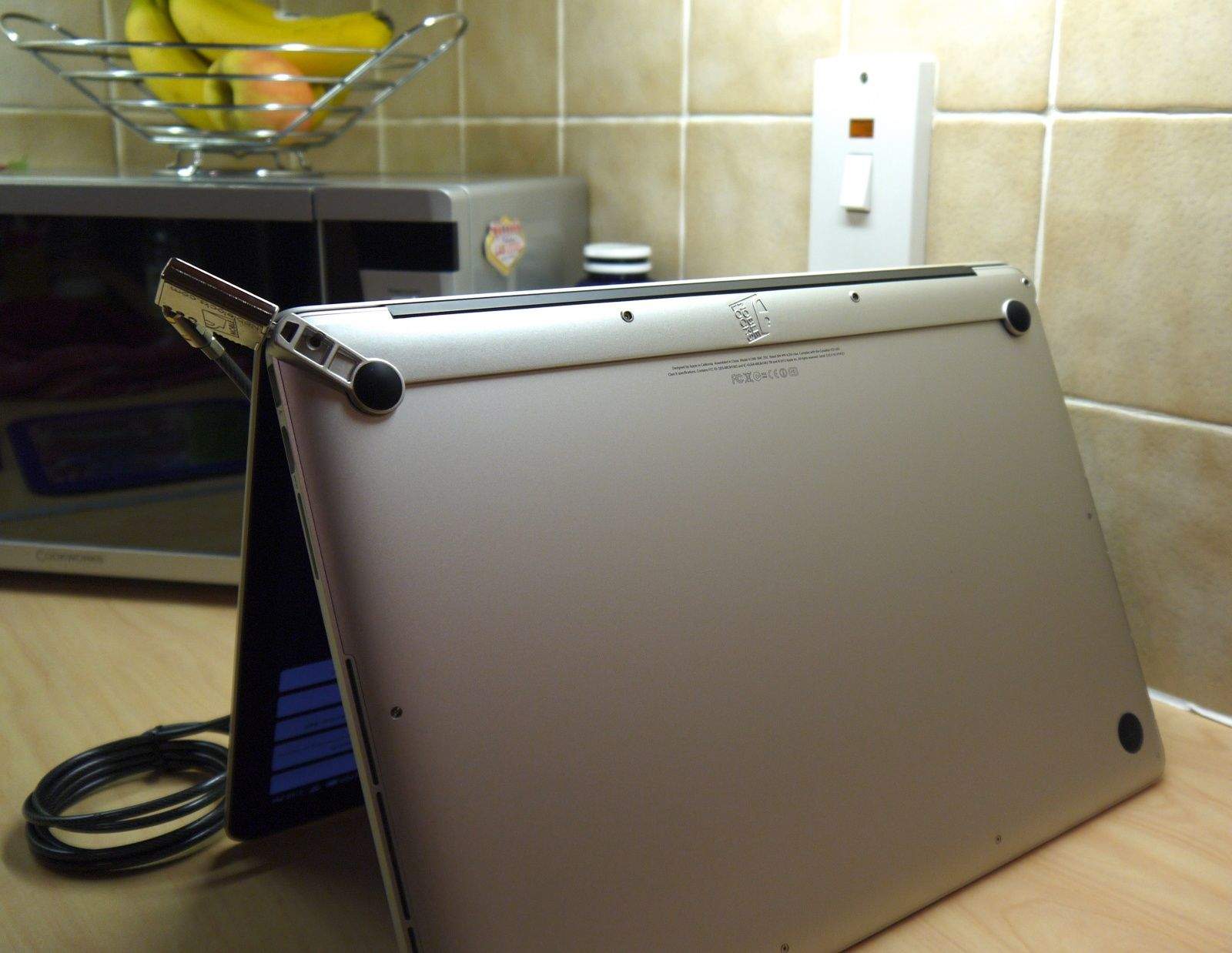
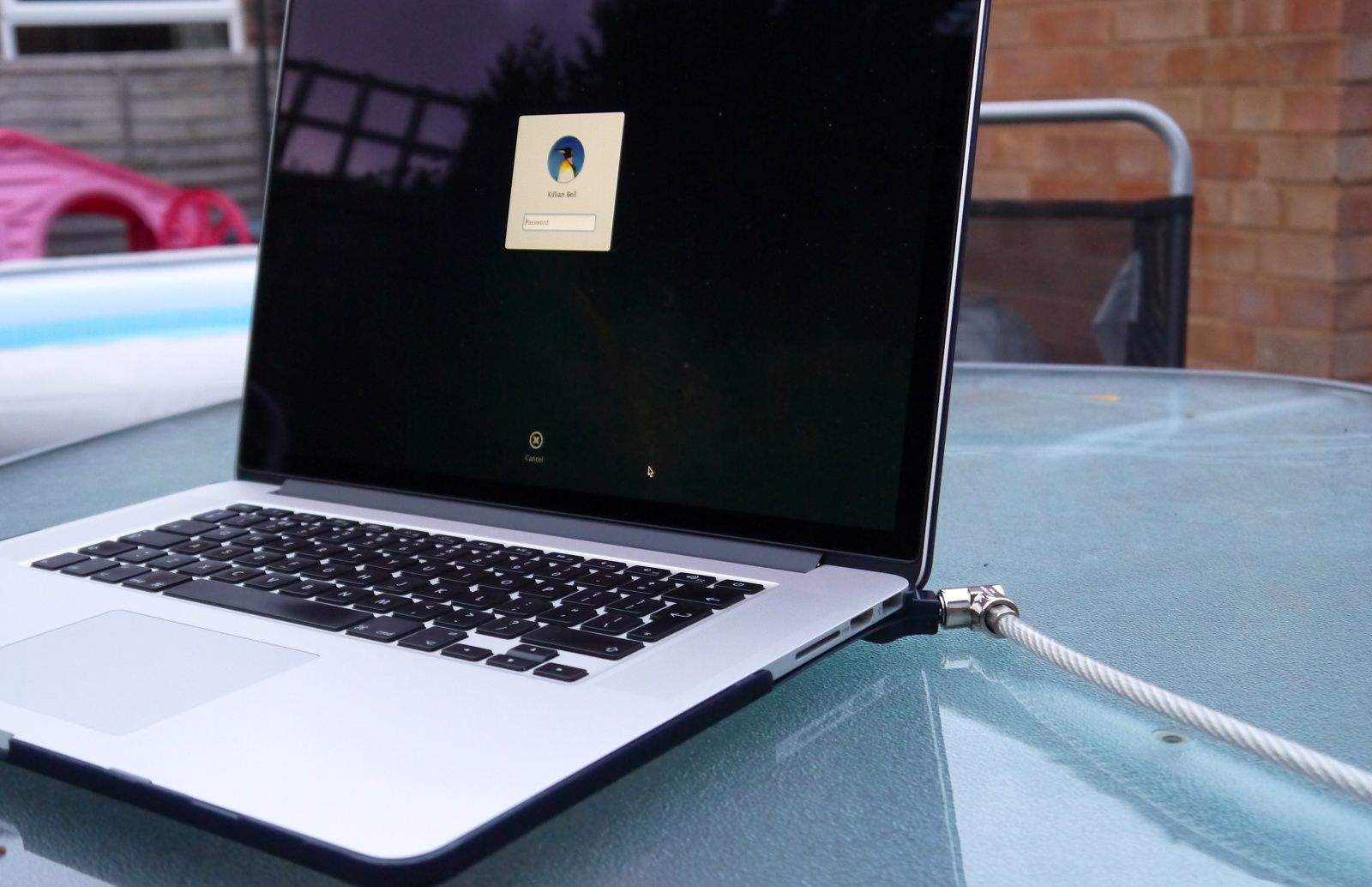
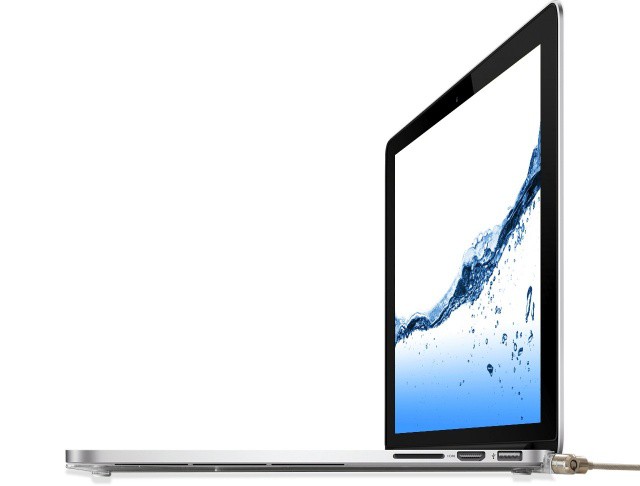
A couple of weeks ago, I reviewed the Maclocks Lockable Cover for Retina MacBook Pro, and although I had a lot of praise for it, I mentioned it my verdict that there was another Maclocks lock I preferred. That’s the Wedge Lock Bracket, which is the closest you’ll get to an integrated lock for your Retina MacBook Pro.
Wedge Lock Bracket by Maclocks Category: Locks Works With: Retina MacBook Pro Price: $59.95
Older MacBook Pros — those that don’t have a Retina display — have a Kensington lock built-in, but in an effort to save space and make the new models really thin, Apple did away with that, as well as things like FireWire, traditional hard-disk drives, and the optical drive.
That poses a security risk. If you work in a public place, or you frequent to Starbucks to get stuff done while on a caffeine high, then you need a way to prevent your MacBook Pro from being stolen when you leave it unattended.
And I think the Wedge Lock Bracket, which screws into the bottom of your MacBook Pro and almost looks like it’s a part of it, is the best and most elegant solution.
In order to make the Retina MacBook Pro so thin, Apple had to make some sacrifices. One of those was doing away with its optical drive — which is no longer an issue for most in the digital age — and another was using flash storage rather than old-fashion hard-disk drives.
Lockable Cover by Maclocks Category: Locks Works With: Retina MacBook Pro Price: $24-$31
But Apple made another, slightly more subtle change that the average consumer may not have noticed. It did away with the Kensington lock, providing users with no way to secure their device to their workstation to prevent it from being stolen.
Fortunately, Maclocks has a number of solutions to solve this problem, and I’ve been testing two of them over the past few months. First up is the Lockable Cover, a protective case that covers the top and the bottom of your MacBook Pro, and adds a lock to its base that you can plug a universal security cable into.
The Lockable Cover costs $24.71 on its own, or $30.90 if you need the security cable as well. That’s a small price to pay to protect your beloved notebook when you can’t always keep an eye on it, but is the Lockable Cover worth it?
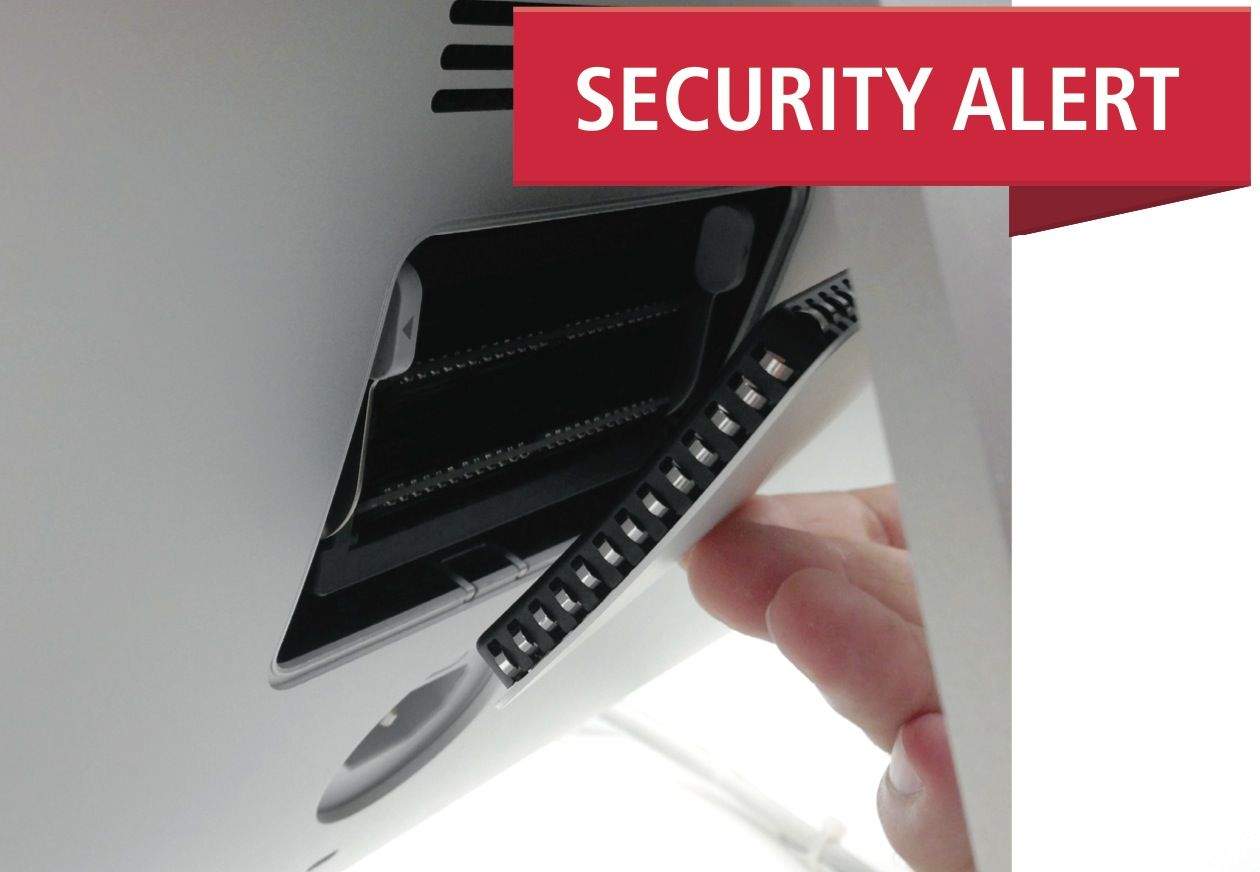
Apple made it super easy to upgrade the RAM in its latest 27-inch iMac — so easy that hotels, schools, and corporations are now trying to prevent guests from stealing the RAM from their machines. But thanks to the new iMac lock and security kit from Maclocks, it’s no longer an issue.
For just $50, iMac owners can add a protective plate to the back of their machine that prevents the power cord from being removed, which in turn prevents the RAM panel from being ejected from the machine.
Designed by the makers of the Jawbone fitness band, August brings the concept of sharing a key into the 21st century.
A sleek, hi-tech deadbolt and companion iPhone app allow you to unlock and lock your door without the need of a physical key. Access codes for your lock can even be sent to friends and family using the August app.
QuickLock is a terrific little tool from ThinkDev that makes it quick and convenient to lock your Mac when you leave your desk. It sits in your menubar out of your way, and a click (or a keyboard shortcut) is all it takes to keep your Mac safe.
With the latest version of QuickLock, users can enjoy a brand new interface and a number of new features. Best of all, it’s completely free.
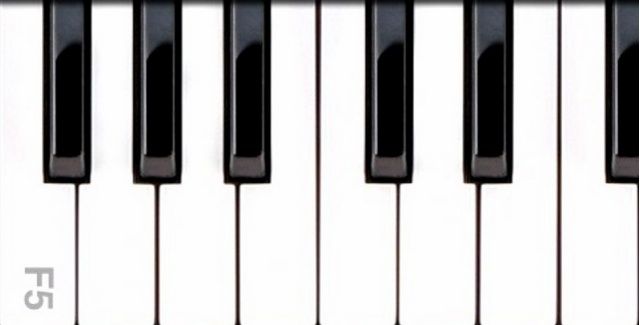
There are a number of tweaks for jailbroken iOS devices that add alternative security measures to your lock screen, but Piano Passcode is possibly one of the craziest. Rather than typing a code or drawing a pattern, you have to play it a tune on a set of virtual keys.
Lawsuit hopes to prevent iPhones from being locked to certain carriers.
Two iPhone users claim Apple has violated the Sherman Act and the Digital Millennium Copyright Act by locking their handsets to the AT&T network without their permission. They’re now suing the Cupertino company in an effort to get their iPhones unlocked, and for monetary damages. They also want a restraining order that will prevent Apple from locking its smartphone to carriers completely.
Add a security lock to your new MacBook Pro to ensure it isn't an easy target for coffee shop con men.
In an effort to create the thinnest, lightest MacBook Pro it has ever released, Apple did away with a number of features that MacBook Pro users have become accustomed to, including the Kensington security lock. That means, of course, that you can no longer secure your $2,800 notebook to a table in Starbucks, and that it could easily be stolen from right under your nose the second you get up to order another cappuccino.
But Maclocks has a solution: the world’s first MacBook Pro security case and lock.
iPad task bar displaying the screen orientation lock on the left.
[polldaddy poll=4138392]
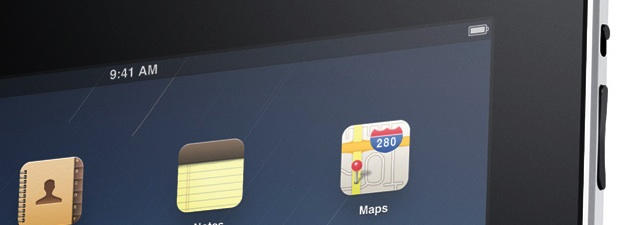
Apple released iOS 4.2.1 for the iPad and true to their word converted the iPad switch from screen orientation lock to mute and un-mute. If you’ve had an iPad since it launched you’ll understand how convenient that switch can be when using your iPad. Of course, this change brings the iPad into alignment with the iPhone. The iPhone switch has always been used to mute and un-mute that device.
Both devices now use the switch in the same way and the screen orientation lock has been moved to the running tasks bar which is accessible by double-tapping the Home button and swiping to the left.
When the iPad was first announced, the little “lock switch” was originally intended to be a mute toggle. When the product launched, it was a “screen orientation lock”. Apparently it’s headed back for mute purposes. I think it’s a shame, as I see several paths to more usefulness.