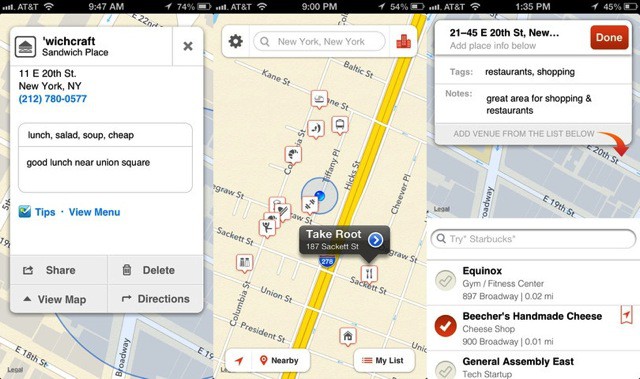
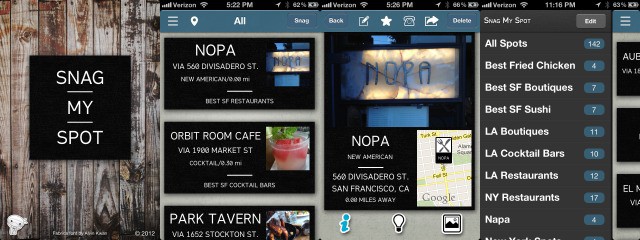
Capsule is another “save your place” app, where by “place” I mean “actual location” and not your current page in a book. This one has a beautiful UI and ties in with Foursquare’s database to let you search and pinpoint locations quickly.
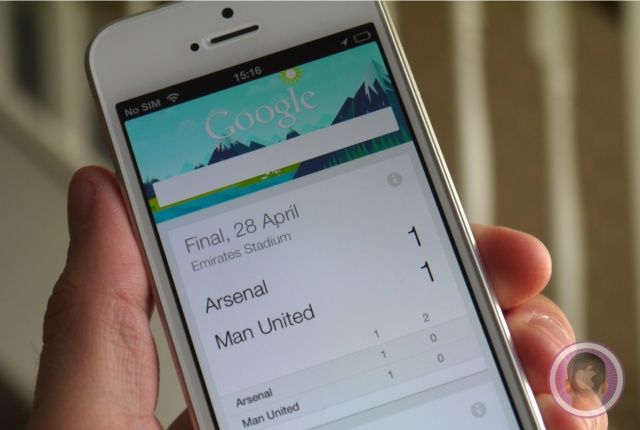
Google updated its Google Search app earlier this week to introduce Google Now to iOS. The feature brings Android’s awesome digital assistant to your iPhone, iPad, and iPod touch, allowing you to get information like the weather, sports scores, and travel assistance all in one place.
But many users have found that it also has a significantly negative affect on battery life. Because many of Google Now’s “cards” rely on location data, the service constantly gets updates on its whereabouts from nearby cell towers and Wi-Fi hotspots, and this means it’s eating away at your battery all the time.
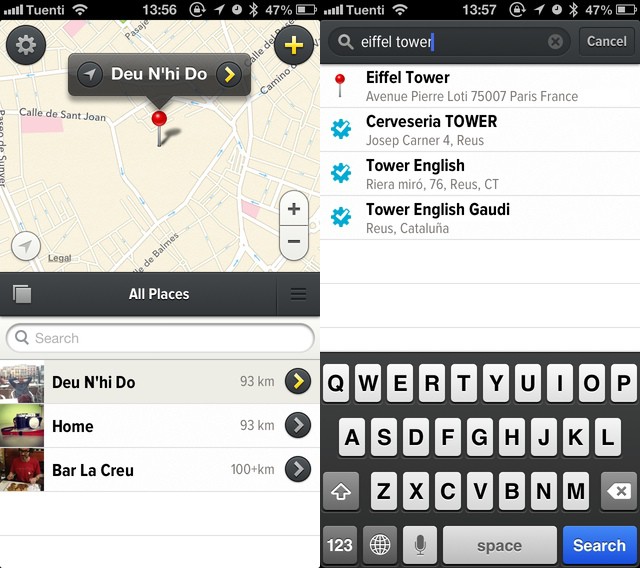
Remember Rego? It’s the place-saving app whose name means “asshole” in Brazil, and which lets you check-into and remember locations without sharing them.
When the app launched a couple of weeks ago, I moaned,whined and complained endlessly about the lack of a search function for places – you just had to swipe and pinch your way there manually. Now v1.1 is here. And it brings search, accessing the Foursquare database, as well as using Apple Maps search and grabbing places from your contacts.
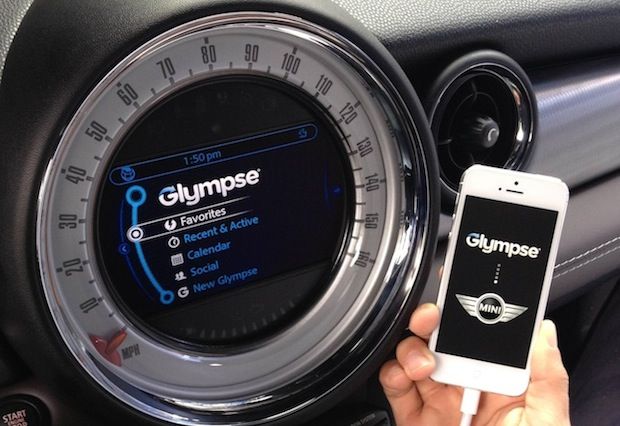
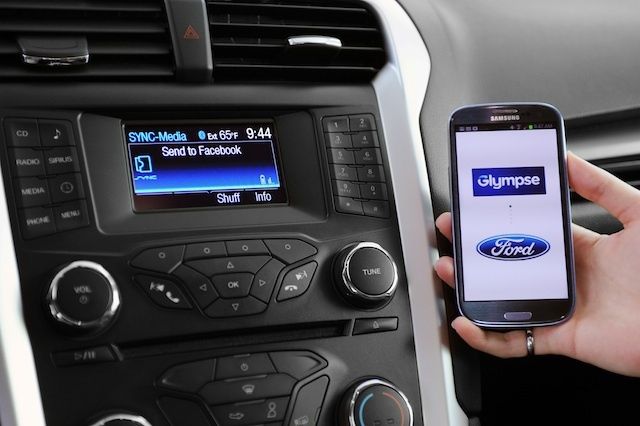
Glympse is a clever — and potentially lifesaving — feature that we’d love to see in more smartphone-connected cars.
It started out as a free app that can broadcast the user’s location to selected contacts, Facebook friends or Twitter followers. But it’s become a valuable tool for drivers of smartphone-connected Fords and Merecedes-Benzes, allowing them to broadcast their location without taking their hands off the steering wheel.
Now BMW and Mini have partnered with Glympse, raising the marque total to four.
LAS VEGAS, CES 2013 – By now it should be obvious to anyone that doing pretty much anything besides actually driving while driving is inherently dangerous — more so when a hand is taken off the wheel, and even more so when focus is split between driving and a phone screen.
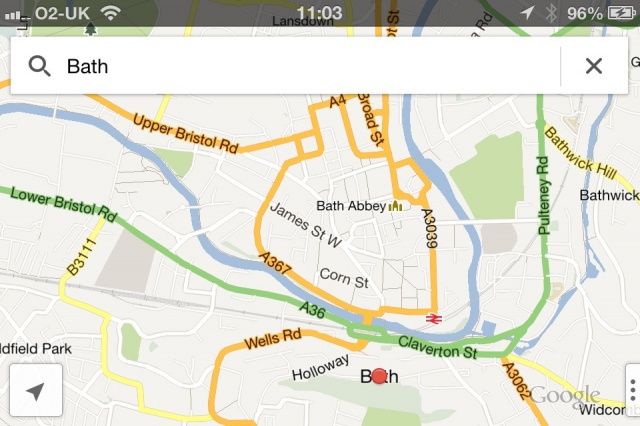
Three months after the release of iOS 6 and the subsequent PR disaster that was Apple’s renewed (and Google-less) Maps app, Google has got a replacement back into the App Store. It’s slick, speedy and, most importantly, a good deal more accurate than Apple’s data. Thank goodness for that.
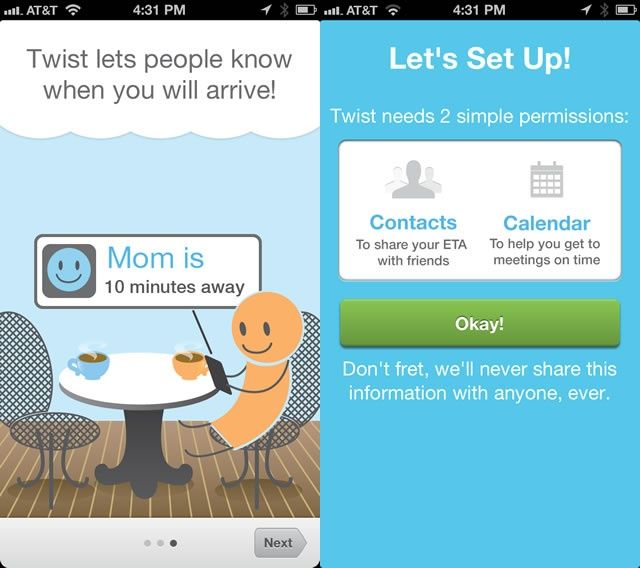
If you’ve spent some time with last week’s app tip, Glympse, you’ll know it’s pretty handy to send your location info along to friends, family, or co-workers. One feature that is missing from Glympse, however, is an automatic message about when you’ll be there.
Twist, another iOS app that helps you keep folks you’re meeting up with aware of where you are, has just that — an automatic ETA message.
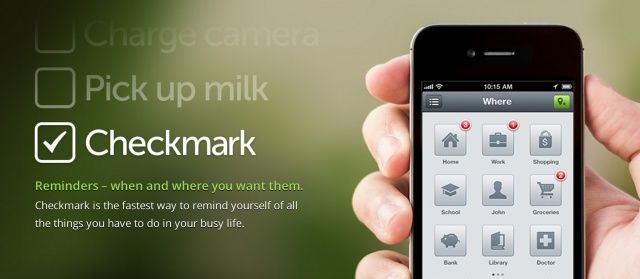
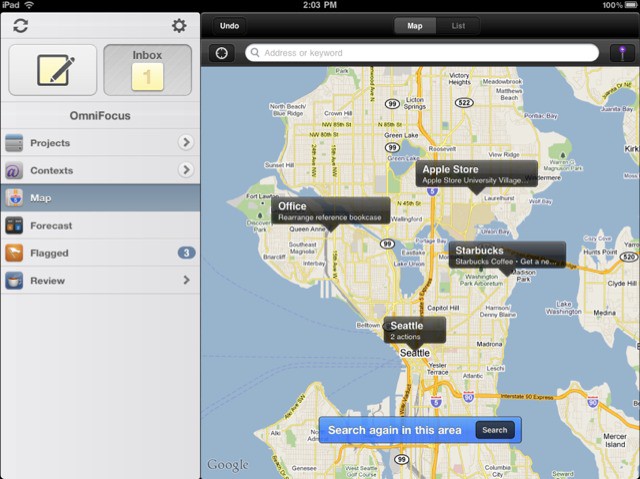
Here at Cult of Mac, we love Checkmark, the terrific task management app for iPhone. In fact, we think its awesome location-based reminders make it the perfect alternative to Apple’s own Reminders app. If you haven’t already discovered it yourself, then now’s the perfect time, because Checkmark is on sale for $0.99 just this week.
Did you ever find yourself walking down a neighborhood street and coming across a heretofore unknown (to you at least) restaurant? Did you promise yourself that you’d check it out next time you were in the mood for pizza/Indian/sushi/brunch?
And did you totally forget where it was when the time came? Then Snag My Spot is for you.
Do you know which apps are accessing your personal data?
Antivirus software specialist Bitdefender has found that nearly 19% of iOS apps access your address book without your knowledge — or your consent — when you’re using them, and 41% track your location. What’s most concerning is over 40% of them don’t encrypt your data once it has been collected.
That’s all going to change when iOS 6 makes its debut later this year, however.
When it comes to using mapping APIs on mobile, it’s hard to think about any name other than Google Maps. However, the truth is that Google Maps doesn’t fit the needs of every developer and/or company. Thankfully we live in a country that allows competition and choice (even though large companies continually try to squash it). There is, in fact, a broad number of mapping solutions available to developers, and with Apple and others recently abandoning Google Maps, we’ve seen a spark of interest in these alternatives. One that’s been working hard to provide a viable option to its customers is deCarta.
As usual, Lonelysandwich (aka. Adam Lisagor)’s video is hilarious and makes you want to buy the product right away (remember the Jambox?). Checkmark is a soon-to-be-released iPhone app which makes setting (and forgetting – for now) location-based reminders easy, and effective.
Sick of forgetting to pick up that [insert household item here] every damn time you visit the grocery store? You need Checkmark.
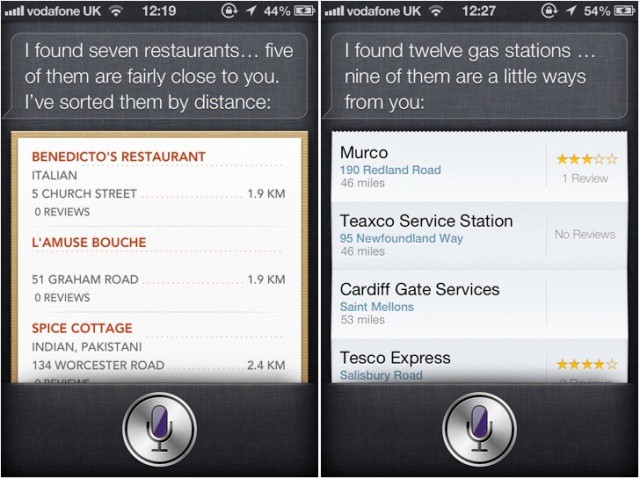
Being a Brit, one of the most disappointing things about Siri is that it doesn’t support location services in the United Kingdom. Unlike iPhone 4S users in the United States, I can’t ask Siri to find me a nice restaurant nearby, or for the nearest gas station. However, that’s no longer the case in iOS 6, because Siri now supports location services internationally.
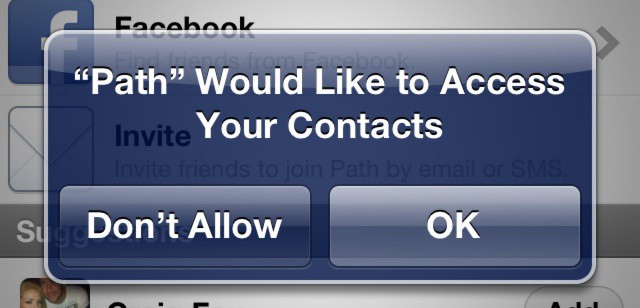
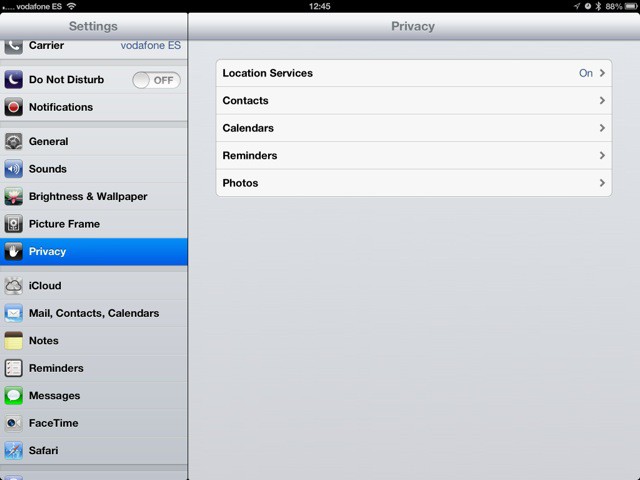
The iOS6 beta brings much finer-grained controls to the privacy settings, letting you specify just what services any app will have access to. Previously you’d get an alert whenever an app wanted to know your location. Now you’ll see the same kind of alert when apps ask to use data from your calendars, contacts, reminders and photos.
More mobility requires more security options that just a username and password
There’s plenty of news out there about the way mobile technology, BYOD programs, and other facets of the consumerization of IT trend are reshaping the workplace and the IT department. The traditional daily routine of typing a username and password into PC in the morning, using that computer all day long, and shutting it down before heading home is gone for many of us.
Today, we use a mix of devices in the office, during meetings, on the road, and often from home. That mix of devices, a range of different apps, cloud services, and remote access empowers us in ways that were unimaginable a few years ago. In this new workplace, however, do we need something more than the old username and password to make resources available and keep them business data secure?
Reminders is a pretty slick to-do app, made by Apple for OS 5, that uses location and calendar data to help us remember the milk, our laundry, and any other important task we might need reminding for. Here’s a tip for the Reminders app that may be old news to some of you, but we’re betting that if we just found out about it, chances are there are other folks who haven’t noticed it, either.
Be a nosey neighbor with this real estate stalking app
You know the drill. You take a walk around a nearby neighborhood at dusk, when it’s dark enough that people have switched their lights on, but not late enough that they have closed their drapes. You glance through the windows and get a tiny, thrilling glimpse into their private world.
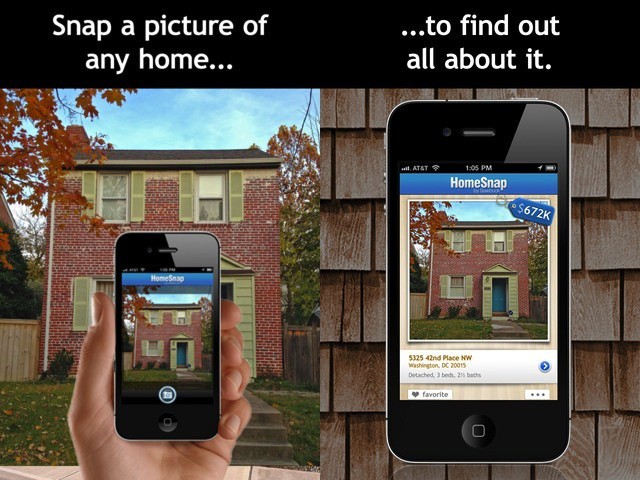
But what if you want to get even creepier? How many bedrooms does that house have? How much is it worth? Does it have heating? The answers to these questions can be had using an iPhone app called HomeSnap. Just snap a photo of the home, and it will pull up the details in seconds.
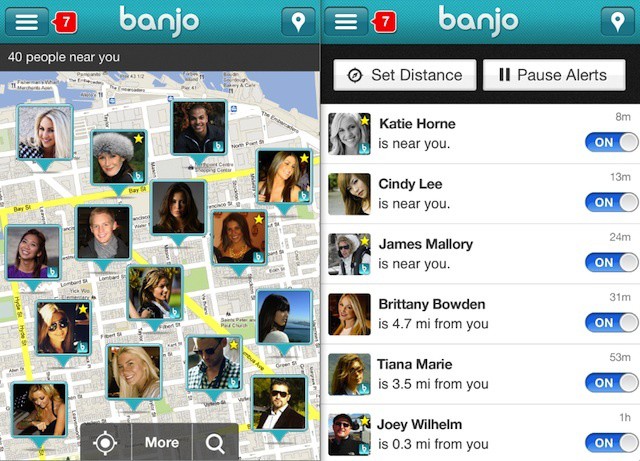
Spectacular and a little spooky; Ban.jo, an iOS/Android app that launched last summer, is startling in what it’s able to give the user: the realtime whereabouts of any friends who have location services active for any of (now five) different social media platforms.
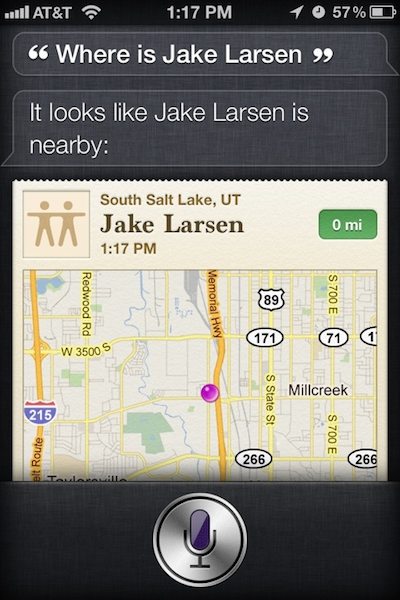
While the feature is currently still in beta, Apple is yet to extend Siri support to apps that aren’t already baked into the iOS operating system. But did you know that the company’s own Find My Friends app, which debuted alongside iOS 5 last summer, does include Siri support, allowing you to locate your pals using only your voice?
Apple has a long history of taking a technology created by Xerox and transforming it into the heart and soul of computing, such as the mouse or the concept of a graphic user interface. Now comes word Apple owns a Xerox patent for location based services. The patent could prompt Apple to sue a wide array of companies, ranging from Android-backer Google to social networking giant Facebook and any others relying on the ability to check users’ location.
Remember that court ruling in Korea last month that ordered Apple to pay out around $950 to the first person to sue over the whole Locationgate fiasco? Well, we knew it wouldn’t stop there.
27,000 users are now suing the Cupertino company for around $930 each — that’s a whopping $25 million lawsuit.