FileWave offers desktop and iOS device application management
May is Mobile Management Month at Cult of Mac, where we will be profiling a different mobile management company every weekday. You can find all previous entries here and read our Mobile Management manifesto here.
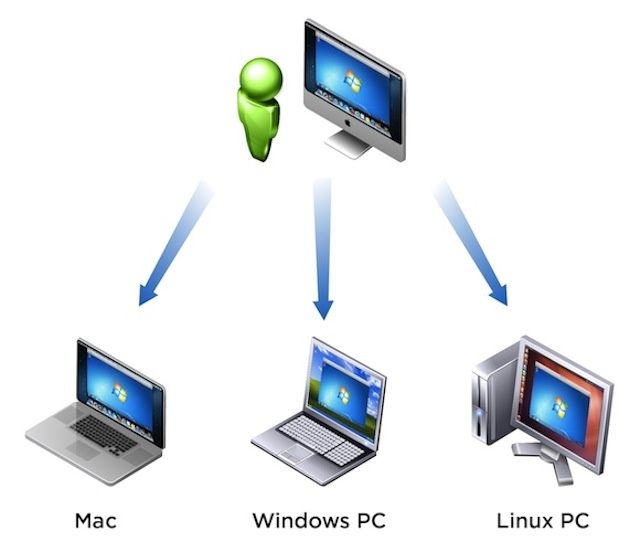
FileWave is a new entrant into the mobile management space but a longtime player in many business and enterprise environments. FileWave offer multi-platform file and application deployment and licensing management for all desktop systems across an organization. The company has a very impressive track record for both IT-managed and self-service provisioning and deployment that has made it a solid enterprise solution for companies with Macs, Windows PCs, and Linux desktops. More recently, the company has begun offering iOS device management functionality. For Apple-oriented businesses, the combination of desktop and mobile device application management makes FileWave a choice well worth considering.
Sure, Linus, you can run Linux on a MacBook Air, but why would you want to?
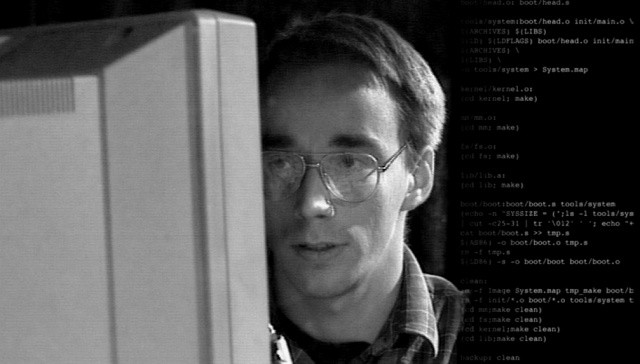
Linus Torvalds is not a huge fan of Apple products. He is, as he describes himself, a socks and sandal kind of guy, a tinkerer. Even so, the Linux creator is absolutely in love with the MacBook Air… and wonders why the hell other laptop makers can’t come out and release an ultrabook that’s worth a damn.
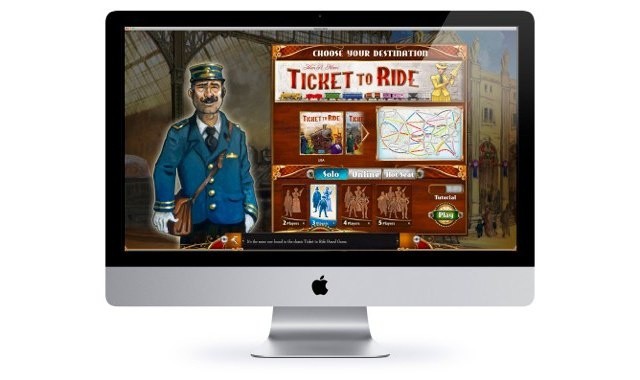
Ticket to Ride for Mac allows you to compete with players on PC and iPad.
Ticket to Ride has become one of the most popular board games adapted for iOS devices, selling 800,000 copies and picking up a whole host of accolades since its debut back in November 2011. It has now made the leap from iOS to the Mac and is available to purchase from the Mac App Store from today.
The Father of Linux, Linus Torvalds, could also have been the godfather of OS X
Built upon the DNA of NeXT OS, OS X is already one of the most well known Unix-based operating systems, but it could have been supercharged if the father of Linux, Linus Torvalds, had accepted a job offer from Steve Jobs back in 2000.
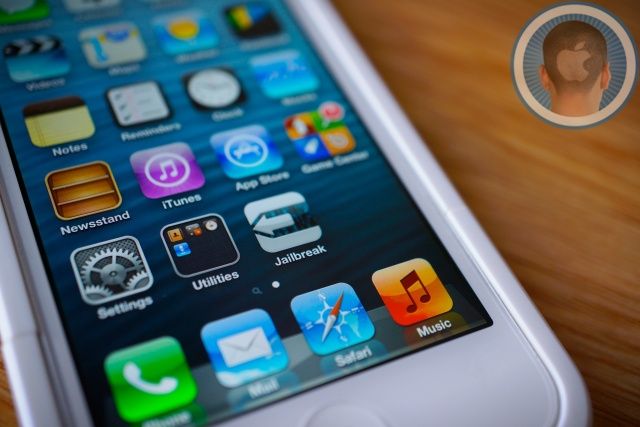
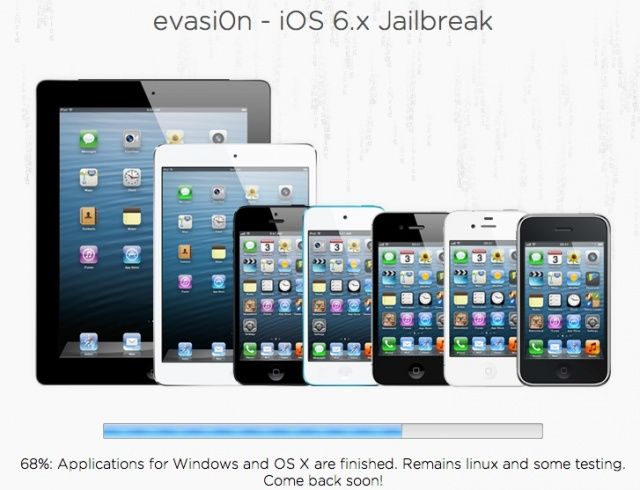
The Chronic Dev Yeam’s Absinthe jailbreak tool for iPad 2 and iPhone 4S owners has been updated to version 0.3. This latest update brings Linux support and minor cosmetic changes. A small bug fix for Windows users has also been included.
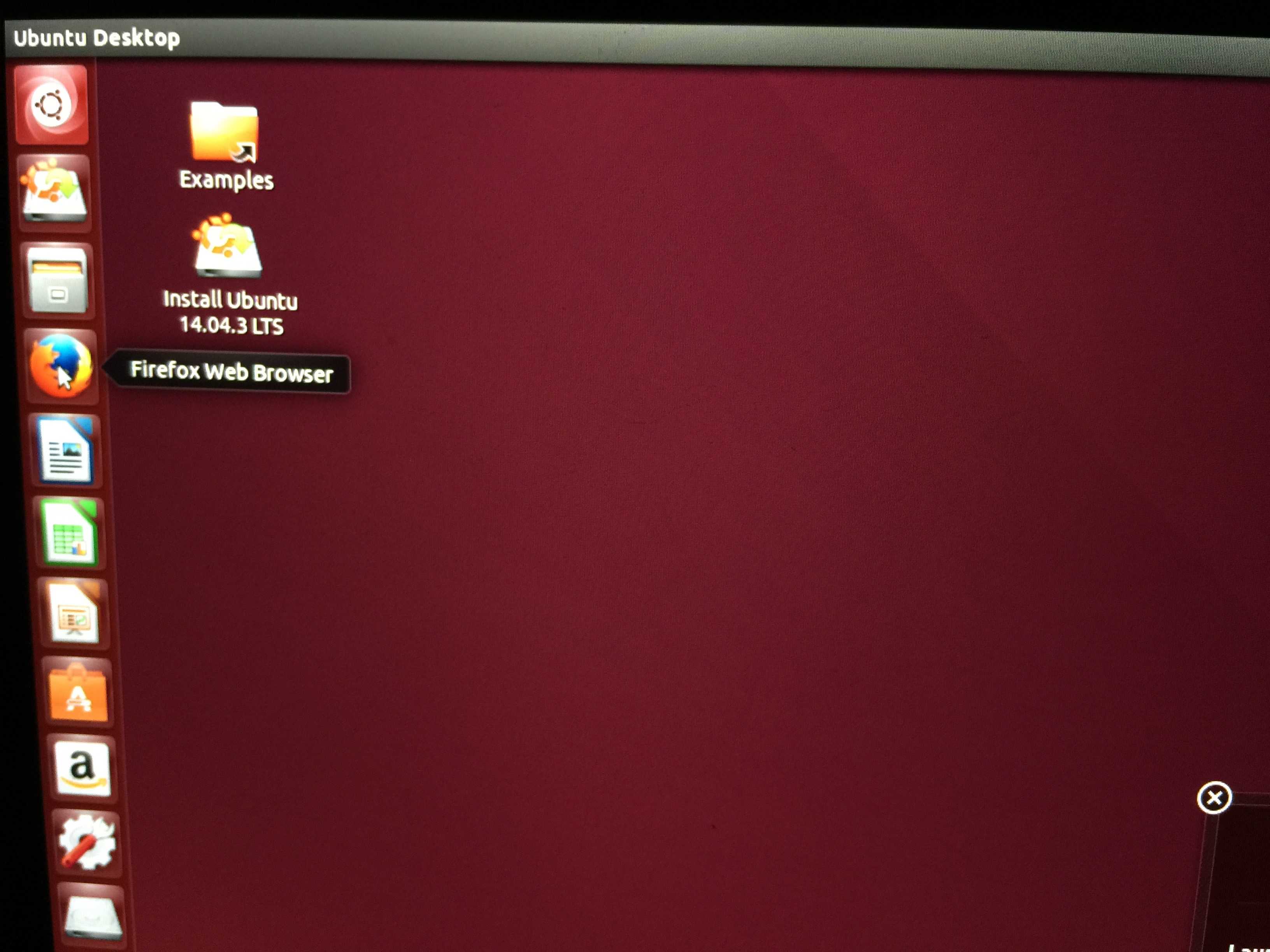
Meanwhile, over in the Linuxverse, the next release of Ubuntu looks set to try something pretty radical – ditching the top-of-screen Menu bar in favour of a type-what-you-need HUD panel. Rather like Spotlight for menu items, mixed with some Alfred and some Siri.
Nuance, a speech recognition company that powers Apple’s Siri service, has launched a new voice-controlled platform for television sets called Dragon TV. The service allows you to navigate your way around different content by “speaking channel numbers, station names, show and movie names” using natural language.
It’s everything you’d expect a Siri-powered Apple TV to be.
Sao Paulo, Brazil – Apple’s restrictive control measures and policies will ultimately fail, according to Linus Torvalds.
“Technologies that lock things down tend to lose in the end,” said Torvalds at the keynote of LinuxCon Brazil. (Cult of Mac is reporting from Sao Paulo; come to our Nov. 20 meetup for a chance to win a signed copy of the Brazilian edition of Leander Kahney’s “Inside Steve’s Brain.”)
Yesterday, I wrote a tip about using FileVault 2 encryption in Mac OS X Lion to encrypt a variety of external devices and SD cards. Although I like FileVault 2, I mentioned that it had some caveats.
The most glaring caveat is that media encrypted using FileVault 2 won’t work on other platforms. That might be fine in a home or business that uses only Macs, but it isn’t fine if you are also using computers running Windows or Linux.
Today I’ll show you how to encrypt drives that will work on computers running Mac OS X, Windows and Linux.
iEmu is a Kickstarter project from Chris Wade — one of the guy’s behind the first iPhone jailbreak — and his team, which is aiming to emulate iOS applications on Android, Mac and Windows devices. But is it really possible?