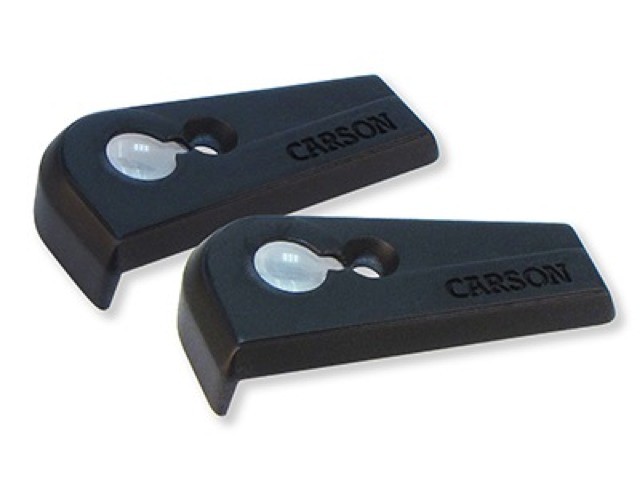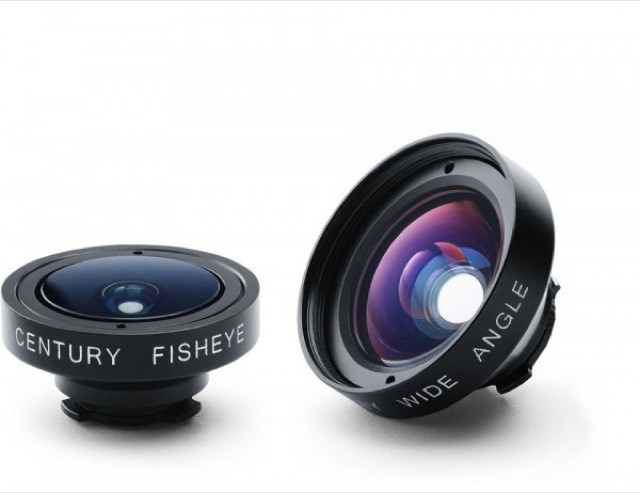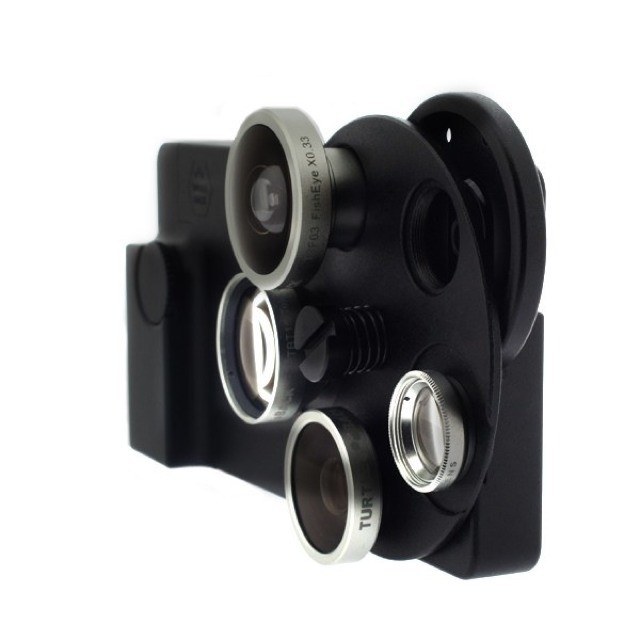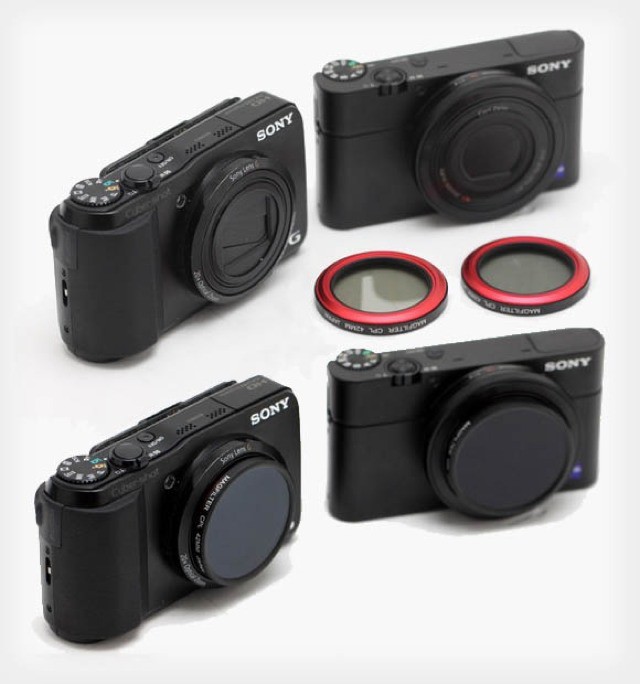
MagFilters are — surprise! — filters for your compact camera which are attached to the lens by magnets. Unlike SLRs and other interchangeable-lens cameras, compacts lack the interior thread on their lens which lets you attach these light modifiers, so MagFilters take a leaf out of the iPhoneographers book instead.
Got a set of those annoying lenses for your iPhone that attach via magnets? Me too. The results are great, but getting the magnets lined up to the metal donut surrounding the lens is a real pain.
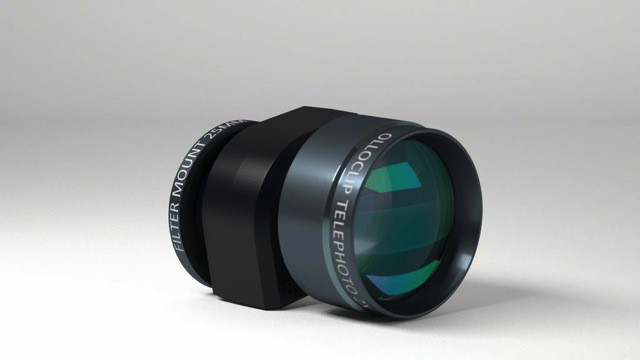
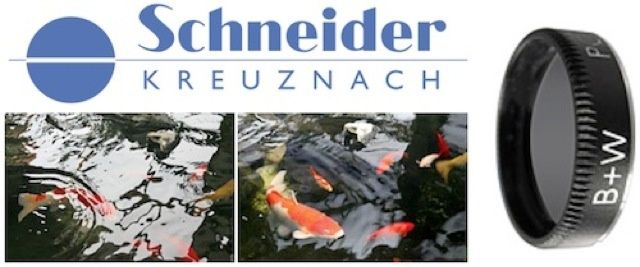
And so the following news is mixed. It's bad news because it uses the same dumb attachment system, and it's good news because it's a polarizer for the iPhone. And not just any polarizer, either. This one is made by legendary filter-monger B+W.
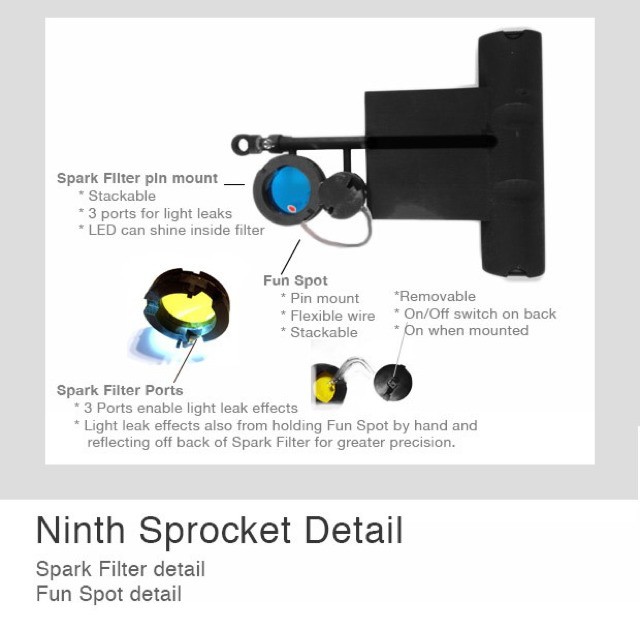
Like any good father, I love my Lensbabys. Screwed onto the front of my camera they distort the world just enough to make looking at it more interesting, and therefore make me take better photos. But for some, these lenses — which let the photographer move a "sweet-spot" of sharp focus around an otherwise blurred frame — are expensive novelties.
Well, they might still be novelties, but the new Lensbaby Spark are anything but expensive.
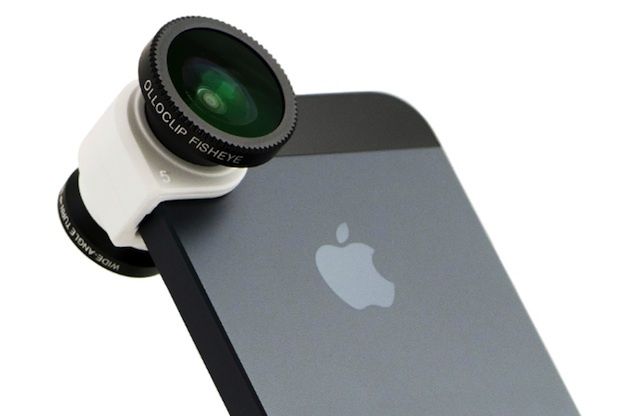
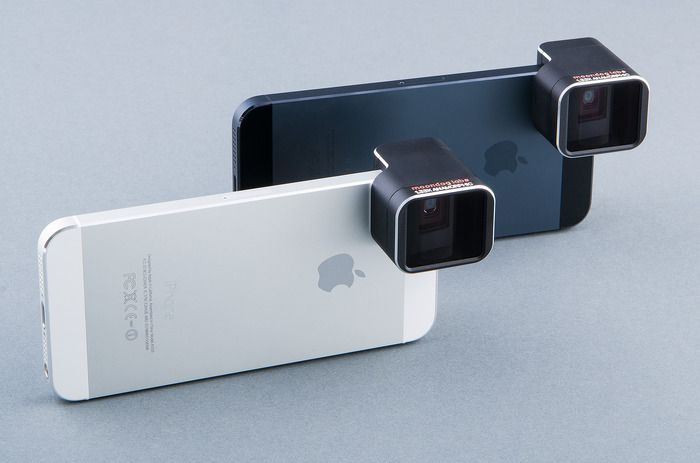
OlloCorrect corrects OlloDistortions from Olloclips.
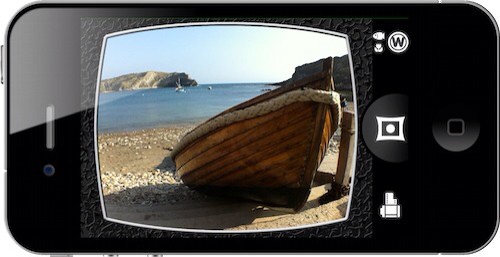
Olloclip users rejoice. Or rather, Olloclip users who really hate any kind of lens-induced distortion, rejoice! For now you can grab a free app which will automatically remove and correct any and all of the bends, aberrations and artifacts of your handy add-on lens.
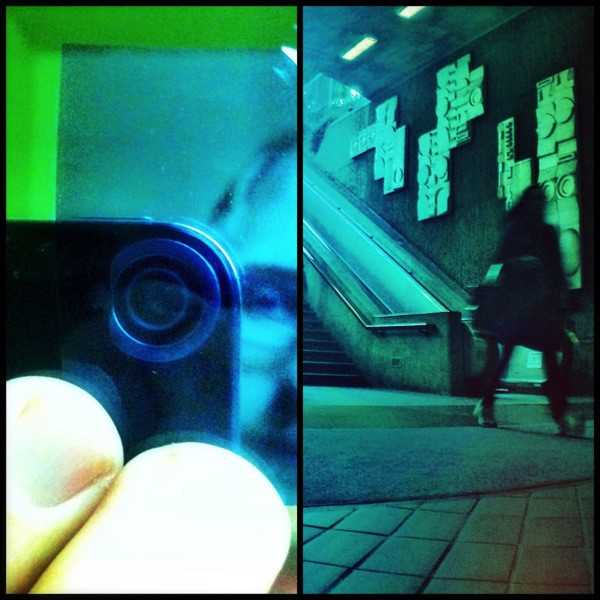
This plant was reflected in a silver book cover, rotated and then tweaked in Snapseed
One of the best things about using an iPhone to shoot your photos is the huge range of accessories you can buy to help out. But what if you’re on a budget? Or you just aren’t really into photography enough to spend more money? Or if you’re just bored today and feel like playing around?
Then you’re in the right place, because we’re about to take a look at DIY iPhone photo filters. And lenses. And other modifiers. And best of all, you probably have most of them around your home or office, ready for some instant procrastination. Let’s go!
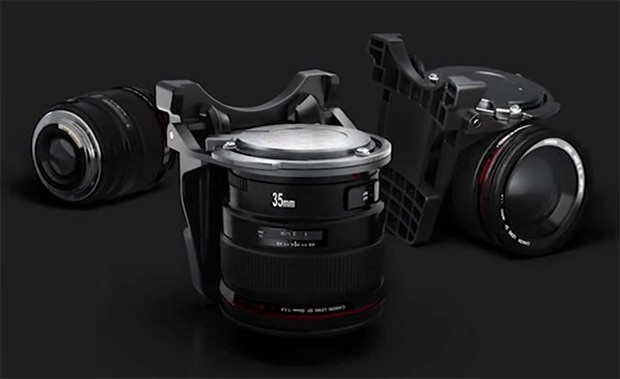
I imagine that every SLR user ever will want the QuickDraw.
QuickDraw is about as apt a name for a gadget as any we’ve ever seen. And the why-didn’t-I-think-of-that obviousness extends to its function: Quickdraw is a lens bayonet that hangs on your belt and lets you clip any spare lenses around your waist, read to for – you guessed it – a quick draw.
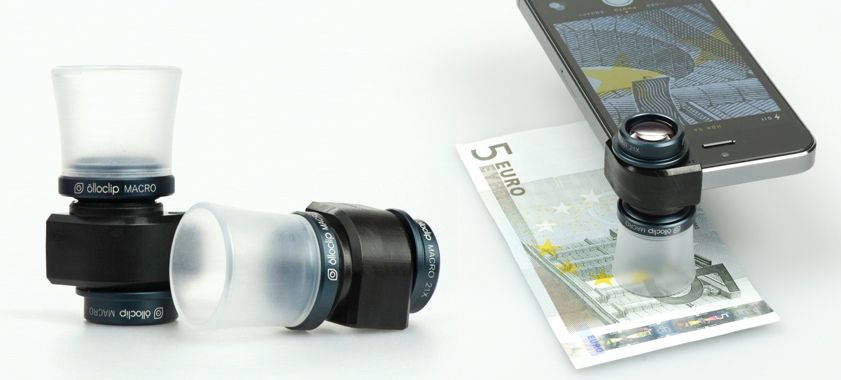
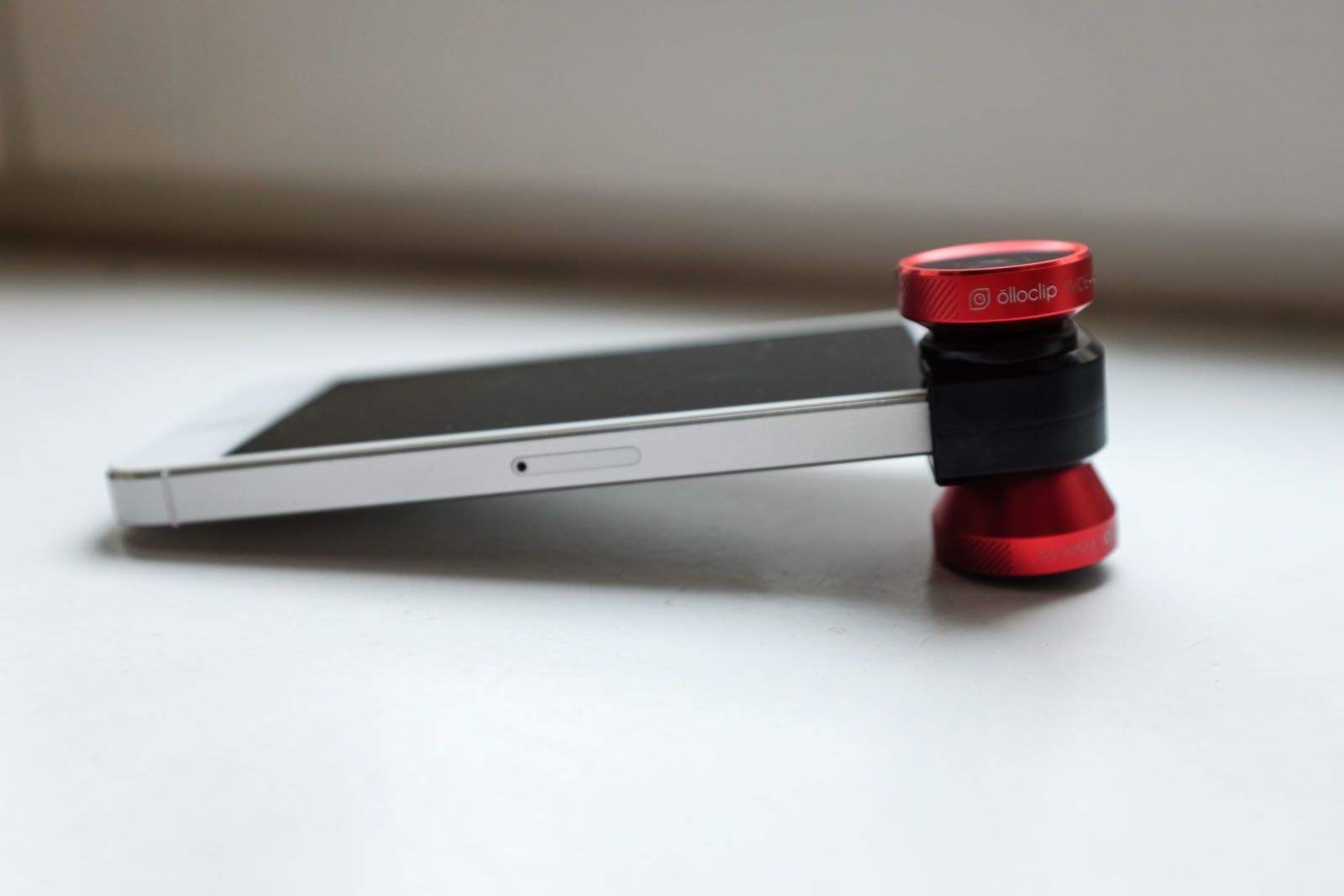
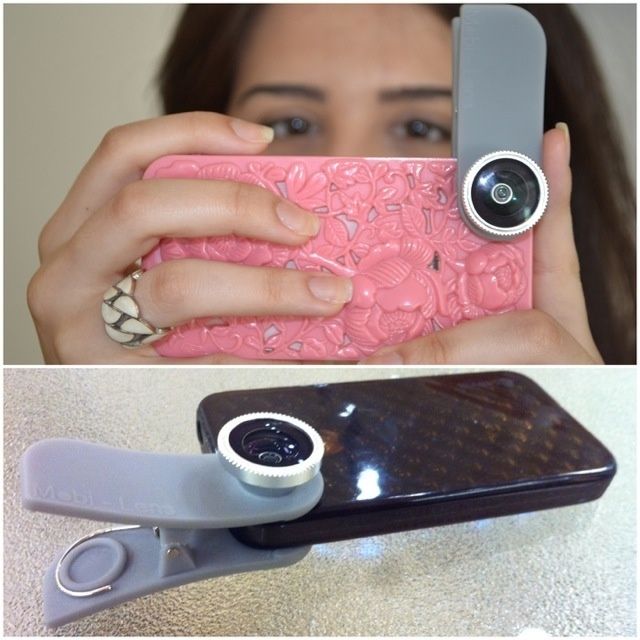
Mobi-Lens: Like the Olloclip, only more promiscuous.
If I owned an iPhone, then I’d already have bought the Olloclip lens, a clip on widget which adds fisheye, macro and wideangle lenses to the iPhone using a slip-over clip. It’s impossible to line it up wrong, and it fits in a pocket or bag. But I don’t have an iPhone. I have an iPad. And I hate futzing around with all the magnetic lenses I have: they’re easy to lose, easy to get dirty and impossible to line up. What I need is a Mobi-Lens, a universal clip-on lens from Kickstarter.
Even that crappy dime-store laser-pointer can be useful.
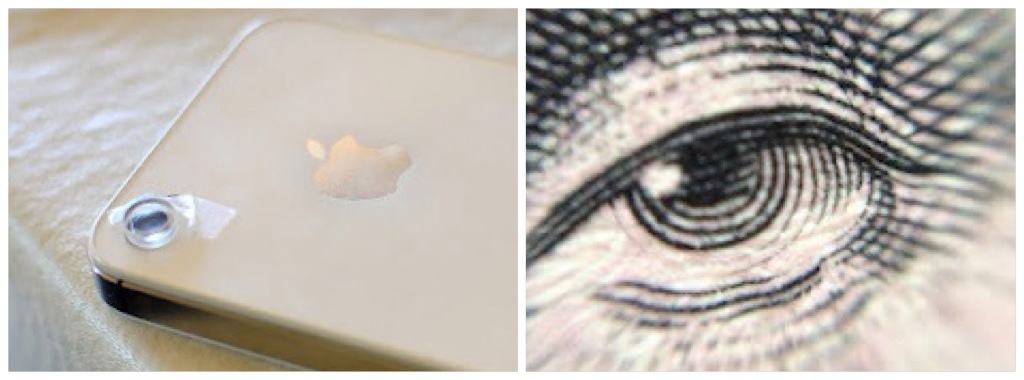
Was the $14 iPhone macro lens a little too rich for you? If you can’t afford to drop the price of a cheap lunch onto a DIY photo accessory for your $650 phone, then perhaps I can interest you in Zaheer Mohiuddin’s $1 version.
That’s right: a $1 macro lens for the iPhone (or iPad). The only work you’ll need to do is take a walk to the dime store and find a roll of tape.
The X-Cap gives any camera an automatic lens protector.
This is the X-Cap, a prototype self-opening lens cap for compact cameras. It’s a straight replacement for the removable lens caps increasingly found on higher-end point-and-shoots, and turns them into low-end point-and-shoots.
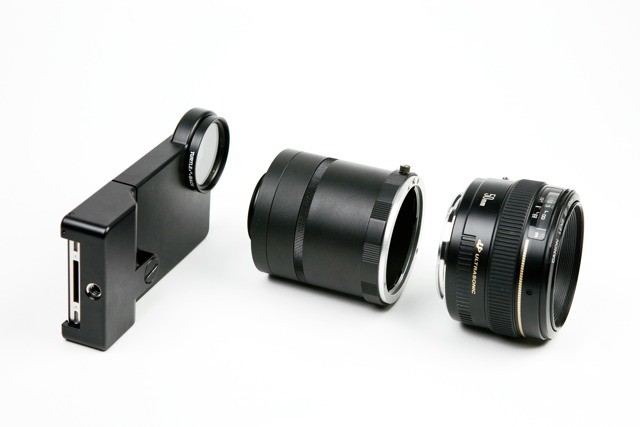
Another day, another iPhone camera lens case and adapter. This one is called the Phocus and manages to distinguish itself both by its angular, military-look styling, and by the fact that you can (with a further adapter) stick your SLR lenses on the front.