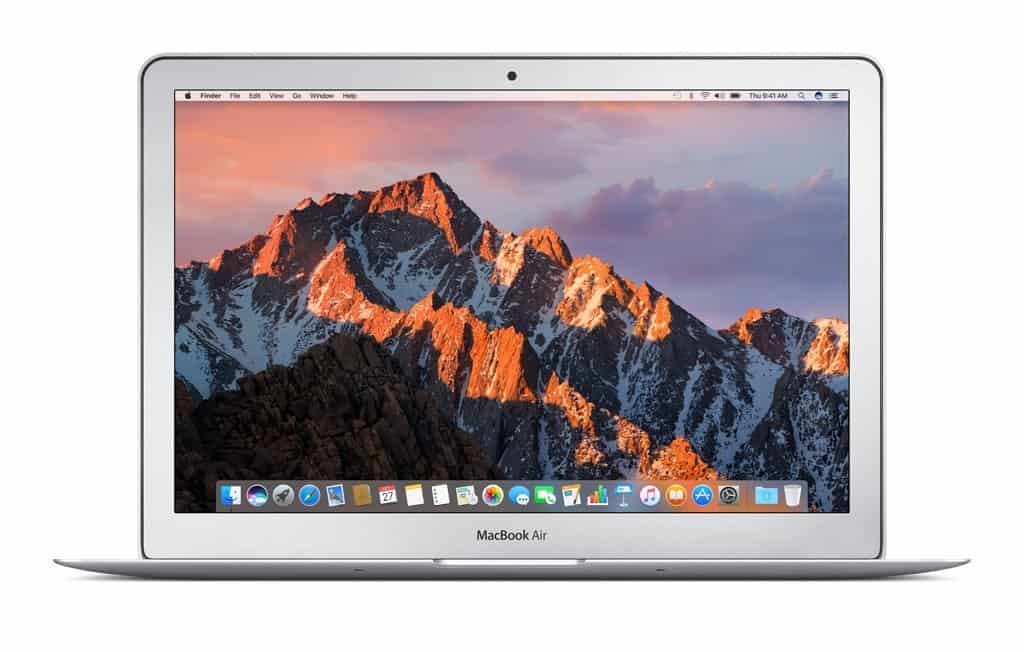
Apple first announced its incredible new Thunderbolt interface technology way back in February of 2011. Combining PCI Express and DisplayPort technology into a serial data interface, Thunderbolt allows for up to 20Gbit/s transfer rates, as well as the ability to daisy chain multiple devices, all in a tiny form factor that can fit even in the MacBook Air’s slim housing.
As usual, with Thunderbolt, Apple was at least a year ahead of the rest of the industry… and that’s not hyperbole. Only now are Acer, Asus and Lenovo getting ready to put Thunderbolt in their ultrabook offerings.
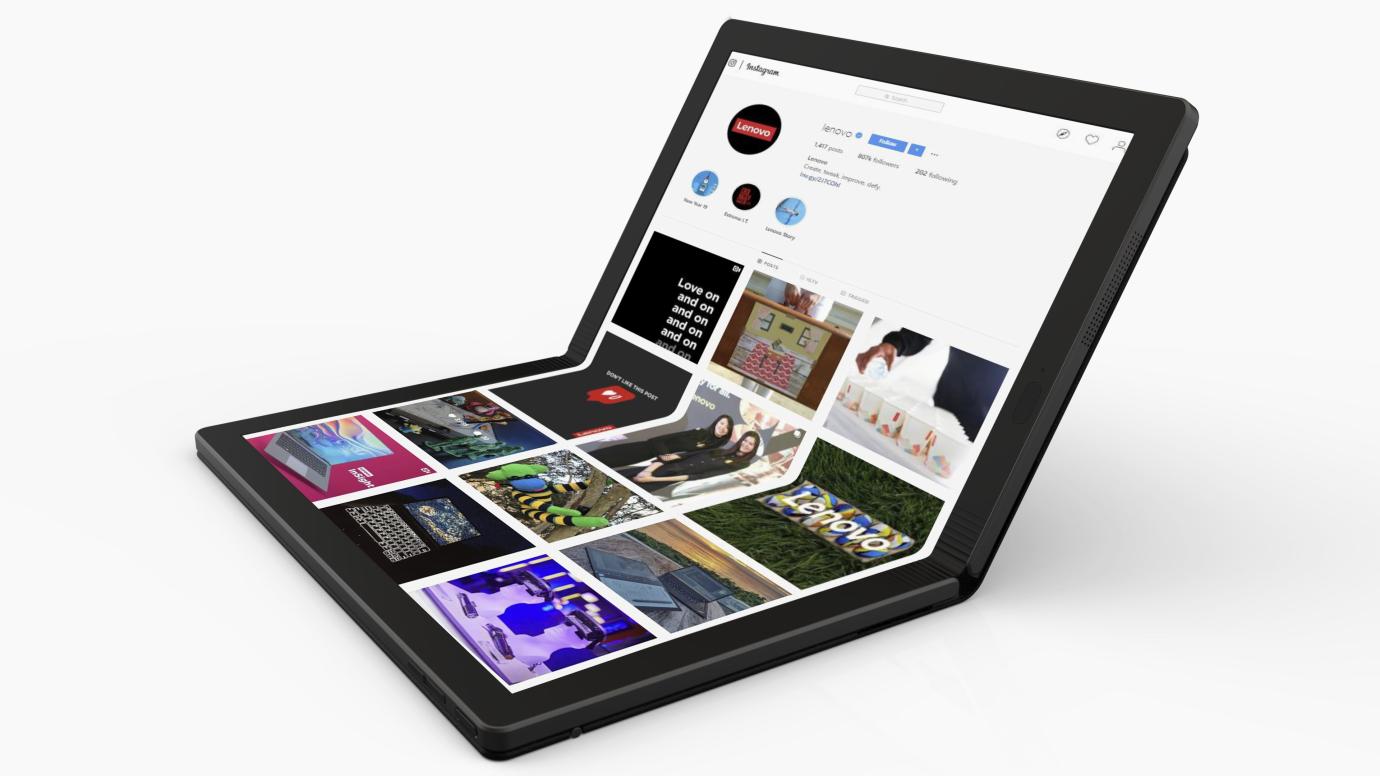
LAS VEGAS, CES 2012 – Ever since Apple’s patent for a fold-down touch screen desktop computer, the internet has been wondering how the device would look and when Apple would come out with it (if ever). Taking some serious cues from Apple, Lenovo already has a computer that is very similar to the one described in Apple’s recent patent, so we met up with them last night to take a hands-on tour of their new machine and see if it’s something Apple might truly consider doing in the future.
The Lenovo A720 is one of the best touchscreen all-in-one desktop machine that we’ve seen at CES so far. It’s a neat machine sporting a 27-inch display that folds down to adapt to users’ needs. For the most part, Lenovo has built a good machine. The design is simple, but it’s definitely lacking those small details that Apple pulls off effortlessly. We’re still debating whether touchscreen desktops are something the world actually needs, so here are our thoughts on the Lenovo A720 and how Apple might attack the touch-screen desktop scene.
Despite being overshadowed by the MacBook and other mobile devices, Apple’s venerable iMac accounts for nearly a third of the 14.5 million all-in-one desktop computers sold in 2010. The strength of iMac demand put Apple ahead of Lenovo and HP, expecting to unveil two new desktop computers at next week’s Consumer Electronics Show.
It had to happen: Apple’s workhorse, the iMac, is expected to relinquish its title as best-selling all-in-one computer in 2012. What with its success in smartphones, tablets and notebooks, Apple appears ready to throw the PC industry a bone — a very limited one, however.
Photo by triplefivechina - http://flic.kr/p/9B6Fba
Apple is in the cat bird seat when it comes to dominating personal computer sales in China. A new survey by Morgan Stanley finds more than 20 percent of Chinese consumers looking to buy a computer want a Mac. There’s just one hitch: few of China’s citizens are willing to pay more than $1,000.
Apple takes pride in making its products environmentally friendly. It has worked to reduce its carbon footprint by keeping its product packaging to a minimum, removing toxic materials from its entire product line, making its devices more energy efficient and lots more.
However, the company isn’t the greenest of tech companies. It ranks fourth in Greenpeace’s “Guide to Greener Electronics,” with HP, Dell, and Nokia leading the way.
PC Maker Lenovo just released their first would-be iPad killer, the IdeaPad K1. It is, of course, a piece of junk, with This Is My Next calling it “chunky and cheap-feeling” with software that is “unstable to the point of being unusable.”
You’d think that would damp anyone’s aspirations in the tablet game: HP pulled out of the tablet market despite garnering much more positive reviews for the TouchPad. Nevertheless, Lenovo not only thinks that Apple will lose dominance of the tablet market, but that Lenovo itself will become “one of the strongest… players in this area.” Now that’s pie-eyed optimism.
Lenovo's All-in-One. Imagine it lay your coffee table.
For those that find the iPad’s 9.7-inch display far too small, Lenovo is working on a 23-inch tablet designed for the home. William Cai, Lenovo’s senior specialist in marketing, said that he believes a tablet that can be moved from room to room, used on (big) tables, and be docked to provide an all-in-one, could be the solution to the “problem” of having multiple screens around the home.
We think that there is potential for a 23-inch tablet. We’d have to take care of battery life and we are working to get the weight down.
It’s obviously not for full mobility use, but it could be moved from room to room in the house and used with a full keyboard, or as a television. Or you could lay it on a table top and use it for family games.
We’re hoping that we can launch it later this year.
Hopefully Lenovo will change its mind before then. I’m not sure how big a battery would have to be to power a device of this size – maybe some kind of battery rucksack that the user wears to keep the thing juiced up for an hour or so is the answer?
While several competitors have tried to beat the iPad with smaller devices, or even slightly larger ones, Lenovo’s idea is certainly the most drastic attempt at producing a tablet unlike any other.
Maybe there is a place for a 23-inch tablet in the home; would you buy one? Could you see a use for a device like this, that provides any advantage over an iPad coupled with an iMac? Let us know in the comments.