Following its Retina MacBook Pro teardown back in June, iFixit declared Apple’s latest portable “the least repairable laptop” it has ever taken apart. While some components aren’t too difficult to upgrade or replace, others — such as the battery and RAM — are near impossible without professional help. In its new repair guide, published today, iFixit details further repair limitations with the notebook, and estimates that a third-party battery replacement could cost around $500.
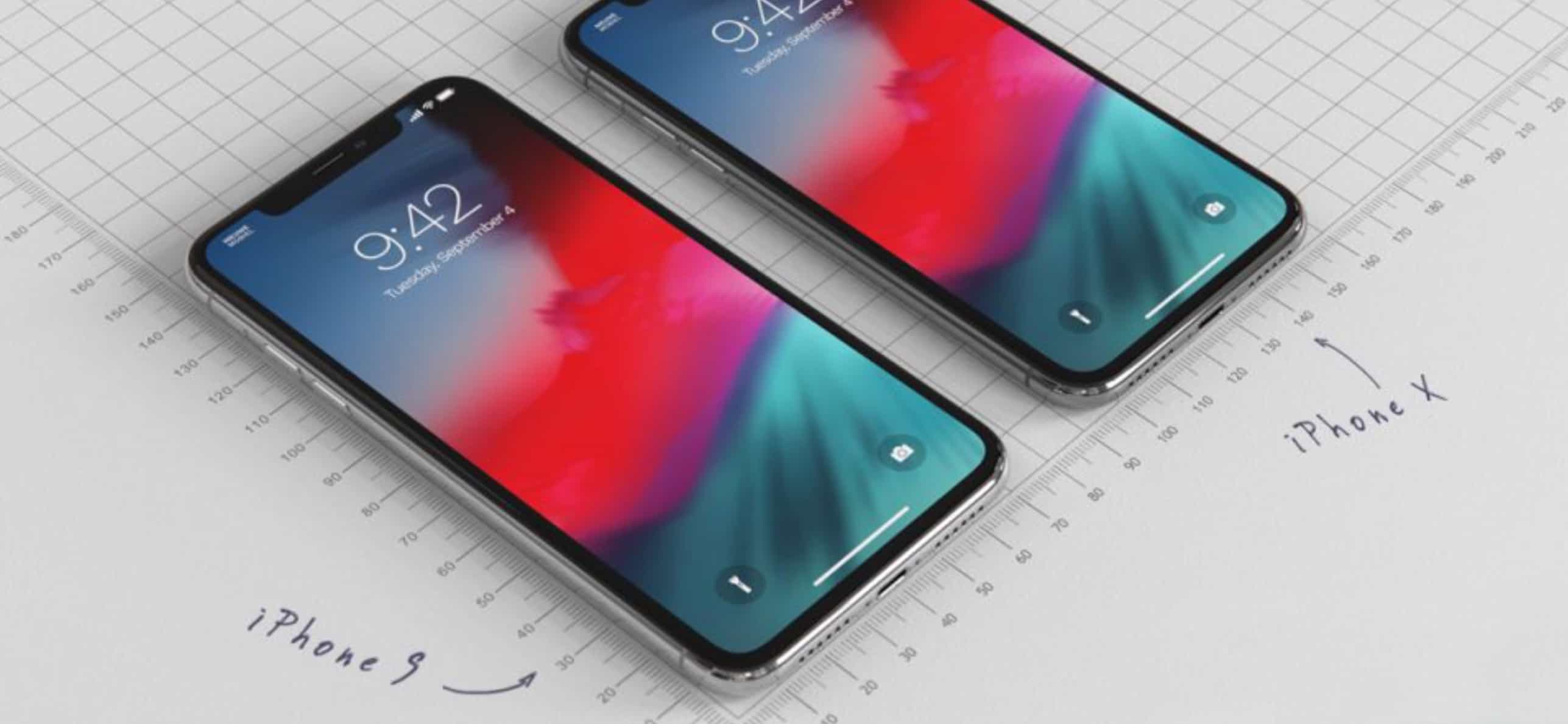
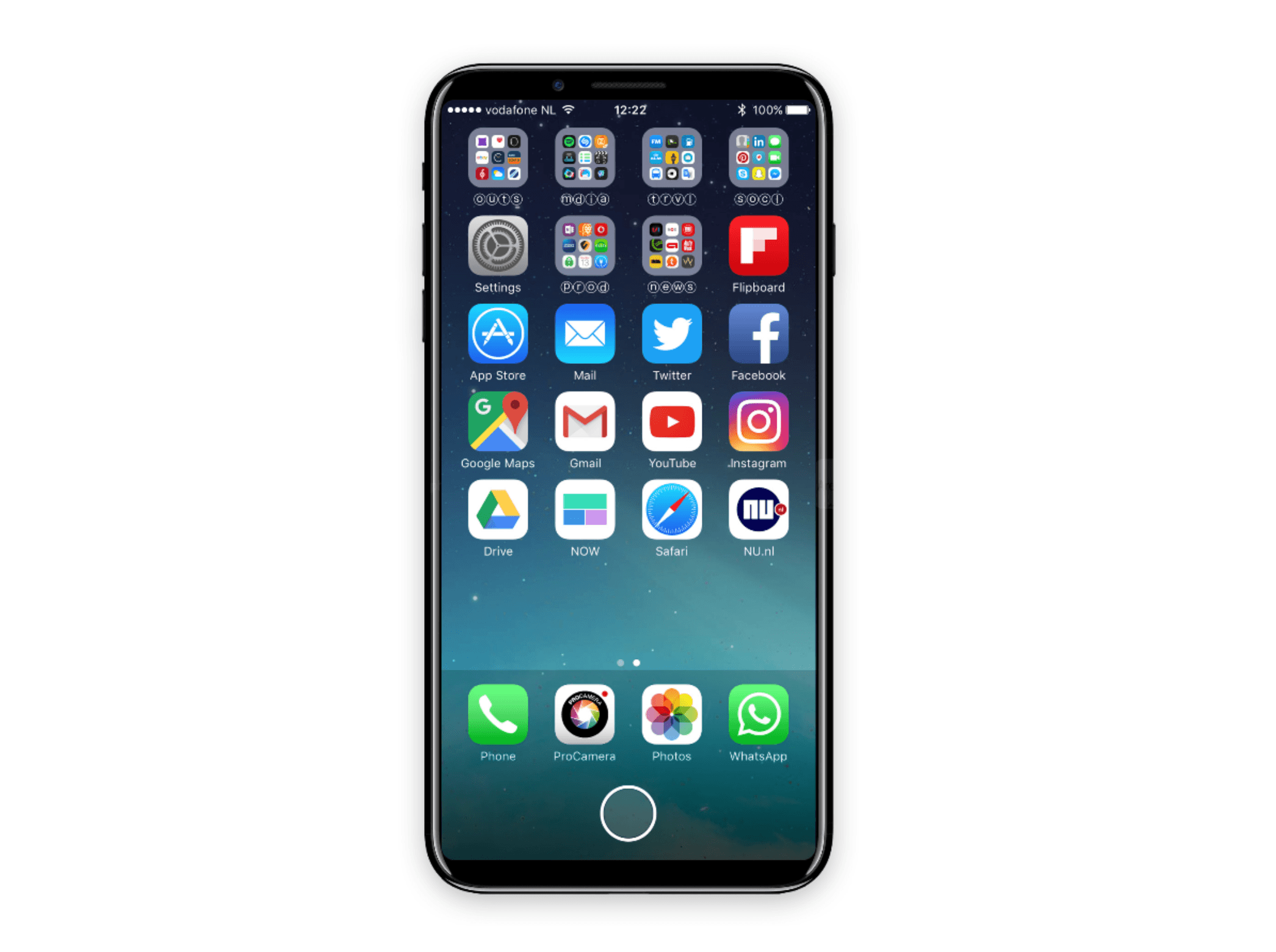
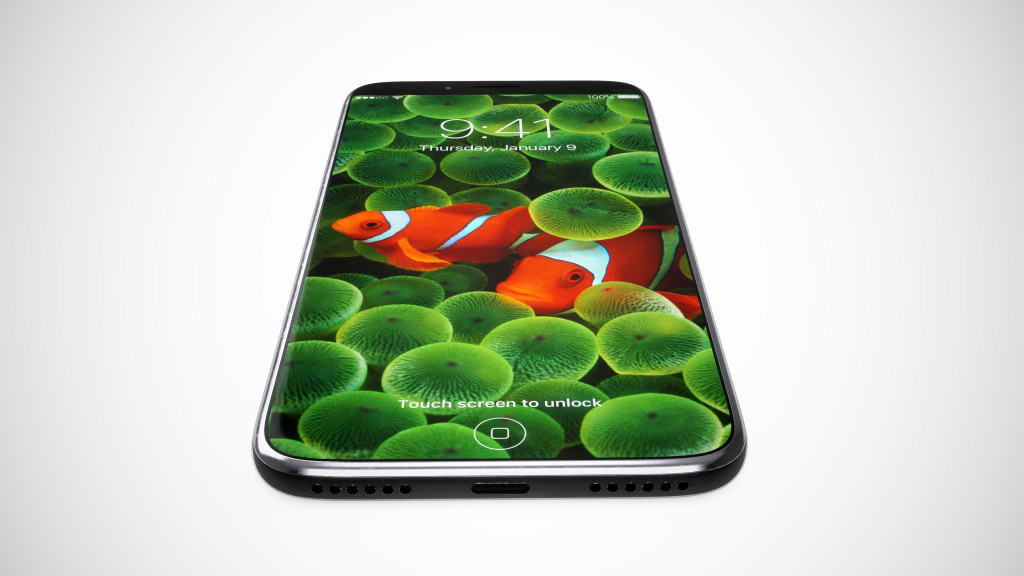
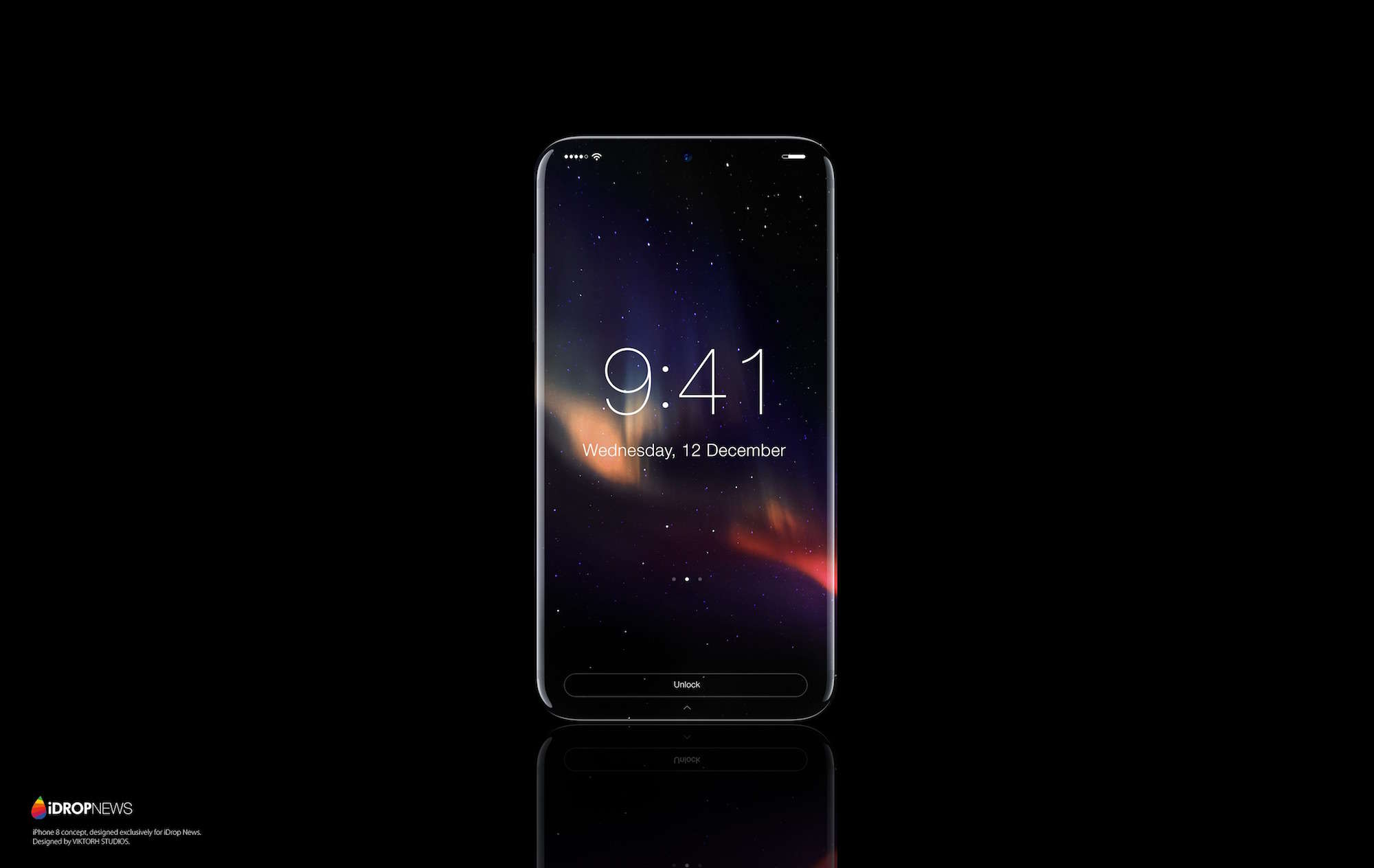
The new iPhone could be at least 1.4mm thinner thanks to its new display.
In an effort to make its sixth-generation iPhone slimmer than previous models, Apple will reportedly introduce a new display that features clever ”in-cell” touch technology that allows it to become significantly thinner than existing iPhone displays by negating the need for a dedicated digitizer. According to sources for TheWall Street Journal, mass production of these displays has already begun.
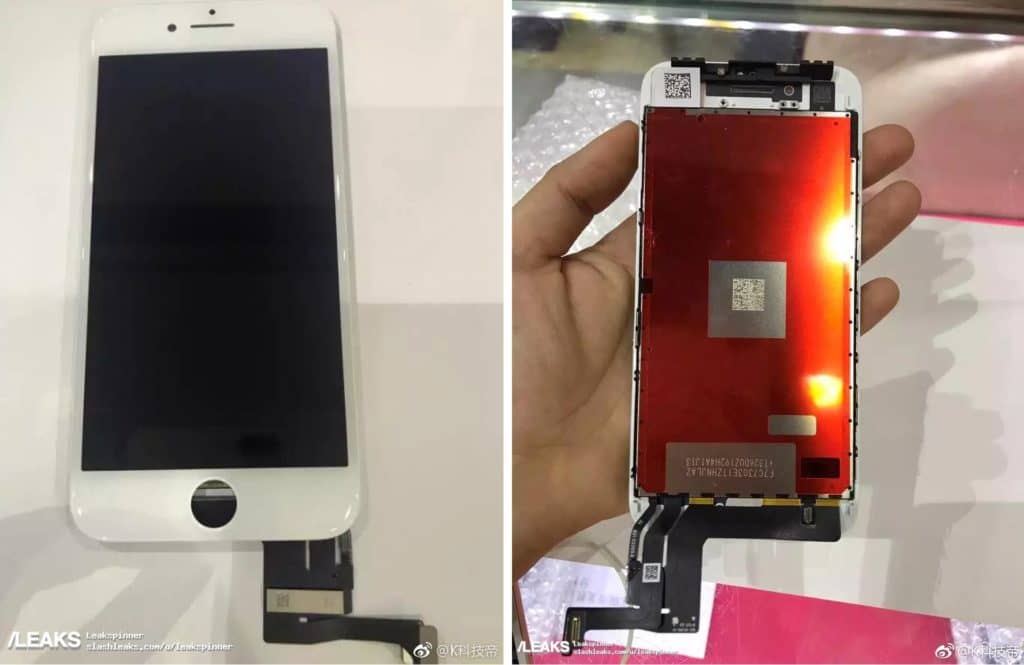
This purported iPhone 5 panel looks a lot like an iPhone 4 panel to us.
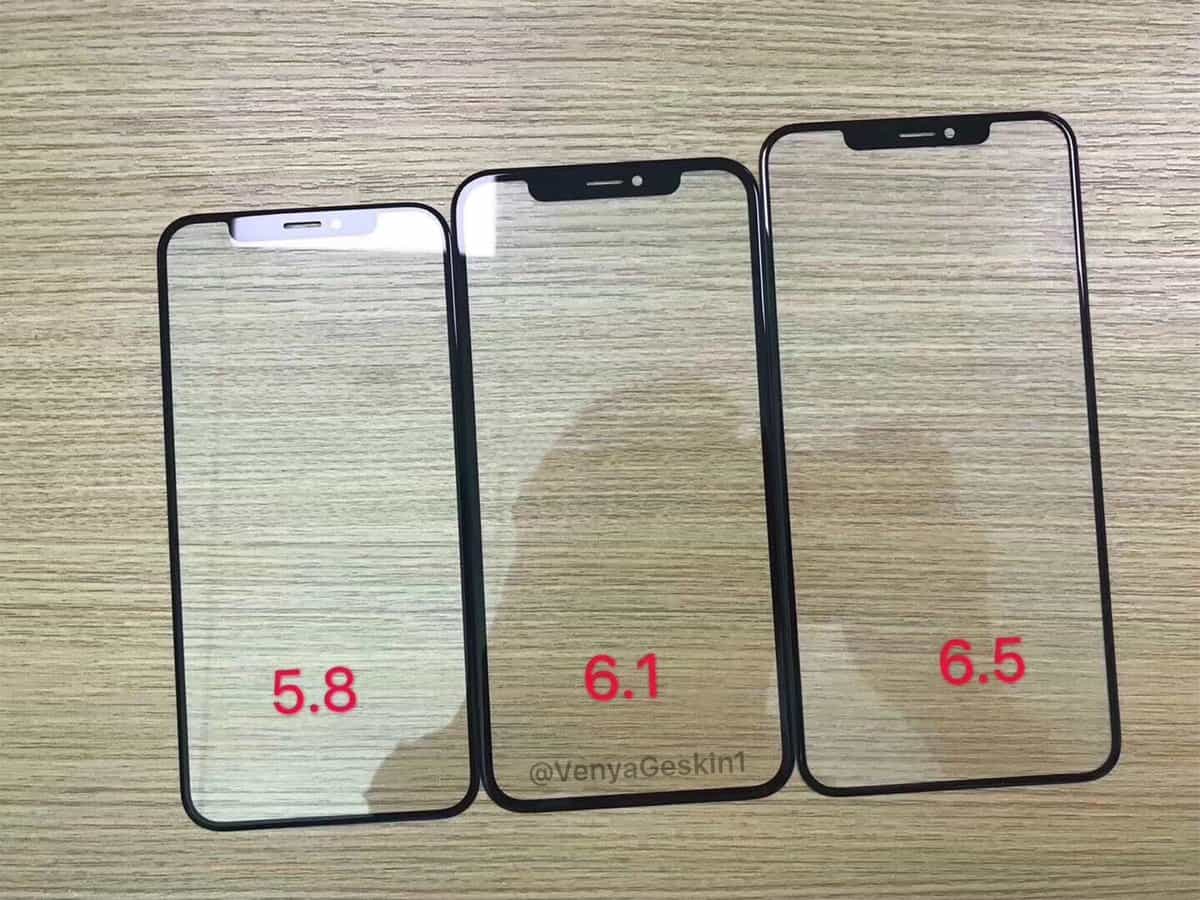
Yet another picture of the front panel destined for Apple’s next-generation iPhone has surfaced online via Chinese technology blog MyDrivers. Like the others we’ve seen, this one reportedly sports a 4-inch display, along with in-cell touch technology that makes the panel thinner than its predecessors. However, the panel in this image looks no different to an iPhone 4S panel to me.
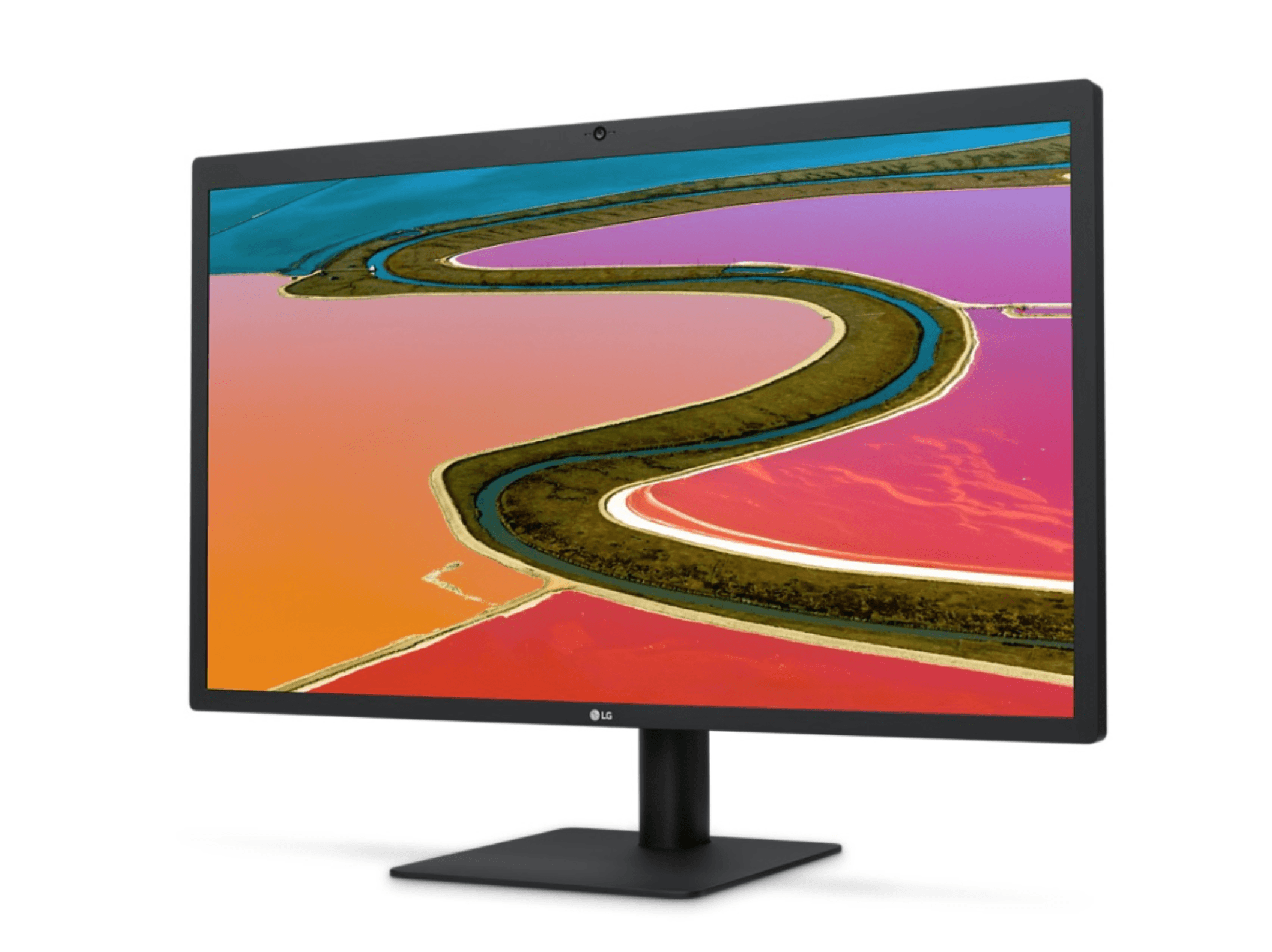
The new MacBook Pro’s Retina display, without its pretty casing. Image courtesy of iFixit.
Apple mentioned during its unveiling of the MacBook Pro last week that it has made some substantial changes to the construction of the notebook’s display to help make it super thin. Unlike existing MacBooks, the new Pro does away with a cover glass and case to measure just 1.5mm thin, essentially making the entire display just an LCD panel.
Your new iPhone probably won't be this bendy, but it will be incredibly durable. (Image courtesy of DVICE.com.)
Apple’s next-generation iPhone could finally put an end to fragile smartphones by adopting a flexible OLED display that can bend and twist without so much as a crack. The technology will reportedly come from Samsung — one of Apple’s biggest display partners — which claims to have already received “huge” orders from certain companies.
Foxconn, the company that assembles almost all of Apple’s devices —- plus plenty more for the likes of Amazon, Dell, Microsoft, and Sony —- has confirmed today that it has secured a 46.5% stake in Sharp’s giant LCD plant in Sakai, Japan. The deal is expected to help Sharp improve its performance, and could make low-energy IGZO displays a possibility for future iPads
The iPad 3 is going to have an amazingly sharp screen. Like the iPhone 4S, users won’t be able to see the individual pixels of the iPad 3’s retina display because all 3,145,728 pixels will be densely packed together at 264 pixels-per-inch.
Ok, that’s cool, but what does that actually mean? Well, it if you wanted to get the same amount of pixels into the iPad 2 using its current technology you’d have to use a 19inch screen. The iPad 3 packs more pixels total than a 42inch LCD TV.
Following yesterday’s leaked image of a high-resolution Sharp display purportedly making its way to the iPad 3, an Apple employee has reportedly confirmed the third-generation device will boast a “truly amazing” display and a faster processor.
Japan’s Sharp, maker of huge-screen televisions, voiced confidence Thursday as it told reporters Apple isn’t much of a concern. What about the almost incessant chatter that the tech giant will enter the TV manufacturing market with an iTV in 2012? “It’s not something we’re studying very hard,” an executive claims. Unclear whether this is bravado or whistling past the graveyard, but perhaps Sharp missed class the day Apple mangled a whole string of industries thought to be untouchable.
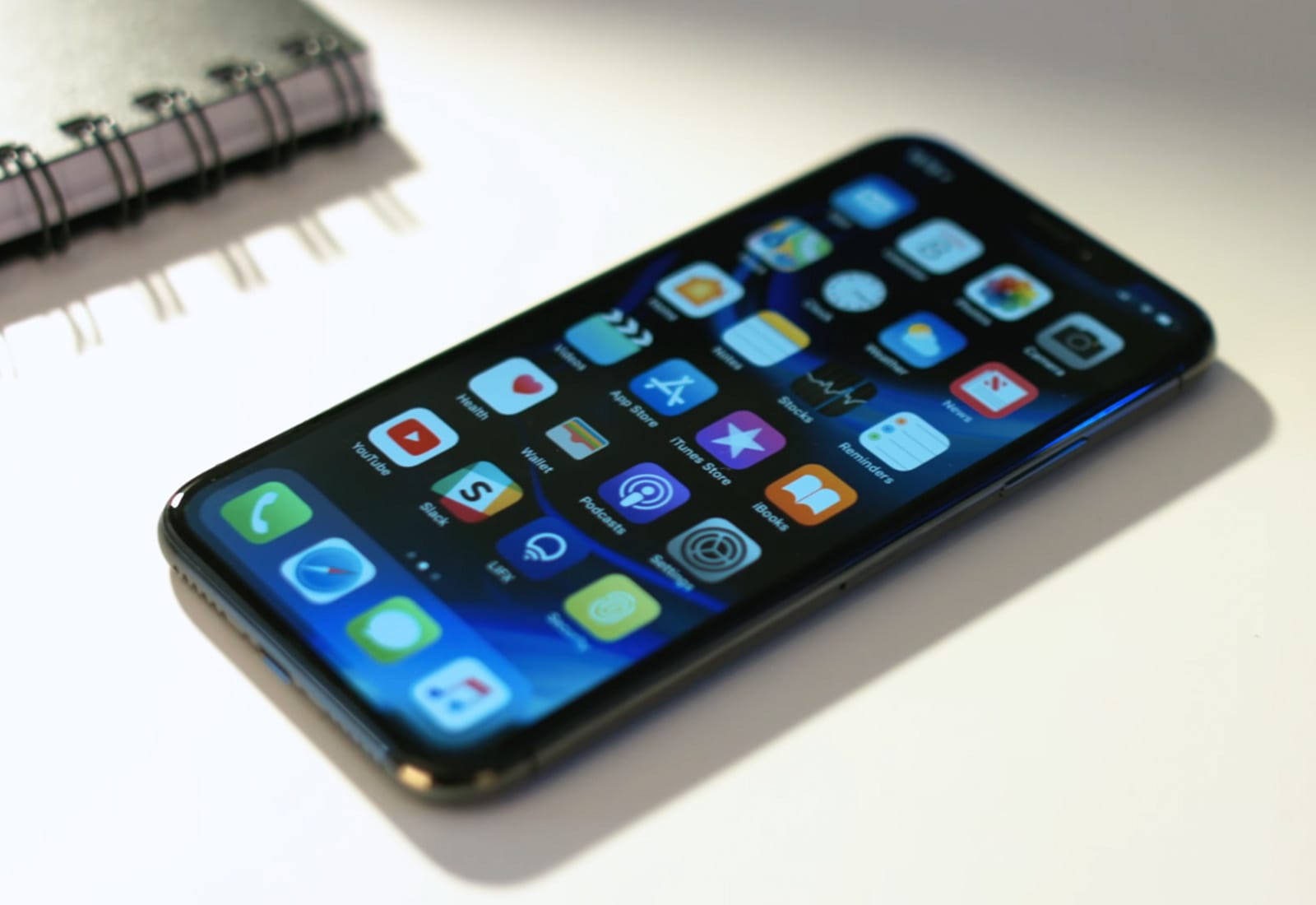
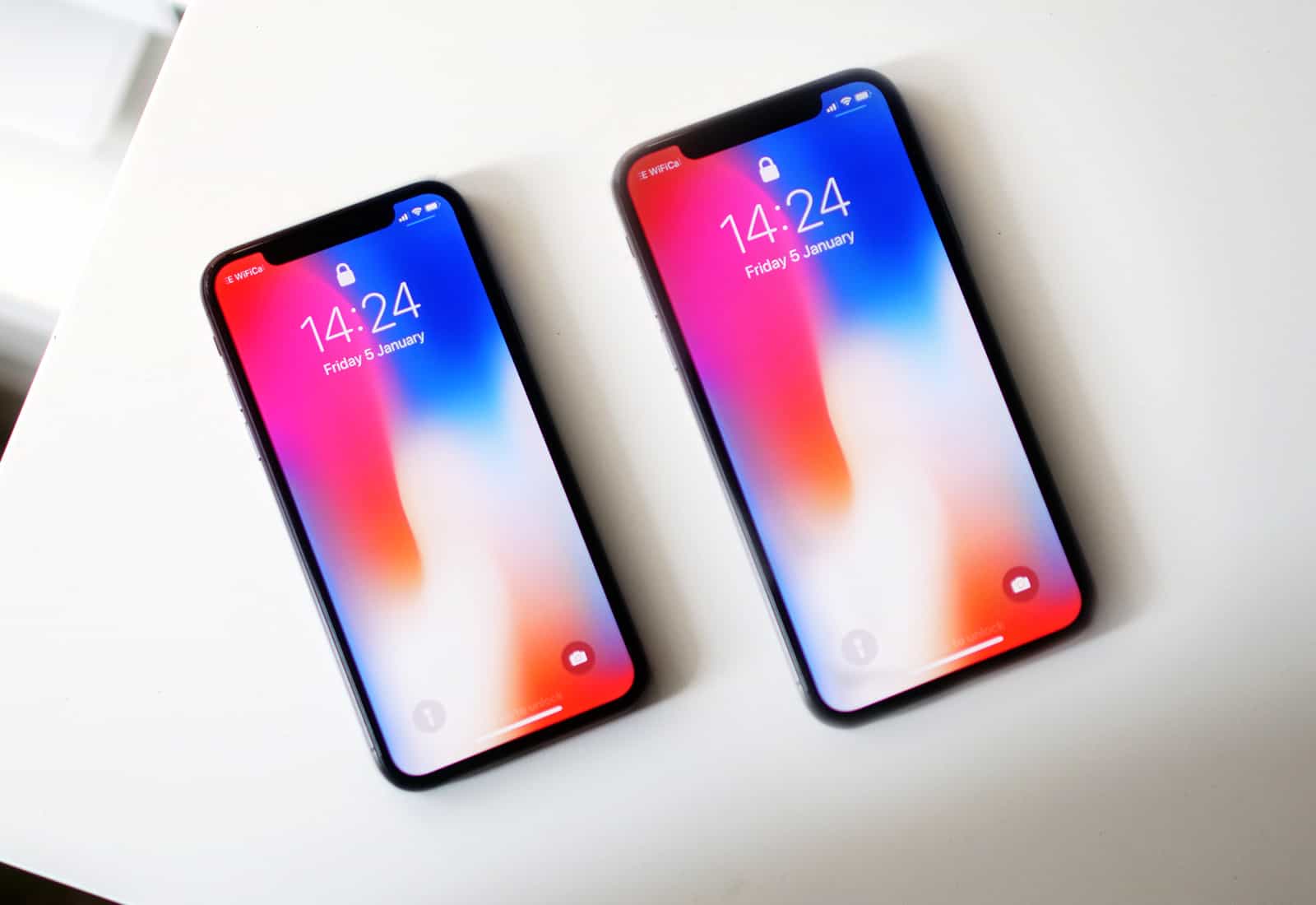
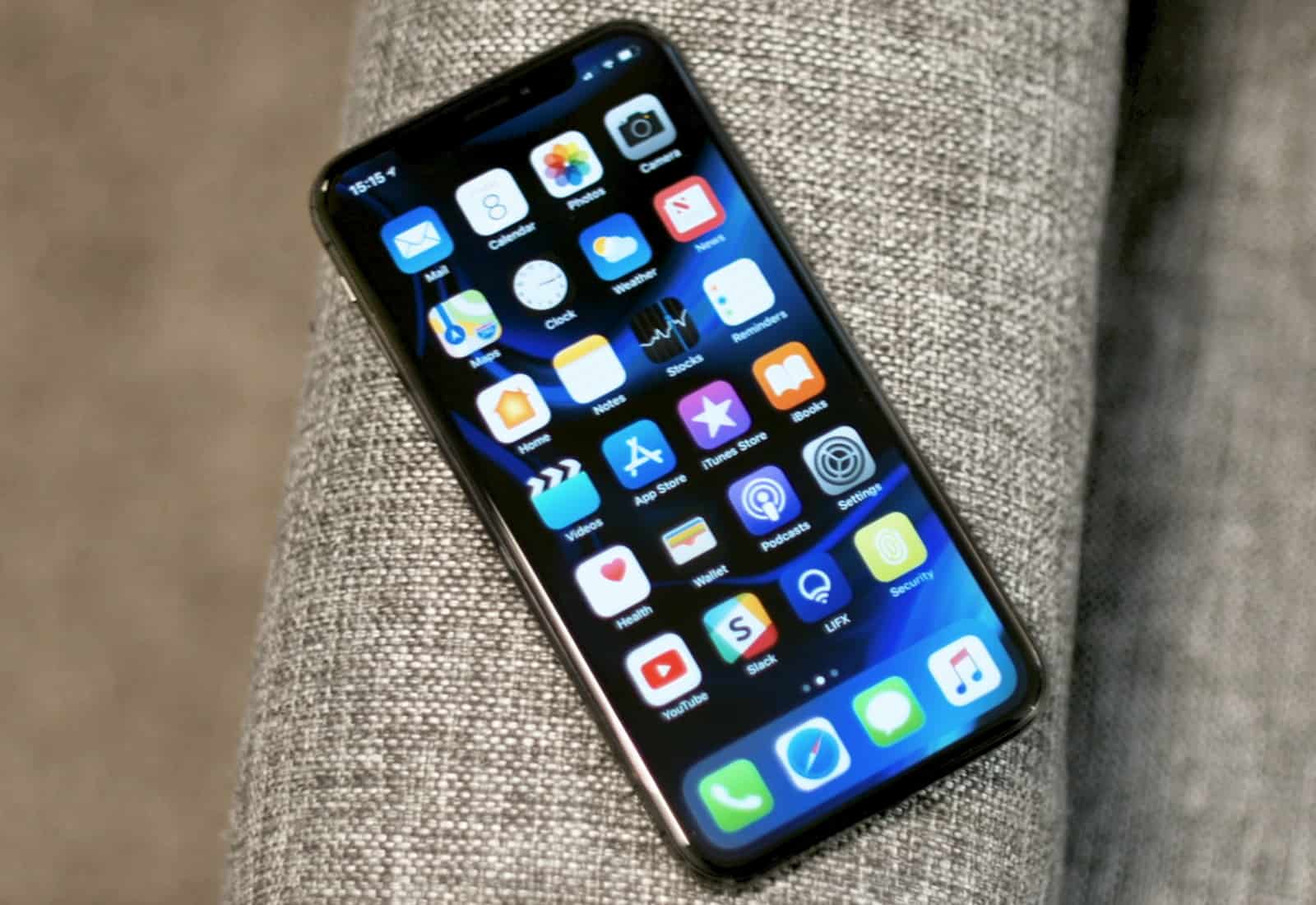
While Apple chose to stick with the same 3.5-inch display for the iPhone 4S that it had previously employed in older iPhones, the Cupertino company looks certain to increase that for its iPhone 5. According to a source in Apple’s supply chain, both Hitachi and Sony have already begun shipping 4-inch LCD panels for a “new iOS device,” believed to be the sixth-generation iPhone.