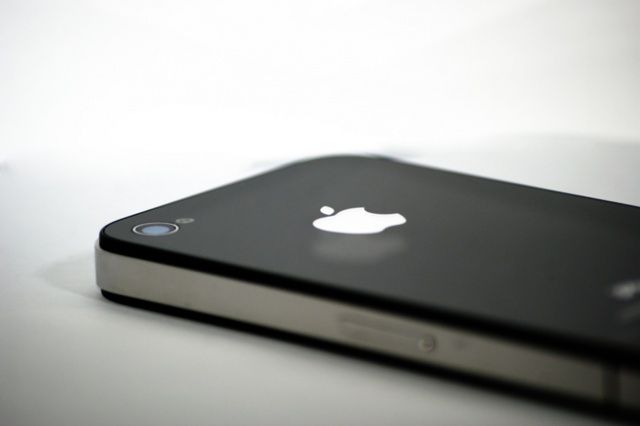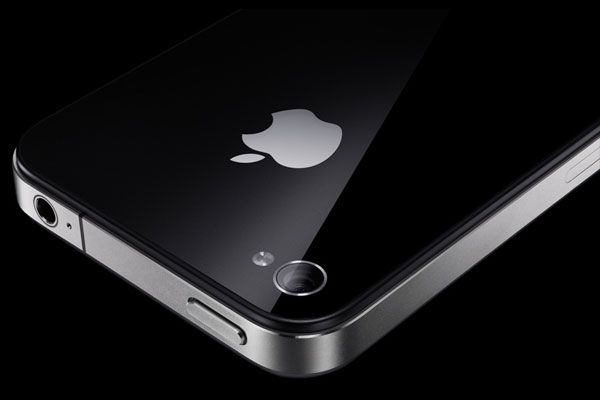
People love to sue Apple whenever they can, and now a Florida woman is seeking $5+ million in damages because her iPhone 4’s power button doesn’t work. The class action lawsuit is intended to fight for the iPhone 4 users who have reported defective on/off buttons over the past several years.
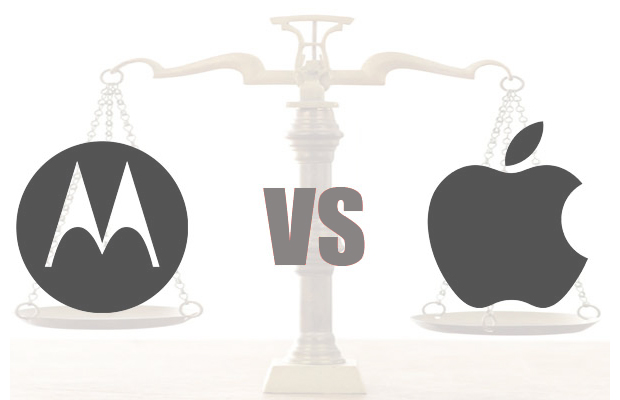
Back in August, Google-owned Motorola Mobility sued Apple for violating 7 of its software patents. Motorola accused Apple of infringing on patents relating to everything from location-based reminders to email notifications.
Now The International Trade Commission (ITC) has thrown out Motorola’s claim that the iPhone violates a patent on “a sensor that prevents accidental hang-ups,” according to Bloomberg. Motorola’s proximity sensor patent has been deemed invalid by the ITC for the second time, and it looks like Motorola won’t have much luck at appealing the decision.
Thankfully, it’s been some time since I’ve written about an Apple patent lawsuit, however, that doesn’t mean they’ve magically disappeared. The latest in Apple’s crusade against Google (via Motorola Mobility), leads us to a U.S. District Court in Madison, Wisconsin. Apple was slated to go up against Motorola Mobility with allegations of unfair licensing practices, however, Judge Barbara Crabb has dismissed Apple’s lawsuit with prejudice — meaning the case is over at the trial court level.
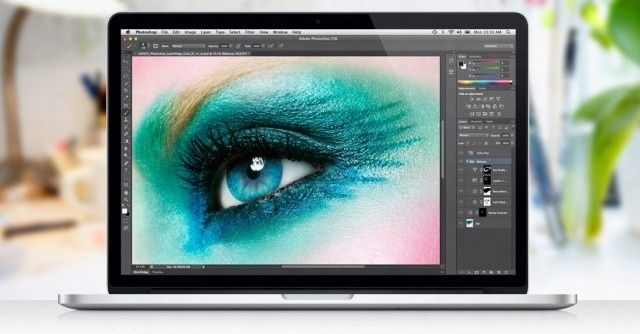
When Apple first unveiled the 15-inch Retina MacBook Pro back in July of this year, they used two images to specifically highlight the incredible resolution of the new display. The first was a shot of a herd of zebras running through the grass captured by photographer Steve Bloom. And the second? A photograph of an eye in full Ziggy Stardust make-up, taken by Swiss photographe Sabine Liewald.
The only problem with that latter photograph? According to the photographer, Apple never properly licensed it to be used in Retina MacBook Pro marketing materials. And she’s now suing over it.
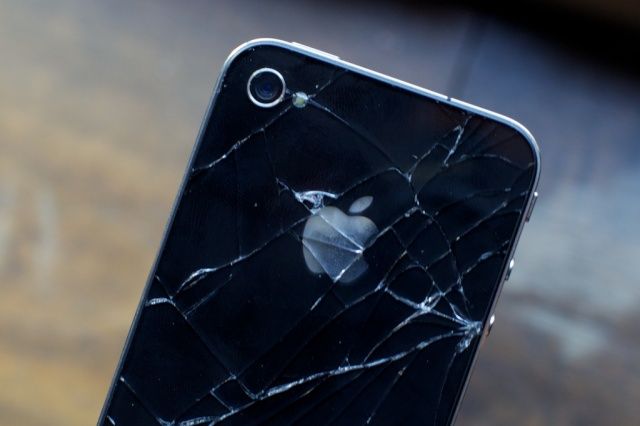
Have you ever broken your iPhone 4 or 4S’s glass? Felt that it was Steve Jobs’s fault for sucking you into his reality distortion field and convincing you that the iPhone 4’s glass was thirty times harder than plastic? Angry enough to want to try to sue?
Tough. A San Jose federal judge has just thrown out a class action lawsuit over the strength of the glass in the iPhone 4 and iPhone 4S.
Judge Lucy Koh has once again made a plea of Apple and Samsung to make peace in their patent dispute before a verdict is handed down. Not doing so, the federal judge warns, could be a danger to both Apple and Samsung.
A few years back Seattle Rex had gone all out on a 17” MacBook Pro – spending approximately $4,500 on the then top-of-the-line machine ($5,100 including AppleCare). The particular MacBook Pro he bought turned out to be defective. The laptop’s Nvidia graphics processor started displaying symptoms of the defect shortly after his AppleCare expired. A few days later the laptop died completely – it wouldn’t even start up. At the time Rex’s laptop broke down the defect was a known and well-documented issue. Apple had even issued a tech note and was replacing defective models as they failed.
In the latest patent war saga, a Dutch court ruled that Samsung cannot assert 3G patents against Apple products using Qualcomm’s baseband chips — as Samsung has a licensing deal with the U.S. chipmaker — thus denying their bid to ban the sales of the iPhone and iPad in the Netherlands. However, Samsung didn’t consider the ruling a complete loss as the Hague court also ruled that Samsung could seek damages over the use of Intel chips. While Apple doesn’t use Intel chips, this gives Samsung ammunition against those that do.
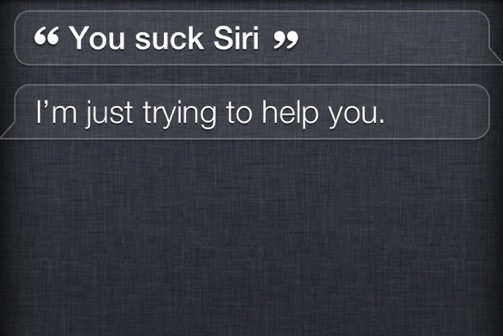
You have to hand it to the people that file lawsuits these days; they sure can be creative. A New Yorker by the name of Frank M. Fazio has sued Apple because Siri on his iPhone 4S is, “at best, a work-in-progress.” Fazio has accused Apple of false advertising in the Siri TV commercials it airs demonstrating making calls, finding directions, sending texts, etc. with the digital assistant.
The commercials convey a “misleading and deceptive message,” according to Fazio. He thinks Siri sucks in real life.
In a move that would surely have Steve Jobs — the man willing to go thermonuclear war against Android — rolling over in his grave, Apple has apparently offered licensing deals to Samsung and Motorola in an attempt to settle ongoing and future patent suits. According to sources speaking with Dow Jones Newswires, Apple has offered licensing deals in the tune of $5 to $15 per device or the equivalent of 1% to 2.5% of net sales per device. Interestingly enough, these fees are on par with what Apple deemed “unreasonable” after attempts to license patents from Motorola.