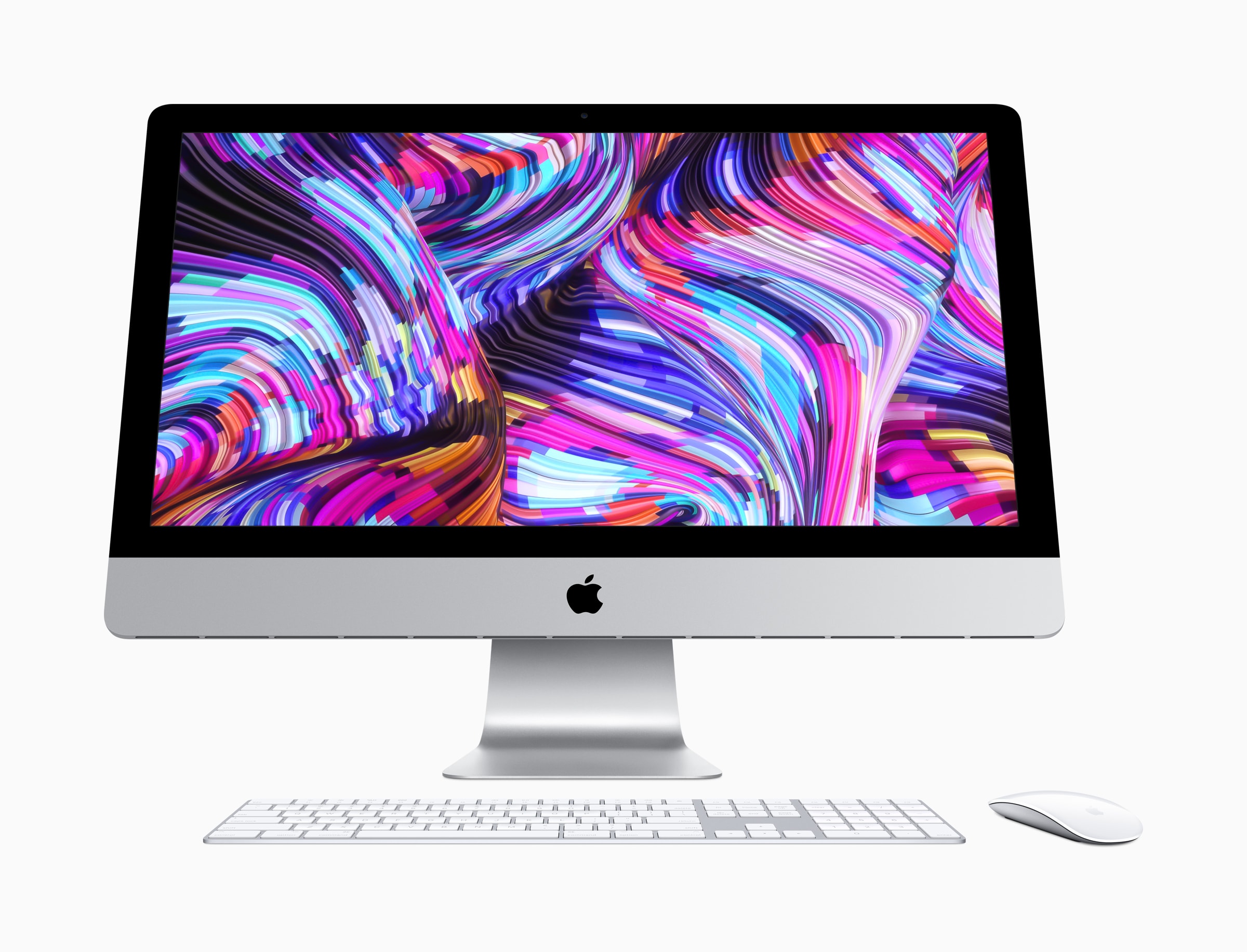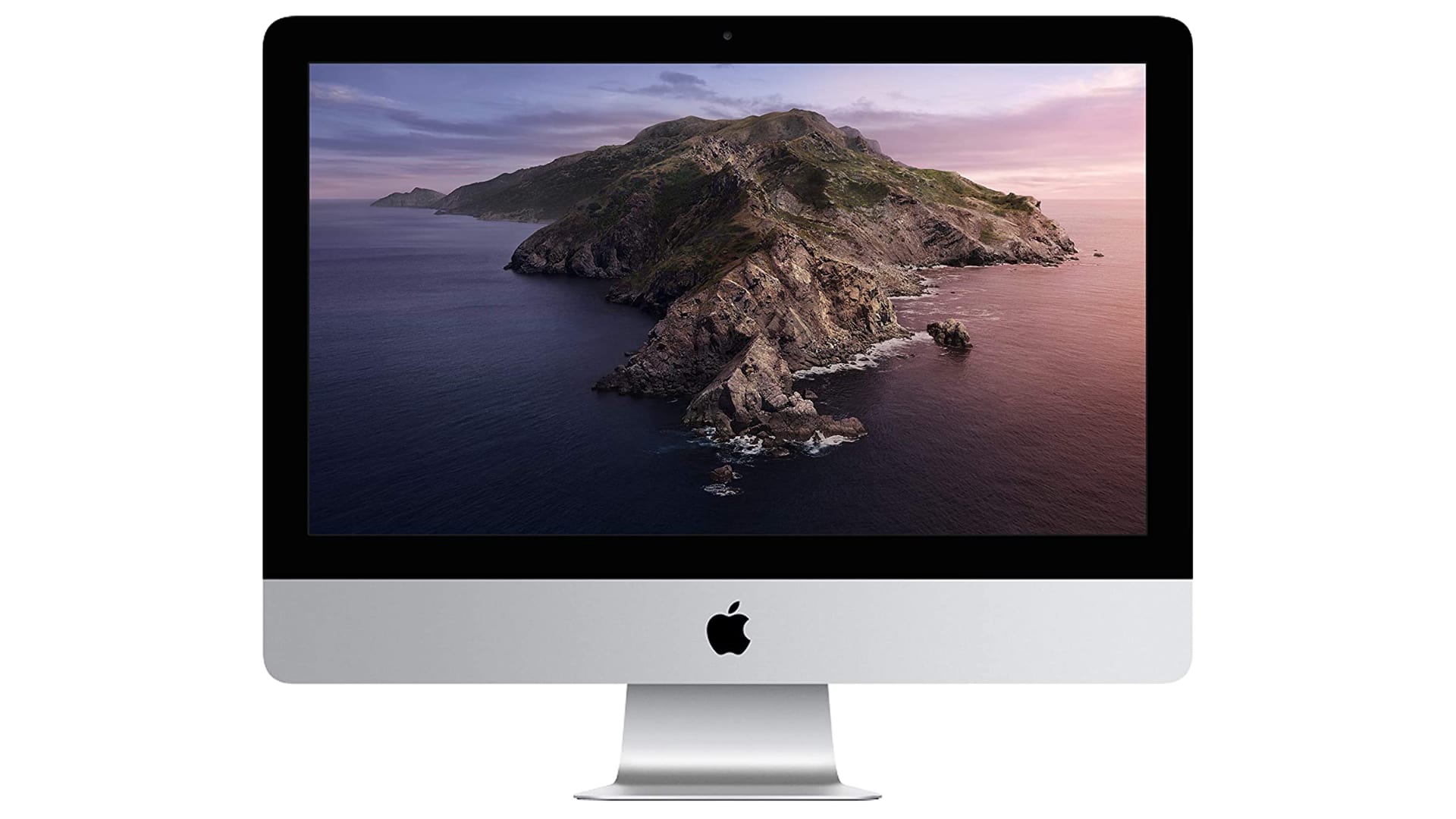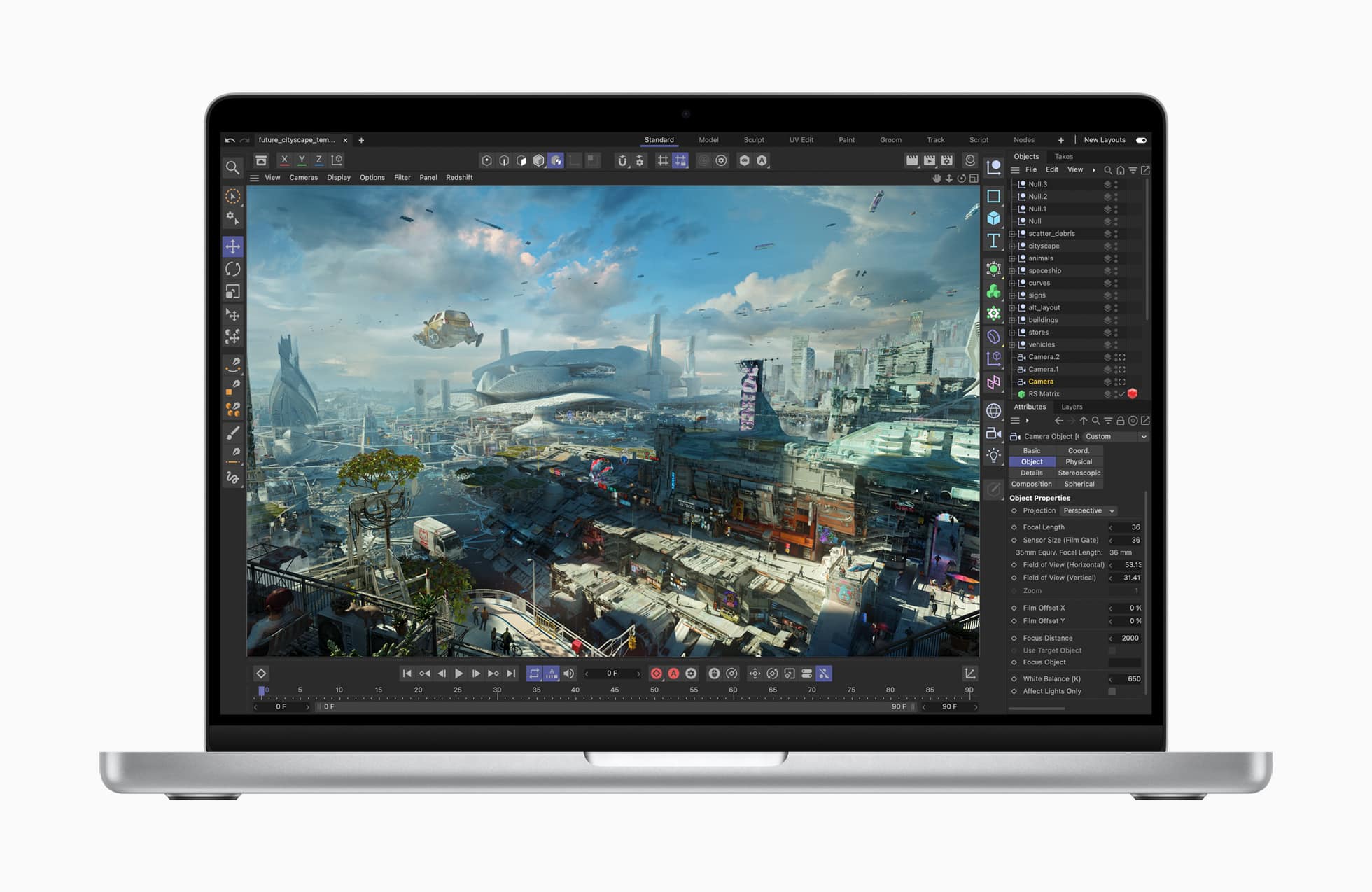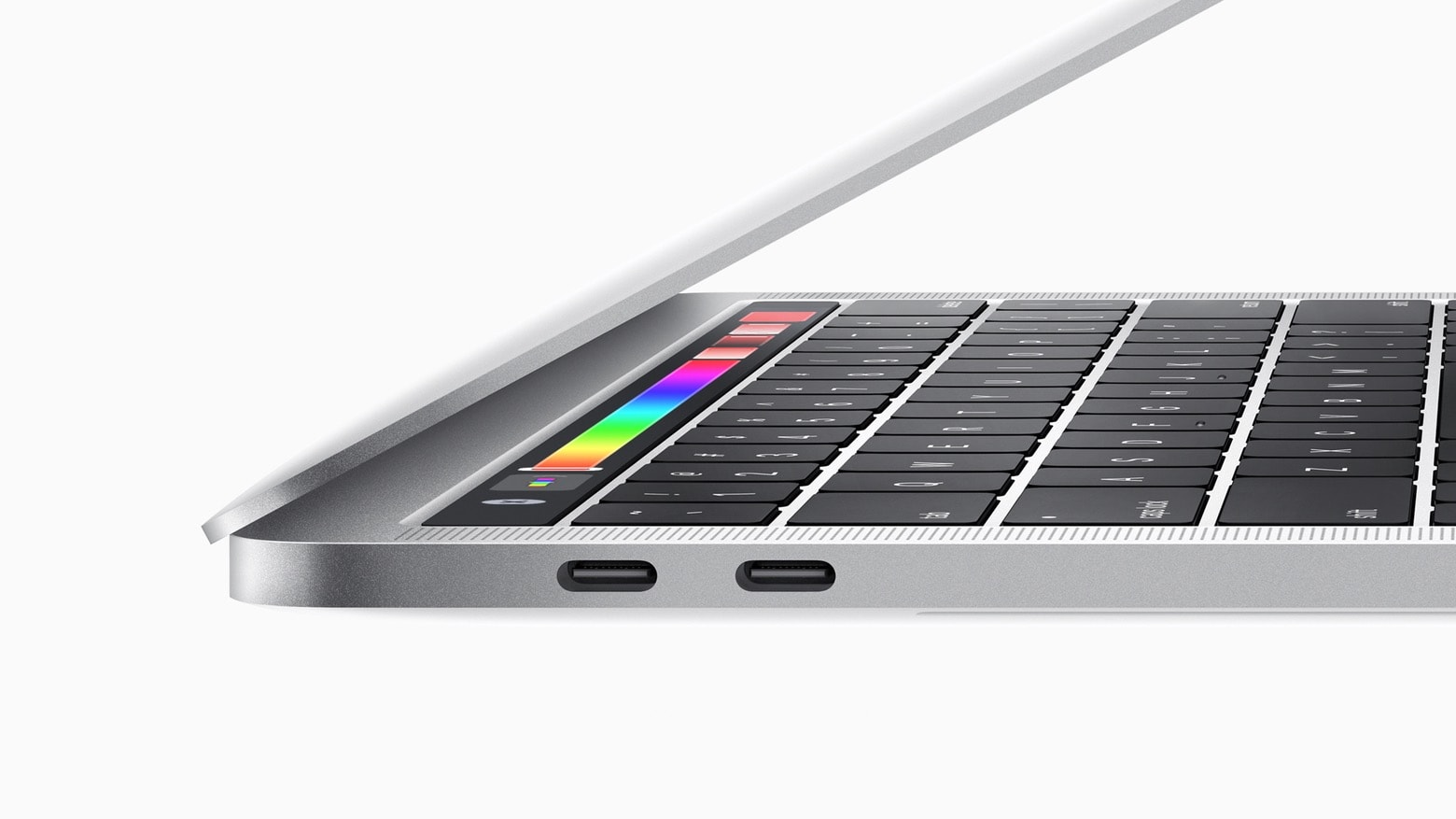
If history is indeed destined to repeat itself, Intel’s next-gen Haswell processors will power the 2013 gambit of Macs. Every year Apple typically puts the newest Intel silicon in its desktop and laptop models, and this year should be no exception. When Haswell desktop lineup specs leaked in December 2012, we got a peak at what will likely power the 2013 iMac.
Intel has now said that Haswell chips will offer 50% more battery life for laptops than Ivy Bridge. The main focus of designing Haswell was to lower power consumption for laptops and tablets while also doubling graphics performance. Sounds great. Maybe we’ll see something with Haswell announced at WWDC!
One of Intel’s biggest mistakes in the last decade was being blind-sided by the rise of mobile devices. Intel should have seen it coming: Apple asked Intel to make chips for the original iPhone, only to be turned down. Simultaneously, Cupertino was pressuring Intel to get the power-management of their chips under control. It’s not too far-fetched to say that if Intel had been paying attention to all the signals, then today they could be as dominant in mobile chips as they are in PCs and servers.
But Intel under former CEO Paul Otellini turned a blind-eye to mobile until it was too late. It’s a mistake new Intel CEO Brian Krzanich is determined not to repeat, which is why he has created a brand new “New Devices” division within Intel to focus on emerging trends, including “ultra-mobile devices.”
What’s an ultra-mobile device? Think wearable computing, like Google Glass or the iWatch.
Intel lost the opportunity to power the iPhone, but the company is hard at work to make sure they don’t get completely shut out of mobile hardware, and to do so they’re hiring some old Apple talent.
To lead the charge in its plans to build “smart devices” Intel has hired former Apple Vice President, Mike Bell, to head up Intel’s new Smart Devices Unit.
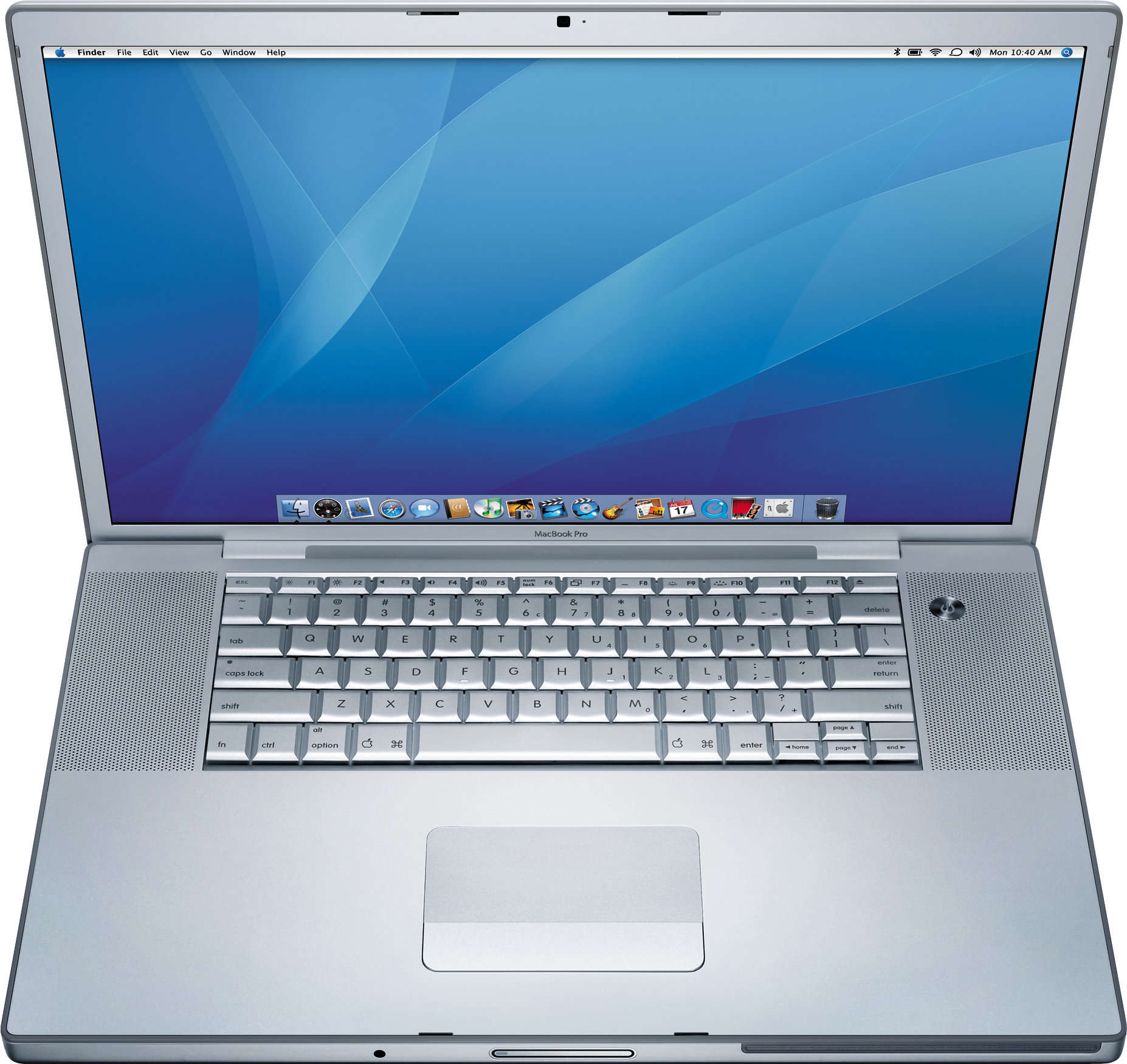
Developers have been slowly ditching support for PowerPC processors since Apple made the switch to Intel, so if you still have an old PowerPC Mac lying around, it probably doesn’t get a lot of use. But if it’s a Power Mac G5, then there us one way you could put it to work.
Pull out its insides and set it alight and you have a gorgeous aluminum BBQ grill.
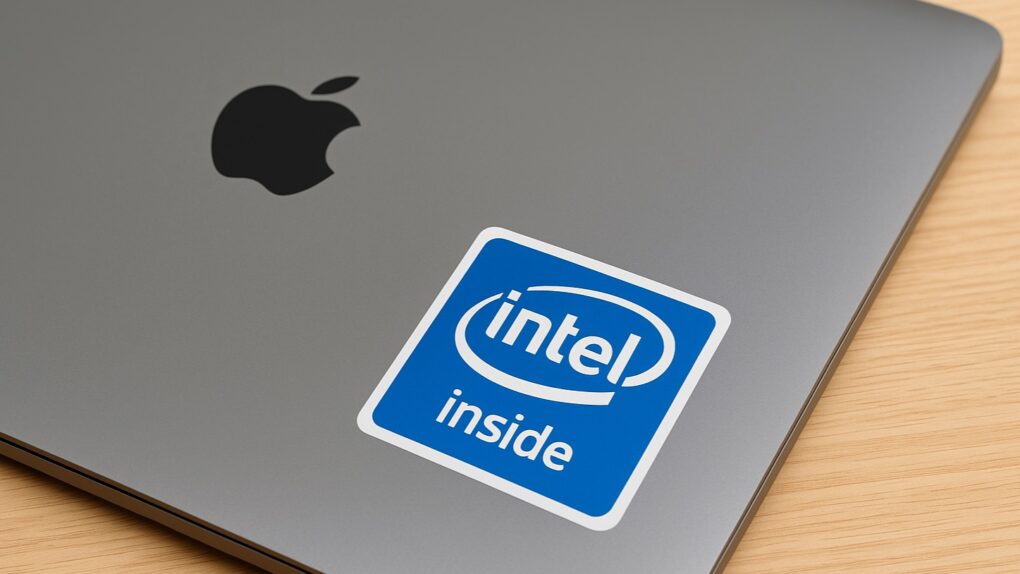
“Intel Inside.” It’s been called one of the best campaigns to ever come out of Silicon Valley’s Mad Men, and it turned a relatively unknown maker of microprocessors into a $100 billion dollar company, and a household name. All this, thanks to a blue sticker slapped on every Intel PC or laptop.
Every Intel PC or laptop except Apple’s, that is. Even when Cupertino transitioned to Intel processors in 2006, Apple refused to put ‘Intel Inside’ stickers on their new Macs and MacBooks. And with characteristic bluntness, Steve Jobs had no problem explaining why when asked about it back in August 2007, right after the first aluminum iMac was introduced.
The CEO of Intel stepped down today, and he has revealed a juicy factoid: Apple approached Intel to provide processors for the original iPhone some six years ago, and Intel said no.
A lot has been said and rumored lately about whether or not Intel would ever start making ARM-based chips. Current Intel CEO Paul Otellini was against it, but Otellini is stepping down this month, so ultimately the question was: “What would Intel’s next CEO think about making some ARM chips for partners like Apple?”
Ultimately, how the next CEO of Intel would feel about that prospect came down to whether or not he was promoted from within Intel (as all of Intel’s CEOs ever have been) or if he came from outside the company. What made the question of who Intel’s next CEO would be so interesting is that Intel’s board of directors was, for the first time ever, openly talking about looking outside of the company. Intel could have gained a much different perspective.
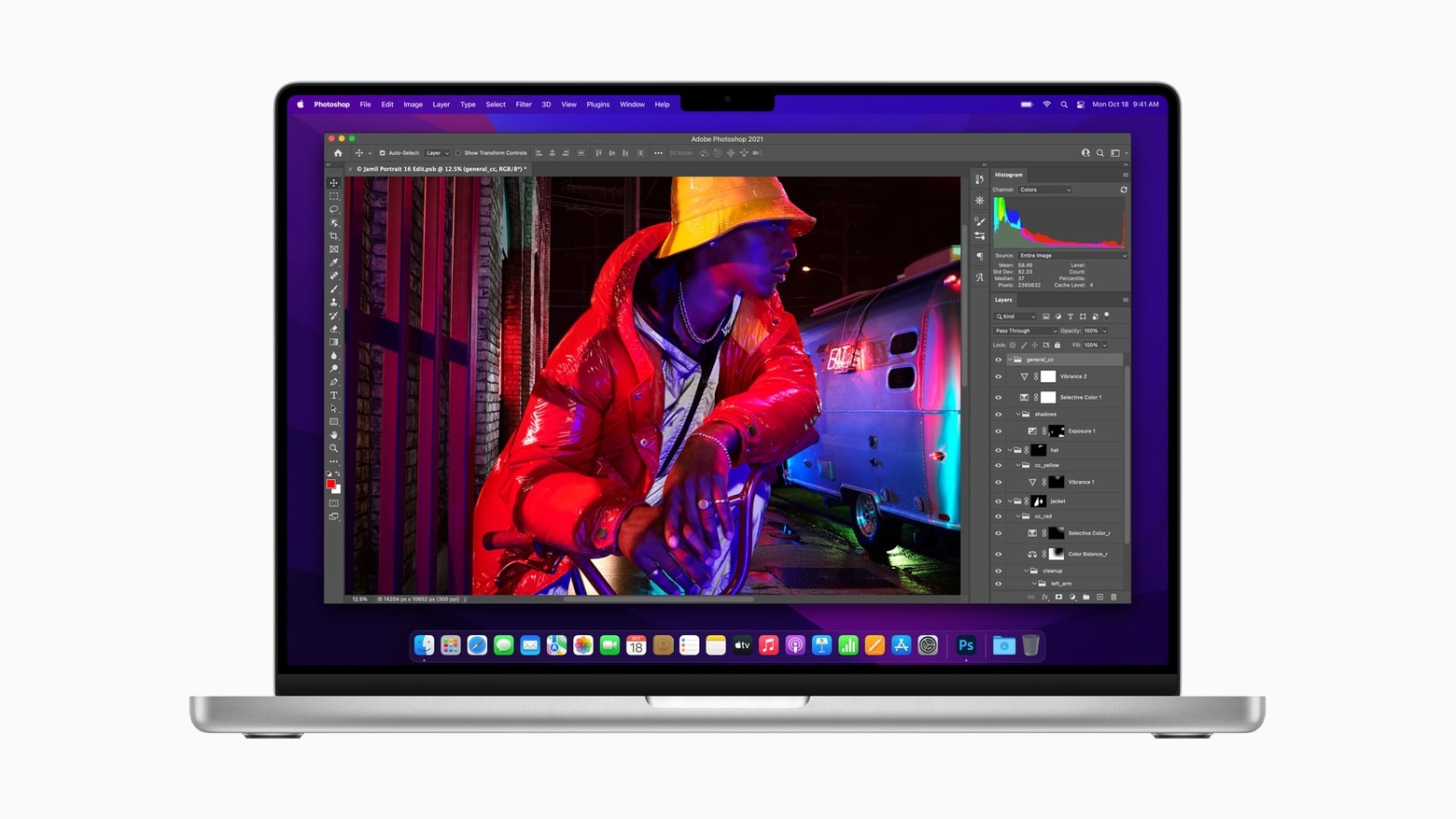
It’s no secret that new MacBooks are coming at WWDC in June, but they’ll just be spec bumps, featuring a small ~8% performance boost thanks to Intel’s new Haswell processors, and a gain to battery efficiency. Nothing to get excited about, right?
Actually, no. Haswell’s hiding one super beefy update in its silicon: Iris, Intel’s super-charged integrated graphics that will boost Haswell’s polygon by 200% compared to the last generation… not to mention make the MacBook Air’s graphics beefy enough to support a Retina Display.
Although PC makers are feeling the pinch, Intel actually posted a surprisingly decent quarter yesterday. But Intel’s still feeling a big pinch from ARM, which is just showing explosive growth, shipping 35% more ARM-based chips (like, yes, Apple’s A-series SoCs) than it did a year ago.
A new survey conducted by ChangeWave Research has found that 19% of U.S. consumers say they’re likely to purchase Apple’s much-anticipated “iWatch” if and when it becomes available. The demand has been attributed to “Apple’s track record of delivering ultra-convenient, easy to use products with perceived ‘cool factor’.”