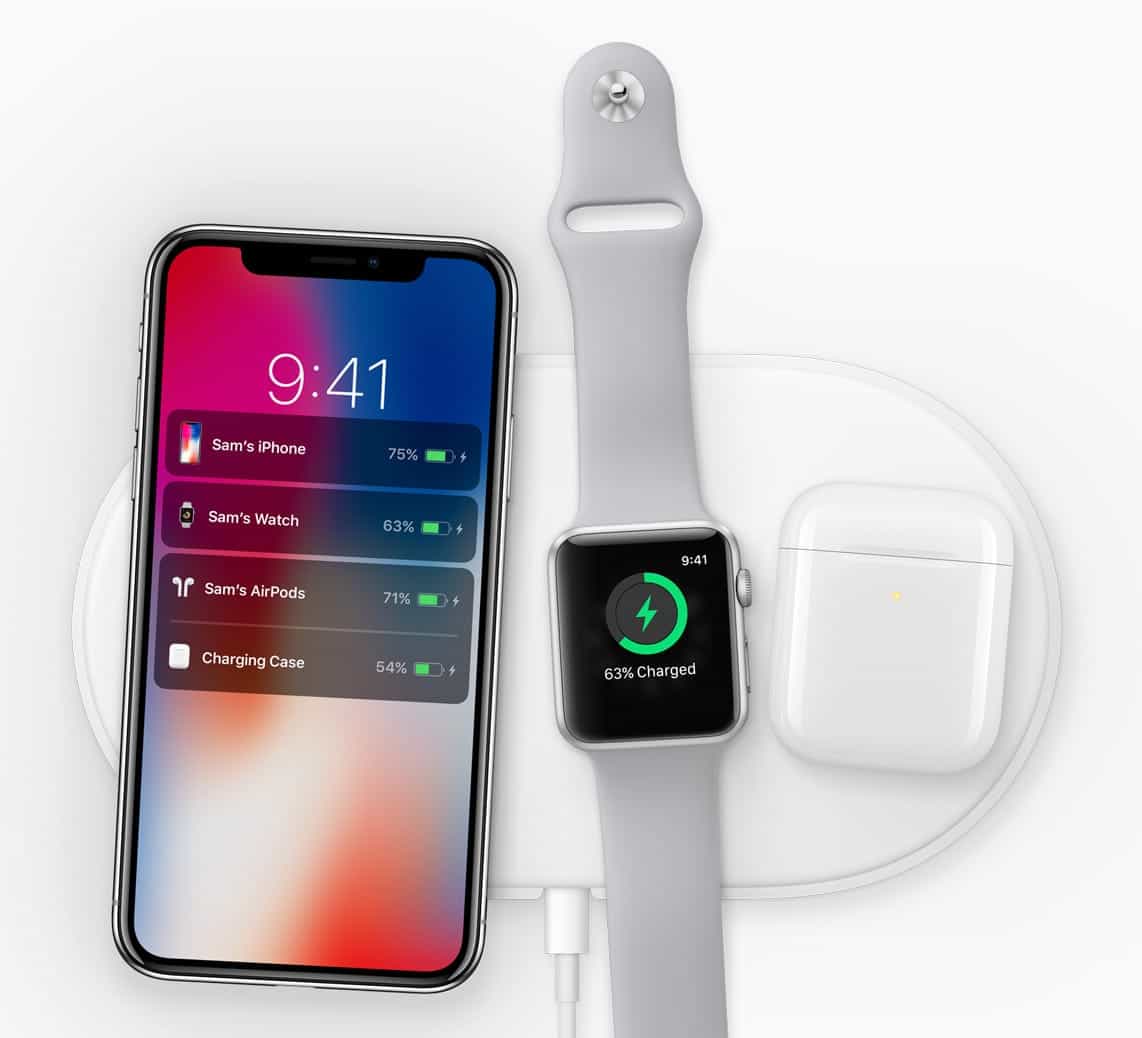
Will we finally get a release date for AirPower? Photo: Apple
Who said innovation was dead at Apple? Certainly not Fast Company, which just named the iPhone-maker the world’s most innovative company for 2018.
Apple secured the top spot “for delivering the future today.” AirPods, Apple Watch Series 3, ARKit, and iPhone X were recognized as its best products from the past year.
Rivals like Google and Samsung didn’t make the list.
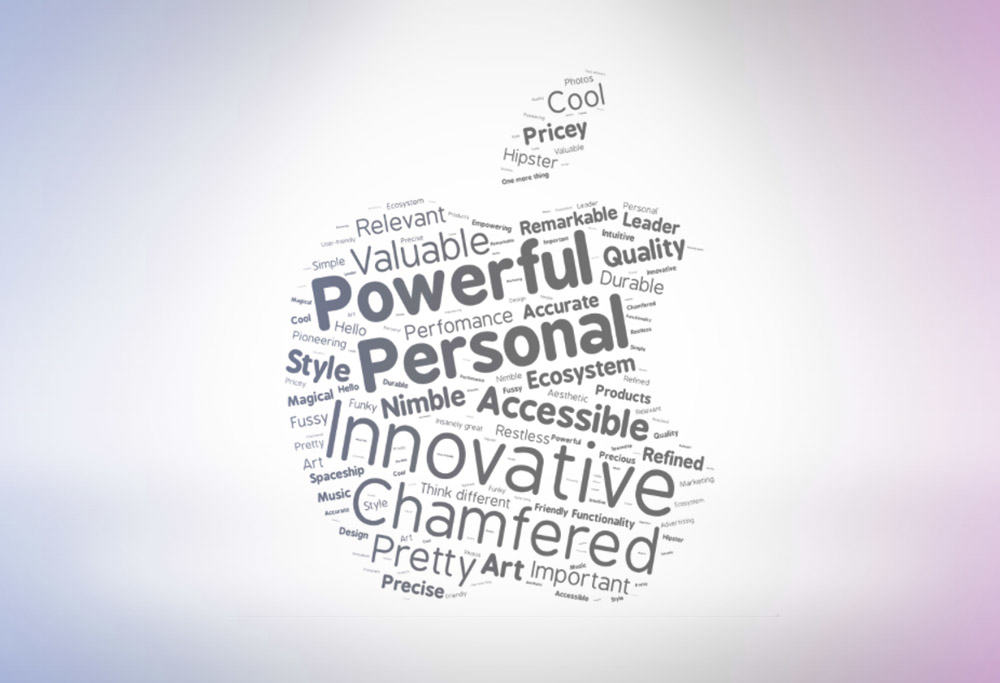
What does Apple mean to you? Illustration: Ste Smith/Cult of Mac
Over the past 40 years, Apple has been many things to many people. Innovative or imitative, premium or overpriced, saintly or evil — everybody’s got their own take on what Cupertino and its revolutionary products mean.
While Apple was founded on April Fools’ Day in 1976, the company and the profound impact that its shiny devices have made on our lives is truly not a joke. Here’s what Cult of Mac staffers said when asked to describe what the company means to them in a single word.
Why buy an iPhone when you can get so much more? Photo: Ste Smith/Cult of Mac
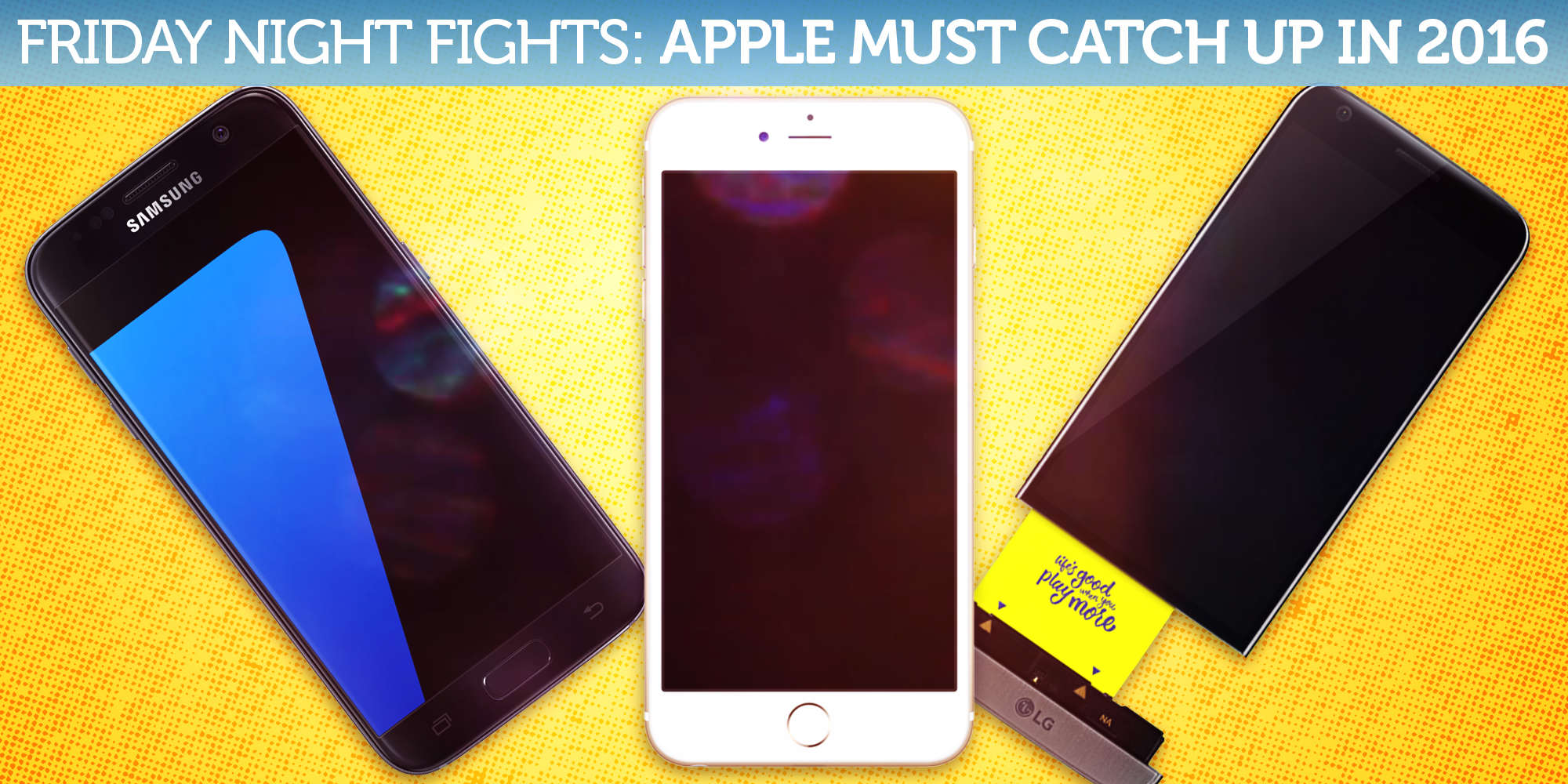
After Samsung and LG announced exciting new iPhone rivals at Mobile World Congress this week, we’ve had heated debates behind the scenes hereover whether Apple’s smartphone can still compete against the big guns in an increasingly competitive smartphone market.
Without features like wireless charging, water-resistance, and expandable storage, will it be harder for Apple to reverse slowing iPhone growth? Or are these things just gimmicks that the iPhone doesn’t need, and will have been forgotten just a few years down the line?
Apple leads on innovation and money. Are the two linked? Photo: Jim Merithew/Cult of Mac
Apple is a rarity in history: being not only the world’s most valuable company, but also one of its most innovative. A new study from research firm Lab42 takes a look at the link between these two topics, and draws some interesting conclusions which may help explain Apple’s current success.
In particular, the study notes how perception of innovation is hugely important to many consumers when it comes to choosing to pay a premium for electronics goods or services. Cha-ching!
Humans react to innovative things like the Apple Watch fairly predictably. Photo: Jim Merithew/Cult of Mac
If you’re one of the people out there who haven’t taken the plunge on an Apple Watch, you’re not alone. While Apple’s latest wearable has gotten a ton of press and sold really well, a lot of the rank and file out there might think it’s a toy, or only for rich folks.
In fact, says journalist Morgan Housel over at Time, most people throughout history have pretty predictable responses to new things.
He has a list of reactions to new innovative inventions, each of which are reactions we’ve all heard (or had) when the Apple Watch (or the iPad, or the iPhone) was launched.
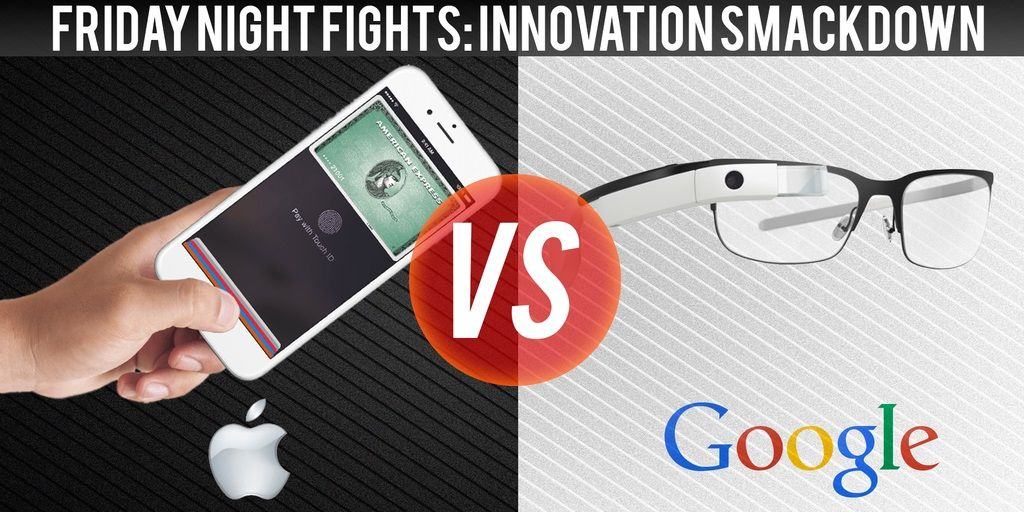
To succeed in tech, you must be a master of innovation. No two companies understand this better than Apple and Google, which have become kings of the industry thanks to a string of incredible ideas that have shaped the technology we rely on today.
But which company is continuing to innovate in 2015? Is it Apple, with its fitness-focused Apple Watch, Apple Pay, and a new streaming service that hopes to save the music industry? Or is it Google, with Google Glass, self-driving cars, and secret robots?
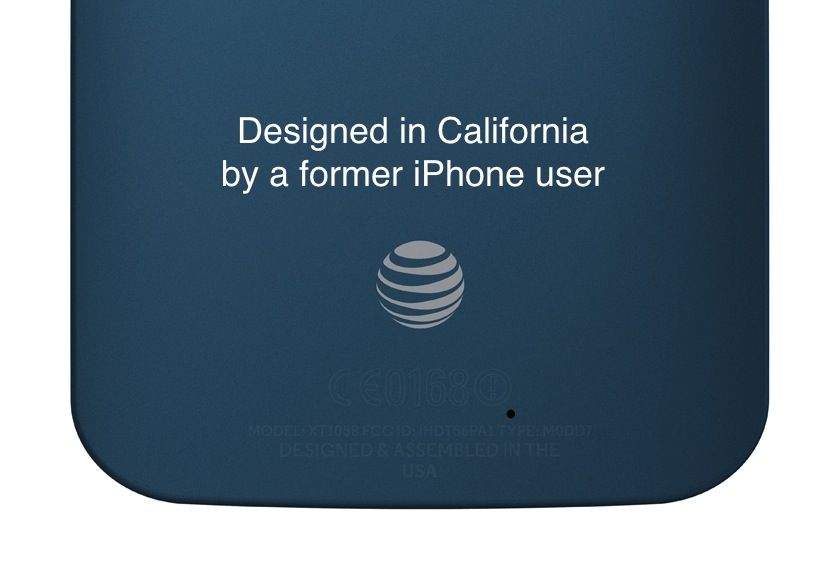
The most vocal and active iPhone and Android fans scoff at the notion that Moto X is the new iPhone. But it’s true.
The iPhone used to represent the most elegant, innovative and fun-to-use smartphone for everybody. That status has now been taken by Motorola’s new “Google phone,” the Moto X.
This week on The CultCast—finally—it’s time to talk iPhone 5S and iPad 5! We’ll tell you why April and August might be bringing you the tasty new iDevices, and if they’ll be drastically different than the models we’ve already got.
Then, is Apple is a innovation lull? Ex-Apple CEO John Scully thinks so. We’ll tell you what we think is really going on.
Subscribe to The CultCast now on iTunes to download our newest episode, or easily stream new and previous episodes via Apple’s free Podcasts App.
Apple has won a massive damages sum of nearly $1.05 billion in the patent trial against Samsung and the reaction from the technology community has been vast and swift.
In an email immediately following the verdict, Forrester Research Principal Analyst Charles Golvin told us the main takeaway from the verdict is the focus on innovation. Companies will now be forced to create legitimately different products, or at least engineer some without extravagantly similar features:
The jury particularly vindicates Apple’s software patents and their decision has implications not just for Samsung, but also for Google, other Android device makers like LG, HTC, and Motorola, but also potentially for Microsoft who employs features such as pinch to zoom, bounce on scroll, etc. These competitors are now forced to go back to the drawing board and come up with substantively different designs — or seek settlement terms with Apple. Since many of these controls are now built into the expectations of customers in how they work their phones, those are substantive challenges.
Gartner analyst and VP of Mobile Research Van Baker agrees the redesign of products in the long term is an issue but that it won’t affect any products anytime soon.
This is a clear win for Apple but it will have little impact on the market in the near term as it is highly likely that there will be an appeal so we will have to repeat the process. If sustained it has the potential to force Samsung to redesign a number of products and it will apply significant pressure on all smartphone and tablet makers to avoid trying to emulate the Apple designs as they bring new products to market.
Earlier, the two principals in the case immediately followed the shocking judgement with their own statements.
Ken Segall, who named the iMac and worked on the “Think Different” campaign, has some choice takeaways from working with Steve Jobs that he’s finally sharing in book form with Insanely Simple: The Obsession That Drives Apple’s Success.
The cleanly-designed cover in Apple’s signature Myriad typeface looks almost like it should be unboxed; inside you’ll find choice insider tales of the flops, false starts and history made with Apple over the 12 years he worked with the Cupertino company. (You can read an exclusive excerpt from Insanely Simple and our review of the book here.)
Segall tells Cult of Mac about the reasoning behind that lowercase “i,” winning Jobs over and what happened when ads flopped. You can catch up with him through his blog or Facebook page, where you’ll also find details about his upcoming book tour.
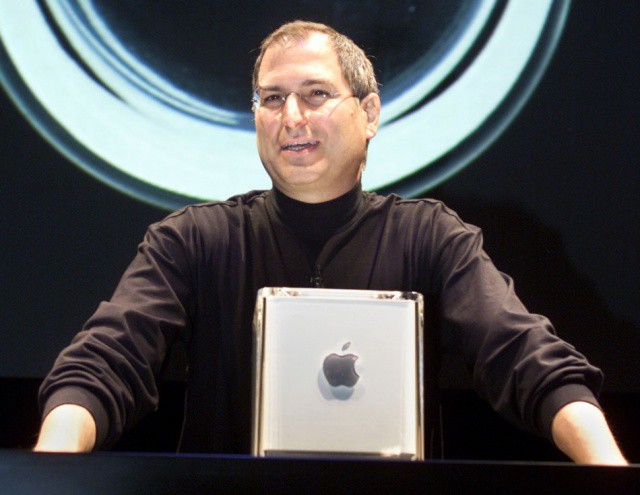
According to Ken Segall's new book, "Insanely Simple," Steve Jobs loved the PowerMac G4 Cube, but had to let it die.
Here’s an exclusive excerpt from a new book about Steve Jobs and Apple by ex-advertising Mad Man, Ken Segall. The book is called Insanely Simple: The Obsession That Drives Apple’s Success, and it’s on sale tomorrow. In the excerpt, we learn about Steve Jobs’s great reaction to criticism of the infamous hockey puck mouse, how he responded quickly to mistakes, and his attitudes toward the “brand bank.”