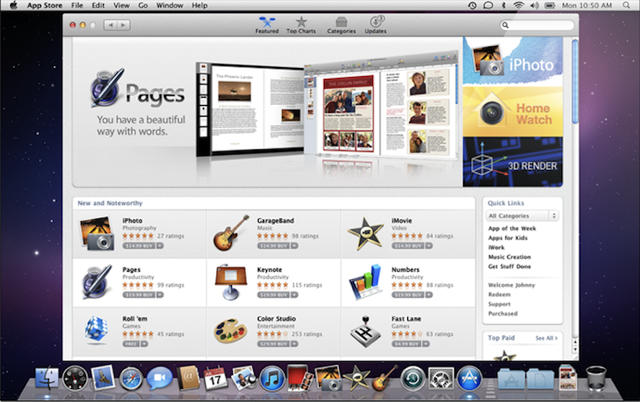
Now that Apple is fixing the in-app purchasing exploit that Russian hacker Alexei Borodin brought to light this week, it seems as if he’s at it again. This time, however, it’s an in-app purchasing hack that works in the Mac App Store.
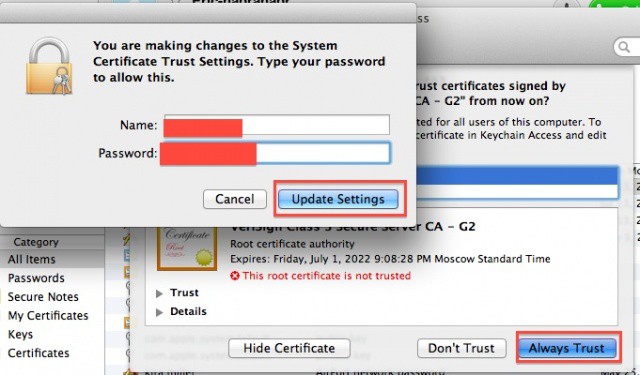
The method here is similar as the one Borodin used in iOS, with the user installing some fake security certificates and then pointing the Mac’s DNS servers at a false server run by Borodin. The remote server then pretends to be the actual Mac Store and verifies the purchase, bypassing the real system for in-app purchases set up by Apple and use by developers of Mac apps. Borodin claims that this system has allowed approximately 8.4 million free purchases so far.
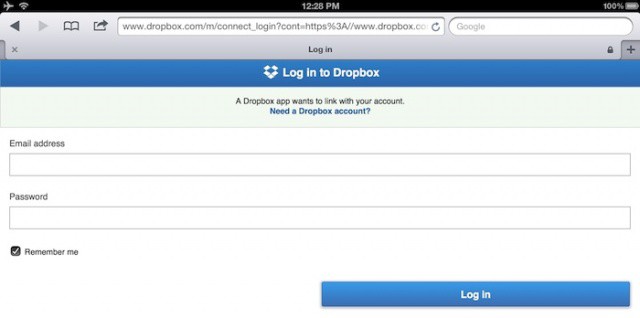
Looks like applications that were once getting rejected due to their use of the Dropbox API are once again being approved in Apple’s iTunes App Store. What apparently was at issue was Apple’s rules regarding “out of app” purchases that bypassed Apple’s app store as well as it’s 30 percent cut of the fees.
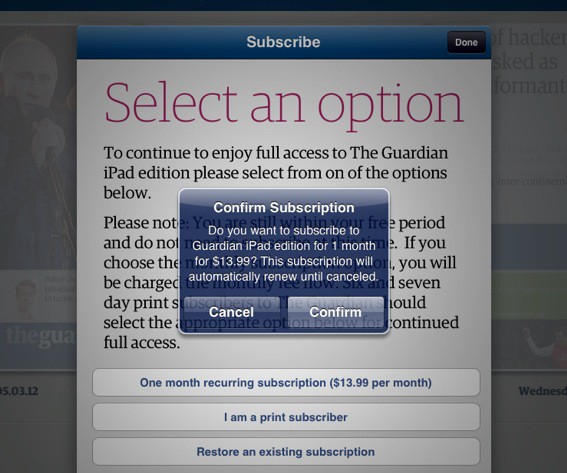
A recent update to the iTunes Terms and Conditions adds an interesting clause regarding free trials for in-app subscriptions in the iOS App Store. Ever since the launch of the App Store in 2007, users have been clamoring for some kind of demoing system for paid apps. It looks like Apple may be slowly making strides towards that reality.
Publishers “may offer a free trial period” via in-app subscriptions in an iOS app, according to Apple.
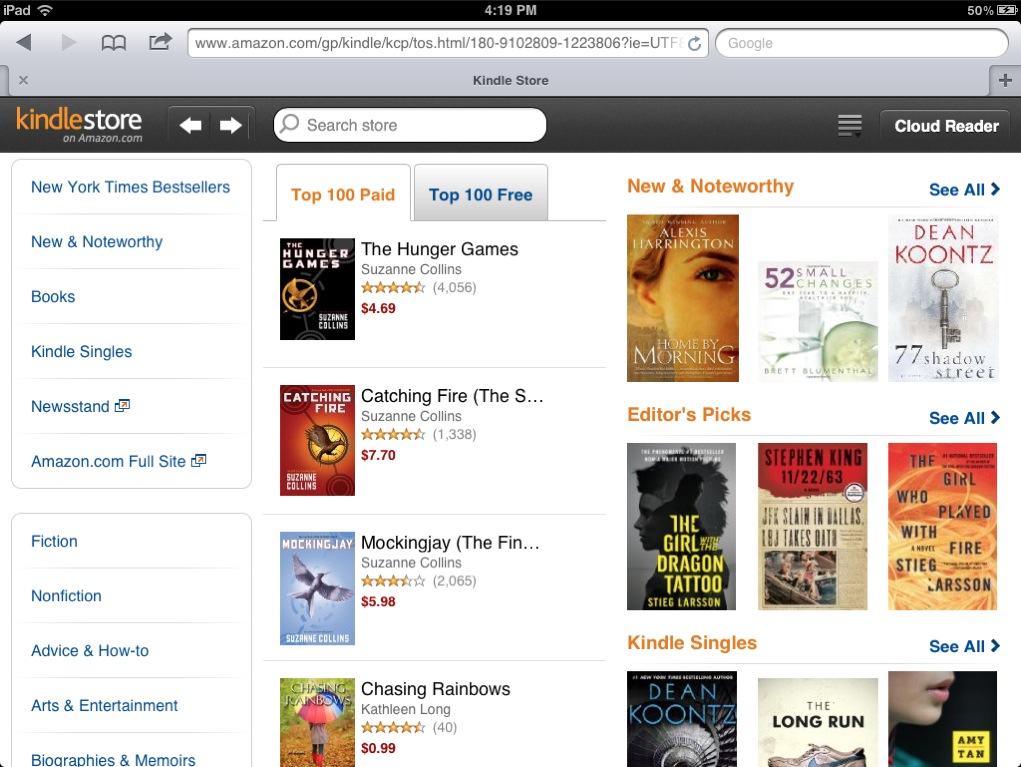
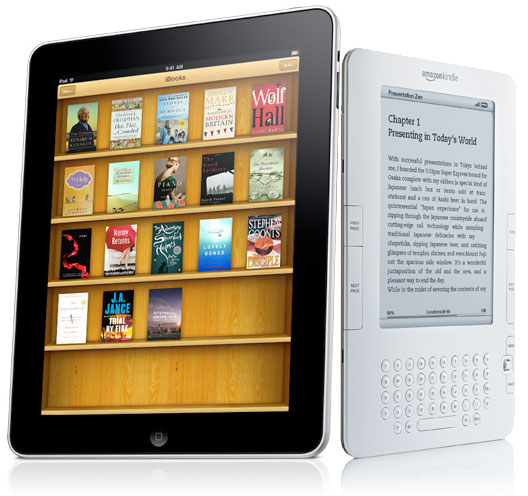
Today Amazon launched an iPad-optimized Kindle Store web app. Visiting amazon.com/iPadKindleStore on the iPad will now take you to Amazon’s new web portal for buying ebooks from Apple’s tablet.
Once you’ve logged into your Amazon account, you’ll be able to browse and purchase ebooks in Mobile Safari on the iPad. Your purchases will then be pushed by Amazon to your Kindle device or Kindle iOS app.
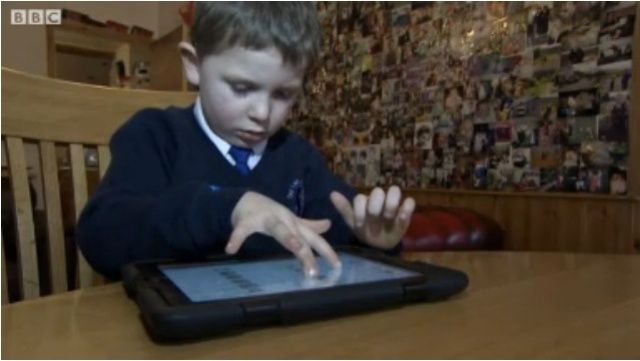
Here at Cult of Mac, we’ve got our own axe to grind against freemium App Store games that try to get kids to max out their daddy’s credit cards with expensive in-app purchases, so it’s nice to see The Daily Show take freemium game makers to town in an absolutely hilarious, spot-on segment that shows how scummy these waters of the App Store can really be.
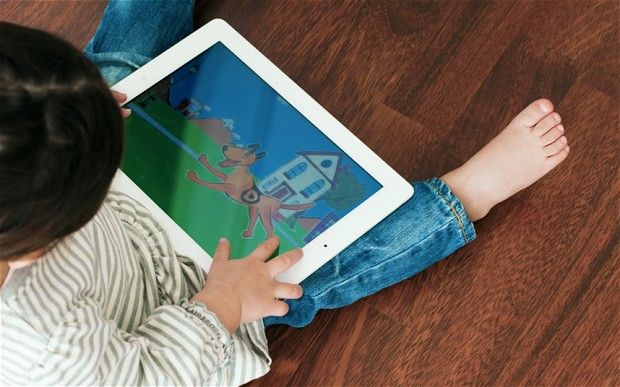
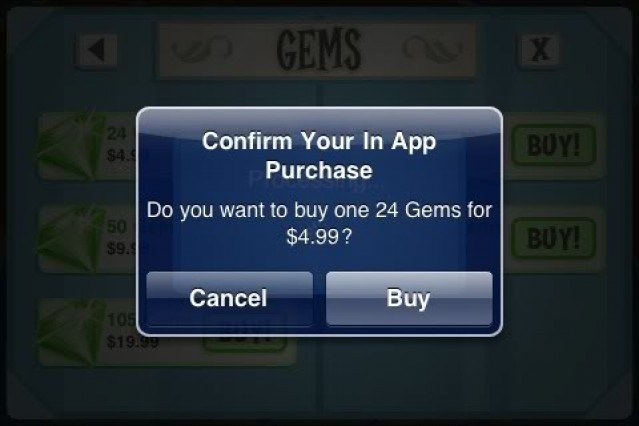
Remember those sneaky Smurfs? The in-app iPad purchases from the free game Smurf’s Village – and dozens of games like it – had parents seeing red as their toddlers accidentally ran up credit card bills.
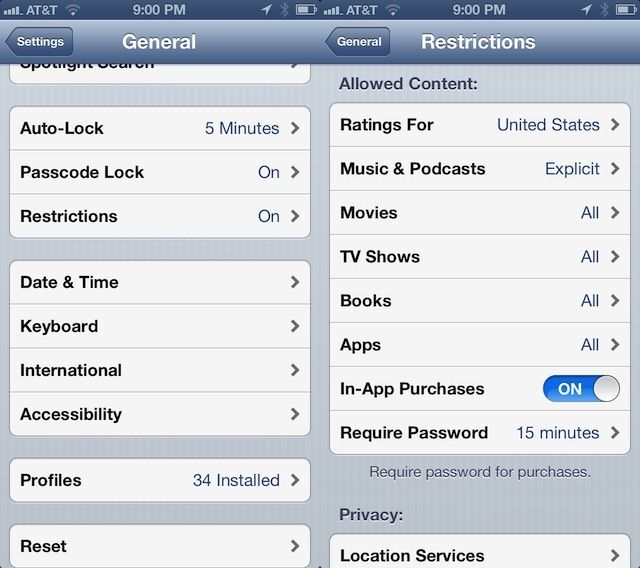
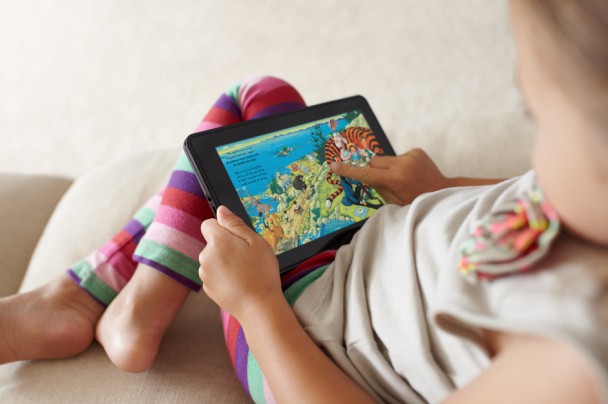
The Kindle Fire also has a similar problem. Kids who play about with the 7-inch tablet are just a few swipes away from Amazon’s famous 1-Click Ordering, a feature that cannot be disabled on the device. (If you haven’t disabled in-app purchases on your iPad, here’s how.)
Reuters reports that Jason Rosenfeld’s 3-year-old daughter basically bought her own Christmas presents after seeing Dad’s shopping history on the tablet.
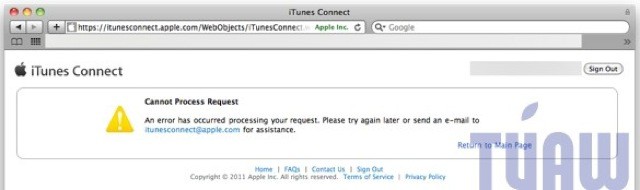
The option to purchase additional content within iOS applications seems to have been plagued by an error for at least 10 hours now, with in-app purchases “failing in a big way,” according to one report. iOS developers who rely on the income they receive from in-app purchases are beginning to lose their patience with Apple.
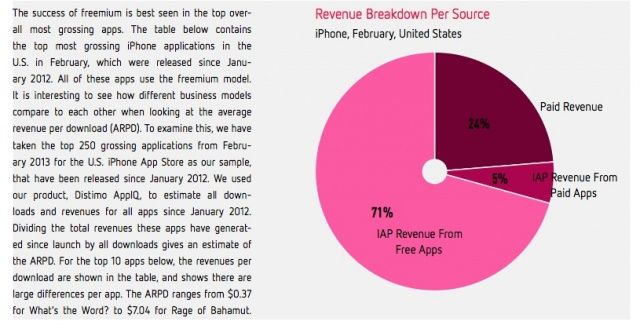
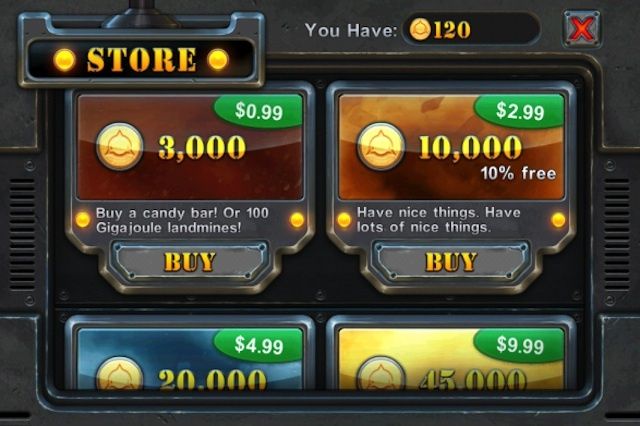
The Games category is by far the most popular corner of the iOS App Store, and a new report has surfaced that says most people spend their money on virtual, in-app goods and upgrades in their favorite games.
In terms of Android and iOS users, the ‘freemium’ model seems to be the reigning king of mobile gaming. Users are starting to prefer free games that offer in-app upgrades and purchases to unlock new content.
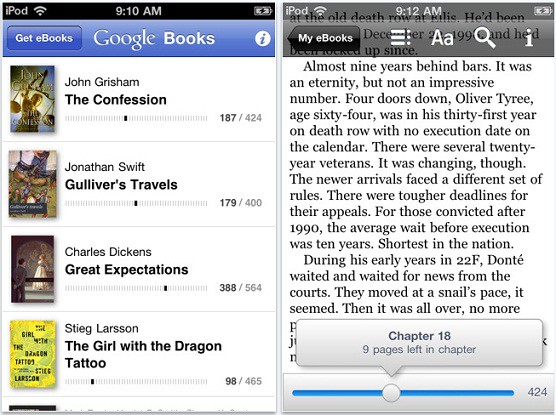
Apple has just seemingly banned its first big name app for not playing along with Apple’s revised In-App Purchase rules, as Google’s official Google Books app, which contained a prominent web link to an outside e-store, has disappeared from the App Store. If it has happened to Google, will Amazon’s Kindle app be the next app to disappear?
Today’s June 30th. That’s an important day for app developers. It’s the day Apple expects app makers to comply with new guidelines saying you can no longer link directly to a way to buy in-app content out of app. Hulu Plus has already jumped through that hoop, but you know who hasn’t? Amazon with its Kindle app.