Nearly three in every four smartphones sold during the first quarter of 2013 were running Android, according to the latest statistics from the analysts at Gartner. Google’s operating system grabbed a whopping 74% of the market share during the three-month period, while Apple’s iOS came in second with 18.2%.
Companies choosing to build Windows Phone, BlackBerry, and Symbian powered devices might want to look away now.
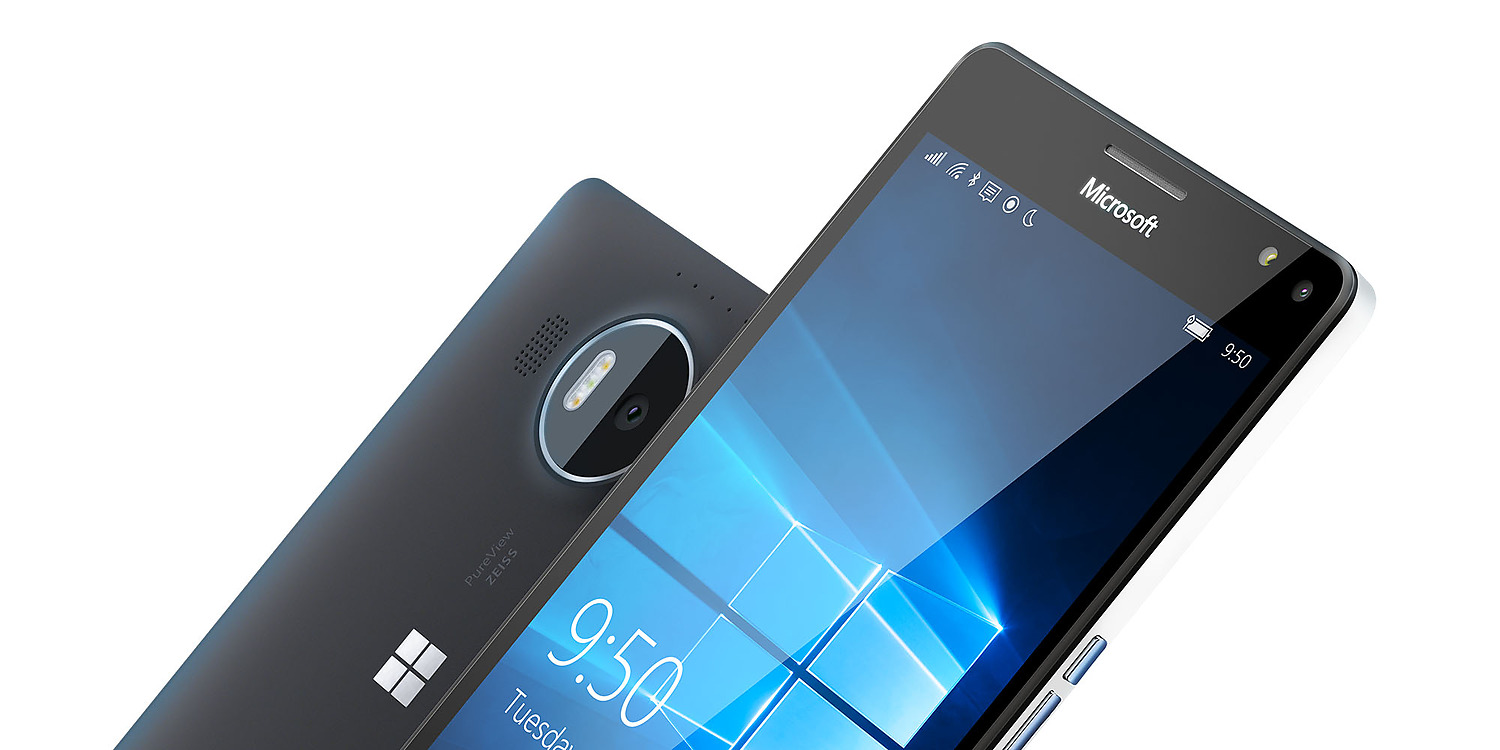
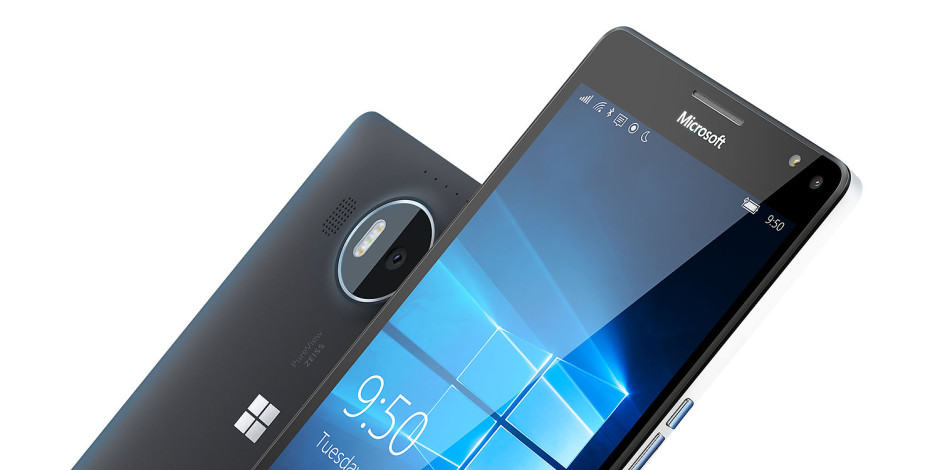
Nokia has this morning announced its new Lumia 925, a Windows Phone smartphone with an aluminum frame that hopes to step up Nokia’s fight against Apple and Samsung. But does the Lumia 925 really have what it takes to compete with the iPhone 5, the Galaxy S4, the HTC One, and other high-end smartphones?
We’ve put together a spec-by-spec comparison to help you decide whether Nokia’s new flagship is worth the switch to Windows Phone.
Nokia has today announced the Lumia 925, a new Windows Phone flagship that will be hoping to steal market share away from Apple and Samsung in 2013. The device boasts an aluminum frame and offers an 8.7-megapixel rear-facing PureView camera — both of which are firsts for Nokia’s Windows Phone devices.
Android doesn’t look like it’s about to lose any of its market share to competing platforms any time soon. During the first quarter of 2013, Google’s platform powered a whipping 59.9% of all smart mobile devices sold as total shipments hit 308.7 million units.
Apple’s iOS, on the other hand, was installed on just 19.3% of devices — despite the success of its iPhones and iPads.
Even though we love the HTC One, there are really only two smartphone manufacturers in the world right now that matter: Apple and Samsung. The two companies have been fighting for every square inch of the global smartphone market, and have managed to take all of the profits in the process.
A new report from Canaccord Genuity shows that while some manufacturers made improvements in the March quarter of 2013, Apple and Samsung still account for 100% of the industry’s profits, with Apple taking 57% and Samsung snatching up the remaining 43%.
EE has today announced that its 4G network is now available in another 12 towns across the United Kingdom, bringing the total number of 4G connected towns and cities to 62 in just six months following its launch. That’s 50% of the U.K. now covered by 4G, and EE is aiming to increase that to 70% by the end of the year.
Steam! That’s what Steve Jobs would have had rocket from his ears when he heard about Facebook Home. We’ll explain why on our newest CultCast, but also covet aloud the one feature we hope Apple borrows for iOS. Plus, inside Leander Kahney’s Jony Ive book; Ron Johnson father of the Apple Store takes a boot to the rear; and we wrap with an all new Faves ‘N Raves, the segment where we pitch our favorite tech and apps then vote on which one’s best!
Stream or download new and past episodes of The CultCast on your Mac or iDevice by subscribing now on iTunes, or hit play below and let the good times roll.
This mockup shows what a family of different sized iPhones might look like.
Topeka Capital analyst Brian White received some criticism last week when he revealed in a note to investors that he expects Apple’s much-anticipated television set to come with a “mini iTV” tablet and an “iRing.” But rather than going into hiding until the whole thing is forgotten about, White has revealed his predictions for the iPhone 5S.
The device will be available with “at least” two screen sizes, White claims, giving those who might switch to Android for a larger display a reason to stick with the iPhone.
While tech experts have been eager to announce the demise of Apple and the iPhone, a different story has taken place in the U.S. as Apple has continued to widen its lead against Samsung.
comScore just released its latest report on the state of the U.S. smartphone market, and their findings show that Apple managed to widen increase its marketshare. Samsung saw some growth as well (1.0% ) but Apple grew about four times more (4%).
Today Facebook CEO Mark Zuckerberg unveiled “Home,” his company’s new experience on Android devices. Rumors leading up to today’s event said that Facebook has been working on its own Android device in conjunction with HTC, and that has turned out to be true.
Zuckerberg started by explaining how modern smartphones are built around different apps that communicate with people, and that Facebook wants to switch that paradigm and focus on people first. Home allows you to quickly interact with your Facebook account anywhere from your device, including the lockscreen.