Apple continues to lay the groundwork for its first mixed reality device. Image: Steve Troughton-Smith
Another reference to Apple’s unreleased “realityOS” operating system leaked Wednesday in new open source code. It suggests the company’s highly anticipated mixed-reality headset is inching closer to its public debut.
Apple reportedly met with the suppliers of augmented reality glasses components at the Consumer Electronics Show in Las Vegas this week.
The company made a significant push into AR with the launch of its ARKit framework in iOS 11, while rumors surrounding its own wearable AR hardware have been circling for years.
The ultimate universal VR headset. Photo: The Model A
The Model A is the first universal virtual reality headset for your smartphone that you won’t want to ditch within hours of buying it. It’s designed to be lightweight and comfortable to wear, and has a high-fidelity audio system built right in.
It’s just one of the awesome ideas in this week’s Crowdfund Roundup. We also have the world’s best pen machined out of titanium, a gadget that keeps all your devices secure online, the ultimate camping companion, and more!
Is Apple about to dive deeper into AR? Photo: Rob LeFebvre/Cult of Mac
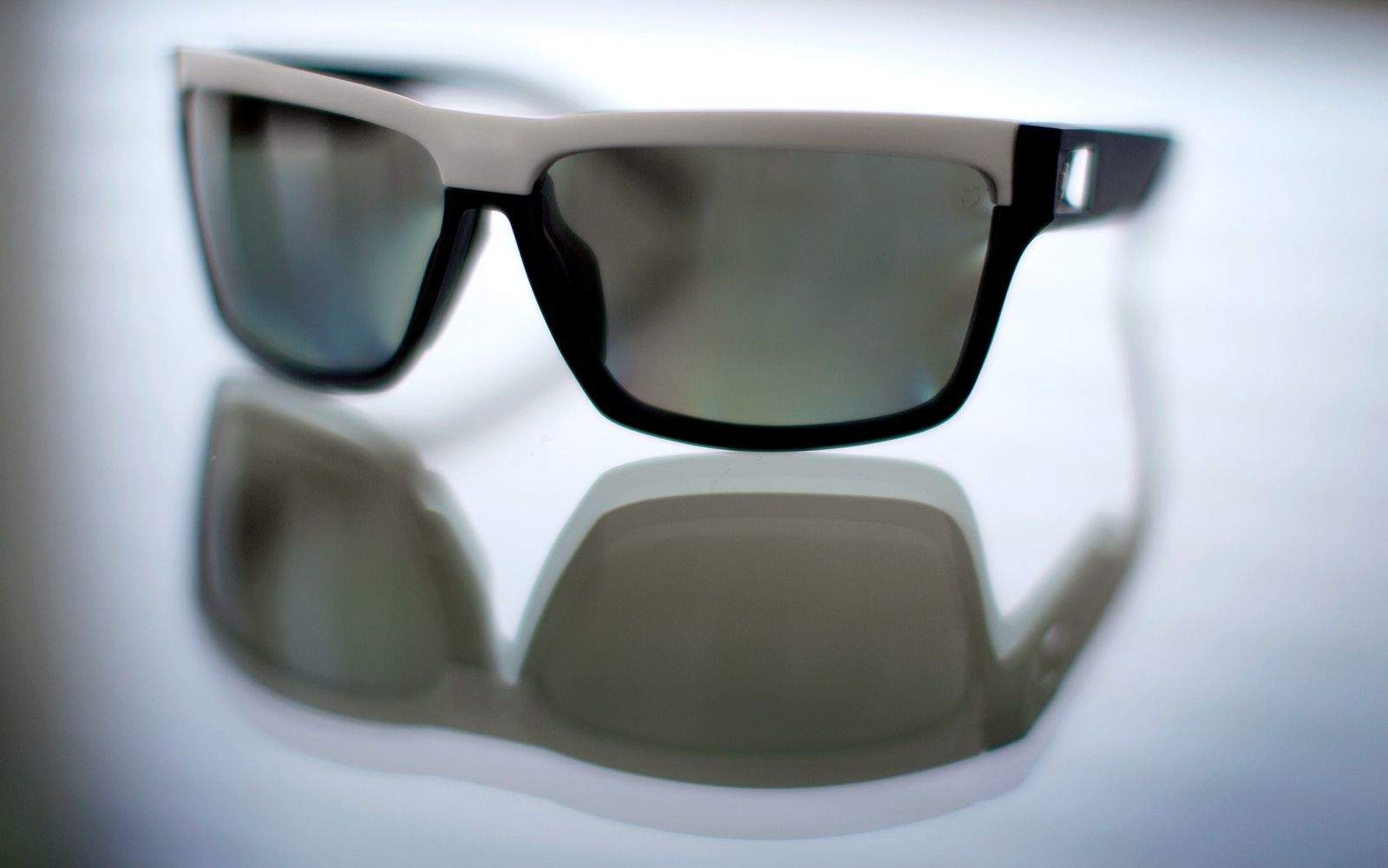
Apple has updated its iCloud trademark to cover “smartglasses” and headsets.
The company has been on a mission to add new devices to many of its filings in recent months, but its latest update is particularly interesting following the introduction of ARKit at WWDC.
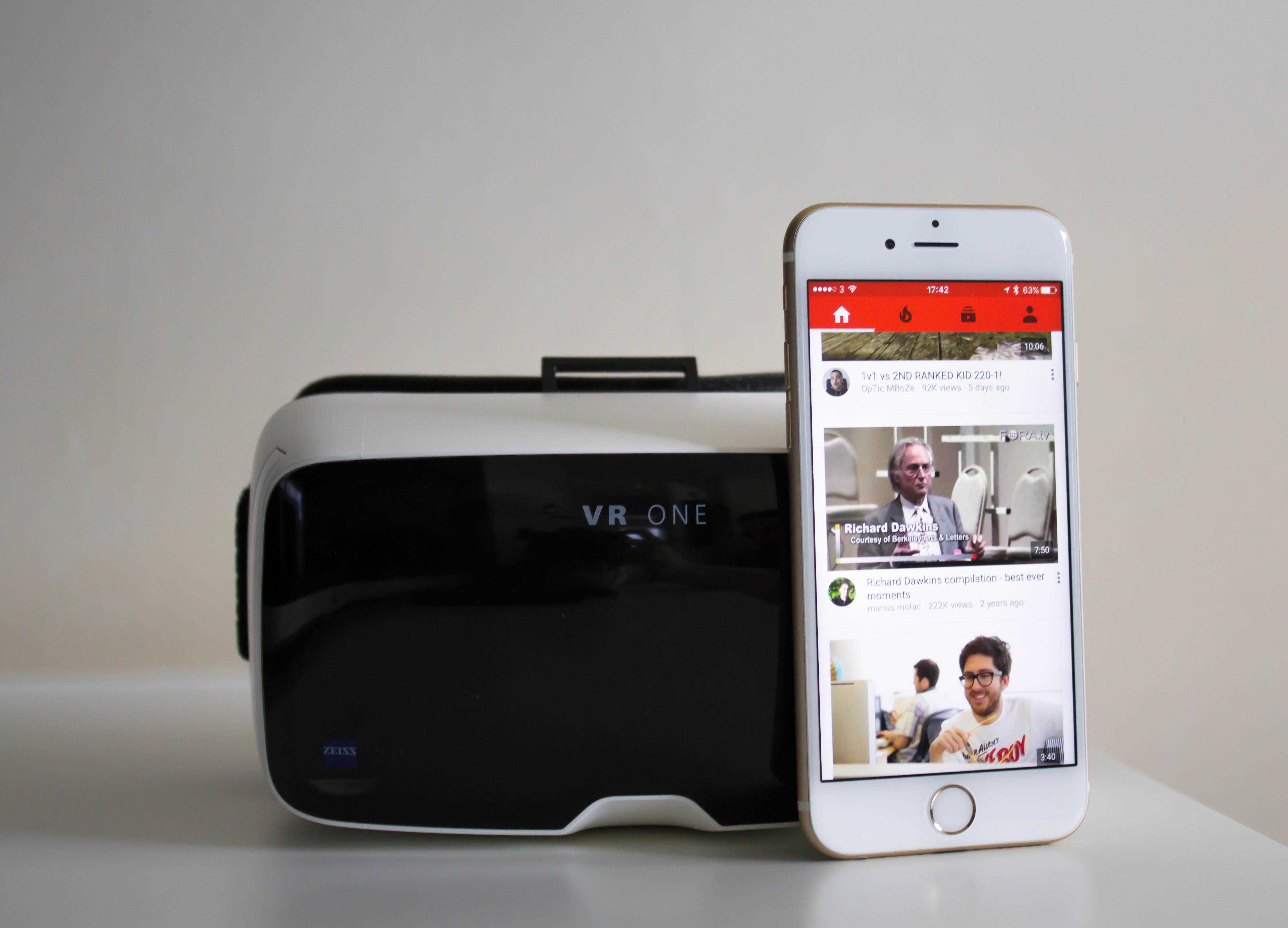
YouTube goes all in on VR. Photo: Killian Bell/Cult of Mac
It’s time to dust off that virtual reality headset you bought for your iPhone. Thanks to a new YouTube update that’s rolling out now, it’s finally possible to watch any video in glorious VR.
If you can’t bring yourself to pay for a virtual reality headset made of cardboard, then now’s your chance to bag one for free, courtesy of a popular porn portal. BaDoink advertises the many safe-for-work things you can do with the device, knowing full well you’ll try some NSFW things, too.
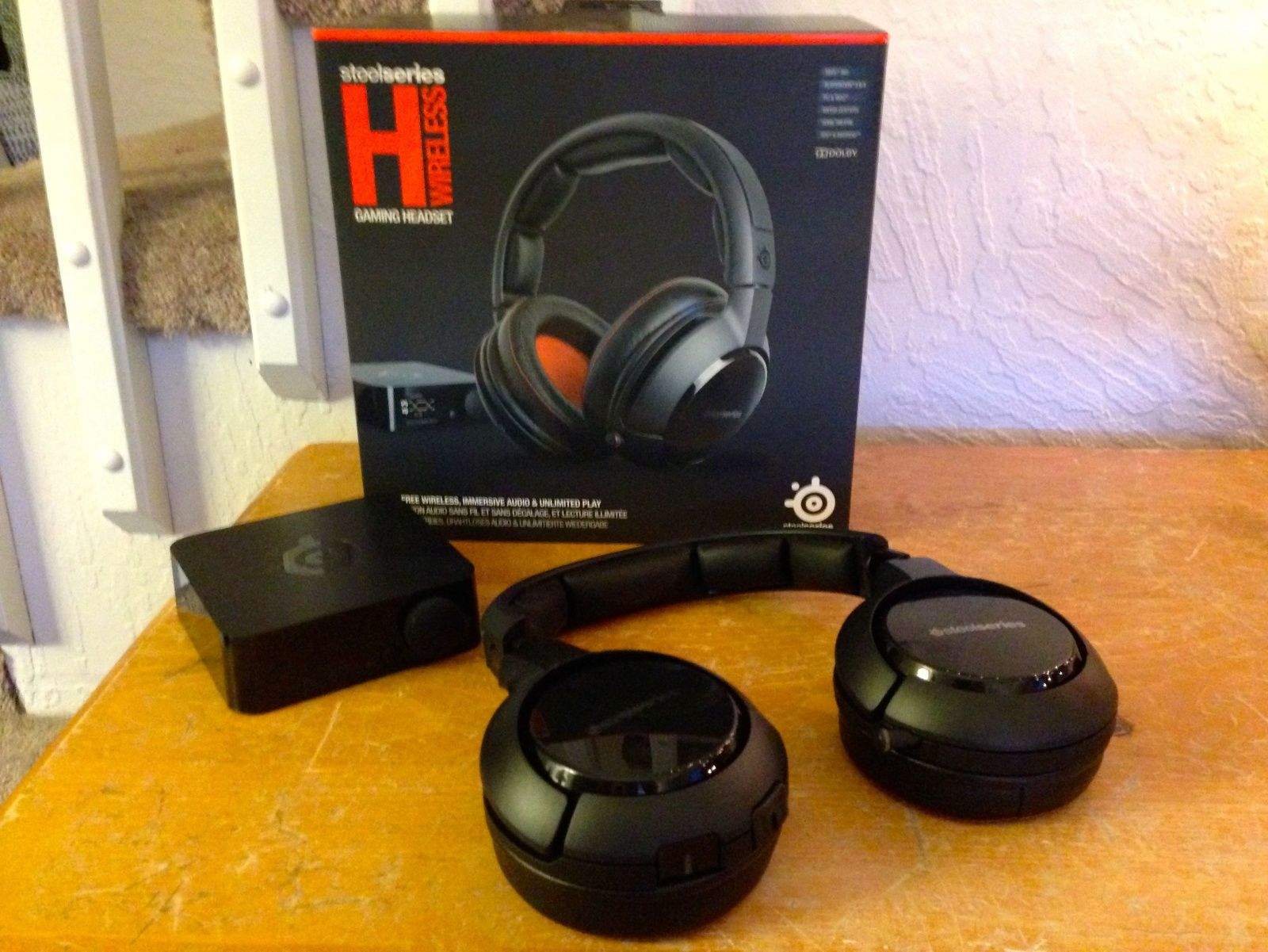
Every time I think I’ve found my favorite pair of gaming headphones, Steelseries sends me another one to try out.
H Wireless Gaming Headset by Steelseries Category: Headphones Works With: Mac, iOS, Android, PC, Gaming Consoles Price: $299
This time, it’s the H Wireless series, a fantastic, well-designed headset that connects via optical or analog inputs to provide stunningly good Dolby sound without wires. You can, of course, connect an iPhone or iPad to the box, as well, getting a quality sound to walk around the house with.
When I first tested the BlueAnt Q3 headset, paired with my iPhone 5, I was surprised by how poorly it performed. I couldn’t get over how bad the audio quality was, and I was surprised a top-notch company like BlueAnt could release such a dud. Investigating further, I decided to snoop around online to see what others were saying, but it I wasn’t alone, other iOS users we experiencing similar issues.
With that in mind, I had no choice but warn readers, and rate the Q3 poorly.
Q3 Bluetooth Headset by BlueAnt Category: iOS Accessories, Bluetooth Headsets Works With: iPhone, iPad Price: $100
But here, the story begins anew. After filing my review, several readers, and BlueAnt themselves, alerted me that the real problem has to do with the problematic ways Apple implements Bluetooth, and BlueAnt assured me a simple Q3 firmware update would absolve any audio issues I may have had. Fair enough, I thought, after all, this wasn’t the first time I had experienced subpar audio with Bluetooth headsets that, when used with non-Apple devices, seemed to function sublimely.
I’ve now tested a brand new fully-updated Q3, and I’m happy to report that it has indeed solved many of the Q3’s initial audio faux pas. BlueAnt, to their credit, has now earned at least some reprieve, as the Q3 is now bringing both fists to the fight.
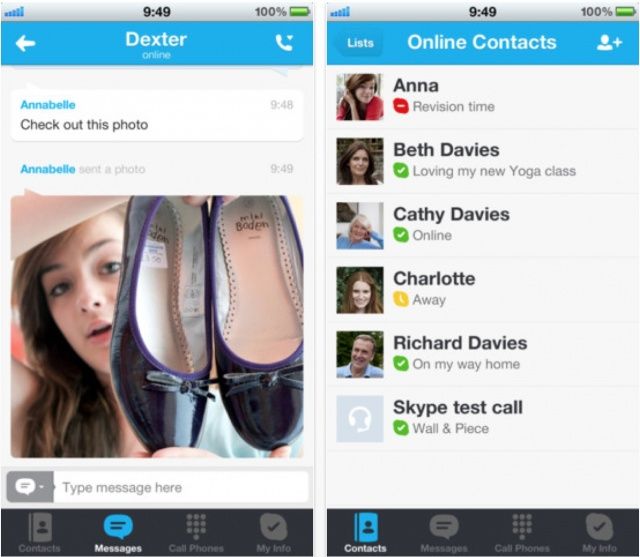
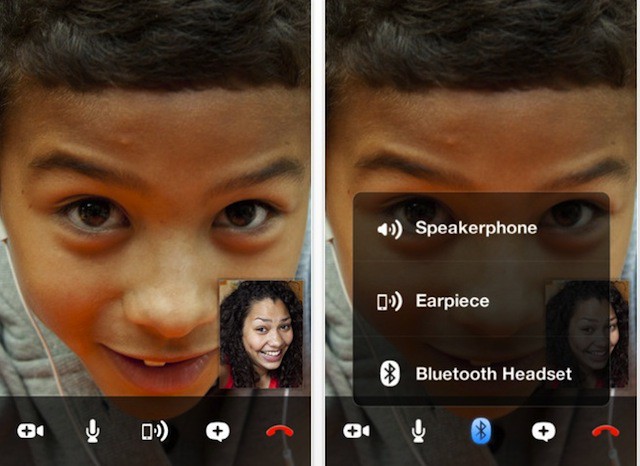
Skype has today updated its iOS app to make it super easy to switch to a Bluetooth headset or speaker during a call. It also makes one-to-one chats appear in the correct order, makes some bug fixes and improvements, and more.
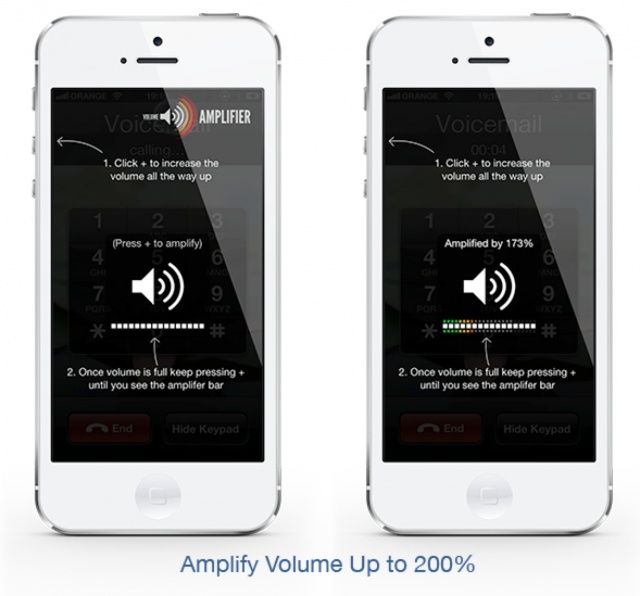
The iPhone 5’s call speaker is pretty good, but there are times when it could be a little louder — like when you’re in a crowded place. As always, the jailbreak community has a solution to that problem. It’s called Volume Amplifier, and it’s a new tweak that promises to amplify your iPhone’s call speaker volume by 200%.
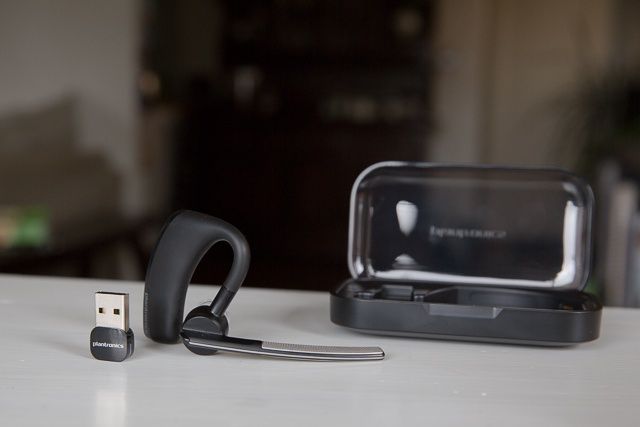
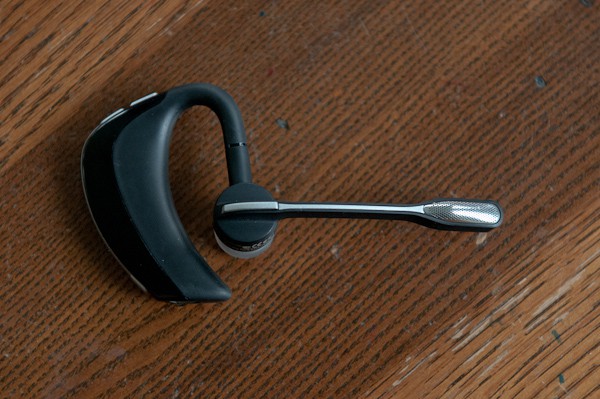
Plantronics Voyager Legend UC means hands-free calling on iOS or Mac.
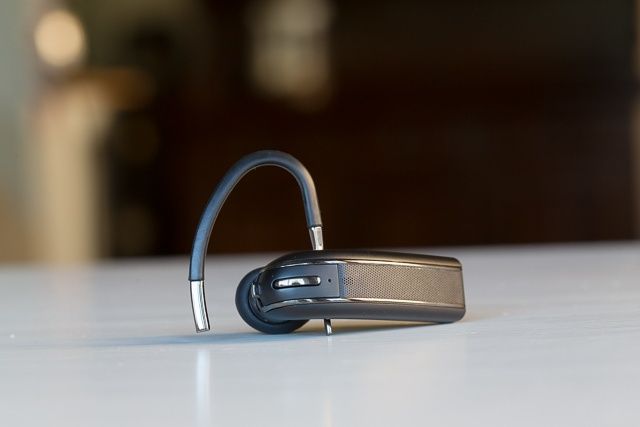
There are a ton of Bluetooth headsets on the market today, and because I prefer talking hands-free, I’ve tried a lot of them. But as a Bluetooth enthusiast (yes, we exist), I’ve been continually frustrated. That’s because all the headsets I’ve tried thus far have missed the mark, especially when paired with an iPhone, delivering callers’ voices as muddy and hard to decipher, or making me sound like I live under the sea (I don’t).
Voyager Legend UC Bluetooth Headset by Plantronics Category: iOS and Mac Accessories Works With: iPhone, iPod, iPad, Mac Price: $200
So when I got my hands on the Plantronics Voyager Legend UC, with its promises of excellent audio, call routing touch technology, and the ability to work on both my Mac and iOS device, I was dubious. Not anymore. This little Legend hasn’t just proved my first impressions wrong, I’m now convinced it’s the best Bluetooth headset I’ve ever used.
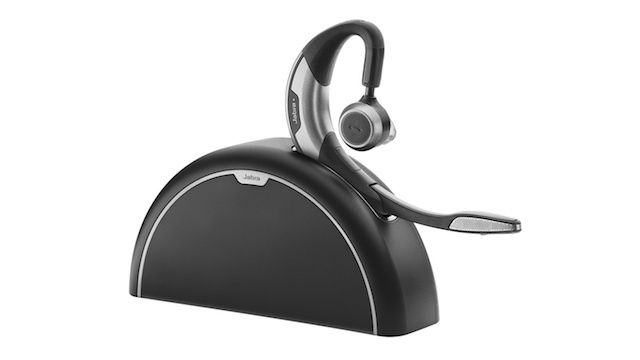
Like the Plantronics Voyager Legend we reviewed a few months ago, Jabra’s new folding-boom Motion series incorporates motion sensors — so they can do things like automatically answer calls when you place the headset to your ear, and even automatically adjust the volume.
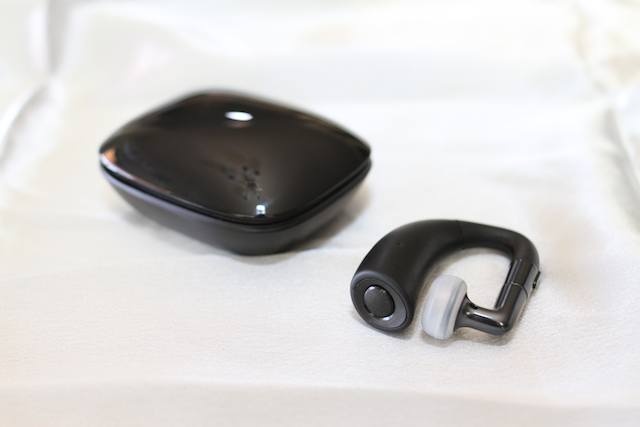
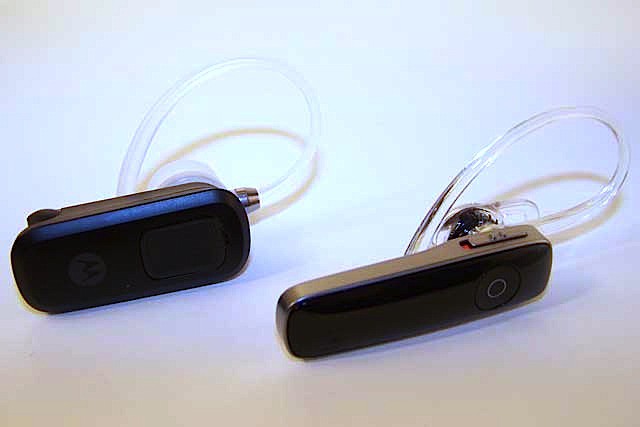
This isn’t the smallest headset. In fact, Motorola’s Elite Sliver Bluetooth Headset ($130) is actually bulkier than many other personal BT headsets. Its trick, though, is to hide most of the bulk behind the user’s ear, leaving just a sliver — hence the name — of technology visbile.
But the Sliver isn’t just a one-trick pony; its case also doubles as a battery that will top off the Sliver when the headset is housed in the case (which actually does triple duty as a charger).
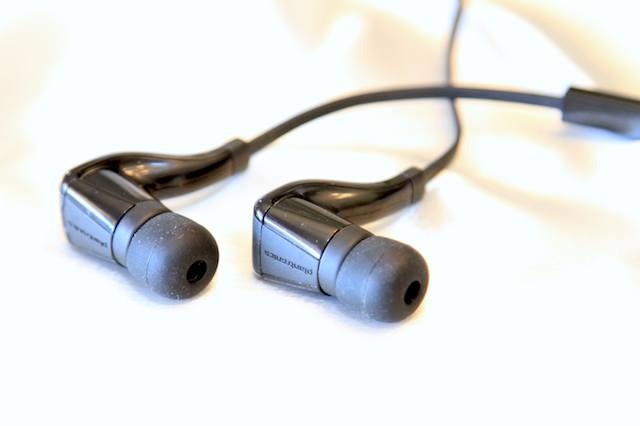
A long time ago, before this site was born, we reviewed the Altec Lansing BackBeat 906 Bluetooth headphones, and liked ’em. Plantronics had their own identical version of the 906, as they had owned Plantronics since 2005 (the two companies parted ways about the time the 906 was released).
The Plantronics BackBeat Go ($100) is an evolution of the 906. Same principle — wireless (meaning there’s no wire conecting the player with the headset) music and calls in a compact form via the magic of Bluetooth — but in an even smaller and more svelte form factor. Should be even more fantstic, right? Let’s take a look.
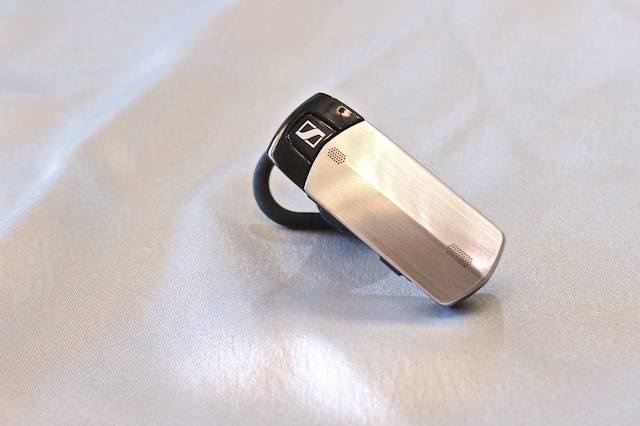
Sennheiser’s VMX 200 is one kostspielig little Bluetooth headset. Its $150 MSRP is higher than the other guys’ flagship mobile-phone headsets, like the Motorola CommandOne, Jabra Supreme and BlueAnt Q2, all of which are good-to-stellar performers, and stuffed to the gills with features.
Taking the pricing into consideration, one might expect the VMX 200 to have near-perfect manners, and at least as many bells and whistles as its competitors, if not more. Right?
If you’re ready to make the leap to hands-free talking, or are looking to upgrade from an older bluetooth headset, the Plantronics Voyager Pro+ ($99) is one of the best headsets on the market and is worthy of your dollars. But beware, its voluminous size may leave some sheepish, wishing for a more discreet unit.
Many headsets promise a headset utopia, making smartphone users’ heads fill with visions of commanding their world with a simple voice command.
The Plantronics Marque M155 ($60) and the Motorola HX550 ($60) both make similar promises, with the HX550’s packaging going as far as to promise a “complete hands-free solution.” Both headsets offer liberation from holding the phone, but how do these midrange ‘sets match up to the marketing promises — or the abilities of their more expensive siblings?
Jabra isn’t an organization afraid of veering off the main road; it seems to use many of its high-end Bluetooth gadgets as design and technology showpieces — sometimes with unfortunate results (the Stone sacrifced performance for a radically shaped body, and the Halo headphones were all kinds of awful).
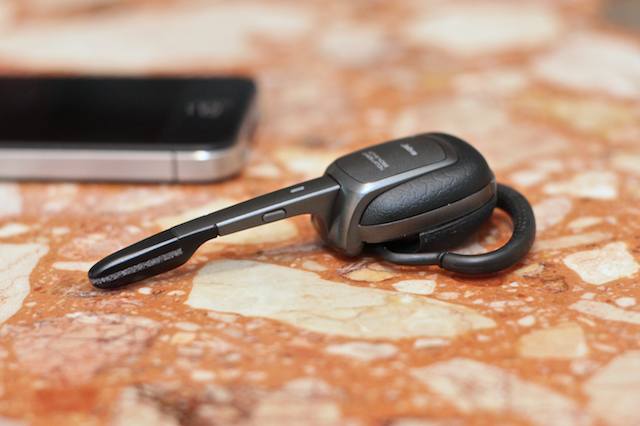
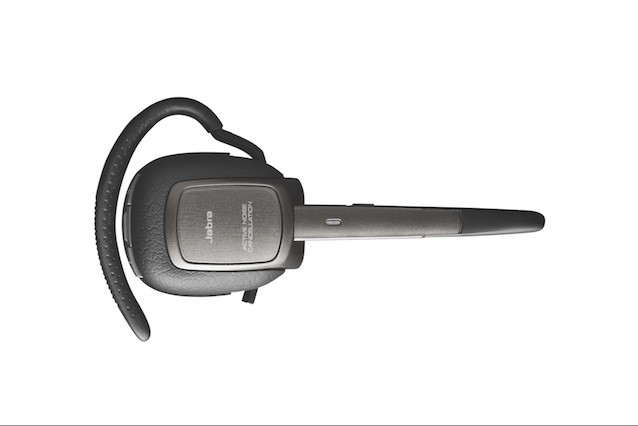
But when Jabra isn’t trying to reinvent the wheel, it’s actually able to give us stuff that’s pretty darn good. The outfit’s newest creation is the high-end Jabra Supreme ($100), the first monoaural Bluetooth headset to offer active noise-cancelling technology in its earpiece, along with all the other goodies usually stuffed into a primo ‘set. So Jabra’s definitely gone the showcase route with the Supreme — but this time, the headset is also an outstanding performer.
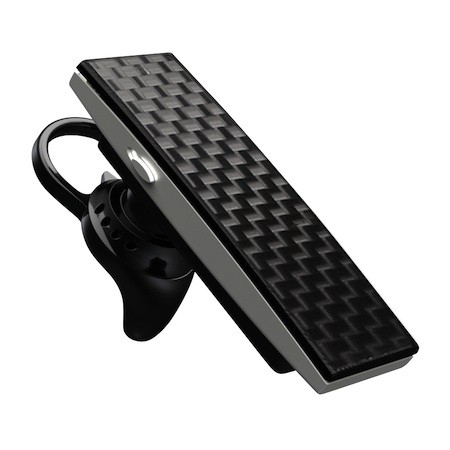
Carbon weave has got to be the Miracle Whip of gadgets — it makes anything taste better. We reviewed Sound ID’s 510 Bluetooth headset in a BT headset head-to-head (try saying that fast) a few months back; and while it sounded great and was pretty much our pick of the week, it wasn’t the coolest looking kid on the block — and you couldn’t order it to do stuff, like you could some other headsets. Sound ID’s new Six fixes all that, and adds a trick for Siri too.
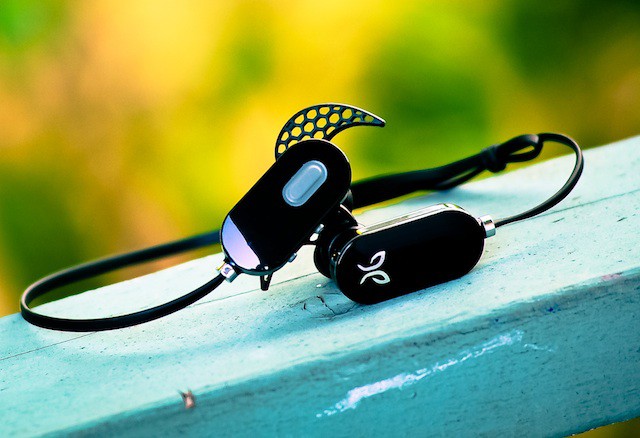
The JayBird Freedom JF3 ($99) Bluetooth wireless headphones are a successful attempt to build upon a paramount technological concept: take something good and make it great — or in this case, take a good pair of IEM headphones and ditch the cord. It’s like a musical bris without the rabbi — or the baby.
Over a year ago, when Skype’s iOS app was finally upgraded with the ability to work as a backgrounded app, it was a big step in the direction of untethering voice communications from the telcoms. Today marks the next big step in that direction, as both Skype’s iPhone and iPad app add Bluetooth support.
What’s got a folding boom, Jabra’s most-advanced noise-canceling and wind noise-reduction technology and a massive ear cushion even that princess in the pea story would be comfortable with? You guessed it (probably because it’s in the headline) — the just-announced Jabra Supreme Bluetooth headset.
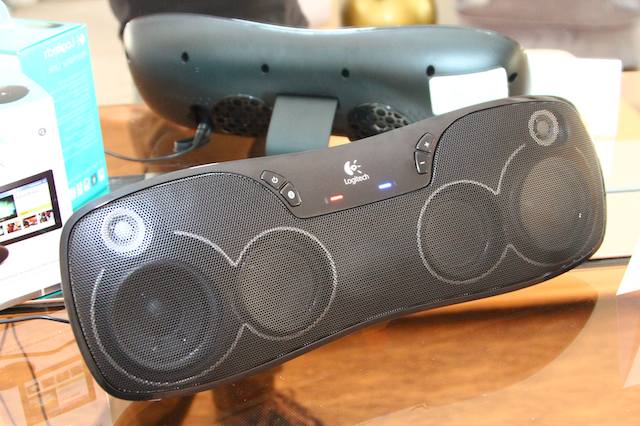
A pair of new goodies from Logitech were revealed today; we actually snagged a little time to check out both when Logitech lifted the curtain for us at a sneak preview a couple of months ago.