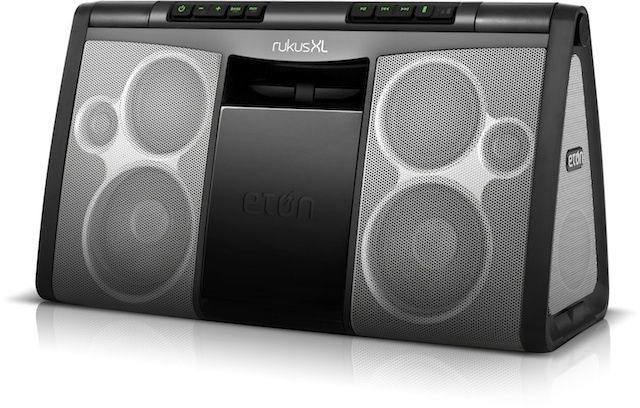
Look, I’m no hippy; but there’s definitely something magical and awesome about the idea of transforming sunlight into music (really, I’m not a hippy — I don’t even know what patchouli oil smells like). And just like Eton’s other solar-powered Bluetooth speakers, that’s exactly what the new $200 Bluetooth-equipped Rukus XL does. Only in a bigger, badder, louder way.
Apple’s efforts to be greener mean it boasts some of the most environmentally friendly gadgets on the planet. The new iPhone 5, for example, is one of the greenest smartphones money can buy. Apple also tries to make its packaging green. In fact, the packing for its new EarPods is so environmentally friendly that it turns to mush when you submerge it in water.
Pop quiz: what color is the mirror inside your camera? If you answered “No color. It’s a mirror. What the hell are you on about this time, Sorrel?” then you’re dead wrong. Kinda. It turns out that mirrors are ever-so-slightly green.
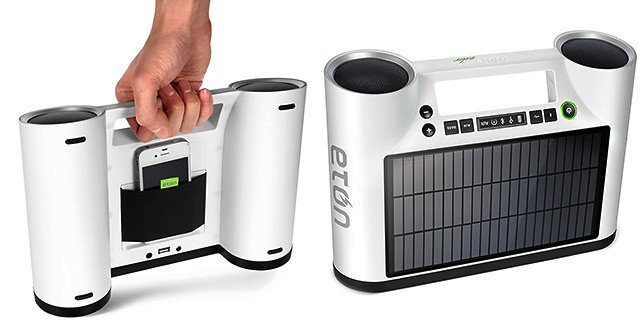
The Rukus also comes in black and green, but if you want to leave it in the sun, you should probably pick white
What if I told you that you could buy a Bluetooth speaker than you would never need to charge again? “Charlie!” you would say, “Have you lost your mind? Have you been drinking again?” To which I would answer “No” and “Yes” respectively. Because such a speaker does indeed exist. It’s called the Rukus Solar, and it gets its power from the 620 million metric tons of hydrogen fused each second by the Sun’s nuclear furnace.
Nestled in Maiden, North Carolina is a 500,000 square-foot data center for Apple’s iCloud services and Siri. The company published its 2012 Environmental Update today with new details about the upcoming solar farm and fuel cell facility that will power the billion dollar data center.
If you caught our canalphone roundup a few weeks back, you’ve by now come to the accurate realization that there’s no shortage of real alternatives to those awful white buds bundled with each iPhone. But these two are a little different.
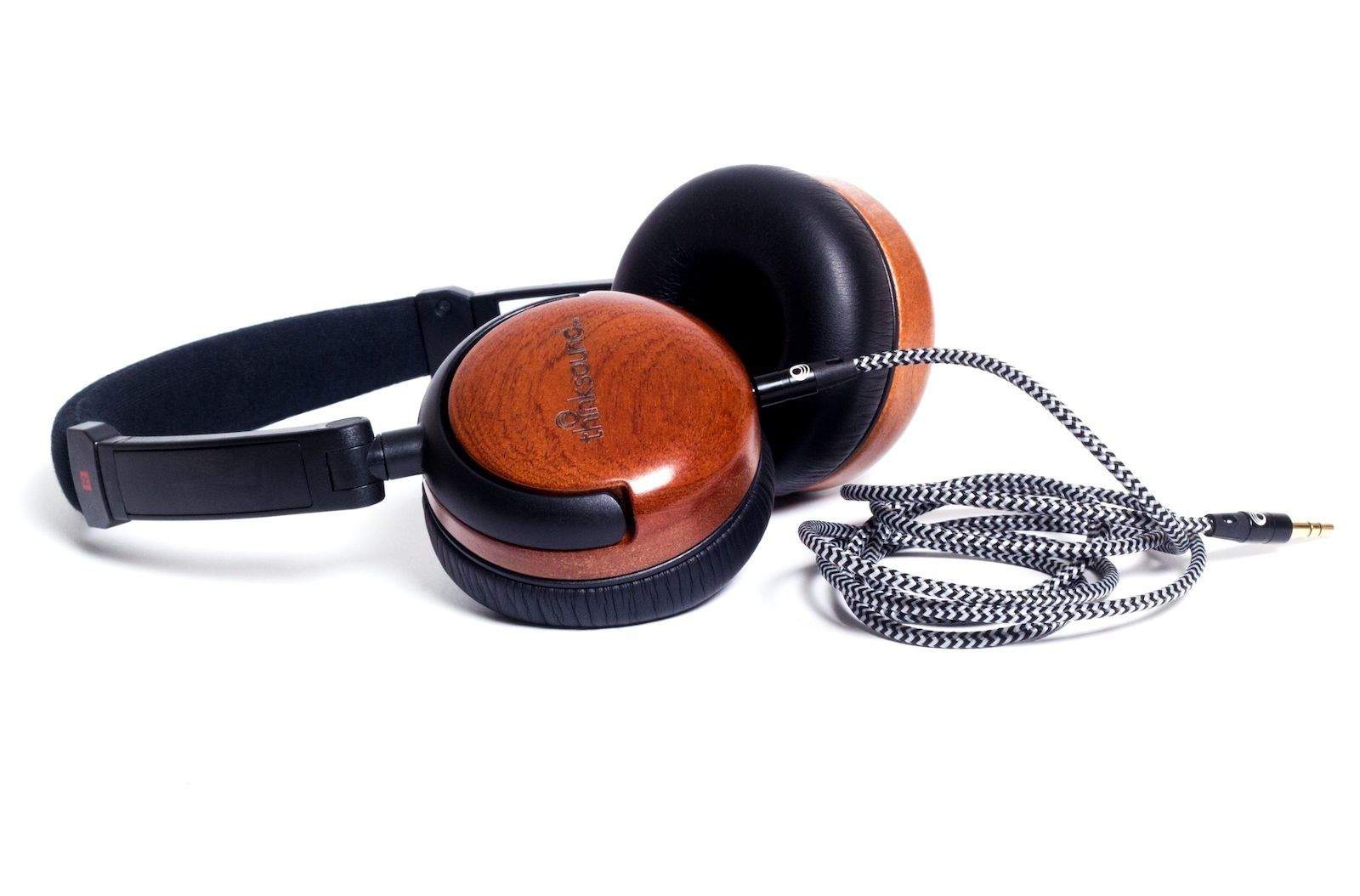
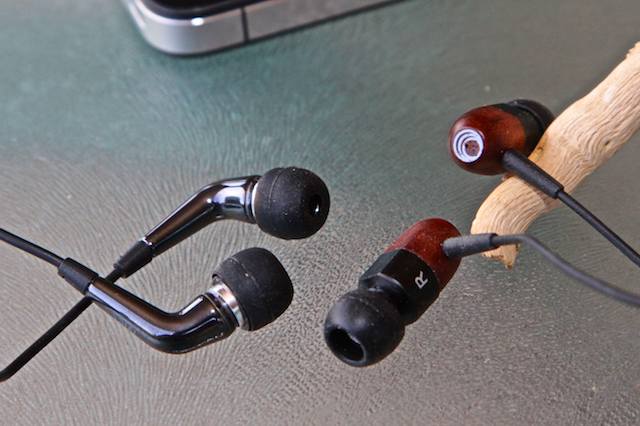
Like the five we reviewed that week, these two pairs of IEMs — the MEElectronics CC51 ($90) and the Thinksound ts02+mic ($110)— are higher-end, designed with superior sound quality in mind and cost around $100. But unlike the others, these two are from small, boutique manufacturers; they also both have housings made from exotic materials (the CC51’s is ceramic, while the ts02’s is wood), and eschew the inline volume controls of the pairs of reviewed in the $100 IEM week, instead making do with a single control button on their inline microphones.