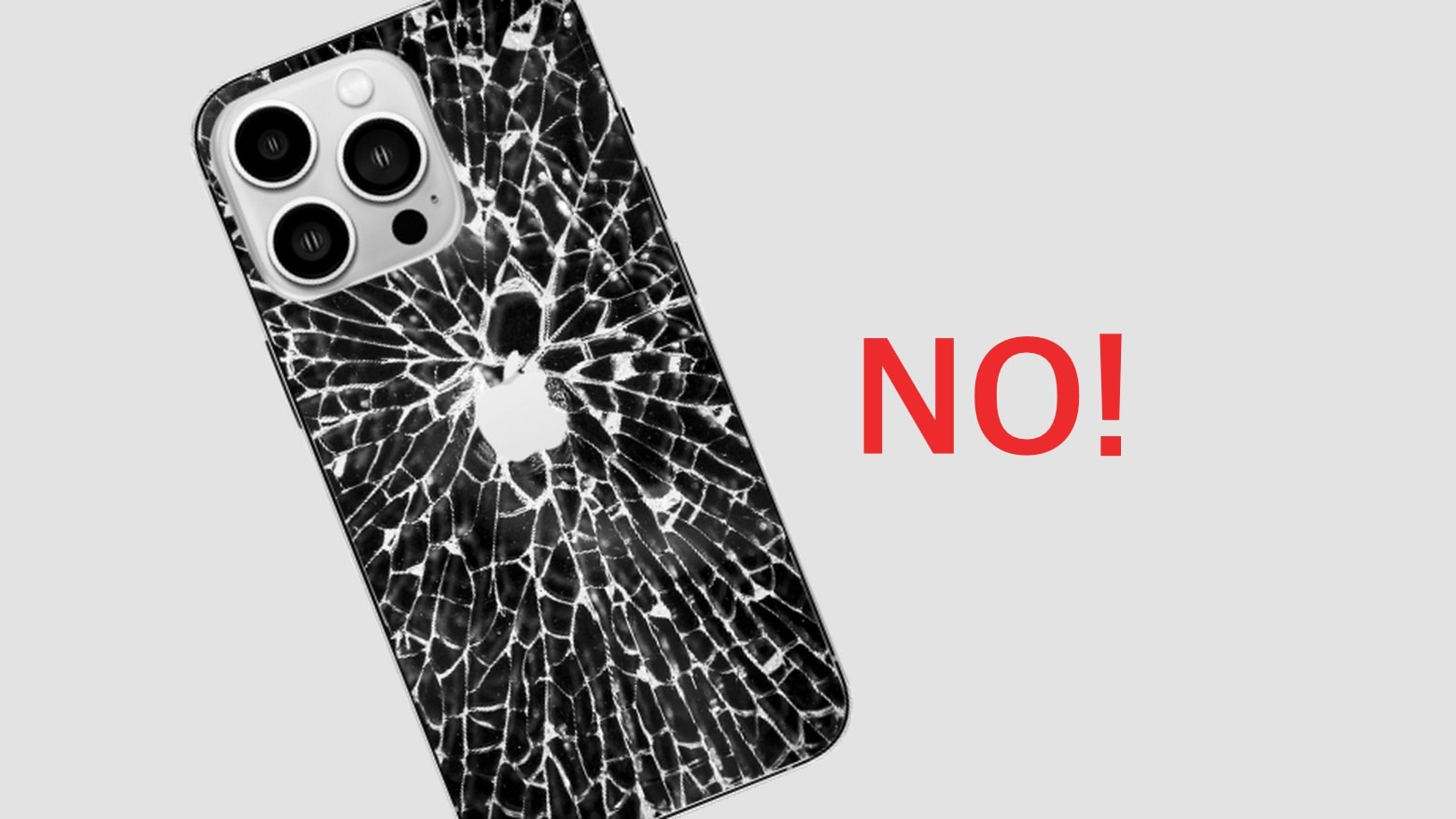
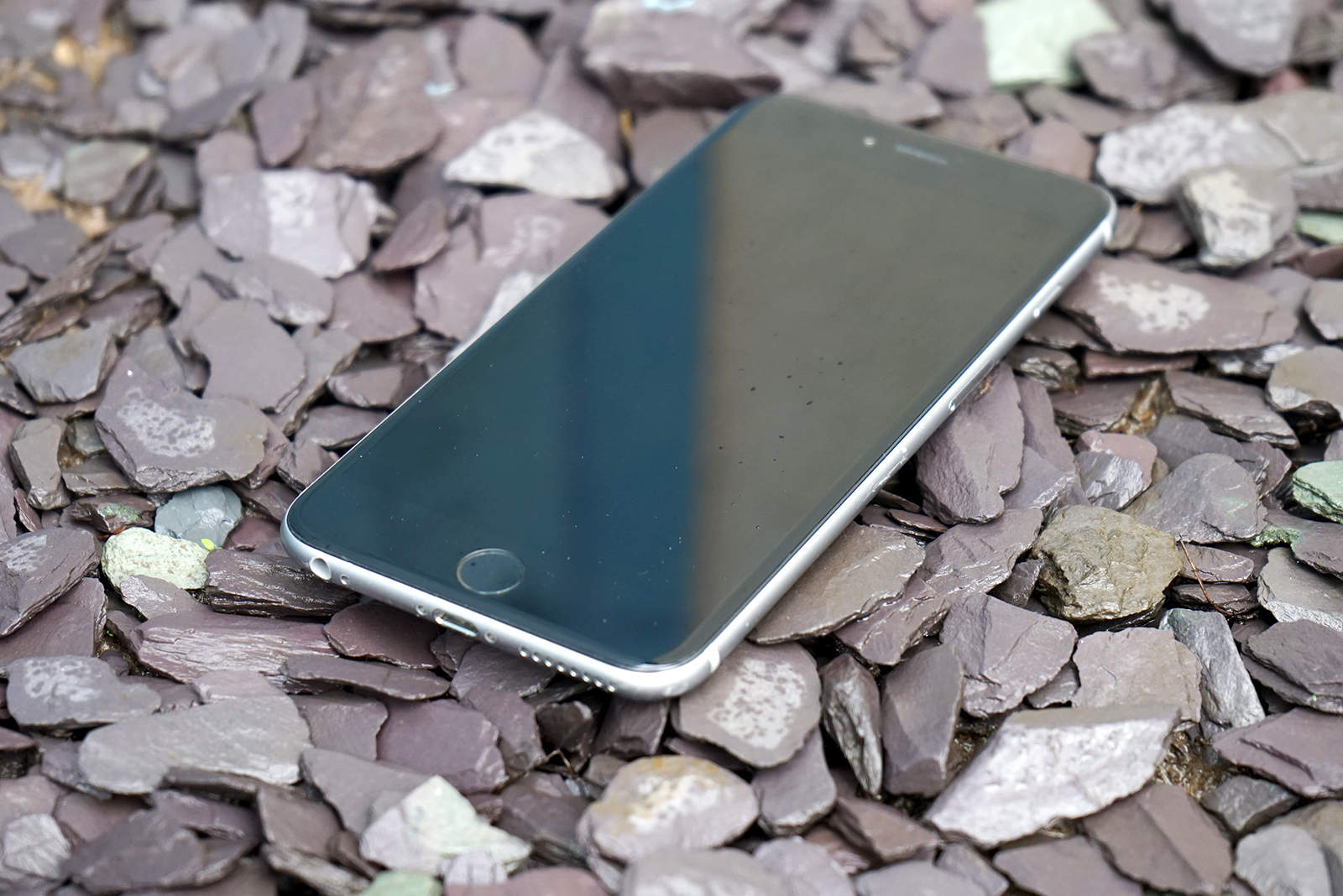
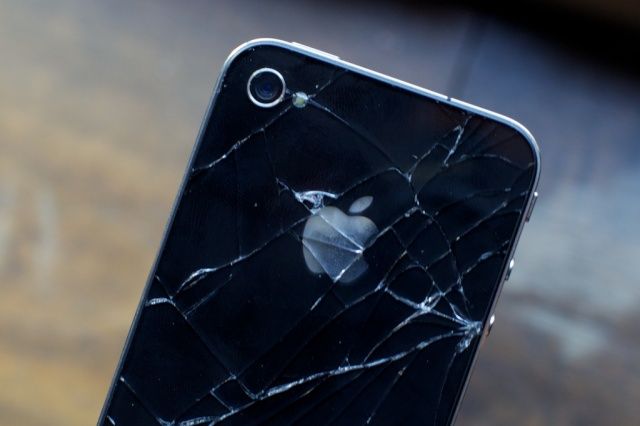
Apple should make it harder for this disaster to happen to the iPhone 14. Photo: Ed Hardy/Cult of Mac
Samsung unveiled the Galaxy S22 series on Wednesday, and there’s not much for Apple users to be jealous of. The iPhone 13 series from 2021 is as good or better in almost every way.
But there is an exception. The latest Androids from Samsung are almost certainly less likely to break when dropped than iPhone. But the iPhone 14 can — and should — steal a feature from the S22 that will fix that.
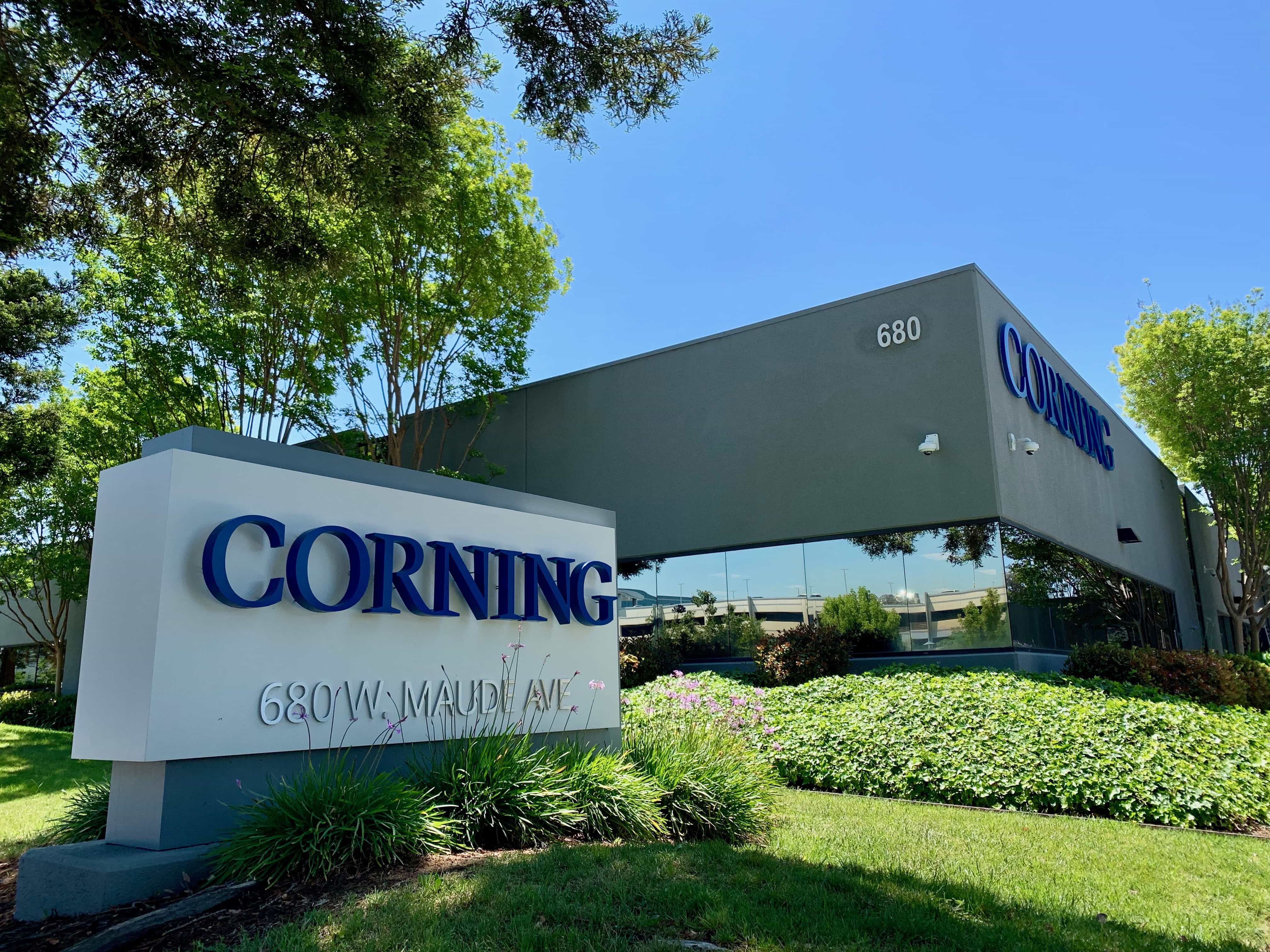
Corning's Silicon Valley research center. Photo: Leander Kahney/Cult of Mac
Apple is handing another $45 million to the company which makes Gorilla Glass for the iPhone. Announced Monday, Apple’s eight-figure award will help Corning “expand manufacturing” and “drive research and development” in the United States.
It’s part of Apple’s Advanced Manufacturing Fund, dedicated to supporting American businesses that are creating the jobs of the future. But, like the recent $410 million cash injection to the company that makes laser components for the iPhone, it also helps out Apple’s future plans.
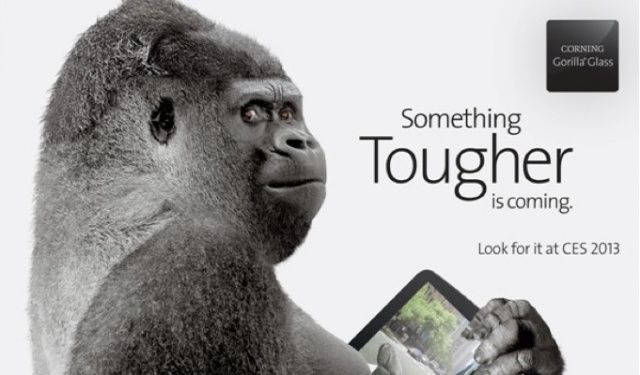
Even large primates are nervous of Apple. Photo: Corning
Cupertino is so ferociously secretive about having its name mentioned by suppliers that Gorilla Glass maker Corning uses a pseudonym for Apple inside the company — despite having worked on the iPhone since the very first model in 2007.
Gorilla Glass Victus protects phones from drops and scratches better than ever before. Photo: Corning
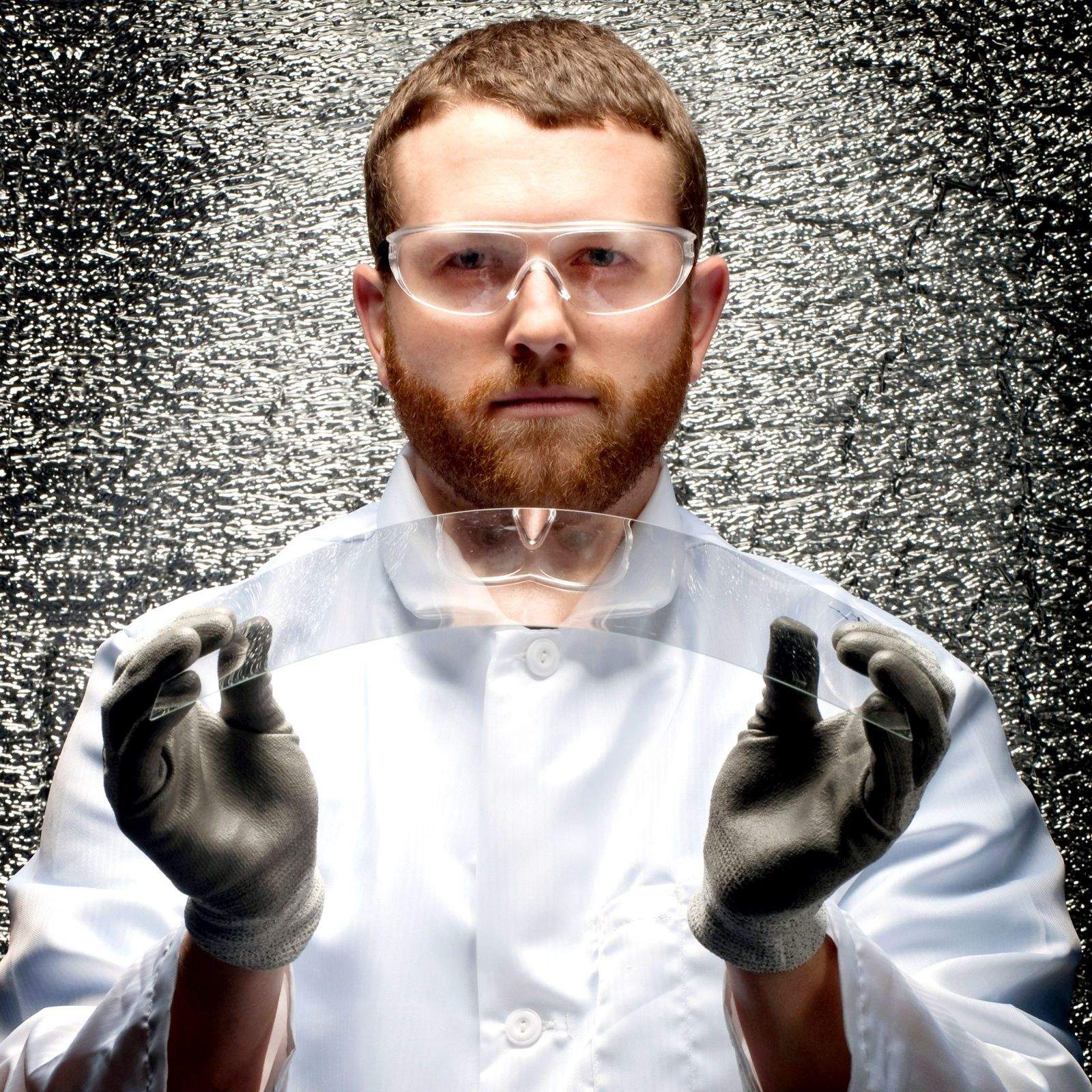
Corning unveiled an improved version of Gorilla Glass on Thursday that it promises is much more scratch and shatter resistant than its predecessor. The new iteration, dubbed Victus, could lead to iPhones that survive both being dropped and being stuffed in a pocket with a set of a car keys.
Corning's Gorilla Glass helps make the iPhone screen so tough. Photo: Corning
Apple is investing $250 million in Corning, the company behind Gorilla Glass. Corning has worked with Apple on every iPhone since the original.
The money comes from a $5 billion fund that Apple set aside to advance U.S. manufacturing. Corning produces its screens at its plant in Harrodsburg, Kentucky.
Corning's Silicon Valley research center. Photo: Leander Kahney/Cult of Mac
Update: Corning sent an email to clarify some of the claims made in this post, which I’ve included in the body of the post and at the bottom.
SUNNYVALE, Calif. — Even though the latest iPhones are made from glass front and back, they would be “nearly unbreakable” if just a bit thicker.
That was the message from glass manufacturer Corning during an open house at its Silicon Valley research center Tuesday.
“If the glass on the latest smartphones was just a little bit thicker, it would be nearly unbreakable,” said Dave Young, a Corning marketing communications specialist, at the event.
Corning's Gorilla Glass 6 can survive being dropped over a dozen times. Ape not included. Photo: Corning
Corning Gorilla Glass 6 focuses on durability. This cover glass for smartphones has been formulated to not just survive higher drops, but more frequent ones.
Earlier versions of Gorilla Glass have been used on all previous iPhone models since Steve Jobs chose the company to provide screen covers in 2006.
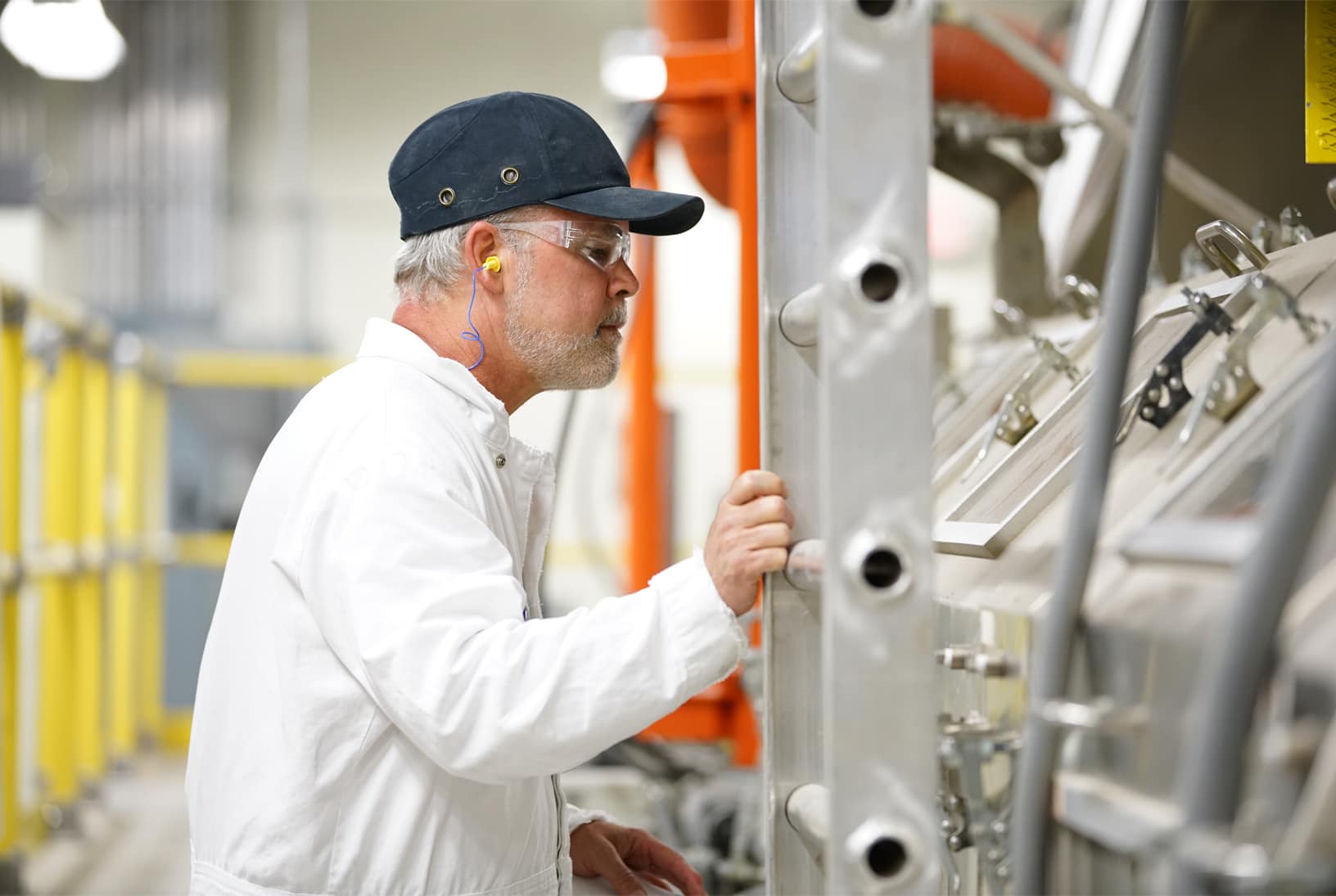
Corning employees in Harrodsburg, Kentucky. Photo: Apple
Apple has awarded Corning the first grant of its $1 billion investment aimed at boosting high-tech manufacturing jobs in the United States. The glassmaker will receive $200 million.
Corning has worked with Apple for a decade — ever since the original iPhone’s Gorilla Glass — to create the glass found on its devices. Apple’s contribution as part of its “Advanced Manufacturing Fund” will support Corning’s R&D, capital equipment needs, and state-of-the-art glass processing.
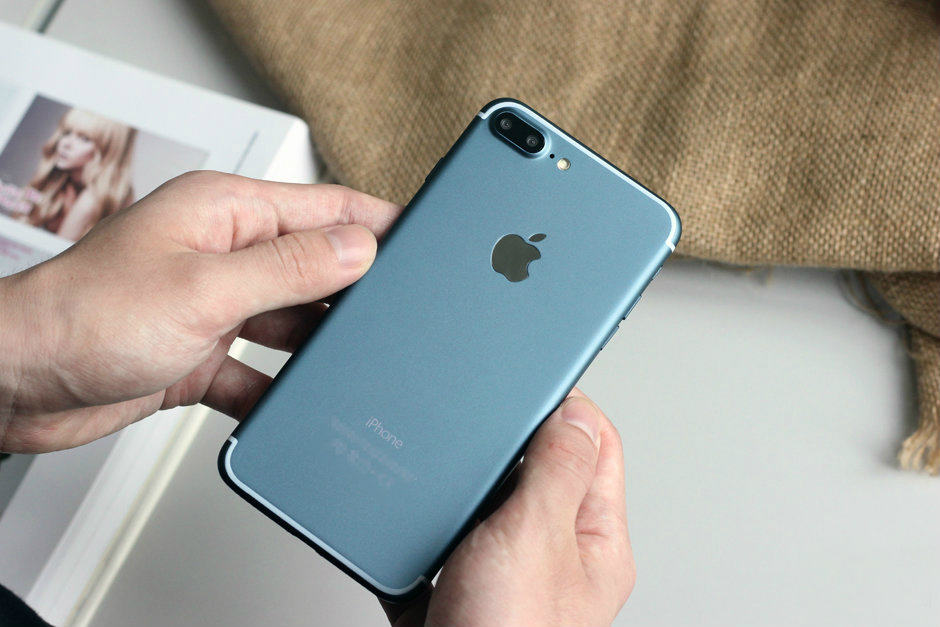
The iPhone 7 is getting some big upgrades. Photo: PConline
The grand unveiling of the iPhone 7 and iPhone 7 Plus is still weeks away, but this year you don’t need to wait for Tim Cook to take the stage to find out all the new features.
Months of leaks have already given us a sneak peek at a lot of the big changes coming to the iPhone. And contrary to early reports that this year’s device will be boring, there’s actually a whole lot to get excited about.
Here’s what to expect from the iPhone 7, based on Cult of Mac’s analysis of everything we’ve seen from reliable leakers and the Apple rumor mill.
Dropping the iPhone 7 might not be a disaster every time. Photo: Ste Smith/Cult of Mac
Breaking the screen on your next iPhone is going to be a little bit harder, if Apple goes with the next version of Corning’s Gorilla Glass.
The company debuted Gorilla Glass 5 today that is destined to arrive on smartphones later this year, offering better durability than any other version when its dropped from 5 feet or lower.
Corning's could have a new Samsung-shaped rival in its future. Photo: Corning's
Not content with making displays, memory chips, storage, and whatever else for rival handsets, Samsung is reportedly looking to take on Corning’s with a shatterproof Gorilla Glass alternative — currently code-named “Turtle.”
Say goodbye to the Home button as you know it. Photo: Apple
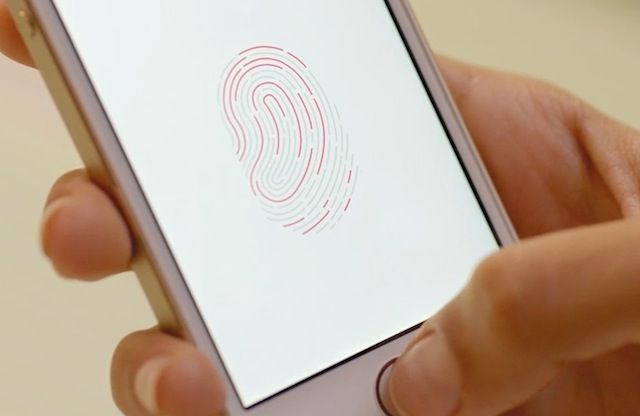
We are one step closer to the end of Touch ID as we know it.
Following on from Apple’s recent patent filing concerning “finger biometric sensing pixels” for future iPhones, tech R&D company Sonovation has announced that it’s discovered a way of putting ultrasonic biometric sensors under Gorilla Glass — by bonding the sensors directly onto the display panel. Better yet, it works accurately even when fingers are wet, dirty, or oily.
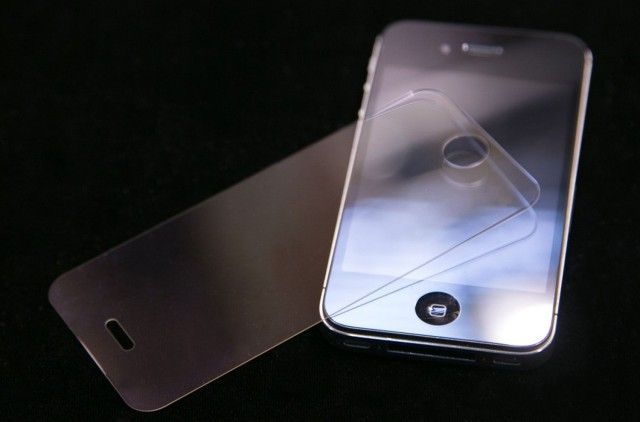
Could Gorilla Glass soon be even better than sapphire? Photo: Corning Glass
What me, worry? Not Corning. The Gorilla Glass maker has just unveiled a new type of glass which they say is just as hard (and therefore unscratchable) as sapphire. They’re calling it Project Phire. Go figure.
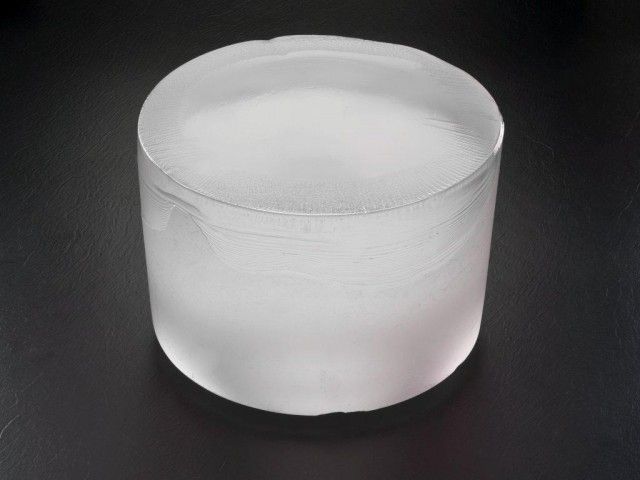
New sapphire glass technology could make it as good as Gorilla Glass. Photo: GT Advanced Technologies Photo: GT Advanced Technologies
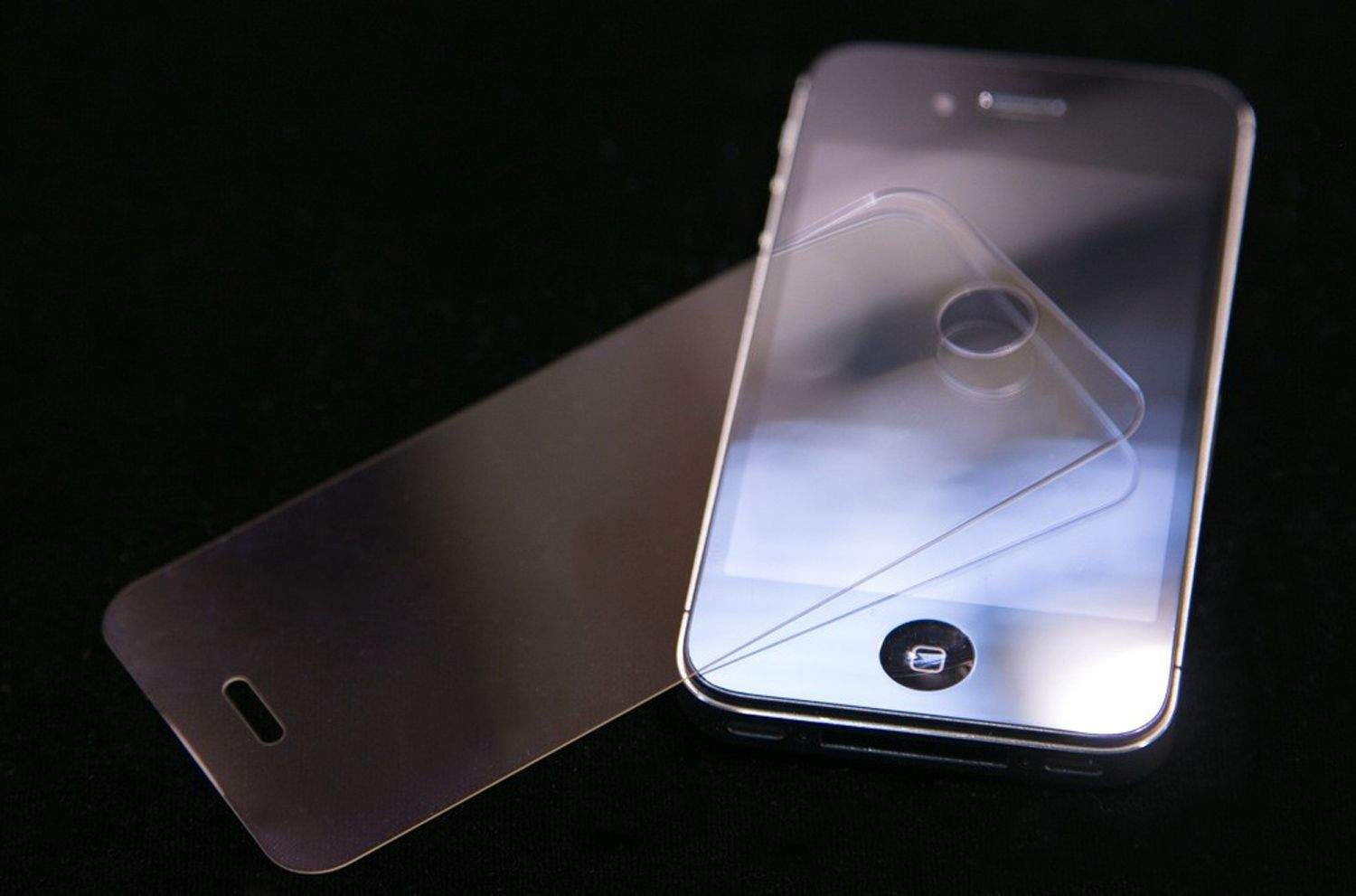
In the lead-up to the iPhone 6, everyone expected Apple to give it a sapphire glass display. Sapphire glass, it was said, would lead to nigh-indestructible screens: Scratched and shattered iPhone displays would become a thing of the past.
Of course, we all know what happened from there. Apple’s sapphire partner, GT Advanced Technologies, completely collapsed, and the iPhone 6 shipped with plain old Gorilla Glass. Yet even if it hadn’t, Apple might not have used sapphire glass, which was much more reflective and harder to read in ambient light than Gorilla Glass.
But here’s the key word: was. A new technology has emerged that might make sapphire glass every bit as good when it comes to viewability as Gorilla Glass.
Gorilla Glass is the go-to material for today's touchscreens. Photo: Corning
Corning’s relationship with Apple looked doomed earlier this year. Having manufactured the touchscreens for every iPhone since 2007, the Gorilla Glass bosses were all but sure they were being ditched in favor of synthetic sapphire crystal, set to be supplied by Apple’s hot new partner, GT Advanced Technologies.
But while Apple’s affair with GT has imploded spectacularly, Corning is back on Cupertino’s crush list after stepping in at the eleventh hour to create super-sized displays for the iPhone 6 and 6 Plus. Now Corning is convinced its latest technological advance — Gorilla Glass 4, its toughest version yet — will banish sapphire suitors for the immediate future.
“Sapphire is a really, really nice material that’s very good for reducing scratches,” Dave Velasquez, Corning’s director of marketing and commercial ops, told Cult of Mac. “However, we feel very strongly that glass is the best material for touch panel cover glass. When you weigh up everything from cost to drop-testing, to the amount of energy that’s needed to make it, in our opinion Gorilla Glass is clearly the best material to use.”
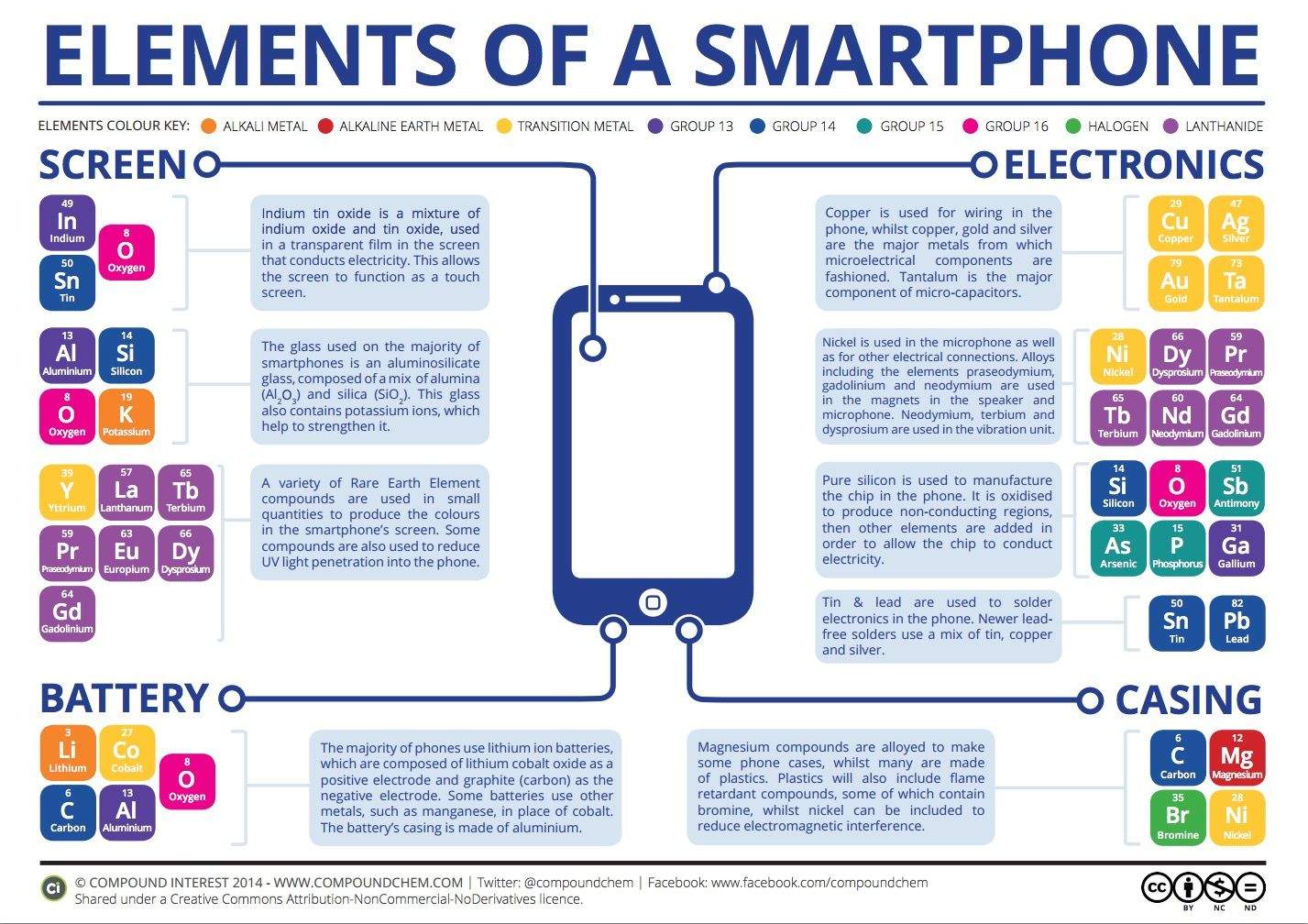
What’s your iPhone made of? Just looking at it, you might dismiss it as just a slab of metal and glass, with a dose of magic inside. But our iPhones are actually portable chemistry labs, and there are an incredible number of complex chemical functions happening underneath the glass and metal shell that keep your iPhone ringing.
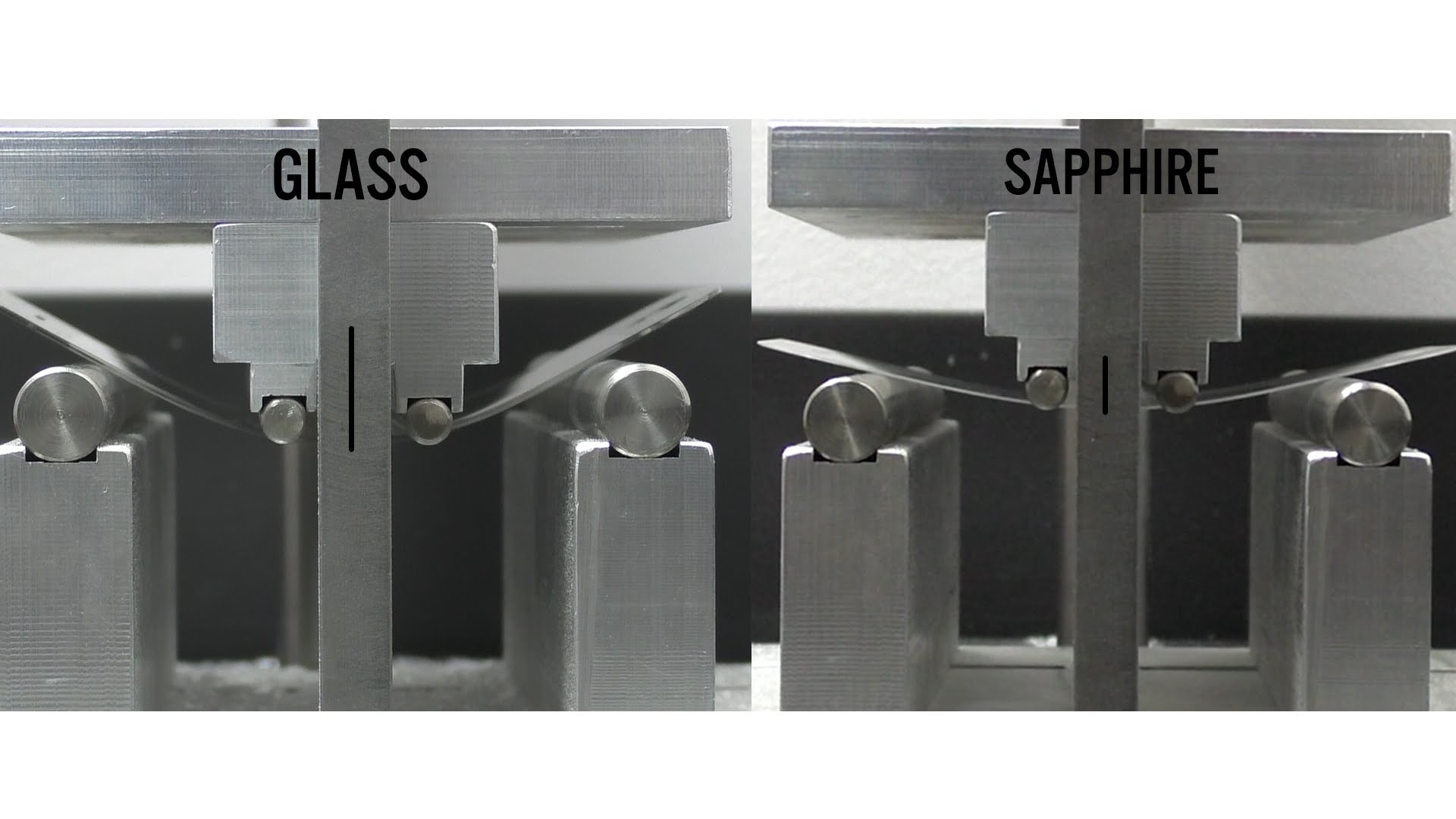
Depending on who and when you ask, the iPhone 6 may or may not ship with a futuristic new Sapphire Glass display. Widely rumored to be nigh-invulnerable, Sapphire Glass is widely believed to be the technology that will make shattered iPhones a thing of the past. But will it really?
Seeking answers, the repair experts over at uBreakiFix have taken a piece of Gorilla Glass and a piece of Sapphire Glass through a series of torture tests to see which resists damage better. And the truth is that Sapphire isn’t actually as good as Gorilla Glass in one key scenario.
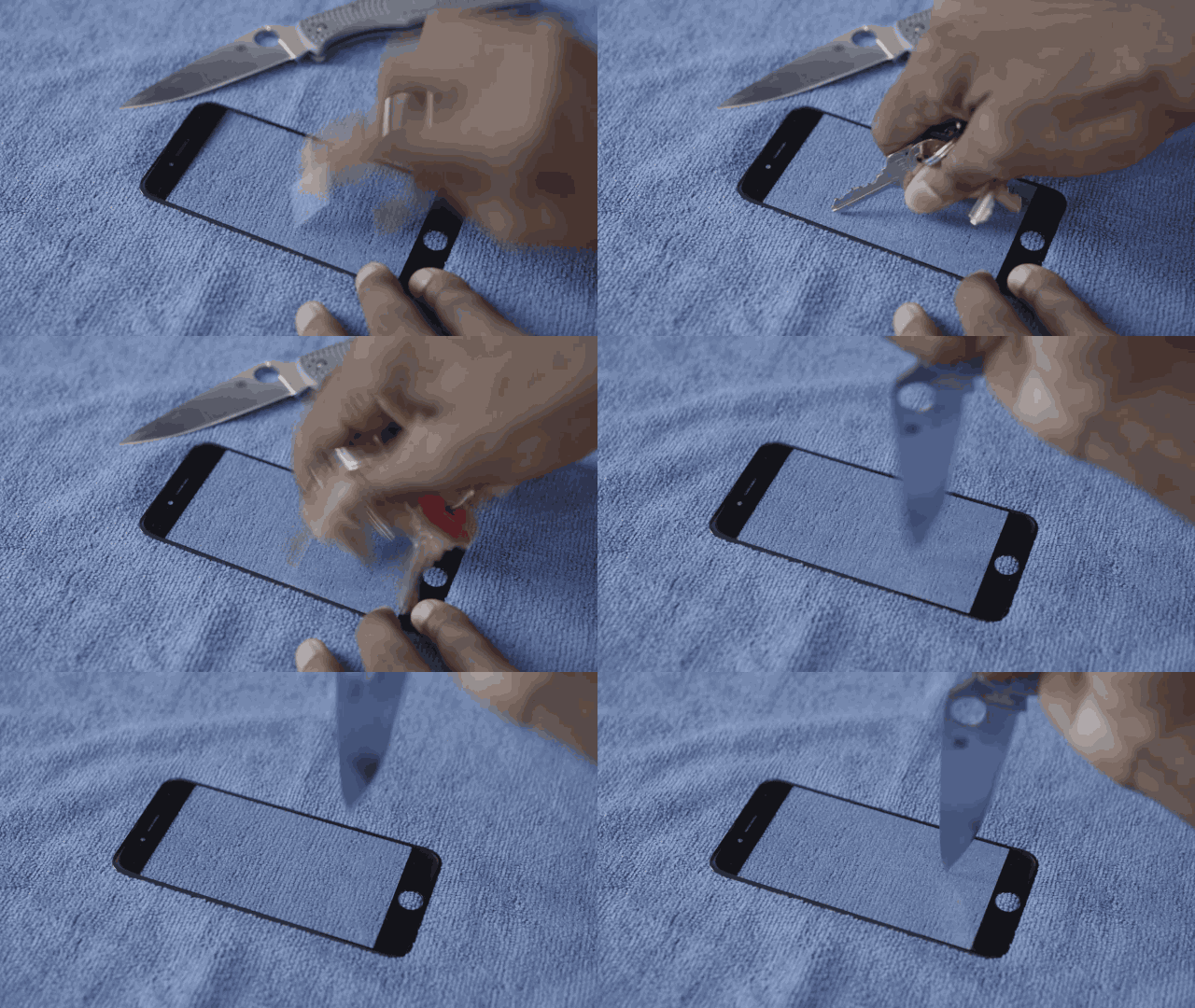
We got our first taste of the flexibility of the iPhone 6’s new sapphire glass display this morning, but in a new video posted by YouTuber Marques Brownlee, Apple’s super-tough new display is subjected to a brutal scratch test and comes away completely unscathed.
To test Sapphire glass’ durability, Marques stabs an alleged 4.7-inch iPhone 6 sapphire display repeatedly with a knife after a quick key scratch test yields no results. Both tests fail to make a dent on the display panel, but your mouth will drop when you see him forcefully try to bend the display with his foot.
Check out how insanely durable your iPhone 6 will be in the video below:
It's the rumor pretty much every Apple analysts and blogger in the world predicted for the last 8 months and everyone got it wrong.
In news that will come as a shock to absolutely no one, it seems that Corning Glass (makers of Gorilla Glass) aren’t big fans of Sapphire glass.
Asked by Morgan Stanley analyst James Fawcett his thoughts about “one large handset and device maker” planning to use Sapphire in its products, Tony Tripeny, a senior vice president at Corning Glass, responded that:
Would your phone pass the ick test? Photo: Cult of Mac
LAS VEGAS –Your iPhone is dirty. You know how we know? We subjected our intrepid reporter’s iPhone to Corning’s on-site contaminant test at CES in Vegas.
Corning is there, talking to Cult of Mac about its new Gorilla Glass, which will have a layer of ionic silver embedded in it. That will decrease the amount of bacteria on your iPhone screen while still being crazy-strong and scratch-resistant.
Today Corning announced that it’s ready to manufacture a new 3D-shaped Gorilla glass for availability this year. The new glass is designed with curved phone and wearable displays in mind.
As the main glass supplier for iOS devices, Corning’s 3D Gorilla glass could very well end up in future Apple products.
Although Apple doesn’t like to talk too much about it, they admit right on their official website that all of the glass used in their iPhone and iPad displays are made by Corning, makers of Gorilla Glass.
Corning’s always looking to make their glass stronger, thinner and more useful to Apple, though, which is why they’ve just announced Corning Lotus XT Glass, which looks to be a prime contender for use in the upcoming iPhone 5S, iPad 5 and iPad mini 2.
The video above, frankly, is pretty boring. Here’s what you need to know: Lotus XT Glass is a new type of glass from Corning that is specifically designed for use in high-performance displays, like Retina displays. Its primary characteristics are that they allow more light through, so Lotus XT Glass reduces power draw (light goes through easier, so a backlight needs to do less to compensate) and increase color vibrancy. In addition, Lotus XT Glass is easier for manufacturers to work with, reducing manufacturing costs and increasing yields.
LAS VEGAS, CES 2013 – I don’t care how battered and beaten the backs of my devices get. In fact, I kind of like the scars – they add character. But even the tiniest scratch on the screen drives me crazy. So I’m pretty stoked about Corning’s brand new Gorilla Glass 3, which promises to shrug off sharp stuff even better than before.
Corning has today announced its third-generation Gorilla Glass, and as you’d expect, it’s significantly tougher than its predecessors. Gorilla Glass 3 boasts a new feature called Native Damage Resistance (NDR), which promises to provide three times the scratch resistance of Gorilla Glass 2. It’ll be on show at CES next week before making its way to the next generation of smartphones, tablets, and more.
Have you ever broken your iPhone 4 or 4S’s glass? Felt that it was Steve Jobs’s fault for sucking you into his reality distortion field and convincing you that the iPhone 4’s glass was thirty times harder than plastic? Angry enough to want to try to sue?
Tough. A San Jose federal judge has just thrown out a class action lawsuit over the strength of the glass in the iPhone 4 and iPhone 4S.