Like millions across the globe, Filip Koroy went to the Apple Store today to purchase an iPhone 11 Pro.
Unlike millions, Koroy began repeatedly dropping his iPhone 11 Pro and an iPhone 11 Pro Max on a concrete floor.
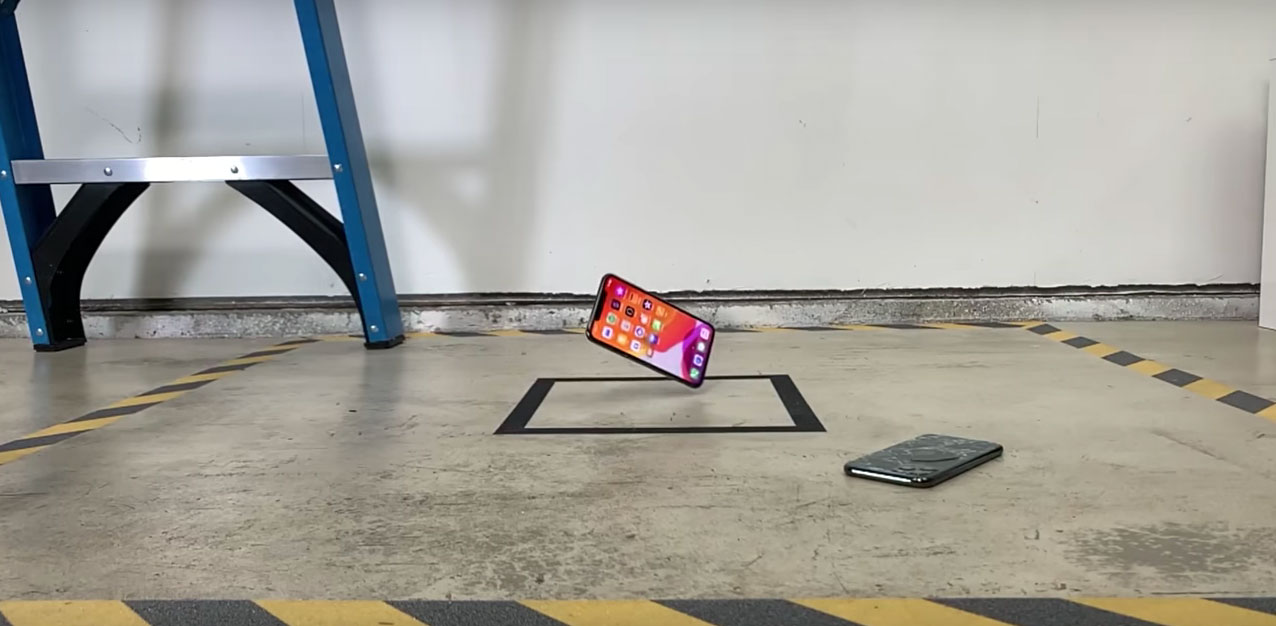
Like millions across the globe, Filip Koroy went to the Apple Store today to purchase an iPhone 11 Pro.
Unlike millions, Koroy began repeatedly dropping his iPhone 11 Pro and an iPhone 11 Pro Max on a concrete floor.

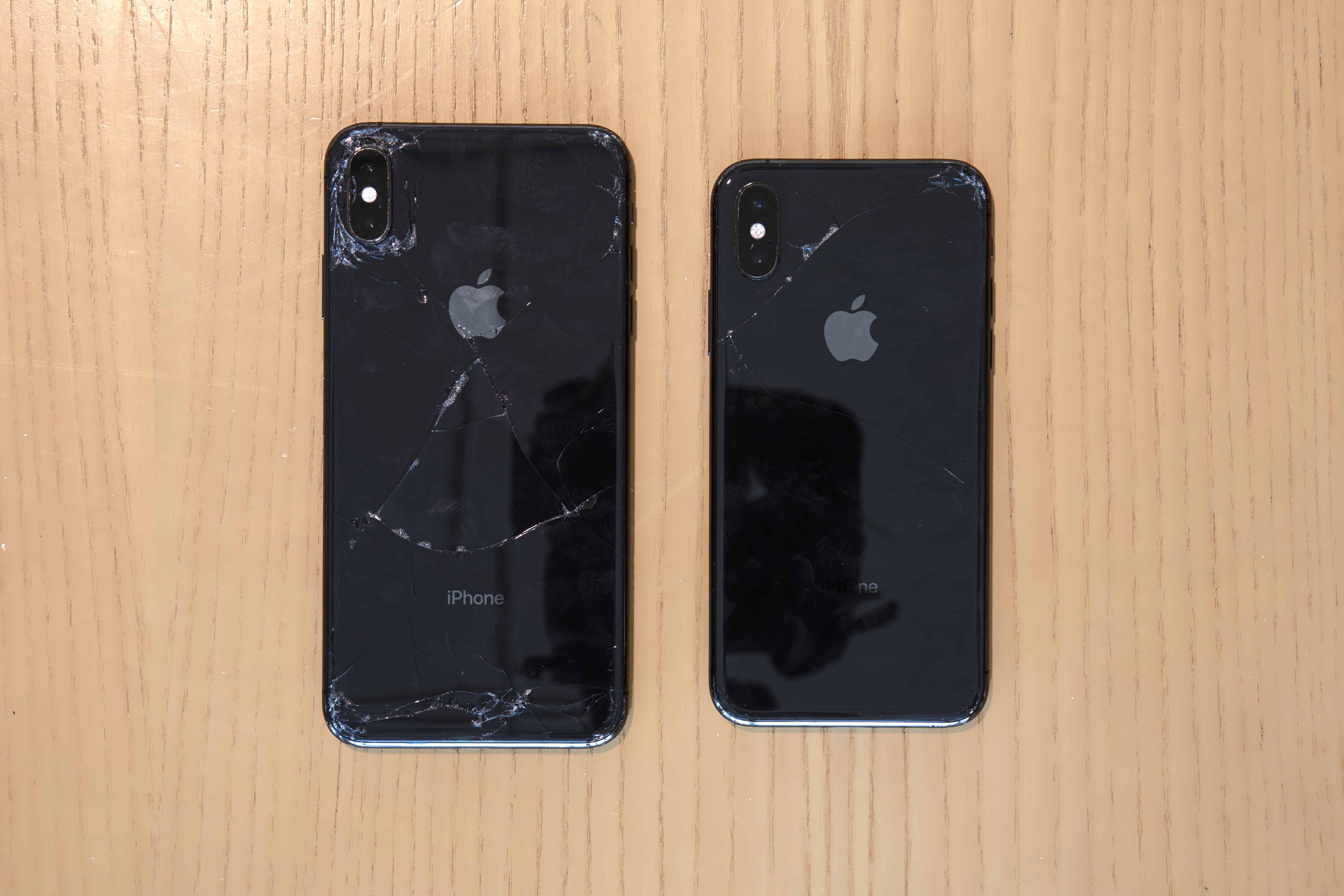
iPhone XS and iPhone XS Max boast the strongest glass ever used in a smartphone, Apple says. But is it strong enough?
New tests reveal that although Apple’s devices may be tougher than their predecessors, they’re still not unbreakable. Drop one on a sidewalk and it will almost certainly result in a pricey repair bill.
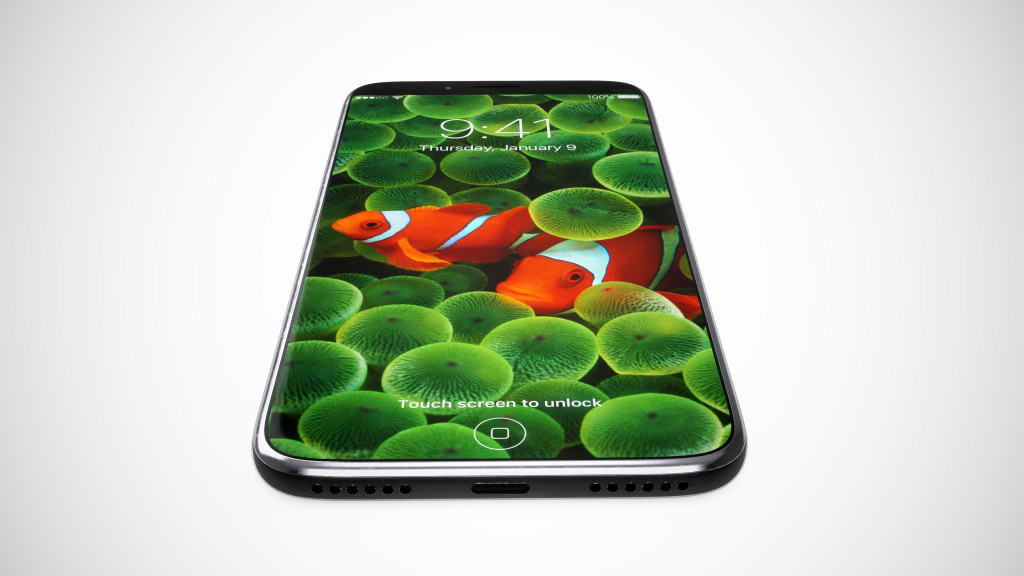
Apple could delay the launch of its next-generation iPhone until October or November, according to a new report.
It is claimed the company has run into “technical issues” associated with its new curved OLED displays, which means we may not get the spectacular refresh we were expecting this September.

Apple’s new digs in Chicago are shaping up to be one of its most beautiful flagship stores ever, based on new renderings released by the iPhone-maker.
The current structure Apple is renovating on North Michigan Avenue doesn’t look like much, but once it’s finished, the new Apple store will feature massive glass walls an inviting open layout.
Here’s another angle:
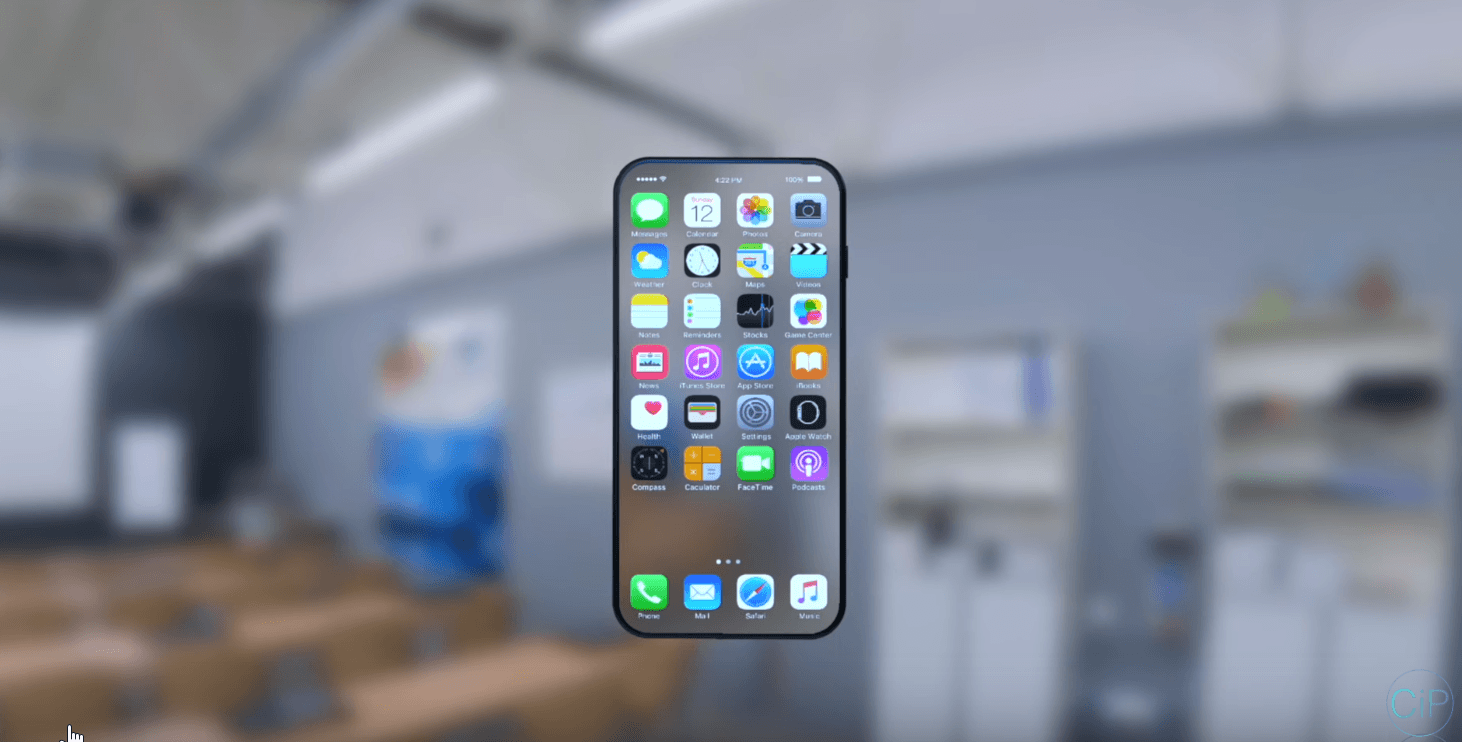
How many times have you tripped over because you were too engrossed in your iPhone? That wouldn’t happen if this insane iPhone 8 concept with a “transparent” display became a reality.
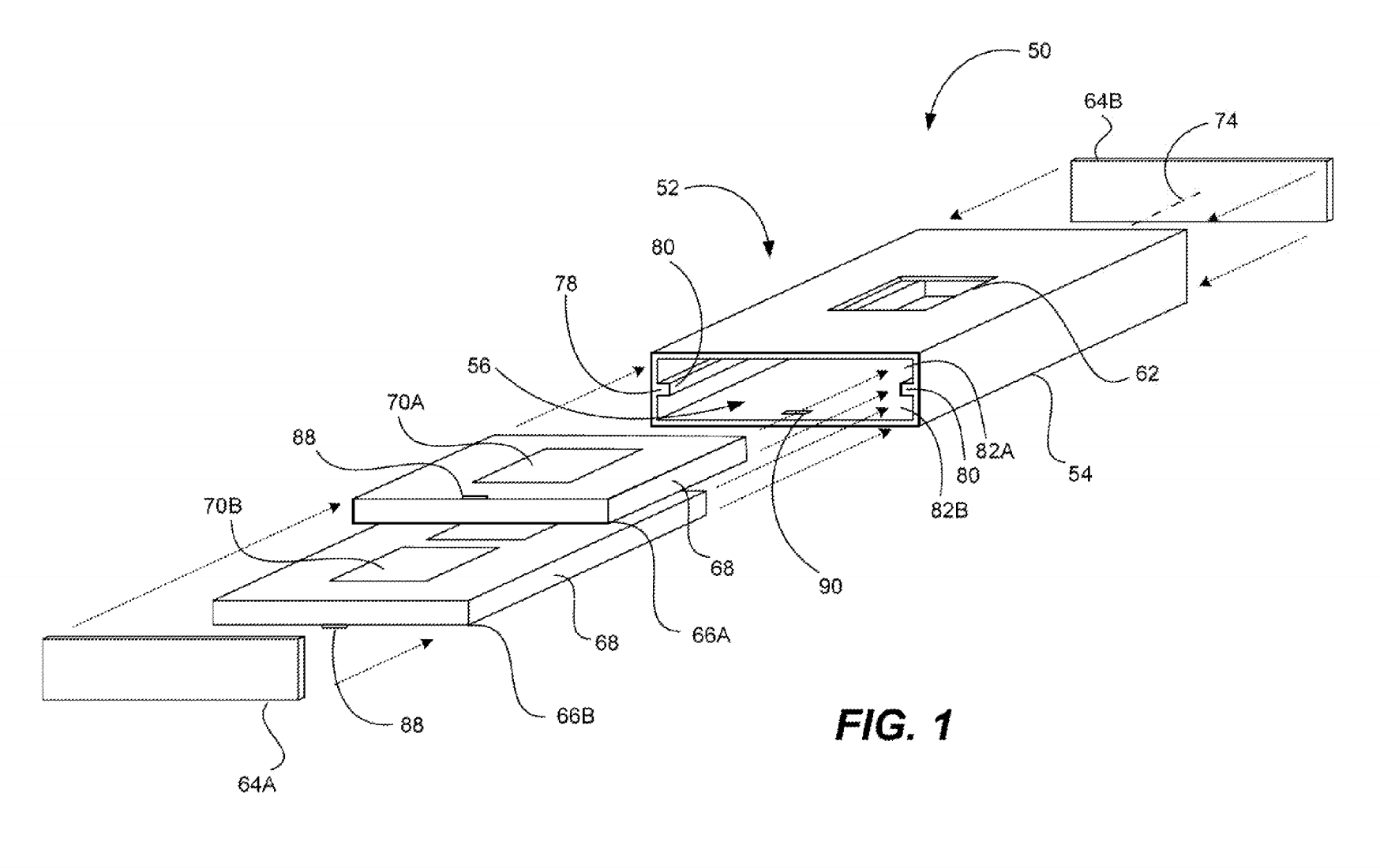
Apple has filed a patent for a wraparound glass enclosure that would be perfect for next year’s “all-glass” iPhone 8. It is designed to be thin and light, but also robust, scratch-resistant, and radio-transparent.

You can find some incredible new gadgets on Kickstarter and Indiegogo that often go unnoticed. We’re rounding up some of the best every week to help them get the funding they need to become a reality.
This week, we have a super smart remote that controls almost everything, a tempered glass case for iPhone 7, a robot that teaches kids to code without computers, and more!
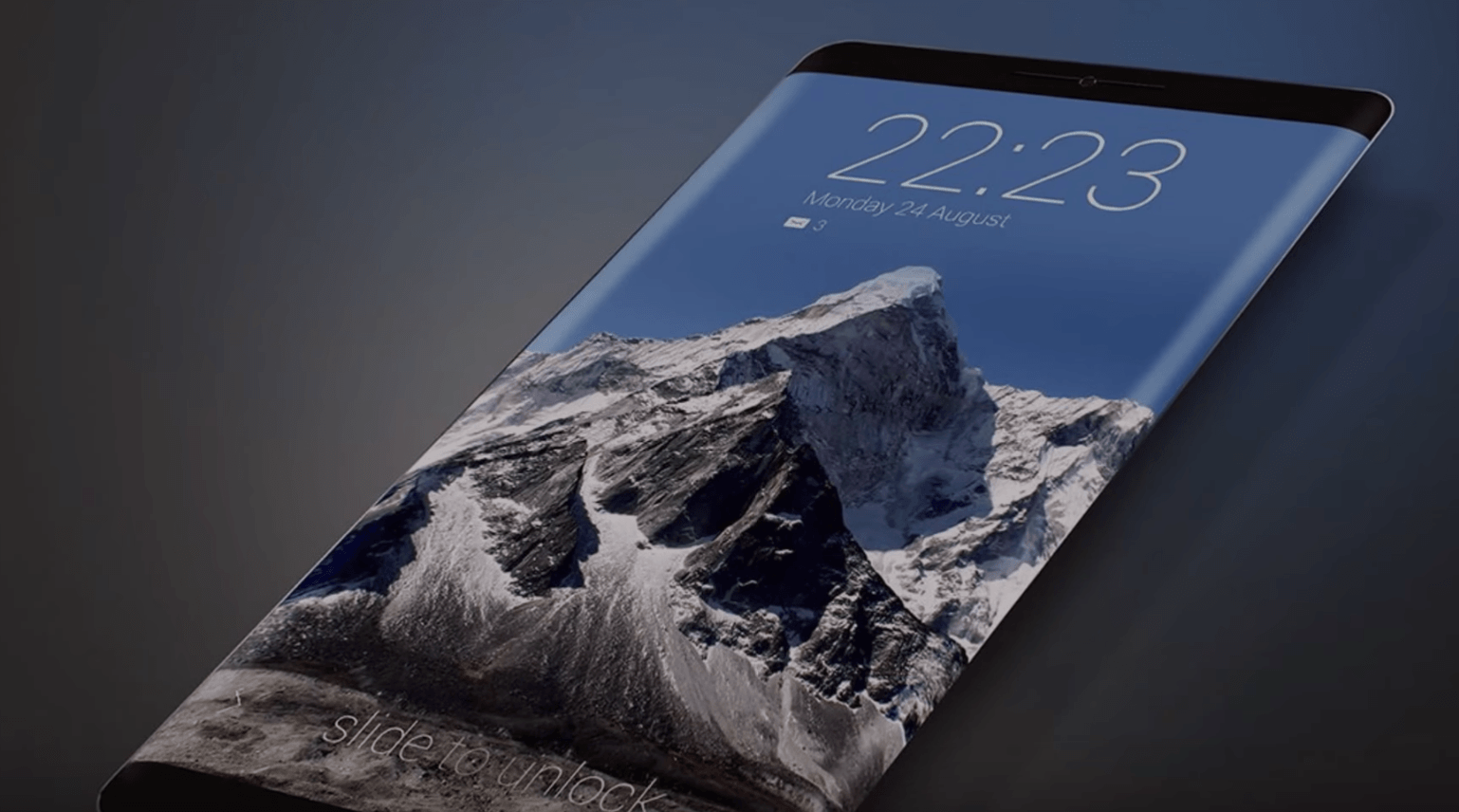
Next year’s iPhone won’t be another repackaged iPhone 6. According to one reliable analyst, fans can look forward to an overhauled design with a scratch-resistant glass casing, and stainless steel edges on high-end models.
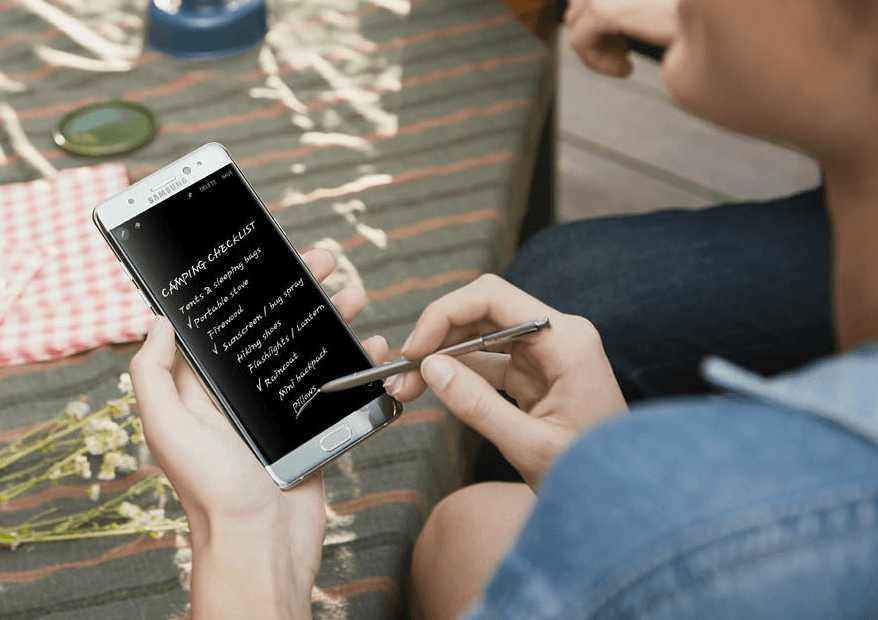
Apple is thought to be planning a major iPhone overhaul for the handset’s 10th anniversary next year. According to a new report out of Asia, it will be the first iPhone to rip off Samsung’s popular curved glass designs.
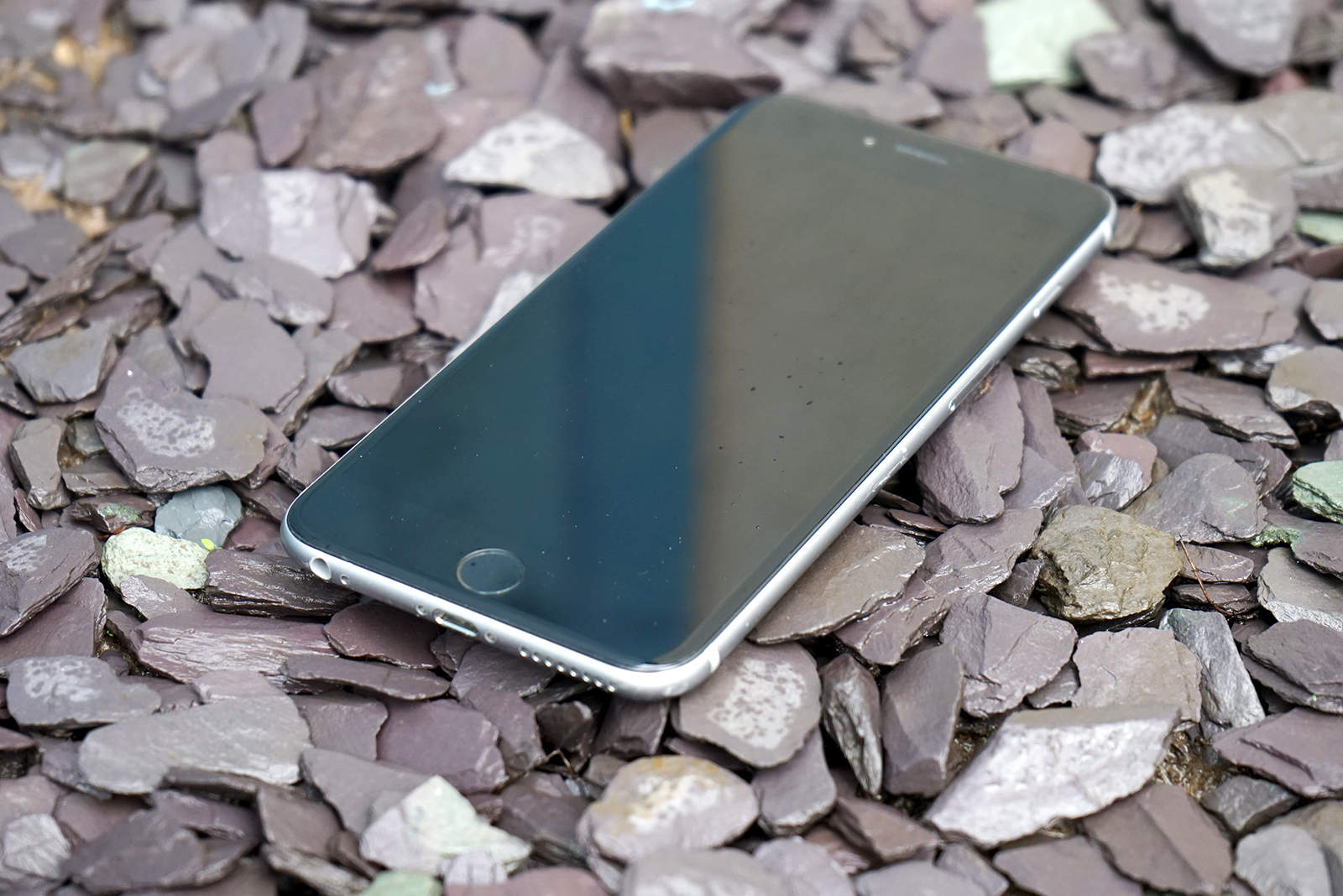
Breaking the screen on your next iPhone is going to be a little bit harder, if Apple goes with the next version of Corning’s Gorilla Glass.
The company debuted Gorilla Glass 5 today that is destined to arrive on smartphones later this year, offering better durability than any other version when its dropped from 5 feet or lower.
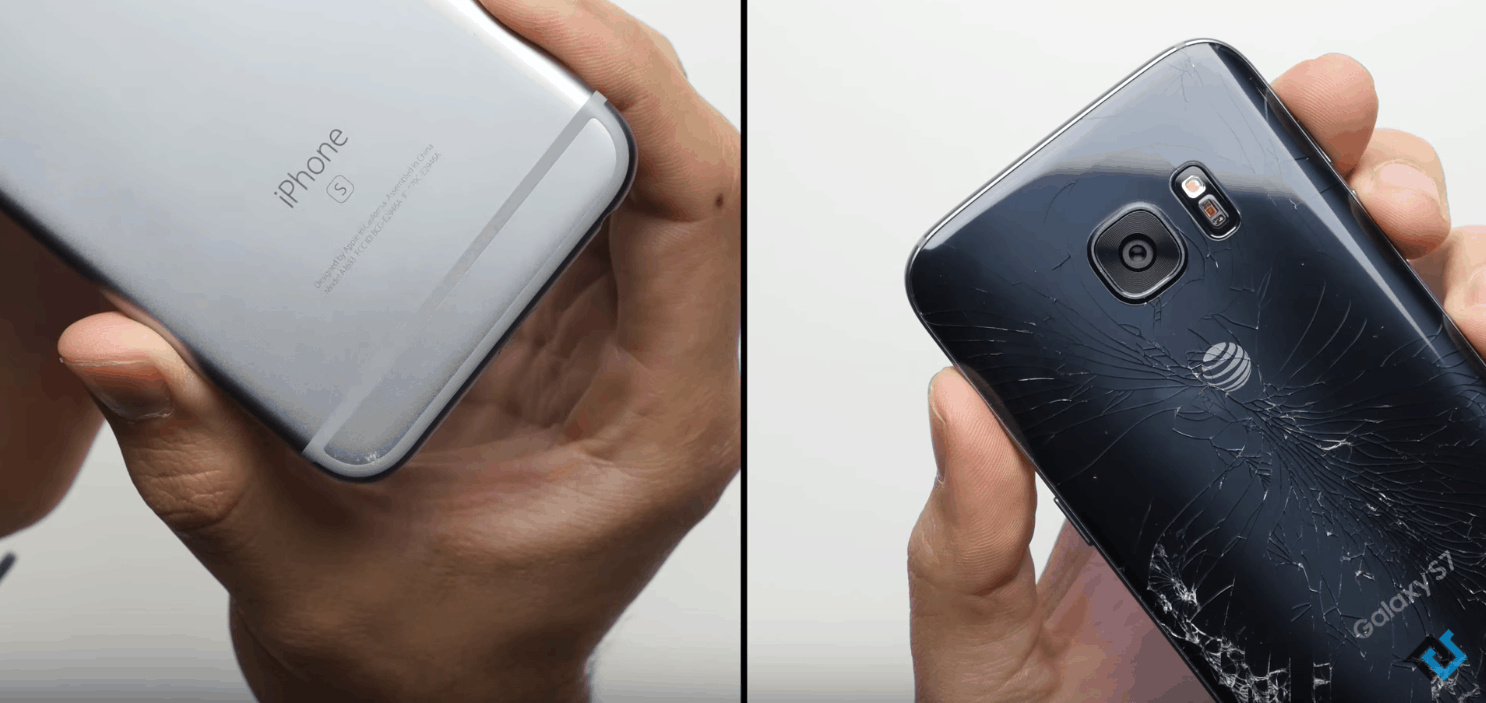
Apple might want to avoid that “all-glass” design it is supposedly working on for the iPhone 8. A new drop test, which puts the iPhone 6s up against the Galaxy S7, proves aluminum is a far better choice for our smartphones.
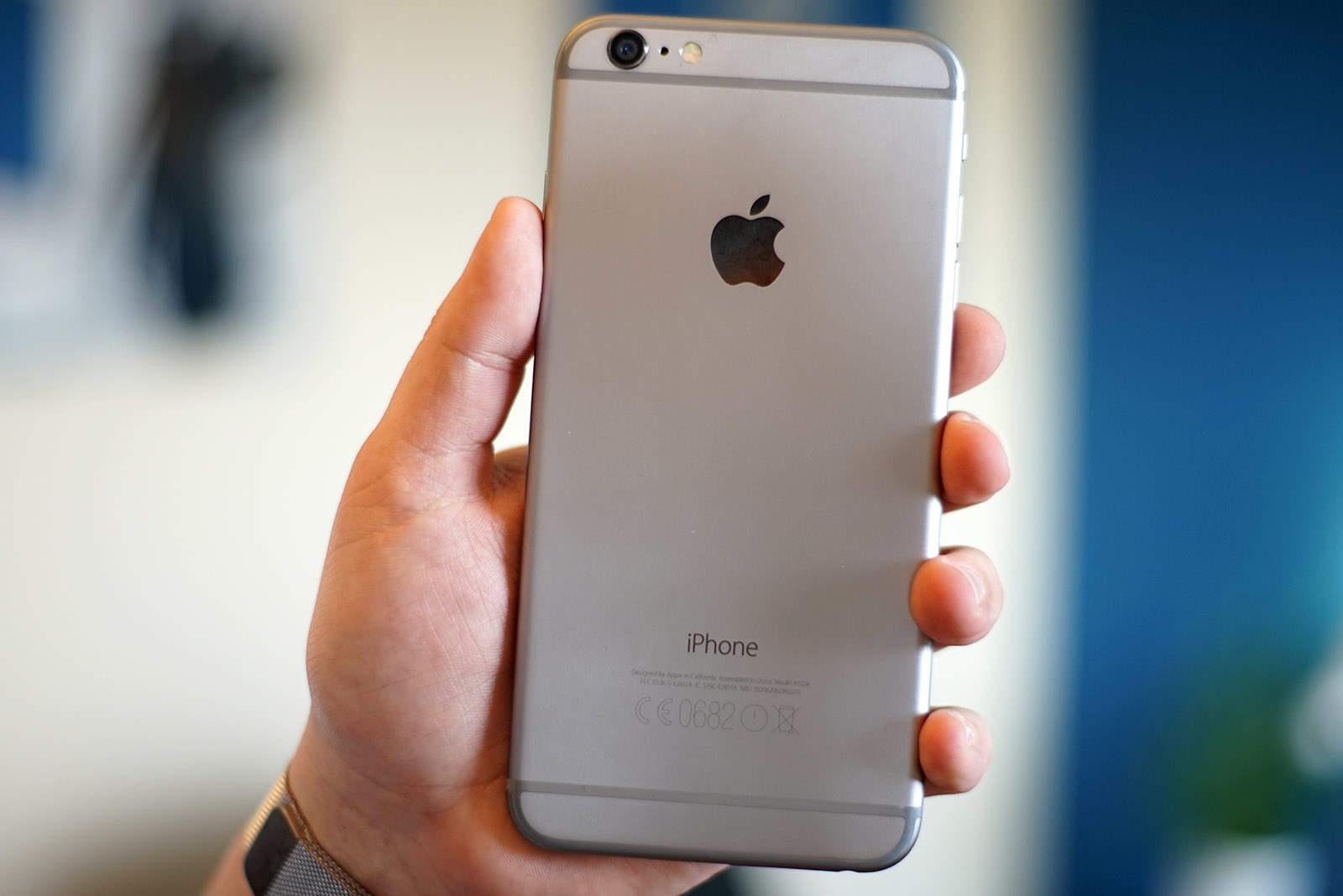
Jony Ive’s beloved aluminum casing is as about as iconic a part of the iPhone as the Apple logo or a working OS. Despite that, a new report claims that the company will ditch its aluminum look for an all-glass enclosure for next year’s iPhone 7s.
Reliable Apple analyst Ming-Chi Kuo revealed this tidbit over the weekend in a note to clients, which also reiterated the view that the 2017-era iPhone will sport an OLED display.
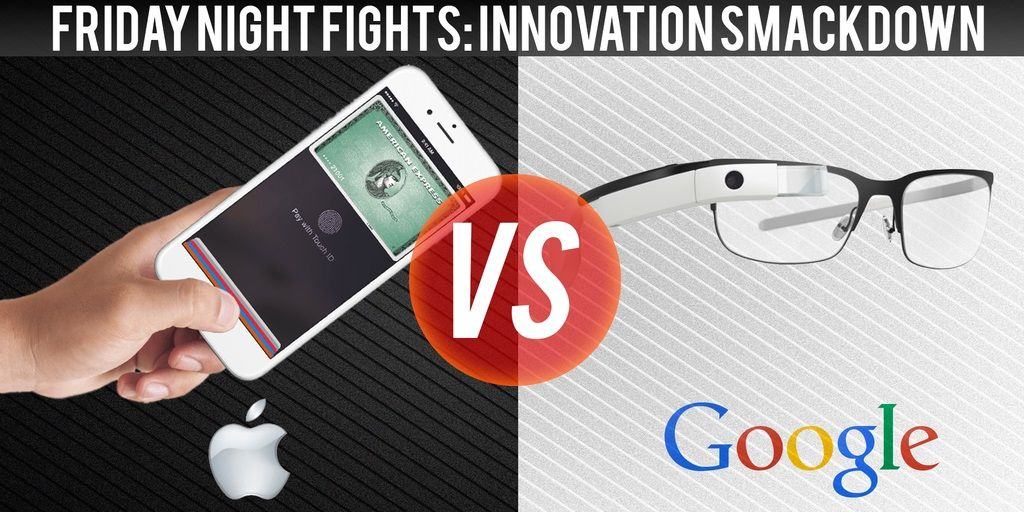
To succeed in tech, you must be a master of innovation. No two companies understand this better than Apple and Google, which have become kings of the industry thanks to a string of incredible ideas that have shaped the technology we rely on today.
 But which company is continuing to innovate in 2015? Is it Apple, with its fitness-focused Apple Watch, Apple Pay, and a new streaming service that hopes to save the music industry? Or is it Google, with Google Glass, self-driving cars, and secret robots?
Join us as we take it to a debate in this week’s Friday Night Fight between Cult of Android and Cult of Mac.
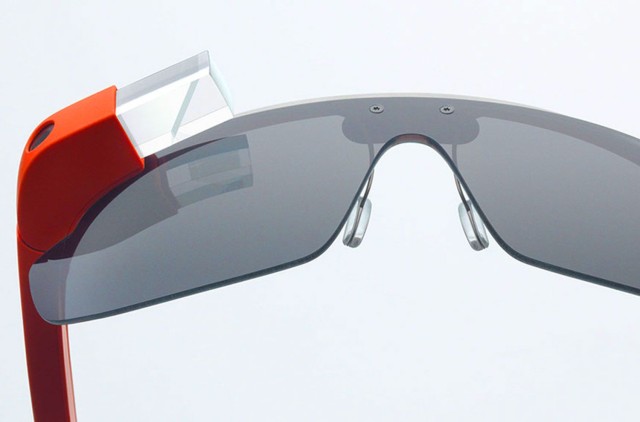
If you’re a Google Glass Explorer who paid $1,500 to get your hands on the device early, then you can expect to receive an email from Google inviting you to upgrade to the latest model free of charge. The design of the new wearable remains the same, but it’s not more durable and slightly faster.
Apple’s new glass plant in Arizona has finally received the official seal of approval from the local government and some newly released documents reveal that in order to lure the tech behemoth to the Valley of the Sun, the Arizona Commerce Authority sweetened the pot by offering Apple a $10 million grant, plus some tax incentives.
The Gilbert Public School Board was the last of eight entities to approve the tax breaks for Apple, who plans to build a high-tech glass manufacturing plant in Mesa that will bring over 700 jobs to the area plus an additional 1,300 construction jobs while the plant is being built. According to one third-party economic study, Apple’s investment is estimated to generate more than $102 million in tax revenue over five years.
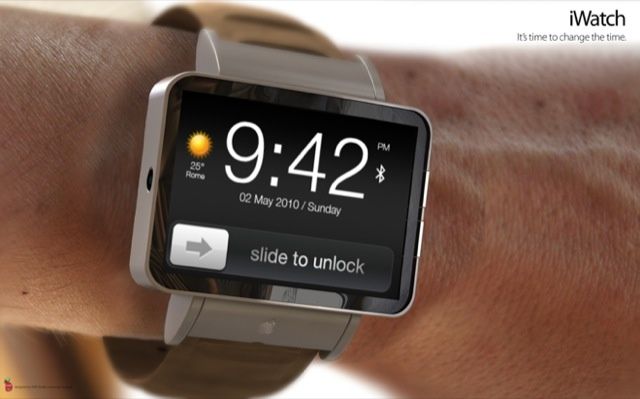
Apple is becoming a victim of its own success. It’s been several years since the company launched the iPad and revolutionized yet another product category, but we haven’t seen anything truly groundbreaking since then. Sure, we’ve had the iPad mini, the Retina MacBook Pro, and the awesome new iMac, but they’re all variations or improvements on existing products.
Now the world is clamoring for something completely new — something that’ll take off just like the iPod, iPhone and iPad.
Some reports suggest it will be the Apple “iTV,” the company first television set, which is said to be in development inside the company’s Cupertino headquarters. But it’s more likely that Apple’s immediate concern is with the “iWatch,” a smartwatch powered by iOS that will bring all kinds of crazy-cool technology to your wrist.
I had suspicions Apple might be working on its own watch when it redesigned the iPod nano last year. A lot of fans used the tiny nano as a watch thanks to third-party strap accessories, and it seemed like its form factor and design were changed for a reason — to make way for something new.
We’ve been reading iWatch rumors for the past few months, so it’s time to put them all together and establish what we think we know about the iWatch so far.
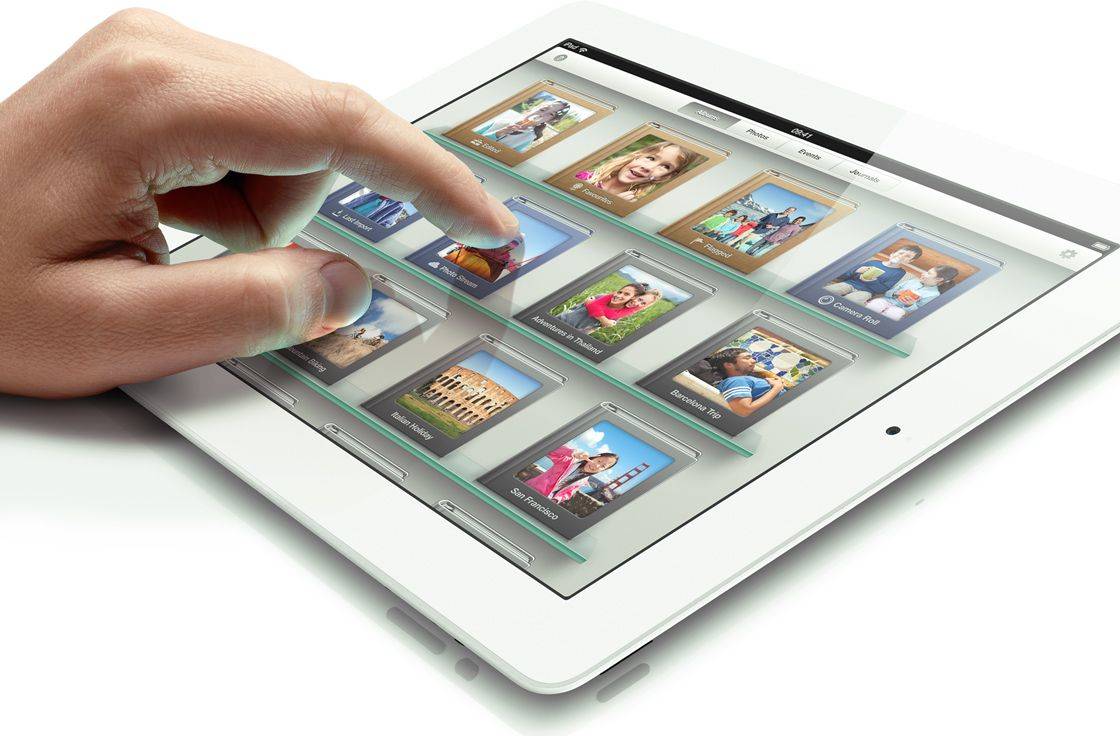
The fifth-generation iPad will use the same touch-panel technology as the iPad mini to allow it to become thinner and lighter, according to “people with knowledge of the matter,” who have been speaking to The Wall Street Journal. The device is expected to look just like the iPad mini, with narrow bezels and a significantly thinner shell, but it will maintain a 9.7-inch Retina display.

Arguably one of the best things about Google Glass is the ability to view maps and get directions while you’re driving without ever having to take your eyes off the road ahead. But that’s not the case for those in the U.K., where using Google Glass behind the wheel is banned by the government.
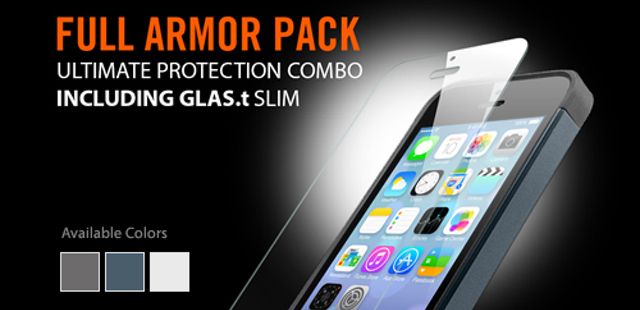
This Cult of Mac Deals offer features a bundle of style for your iPhone 5. Essentially, this bundle of iPhone protection gear comes with several components, including a glass shield screen protector. With that component alone, you can be confident that if your iPhone takes a beating –its glass screen won’t shatter upon impact.
This iPhone 5 Full Armor Pack – courtesy of Spigen – can be yours during this limited time offer for just $26.99. That’s a savings of 59%!
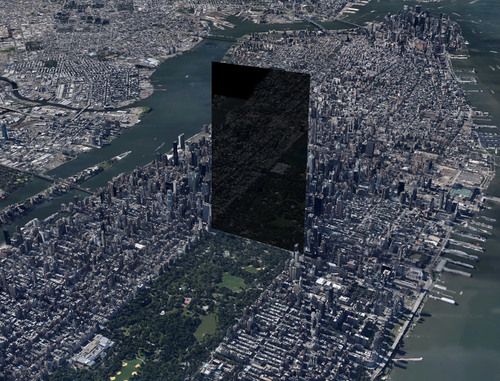
Have you ever contemplated just how many displays Apple’s manufactured for the iPhone since 2007? And then, have you ever thought how cool it’d be to combine all those iPhone displays into one gigantic Monophone that’s docked in the middle of Manhattan?
Josh Orter over at Stupid Calculations was wondering what such an object would look like too, so he did all the calculations and discovered the Monophone screen would stretch 5,059 feet into the sky, and measure 2,846 feet across, for a total surface area of 23-acres. It would be enough screen space to watch Game of Thrones on all fours sides of fourteen World Trade Centers.
Here’s another picture of what the Monophone would look like in Manhattan:

It was just a matter of time before Google Glass got its first porn app, allowing wearers to enjoy hardcore movies more discreetly — yet more openly — than ever before. The first one comes from MiKandi, a leading creator and distributor of adult apps for Android, and it’ll hit the MiKandi app store sometime this week.

Turkey’s tablet loving Prime Minister, Recep Tayyip Erdoğan, has been going on a tour of the U.S. in pursuit of the greatest tablet marker in the world to arm his students with. The prime minister visited Silicon Valley on May 18th to be briefed by the world’s best technology companies on their latest endeavors.
Erdoğan is looking to buy 10.6 million iPads for his country’s education new education project Faith. So far, Erdoğan was first greeted by Microsoft CEO, Steve Balmer, and then he paid visits to both Apple, Google.
Regarding his visit to the U.S., Erdoğan said:
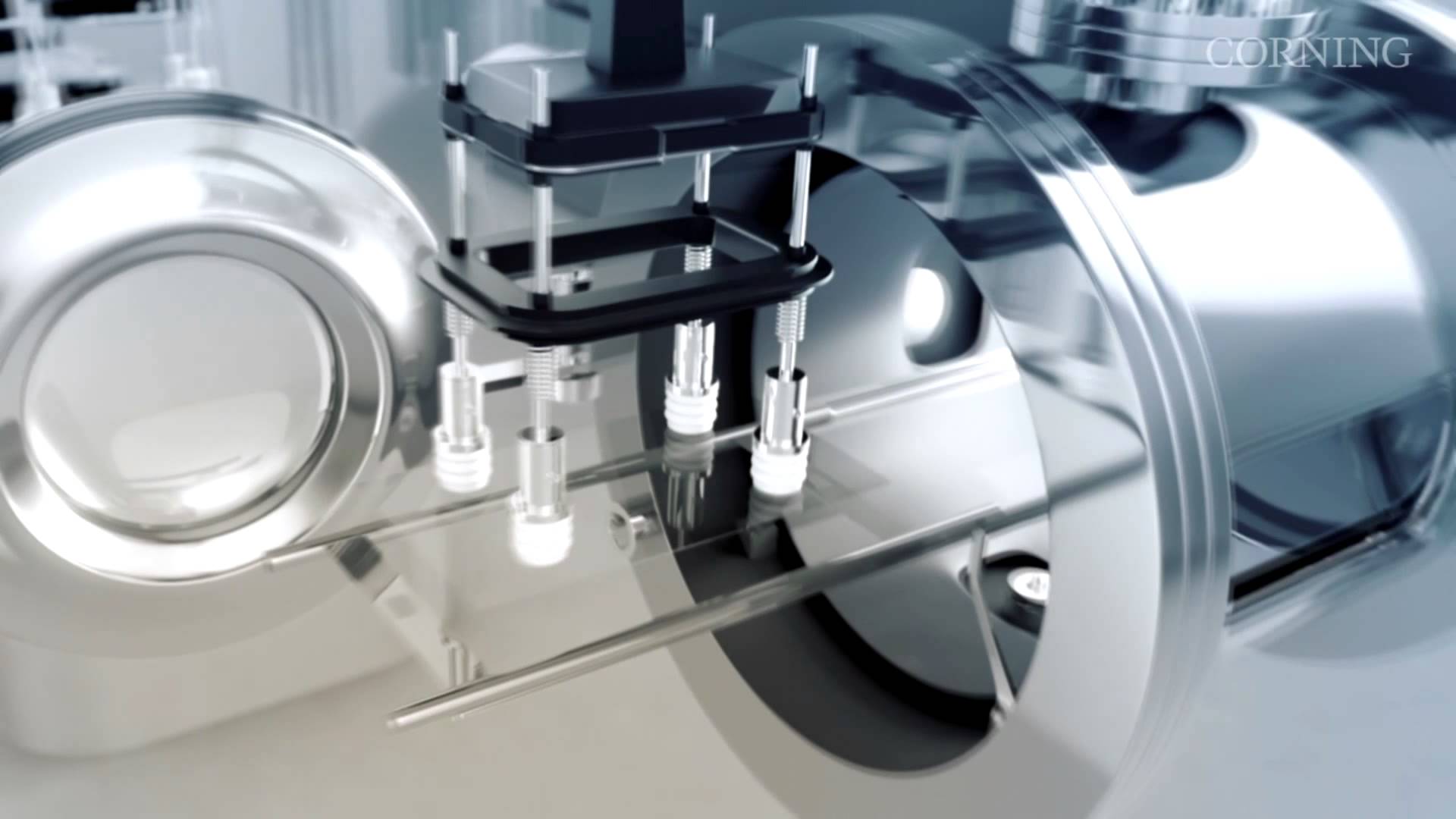
Although Apple doesn’t like to talk too much about it, they admit right on their official website that all of the glass used in their iPhone and iPad displays are made by Corning, makers of Gorilla Glass.
Corning’s always looking to make their glass stronger, thinner and more useful to Apple, though, which is why they’ve just announced Corning Lotus XT Glass, which looks to be a prime contender for use in the upcoming iPhone 5S, iPad 5 and iPad mini 2.
The video above, frankly, is pretty boring. Here’s what you need to know: Lotus XT Glass is a new type of glass from Corning that is specifically designed for use in high-performance displays, like Retina displays. Its primary characteristics are that they allow more light through, so Lotus XT Glass reduces power draw (light goes through easier, so a backlight needs to do less to compensate) and increase color vibrancy. In addition, Lotus XT Glass is easier for manufacturers to work with, reducing manufacturing costs and increasing yields.
Press release is after the jump.

While Google Glass is already compatible with iPhone, some of its killer features — including turn-by-turn navigation and text messaging — require a companion app that’s currently only available on Android. But according to one Google employee, Glass will soon be able to offer these features no matter what device it’s connected to.
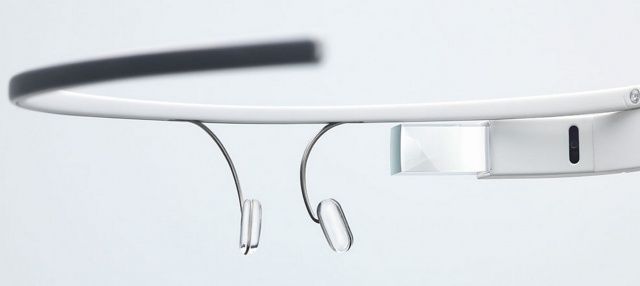
Google Glass has been getting a lot of attention recently for it’s futuristic take on wearable computing. Apple’s iWatch has got people intrigued, but it turns out that Google has been working on a watch of its own, just incase Google Glass is a little bit too weird for people.
Patents filed by Google in 2011 show that the company has been working on a wearable wrist computer. The Google Watch concept describes two touchpads on a wristband that work intandem to undertand gestures like Google has on the Google Glass pad.