Canceling a subscription is about to get much easier. Photo: Recently
The FTC is making it easier to cancel subscriptions. Its new “click to cancel” rule requires companies to make canceling a subscription as easy as the signup process.
Currently, canceling a subscription often requires multiple steps, with some companies making customers jump through unnecessary hoops.
The FTC wants to free consumers trapped in subscriptions. Photo: Cult of Mac
The Federal Trade Commission wants to make cancelling subscriptions as simple as starting them. The US government agency proposed a “click to cancel” rule that would make it easy for consumers to escape recurring subscriptions and memberships.
Apple users can easily leave subscriptions they signed up for thorough the App Store. That’s not necessarily true for ones started elsewhere.
The move would "distort Arm's incentives," the FTC said. Image: Arm/Nvidia/Cult of Mac
The U.S. Federal Trade Commission has filed a lawsuit to block Nvidia from acquiring Arm. It believes the move would “distort Arm’s incentives in chip markets” and allow the combined firm to “unfairly undermine Nvidia’s rivals.”
Nvidia is already one of the largest chip companies in the world, while Arm’s technology is licensed to some of the biggest and most powerful brands, including Apple, Samsung, and Qualcomm.
The FTC is refunding scammed consumers of services like Click4Support. Photo: Federal Trade Commission
The United States Federal Trade Commission announced Tuesday it is sending refund checks totaling more than $1.7 million to almost 58,000 people who were victims of a nationwide tech support scam claiming to be endorsed by Apple and Microsoft.
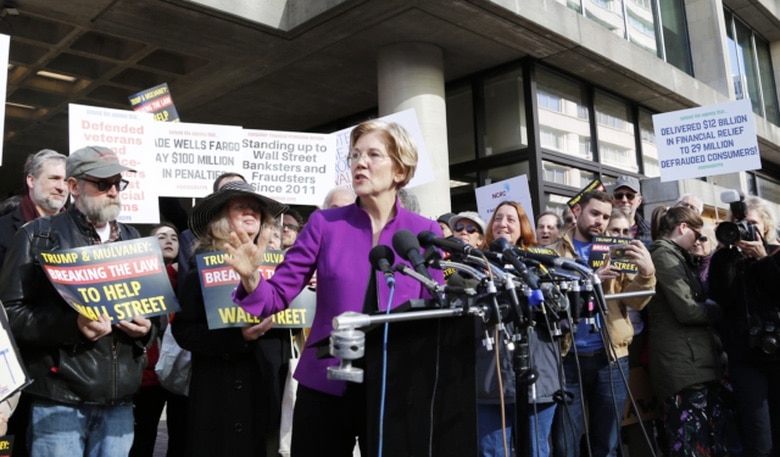
Presidential nominee Elizabeth Warren has said that tech giants like Apple have too much power. Photo: elizabethwarren.com
The Federal Trade Commission wants tech giants, including Apple, to give more information about previous mergers and acquisitions considered too small to report to antitrust regulators.
The move comes as Justice Department, FTC, state attorneys general and the House Judiciary Committee ramp up investigations into big tech. Politicians have accused tech giants of using their size and power to illegally defend market share or move into new areas.
But that's not to say it won't happen! Photo: Pexels
The chairman of the U.S. Federal Trade Commission isn’t opposed to the breakup of America’s tech giants. However, he acknowledges it would be very, very challenging.
“If you have to, you do it,” Joe Simons told Bloomberg. “It’s not ideal because it’s very messy. But if you have to you have to.”
This is the largest fine in FTC history. Photo: Ste Smith/Cult of Mac
The Federal Trade Commission hit Facebook with a massive $5 billion fine Wednesday due to the social network’s lax privacy policies.
This stands as the largest fine ever dished out to a tech company by the FTC. The massive penalty eats up approximately 9% of Facebook’s total 2018 revenue.
Case could make 5G landscape more competitive. Photo: Qualcomm
Qualcomm emerged victorious from its recent battle with Apple. But things look a whole lot less rosy for the company in its antitrust case with the Federal Trade Commission (FTC).
Judge Lucy Koh this week filed her ruling in the FTC’s first round of litigation against Qualcomm. She concluded that Qualcomm has been engaging in anticompetitive business practices.
Apps were developed by a developer in the Ukraine. Photo: Apple
Apple has booted three dating apps out of the App Store on the advice of the U.S. Federal Trade Commission (FTC). The three apps, all created by the same developer, allowed kids to sign up under the age of 13.
Several people reportedly face criminals charges for contacting kids through the apps.
Apple Japan allegedly used strong-arm tactics to get Yahoo's Game Plus online service shut down. Photo: Apple
For the second time this year, Apple is being investigated by the Japanese Fair Trade Commission. This time, it may have forced Yahoo to scale back a web-only gaming platform that competes with the App Store.
Apple Japan seems to play hardball. This summer, the FTC made it stop forcing Japanese carriers to put subsidies on iOS handsets.
The FTC said warranty seals like this are illegal. Companies can't forbid third-party repair work. Photo: Ed Hardy/Cult of Mac
The Federal Trade Commission warned companies today not to tell customers that using independent repair facilities invalidates the warranties on their phones, video game consoles, or cars. Doing so is a violation of U.S. law.
It’s not clear if Apple was singled out by the watchdog agency. But it could have been.
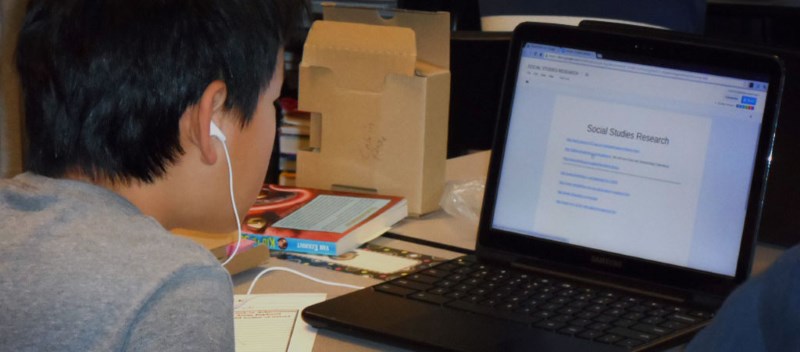
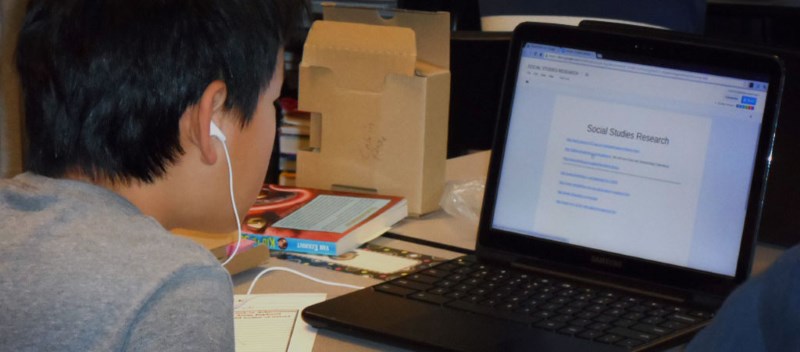
Google has been accused of breaking its student privacy pledge by collecting data and browsing habits from Chromebooks used in schools and Google Apps for Education.
The Electronic Frontier Foundation (EFF) has called upon the Fair Trade Commission (FTC) to investigate Google’s conduct, and to prevent it from using the data it has collected so far.
In a strongly worded blog post Wednesday, the Federal Trade Commission derided legislative attempts to prevent consumers from buying cars directly from manufacturers. While this certainly applies to Tesla Motors’ plans to cut out the middleman on auto sales, the government position would cover any company that wishes to sell cars directly to consumers — like, say, Apple.
Can you imagine a day when we can roll into an Apple retail store, flash an Apple Watch and purchase an iCar with Apple Pay?
Now on sale - your personal info. Photo: Dig My Data
It looks like that cheap cassette adaptor I bought for my first iPhone and that universal remote for all my TV gadgets at RadioShack in the last ten years may come back to haunt me.
If you’re like me and you’ve shopped at RadioShack within the last several years, your personal information may be included in the sale of all of the failed electronics retailer’s assets in an auction that concluded Monday of this week.
The sale also includes Radio Shack trademarks, patents, leases, and the court presiding over the matter will likely decide whether Radio Shack can continue its retail operations at a smaller scale.
The reported winner of the bid, Standard General, is also RadioShack’s largest shareholder, making this an odd one. The winning bid still needs to be approved by a bankruptcy judge, who will have to consider the pending legal challenges to this sale.
Like, for example, whether a retailer that bragged, “We pride ourselves on not selling our private mailing list,” can sell them once bankrupt.
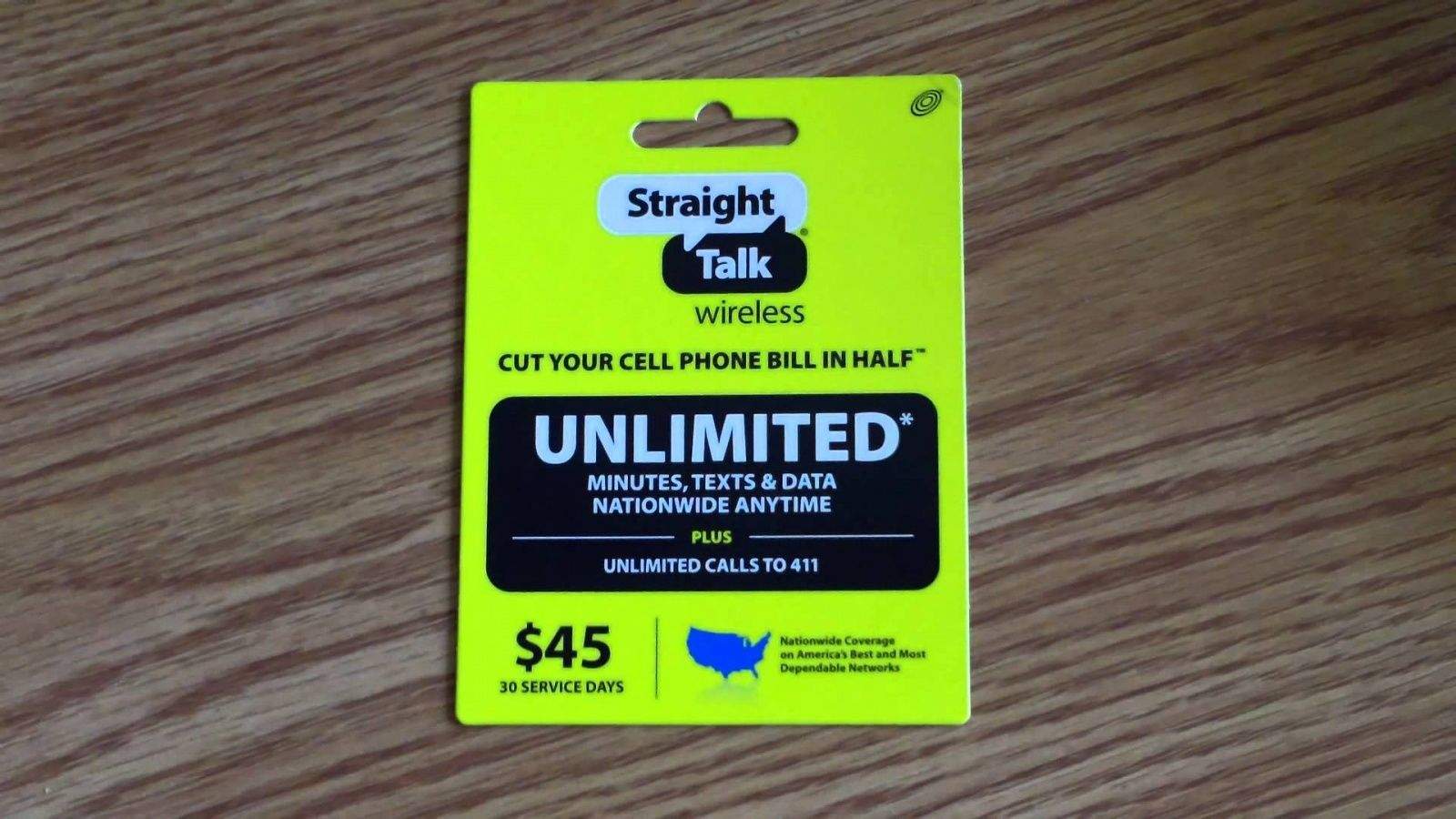
This sort of promotion is what got TracFone in trouble. Photo: StraightTalk
Although unlimited data was a promise carriers like AT&T once used to lure potential customers to their network, it doesn’t really exist anymore. Even if you have an unlimited data contract, carriers will throttle your connection once you push a certain data allowance every month.
Yet it’s starting to look like the Federal Trade Commission might be moving against carriers that throttle so-called “unlimited” connections. The FTC just smashed TracFone with a $40 million fine for throttling customers of its unlimited data service.
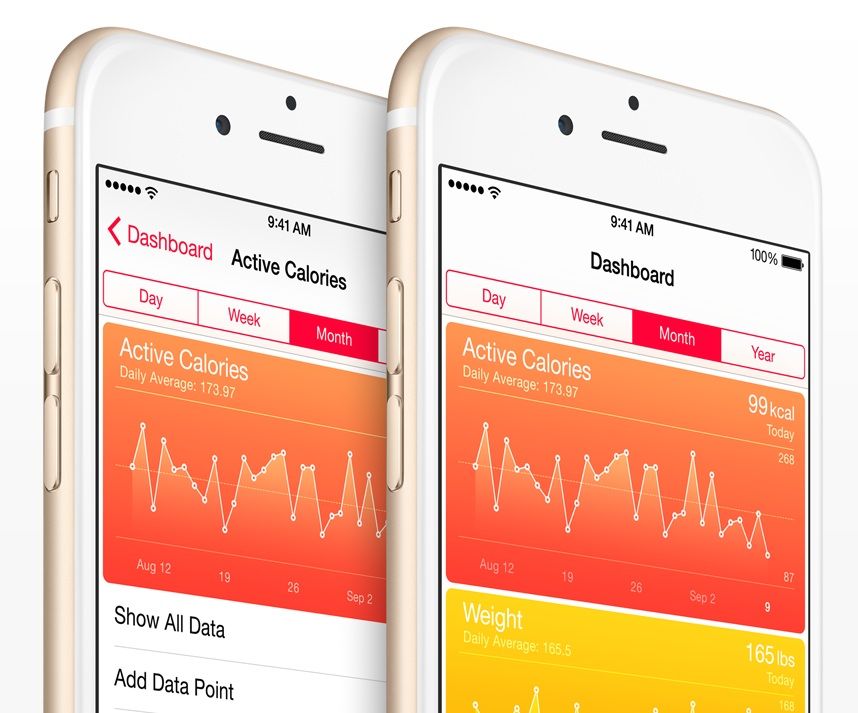
FTC wants to know who sees your Health data Photo: Apple
Apple’s HealthKit app for iOS 8 is great at capturing and storing personal health data from tons of sources, but according to a Reuters report, the U.S. Federal Trade Commission wants to know what it plans to do with all of it.
The FTC has reportedly met with from, seeking assurances that sensitive health data scooped up by the Apple Watch and other apps won’t be used without users’ permissions.
AT&T might finally get its comeuppance for throttling data. Photo: Apple.
The Federal Trade Commission is finally going after AT&T for throttling customer’s data speeds, by filing an official complaint that the company has lowered speeds on LTE up to 95% on unlimited data plans.
FTC chairwoman Edith Ramirez expounded on the lawsuit today stating, “the issue is simple: Unlimited means unlimited.” The FTC also alleges that AT&T engaged in unfair or deceptive acts and practices that affected commerce. And they’ve got the numbers to back up their lawsuit, with claims that AT&T illegally capped users’ data speeds at 128 Kbps.
If Apple has to pay the FTC, Bruce Sewell, wants Google to pay up for in-app purchases too.
The FTC came down hard on Apple earlier this year for its lack of parental controls for in-app purchases on iOS, so Apple did what anyone caught red handed would do — they ratted out the competition too.
A week after news of the FTC’s investigation broke, Apple’s SVP of legal, Bruce Sewell sent an email to FTC Chairwoman Edith Ramirez and Commissioner Julie Brill, linking to a scathing Consumer Affairs report that claimed Google Play kids could spend money like drunken sailors.
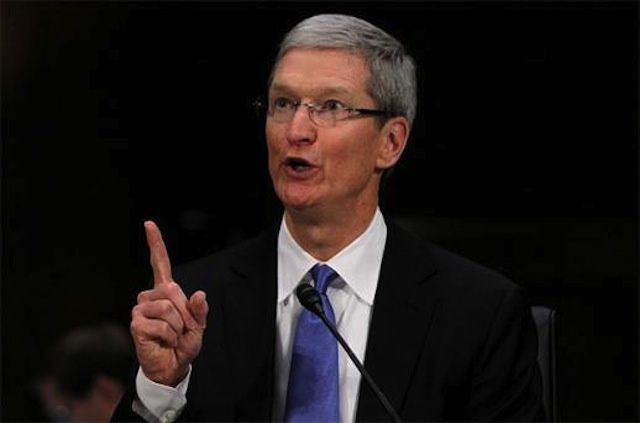
After negotiating with the Federal Trade Commission for months regarding the use of in-app purchases in the App Store, Apple has reached a consent agreement with the agency, according to a company-wide email Tim Cook just sent employees.
Apple’s in-app purchases practices have frustrated regulators since debuting in the App Store back in 2009. In his letter to employees, which was obtained by Re/code, Cook says a host of complaints from customers led Apple to investigate its practices. Last year Apple emailed 28 million App Store customers regarding their in-app purchases and subsequently refunded more than 37,000 in-app purchases that parents claim were unauthorized. The FTC announced that Apple will refund $32.5 million to customers as part of the settlement.
The settlement also requires Apple to change its billing practices by March 31 to ensure customers give their informed consent before billing them for in-app purchases. Apple also has to add an option for customers to remove that consent at any time.
Cook says “it doesn’t feel right for the FTC to sue over a case that had already been settled. To us, it smacked of double jeopardy,” but the FTC’s deal isn’t going to require Apple to do anything extra, so they decided to sign it and move on.
Samsung has been fined $340,000 by Taiwan’s Fair Trade Commission for an Internet campaign against HTC that violated fair trade rules. The South Korean company paid students to praise its own smartphones in online reviews while slamming those of rival HTC.
A free SpongeBob Squarepants game from Nickelodeon has had to be pulled from the App Store following complaints that it violates children’s online privacy rights. SpongeBob Diner Dash asked children for their names and email addresses without parental permission — so that it could fill their inboxes with spam, no doubt — causing an advocacy group to report the app to the Federal Trade Commission.
The Federal Trade Commission released information this morning that because of their misrepresentation to users of Apple’s Safari Internet browser, Google has agreed to pay a record $22.5 million civil penalty to settle charges from the FTC.
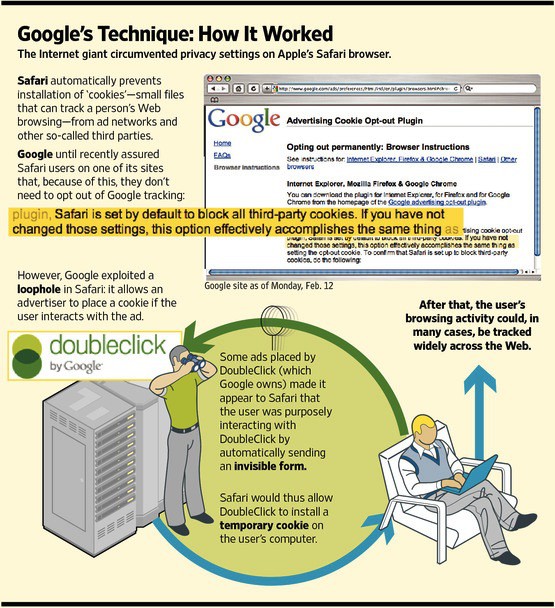
The $22.5 million fine is the largest in FTC history. Earlier this year an investigation found that Google had placed advertising cookies on the computers of Safari users who visited sites on Google’s DoubleClick ad network. Users were told by Google that they would automatically be opted out of the tracking, but Google kept tracking them anyway.
6 months later, and Google is about to pay the “largest penalty ever levied on a single company” by the U.S. Federal Trade Commission (FTC). Google will pay $22.5 million to settle the charges issued by the FTC, and the code in question has already been disabled by Google in Safari on iOS.
Despite the headlines, everyone's favorite photography app hasn't been gobbled up by Facebook quite yet.
Reports surfaced earlier this month that the U.S. Federal Trade Commission (FTC) had begun a probe into Facebook’s proposed $1 billion acquisition of Instagram. No specific reasons were given for the FTC’s probe, but the acquisition was reportedly stalled due to antitrust concerns. It will likely take regulators up to a year to determine if the deal violates U.S. antitrust law.
Facebook will pay Instagram $200 million if the deal falls through. If the FTC approves the acquisition, Instagram’s two co-founders will net $500 million combined.
Google on its parts always said it had done nothing wrong, and used known functionality in Safari to make sure their advertising cookies were always stored locally on users’ machines, even if their cookie settings were set to private. Looks like that might not have been enough for the FTC, though, who are now looking to start doling out fines to Google over the issue.