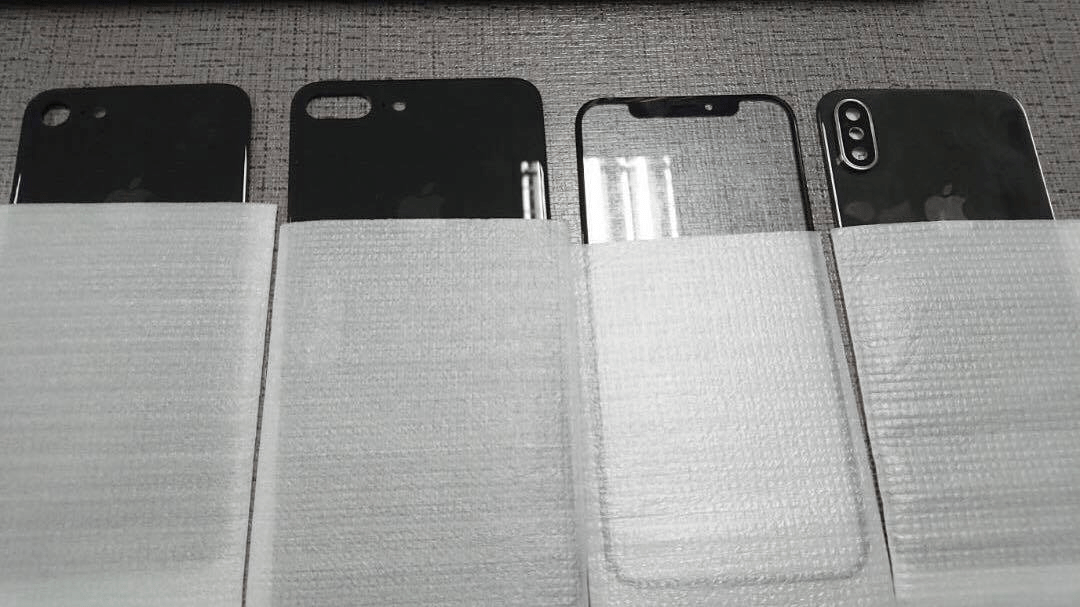
There’s a belief that Apple makes new engineers work on fake products until they can be trusted. According one of the company’s former employees, Adam Lashinsky, who published the book Inside Apple last January, the Cupertino company hires people into so-called “dummy positions” until it’s confident that they can be a part of upcoming products without leaking information.
But how accurate are those claims? We know Apple takes secrecy very seriously, but would it really waste time and money on giving people fake projects just to ensure they won’t squeal?
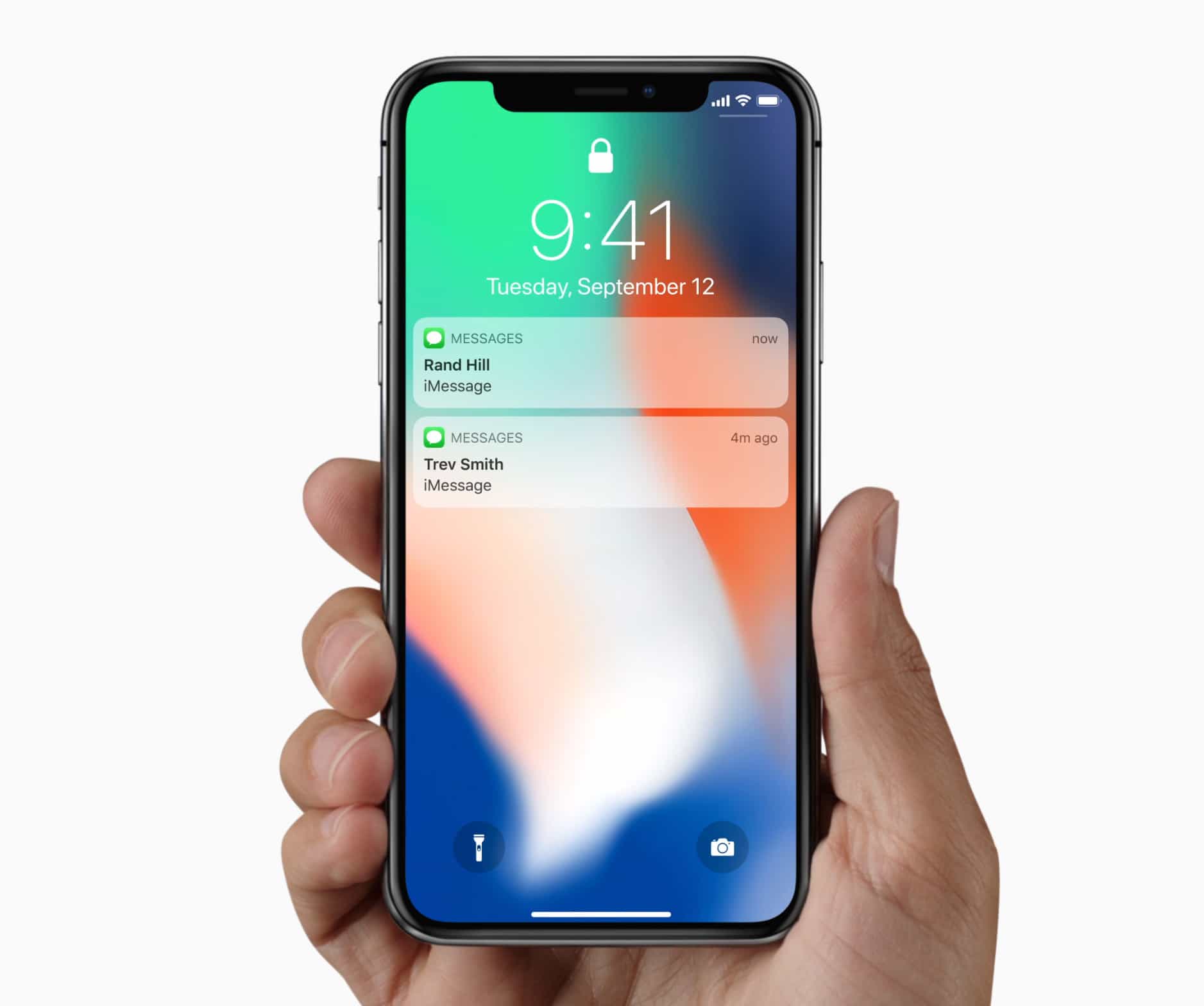
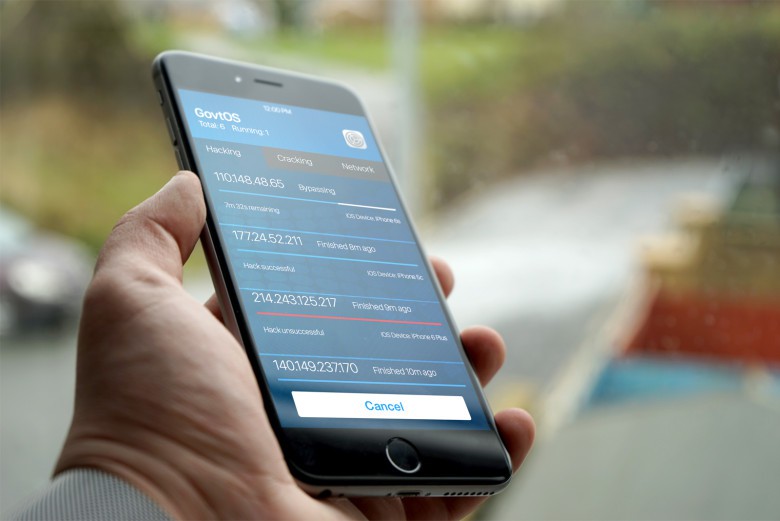
First, AntiSec leaked a ton of iPhone and iPad UDIDs to the public, claiming they hacked them off an FBI laptop. The FBI responded and said there was no way the UDIDs came from them. Then Apple jumped in and said that they totally didn’t give anyone 12million UDIDs. But 12million UDIDs were still leaked and people are still wondering how the heck AntiSec got them.
A few theories have been bouncing around the web this morning, but the most plausible theory of how AntiSec got all the UDIDs is that a network of free apps were keeping track of UDIDs and AntiSec hacked them off the publisher’s laptop.
Yesterday, AntiSec leaked over 1million Apple UDIDs that they claim came from a FBI laptop they hacked. What was the FBI doing with all those UDIDs, and who gave them to them? Well the FBI says that they totally didn’t get hacked so it’s not their fault.
Apple has been quiet the entire time about the whole thing, until this morning when they released an official comment stating that they never gave the FBI anyone’s device IDs.
This is getting interesting. Hot on the heels of hacking group Antisec leaking 1M+ Apple IDs they said they downloaded from a hacked FBI laptop, the FBI itself is now saying they had nothing to dow with it.
Here’s the FBI’s statement, as given to All Things D:
The FBI is aware of published reports alleging that an FBI laptop was compromised and private data regarding Apple UDIDs was exposed. At this time there is no evidence indicating that an FBI laptop was compromised or that the FBI either sought or obtained this data.
Strange. If that data didn’t come from the FBI, then, who did it come from?
You have to wonder if they felt a storm coming, as today, the hacking group AntiSec has released more than 12 million UDIDs that they managed to recover from an infilitrated FBI laptop. And your device ID — along with everything you did with the iPhone, iPod touch or iPad associated with it — might just be one of them.
When we think about security for our mobile devices, we’re usually protecting it from nefarious individuals. Well guess what? It apparently works both ways. In a story straight out of James Brown’s diary, the FBI is having a hard time busting a notorious San Diego pimp thanks to Android’s pattern lock feature.
Back in 1991, according to a recently released FBI file on Apple’s iconic founder, Steve Jobs was considered for a sensitive position in the Bush Administration.
The file is quite long, and we’re reading through it now. But one thing that the file immediately makes clear is that even the FBI knew about Steve Jobs’s patented reality distortion field! In fact, it’s directly referenced in their file on more than one occasion.
Carrier IQ CEO Larry Lenhart and vice president of marketing Andrew Coward have revealed in an interview that despite the company’s assurance that no personal data is recorded by its software, a “bug” did unintentionally collect users’ text messages. What it does collect intentionally — particularly for the Federal Bureau of Investigation — is yet to be clarified, with the FBI refusing to disclose this information.
The MobileOne iPhone Fingerprint Device (Photo/Provided)
The next time you are pulled over by police you may encounter a familiar face: your iPhone. Faster than you can say “Book ‘em, Dano,” Apple’s handset is quickly becoming law enforcement’s favorite tool for identifying unknown fingerprints. The iPhone’s touchscreen will even be enlisted by the FBI to spot terrorism suspects.