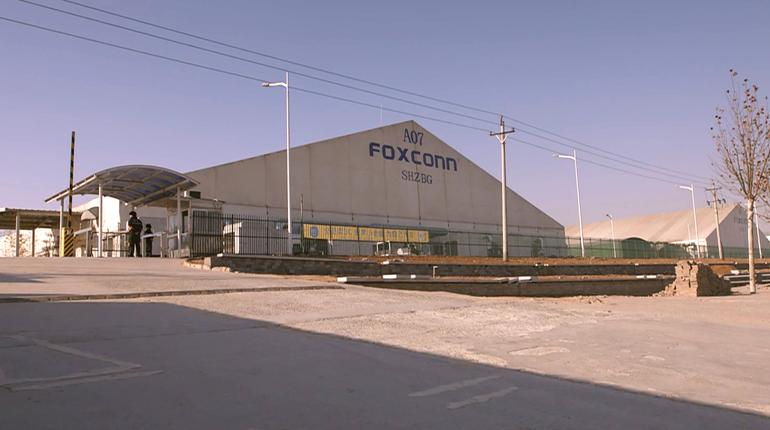
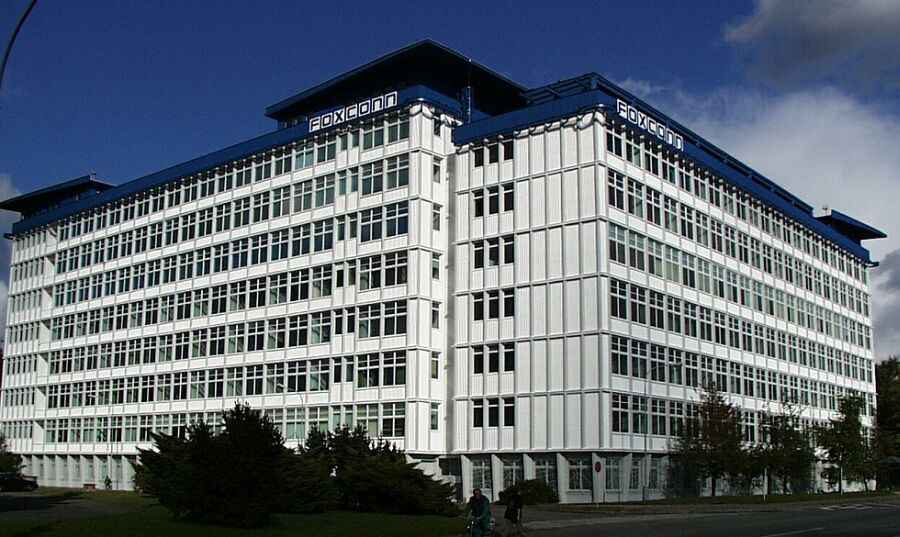
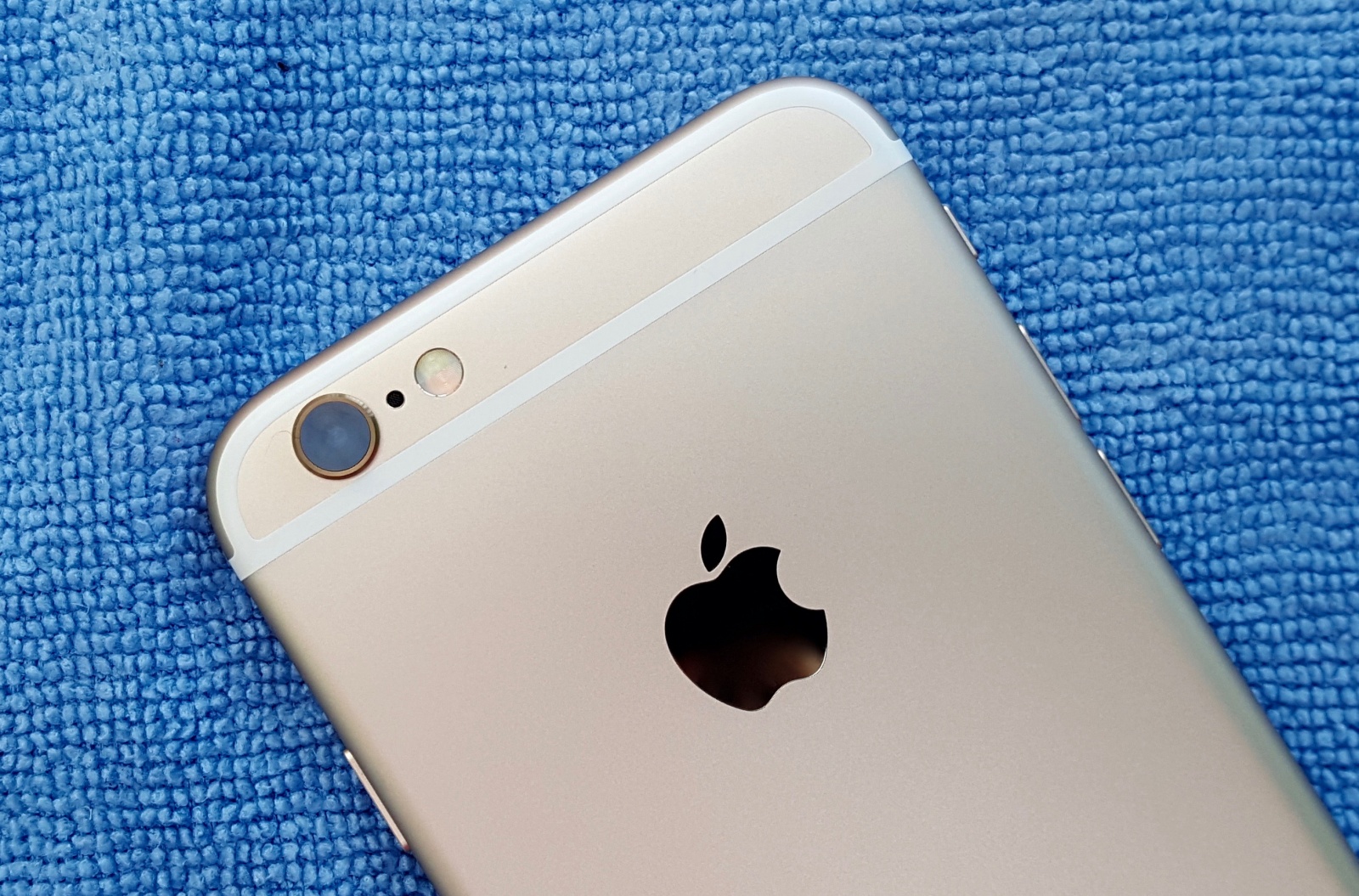
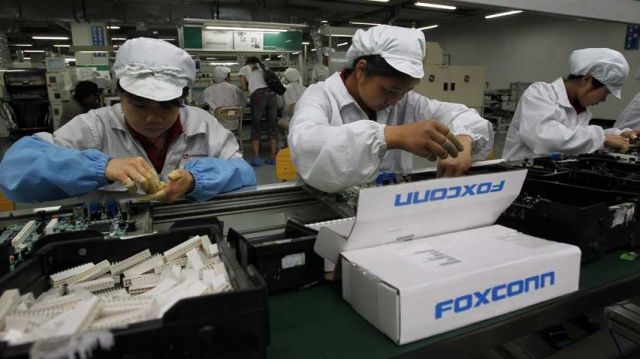
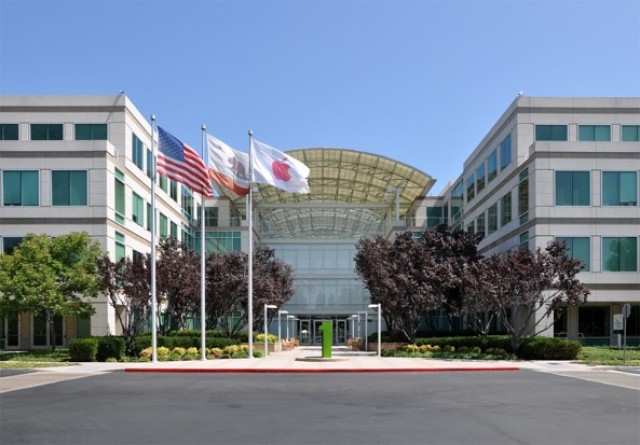
Japan Display makes LCD screens for Apple. Photo: Apple
Struggling Apple display-maker Japan Display could sell Apple and Sharp its main smartphone screen factory, a new report claims.
Japan Display still owes Apple more than $800 million for the plant, which it built four years ago for $1.5 billion. It could recoup this money by selling the factory to partners including Cupertino.
Factory sounds great, and looks ok. Photo: Charlie Sorrel/Cult of Mac
Factory is an aptly-named new iPad synthesizer from SugarBytes. In fact, calling it a synth is underselling it — kind of like calling GarageBand a “tape recorder”. Factory does synthesize sounds, but it also has built-in effects, a sequencer, an arpeggiator, and a totally wild DJ-style crossfader, which lets you morph between presets.
The app is ultra-flexible, as capable of finely-crafted sound design as it is of sonic mayhem.
Foxconn's first U.S. factory is on the way. Photo: CBS
Foxconn CEO Terry Gou said that Foxcon is currently weighing up the pros and cons of seven possible states in which to set up its first U.S.-based factory.
These states include Ohio, Pennsylvania, Michigan, Illinois, Wisconsin, Indiana and Texas, all of which were chosen because — in Gou’s words — “they are the heart of the country’s manufacturing sector.”
Foxconn will spend big bucks in India. Photo: Ste Smith/Cult of Mac
Apple supplier Foxconn has reconfirmed its intentions to build factories in India, with officials telling ministers from the state of Maharashtra that it will invest $5 billion building plants in the country.
Maharashtra Chief Minister Devendra Fadnavis is said to be working with Foxconn to help find suitable land in the state to fit the iPhone maker’s demands.
Foxconn is recruiting early for this year's iPhone. Photo: Killian Bell/Cult of Mac
Apple suppliers in Taiwan are already taking on new recruits in preparation for the iPhone 7. Local sources say that the design of this year’s device is more complex to build than previous models, so manufacturers are getting to work early.
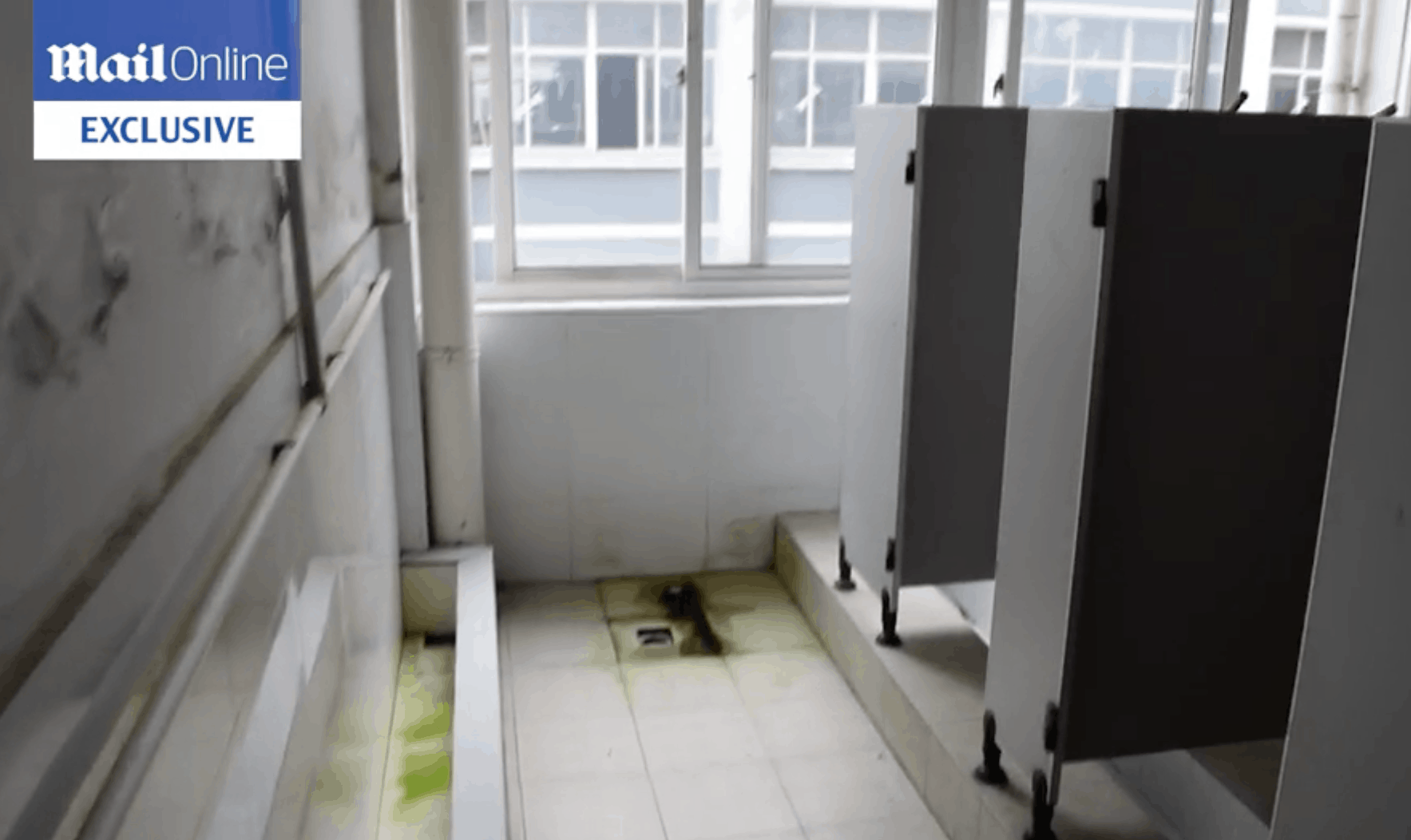
A Pegatron toilet that had to accommodate up to 40 workers. Photo: The Daily Mail
A rare look inside the abandoned facilities where Chinese workers toiled away making iPhones reveals a grim environment that’s a long way from Silicon Valley’s plush lifestyle.
Depressing images reveal the tiny rooms where up to 12 Pegatron workers slept each night, the dirty dining areas where they ate, and the disgusting bathrooms where they washed.
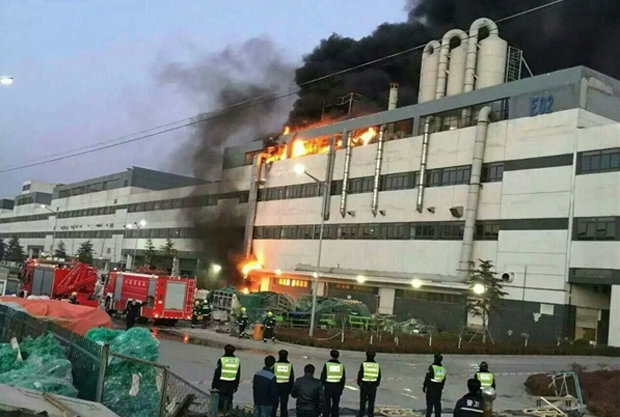
Fortunately no iPhones were harmed in the taking of this photo. Photo: Weibo
A fire broke out over the weekend a Foxconn factory in China that is used to manufacture iPhones. The fire reportedly started Sunday night, although it was fortunately brought under control by the fire department before too much damage could take place.
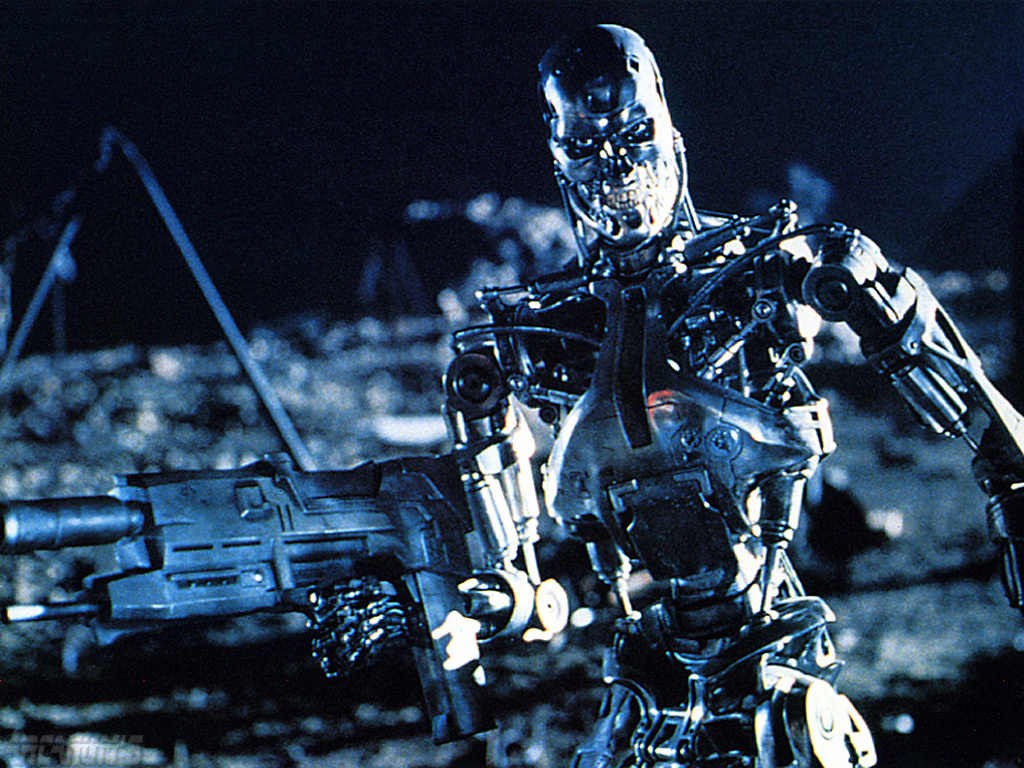
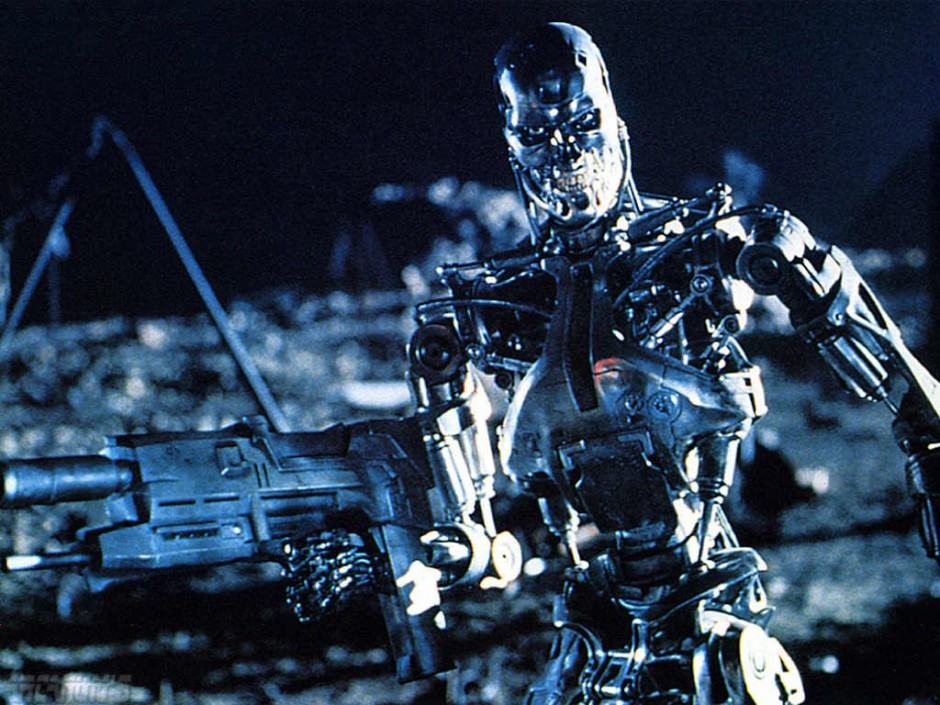
Like this, except hopefully without the whole Skynet thing. Photo: TriStarLike this, except hopefully without the whole Skynet thing. Photo: TriStar Pictures
Samsung has received a multi-million dollar investment from the South Korean government to develop factory robots to help win manufacturing work currently being lost to cheap human labor in China.
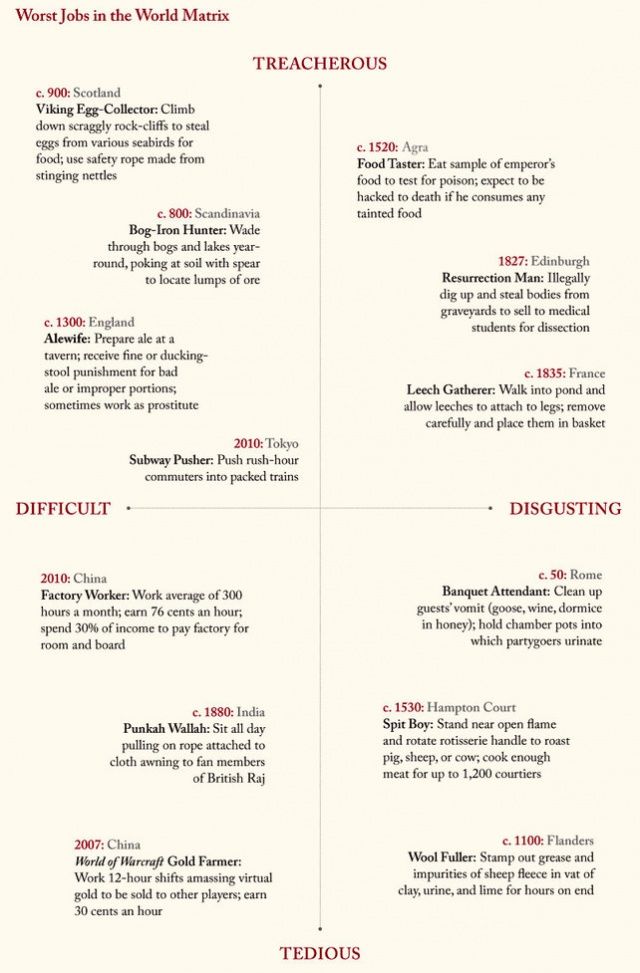
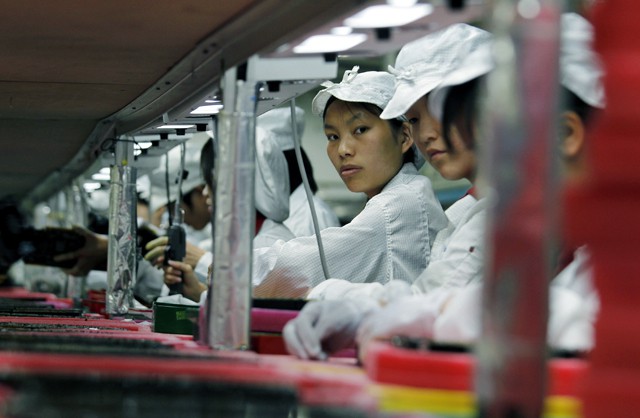
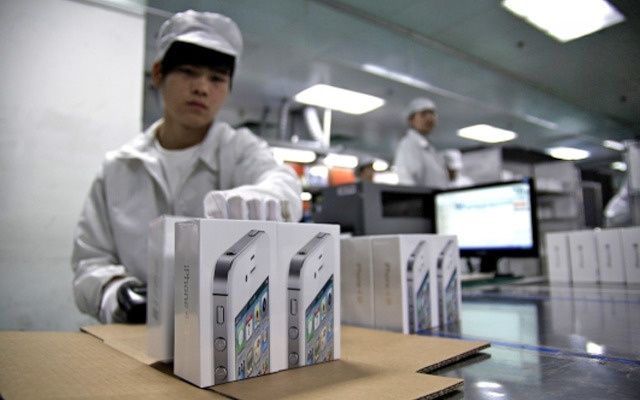
Although Apple has been taking unprecedented measures in the industry to remedy the problem, the truth is that working on an assembly line mass-producing iPhones just sucks. But how bad a job is building iPhones in the grand scheme of things?
The Worst Jobs in the World Matrix, from Lapham’s Quarterly, tries to put the craptitude of working at Foxconn in a broader historical perspective. As you can see, slaving away in an electronics factory for 300 hours per month for $0.76 an hour is a difficult job, but it’s far less disgusting than being a Roman vomitorium attendant, less tedious than being a World of Warcraft gold farmer, less treacherous than being a Japanese subway pusher, and less fatal than being the court food taster for a 16th-century emperor. Perspective, people!
Foxconn is notorious for its tough working conditions and labor practices, but the company has started relaxing on some of its strict factory rules after two recent suicides occurred at its Zhengzhou factory last month.
Starting now, Foxconn has decided it will stop forcing workers from fraternizing with one another during work hours. Foxconn’s factories have used a “mute mode” policy with workers that prohibits any conversation that is not relevant to their jobs while in the workshop, but the iPhone-maker has decided it’s probably good for workers’ health to be able to talk to each other.
Foxconn has begun taking on new workers as it prepares to begin production of Apple’s next iPhone, according to two seperate reports from Bloombergand The Wall Street Journal.
The company has added to its numbers at an iPhone plant in Zhengzhou, eastern China, ending a freeze on recruitment that was implemented back in February. The new workers will reportedly assemble the upcoming “iPhone 5S,” as well as existing models that Apple has requested to boost capacity, a supply chain source said.
Foxconn has reportedly placed a recruitment freeze across most of its factories in China as the company slows production of the iPhone 5, the Financial Times reports. This is believed to be the first such freeze since 2009, and it’s seen as an emphasis of the “weakening demand” for some Apple products. But does the freeze really have anything to do with Apple’s devices?
There’s a belief that Apple makes new engineers work on fake products until they can be trusted. According one of the company’s former employees, Adam Lashinsky, who published the book Inside Apple last January, the Cupertino company hires people into so-called “dummy positions” until it’s confident that they can be a part of upcoming products without leaking information.
But how accurate are those claims? We know Apple takes secrecy very seriously, but would it really waste time and money on giving people fake projects just to ensure they won’t squeal?
After facing a lot of scrutiny for the past few years over working conditions at factories in China, Apple has made a lot of progress on cleaning up their manufacturing partners’ facilities. Pay has been increased. Forced overtime and child labor aren’t as frequent. And we haven’t heard of any massive brawls in a while.
Following Apple’s lead, HP has decided to get its act together in China as well by reducing the number of underage student laborers at its facilities in China.
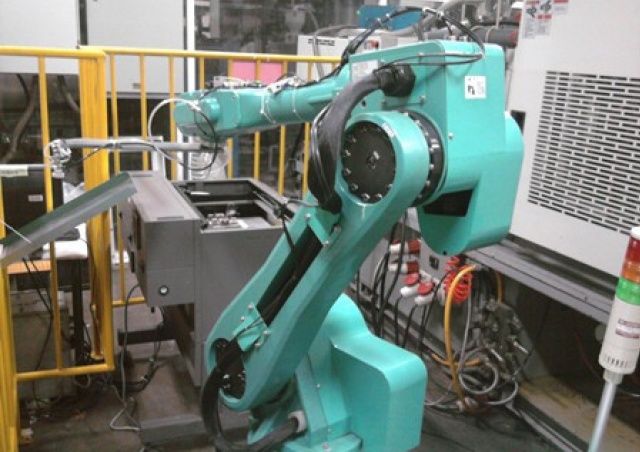
This "Foxbot" could soon be building Apple's latest gadgets.
Apple gadgets you buy in the future may have been assembled by machines as Apple’s biggest manufacturing partner, Foxconn, begins replacing its workers with robots. The move is expected to improve efficiency in Foxconn’s Chinese plants, as well as combat rising labor costs.
Apple will have 7 retail stores in China come Saturday.
If you own a Mac or an iOS device, there’s a good chance it was assembled by the fine folks at the Foxconn factory in Shenzhen, China. Despite being born there, however, Apple’s latest gadgets aren’t exactly easy to get hold of in the city. But that’s set to change on Saturday, November 3, when the Cupertino company opens the doors to its first Shenzhen retail store.
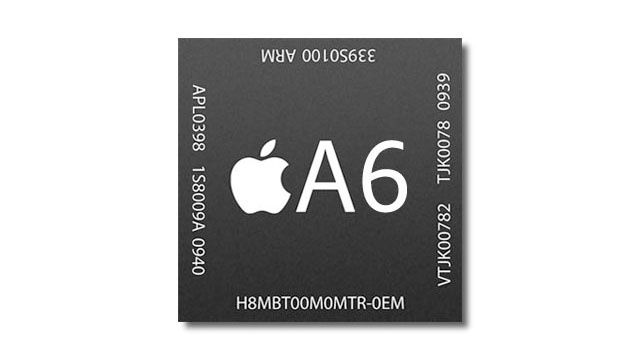
Some iPhone 5s are being delivered with chips like these.
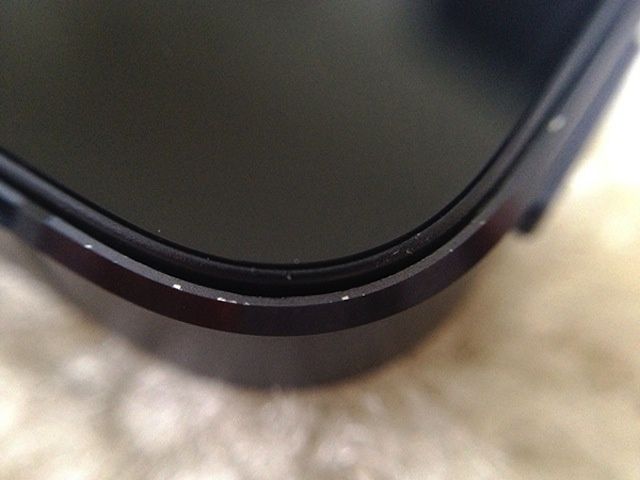
The iPhone 5 has quickly become Apple’s fastest-selling iPhone of all-time, meaning it’s incredibly difficult to get hold of — even more than three weeks after its launch. And the situation is about to get a lot worse, according to Bloomberg.Apple has had to increase quality-control at Foxconn to prevent damaged devices with nicks and scratches from leaving the factory. As a result, iPhone 5 production rates have dropped.
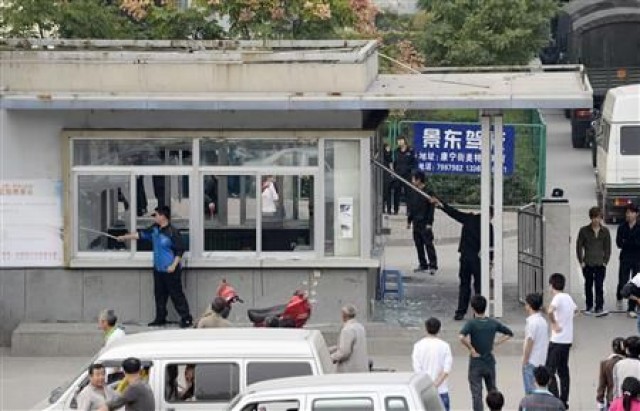
The riot resulted in broken windows at the Foxconn factory.
Following reports of a riot between 4,000 employees earlier this month, Foxconn has acknowledged that two disputes between workers did take place at one of its Chinese plants. However, the company has denied claims of a strike over iPhone 5 production pressures, and says that production is on schedule.
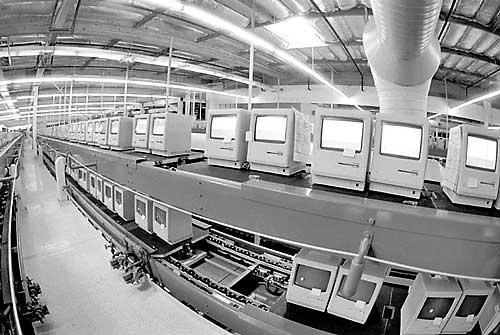
After the death of Steve Jobs last year the city of Fremont wanted to celebrate Jobs’s work by registering his original Macintosh factory as a place of historical significance. Fremont’s city council quickly went to work on getting the Mac factory – which was a state-of-the-art automation facility at the time – registered, but found out that the building isn’t old enough to meet federal criteria for a historic designation.
According to federal criteria, a building must be at least 50 years old to be registered as a historic place of significance, and Apple’s Mac factory is only 30 years old. Fremont City Council spent $45,000 in the effort to get the factory listed before realizing they wouldn’t be able to do so.
The brawl resulted in broken windows at the Foxconn factory.
A Foxconn factory in Taiyuan, China — where many of Apple’s devices are assembled before being shipped — has had to be closed after 2,000 workers became involved in a “mass disturbance” on Sunday evening.
The fight reportedly broke out after a personal quarrel involving workers from two different production lines, but messages posted to Chinese microblogging network Sina Weibo have claimed that the brawl was actually caused by factory guards beating Foxconn workers.
The first pictures of a working iPad mini have surfaced ahead of a rumored unveiling next month. The device sports the aluminum shell we’ve seen a number of times in recent weeks, only it’s fully assembled with what appears to be a working display.