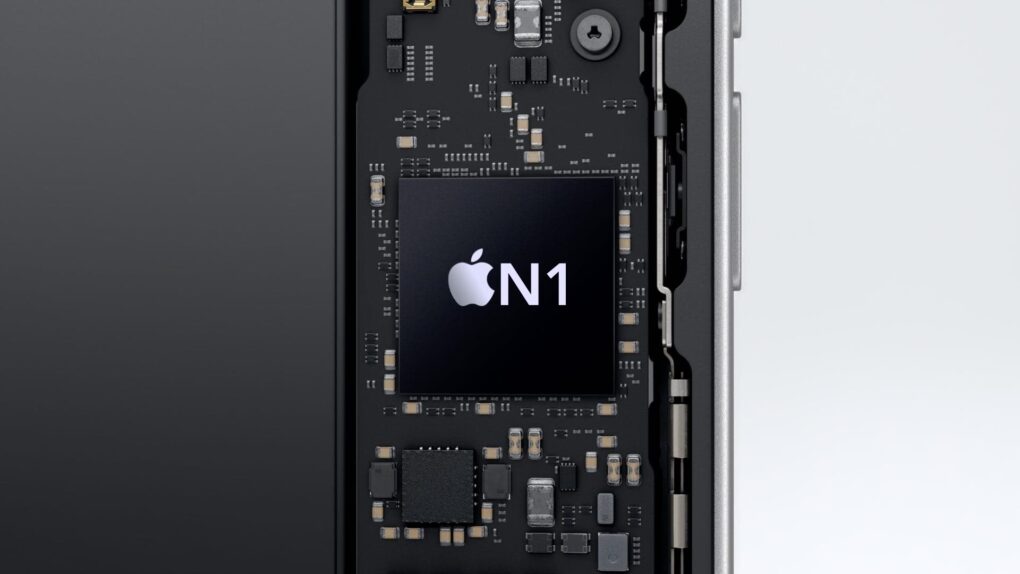
The Apple N1 chip handles Wi-Fi in the new iPhone 17 series. Image: Apple/Cult of Mac
The Apple N1 wireless chip is easy to overlook in the hoopla surrounding the new iPhone 17 series, but it’s an advancement in Apple’s drive to produce all its own silicon.
The new in-house chip handles Wi-Fi, Bluetooth and more, and Apple says it’ll improve the performance of Personal Hotspot and AirDrop.
xMEMS Labs' "fan on a chip" could cool smartphones and other mobile devices as they run hotter with AI applications. Photo: xMEMS Labs
xMEMS Labs, creators of all-silicon micro speakers for earbuds and headphones, plan to roll out the xMEMS XMC-2400 µCooling chip, the company said Tuesday. It noted the 1mm xMEMS fan on a chip is the first all-silicon, active micro-cooling fan for smartphones, tablets and other mobile devices.
“Our revolutionary µCooling ‘fan-on-a-chip’ design comes at a critical time in mobile computing,” said Joseph Jiang, xMEMS CEO and co-founder. “Thermal management in ultra-mobile devices, which are beginning to run even more processor-intensive AI applications, is a massive challenge for manufacturers and consumers. Until XMC-2400, there’s been no active-cooling solution because the devices are so small and thin.”
The company declined to comment on whether it’s in talks with Apple as a client or partner with the new innovation. See our Q&A with xMEMS Labs below.
A Frore Systems cooling chip can boost MacBook Air performance. Photo: Frore Systems
MacBook Air performs well without a MacBook Pro’s cooling fan, but now a tiny cooling chip can bridge the difference between the two laptops, according to a new report.
The thin membrane-based AirJet chip fits in Apple’s lightest laptop and boosts its performance when needed. Too bad you can’t just buy it and install it.
Order from Apple Stores around the world and you’ll be waiting weeks to get the 10.2-inch iPad. Photo: Apple
Demand for some iPad models outstrips supply. And the result is customers waiting a month or more to receive their tablet. Buyers in some countries who place an order now will be waiting until March to receive it.
The problem is a shortage of the secondary processors used in the mobile computers. Apple just can’t get as many as it needs.
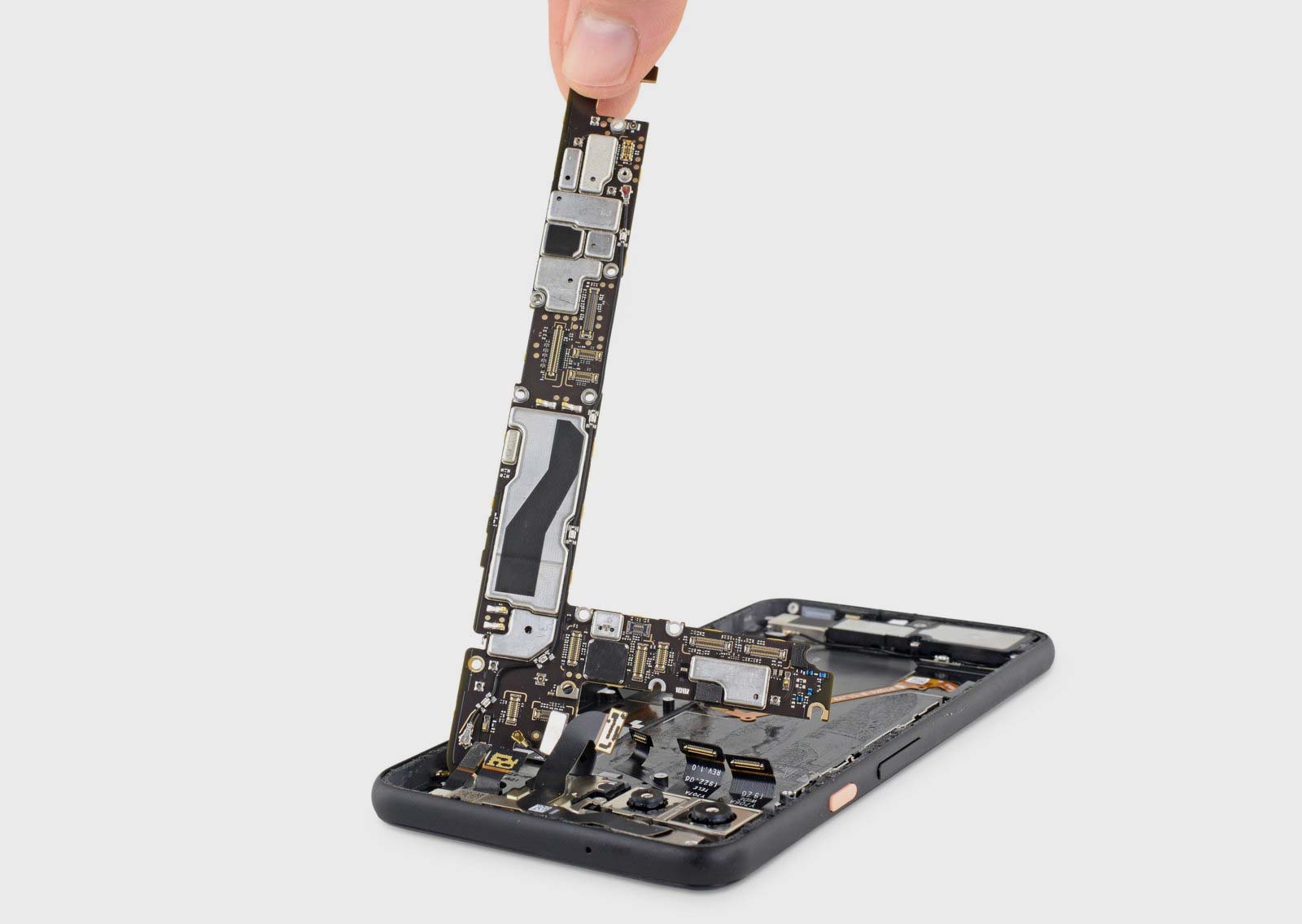
A new in-house chip may power the Google Pixel next year. Photo: iFixit
Google will take a play out of Apple’s playbook as it reportedly ramps up development of its own processors for use in Chromebooks and Pixel smartphones.
Under the code-name Whitechapel, Samsung is collaborating with Google on the design of the chip. Samsung also supplies chips to Apple.
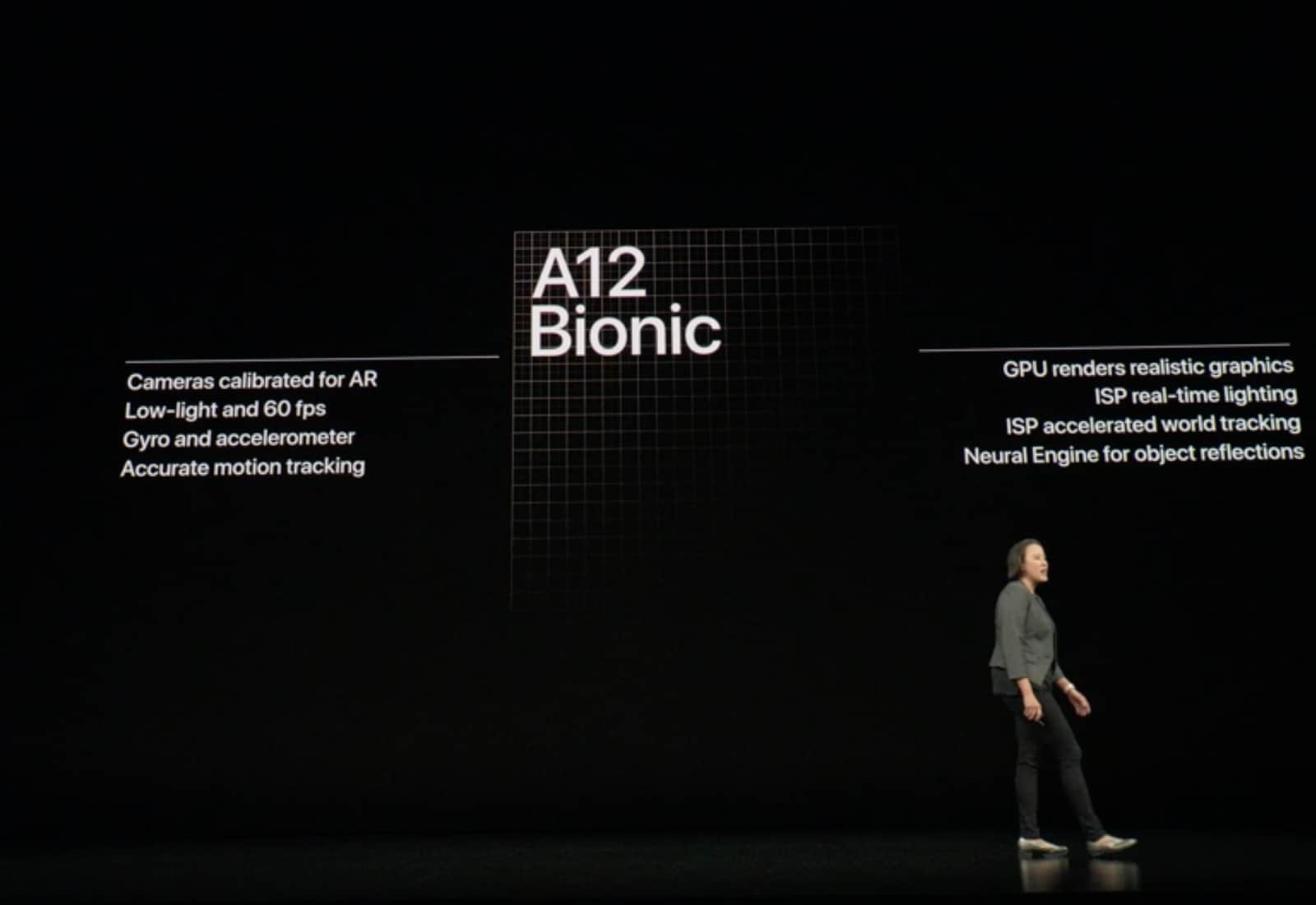
TSMC debuted its 7-nanometer process with last year's A12 Bionic chip. Photo: Apple
Apple chipmaker TSMC has kicked off development of its 3-nanometer process for future chips.
TSMC unveiled its 7-nanometer process with last year’s A12 Bionic chip. It is taking its 7nm tech for a victory lap with the A13 Bionic chip for this year’s iPhones. But according to the Apple chipmaker’s VP of corporate research Philip Wong there’s still plenty of space at the bottom.
Apple's impressive chip team just got more impressive. Photo: LinkedIn
One of the top CPU architects in the world has joined Apple’s chip team.
Mike Filippo, who created some of ARM’s most impressive CPUs over the last few years, was hired last month by Apple, signifying the company could be gearing up to switch to ARM CPUs on the Mac.
Apple's relationship with Dialog Semiconductor will continue for now. Photo: Intel
Apple’s apparently not ready to produce its own power management chips, based on the fact that it has commissioned the design of new chips from partner Dialog Semiconductor, a new report claims.
That’s significant because a report from last year suggested that Apple planned to use its own chips starting 2018 or 2019. Instead, today’s news claims that Apple will continue using Dialog chips through 2019 or 2020.
Apple is doing more and more of its chip design work in-house. Photo: Intel
Apple is busy designing its own power management chips for use in future iPhones, which could debut as soon as next year, a new report claims.
The new chips would reportedly be the most advanced power management chips in the industry. They will boast superior processing abilities, allowing them to better monitor and control power consumption — thereby letting iPhones and iPads deliver better performance on lower power consumption.
Apple may rely on alternative companies instead. Photo: Qualcomm
With the legal battles between Apple and Qualcomm showing no signs of coming to a close, a new report claims that Apple is working to develop new iPhones and iPads for 2018 which don’t make use of any Qualcomm chips whatsoever.
While Apple (obviously) hasn’t made any announcements yet, it is said to be looking at chips made by Intel and MediaTek. The reason for the lack of Qualcomm’s chips could be a mutual decision, due to Apple not wanting to continue to work with Qualcomm, and Qualcomm withholding the necessary testing software for its latest chips.
Apple is bringing more chip development in-house. Photo: Apple
Apple is interested in developing its own in-house ARM-based processors for MacBooks, modem chips for iPhones, and a “chip that integrates touch, fingerprint and display driver functions,” claims a new report.
A deal may be announced as early as today. Photo: Toshiba
Apple has reportedly agreed terms with Bain Capital as part of the private equity firm’s $18 billion bid for Toshiba’s memory chip unit — with a final agreement that could be announced as early as today.
Imagination first started building GPUs for Apple with the iPod. Photo: Apple
Apple is upping the ante in its battle with British iOS chipmaker Imagination Technologies by opening a new office “a stone’s throw” from Imagination’s headquarters in St Albans, in the U.K.
This comes days after Apple attacked Imagination for its “inaccurate and misleading” claims. Earlier this year, it was revealed that Apple will be ditching Imagination to develop its own mobile GPUs in-house. Imagination has made clear its belief that Apple can’t design its own GPUs without copying Imagination’s technologies.
iPhone sales will take a serious hit if Qualcomm wins. Photo: Ste Smith/Cult of Mac
The royalty battle between Qualcomm and Apple just took a nasty turn, according to a new report that claims the chipmaker is aiming to deal a major blow to Cupertino’s iPhone business.
Losing Apple's A-series chip orders may have prompted the move. Photo: Apple
Samsung may spin off its chip-making business as part of a company-wide restructuring, claims a new report.
The move would be a response to Samsung’s loss of Apple’s A-series chip orders to rival chipmaker TSMC for the iPhone 7 and, potentially, future iOS chips as well.
Future iPhone processors may be made by Intel. Photo: Apple
The next iPhone you buy might have Intel inside, if the company is able to succeed in its new plans to overthrow Apple’s long-time partner, Taiwan Semiconductor Manufacturing Co.
Intel, the world’s-largest chipmaker, is reportedly looking to make a big splash in mobile chips and has already started talking to Apple about taking over orders to make the ARM processors used in the iPad and iPhone.
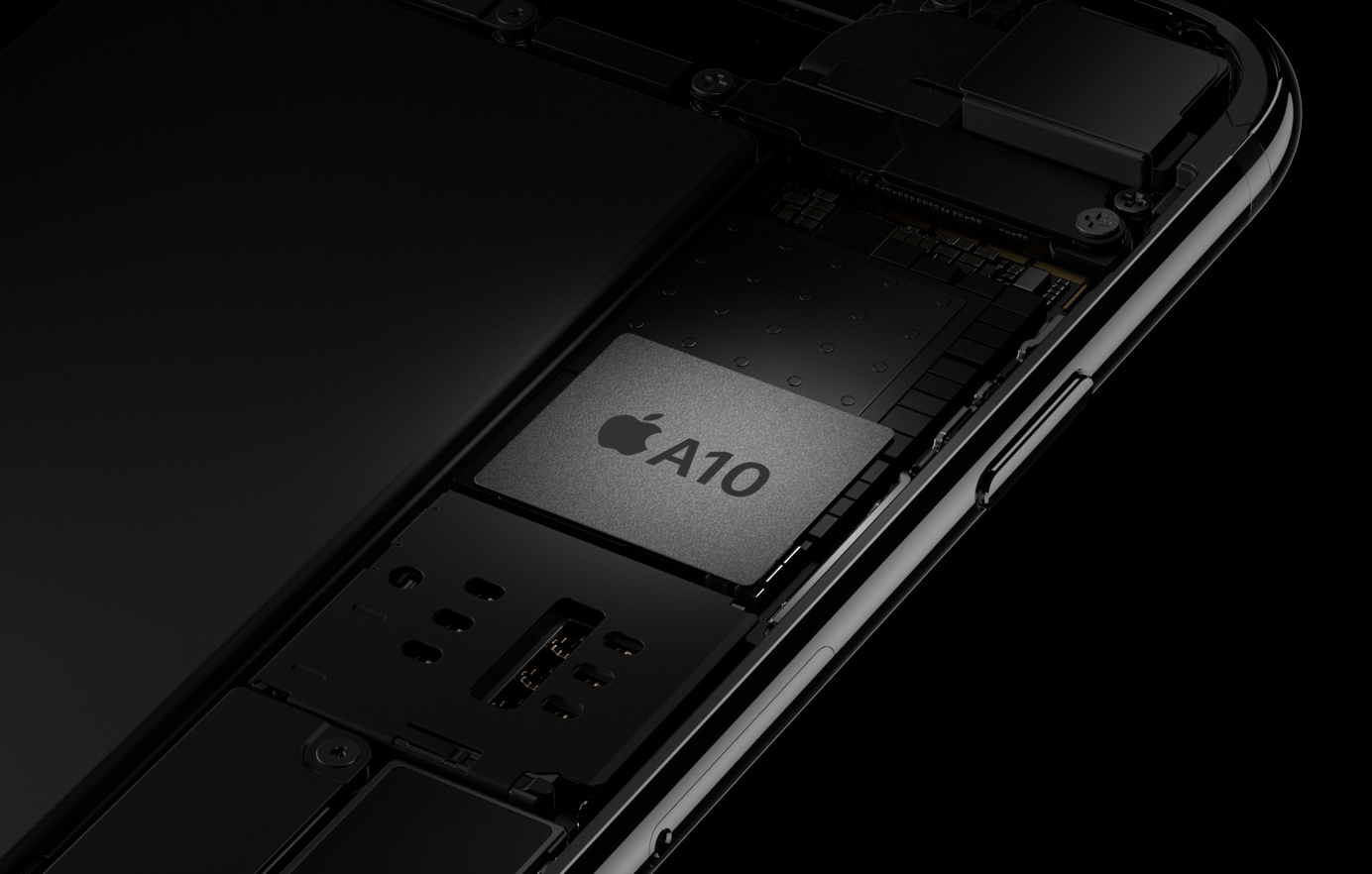
TSMC may have won the A10 battle, but it also wants to win the war. Photo: Apple
Taiwan Semiconductor Manufacturing Company (TSMC) may have reportedly scored Apple’s A-series orders for the next-gen iPhone 7, but with plenty of rivals on its tail it’s not shying away from putting in the work (and, more importantly, the cash) to ensure it stays Apple’s chipmaker of note.
According to TSMC’s co-CEO Mark Liu, this means spending a massive, record-setting $2.2 billion on R&D this year; a significantly higher figure than the $1.067 it spend researching new processes last year.
Which chip is in your iPhone 6s? Photo: techfast Lunch & Dinner/YouTube
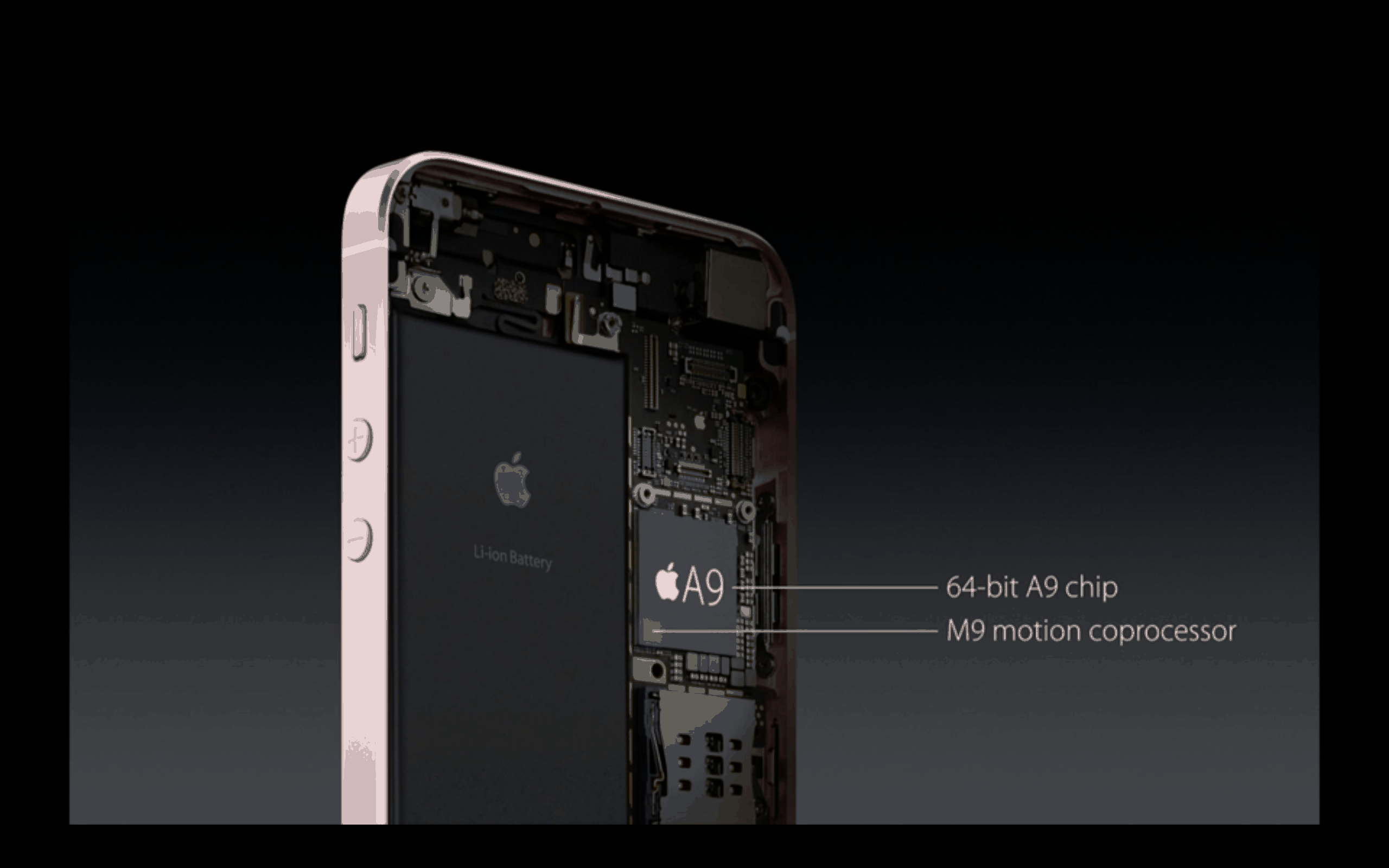
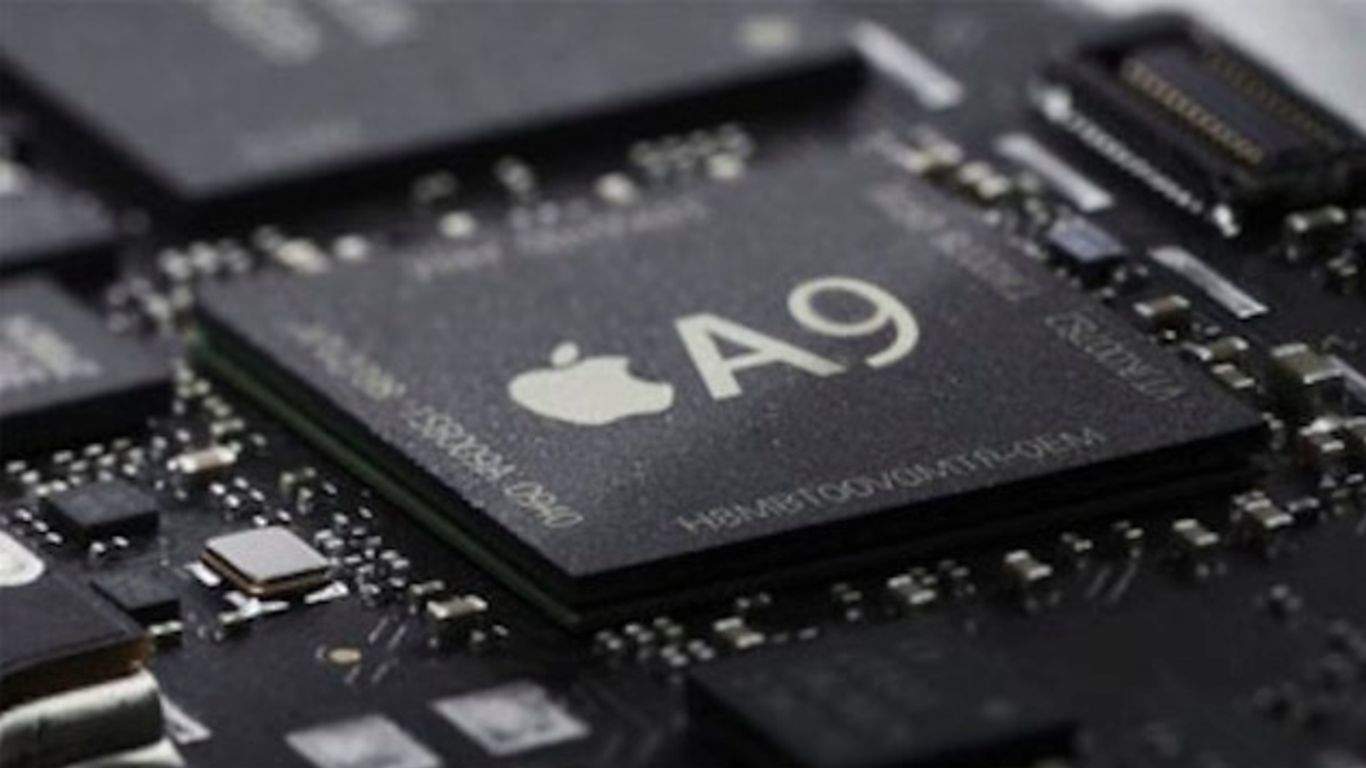
Heading to social media to vent about Chipgate, some iPhone 6s owners are upset to discover that not all A9 chips are created equal.
Worse, some feel duped by Apple, which used two vendors to supply different versions of the chips in “identical” phones. Others worry about reports of inferior battery life — and some are thinking seriously about returning their new iPhones. Still others are playing the latest Apple controversy for laughs.
Apple's put the heat on Intel, and the chipmaker is doing some reorg to make things right. Photo: Intel Photo: Intel
Intel is losing against ARM when it comes to mobile. This is incontrovertible. In smartphones and tablets, Intel’s chips just haven’t been able to compete with the likes of Apple, Samsung, Qualcomm, and Nvidia…. despite the billions of dollars Intel has spent trying to heavily subsidize things like Atom-powered Android phones.
Not so surprisingly, Intel’s mobile and tablet business isn’t profitable. But Intel’s about to do a little bit of creative accounting to make it’s mobile and tablet divisions profitable: merge them into the PC division.
Apple is considering a buyout of a division of Renesas Electronics that specializes in display chips for smartphones. The buyout would give Apple engineering expertise to help improve the iPhone’s display “sharpness and battery life,” according to Japanese business site Nikkei.
Apple already orders all of its liquid crystal display chips from Renesas, and the Japanese company is responsible for powering about a third of the world’s small to midsize LCDs. Instead of using the chip division of Renesas like an outside contractor, Apple wants to bring it in-house.
Although reports have surfaced that Apple may be building a top secret $10 billion chip fab, right now, the vast majority of Apple’s A-series chips are made by Samsung. This is obviously not an ideal situation, as it gives Apple’s arch smartphone rival the advantage of knowing what the iPhone-maker is planning on doing next, at least from a silicon perspective.
It looks like Apple may soon be able to rely less on its nemesis when it comes to building chips, though. A new report says that Taiwan Semiconductor Manufacturing Company (TSMC) will largely take over for Samsung in making iPhone and iPad chips in the future. And they’ll be pretty crazy advanced chips, too, at least if the rumors can be believed.
Strava Run, the fitness-tracking app that records your runs and lets you compete against strangers who have use the same routes, might be the first fitness app to take advantage of the M7 Motion Coprocessor (MoCoPro) in the iPhone 5S.
Now the app will not only run for longer thanks to saved battery power, it’s more accurate too.
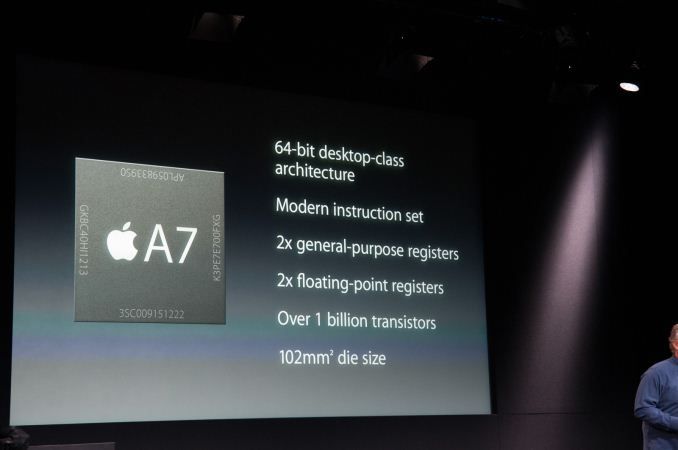
As seen in the iPhone 5s, Apple’s new A7 chip is the world’s first 64-bit ARM-based chip… but it’s not Apple’s first quad-core chip. Instead, the A7 is dual-core in a sea of Android competitors boasting 32-bit quad-core processors.
We’ve all heard the rumors that Apple will move away from Samsung and find another fab to make all of their sexy, super-fast A-series processors, but today, The Korea Times is reporting it as a done deal, saying that Apple has shut Samsung out entirely from the design of their A7 processors. Who are they going with instead? The Taiwan Semiconductor Manufacturing Company, or TSMC for short.