The modern iMac is a stunner... and last on our list. Photo: Apple
Apple has published a list of Macs that are still vulnerable to “ZombieLoad” exploits because they cannot be patched.
The older machines — all made before 2011 — may receive security updates, Apple says. But a proper fix won’t be available because Intel won’t release the necessary microcode updates.
iPhone 11 will do little to reverse falling shipments. Photo: Ste Smith/Cult of Mac
Huawei says it has had no contact with Apple regarding the supply of 5G chips for a future iPhone lineup.
The Chinese smartphone-maker has previously stated it would be willing to work with its rival on a 5G iPhone. However, Apple has not been in touch — despite its struggle to obtain chips elsewhere.
Apple will require a lot of chips for this year's iPhone refresh. Photo: Apple
Apple’s primary chip supplier will see production capacity pushed to the limit by 2019 iPhone orders, according to a new report.
TSMC has been tasked with supplying next-generation 7-nanometer chips for this fall’s refresh. It is expected to start mass-production of what will likely be the A13 during the third quarter.
I wanted a Galaxy S10, but I'm stuck with iPhone. Photo: Ste Smith/Cult of Mac
Apple shares fell 3 percent this morning after iPhone chipmaker Taiwan Semiconductor Manufacturing (TSMC) cut its revenue forecast for the second quarter of 2018.
The company and industry analysts point to weak demand for high-end smartphones as the main reason for the poor guidance. This likely has something to do with the fact that iPhone X sales have been in the gutter since early hype quickly died out late last year.
Intel will task GPUs with antivirus scanning. Photo: Intel
Intel has confirmed that fixes for the widespread Spectre bug can cause unwanted reboots on many PCs. And if that wasn’t bad enough, the company has also revealed that its latest chips — including the Kaby Lake line launched in 2017 — are also susceptible to the bug.
Apple's A-series chips are also susceptible to Meltdown and Spectre bugs. Photo: Apple
Apple has been named in a class-action lawsuit alongside AMD and Intel. The case filed in Israel, one of many expected to hit major chip manufacturers, comes after the discovery of the Meltdown and Spectre bugs that leave billions of users at risk.
Imagination has been building GPUs for Apple since the iPod. Photo: Apple
Imagination Technologies, the company that has been making graphics chips for Apple’s mobile devices for well over a decade, says it has made no progress in its ongoing dispute with the iPhone maker.
Imagination is still in talks with potential buyers after putting itself up for sale, but it is adamant that it will continue its fight with Apple after the company’s “unsubstantiated claim.”
Has your iPhone 7 started chipping yet? Photo: Trplsn
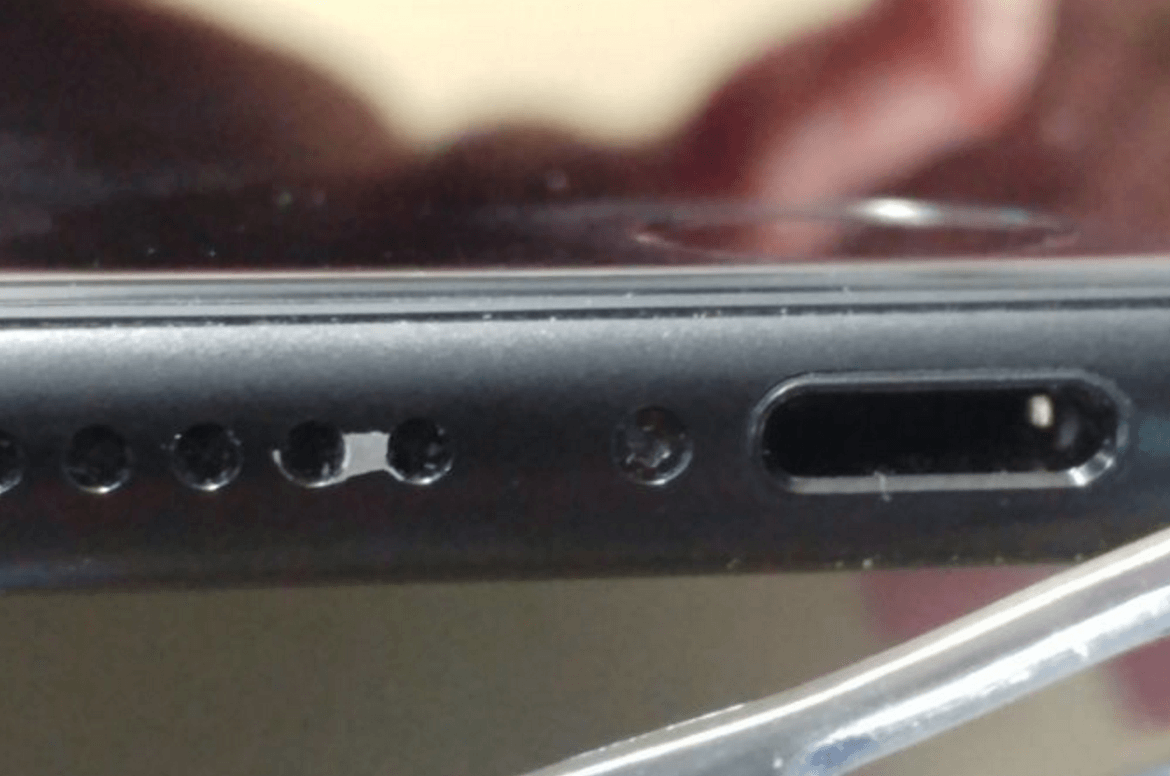
Some iPhone 7 owners are reporting that the black matte finish on their handset has started chipping away, leaving bare aluminum exposed.
It seems the larger iPhone 7 Plus is more susceptible to the problem, which some users are experiencing despite having always used a case. Apple says the issue is purely cosmetic.
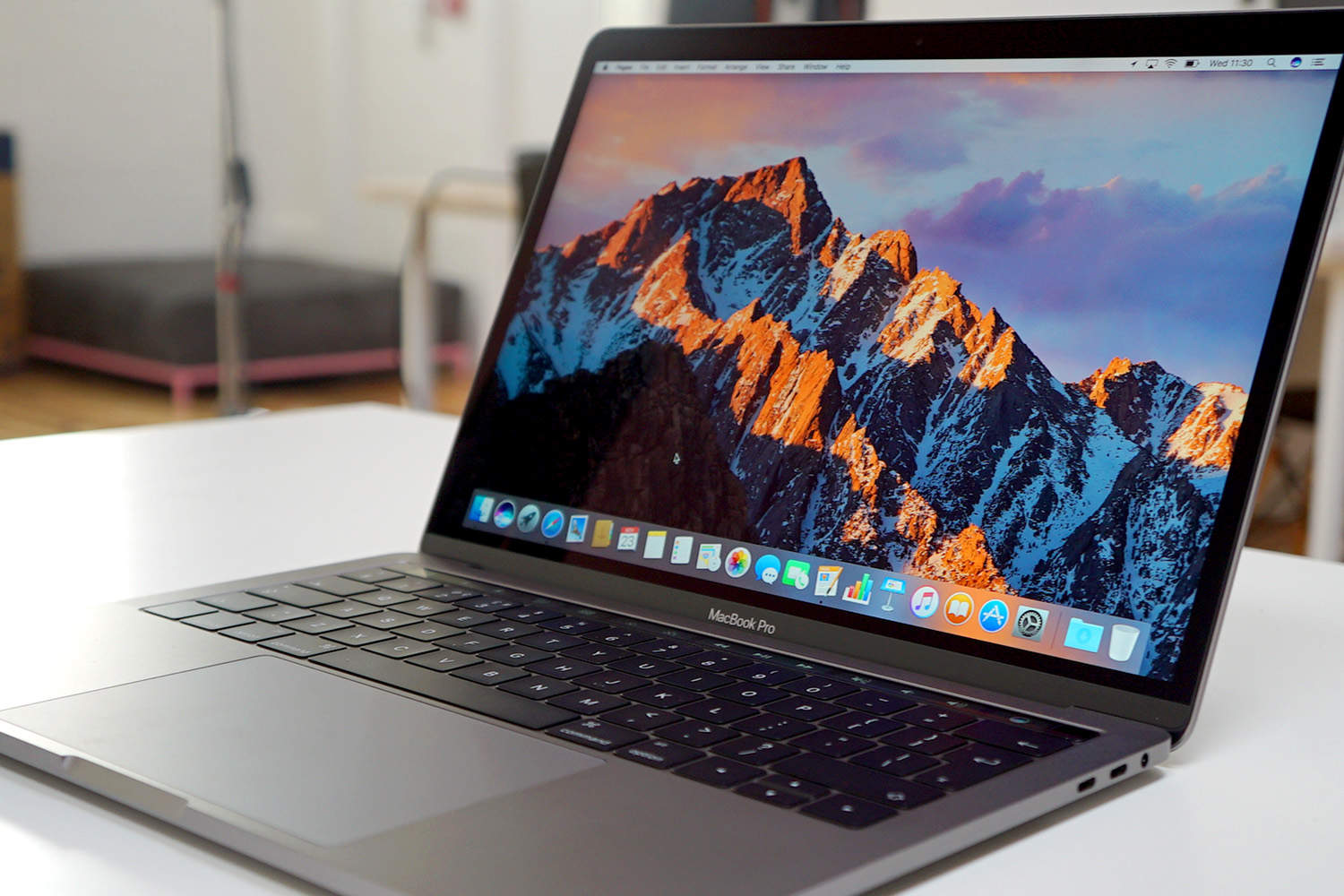
The new MacBook Pro already uses a secondary ARM chip. Photo: Ste Smith/Cult of Mac
Apple is developing a custom ARM chip for future Macs, but it won’t replace the Intel processors that have been powering its computers since 2005, according to a new report.
Instead, the chip is expected to work alongside a machine’s primary CPU, handling “low-power mode functionality.”
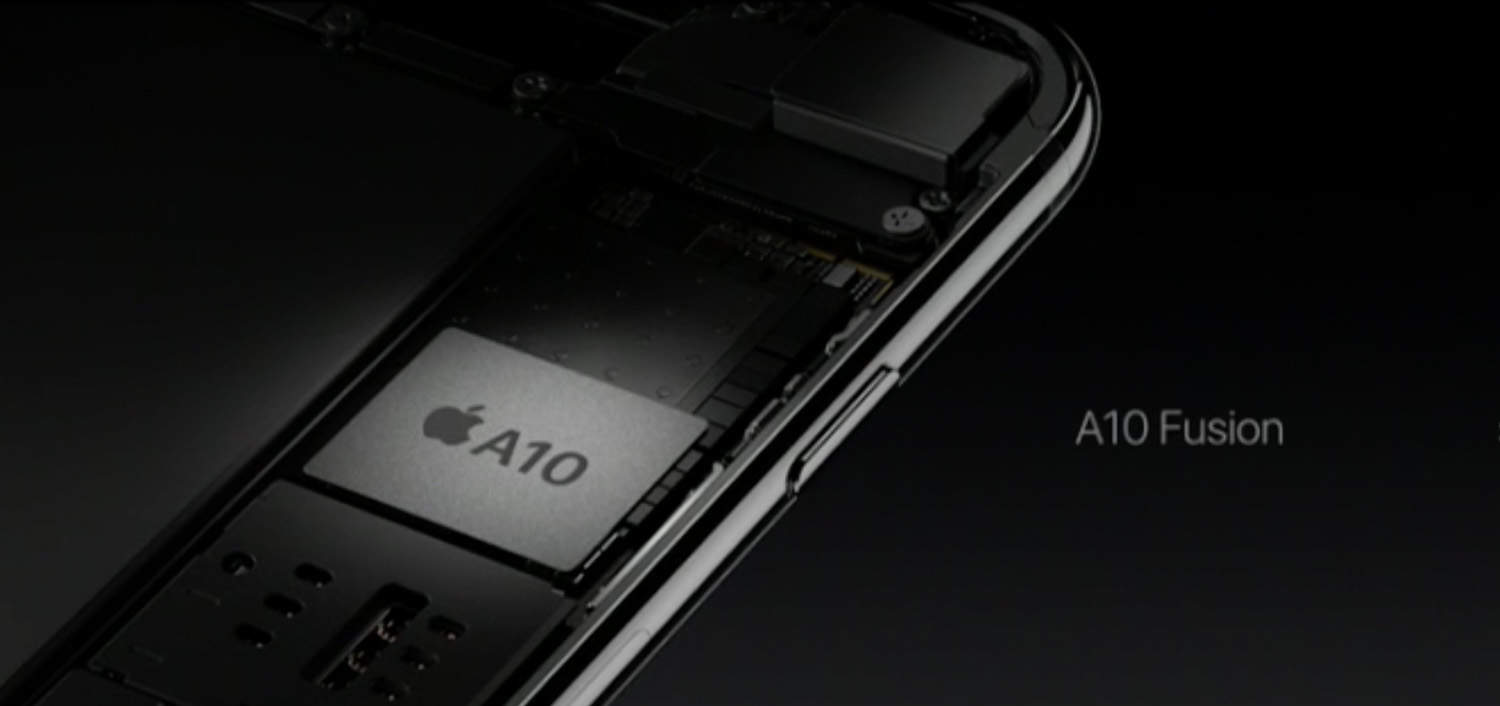
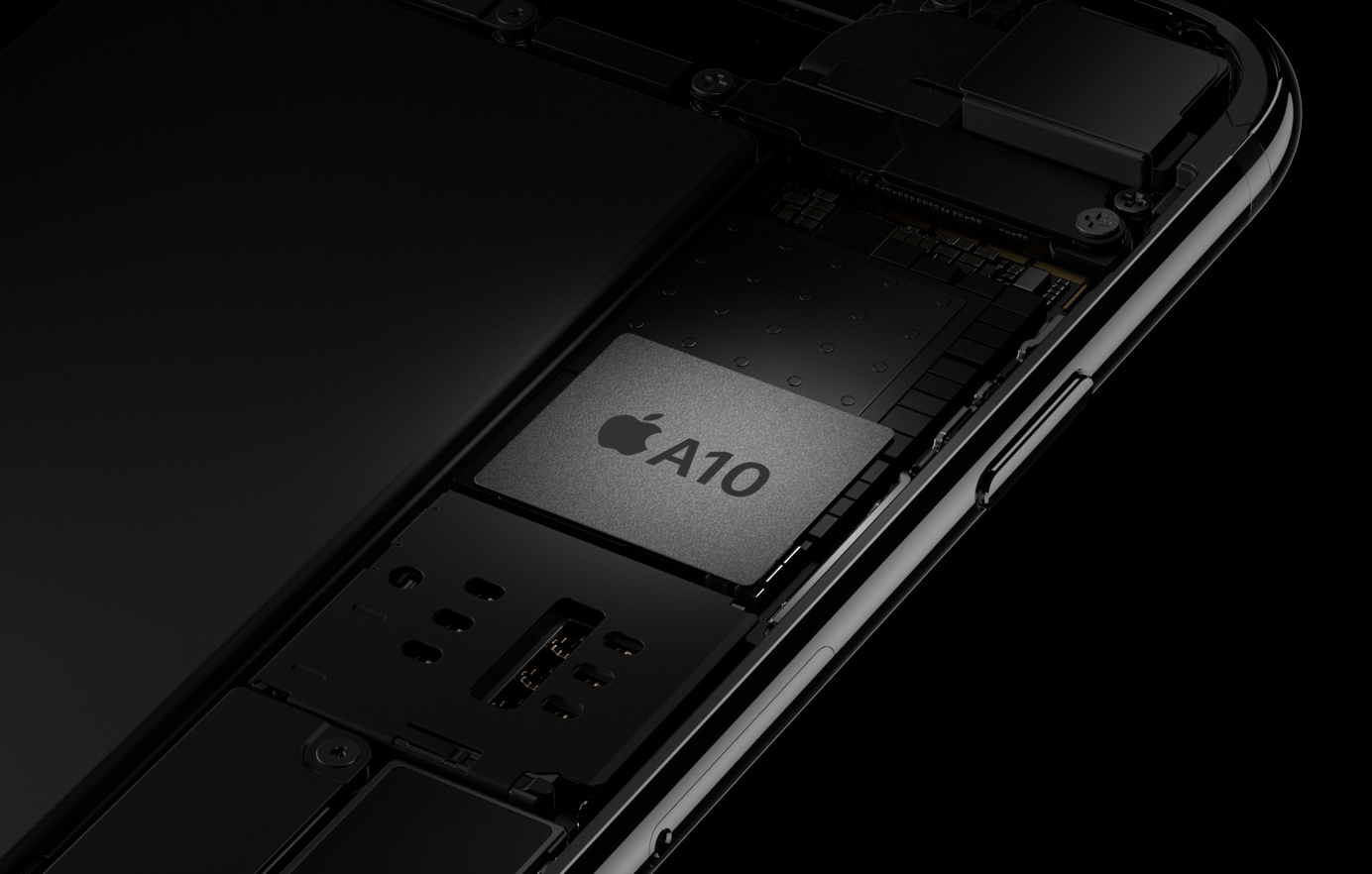
There's strong demand for the A10 Fusion chip inside iPhone 7. Photo: Apple
Strong demand for iPhone 7 and iPhone 7 Plus helped chipmaker Taiwan Semiconductor Manufacturing Company achieve record profits for 2016. Not only is TSMC outperforming its rivals, but it now accounts for 16 percent of Taiwan’s entire equity market value.
Apple is getting a lot of stick for failing to give users a 32GB RAM option onthe latest MacBook Pro — but there’s a good reason why 16GB is the most you can get.
It’s also the reason Apple needs to start designing its own processors for the MacBook family.
Suppliers can't wait for iPhone 7. Photo: Killian Bell/Cult of Mac
One of Apple’s biggest chipmakers expects its revenue to rise during the third quarter of 2016 around the launch of the iPhone 7 series. Taiwan Semiconductor Manufacturing Company (TSMC) likely will start shipping new A10 processors soon.
Androids tend to me more affordable, but that doesn't mean they're cheap. Photo: GoogleWill we see a Google chip inside one of these one day? Photo: Google
Google is in talks with chipset manufacturers with a view to designing its own processors and other components for future Android devices, according to a new report.
The company is said to be interested in following Apple’s footsteps in an effort to make Android “more competitive” at the high end of the market, and to “solve other major problems.”
With the iPhone 5s, Apple debuted its first non-A-series chip within an iOS device. Called the M7, it was a motion co-processor that tracked your movements while drawing minimal power, making the iPhone 5s the first smartphone that could passively do what an activity band like the FitBit can do: track all your steps during the day.
We haven’t heard much about whether or not we can expect an update to the M7 in the iPhone 6, but according to the latest leak, we can. An Apple chip internally code-named Phosphorus is now believed to replace the M7 in the iPhone 6./
After Apple released the iPhone 5s with the A7, the world’s first 64-bit chip, ARM competitor Qualcomm made quite the fool of themselves about it. First, Qualcomm representative Anand Chandrasekher called a 64-bit ARM chip a “gimmick.” Then they ate their words, soft fired Chandrasekher, and announced their own 64-bit chip to ship in 2014.
If that seems like a disorganized, chaotic response, you’re right. But there’s a reason for that. According to a new report, Apple’s unveiling of the 64-bit A7 chip took the entire semiconductor industry with their pants down… and everyone’s now scrambling to catch up.
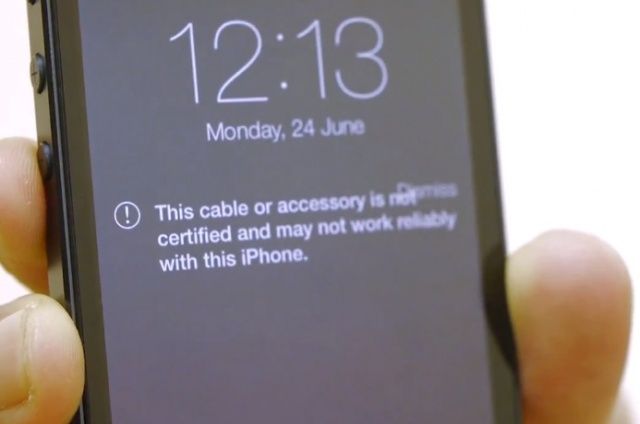
With iOS 7, when you plug an unauthorized Lightning cable into your iOS device, you’ll get a notification that informs you you’re not using a “certified” Lightning accessory, and that it “may not work reliably” with your device.
But after just two weeks, one accessory maker has already cracked Apple’s detection and fooled iOS 7 into thinking uncertified Lightning accessories are certified ones.
Samsung has surpassed Apple as the world’s biggest buyer of semiconductors, according to Gartner. The Korean company’s hugely popular smartphones, such as the Galaxy S III and the Galaxy Note II, led to a 29% surge in chip purchases in 2012, taking its semiconductor spending past that of any other company.
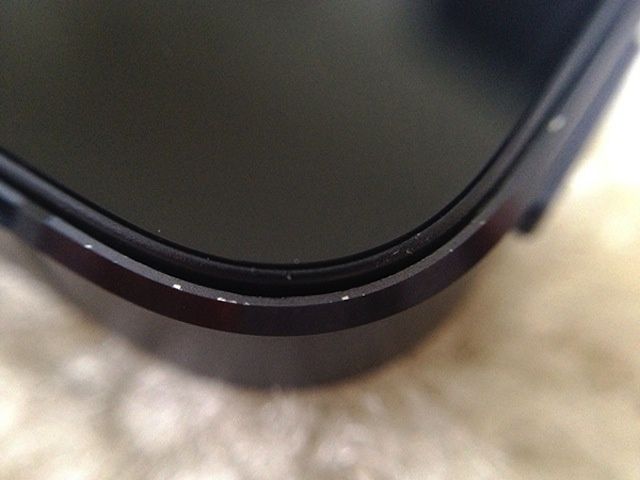
While the vast majority of us couldn’t be happier with our new iPhone 5s, a number of users who decided to purchase the black & slate model have noticed that its anodized aluminum finish is prone to chipping and scratching. Unfortunately, it’s not an isolated issue affecting a certain batch of black devices, either — it appears to be affecting them all.
Could this be an issue Apple quickly needs to address? No. Apparently not. According to the company’s senior vice president of worldwide marketing, Phil Schiller, those chips and scratches are “normal.”
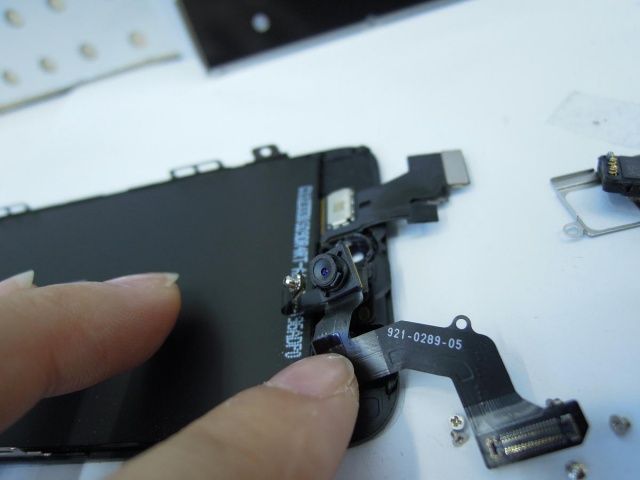
Sonny Dickson got his hands on some pictures in which the “mysterious” chip shielding in the front assembly of the iPhone 5 was peeled back.
So what was underneath? The rumored, then discredited, NFC chip? A fingerprint sensor to go along with Apple’s recent, hasty acquisition of Authentec?
Nope, it’s definitely not either of those, but no one still knows for sure. The chances are, though, it’s nothing very exotic, but a required silion to make the new iPhone’s In-Cell touchscreen work.
This will be the chip that features in your next Mac.
Just as expected, Intel launched its first crop of quad-core Ivy Bridge processors today. This is the chip that will replace the company’s Sandy Bridge CPUs in Apple’s next-generation of Macs. They’re the world’s first processors to use a 22-nanometer manufacturing process and feature Intel’s “Tri-Gate” 3D transistor technology.
Apple's next-generation of MacBook Pros are expected to be thinner and lighter just like the MacBook Air.
Apple is set to begin mass producing its next-generation MacBook Pros next month, according to sources in its supply chain — just in time to receive Intel’s latest Ivy Bridge processors. The 15-inch model will be first to hit the production line in April, with the 13-inch model, which is claimed to be the most popular, following in June.
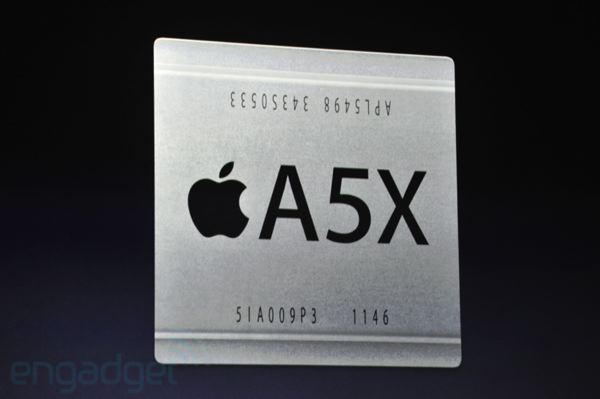
Apple introduced its new A5X processor in the third-generation iPad yesterday, and based on the company’s previous moves, we’re expecting the chip to appear in its next iPhone. However, that may not be the case. According to analysts, the chip requires too much power to be used in the iPhone, and Apple will need to create a more power-efficient chip with a new manufacturing process for its next smartphone.
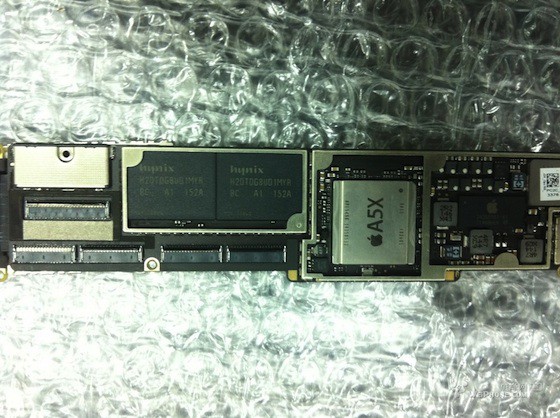
A photograph of what is believed to be an iPad 3 logic board with an unreleased Apple “A5X” processor has appeared within a forum post on Chinese site WeiPhone. If the component is genuine, it suggests Apple’s next tablet may not ship with that quad-core A6 processor after all.
Apple has been forced to cease online sales of its iPhone 3GS, iPhone 4, and 3G-equipped iPad 2 in Germany after Motorola triumphed over the Cupertino company in a Mannheim court, securing an injunction against several of its 3G devices. Those affected are no longer available to purchase from Apple’s online store, though they can still be obtained from its retail stores.