Apple CEO Tim Cook recently issued a public apology to try and douse the firestorm, and China seemed to warm back up to Apple. Jeff Williams, Apple’s Senior Vice President of Operations, is reportedly in China right now dealing with the backlash.
In China, the state-run press has been attacking Apple non-stop for the past couple of weeks over warranty policies that showed the company’s “unparalleled arrogance.” Apple Stores were fixing broken iPhone returns instead of replacing the devices entirely like they do in the United States. There was also an issue with Apple’s 90-day warranty on replaced parts not matching China’s mandatory one-year warranty policy.
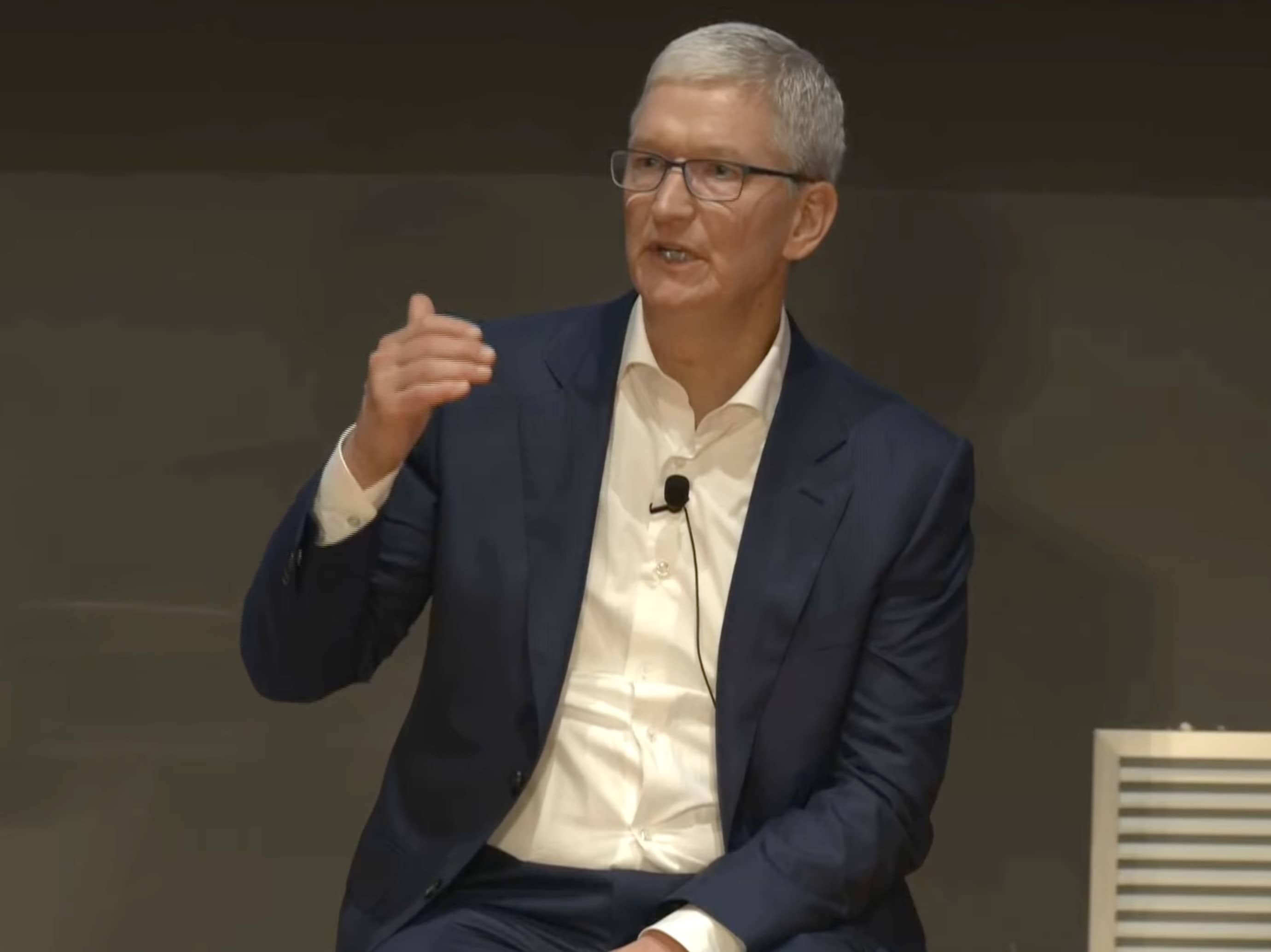
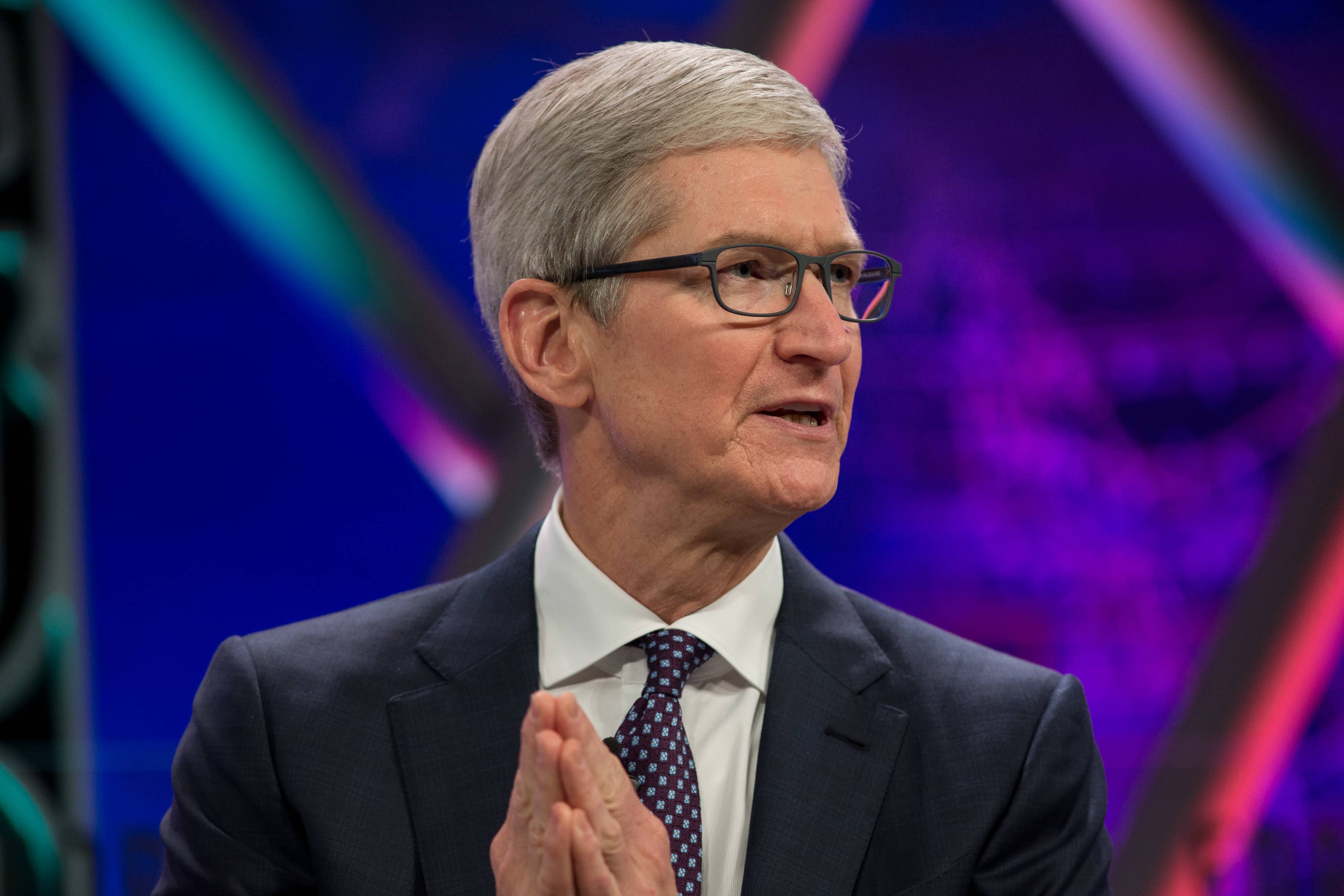
Things got so heated that Apple CEO Tim Cook had to issue a public letter to Chinese customers apologizing “for any concerns or misunderstandings.” Apple’s scrutinized warranty and return policies have also been changed to address the concerns.
After the apology, China is starting to warm back up to Apple.
Apple has been getting pounded by the Chinese press lately for its warranty policies service and not talking to the press whenever they want a statement (welcome to Apple news my friends). Hoping to end the onslaught from the government-supported press, Apple issued an apology letter to Chinese customers signed by Tim Cook.
The letter, which was written in Chinese and posted to Apple’s website, said that Tim Cook and the rest of the company have been reflecting on the feedback regarding its warranty policies and apologizes the poor communication that has made customers so angry.
One of the curses of being an innovator is every time you innovate, someone comes along and says they had a patent on it first. Apple knows this dilemma well, and the latest patent infringement claim Cupertino has to defend itself against is in China over Siri, Apple’s virtual assistant.
A communist country pointing the finger at Apple for being tight-lipped?
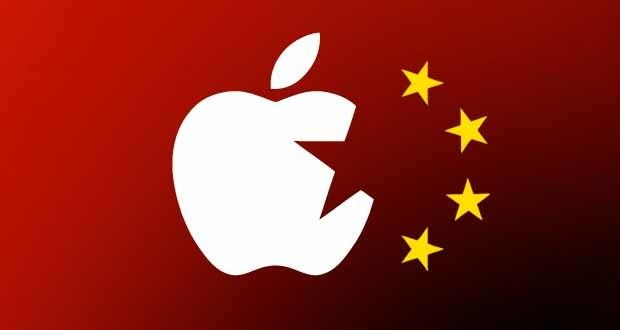
The Chinese Communist Party is continuing to attack Apple in the press, according to a new report from The Wall Street Journal. After China Central Television (CCT) ran its big hit piece, the government’s newspaper has also decided to throw dirt on Apple now. The first criticisms revolved around Apple’s product warranty practices, while the second volley of propaganda calls out Apple’s lack of interaction with the Chinese media.
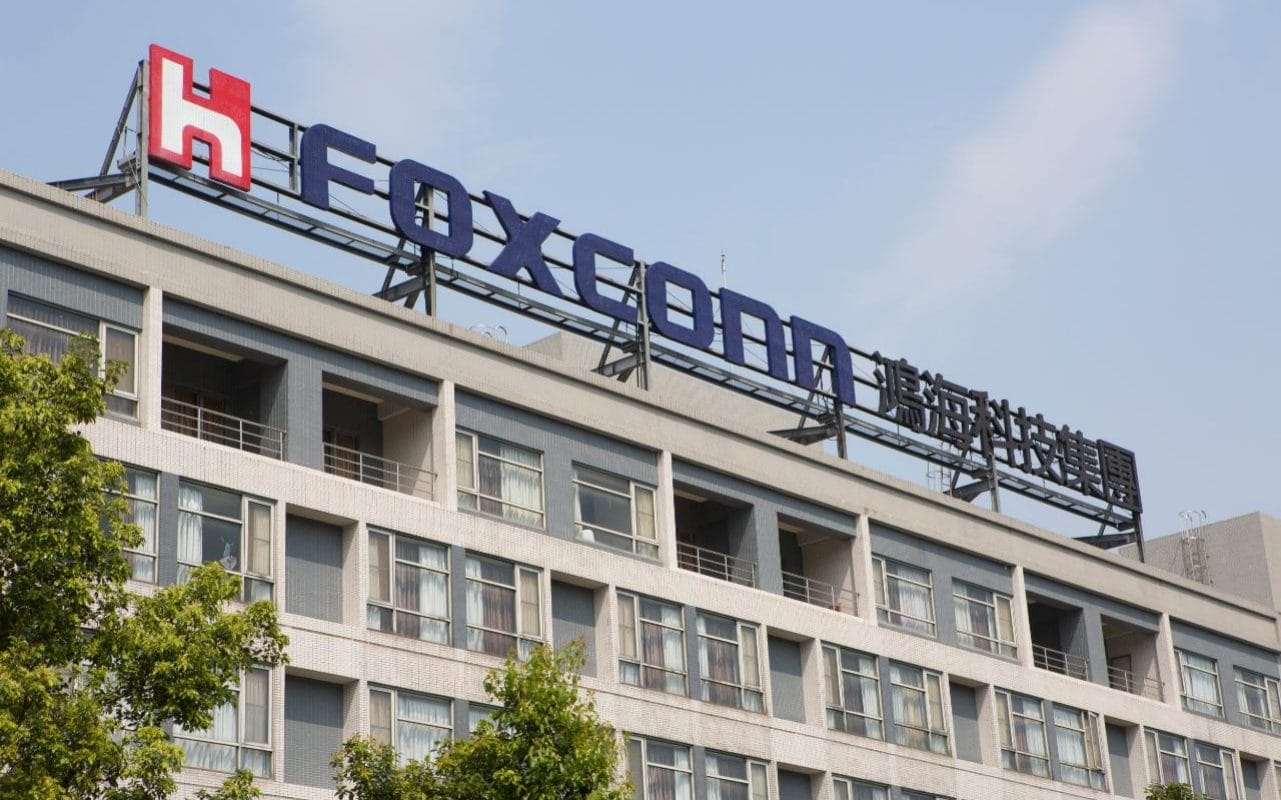
As Apple has become more successful over the last few years, Hon Hai Precision Industry’s (Foxconn) financial fortunes have been more tightly bound to Apple’s than ever before.
If things are going well for Foxconn, then Apple’s probably doing pretty well too, so investors were happy to hear that Foxconn just posted its most profitable quarter ever thanks to improved production efficiency of the iPad and iPhone 5.
There are some people in China that will do almost anything to get their hands on a new Apple product. One guy even sold his kidney. But if you don’t want to sell a body part, Chinese students have decided to accept some truly horrific loan terms just to buy an iPhone.
When Apple launched its new Maps app with iOS 6 last September, one of its headline features, Flyover, only supported a handful of big cities. But the Cupertino company has been hard at work in the background to extend its reach, adding support for additional locations all over the world.
In the past few months, Apple has brought Flyover to an additional 16 cities, plus extended its coverage in 14 of the cities already supported.
Apple hasn’t announced the iPhone 5S yet, but Chinese clone specialist GooPhone has already created a cheap knockoff of it. And it has done a pretty incredible job. As you’ll see in the video below, the “i5S” looks identical to the real thing, and you probably wouldn’t even know it was a clone. That is, until you started using it.
Samsung smartphones outsold those from rivals Apple, Nokia, and Lenovo in China throughout 2012, allowing the Korean company to claim the biggest share of the Chinese smartphone market, according to the latest report from Strategy Analytics.
Nokia had claimed the top spot in 2011, but the Finnish firm has struggled to compete with Samsung’s Galaxy devices this time around, and couldn’t even make its way into the top five.