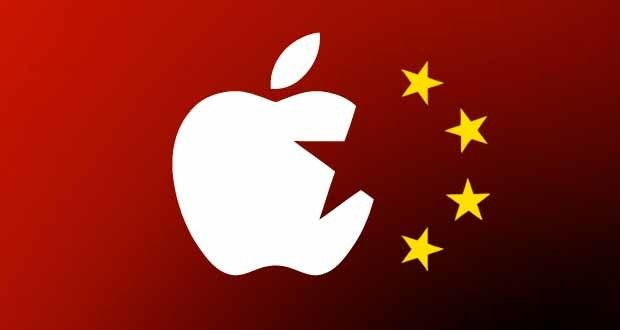
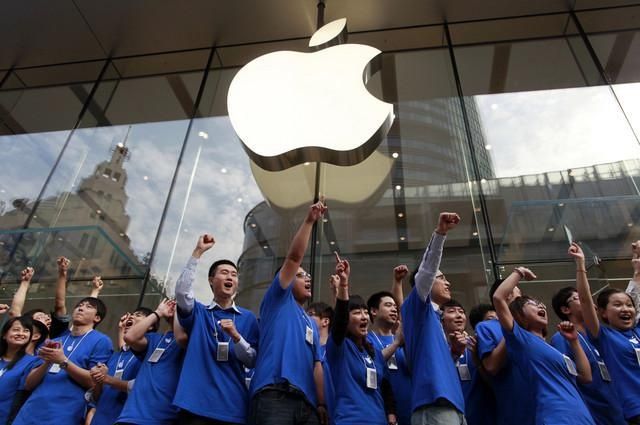
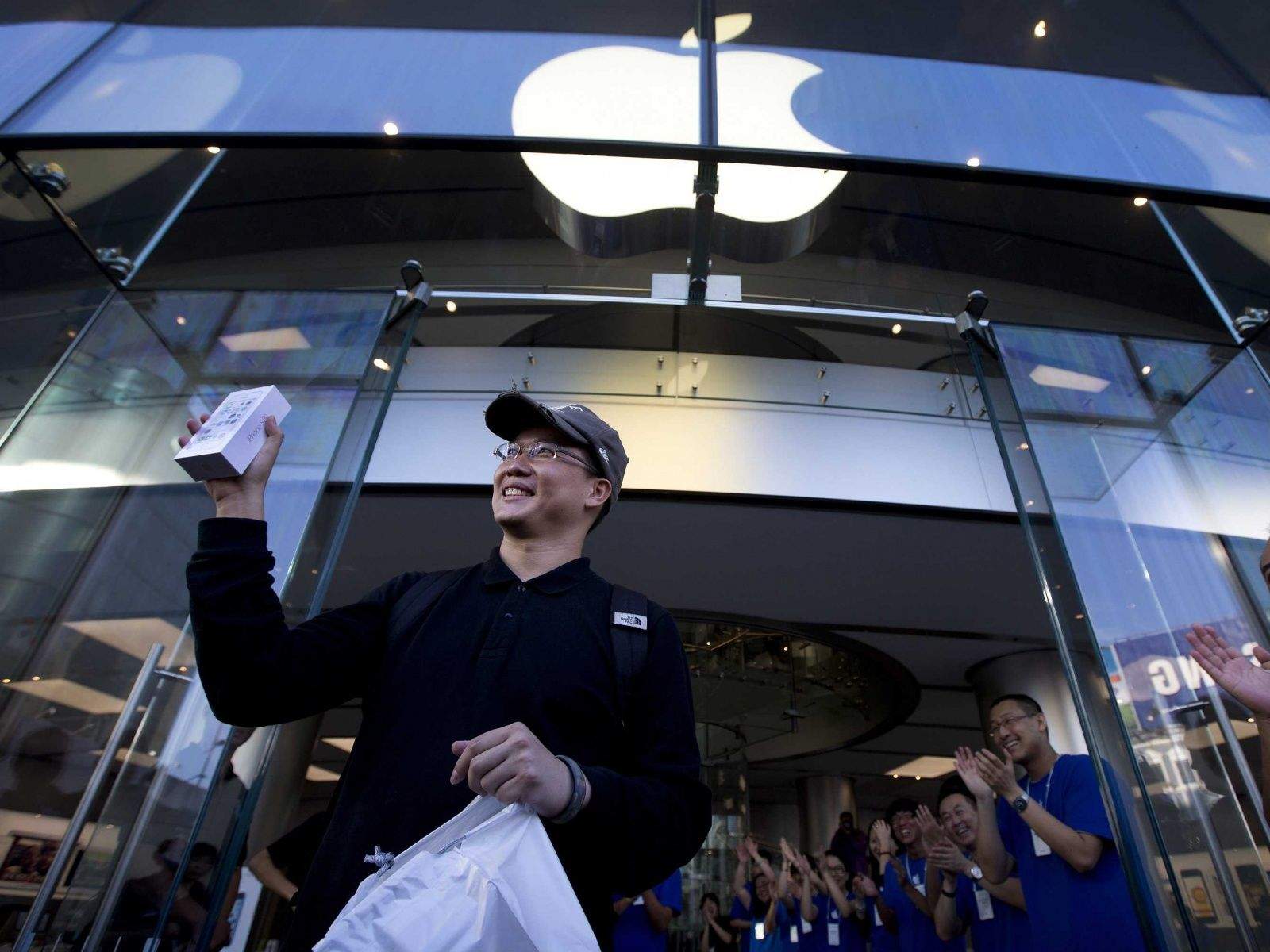
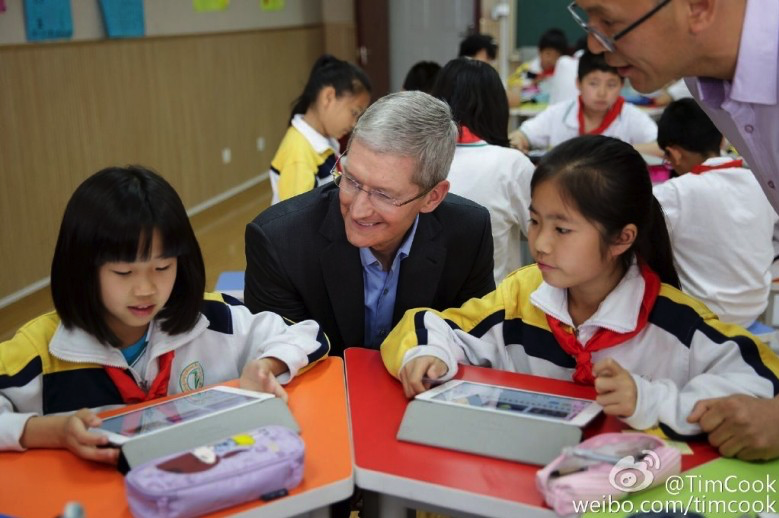
China is a massive market for Apple. Photo: Weibo/Tim Cook
December 22, 2013: After months of false starts, Apple finally secures a deal with China Mobile to bring the iPhone to the world’s largest telecom company.
With 760 million potential iPhone customers in the offing, the deal shapes up as Apple’s most important yet for growing its brand in China. In fact, Apple CEO Tim Cook says the country will soon become the company’s biggest market.
The FCC put a big stop sign in front of a Chinese telecommunications giant. Photo: Ed Hardy/Cult of Mac
China Mobile is blocked from offering phone service in the United States. The Federal Communications Commission just unanimously voted to prevent this company, which is owned by the Chinese government, from expanding to the U.S.
FCC chairman Ajit Pai isn’t down with China Mobile coming to the United States. Photo: Gage Skidmore/Flickr CC
The largest mobile phone network operator in the world will likely be banned from doing business in the USA.
China Mobile, which has over 900 million subscribers in mainland China, has been blocked from offering services in the United States, according to the latest proposal by the Federal Communications Commission.
iOS 14's Home screen could be very different. Photo: Apple
The world’s largest carrier just confirmed one big rumor about the 2018 iPhone lineup.
China Mobile has published an image that all but confirms a new Apple smartphone capable of supporting two SIM cards simultaneously. A separate teaser from rival China Telecom also hints at dual-SIM functionality for a next-generation iPhone.
Under CEO Sundar Pichai, Google is betting big on AI. Photo: Google
Apple’s five year reign as the world’s most valuable brand has come to an end. For now.
Even though the iPhone-maker reported historic revenues and profits during its Q1 2017 earnings call yesterday, Google has supplanted Apple in the latest brand rankings.
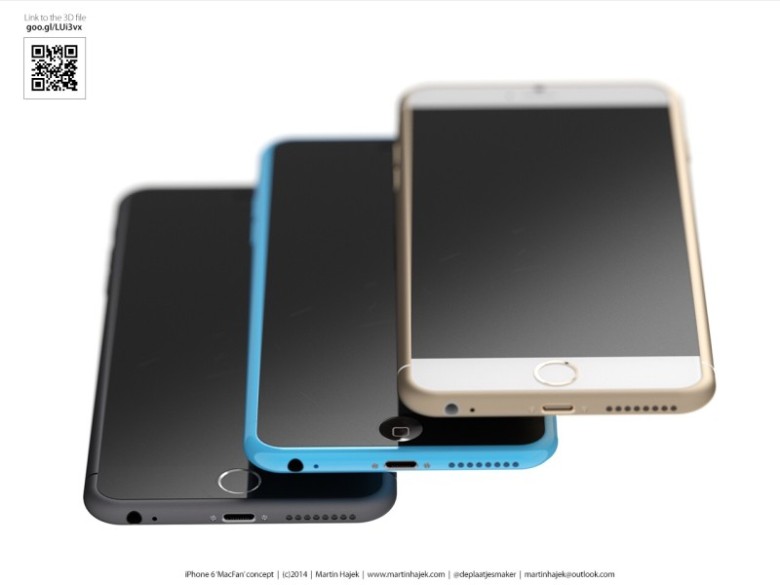
A concept rendering of the iPhone 6c. Photo: Martin Hajek
The biggest wireless carrier in the world may have just revealed when the iPhone 6c 7c will finally launch.
Rumors of the iPhone 7c have been heating up the rumormill for months now, and with the device’s big unveiling supposedly just around the corner, it appears that China Mobile has accidentally confirmed to the world that the new low-cost iPhone will arrive by April 2016.
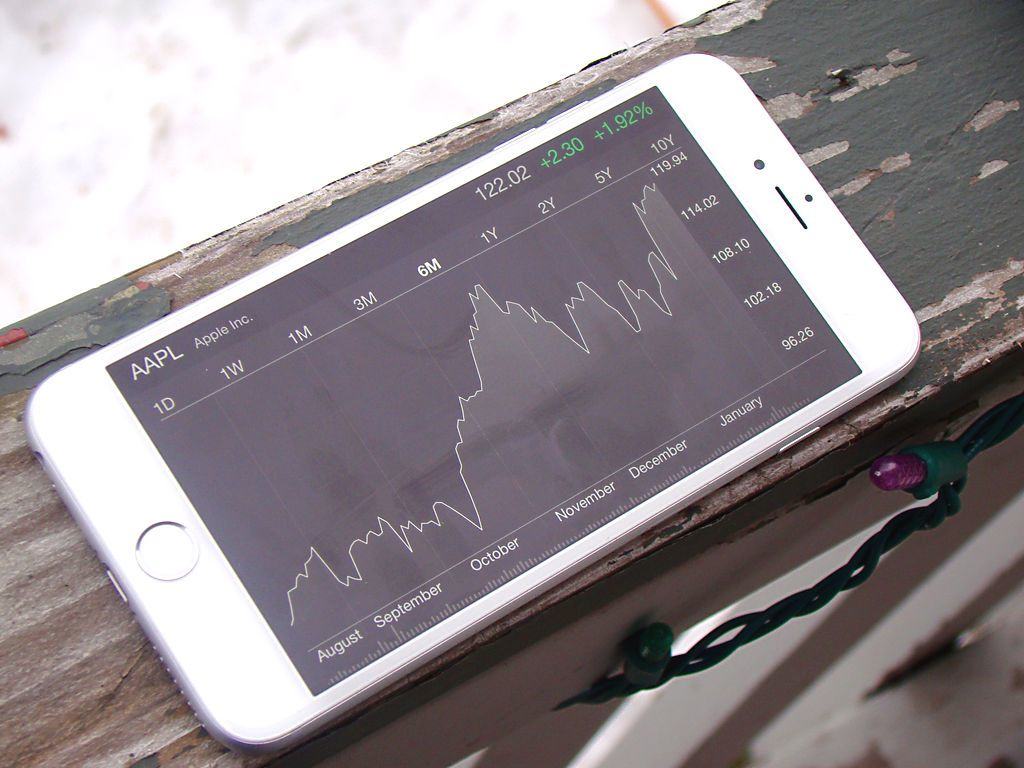
This just keeps getting higher and higher. Photo: Rob LeFebvre/Cult of Mac Photo: Rob LeFebvre/Cult of Mac
Cupertino claimed the title of world’s most valuable company earlier this year, but according to some bullish Wall Street analysts, Apple could soon become the world’s first trillion-dollar company.
In a note to investors today, Cantor Fitzgerald analyst Brian White increased his target price for Apple shares to $180, putting his estimations well above other analysts’ expectations. Apple shares’ value will increase 40 percent over the next 12 months, according to White’s report.
While Apple naysayers have pointed to slumping iPad sales and the unclear future of the Apple Watch as signs that Apple is weakening, White gives three key reasons why Apple is poised to break the trillion-dollar barrier.
iPhone 6 is finally coming to China. Photo: Apple Image: Apple
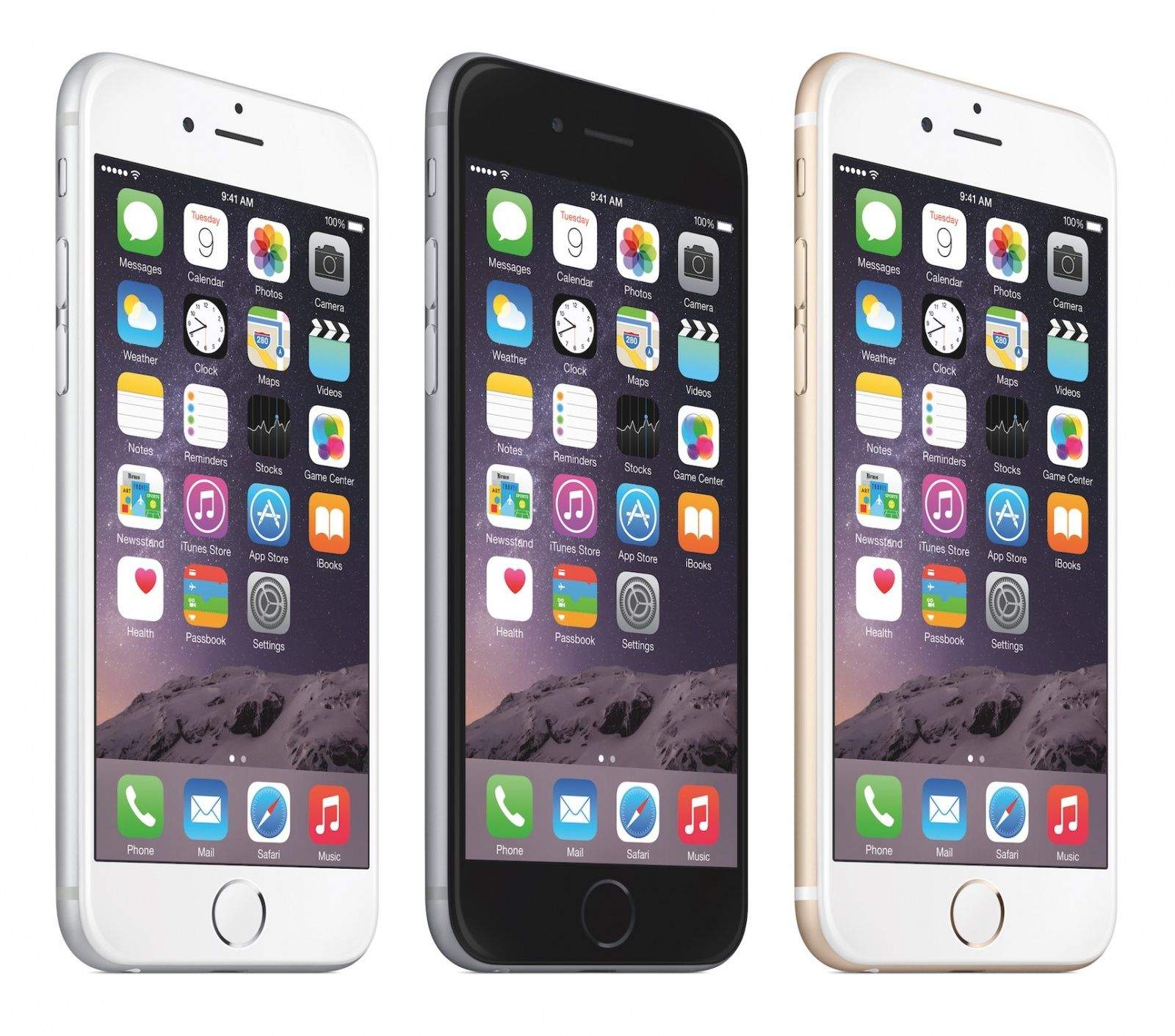
iPhone 6 and iPhone 6 Plus will officially be available to pre-order in China from Friday, October 10, ahead of their launch a week later, Apple has confirmed. The news comes just hours after the Cupertino company’s new smartphones finally received approval from China’s Ministry of Industry and Information Technology.
Days after China Mobile, aka the world’s largest mobile carrier, started taking preorders for the iPhone 6, rivals China Telecom and China Unicom (the second- and third-largest carriers in the country) have pointed out that they too will be selling Apple’s eagerly anticipated next-gen handset.
Referring to the 4.7-inch iPhone 6 as the “iPhone Air” and the 5.5-inch variant as the “iPhone Pro,” China Unicom has put up a pricing list for the devices, showing how cost will vary according to storage capacity and form factor.
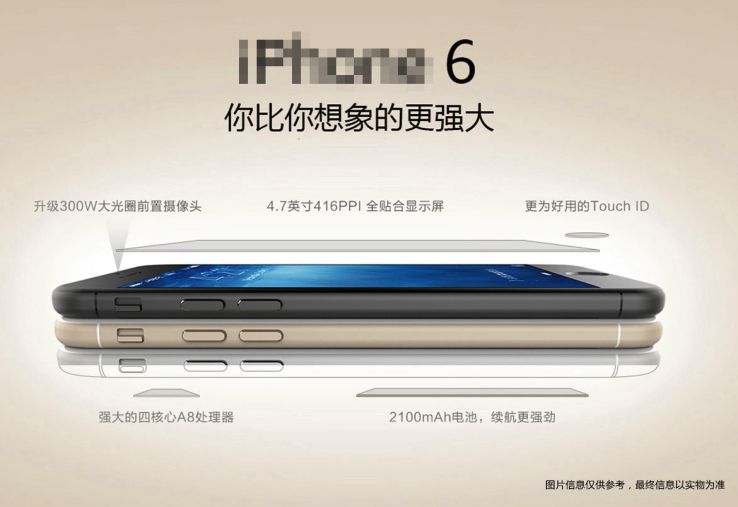
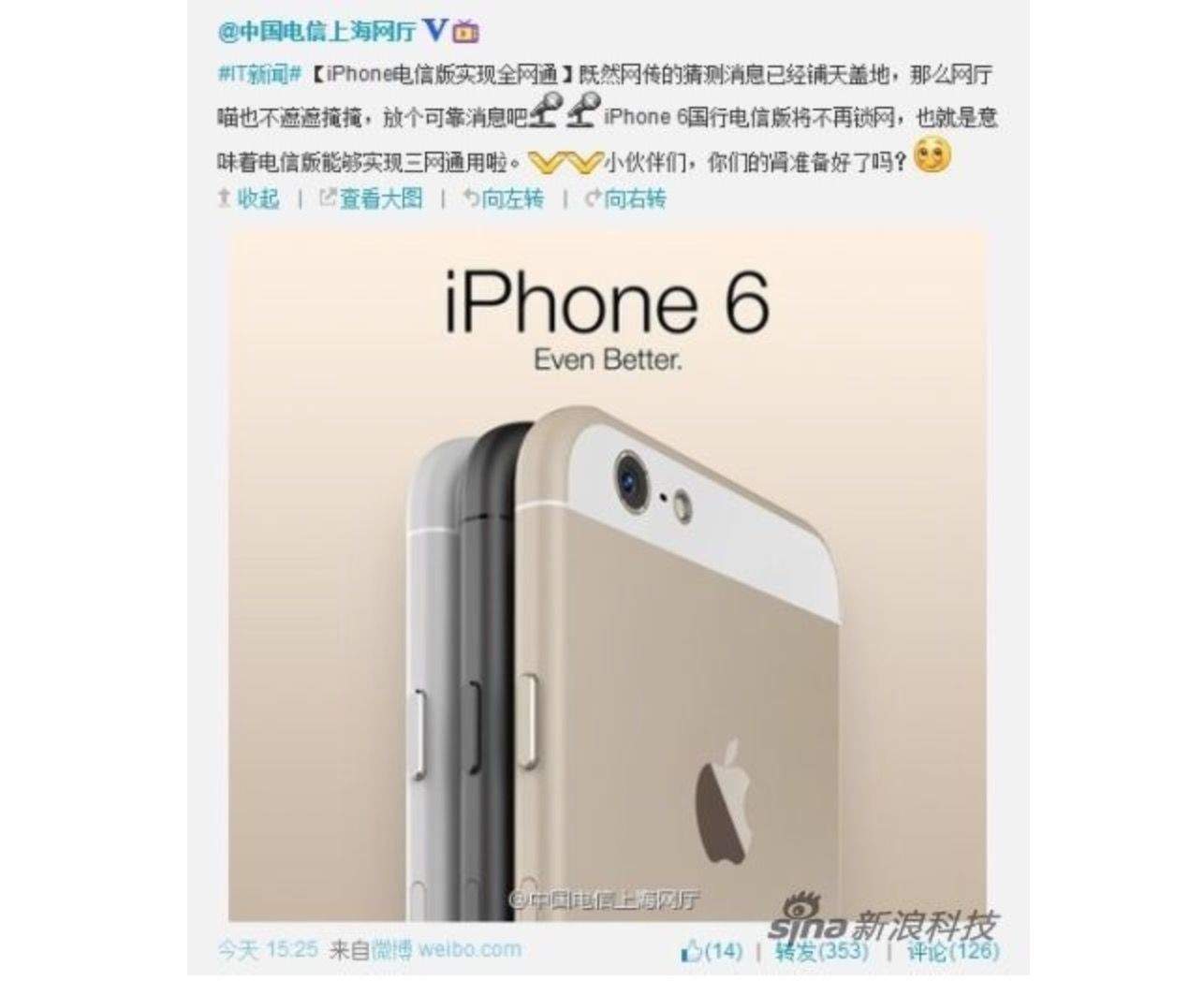
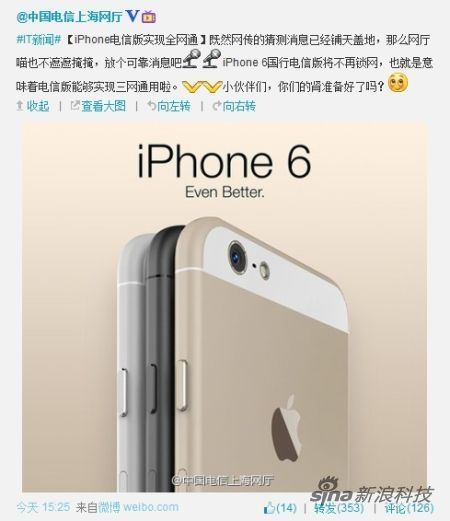
Pretty much everyone already knows that the iPhone 6 is coming out next month, but one of Apple’s carrier partners in China just couldn’t hold onto the secret anymore, and announced to customers on Weibo that it will sell an unlocked iPhone 6.
The ad was quickly deleted, however, it did reveal that Apple plans to release a single version of the iPhone 6 that supports all the wireless networks in the China for the first time ever.
Apple couldn't be more popular in China -- among customers, that is!
Apple’s continued Chinese expansion saw App Store revenue in China increase by 70% last quarter. That’s according to figures from a new Q1 2014 report from app analytics firm App Annie.
Key to this increase is the China Mobile deal which was announced at the end of last year, opening up Apple’s potential customer base to the 763 million users currently on the country’s biggest mobile network.
This time on the CultCast: Google buys Nest and their 100 ex-Apple employees, but why? Aaron Sorkin’s Jobs biopic finally gets a script, Kutcher’s Jobs just gets a Razzie nod; plus, iOS finally gets a full-size gaming controller!
Enjoy a few laughs whilst getting caught up on each week’s best Apple stories! Stream or download new and past episodes of The CultCast now on your Mac or iDevice by subscribing on iTunes, or hit play below and let the audio adventure begin.
Thanks to Ting for sponsoring this episode! Finally, a straight forward wireless carrier who doesn’t overcharge. In fact, did you know 98% of people who switch to Ting save money? See how much you could be saving on your wireless bill at cultcast.ting.com.
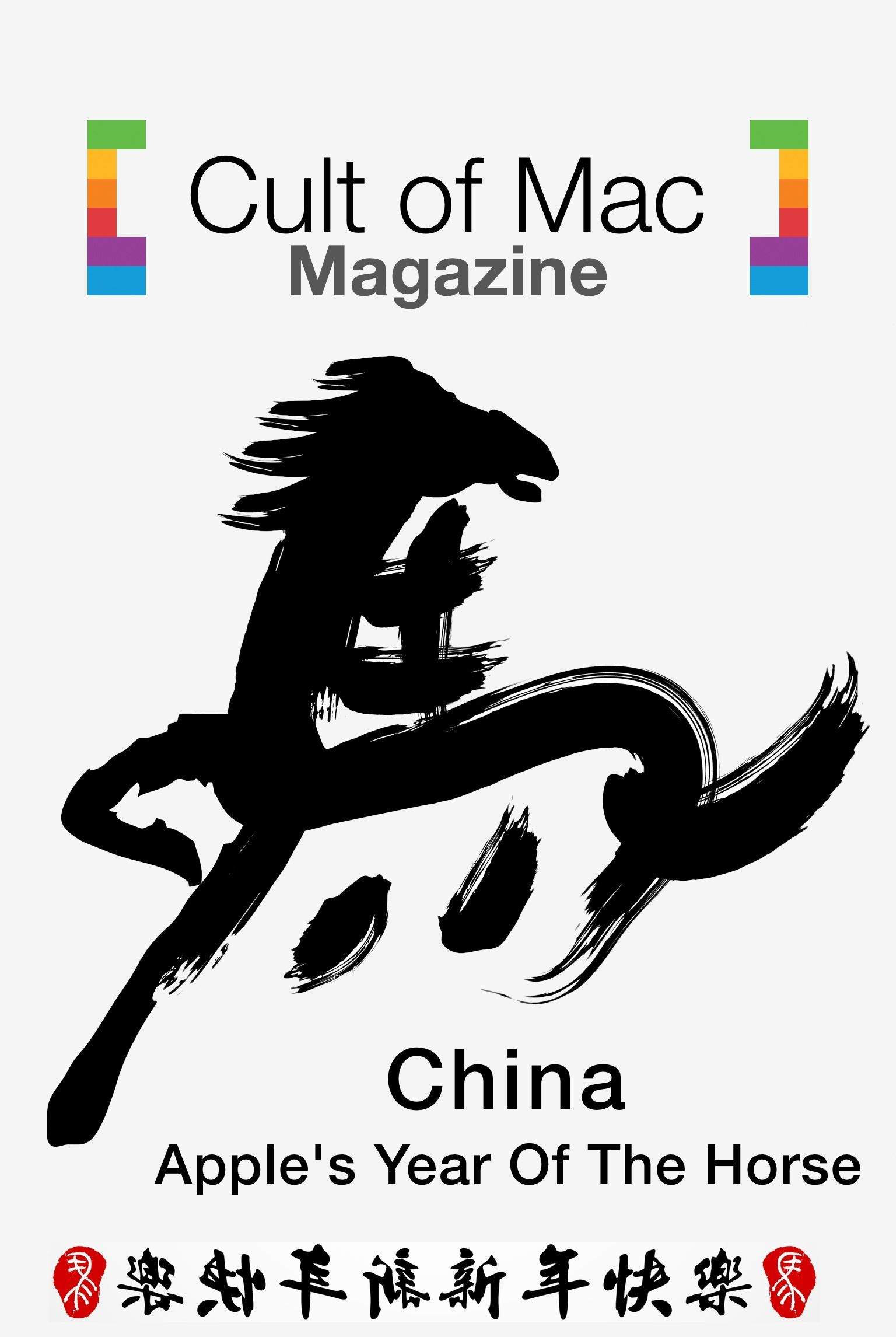
This week, Cult of Mac Magazine explores how Apple will reboot China, and why you, the aficionado, should care.
2014 is the year of the horse: seen as an auspicious symbol for swift success, it bodes well for Apple. The Cupertino company launches its deal with China mobile around the same time as the year changes over, a deal Tim Cook called a “watershed” moment.
Author and reporter Luke Dormehl delves into the factors that will shift Apple’s strategy there as it hopes to reach over 700 million potential fanatics and why this year we may begin to see the transition into “designed in California, built for Asia.” Hong-Kong based tech reporter Truman Au takes a look at local iPhone culture and why the gold iPhone is the choice of device – and matching cars, bags and shoes — for the country’s new rich.
As always, we’ll have the best in new apps, music, books and movies plus answers to your most pressing Apple-related questions from an actual Genius.
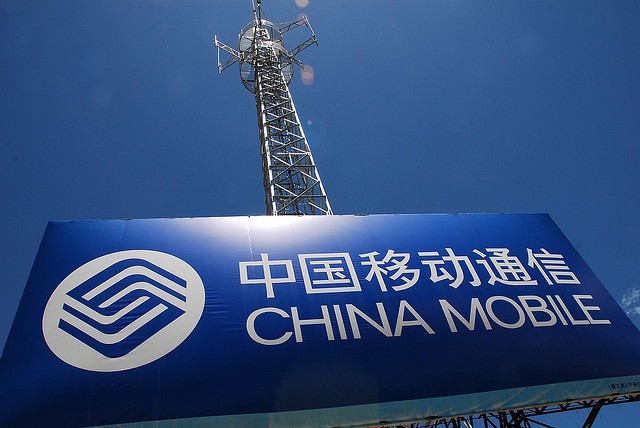
China Mobile, the largest carrier in the world, officially partnered with Apple last year.
After years of speculation — and some incredibly drawn-out contract negotiations along the way — China Mobile finally began selling iPhones today.
Tim Cook was in Beijing for the launch, where he handed out autographed iPhones to customers, alongside China Mobile Chairman Xi Guohua. Cook tweeted the following:
According to Tim Cook there is good reason to feel excited about the possibilities offered by Apple’s deal with China Mobile.
Cook — who is currently in Beijing ahead of the iPhone going on sale on the China Mobile network this Friday — said he is “incredibly optimistic” about Apple’s partnership with the world’s largest mobile carrier.
China Mobile, the largest carrier in the world, officially partnered with Apple last year.
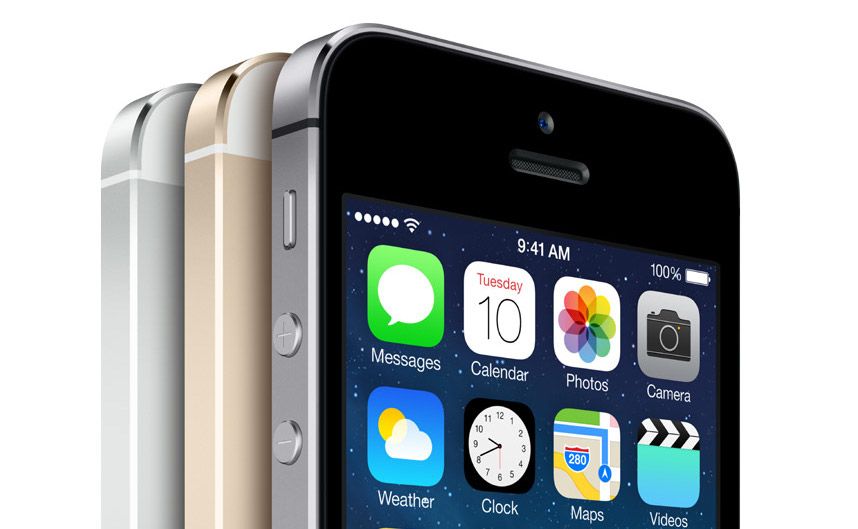
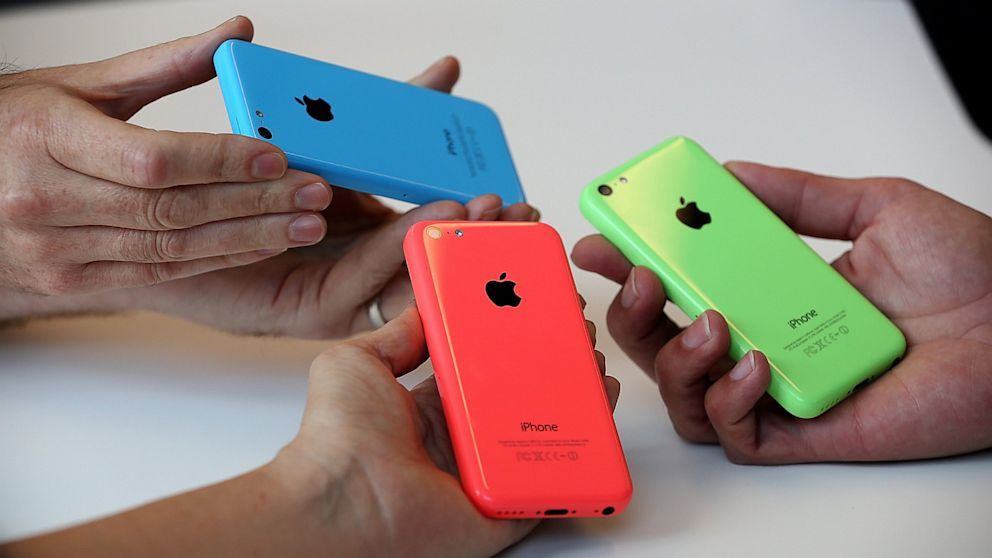
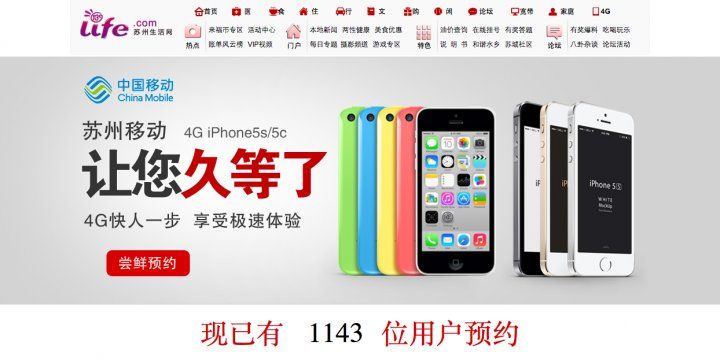
The iPhone won’t officially launch on China Mobile until January 17, but the world’s largest mobile carrier has already begun accepting preorders for the iPhone 5s and 5c.
In terms of numbers, analysts Wedge Partners place the preorder figure at around 100,000 for the first two days of availability.
Tim Cook has talked about this being an “iPad Christmas”, but plain calling it an Apple Christmas might be altogether more accurate — as Apple surged to a 2013 new stock high following news of the recent China Mobile deal.
Apple stock gained 3.8 percent to end Monday trading at $570.09, reflecting what Creative Technologies analyst Tim Bajarin has called, “a huge deal for Apple.”
Although it hit several year highs over the past several months, Apple stock prices had been depressed for some of 2013 as investors appeared concerned regarding a supposed lack of innovation from the company.
More recently, share prices had wavered as nervous shareholders fretted that the long-reported China Mobile deal wasn’t happening as fast as they hoped.
Although analysts are still arguing over the long-term impact the China Mobile deal is likely to have, this strong year finish nonetheless bodes well for Apple in 2014.
Twitter, Facebook, and Google shares also finished strong after the day’s trading.
Apple investors got their Christmas wish: The China Mobile deal, which could add billions of dollars to Apple’s revenue, has finally materialized.
The iPhone will be available to China Mobile customers beginning January 17, Apple announced Sunday, with pricing and availability to be released at a later date.
Apple is expected to introduce another 4-inch iPhone, but it probably won't be cheap. Photo: Apple
Investors and other interested parties may have an explanation for Apple’s M.I.A. deal with China Mobile — and that explanation could be lower-than-expected iPhone 5c sales.
That’s according to KGI Securities analyst Ming-Chi Kuo, who suggests that this is the reason a deal between the two parties has yet to be finalized.
China Mobile, the largest carrier in the world, officially partnered with Apple last year.
Filed under “S” for “Stalling” and “Still waiting” is the Apple-China Mobile deal, which remains yet to materialize.
In place of the expected announcement, China Mobile chairman Xi Guohua said on Wednesday morning that his company currently has no announcement to make on a deal to carry the iPhone — although he hoped to reveal one soon.
“China Mobile has yet to reach an agreement with Apple, but good news deserves to be waited for, and we expect to release cooperation information soon,” he said.
Customers in China aren't lining up for the iPhone like they once were. Photo: Apple
China Mobile is finally set to begin taking pre-orders for the iPhone 5s and the iPhone 5c later this week, according to advertisements on its website. Apple’s latest smartphone will be one of a handful of devices that support the carrier’s new 4G network.
After years of negotiations, Apple and China Mobile have finally closed a deal for the carrier to sell the iPhone. Rumors of the two companies working together started gaining momentum a few months ago with a report from the The Wall Street Journal, and now the same publication is reporting that the deal has been finalized.
We’re still waiting on an official confirmation from Apple and China Mobile, but now is probably a good time to buy Apple stock. Why? There are 700 million reasons.
From tantalizing teaser posters, to regulatory approval by China’s version of the FCC, it’s hardly the world’s best kept secret (or even a secret at all) that the iPhone 5c and 5s was coming to China Mobile at some point.
 December 22, 2013: After months of false starts, Apple finally secures a deal with China Mobile to bring the iPhone to the world’s largest telecom company.