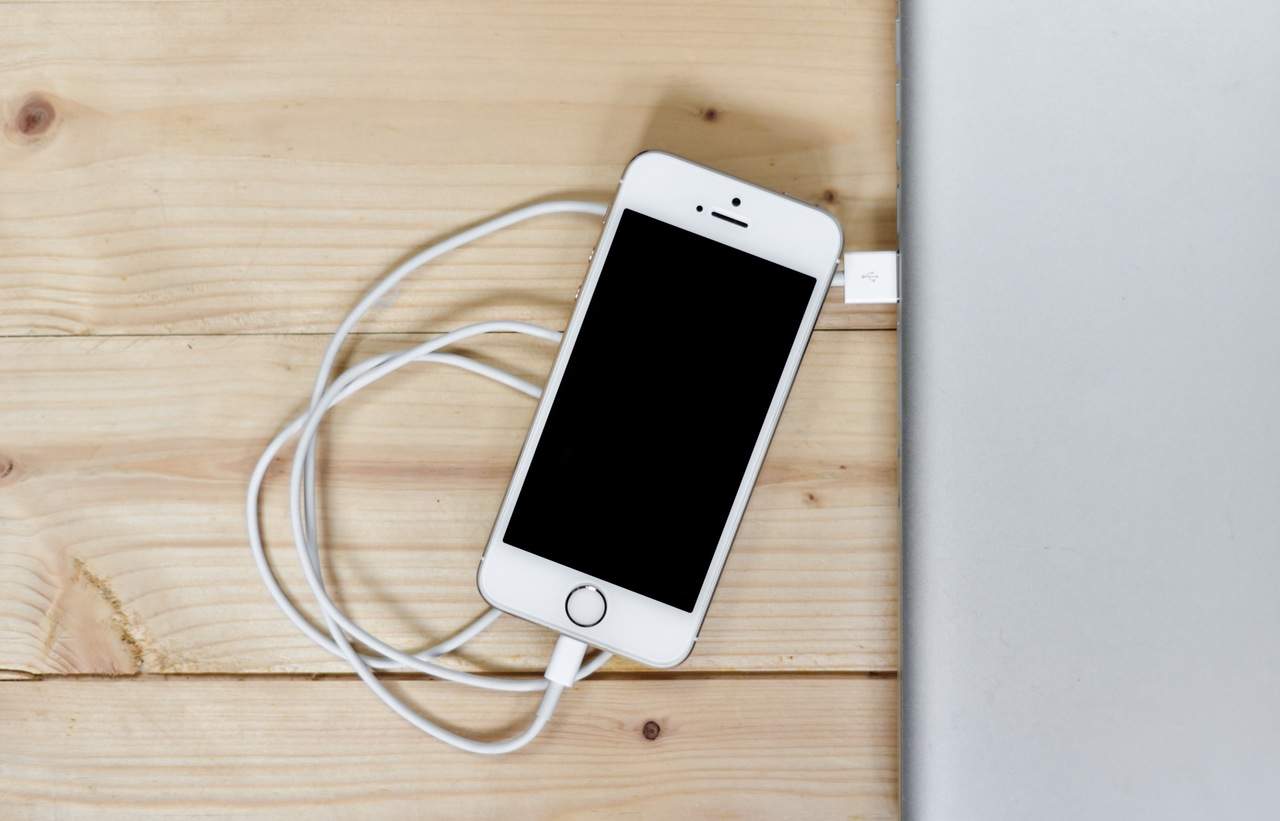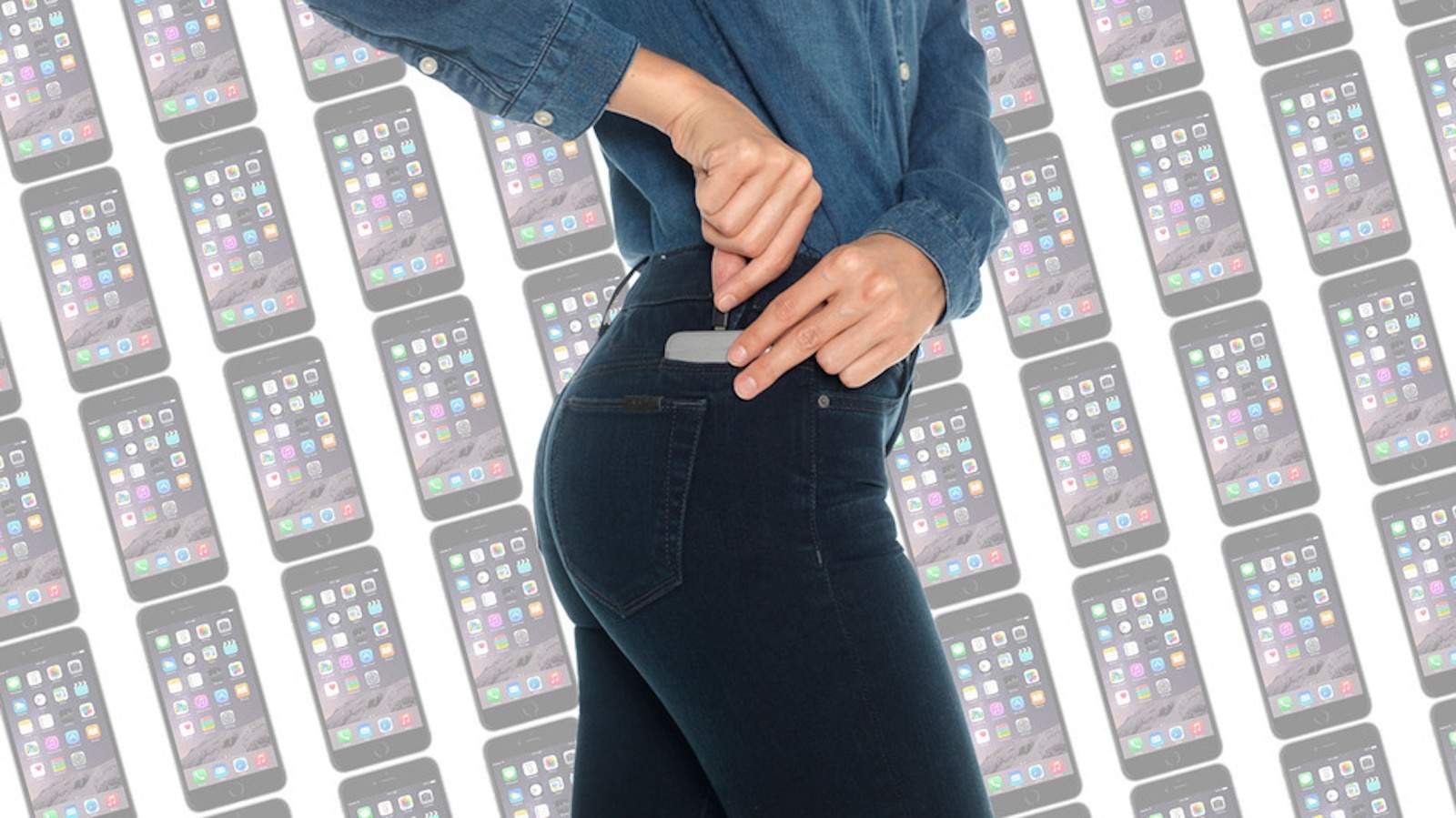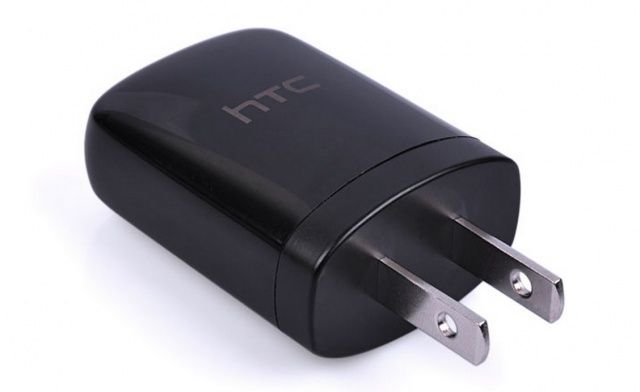
The ChargeCard is an iPhone charging that’s designed to live in your wallet, purse, or pocket. Shaped like a credit card and measuring just 2.54mm thick, this is the thinnest iPhone charging cable you can buy, and you can pull it out whenever you find a free USB port to charge your device. What’s more, you can finally say goodbye to carrying messy cables.
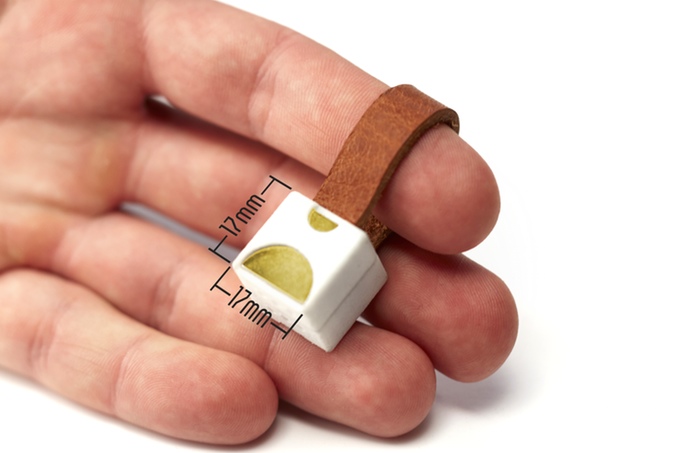
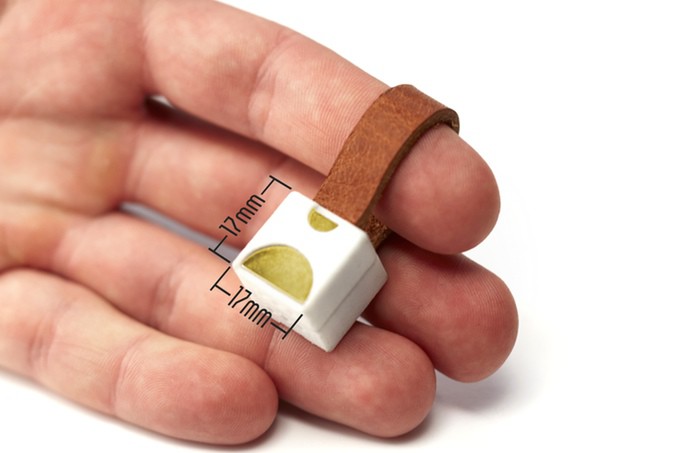
JuiceBuddy claims to be the world’s smallest iPhone charger.
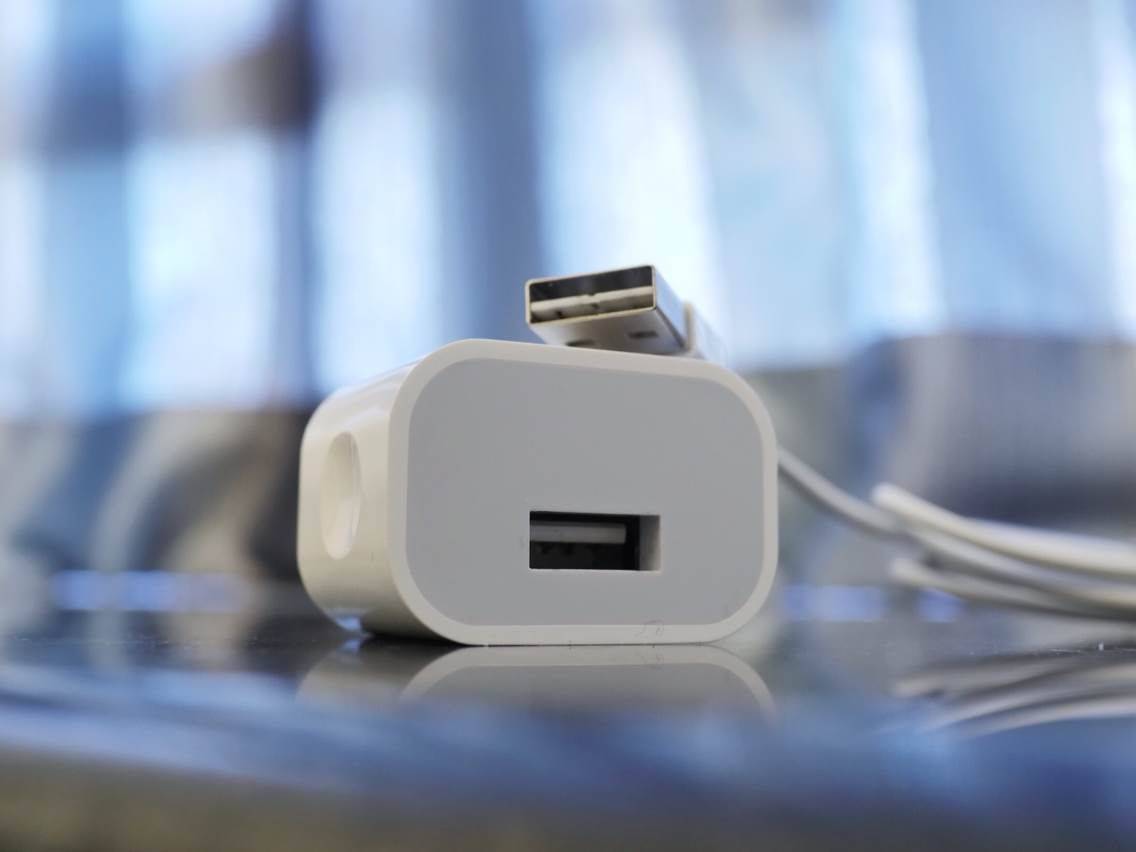
Apple’s iPhone chargers certainly aren’t the biggest accessories in the world, but accompanied with their wires, they can be a pain to travel with — especially when they get tangled up in your make up (not that I’d know about that). But with the JuiceBuddy from Pacific Productions, there is no need for wires.
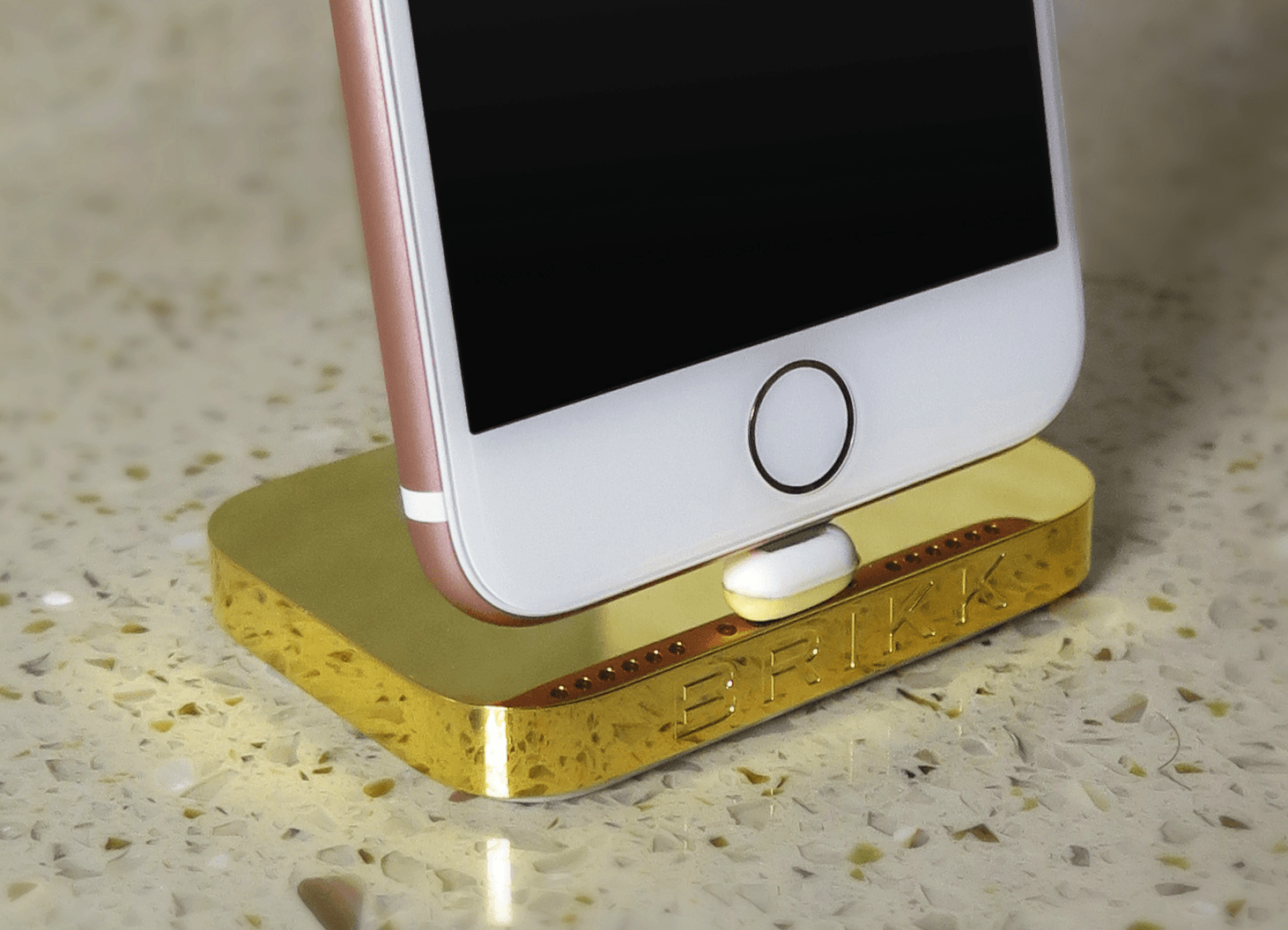
This little box attaches to your keychain and provides you with an iPhone charger wherever and whenever you need it most. Simply plug it directly into the wall and then dock your iPhone in the top.
Sometimes a good idea doesn’t have to be radical. It doesn’t have to have a $70,000 Kickstarter goal. Sometimes a good idea is just simplicity itself: easy to produce, affordable to own, beautifully designed and genuinely useful.
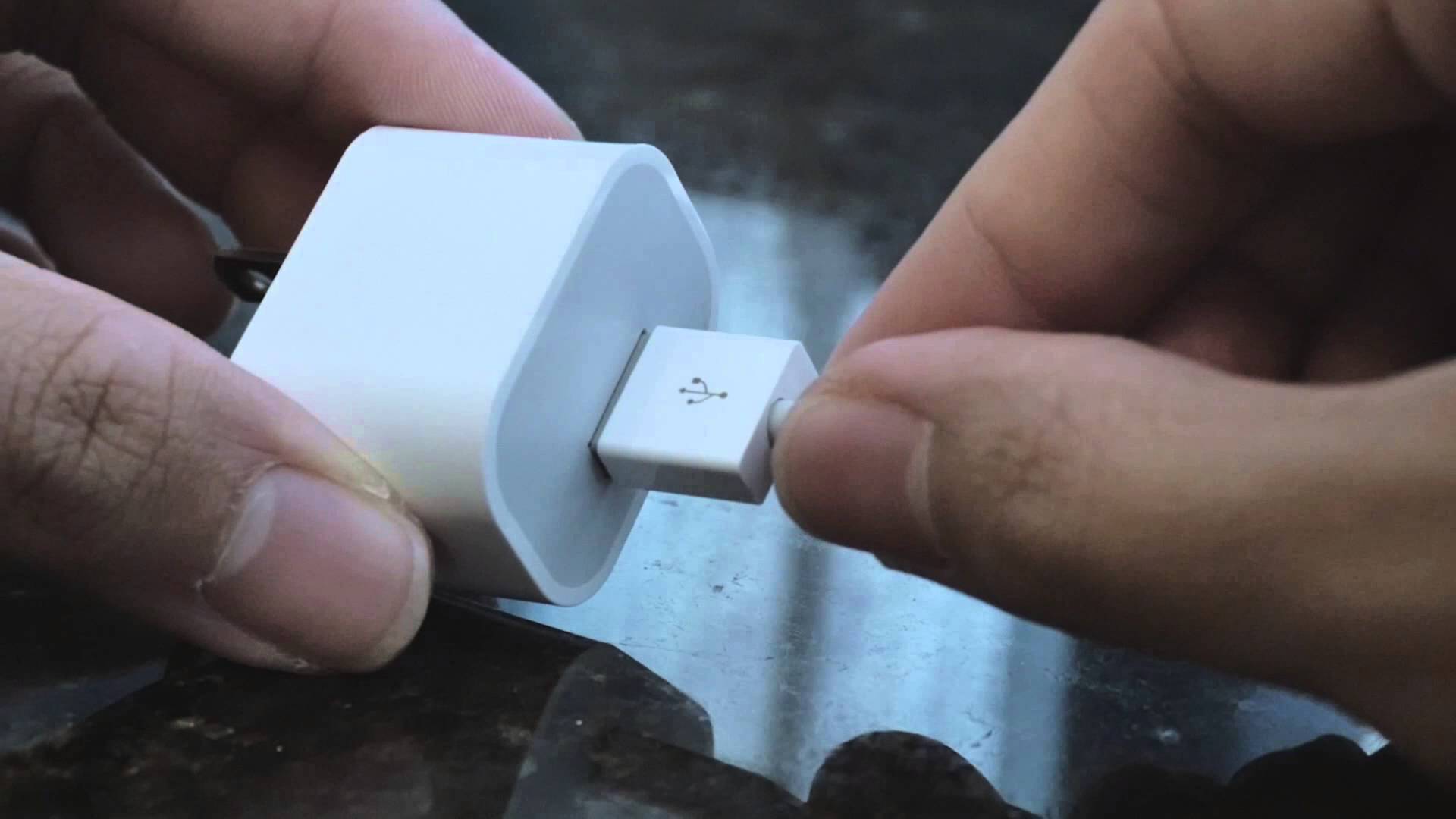
That’s what makes our eyes pop about The Wrap. Designed by Michiel Cornelissen, the Wrap is a simple plug that fits on the USB end of a European iPhone wall charger. Thread your 30-pin dock connector cable through The Wrap and you can easily wrap the whole cord around it. That’s it. Just EUR 9.95.
I love this. It’s just beautifully useful and wonderfully understated. And while The Wall is Europe-only for now, Cornelissen says that if 100 people email him saying they want a US version, he’ll make one. Get clamoring, people.
The Cellink is ugly, but it might turn out to be the most useful thing in your gadget bag
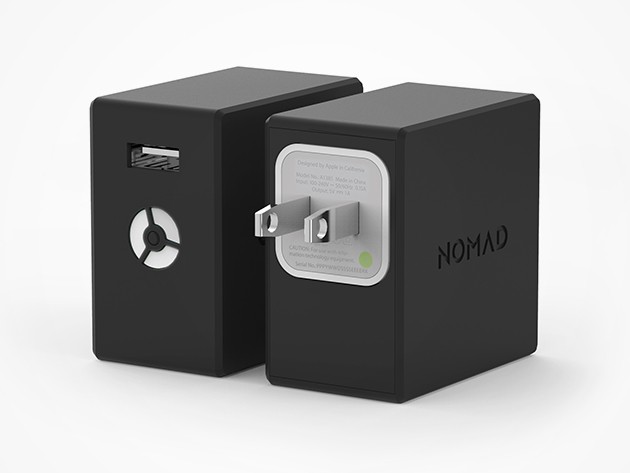
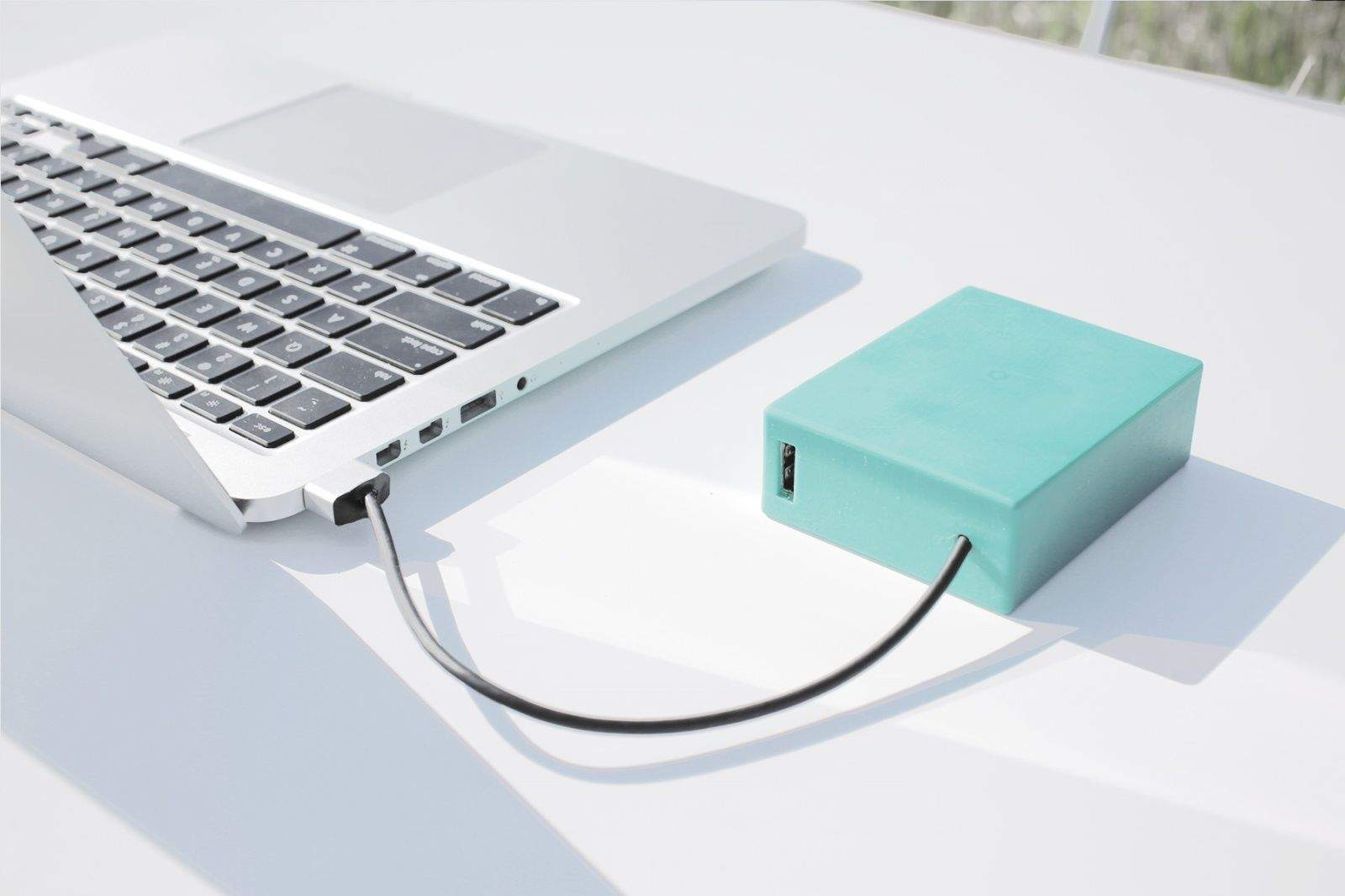
Do you carry a backup battery, a camera connection kit and a charger with you in your man-sack? Yeah, me too, and it’s really no big deal as even together they weight almost nothing. But if you’d rather combine these items into one easy-to-lose box, then the Cellink I is just the thing for you.
Your new iPad will be spending a lot more time with its battery charger than the iPad 2.
Every single thing about the new iPad is more power hungry than the iPad 2. The Retina Display requires more power to drive its double resolution display. The LTE capability requires more battery to suck in faster mobile data speeds. Even the doubled RAM capacity uses more electricity.
Despite all of this, though, the new iPad has the same great battery life as the iPad 2: 10 hours of battery using 3G, 9 hours battery using LTE. Apple’s achieved this extraordinary feat by packing almost twice the battery capacity into the same space.
That’s great news when you’re around town. But it comes at a cost: charging the new iPad to full is a total bitch.
Over the last couple of years, I have developed an obsession with traveling light that has been wonderfully encouraged and cultivated by Mssrs. Cook, Ive & Co. When I go out of the house and need to work remotely, my bag is as light as I can possibly make it: an 11-inch MacBook Air, an iPad 2, my iPhone 4S, a couple pens and a steno-pad for notes. Despite the sheer amount of silicon and tech stuffed into my shoulder bag, it’s always light, always svelte, always uncluttered. As they have done with so many other things when it comes to consumer electronics design, they have turned making gadgets thin into a cutting-edge art.
Well, except for one thing. The chargers.
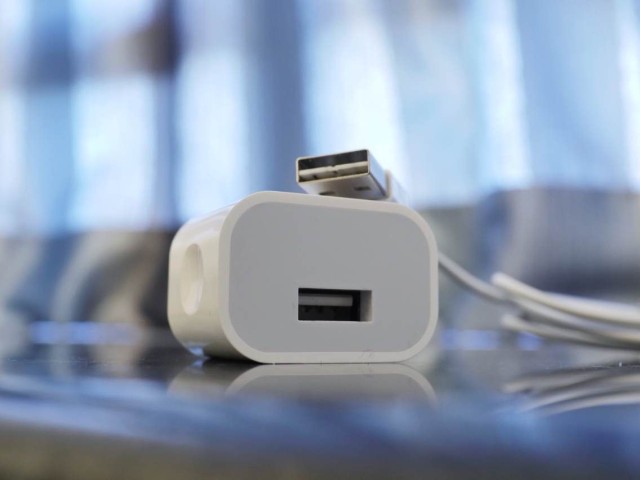
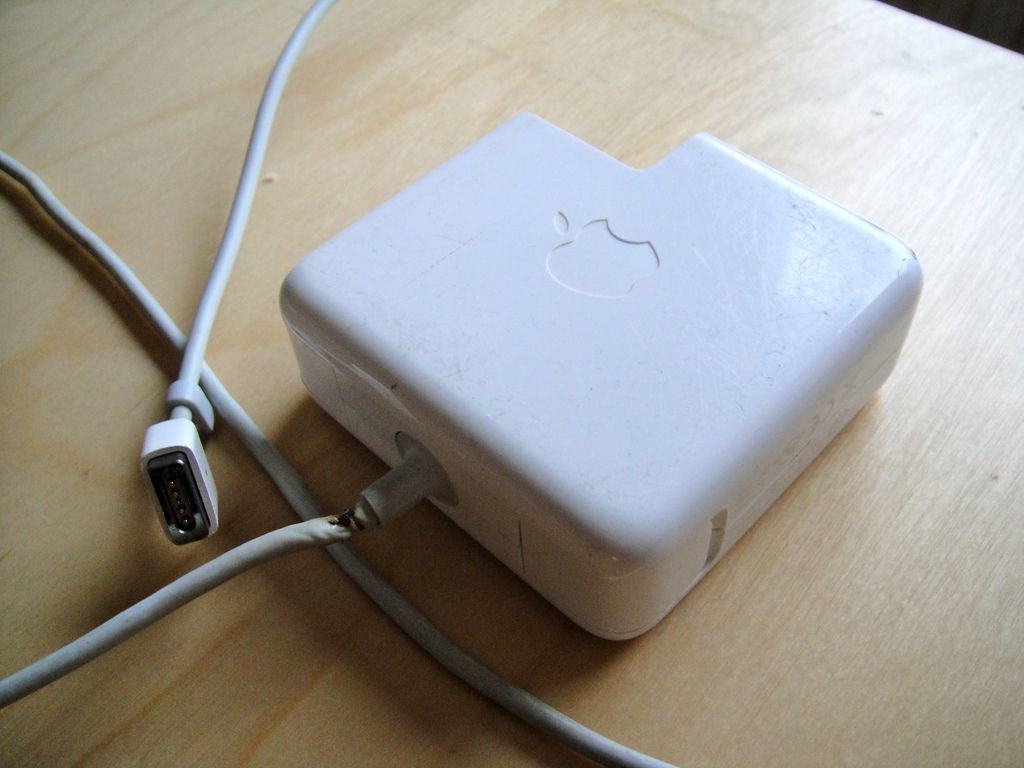
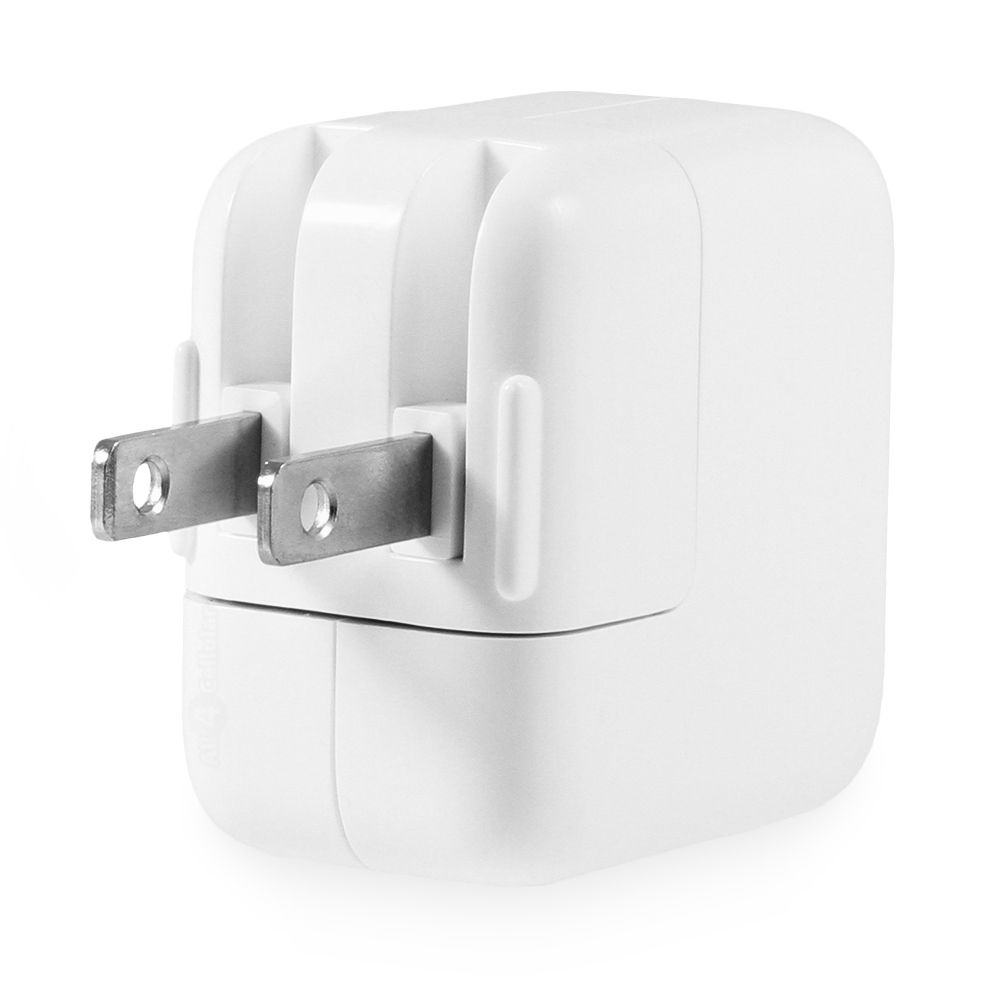
The standard Apple MacBook Charger is easily two to three times thicker than my MacBook Air. The same can be said about the Apple 10W USB charger, which is just a brick compared to the thin slate it powers. Between the bricks and the cords, Apple’s chargers add an extreme amount of thickness and ungainliness to a streamlined gadget bag… and since my MacBook Air, at least, doesn’t have 10W USB ports, I can’t piggy back charging my iPad off of just the one charger.
Well, not without TwelveSouth’s ingenious, button-cute accessory, the <a href=”http://twelvesouth.com/products/plugbug/”>PlugBug</a>, that is.
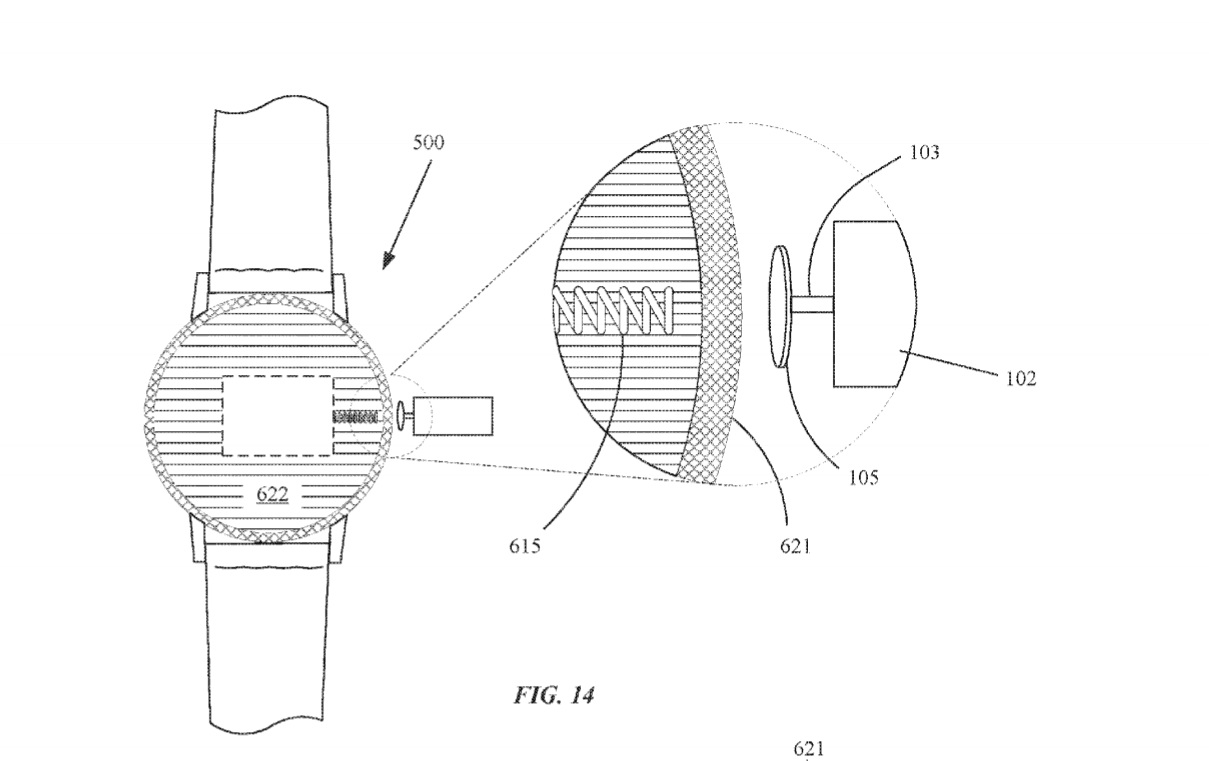
We already know from previous reports that Apple is working on a magnetic charging system for iOS devices, similar to the MagSafe connectors on its MacBooks. But one hurdle that stood in the company’s way was the MagSafe’s inability to transfer data.
However, a newly published patent entitled “Programmable Magnetic Connectors” seems to confirm that Apple is making progress on a magnetic connector capable of transferring power and data, which could spell the end of its 30-pin dock connector and even the headphone jack.
There’s nothing like wandering through the Outback, camping under the stars…with an iPad: It can help identify the constellation you’re gazing at, let you sneak in a few chapters from your latest read or track your odyssey. That is, if you can keep the thing juiced.
Solar power is the obvious choice, but there aren’t many portable solar panels with the ability to charge the iPad; add the requirement that the panel be truly rugged and your choices become very, very slim. Luckily, the Joos Orange solar panel ($150), the outfit’s first product, may be the only choice you’ll need to consider.
When I go on vacation and I want to take my notebook and iOS devices with me, I have to pack a bunch of white cables into my case — all of which seem to be tangled up with each other by the time I take them out again. However, Apple is developing a universal all-in-one data & power cable that will charge both your Mac and your iOS devices, and allow you to transfer data between them.
The PowerSkin for iPhone 4 ($80) is a silicone case with a built-in rechargeable 2,000 mAh battery that claims to double your device’s battery life with patented “XPAL Power” battery technology. Like most battery cases, it uses a mini-USB port to charge and sync your iPhone simultaneously, and you can turn the case on and off when necessary. The four-LED battery indicator will let you know how much juice you have remaining at the touch of a button.