Cheap iPhone 8 displays should work with iOS 11.3.1. Photo: Ste Smith/Cult of Mac
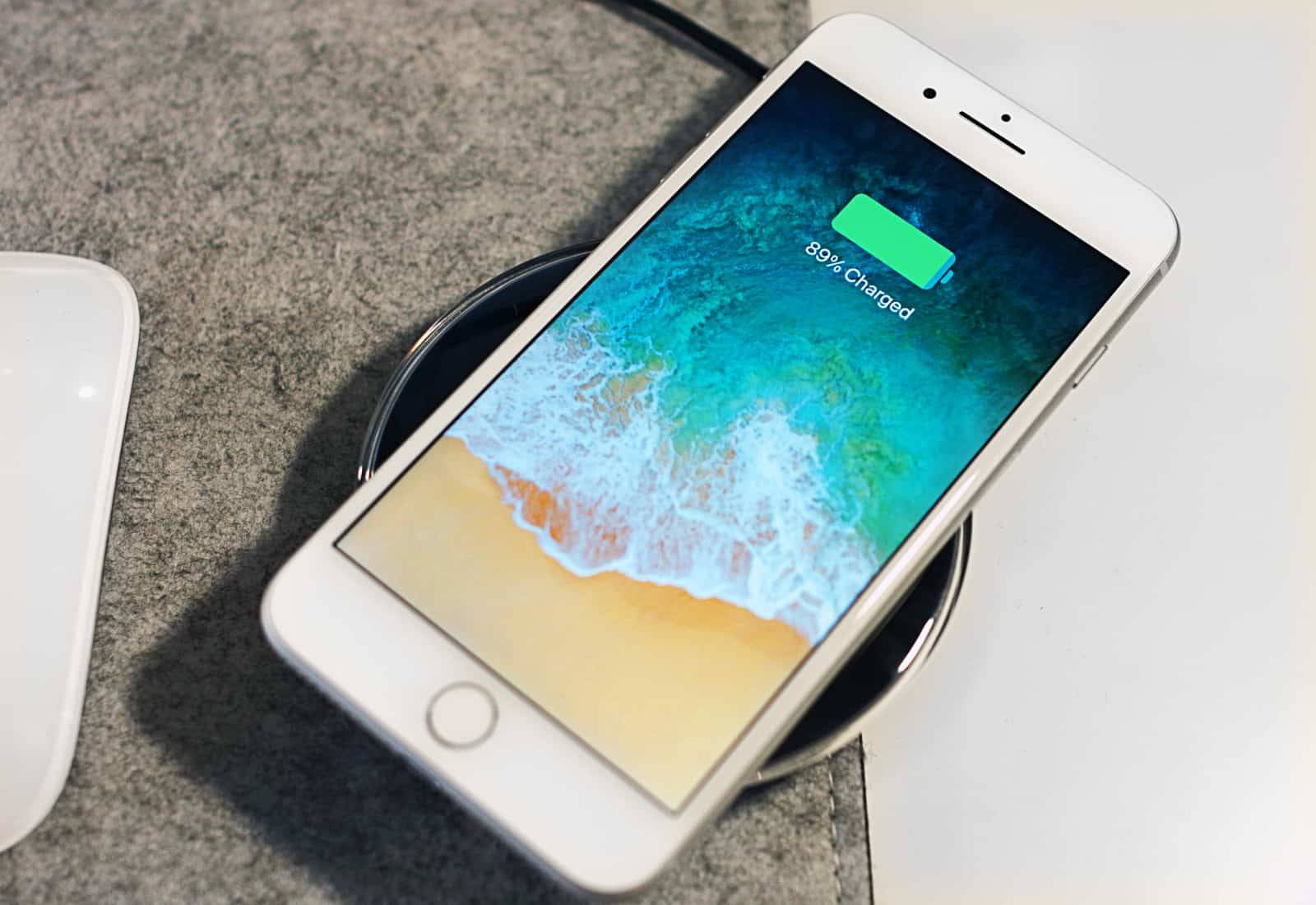
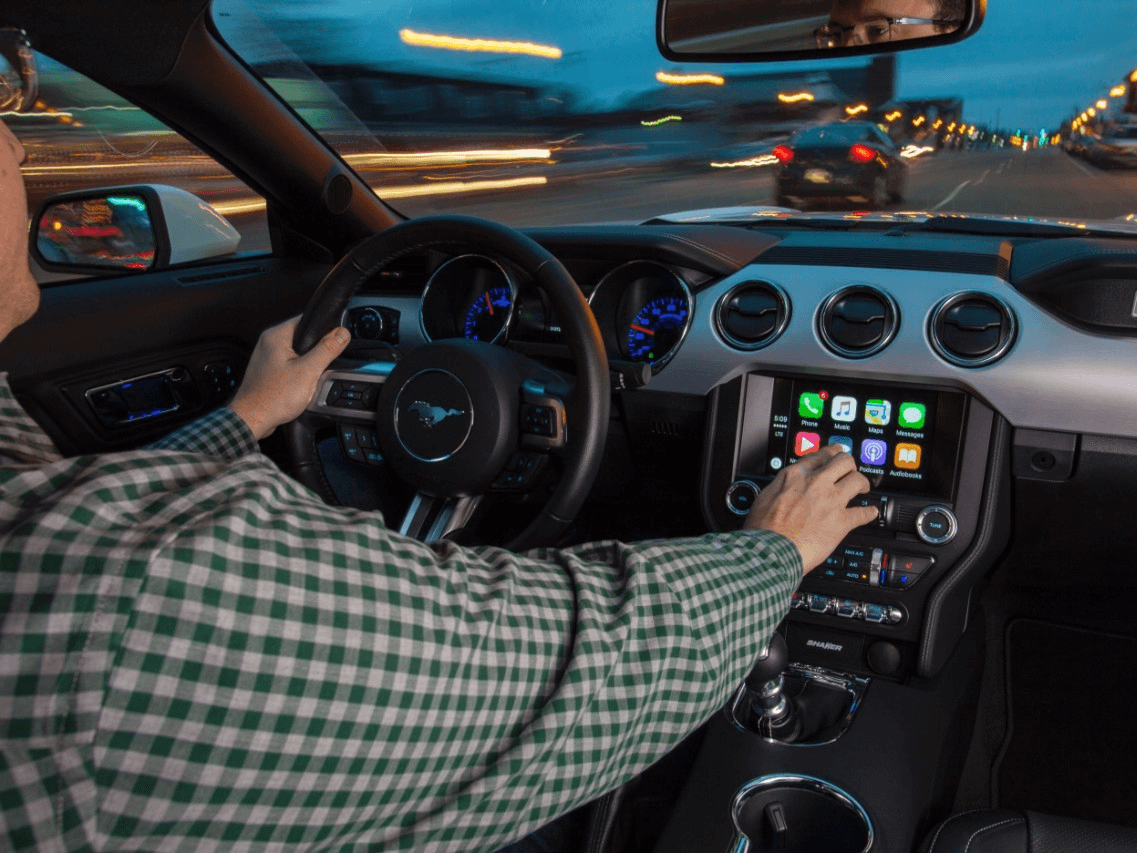
Apple’s latest smartphones finally support wireless charging, which makes juicing up more convenient than ever. You can even charge wirelessly in certain vehicles, and to help you pick the right one, Apple has published a list of supported manufacturers.
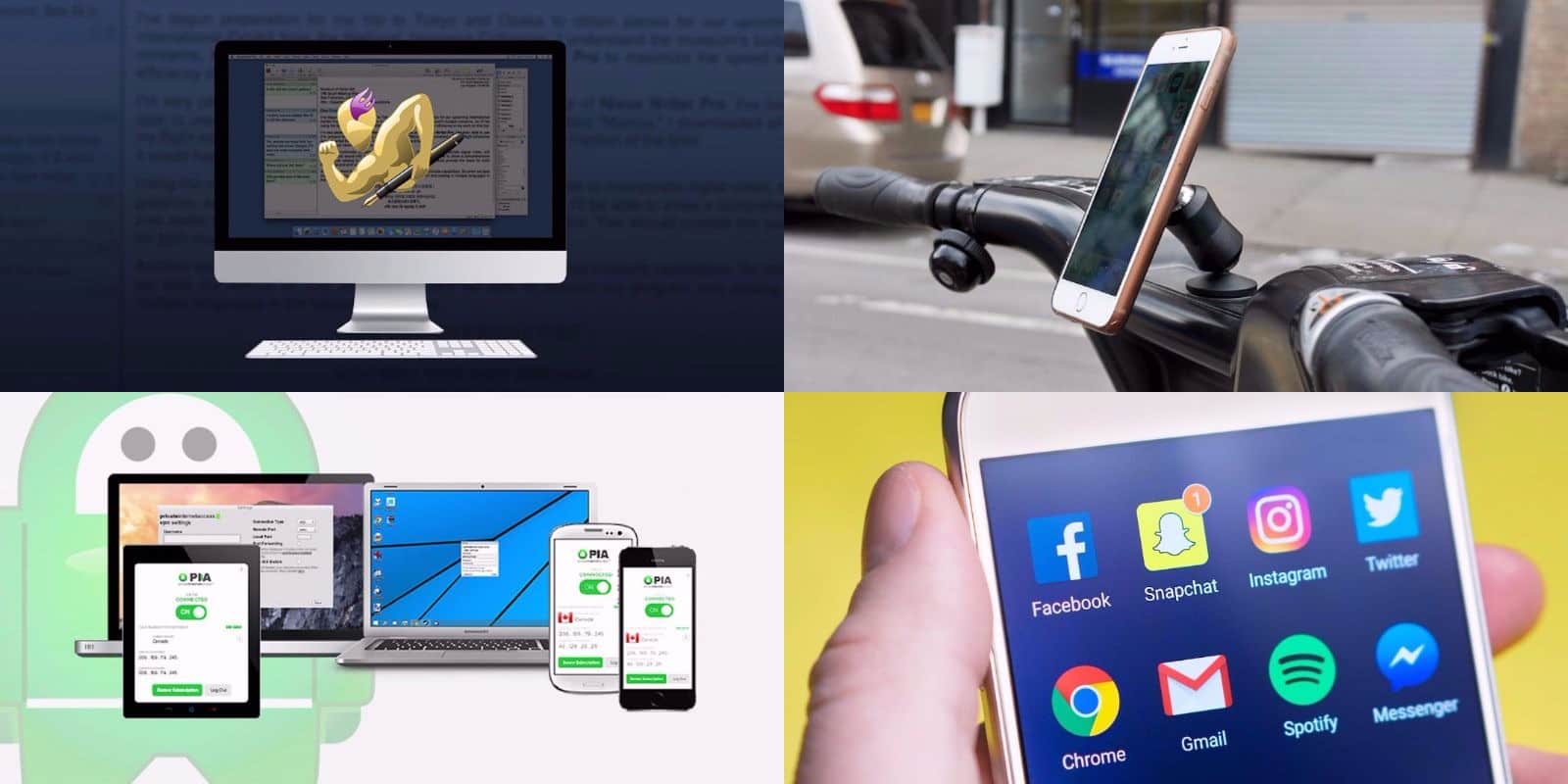
This week's best deals include a streamlined writing platform, a double sided iPhone mount, and more. Photo: Cult of Mac Deals
With every new week come great new deals at the Cult of Mac Store. This go-round, we’ve got a simple but powerful writing platform for Mac, and a super versatile, double-sided phone mount. Also in are comprehensive lessons in social media marketing, and a powerful VPN for enhanced online privacy and security. Plus everything is discounted by at least 25 percent, and as much as 97 percent. Read on for more details.
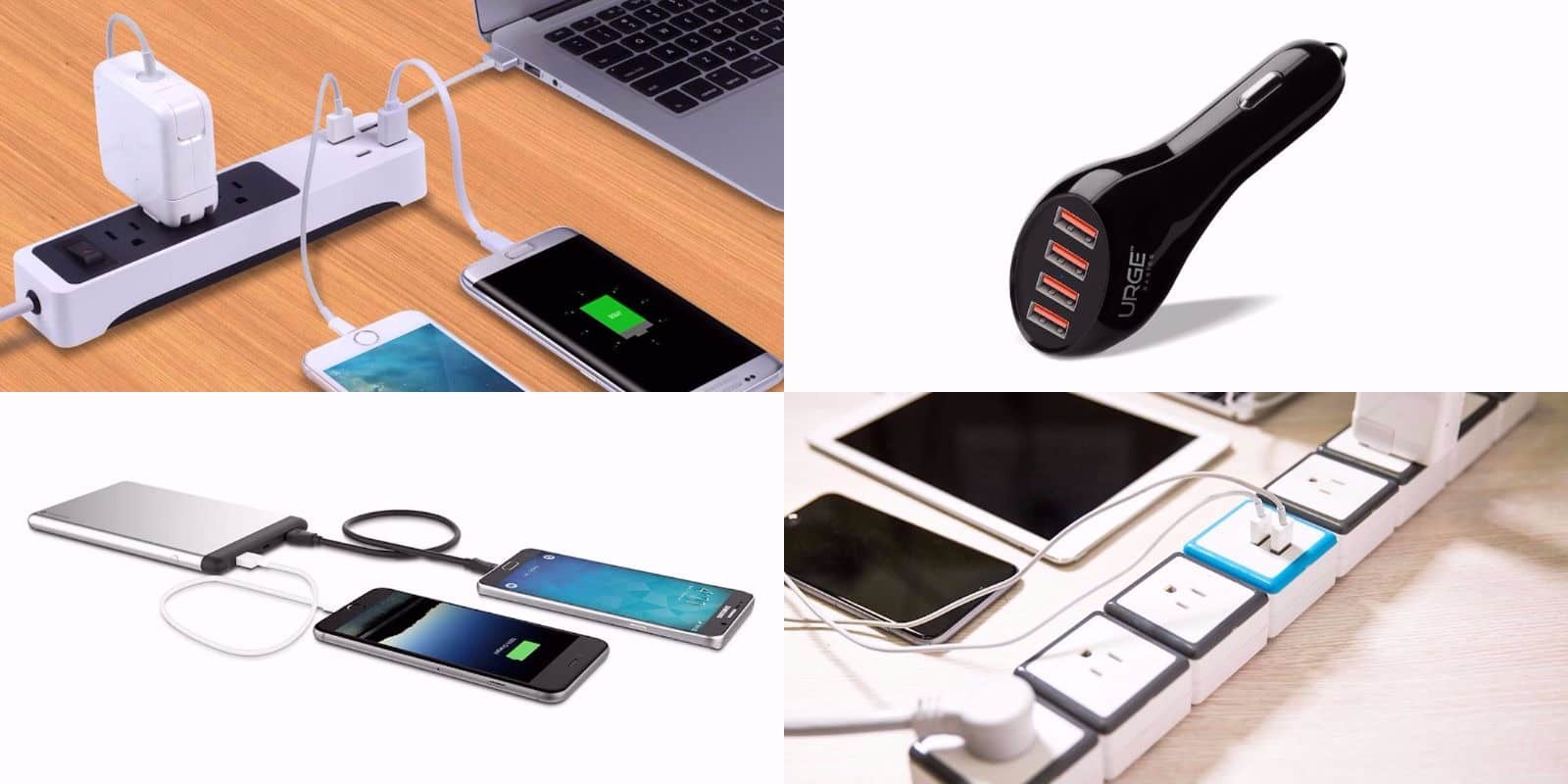
Whatever your power needs, this roundup of outlets, surge protectors and USB chargers will solve them. Photo: Cult of Mac Deals
Life in the digital age means keeping a bunch of devices charged. Between our homes, workplaces, cars, and travel destinations, that can become a complicated task. We’ve rounded up a set of charging accessories to handle any personal power shortage. We’ve got a 6-port modular surge protector, a smart power strip with USB outlets, a car charger with four ports, and a super thin, massively powerful portable battery. Read on for more details:
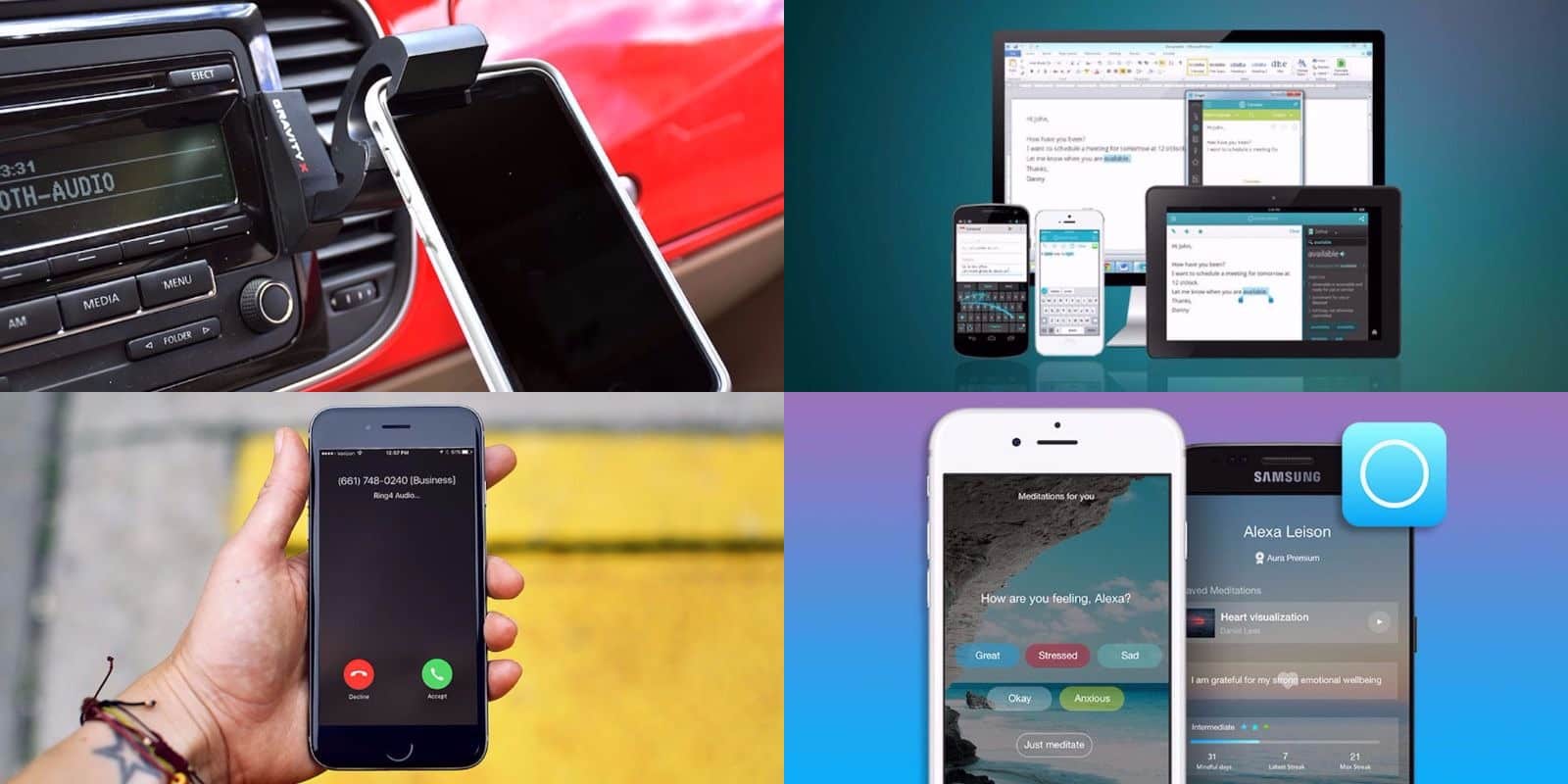
Writing assistants, meditation apps, lifetime phone plans and more are all part of this week's best deals. Photo: Cult of Mac Deals
Here at the Cult of Mac Store, we delight in finding great new deals on tools and tech every week. This go around, we’ve got a gravity-operated mobile car mount, and a super useful writing assistant. Additionally, we’ve got an app to guide you in meditating (really), and a phone plan year of unlimited talk and text. Discounts run from a third to as much as 90 percent off, red on for more details:
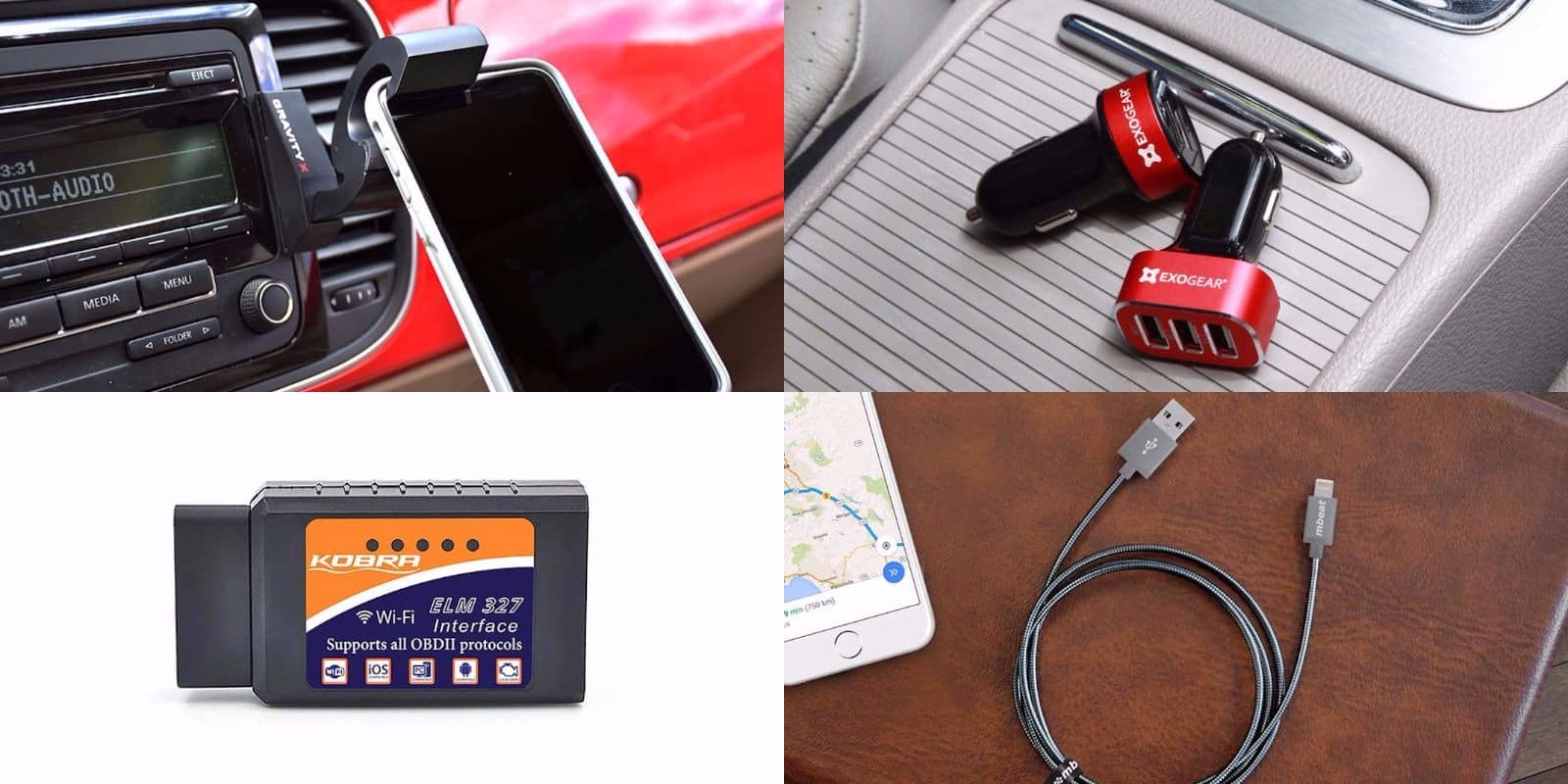
iPhone cables, mounts, chargers, and a wireless diagnosis tool. These are the auto accessories you're looking for. Photo: Cult of Mac Deals
If you’ve got a car, you’ve got a hundred ways to integrate your mobile devices with it. We’ve gathered some great deals on essential tech to take on the road with you. Below you’ll find a futuristic phone mount, a 3-port USB hub, a metal-braided Lightning cable, and a tool for wirelessly checking on your car’s health. Everything Is discounted by 25 percent or more, read on for more details:
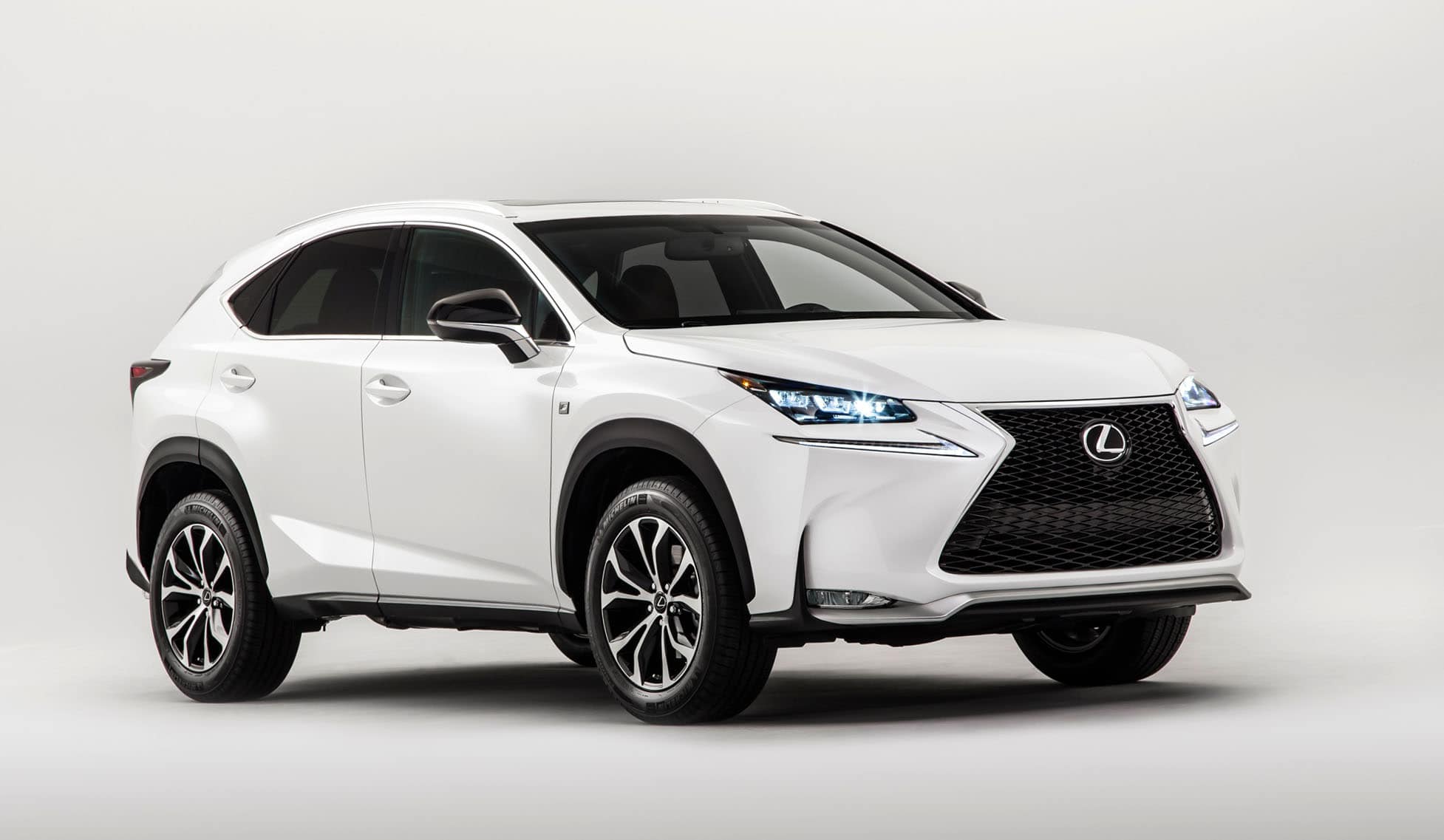
The 2015 Lexus RX450h is Apple's vehicle of choice. Photo: Lexus
The first video footage of Apple’s self-driving car has already surfaced on the internet, just over a month after the company first received permission to drive on public roads.
Apple’s self-driving car is actually a Lexus RX450h outfitted with sensors powered by Apple’s own autonomous driving software. Video of the car in action reveals Apple’s project is already highway-worthy as the company races to catch up to its competition.
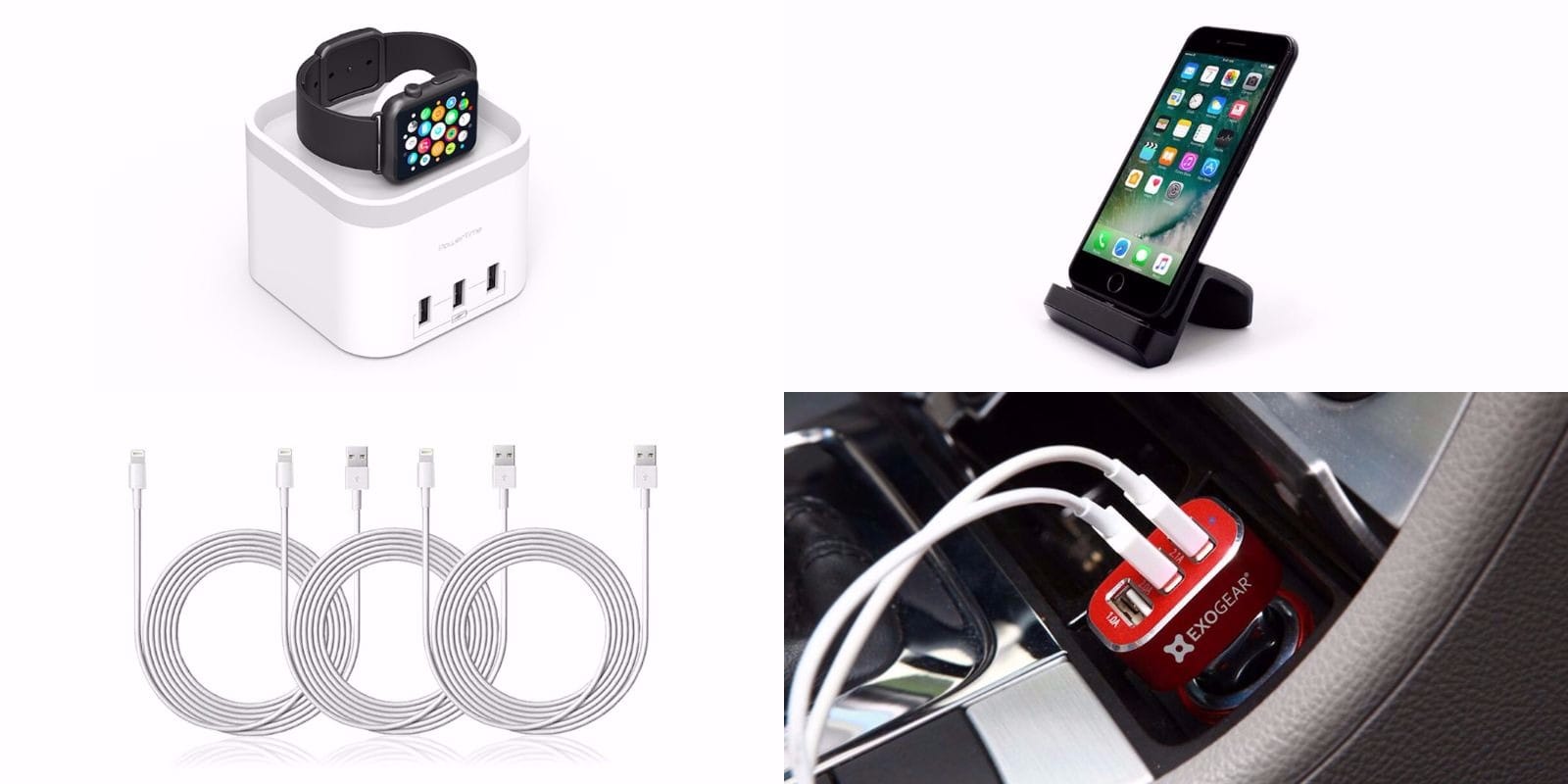
We've rounded up some of the best deals on essential accessories for your charging-related needs. Photo: Cult of Mac Deals
For all the convenience of mobile technology, it can be a drag having to keep our devices juiced up. Whatever your situation, we’ve rounded up some top shelf charging upgrades that’ll offer new ways to juice up your most-used devices. We’ve got a universal Lightning dock, a wireless charging station for Apple Watch, a set of extra long set of Lightning cables and super sleek USB charging hub for your car. Everything’s going for a healthy discount, read on for more details:
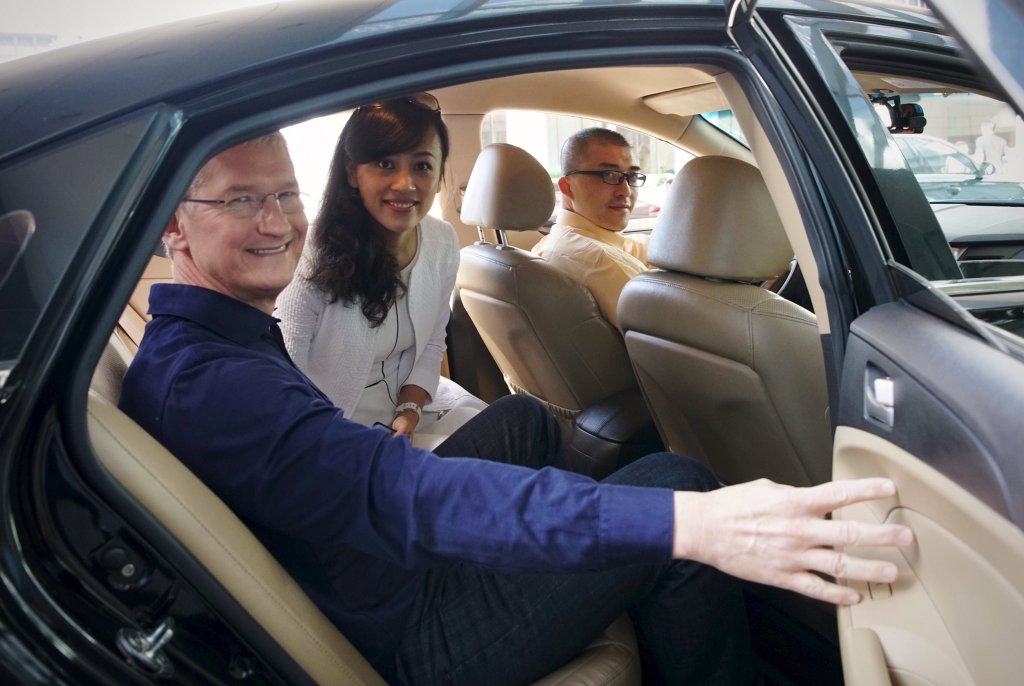
Tim Cook catches a cab with Didi Chuxing's Chuxing's Jean Liu. Photo: Tim Cook/Twitter
Apple CEO Tim Cook had nothing but high praise for Didi Chuxing CEO Jean Liu in an exert he wrote about her for Time magazine.
Liu was named one of Time’s 100 most influential people of 2017. Cook, who sits on Didi’s board, was asked to write about Liu and said that her taxi-hailing startup is changing how people in China connect and commute with its convenience and flexibility.
We’re all expecting Apple to deliver something spectacular for the iPhone’s tenth anniversary next year, but what comes after that? According to some analysts, it will be a “decade-long malaise” that will cause Apple to fall.
The rotting corpse of Blackberry Ltd. may provide the extra juice needed to get Apple’s car project rolling.
Apple has reportedly poached key engineers from BlackBerry’s QNX team in Canada to help develop the operating system for its self-driving car. And the iPhone-maker has set up shop just five-minutes away from the QNX offices.
Automatic Lite can help you save on gas. Photo: Automatic
Automatic today delivered its latest Bluetooth-connected car adapter, Automatic Lite. The low-cost alternative to the hugely successful Automatic Pro requires no subscription and promises to save you a pretty penny on gas.
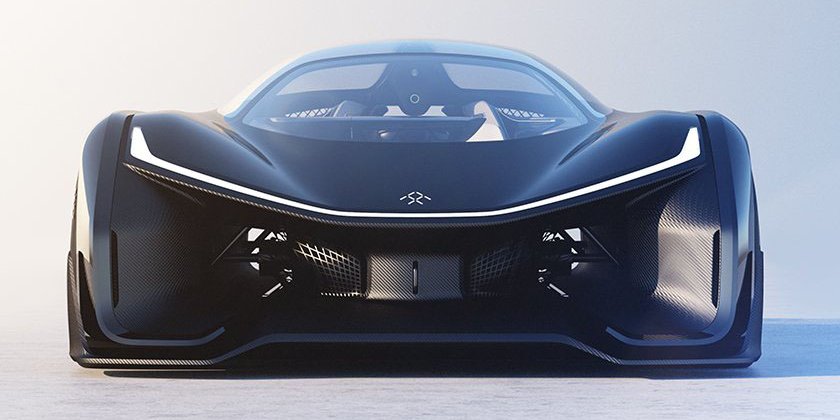
Faraday Future's concept car looks like a batmobile. Photo: Faraday Future
Apple’s efforts to build a self-driving electric car hit another speed bump recently after the company lost its navigation engineer to electric car startup Faraday Future.
Computer vision and vehicle navigation specialist Bart Nabbe was working with Apple’s not-so-secret Project Titan team for nearly the last two years, but his LinkedIn profile now shows that he’s at Faraday Future serving as the director of strategic partnerships.
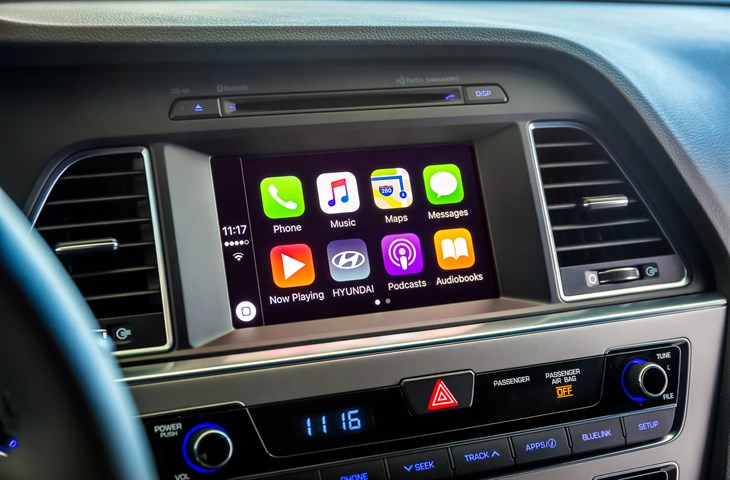
Your next car probably won't have an Apple logo. Photo: Hyundai
As Apple’s “secret” electric car project gains momentum, the company continues to pick up top talent for their automotive experience.
Its latest hire is Dan Dodge, founder and former CEO of QNX, who was recently the head of BlackBerry’s automotive software team. The move comes after “Project Titan,” the codename for Apple Car, started to take a whole new direction.
This is what he looks like when he's driving it. Photo: Apple
Bob Mansfield has been chosen to head up Apple’s “secret” electric car project three years after stepping down from his executive role, according to a new report.
Mansfield was previously in charge of Mac hardware at Apple and led development of products like the MacBook Air, iMac and iPad.
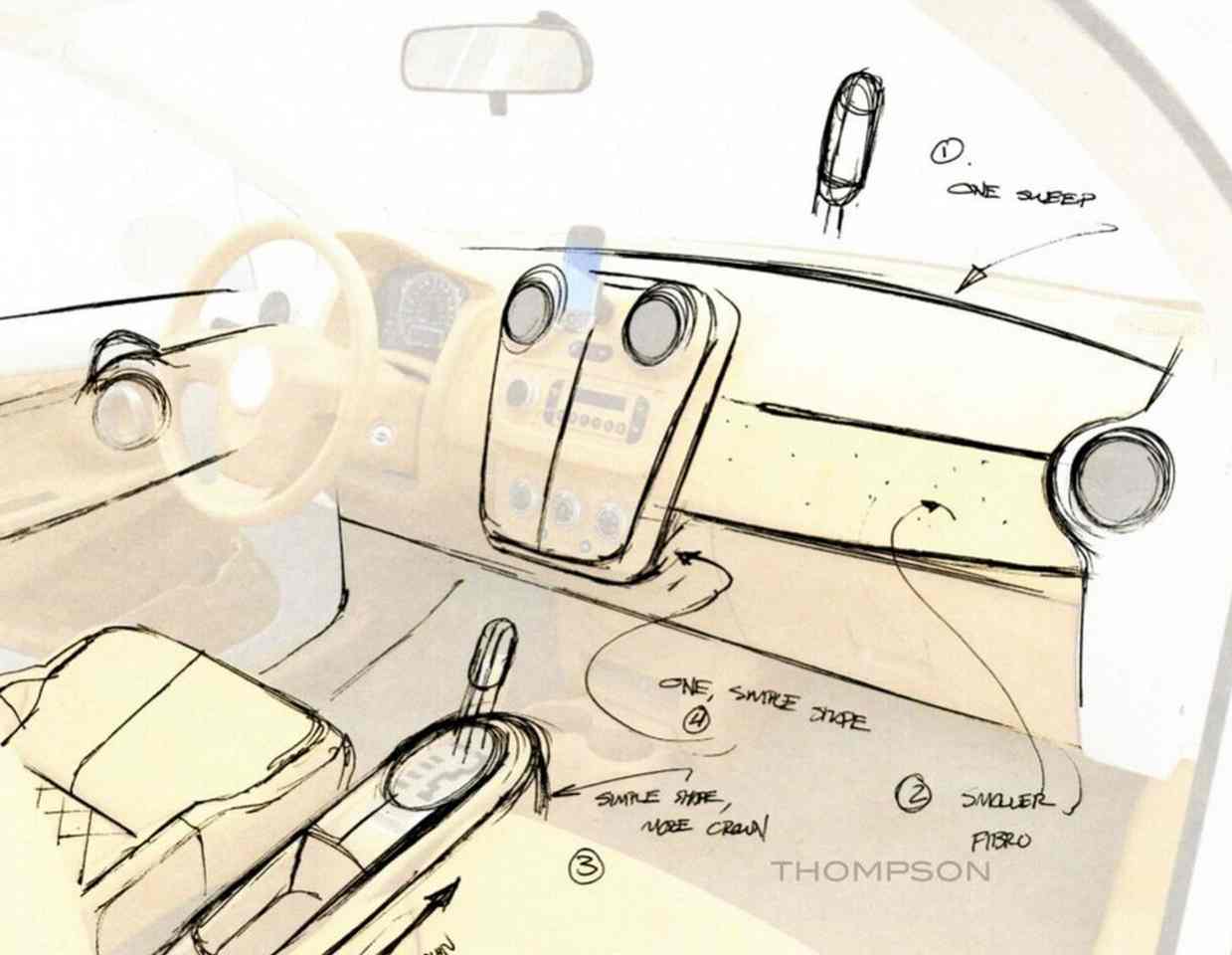
Design changes for the V-Vehicle based on Steve Jobs' advice. Photo: Bryan Thompson/The Guardian
Steve Jobs may not have been holding the reigns at Apple when the company started working on its first car, but the co-founder and former CEO certainly had an interest in futuristic vehicles.
In fact, back in May 2010, Jobs met with the creators of the secret V-Vehicle prototype — a small, lightweight car powered by gas that was designed to sell for just $14,000.
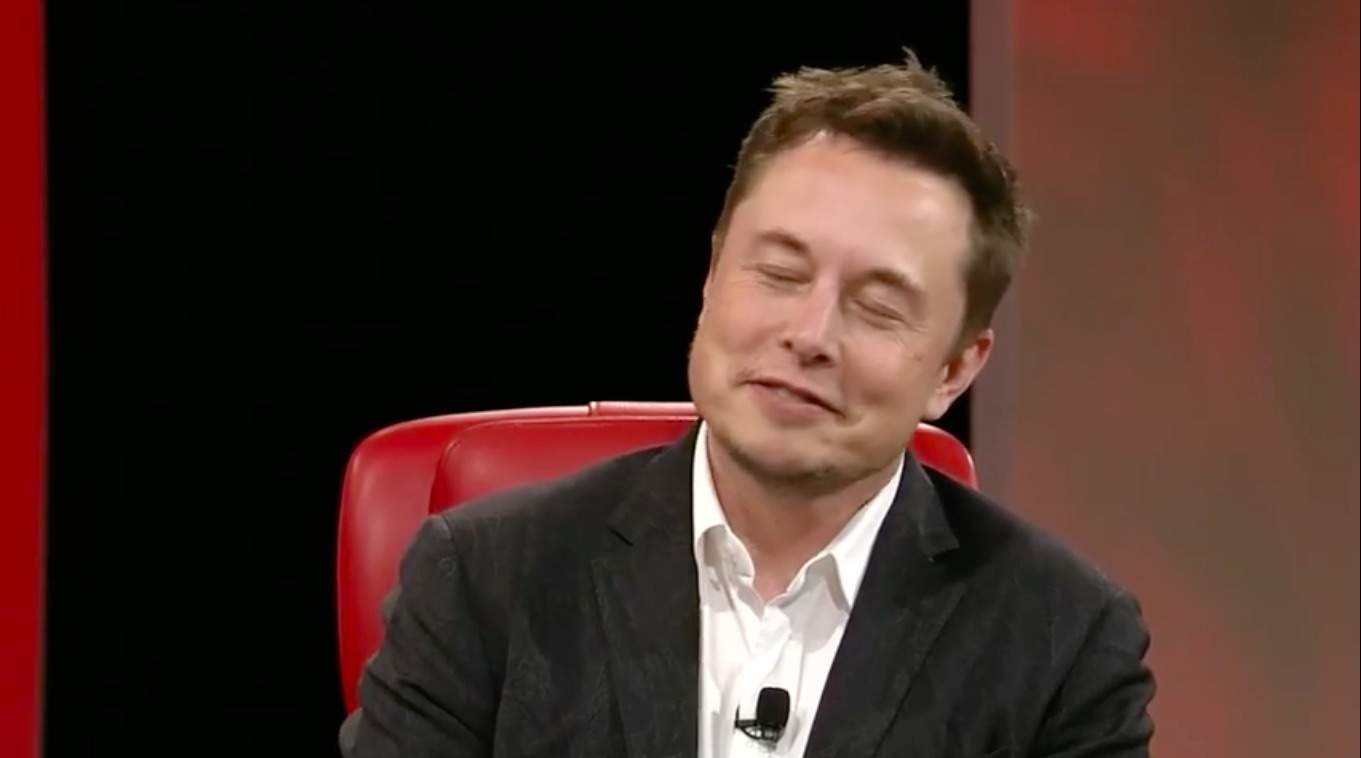
Musk is confident Telsa will beat the Apple Car. Photo: Recode/Facebook
Apple should have started development on the Apple Car a lot earlier than it did, according to Space X and Tesla CEO Elon Musk.
The real-life comic-book superhero sat down for an interview at Code Conference and said that when it comes to autonomous cars, Google won’t be a competitor because they’re not a car company, however Apple will be.
Musk thinks it may be too late for Apple to be truly competitive though.
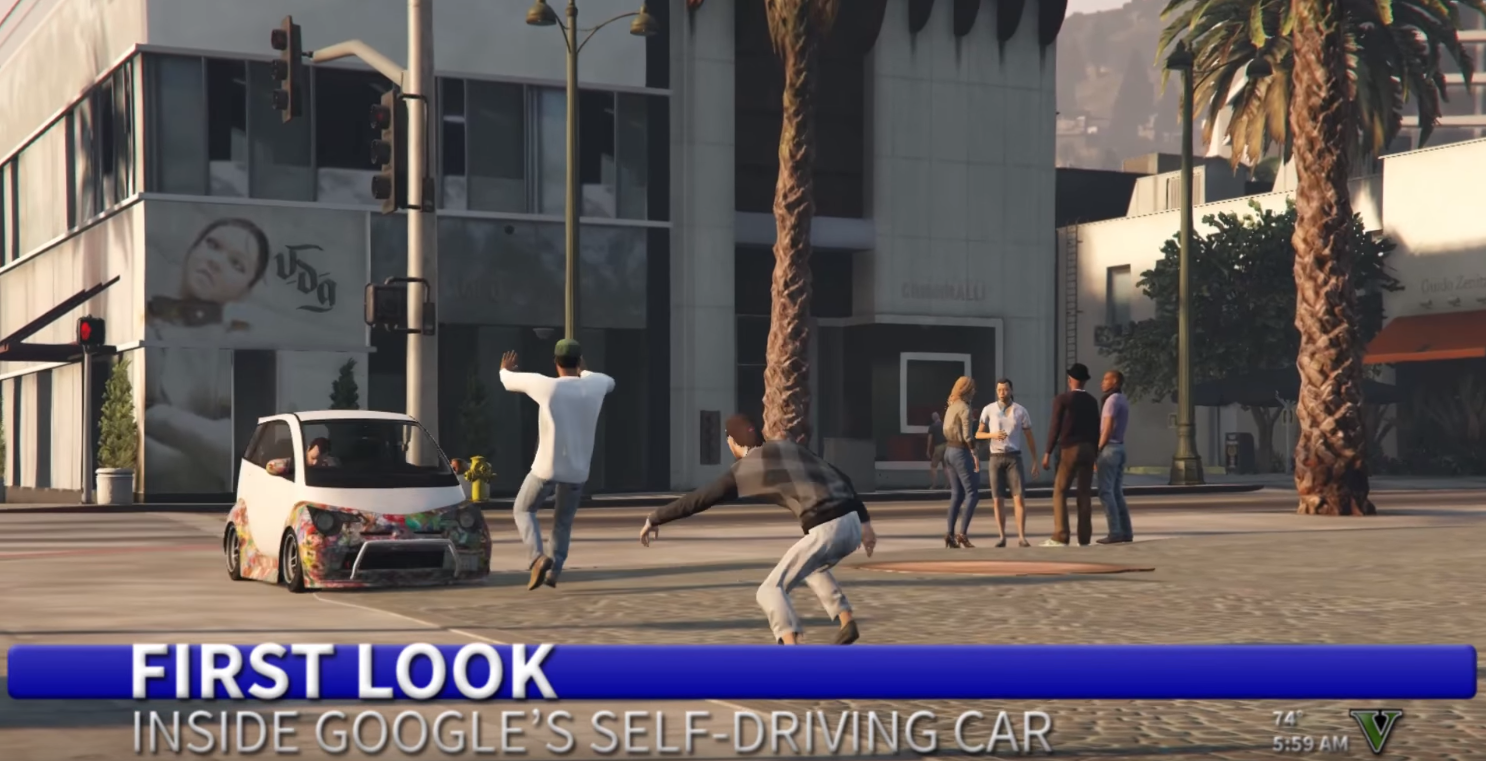
Beware the Google car! Photo: Pizzaforbreakfast/YouTubeBeware the Google car! Photo: Pizzaforbreakfast/YouTube
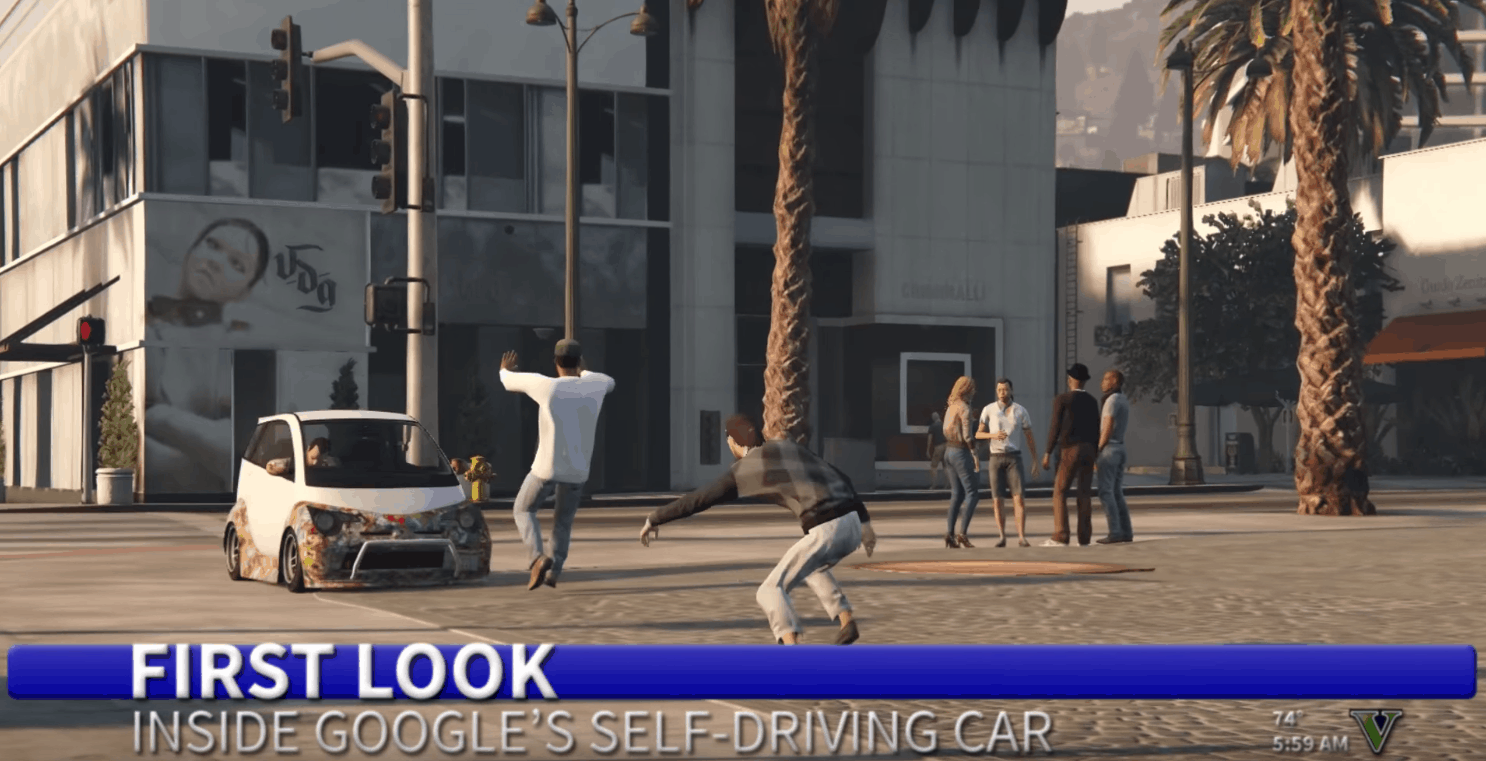
As the technology around us gets smarter, many fear it will turn against us. That nightmare comes true in this parody ad for Google’s self-driving car, which mows down poor pedestrians as it tears down the streets of Los Santos.
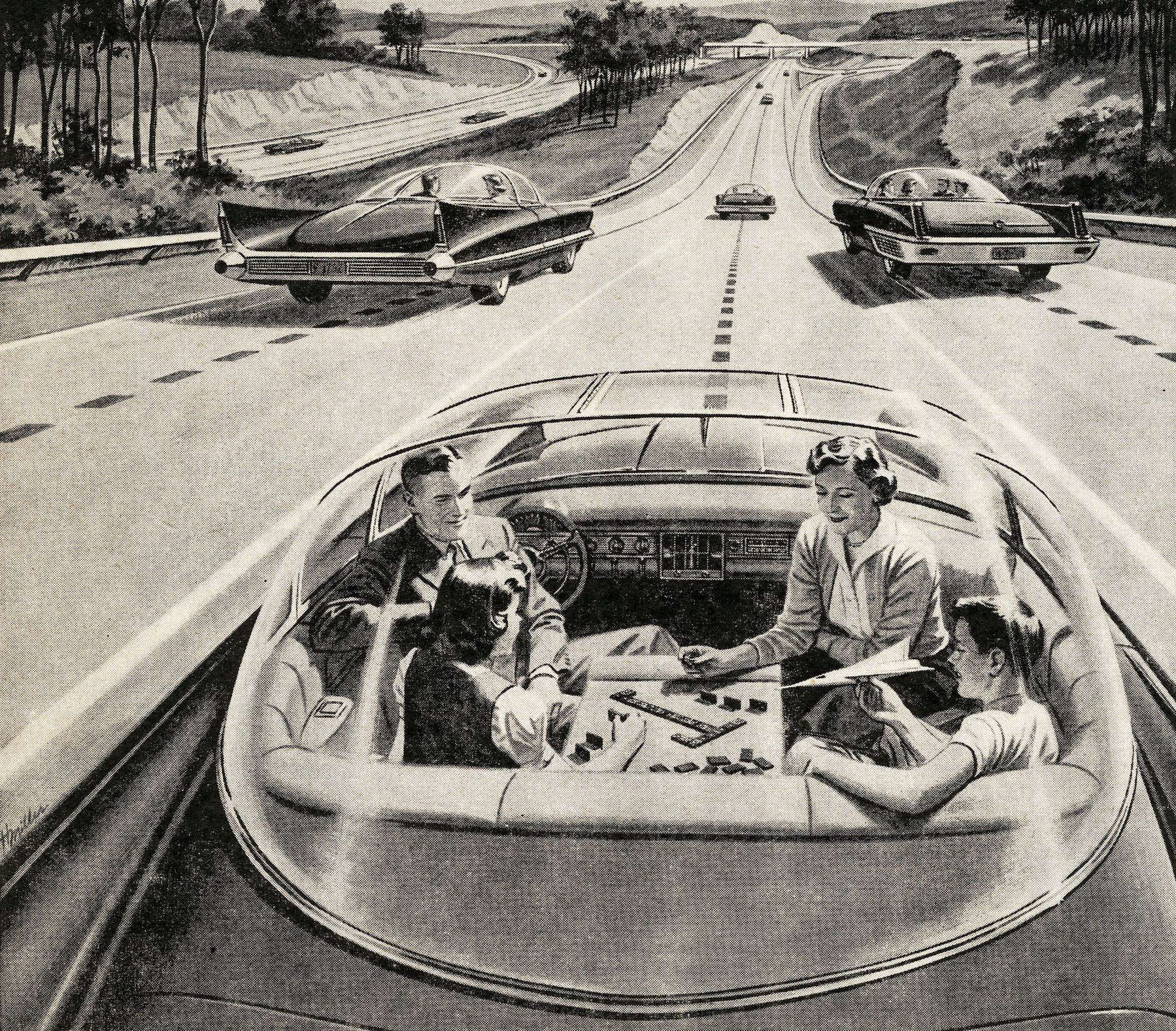
In the not-so-distant future, car drives YOU! Illustration: GraphicaArtis/Getty Images
This week on The CultCast: super-sized drones, app-controlled robot bartenders, smart coffee mugs and the coolest of gadgets from CES 2016. Plus, don’t miss our picks for the absolutely, positively, you-should-install-them-today, most essential Mac and iOS apps.
Our thanks to Harry’s for supporting this episode. Harry’s super-sharp, German-made razors ship free right to your door and for way less than drugstore razors. Learn more at Harrys.com and save $5 off your first order with code CultCast.
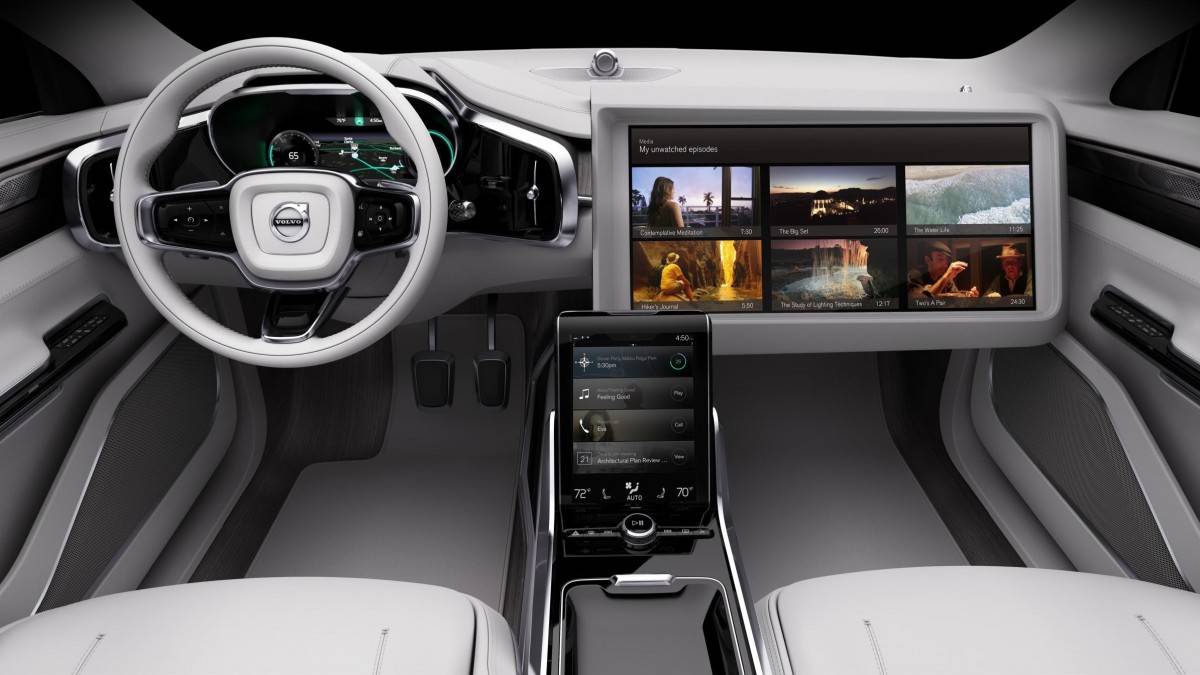
Volvo's Concept 26 shows what a Microsoft Car could look like. Photo: Volvo
Microsoft has brokered a deal with automaker Volvo to co-develop a driverless vehicle, according to a new report — putting it in competition with Apple’s rumored “Project Titan” Apple Car.
Find My iPhone has been invaluable at recovering lost Apple devices, but if you’re anything like me, keeping track of where you parked the car amid a sea of concrete and sedans is even harder than remembering where you dropped your selfie machine.
Apple’s latest patent filings reveal it has been working to solve those lost car disasters with an ingenious system that could be included in the future iPhones to guide you back to your vehicle, and it doesn’t even need an LTE or GPS signal.
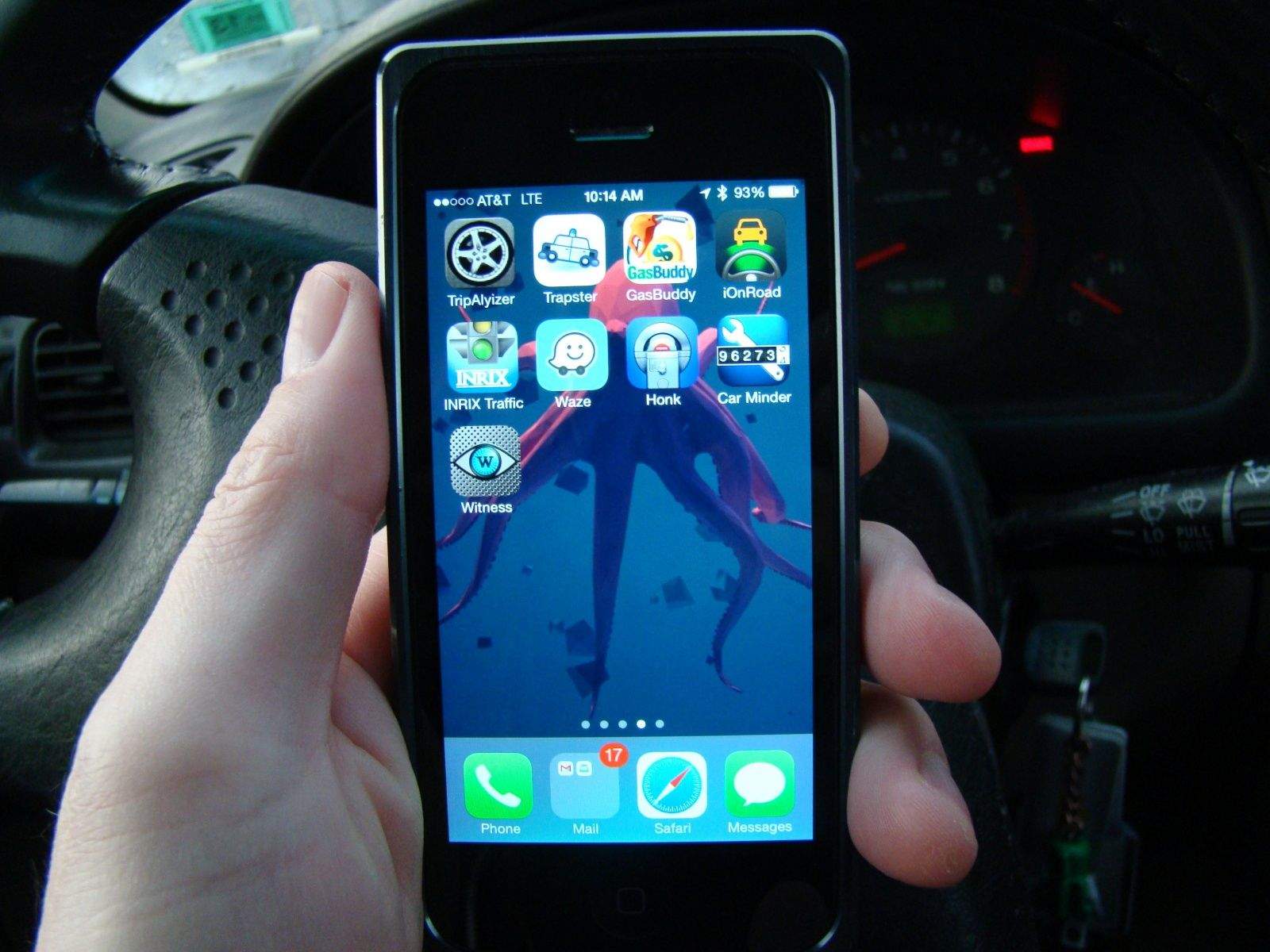
I was almost out of gas. I was also almost out of cash. I needed to find the cheapest source of fuel for my beat-up ride so I could get downtown to meet a friend for coffee. I pulled up GasBuddy, and within one tap I found the closest, cheapest gas station near me.
Once I gassed up, I hit a sweet parking spot just a few blocks away from the coffee shop. I launched Honk, swiped across the top to set the time on the meter, and took a photo of my car to make sure I could get back to it.
Sure, fine, it’s not a flying car, but this is as close to the future as this old beater is going to get, and it’s all thanks to my iPhone and a suite of apps.
I drive a 10-year-old Nissan Xterra. When I see new vehicles with technology like Ford Sync and Siri Eyes Free, I get jealous of the ability to send texts and answer phone calls without touching my iPhone. The most advanced thing my car can do is play audio from my iPhone through a stereo jack in the radio console.
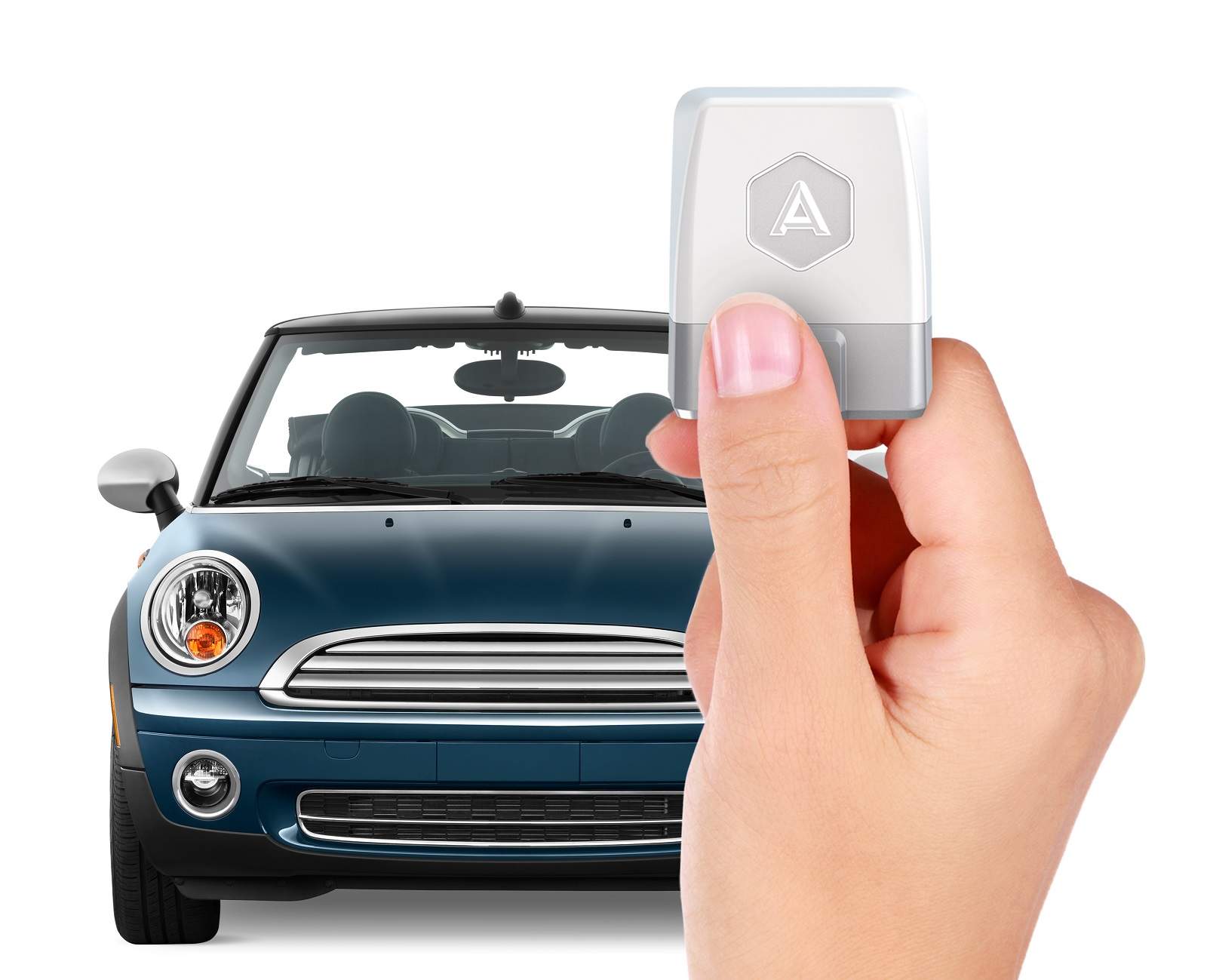
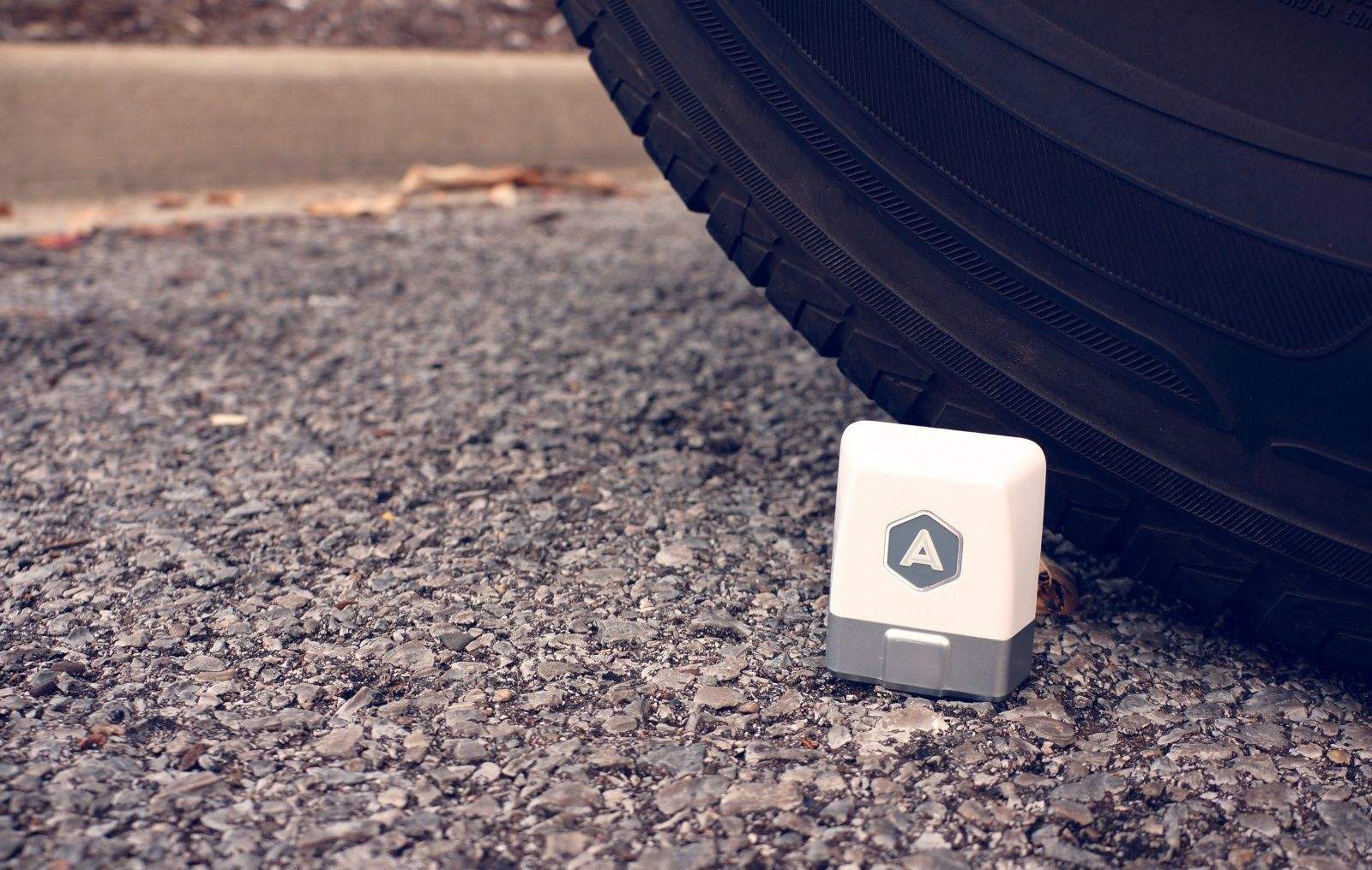
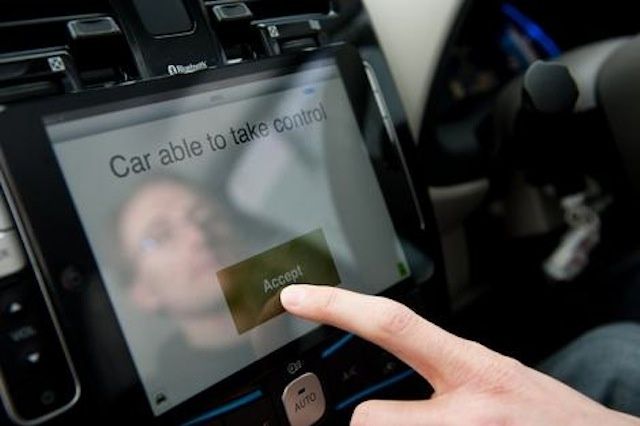
Combine the lack of cool tech in my whip and my obsession with the latest gadgets and I was immediately intrigued back in March when I heard about Automatic, a hardware/software startup based in San Francisco that’s pitched as a smart driving assistant. Unlike an expensive add-on that has to be installed by a dealer, the Automatic Link is a $100 dongle (Amazon link) that can plug into the car’s data port found somewhere under the steering wheel. It communicates over low-energy Bluetooth to an iPhone app that records your driving, analyzes your mileage, reads your check engine light, helps you find your parked car and more.
The feature that sold me was the ability to see what was causing my engine light to come on—a problem that has ruthlessly followed me with every vehicle I’ve owned so far. I immediately preordered and my Automatic arrived mid-October.
After using Automatic for about a month now, it’s real usefulness is starting to show. There are features about it I love, and it’s shown me how everyday technology, like an iPhone, can enhance the car experience. The Jetsons-like future of transportation isn’t here yet, but Automatic is a precursor of what’s to come. It gets me excited about how our personal computers will interface with cars in 10 years.
Ah, the open road. Nothing like some great tunes, an agreeable companion and endless blacktop to relieve the stress after — or enjoy a little peace before — that remote Thanksgiving gathering (note that I said a companion, as in singular; if you’ve got kids, I’m guessing you’ll probably want to fly).
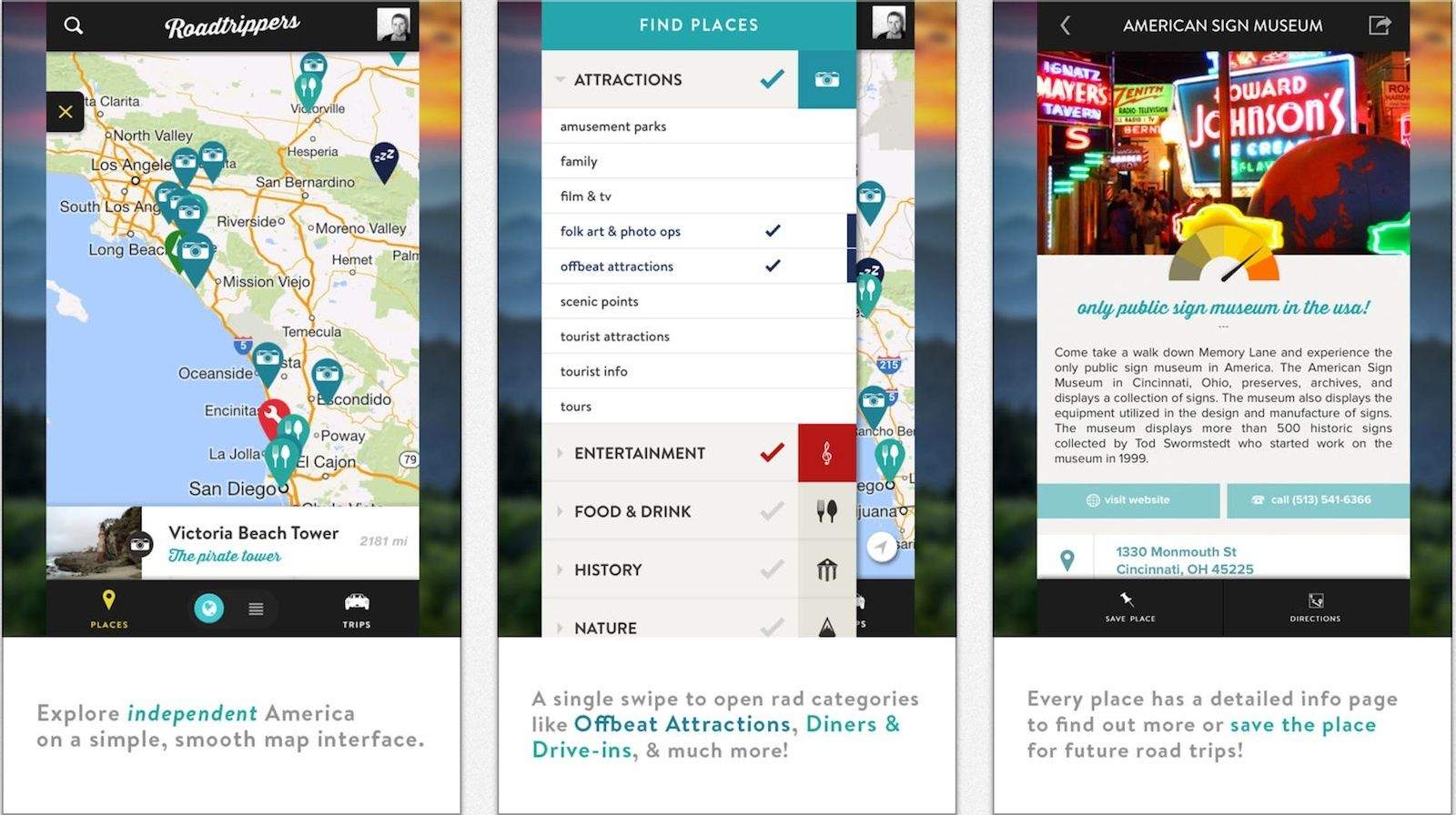
Before you head out, you might want to do a little planning with something like Roadtrippers, a helpful site and accompanying iOS app that can show you hip, hidden or just plain weird points of interest along your planned route.
Google’s algorithmically-driven cars may be partially designed to give commuters more time to surf the Internet (using Google, natch!), but if a new report from ABI Research is anything to go by, it’s Apple who have the real early adopter advantage in terms of connected in-vehicle infotainment systems.
ABI Research forecasts that shipments of such infotainment systems, equipped with one or more smartphone integration technologies, will grow substantially over the next five years — reaching 35.1 million units globally by 2018. Of these, ABI projects an impressive 49.8% will be running Apple’s “iOS in the Car”, the standard for allowing iOS devices to work with manufacturers’ built-in in-car systems as unveiled during the Apple Worldwide Developers Conference back in June.