Google Chrome’s app launcher, which lets Chrome users quickly find and launch their favorite web-based applications, is coming to Google Chrome for Mac OS X. Google has already begun work on porting the feature to Windows, but it’s also been found in the latest Chromium build for OS X.
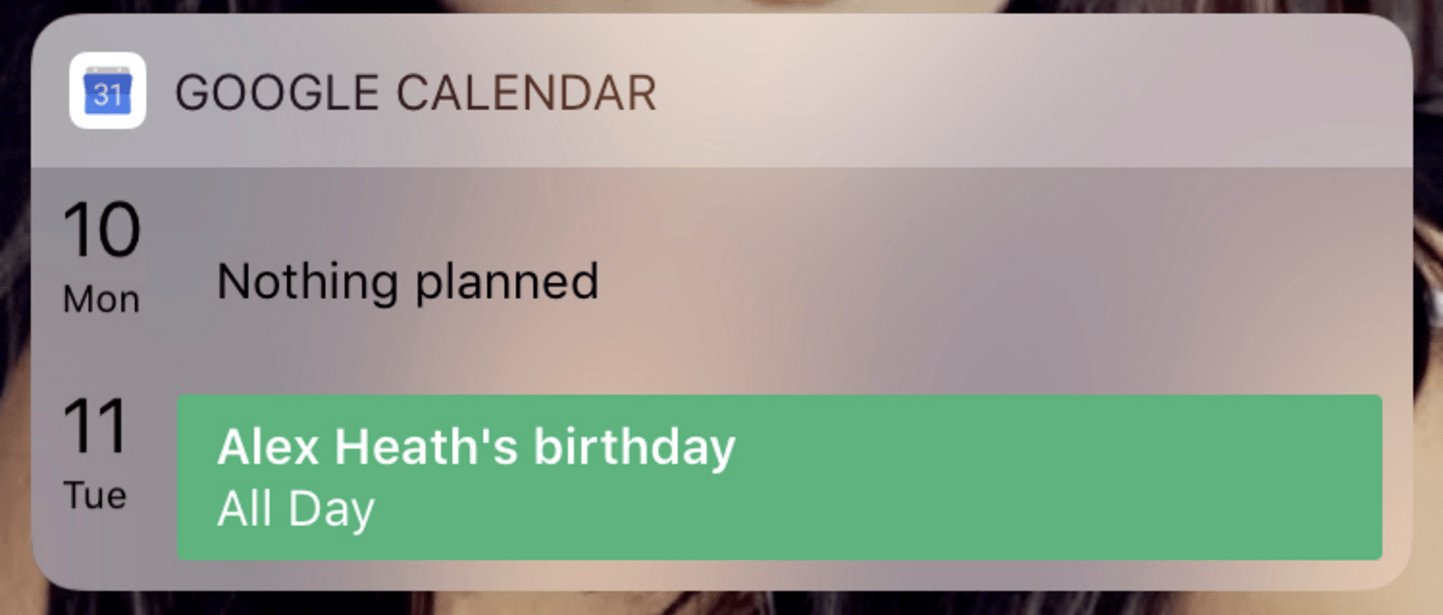
In OS X Mountain Lion, you can set a Calendar notification for a repeating event on your iPhone, then get that notification on your Mac. Heck, you can even set a Calendar event on your Mac and get it when you’re out and about with your iPhone or iPad. It’s all a part of Apple’s iCloud integration, and it works pretty well, most days.
But what if you really don’t want to be notified of a certain type of event when you’re on your Mac? With OS X Mountain Lion, at least, you have a few more options for notifications that come from Calendar. Check it out.
Six months after taking responsibility of software design, Jony Ive is hard at work overhauling Apple’s upcoming iOS 7 operating system. And according to sources for Bloomberg, the changes he is making are so significant that they run the risk of delaying the update’s release.
LinkedIn has launched a new iPhone app today called LinkedIn Contacts, which promises to make it easier to stay in touch with your most important relationships. It brings all of your contacts together in one place, then provides you with alerts for birthdays, job changes, and more.
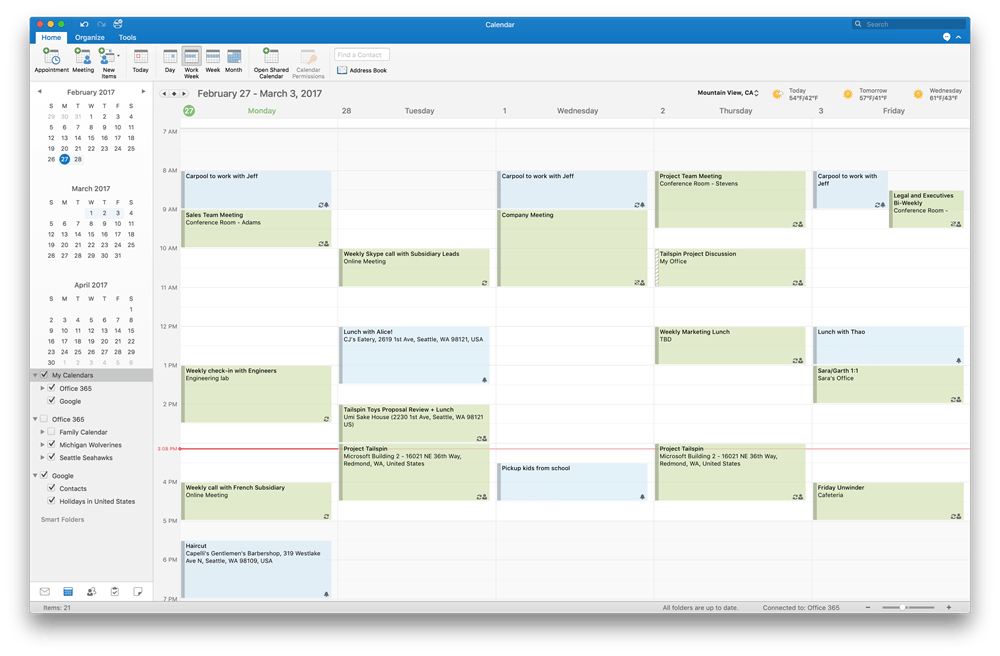
As a user of Google calendar, I’ve often ignored Mac OS X’s Calendar app, formerly iCal, for the bright internet lights of the easy to use, sharable online calendar from the folks in Mountain View, California.
I forget, though, that Calendar has a ton of great features for folks who really don’t need or want to use Google’s option, or who just want to stick with Apple products. There’s a dedicated group of folks out there that use nothing but Calendar, because it integrates well with iOS, comes free with every Mac, and pulls other calendars in, like Google Calendar.
So, here are five great tips to help you master this ubiquitous OS X app, Calendar (née iCal).
Create A Quick Event Using Natural Language
One of the cool features that I didn’t realize Calendar had until recently is natural language event creation in Calendar itself.
Remember that tip we gave you about showing more than seven days in a week in iCal? It’s been a while (and the app is now called Calendar), but there used to be a way to enable a Debug menu in iCal to allow you to open multiple windows, change the number of weeks that appear before and after the start date in Day View, and even show more than just seven days in a week.
Well, that debug menu has gone the way of Mac OS X Lion, but there is a cool Terminal command that does the same thing.
You know how when you use the iOS Calendar app, you can tap on the little arrows to the right or left of the Day or the Month? This will move you one unit per tap, so when you’re in Month view, you’ll move forward one month if you tap on the right arrow, and one month back if you tap on the left arrow. Same thing with the Day view: tap on the left arrow to move back one day, the right arrow to move forward one day. Simple, right?
Turns out that you can move through the calendar even faster in either Day or Month view.
The Mac OS X Calendar is great for a lot of things, not least of which scheduling reminders of appointments and such via the built-in alert system. But did you know that Calendar can do a lot more than that? It can alert you to an upcoming event with an Email or a Notification, and it can even open a file on schedule.
If you’ve ever wanted to open a website, MP3, or other such file on your Mac at a certain day and time, keep reading.
When you create a Calendar event, you have the option to have your Mac notify you of that event before it happens. In the case of an all-day event, however, you don’t have an easy option to change the time of day you’ll get the notification.
It can be done, however, with a little digging into the filesystem and a configuration file, letting you change the time of day you’re notified by default for all-day events.
In Mac OS X, Calendar now uses Notification Center to let you know when events are coming up, by default. What if you don’t want these notifications, or want them only for a certain kind of event, like a birthday or timed event?
Well, using the preferences in Calendar, you can do just that, setting things the way you want them, rather than the way Mac OS X has them by default. Heck, you can even turn them off completely. Here’s how.