Hold off on iOS 10 for now. Photo: Ste Smith/Cult of Mac
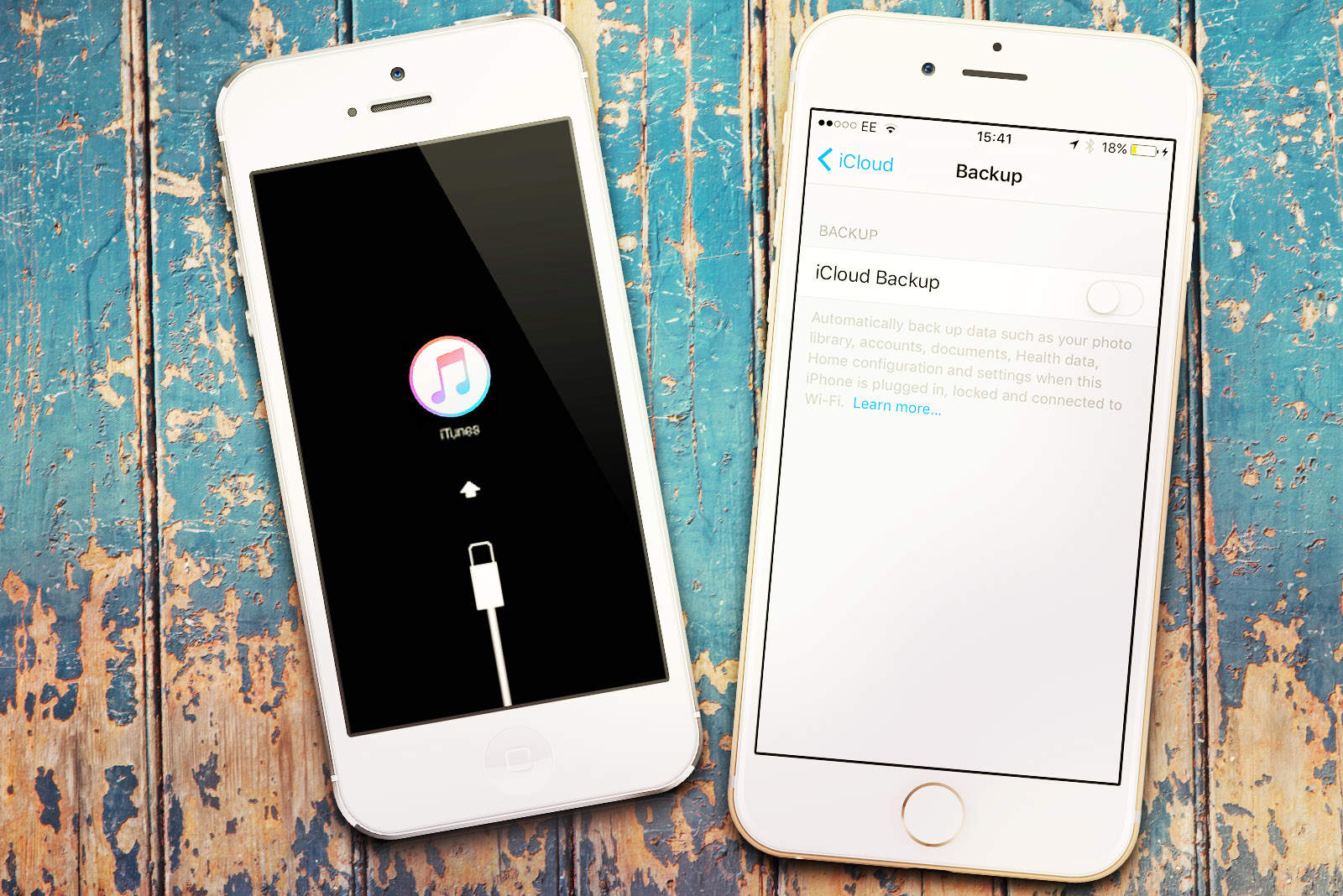
The long wait for iOS 10 finally ended this morning when Apple unleashed its huge software update on the world, but instead of getting a ton of new features, some iPad and iPhone owners report their devices have been bricked.
If you haven’t already installed Apple’s latest round of software updates, go do it now.
A flaw in earlier versions of iOS, OS X, tvOS and watchOS makes it possible for hackers to remotely steal saved passwords from your Apple devices without your knowledge.
Stealing movies is simple with Chrome. Photo: David Livshits/Alexandra Mikityuk
A worrying flaw uncovered in Google Chrome makes it even easier for pirates to download movies and TV shows from the web. Google was made aware of the issue a month ago, but the company is yet to release an update that fixes it.
Avoid Apple's latest update if you have a 9.7-inch iPad Pro. Photo: Ste Smith/Cult of Mac
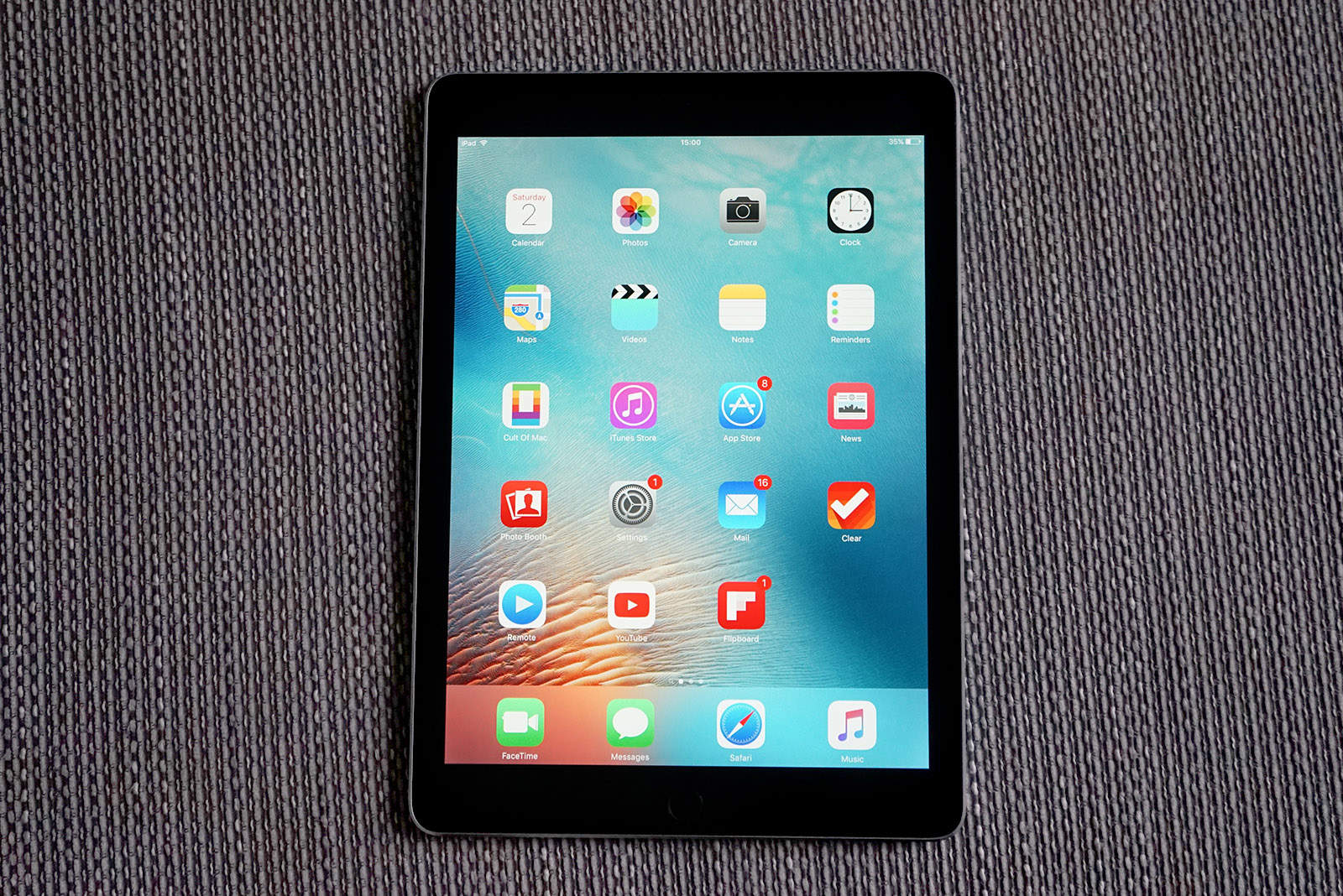
If you haven’t already updated your 9.7-inch iPad Pro to iOS 9.3.2, then you might want to wait. Some users are being plagued by a mysterious error that renders their device completely unusable after installing Apple’s latest software.
You're nothing on Twitter without the sacred blue tick. Photo: Twitter
A strange bug in Twitter’s official iOS app is allowing verified users to give other people blue ticks. The phenomenon occurs with a simple retweet, but unfortunately for those who aren’t official VIPs, the status is short-lived.
You're not trapped in the same account forever after all. Photo: Photo: Stephen Smith/Cult of Mac
Head into the App Store and get the latest Instagram update because it solves a huge problem: You can finally log out of your account. Ordinarily, this wouldn’t be a breakthrough new feature, but it is now if you’ve been severely confused about how to escape lately.
Apple's working to fix the problem. Photo: Jim Merithew/Cult of Mac
Apple has acknowledged the existence of a somewhat bizarre bug which bricks any iOS devices that has its date set back to 1970 — and confirms that a fix is on the way.
“An upcoming software update will prevent this issue from affecting iOS devices,” Apple notes on one of its support pages.
While there’s no word on exactly when this software update will be made available, it’s good to know that Apple is on the case.
Do not wind back the clock to the 70's on your iPhone. Photo: Buster Hein/Cult of Mac
There are many ways iPhone users can unintentionally brick their devices, but YouTuber Zach Straley may have just discovered the quickest way to turn your beautiful iPhone into a worthless slab of metal, glass, and silicone.
Simply set your iPhone’s date to January 1, 1970 and your device will become nothing better than a paperweight. The bug was supposedly found by a Chinese iPhone users who was trying to solve a date issue with iOS 9.3 beta 3. Not even a DFU restore will bring the device back to life once you set the time back to 1970 and reboot.
Straley posted a video of the bug in action. Needless to say, don’t try this at home:
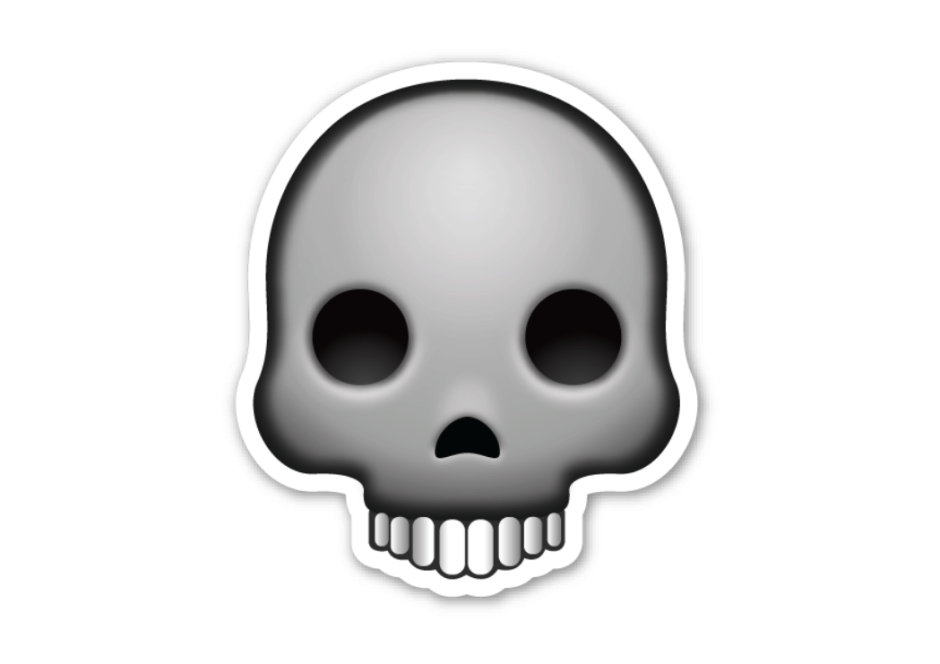
A mysterious Gmail bug is putting a skull and crossbones emoji inside users’ inboxes. Hovering over the icon displays creepy messages like “Component Spy,” “Chat Spy,” and “Data Spy” — but it’s actually totally harmless, and Google is already working to fix it.
Business is booming for the App Store. Photo: PhotoAtelier/Flickr
Sloppy coding in some popular iOS games allows hackers to give themselves and others thousands of dollars’ worth of in-app purchases for free.
The hole was discovered by developers at DigiDNA, creator of a backup tool called iMazing that allows iPhone and iPad users to access their devices’ hidden file systems. The developers found that the app backup/restore feature in iMazing 1.3 exposes weaknesses in the way games like Angry Birds 2 and Tetris Free handle in-app purchases.
To demonstrate how easy it is to hack in-app purchases using this method, the DigiDNA team tweaked Angry Birds 2 to start the game with 999,999,999 gems — the equivalent of $10,000 of in-game credits.
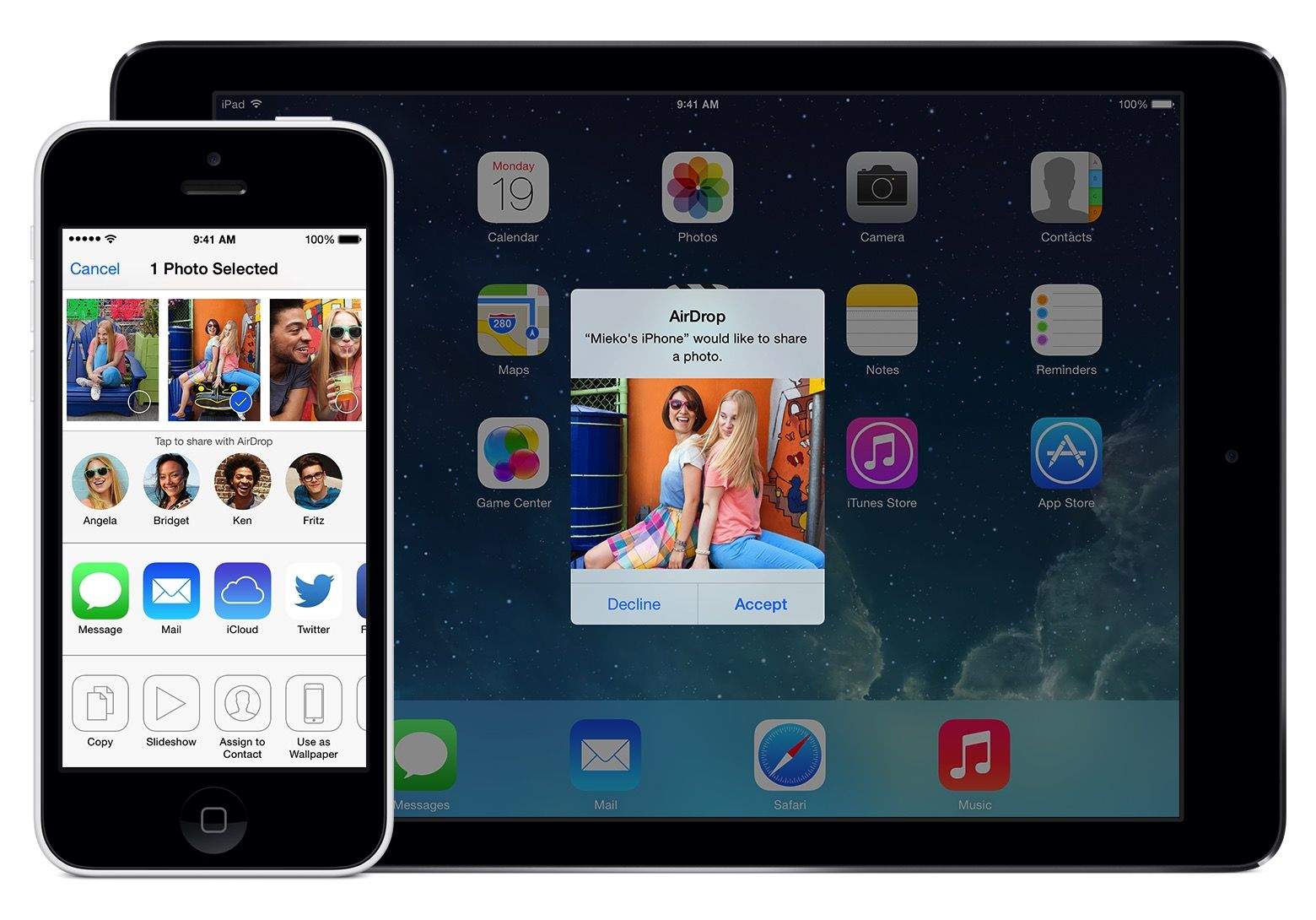
Hackers have just given iPhone and iPad users a big reason to upgrade to iOS 9 due out later today: it fixes a serious AirDrop security vulnerability.
Mark Dowd, an Australian security researcher with Azimuth Security, revealed this morning that iOS 8.4.1 contains a critic security flaw in AirDrop that could allow an attacker to install malware on any device within range. Worst of all, even if a victim tried to reject the incoming AirDrop file, the bug lets attackers tweak the iOS settings so the exploit will still work.
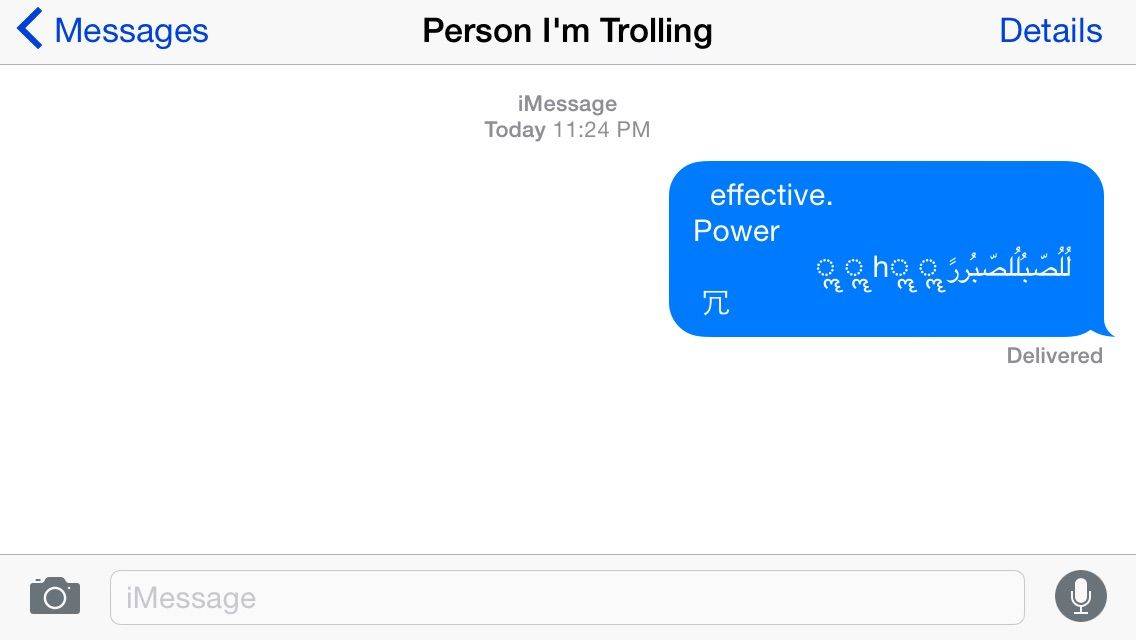
Evan likes to send malicious Unicode to co-workers. Screen: Evan Killham/Cult of Mac
Apple has confirmed the existence of the “Unicode of Death” security exploit in iMessages.
“We are aware of an iMessage issue caused by a specific series of unicode characters and we will make a fix available in a software update,” an Apple rep said today in an e-mail to Reuters.
The Freak bug went unnoticed for over a decade. Photo: Jim Merithew/Cult of Mac
A newly discovered security bug has secretly left Safari users on both iOS and OS X vulnerable to attacks on hundreds of thousands of websites for years.
The ‘FREAK’ security flaw was exposed today by a group of nine researchers who discovered web browsers could be forced to use an intentionally-weakened form of encryption. FREAK effects iPhones, Macs, and Android browsers, but Apple’s spokesman says the company will release a fix next week.
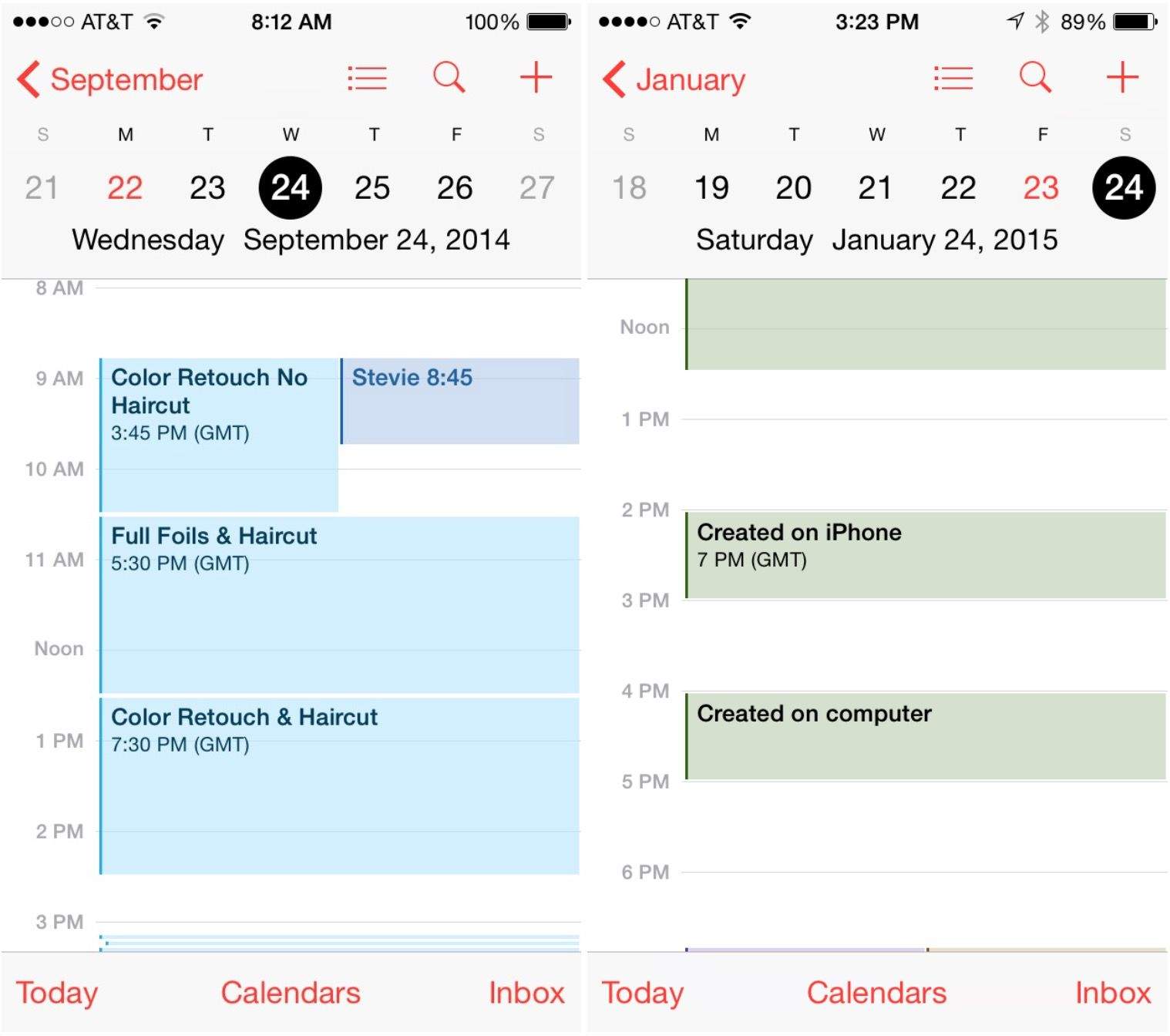
After four months, Apple has yet to fix a bad calendar bug in iOS 8.
A weird bug in iOS 8’s Calendar app has been making people pull their hair out for months. When adding events using either a Google or Microsoft Exchange server, the time zone is randomly synced to Greenwich Mean Time.
Complaints started surfacing around iOS 8’s release last September, and the issue still persists.
Today is Daylight Savings Time in the United States, which is always a hazardous time of year for owners of iOS devices. Why? Because try as Apple might they just can’t seem to release a version of iOS that does not have that are triggered by the switch to Daylight Savings Time.
No joke: Apple has had bugs come up in iOS after the switch to Daylight Savings Time in 2010, 2011, and 2012, while 2013 saw a similar New Year’s Bug screw up Do Not Disturb for device owners. Now here we are in 2014. Does iOS 7 contain a Daylight Savings Time bug?
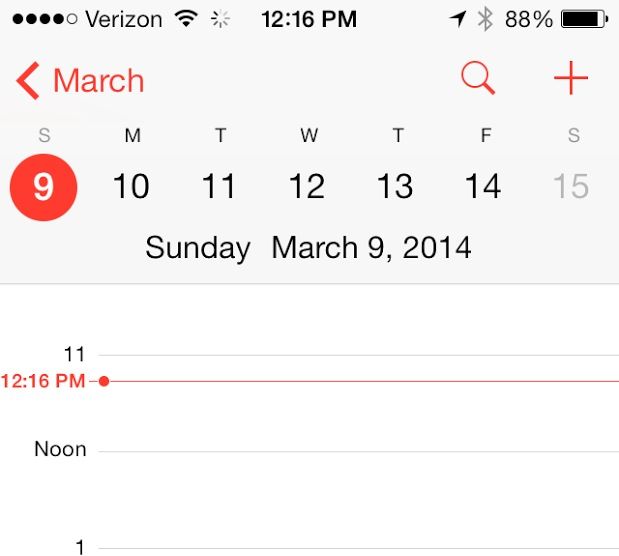
It does! If you open Calendar on your iOS 7 device, you will notice that while the time of your operating system is set correctly, the line marking the time in Calendar is an hour old. It’s a minor bug, but hey, how would we remember Daylight Savings Time at all if our iOS devices didn’t go wonky once a year because of it?
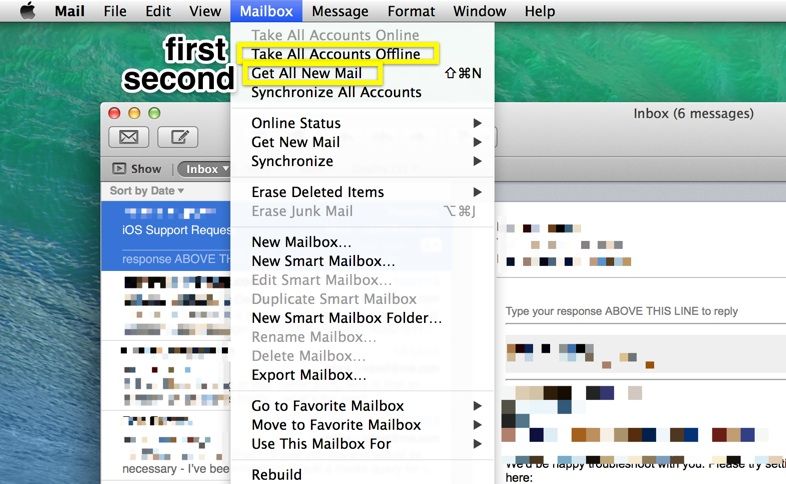
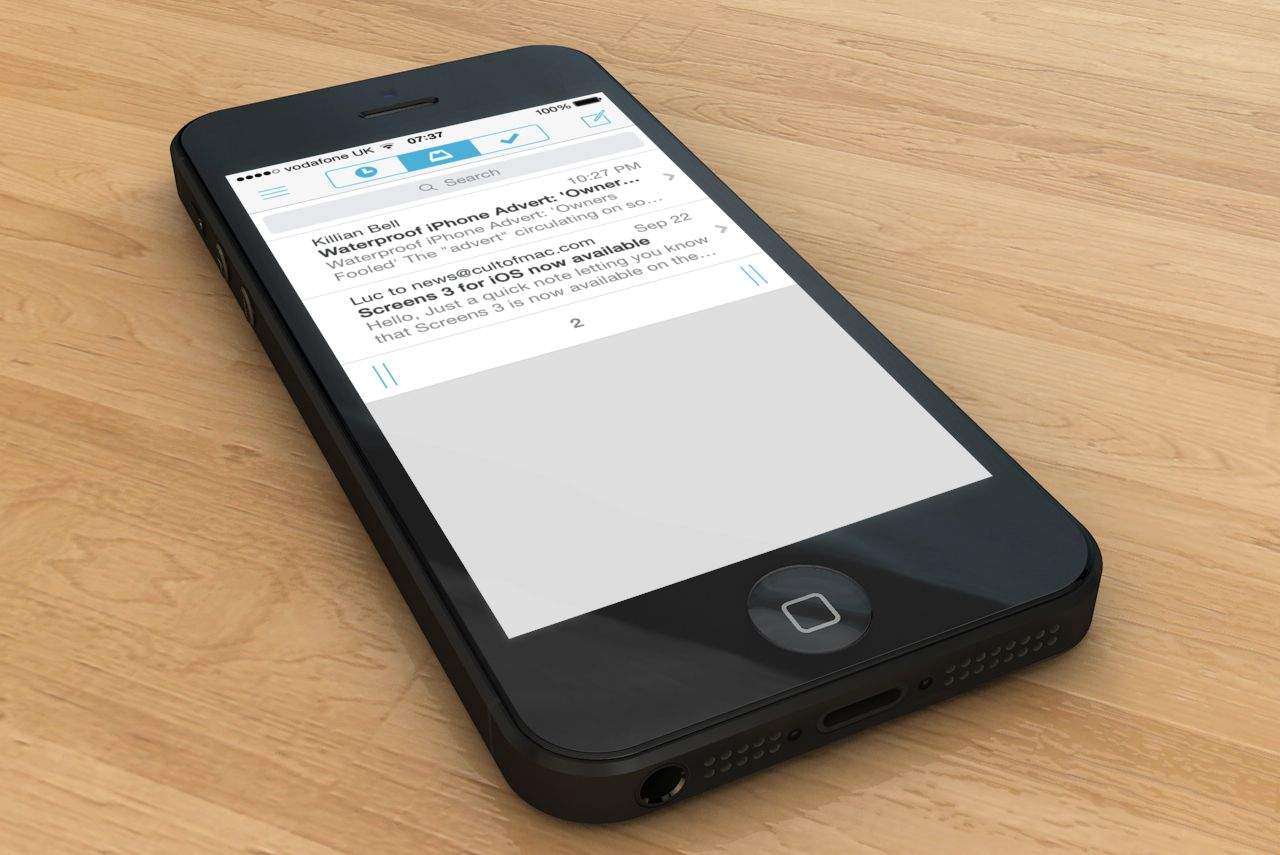
New email messages may only appear to arrive in your Mail app when you first launch the app. No new mail seems to arrive until you actually quit and then relaunch Mail.
If this is a problem for you, Apple has released a new workaround that will get your mail coming in without having to quit the entire app.
If you need it done quickly, you'll have to pay up. Photo: Apple
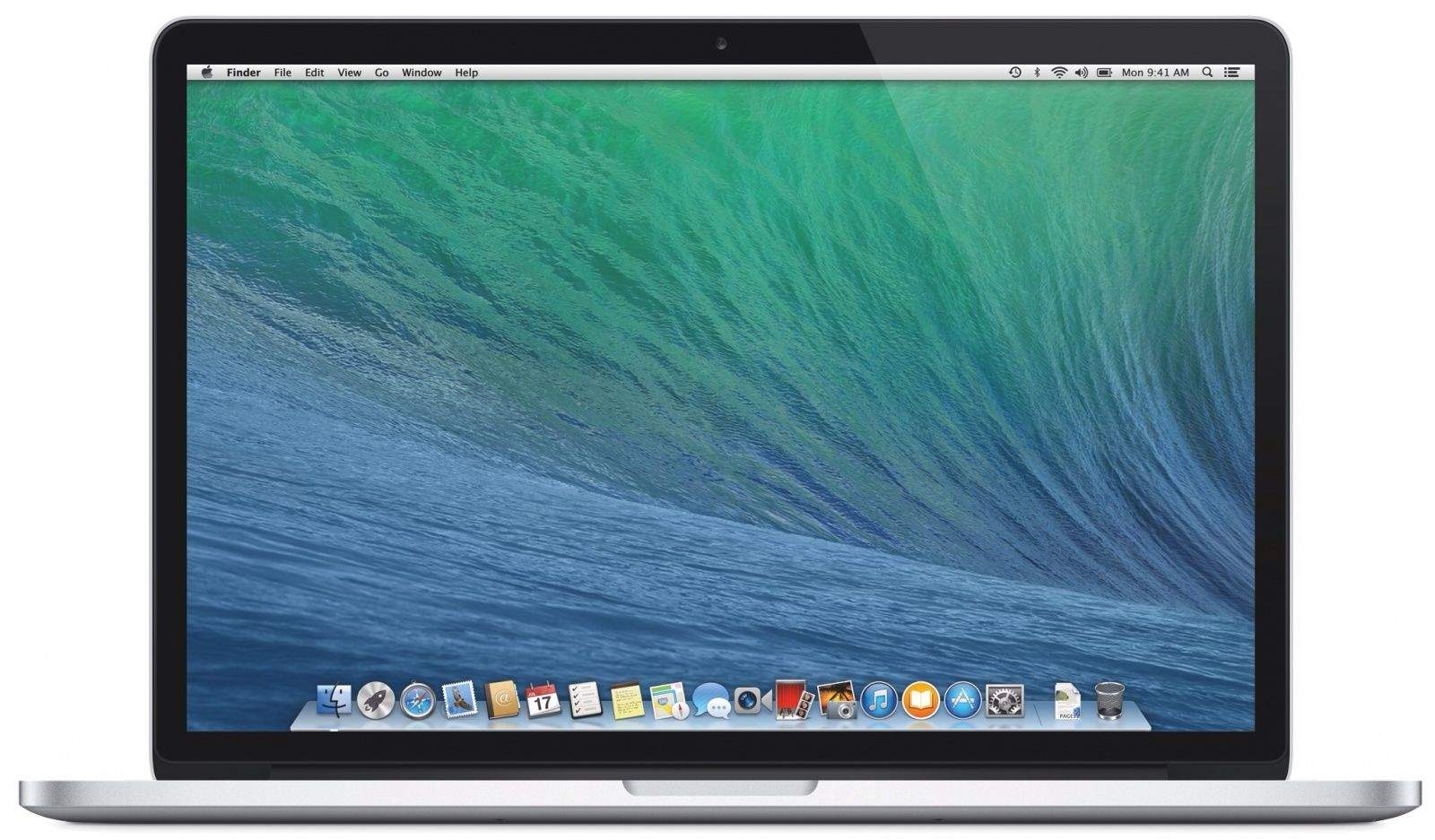
Apple acknowledge last week that some of its new 13-inch MacBook Pros with Retina display units were experiencing issues where the trackpad and/or keyboard became unresponsive after a few minutes of use. Any new 13-inch Retina MacBook Pro purchased after Apple’s October 22nd iPad event may have been potentially affected by the glitch, but Apple announced today that it has published a fix for the problem.
MacBook Pro Retina EFI Update V1.3 can be downloaded via the Mac App Store and promises to fix any glitches where the users trackpad and keyboard stop working on the late 2013 13-inch MacBook Pro Retina models.
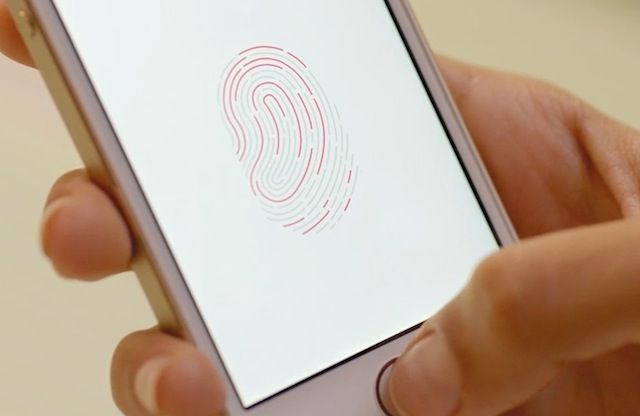
If you want to store two classrooms of third graders’ fingerprints on one iPhone 5s, then we’ve got the bug for you.
YouTuber Tom Rich found this interesting feature with Touch ID on the new iPhone 5s. So he did what any other good videographer would and made a video of it.
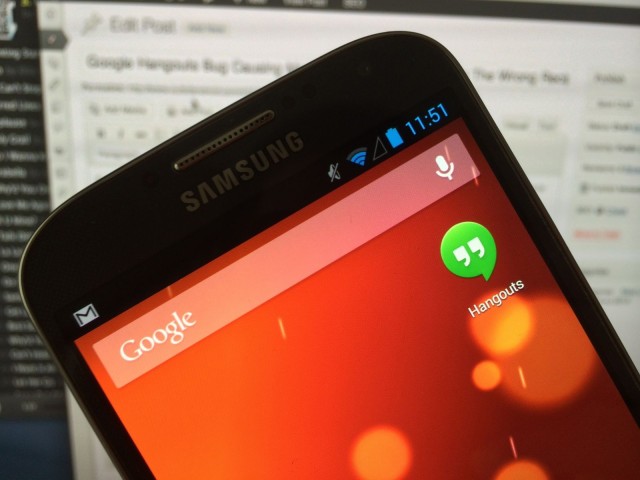
A somewhat concerning bug affecting a large number of Google Hangouts and Google Talk users is causing messages to be delivered to the wrong recipients. The problem, which appears to have started early this morning, is already being investigated by Google — but you may want to avoid using these services for the time being if you can.
Here at Cult of Mac, we love Mailbox, the third-party Gmail client for iOS. But since it was optimized for iOS 7, it has been plagued by a hugely frustrating bug that causes email accounts to be deleted at random. Fortunately, the app’s latest update — which is available from the App Store now — finally fixes the problem.
Apple’s Dev Center mysteriously went down for several days last week, and the Cupertino company revealed over the weekend that “an intruder attempted to secure personal information of our registered developers.” The site was closed immediately so that the potential for further threats could be eliminated.
It looked like Apple’s website had been hacked by someone trying to obtain our personal data, but according to one security researcher, it was his discovery of 13 bugs in the system which prompted the company to take action.
Apple has issued a software update for those running the third developer preview of OS X Mavericks. The release promises to patch a major graphics bug that could cause machines to “reboot without warning.”
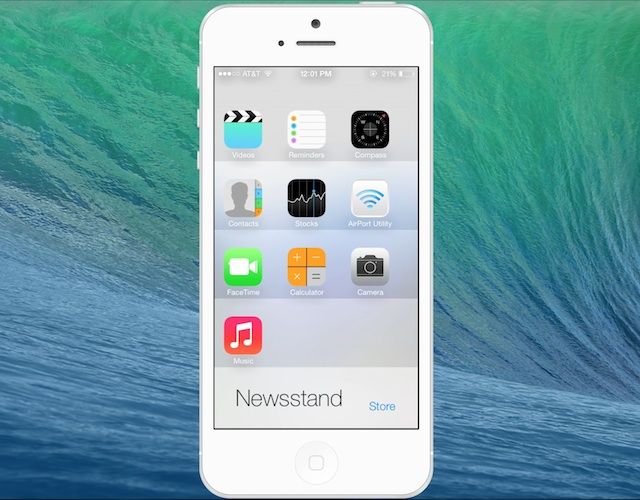
Not only can you finally put Newsstand in a folder in iOS 7, but a newly discovered glitch also makes it possible for users to place apps inside Newsstand.
Dom Esposito at App Advice discovered the new glitch this morning which makes for a great way to hide the default apps you never use. To get an app inside Newsstand, simply press and hold an app icon till it wiggles, then drag it above the Newsstand icon, after a second or so Newsstand will blink and you can drop app down into the Newsstand folder.
The only way to get apps out of Newsstand afteward is to either delete them, or reboot your iPhone.
The hack in question affected more than just Apple; Silicon Valley giants like Facebook and Twitter were also compromised. How exactly were hackers able to gain access to some of the biggest tech companies’ computers? The source is a single web forum for iPhone development.
Earlier today we told you about a lockscreen bug in iOS 6.1 that allows someone to get past your passcode and into your contacts and photos. The process of replicating the bug is pretty tedious, but it’s still a nasty security bug Apple needs to fix.
The good news is that Apple is aware of the lockscreen flaw, and the company has confirmed that it will be fixed in a future iOS update.