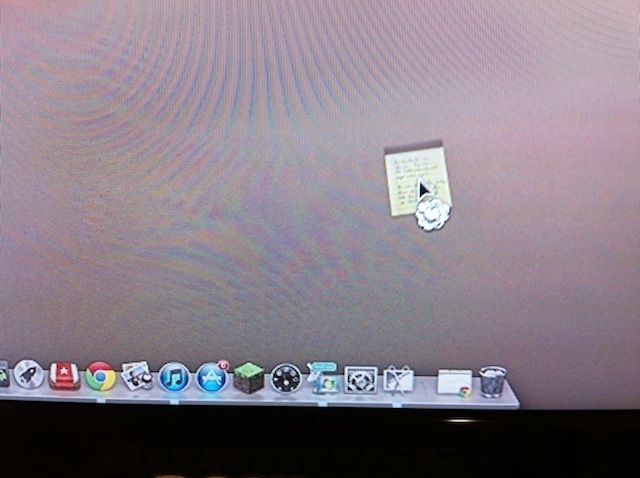
Have you tried to get rid of an application or document from the Dock after an upgrade to Mountain Lion? Before now, it was a simple drag and release: click on the offending icon, drag it away from the Dock, and let go. The little “poof” cloud would appear and the icon would be gone from the Dock. New OS X users would freak out, crying, “You got rid of my app!” and I would laugh. Also, I would show them where the actual app was, and how to put the icon back in the Dock, as the icon is simply a pointer to the real app. But I digress.
In Mac OS X Mountain Lion, this doesn’t work in quite the same way anymore. Try to click, drag, and release just ends up with the icon speeding back to its previous place in the Dock. You want to get rid of it? You have to learn a new, subtly different behavior.
iPhoto’s latest update brings new sharing options for those running Mountain Lion.
Following the release of OS X Mountain Lion this morning, it seems Apple is also pushing out updates to its applications to ensure they’re compatible, and to take advantage of new features. One of the apps on that list is iPhoto, which now has new sharing options in version 9.3.2.
This is the first tablet Apple will need to be aware of.
Since its debut back in 2009, the iPad has dominated the tablet market. At the time of writing this piece, the device holds around 55% of the market share in the United States. Rival tablets from the likes of Amazon, Samsung, and HTC have tried to do battle with it, but they’ve had very little impact on its success.
But there is one tablet that Apple will need to keep its eye on: Microsoft’s new Surface. It’s already being dubbed an “iPad killer” by some, and although we’re skeptical the Windows-powered slate will “kill” Apple’s device, there are a number of reasons why the “Pro” variant will have more of an impact than you think.
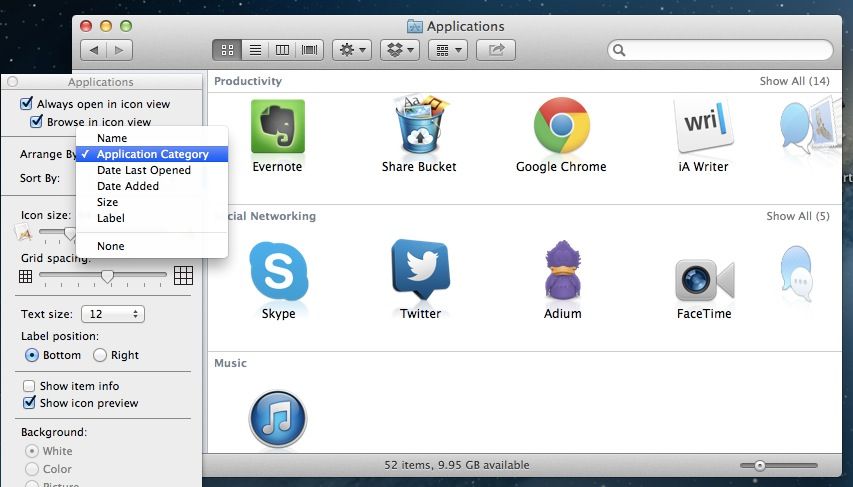
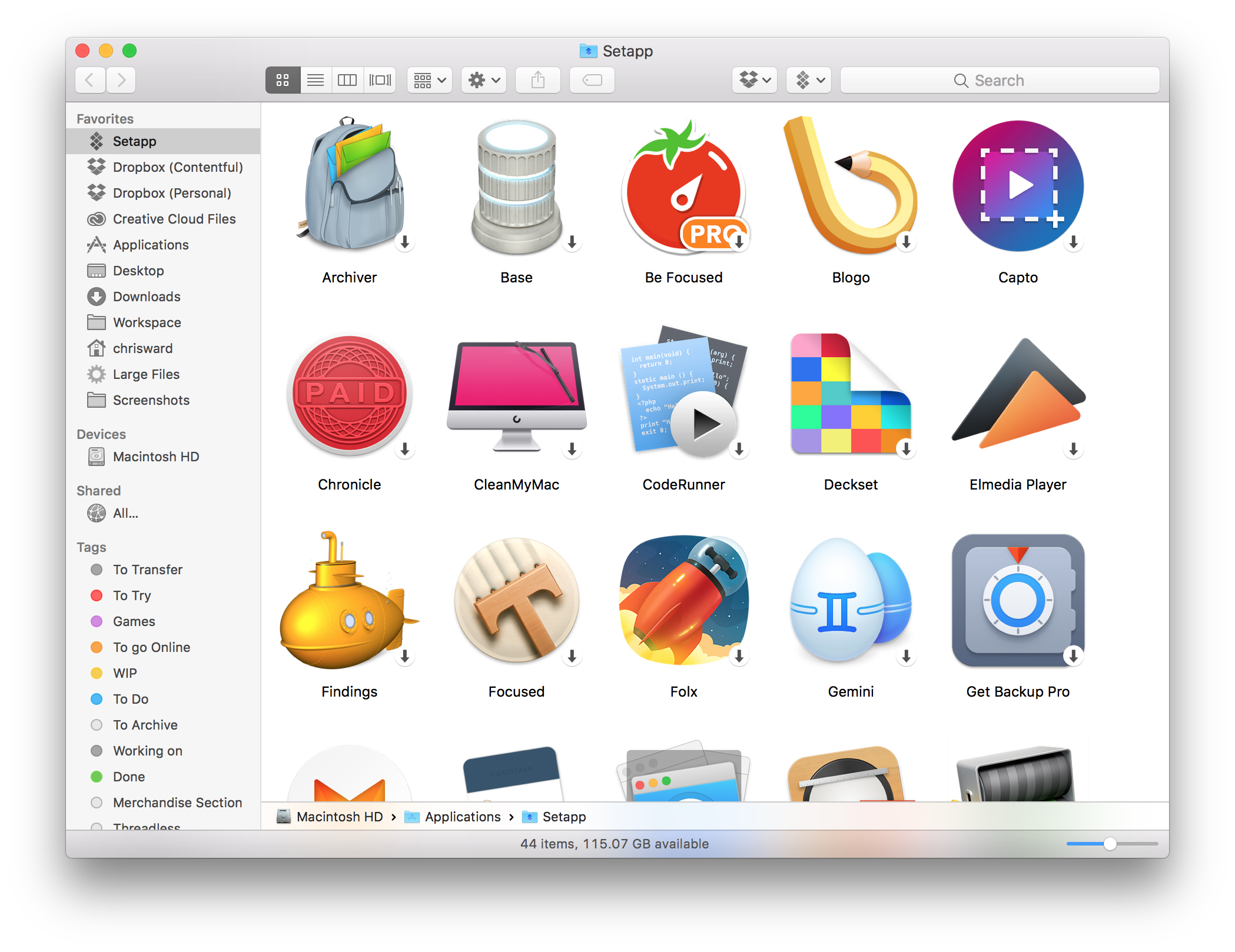
I don’t know about you, but I’m constantly reaching up to swipe or tap on my Macbook Air display, unconsciously attempting to use it like an iPad. While today’s tip may make things even worse by turning the Finder into an iPad-like grid of iOS-style icons, I’m willing to take the risk to make my Mac look that much cooler.
If you haven’t taken advantage of our latest Cult of Mac deal — The Mac Superbundle — you’d better hurry. You’ve only got a few hours left to pick up 10 great apps at a fraction of their regular price.
DigiTimes has revived speculation that Apple will release two new iPads this year, citing “industry sources in Taiwan” who claim we’ll see an iPad 3 complete with a Retina display in March, and a much improved iPad 4 with “killer applications” in October.
As Apple pulls us all forward into the Next Great Thing, some widely-used Previously Cool Things get left behind. It’s happened with HyperCard, PageMill, and all PowerPC-only applications. Today one reader ponders the uncertain future of his favorite program, iWeb:
I bought my first Mac in ’85… Being an Old’nAging Geezer I saw that an encroaching Class of ’61’s 50-year Reunion deserved a website so I volunteered, commandeering iWeb for the very first time (successfully aided by FileZilla and my generous wonky Mac-pal Greg) to ultimately be rewarded by several of my classmates and a few fanboys’ sporadic kudos–AND proving once again that old, time-proven saw of Macintosh’s unassailable user friendly superiority.
All that to bring me to this QUESTION: Will iWeb live?
Here’s a quick trick that lets you open files in the application you want, even the app in question thinks it can’t understand that file type. This can be useful with some older word processing files, for example.
Here’s a good resource to take a look at if you plan on upgrading to OS X Lion this month. Roaringapps.com is a crowd sourced application compatibility database for OS X Lion. The site depends on user input about the compatibility of existing applications running on Snow Leopard or whether or not apps will need Rosetta.
Lodsys seems to be hell-bent on ruining things not just for application developers but for Apple as well, and it seems owing to its new-found skill in patent trolling for the odd buck, the App Store’s approval process for in-app purchases has now been frozen.