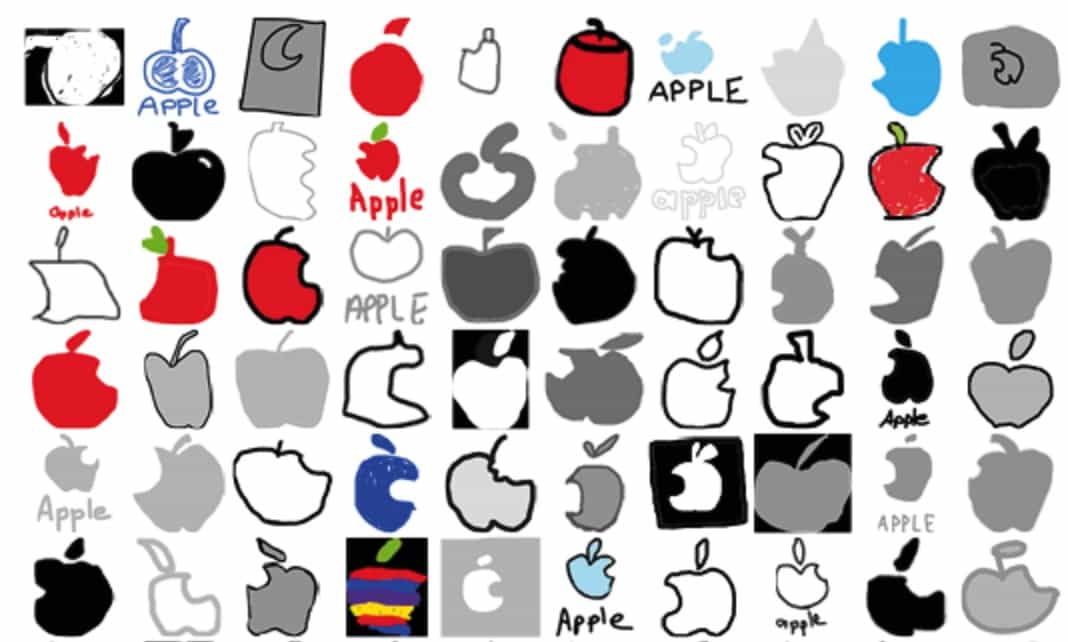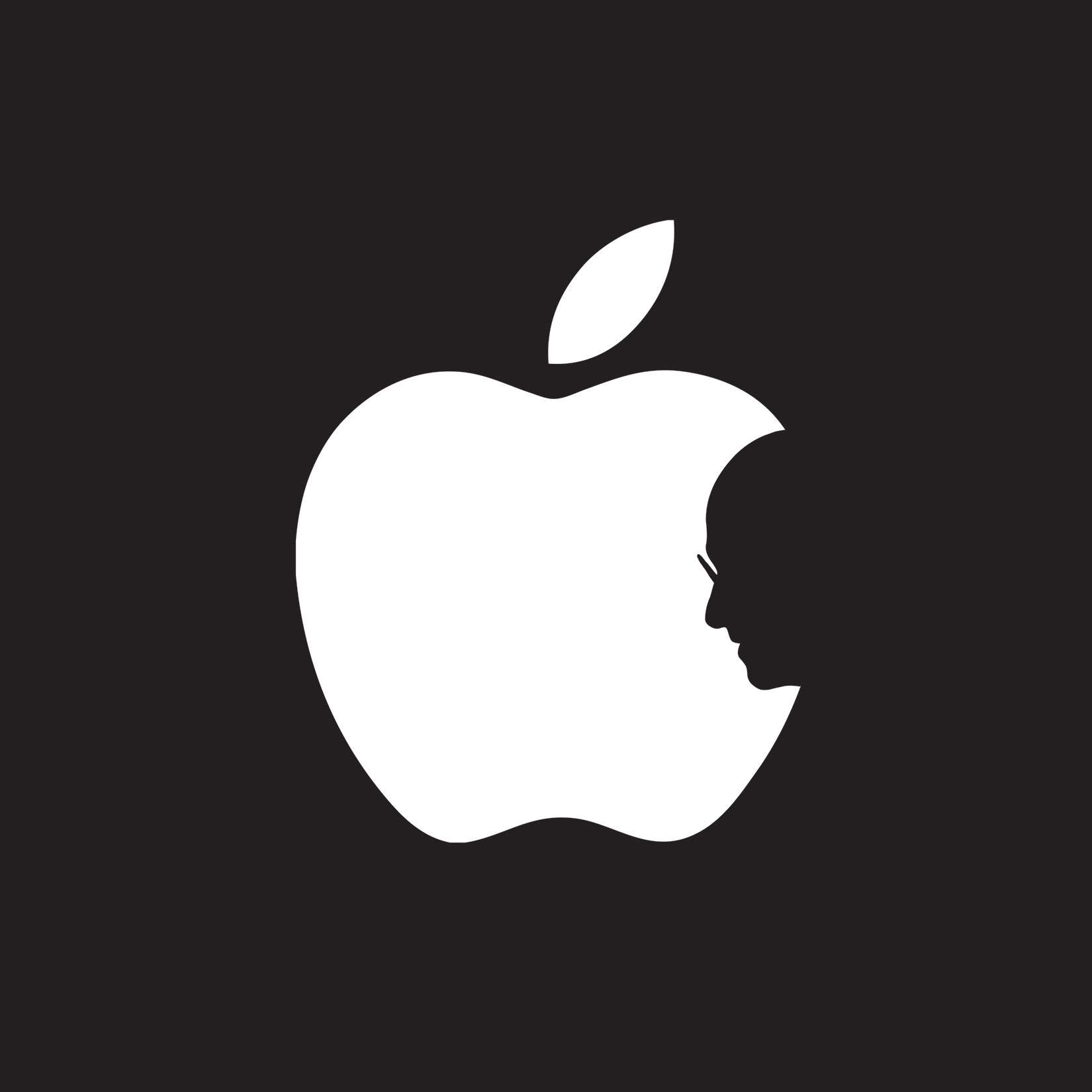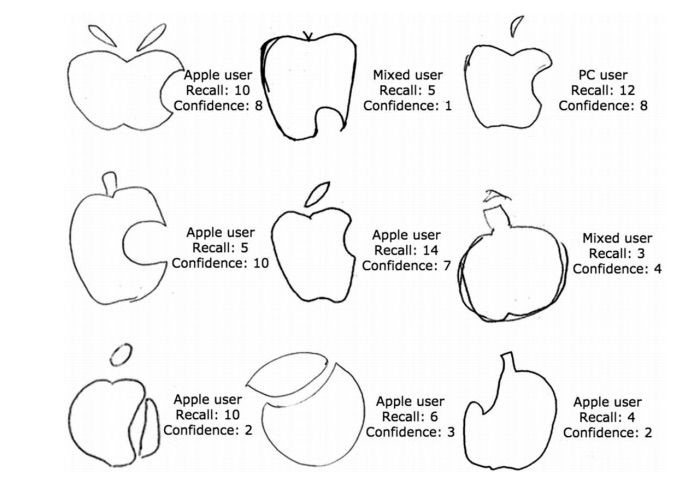
What are you supposed to do with all the Apple logo stickers you get with each iPhone, iPad, and Mac purchase? Like, yeah I guess you could put one on your car if you’re into that, but then what do you do with the other 24 stickers you’ve collected over the years?
Redditor ebinellis decided to go super-meta and make an Apple sticker made out of Apple stickers. He says it’s still a work in progress, but unless he turns it into a Steve Jobs Apple-sticker-mural we think his work here is done.
Some radical Orthodox Christians in Russia are starting to have a hard time with Apple’s logo that decorates every iPhone, iPad and MacBook. These Russian Orthodox believe that the half-bitten logo is anti-Christian and represents the act of original sin committed by Adam and Eve in Garden of Eden when they first bit into an apple from the Tree of Knowledge.
To get past Cupertino’s symbol of evil while still using their products, many radical Orthodox, including priests, have swapped the Apple logo out for the much more “holy” image of the cross, a symbol of Jesus Christ.
Is this what the Option (⌥) symbol is supposed to represent?
The Apple Command key (or, as you might better know it, ⌘) has a beautiful and clear history. Originally, the ⌘ key was an Apple symbol instead, but Steve Jobs thought that using the Apple logo as a keyboard shortcut in the original Macintosh’s menus was “taking the logo in vain” so he tasked the great icon designer Susan Kare to find a solution. The symbol she chose was the traditional clover symbol we all know today, chosen because it is commonly used in Scandavaniva to indicate a tourist attraction or place of interest.
Interesting, right? Unfortunately, there’s no related story as to why the Option key has its own unique (and very abstract) symbol: ⌥. Marc Edwards’ brilliant take on what the ⌥ symbol means is doubtless revisionist history, but I love the visual metaphor of a train switching tracks. That may not be the real tale, but it should be.
Every so often, an iOS accessory maker takes advantage of a little-known or little-used feature to create a really unique product that no one else thought of. The FLASHr from Phaze5 is a Kickstarter project that falls right into that category. It’s an iPhone case that lights up whenever you receive a call, text message, or email — but there are no LEDs built-in. Instead, it uses your iPhone’s flash and the LED alert feature in iOS 5.
We’re still digging up new iOS 6 features. Image courtesy of William Gamache ((sorry, you need Javascript to see this e-mail address)).
It’s been a week since Apple released its first iOS 6 beta, and we’re still digging up new features. We reported some improvements to the keyboard this morning, and now we’ve found some enhancements to Spotlight and wallpaper settings.
Unless you go for a boring old transparent hard case for your iPhone 4, you’re going to cover up that Apple logo on the back of your device when you slap a case on it. However, like those stick-on decals that you can buy for your MacBook, these iTattoo Snap cases compliment your Apple logo beautifully.
We’re all huge fans of the iconic glowing Apple logo that lights up every time we open up our MacBooks, so wouldn’t it be nice to have the Apple logo on the back of our iPhones do the same? Thanks to Andy and Chris at the U.K.-based iPatchiPhone & iPod repair specialists, you can have your iPhone 4 modded to boast a glowing Apple logo every time your screen lights up.
We don’t know who made it (J.G. Thirlwell, perhaps?).
We don’t even know if there’s an iPad or iPad 2 ensconced within this case’s leathery, plush-lined folds.
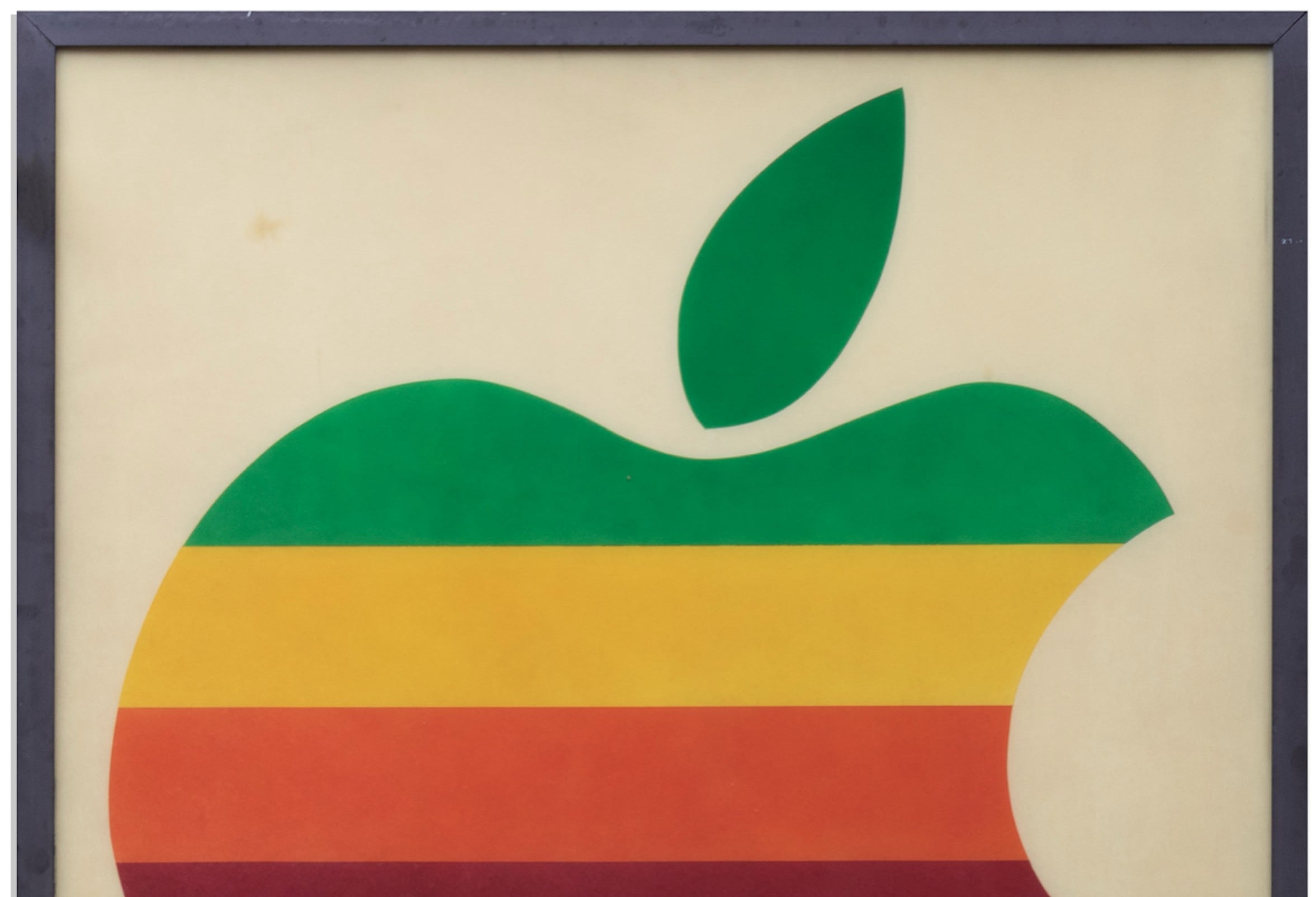
We’d love to find out (tell us if you know), but until we do, mere ignorance will not stop us from posting this exquisite iPad Case, because all we can see is that gorgeously medieval gold emblem, showing Isaac Newton lazing under an apple tree, waiting for the full weight of gravity to come crashing down on his head. That was Apple’s original logo back in 1976.
Australian retailer Woolworths is buying time in the latest Apple logo dispute.
At the core of the corporate tussle is a “W” logo of a peeled apple with leaf filed back in August 2008 for the 80-year-old supermarket chain.
The new logo was supposed to symbolize fresh produce, but speculation was that Apple opposed it because the retailer might also slap blanket trademark on “fresh” computer products and home electronics, causing confusion for customers. Woolworths already sells own-brand credit cards and mobile phone plans.
Apple Rush, based in Dolton Illinois, sells apple juice and sparkling beverages in bottles and cans through a network of 40 distributors in the U.S. and abroad.
Granted, since confusion is one of the cornerstones of trademark infringement, unless consumers are likely to mistake a sparkling beverage with an iPod — though an Apple energy drink, to make your computing breezier would be pretty nifty — this one may end up in the copycat hall of shame instead of the courts.