The European Commission’s Vice President for Competition Policy, Joaquín Almunia, has confirmed that it will charge Samsung ”very soon” in an antitrust patent case after the Korean electronics giant broke competition rules by filing patent-infringement lawsuits against Apple. Samsung has been under investigation since January for a possible breach of antitrust rules, and earlier this week, it dropped all of its injunction requests against Apple in Europe.
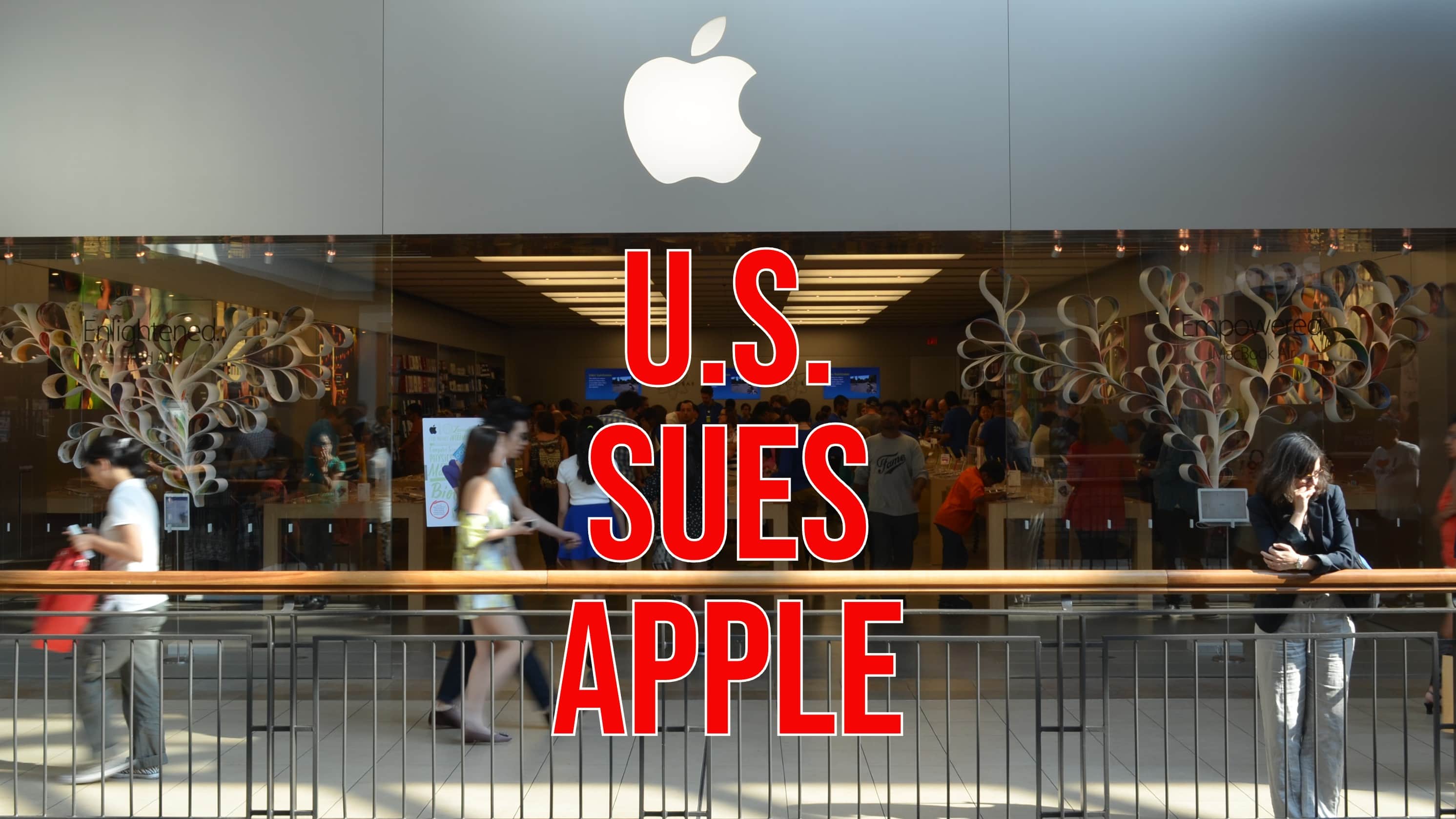
A US judge today set a trial date for the US government’s lawsuit that accuses Apple and book publishers of conspiracy to fix the price of e-books. The case will begin June 3, 2013 and is based in part on antitrust charges, with the US Justice Department claiming that Apple colluded with five book publishers to artificially inflate electronic book prices in early 2010, when Apple was releasing the iPad.
The app that broke Amazon's monopoly, or the head of a conspiracy?
Last week, the Department of Justice filed its lawsuit against Apple and several large publishing companies alleging a complex conspiracy to fix e-book prices and to limit competition among e-book retailers. It didn’t take long for Apple to fire back in a public statement, claiming that the allegations set forth in the DOJ’s complaint “were simply not true” and that Apple’s actions actually served to break “Amazon’s monopolistic grip on the publishing industry” and to encourage – not hamper — competition. Who’s telling the real story?
iOS users in Germany will no longer see iCloud emails pushed to their devices thanks to Motorola.
Apple has lost an appeal against a court ruling in Germany to have its iCloud push services restored. The service was disabled back in February after it was ruled that Apple had infringed on patents owned by Motorola Mobility. While iCloud is still available, users now have to open up their Mail app and fetch new email manually, or set their device to fetch email at certain intervals.
The U.S. Department of Justice recently accused Apple of conspiring with book publishers to thwart Amazon’s power over eBook pricing. Today Apple has responded saying that “the DOJ’s accusation of collusion against Apple is simply not true.”
It’s long been rumored that the Department of Justice would file an antitrust suit against Apple for e-book price fixing, but now it’s happening, as the United States DoJ just filed such a suit against Apple, Hachette, HarperCollins, Macmillan and Penguin.
At issue here is Apple’s attempt to overthrow Amazon’s hegemony on e-book selling by collaborating with publishers ahead of the iBookstore launch to standardize how much is charged for e-books, not just through Apple, but through Amazon as well.
Although many EU consumer laws already guarantee twice as much protection, Apple can continue to rip off customers there by selling AppleCare extended warranties.
Lawyer Carlo Piana told Cult of Mac that although Apple lost its appeal over fines for unfair business practices in an Italian court, that probably won’t affect Apple’s stance in the rest of the EU-27, although consumer laws are “harmonized” across member states.
iPods in Rome (Photo/PitsLamp photography - http://flic.kr/p/EVR7x)
You probably throw most product warranties in the trash without reading them. Not so for an Italian antitrust group, which found Apple retailers’ one-year guarantee lacking and fined the Cupertino, Calif. company 900,000 euros or $1.2 million.
Photo by Nine is the Magic Number - http://flic.kr/p/af6ZBL
Did Apple conspire with major publishers to increase e-book prices? The European Commission has launched an antitrust probe of Apple and five publishers amid claims the industry was “terrified” by Amazon’s $9.99 e-book push. At the heart is Apple’s iBookstore and the tech giant’s “agency model” that a California lawsuit charges inflated book prices.
Photo by World Economic Forum - http://flic.kr/p/6jiq5C
After 13 years, Microsoft will no longer be scrutinized by the Department of Justice. The timing is apt, because Apple has supplanted Microsoft as the biggest company in tech — and with Apple’s rise in fortunes come its own anti-trust concerns.