Ever wish that you could change the font size in your iPad web browser? Well, with NaviDys you totally can. You can also switch up the font, and adjust letter spacing and line spacing. What is this browser? A type nerd’s dream? Well, maybe, but really it’s designed to make things easier for the visually impaired.
Amazon’s Kindle app for iOS hasn’t always been as accessible as Apple’s own iBooks, but that changed today with a new update that adds VoiceOver support, among other new accessibility features. Kindle will now read aloud over 1.8 million books, allowing those who are visually impaired to kick back and listen to theirĀ favoriteĀ titles.
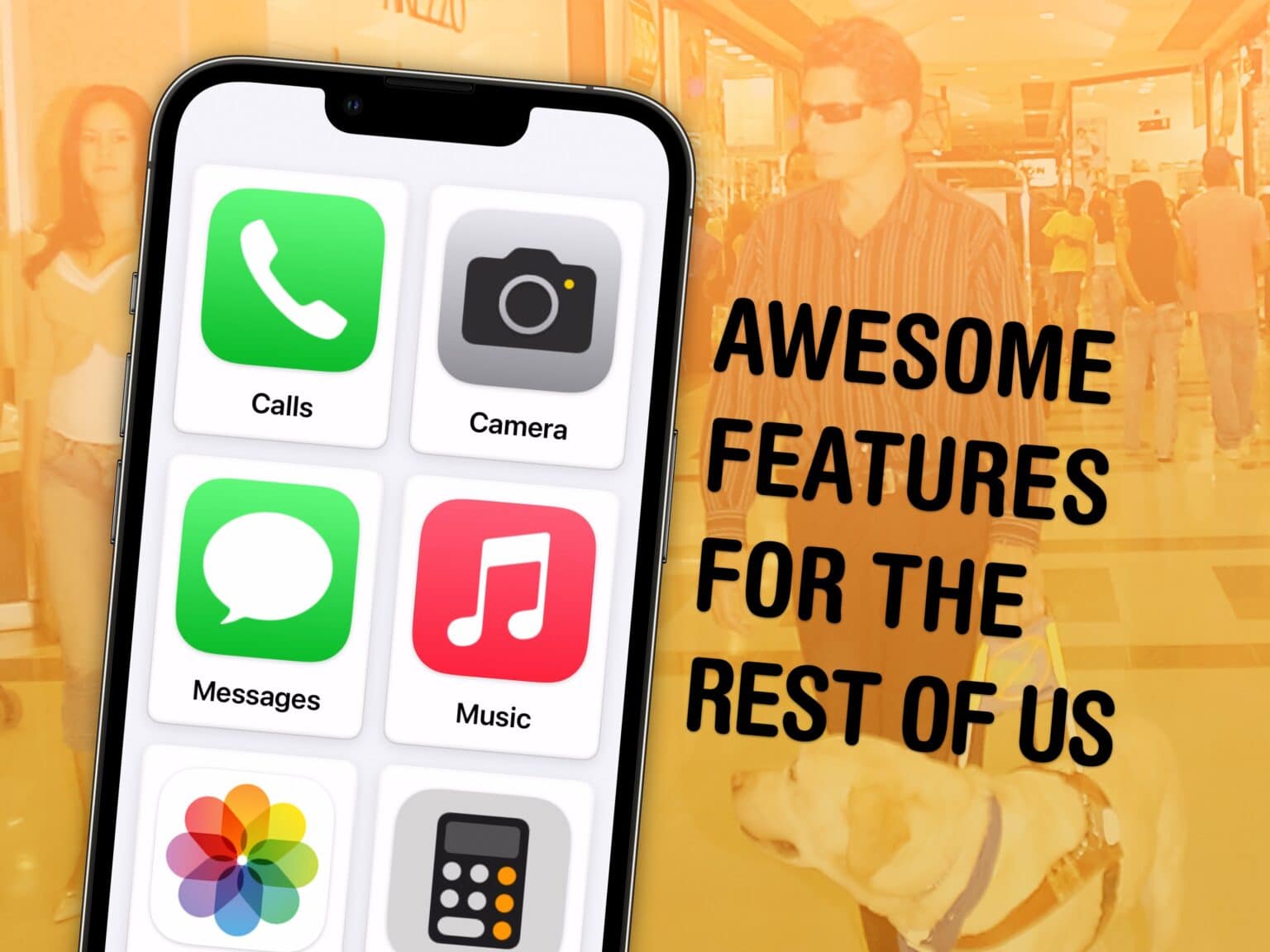
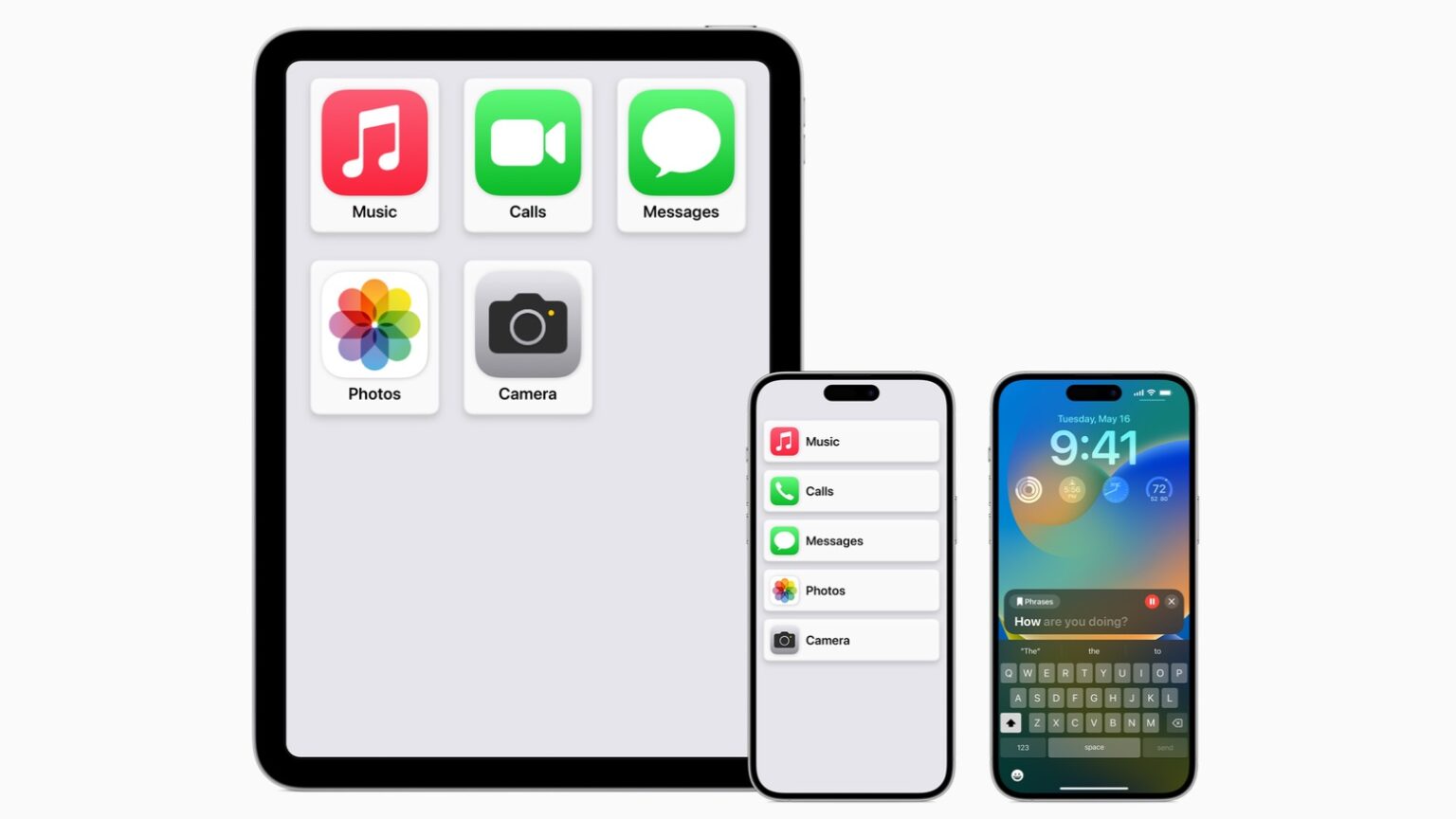
Accessibility is a priority to the designers and engineers at Apple. They have built some amazing software right into each operating system, from OS X to iOS, all for no etra charge and no need to add extra programs on to be able to use the products if you have a visual, hearing, motor, or cognitive disability.
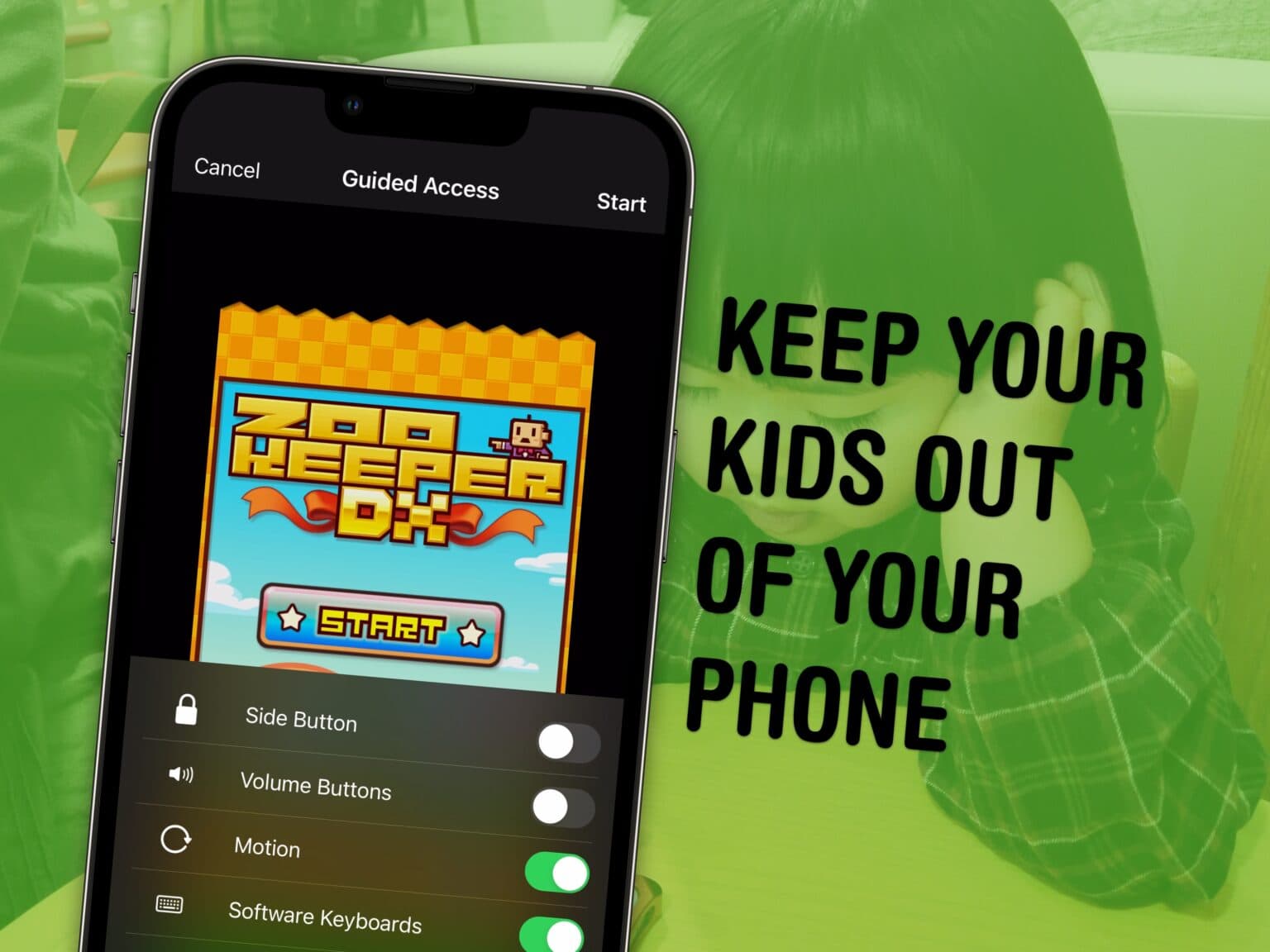
But if you don’t have a disability (yet–we’re all just a lucky step or two away), you can take advantage of these systems for yourself or other family members.
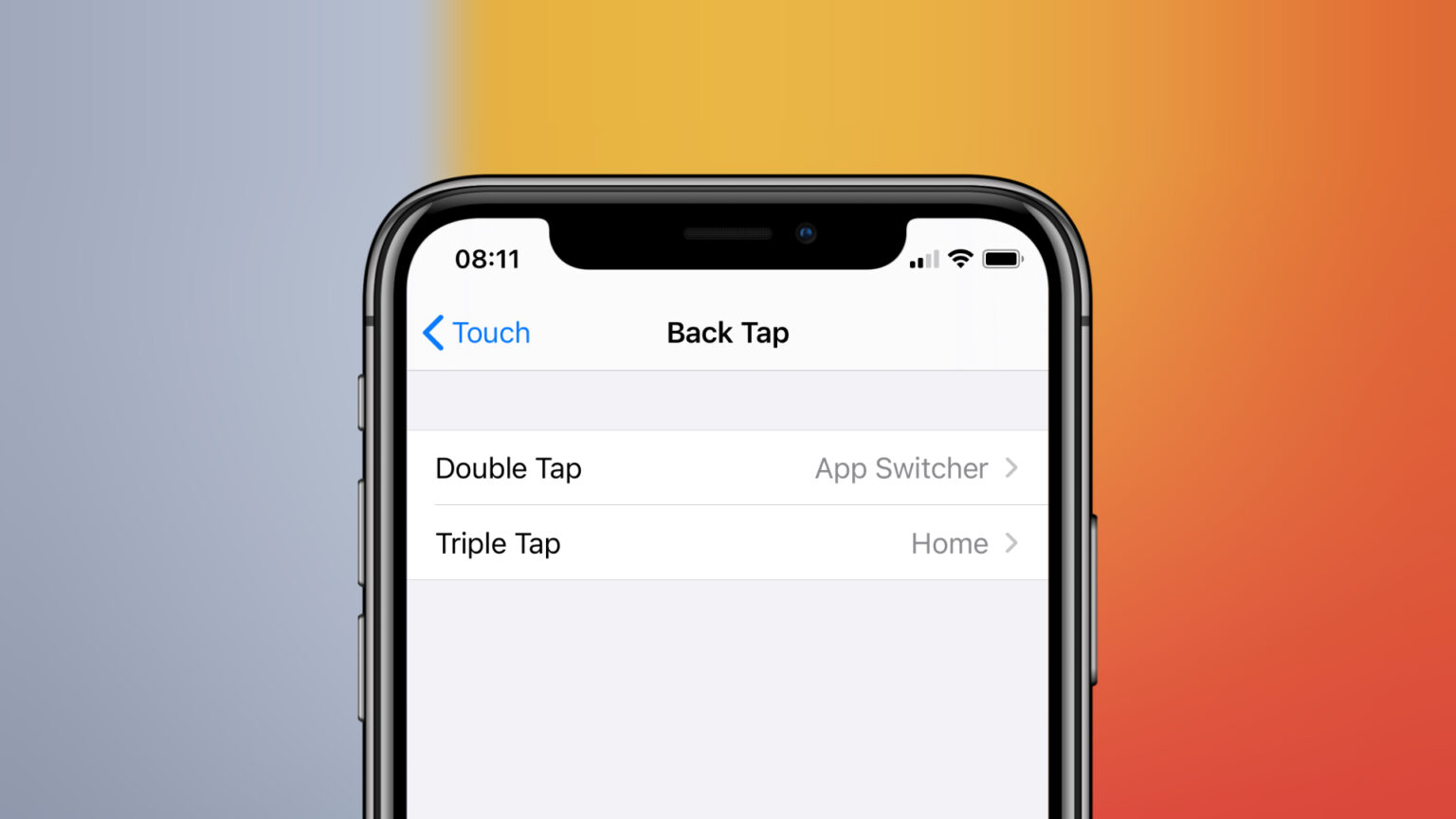
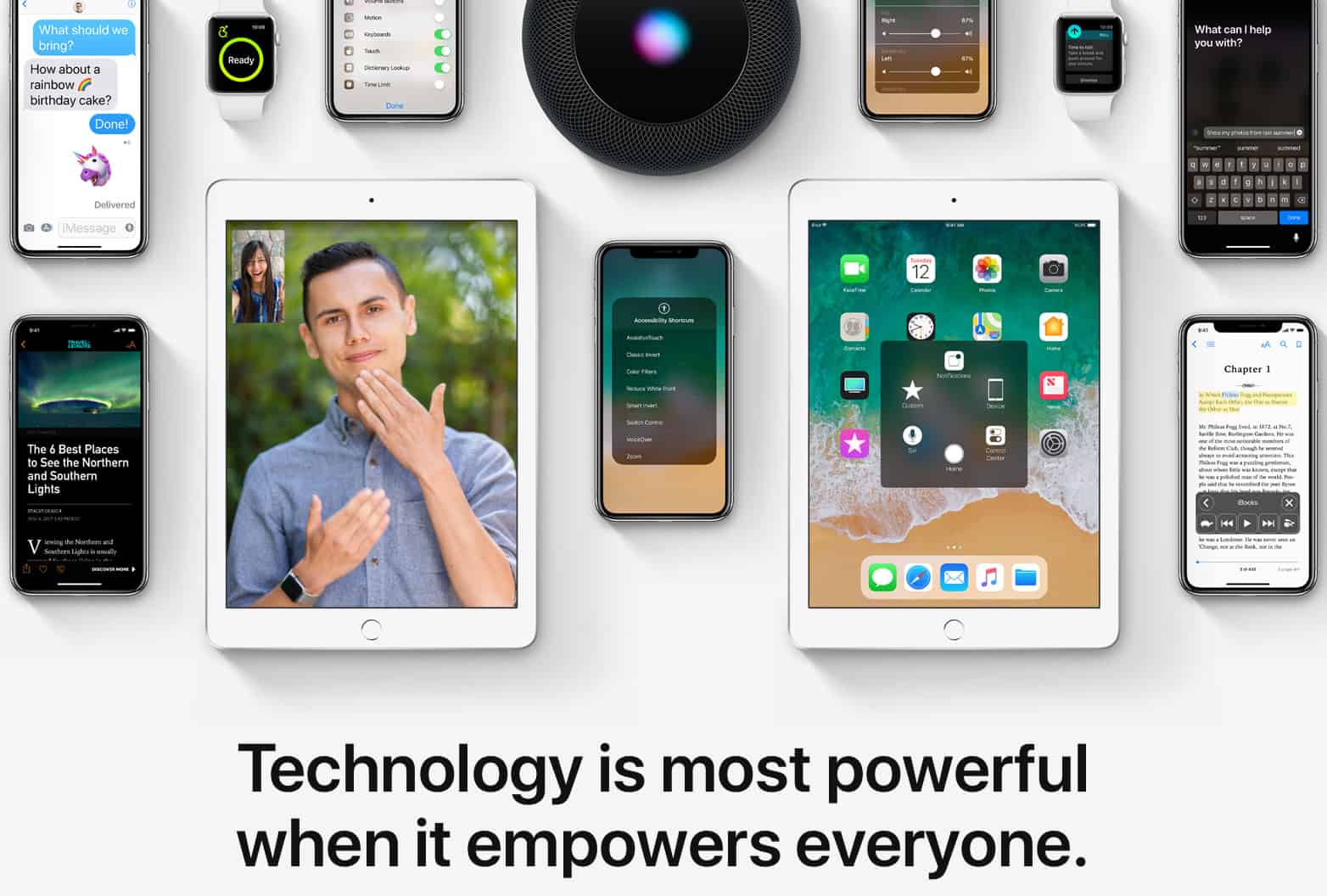
Assisted Touch is an accessibility feature for iOS, usable on any iPhone, iPad, and iPod touch, that recreates the hardware buttons and other gestures that someone with a motor disability might need to use. It also lets other folks use the Home, volume, screen lock, wake/sleep, and multitasking bar without using any of the hardware buttons themselves.
This can be pretty handy if you have the device in a case or holder of some type where accessing the buttons is tricky or impossible, like a home-made picture frame, for example.
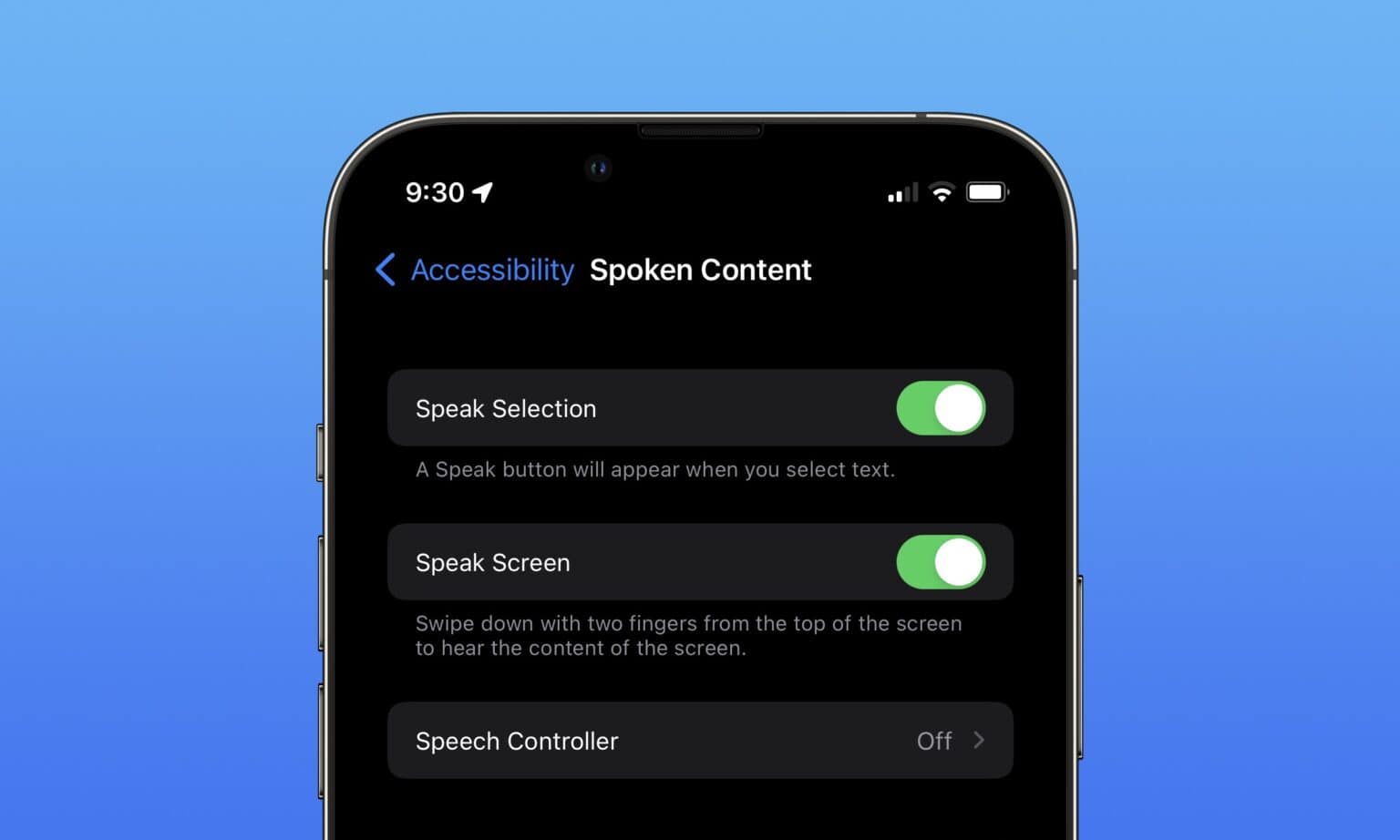
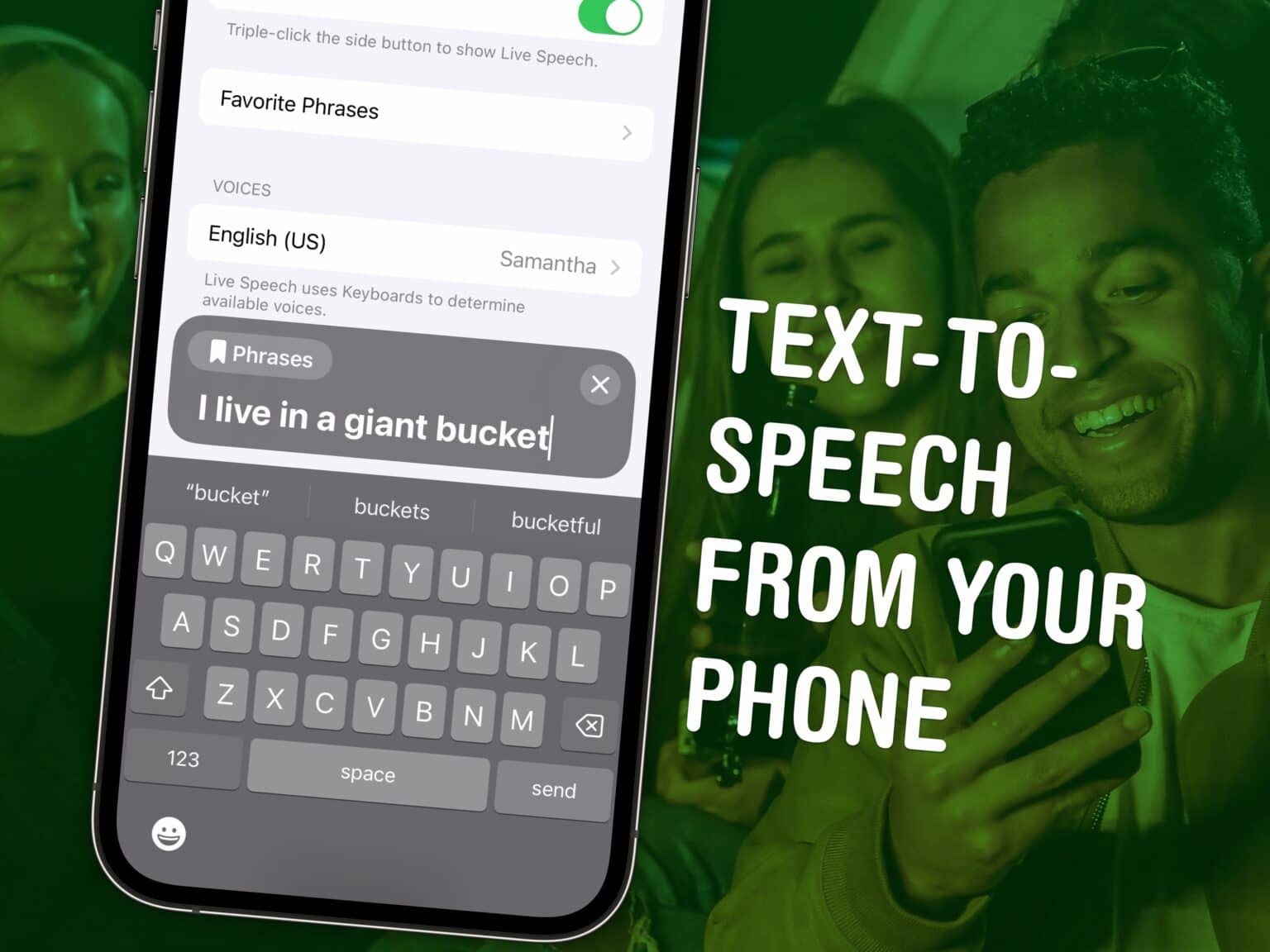
Another accessibility option like VoiceOver and Zoom, originally created for those with visual impairments, is Speak Selection. There are times when you may not want to turn the entire VoiceOver system on, having Siri read every button and icon on the screen, but would prefer to just have your iOS device speak text you’ve highlighted on the screen.
As an added bonus for those with print or learning disabilities, you can have your iPhone or iPad highlight the words as it speaks them for true bi-modal output (seeing and hearing the words at the same time).
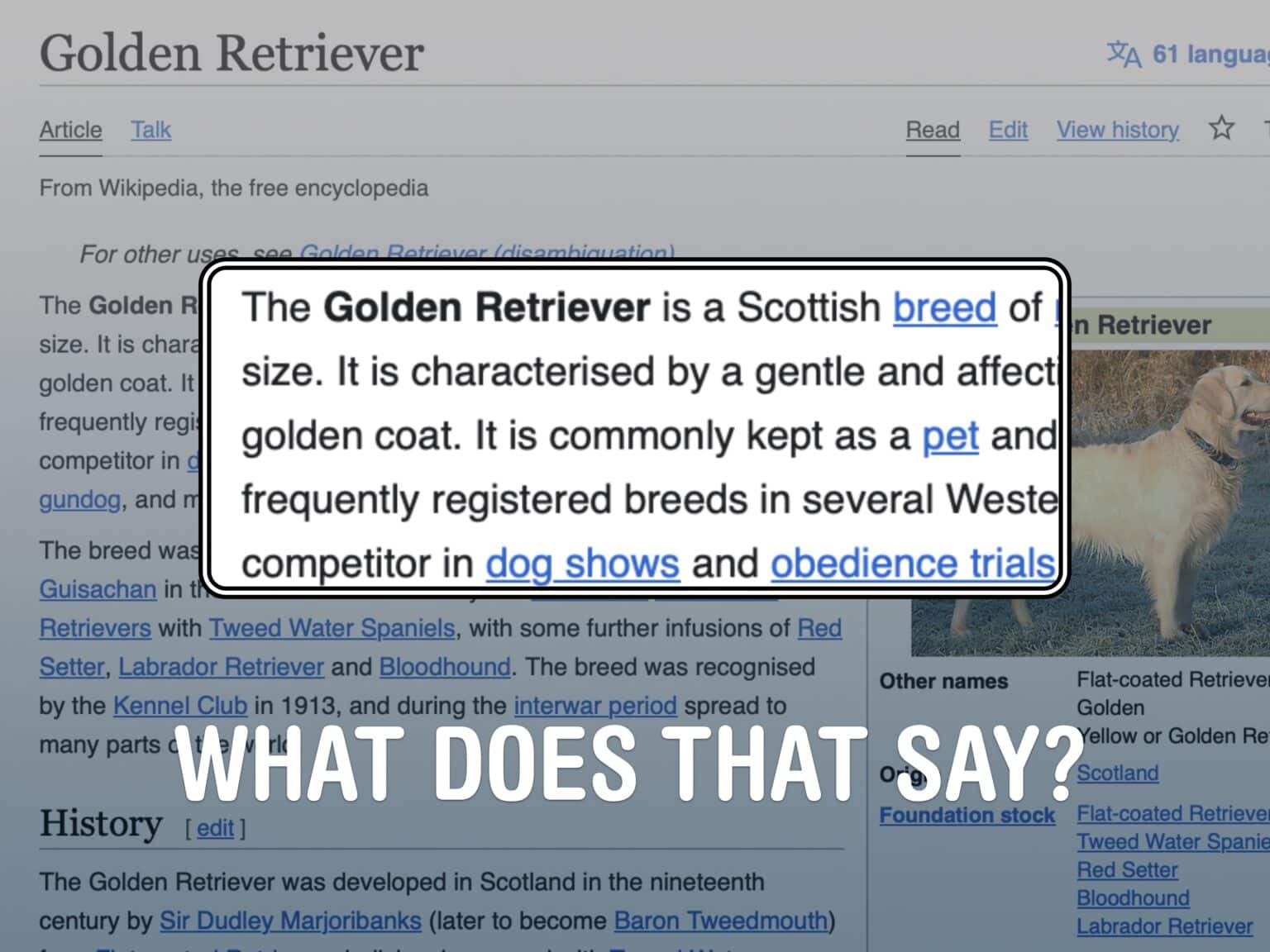
Another accessibility option built right into iOS is Zoom. Like VoiceOver, it was originally created to help those with a visual impairment access their iPhone, iPad, or iPod touch. Zoom is made for those who need things magnified on the screen, and it can be pretty darn helpful for those of us who may not have a specific visual disability.
Some apps zoom in within the app itself, like Maps, Safari, or Google Earth. That doesn’t help if you need the buttons and iOS controls magnified, or the text in apps like Mail, right?
If you’ve read these tips for any length of time, you’ll know that there are plenty of settings on your iPhone that were designed first and foremost for people with various disabilities, but that can be extremely useful for those of us who don’t have a specific disability, as well.
Flash-powered alerts are one of these features; for those with hearing impairments, using the iPhone’s flash to let them know when a notification alert has happened is critical, as they may not be able to hear an audible alert, nor the telltale buzz sound the iPhone makes when set on a flat surface.
If you want to use this same notification feature yourself, perhaps when having an audible alert, vibration or otherwise, isn’t viable, here’s what to do.
You ever do that thing where you have to move your mouse around, jiggling the little thing just to find the dang cursor? I do it all the time these days, with my smaller screen Macbook Air and the Mac Mini that’s connected to the HDTV across the room from me, since there’s so much going on onscreen that I often lose track of it.
There’s an easy way to fix this problem, and it involves the Accessibility options that come built right in to your Mac OS X system.
If you were used to inverting the colors on your Mac with a Control-Command-Option-8, you might have noticed that this has changed in OS X Mountain Lion. The older keyboard shortcut doesn’t work any more, and has been replaced with the less simple Command-Option-F5 shortcut to bring up an Accessibility Options dialog box. You have to then manually click the checkbox next to Invert Display Colors.
Here’s how to get the old shortcut back, for a quick invert.
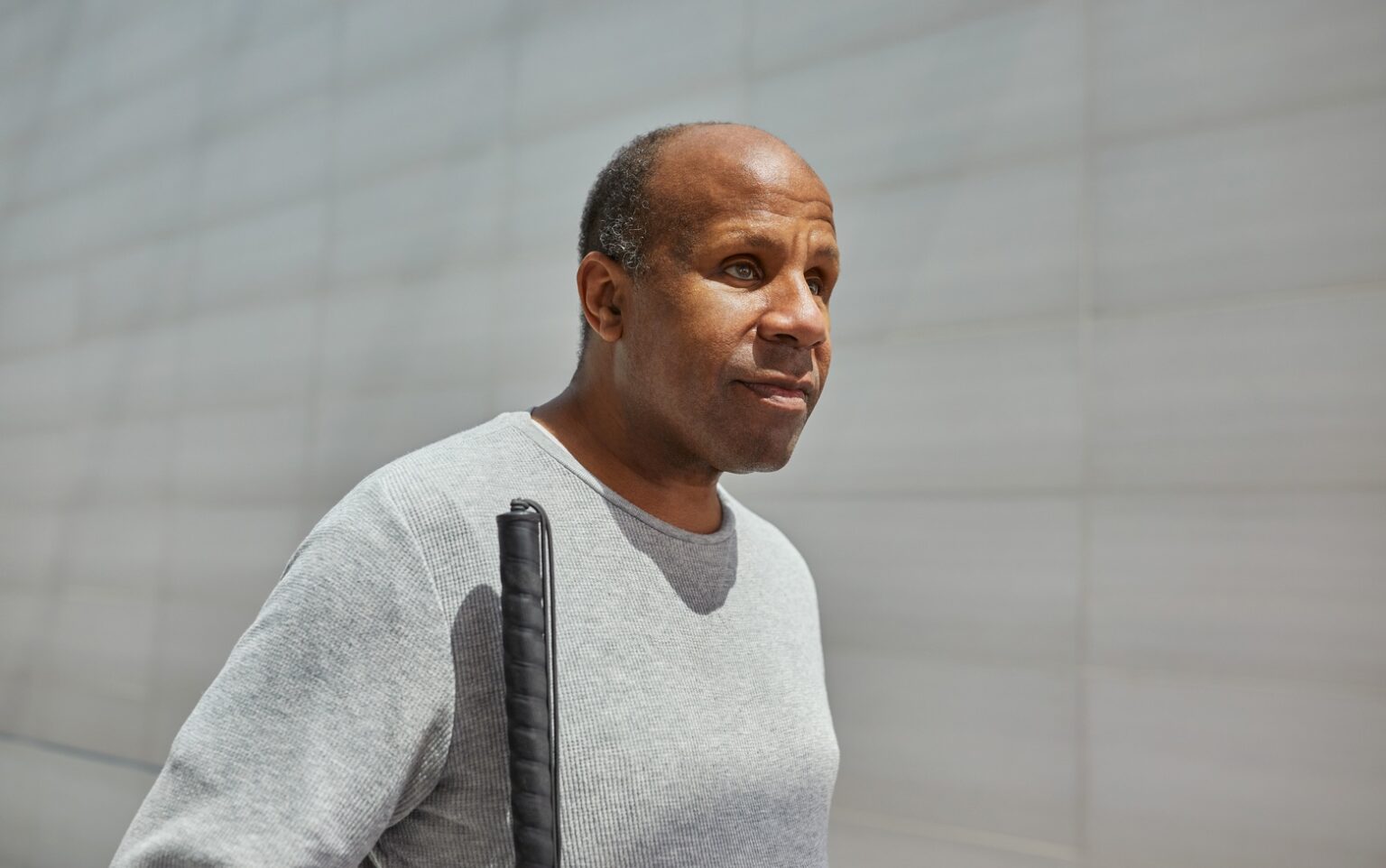
Just because you’re blind and can’t see what you’re taking pictures of does not mean you can’t use Instagram. Thanks to the Accessibility features in iOS, Tommy Edison is able to use an iPhone and take pictures through Instagram to give his followers a view of his world, even though he can’t see.
The process is mind blowing and seems incredibly tedious, but it’s awesome that even blind people can connect with people through Instagram. And you know what, Tommy’s photos aren’t all that bad compared to some of my friends’.