Gaming on iPhone won't change much over the next 12 months. Photo: Apple
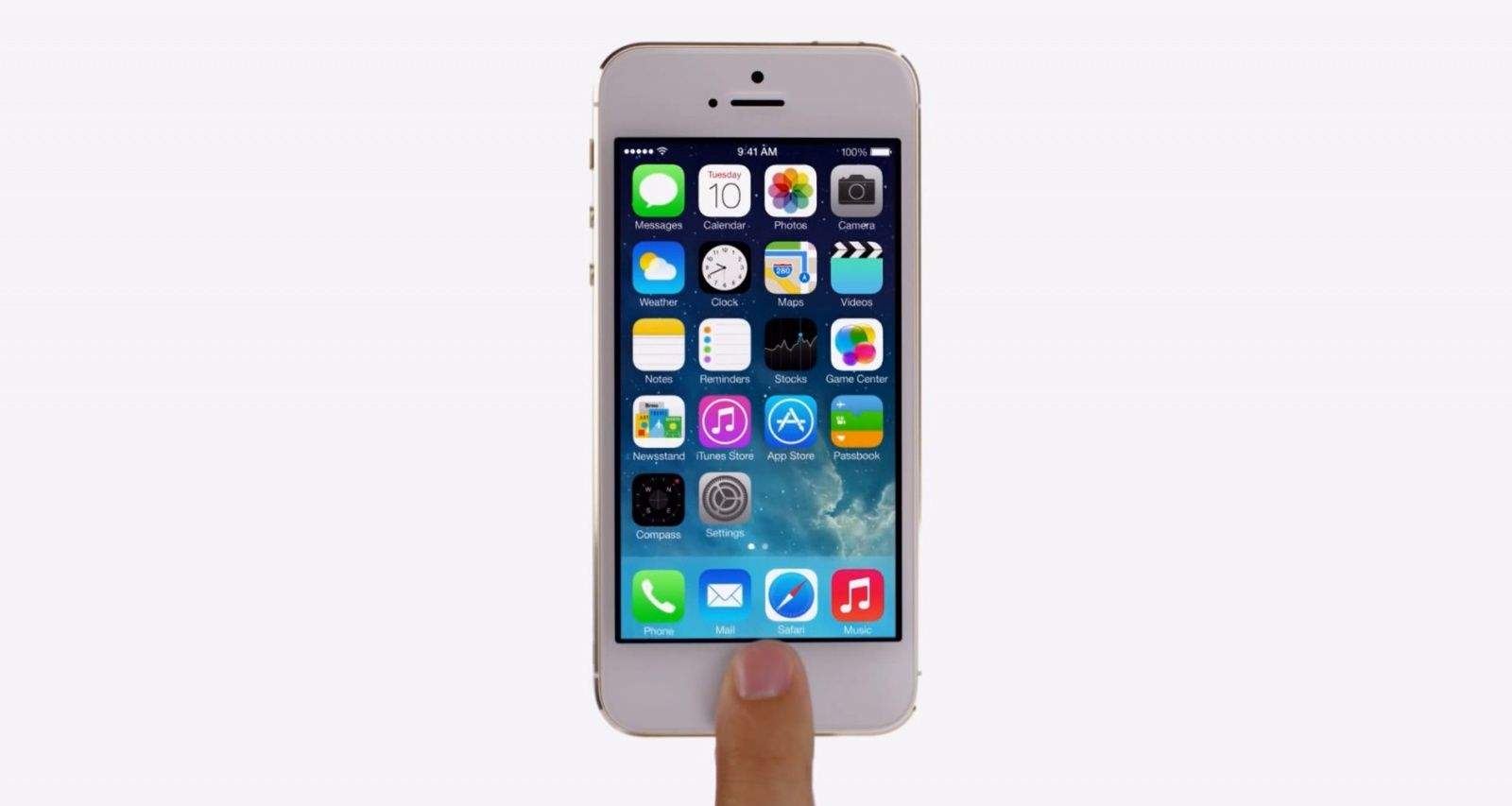
This year’s iPhone upgrade won’t bring a new design, a sharper OLED display, or wireless charging. It probably won’t bring any significant improvement in performance over the iPhone 6s, either, according to these early A10 processor benchmarks.
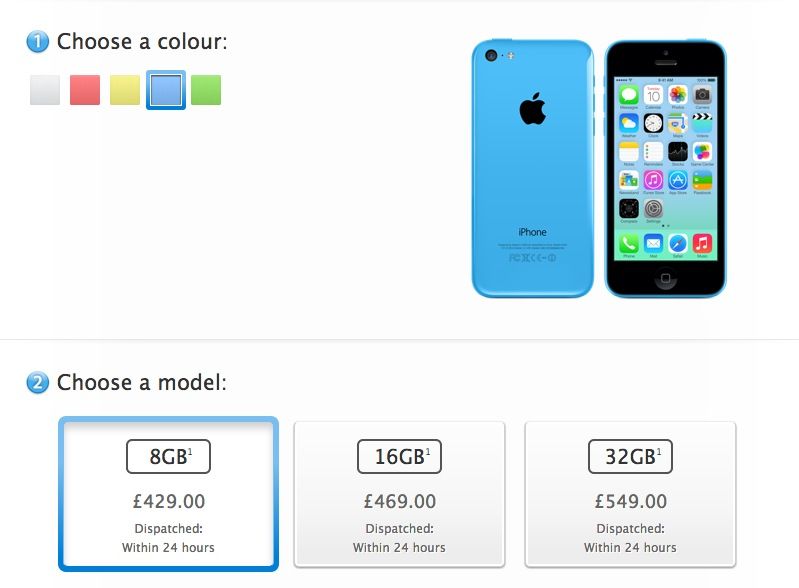
Just as expected, Apple has today added a cheaper 8GB model to its iPhone 5c lineup. The handset is available to order now from a number of European carriers, and via European Apple Online Stores, where it can be purchased for £429 ($714) off-contract.
Your swanky new iPhone 5s may be significantly faster than its predecessors, but it’s twice as likely to crash when running third-party apps as the iPhone 5 and the iPhone 5c. New research from Crittercism, a company that monitors mobile app performance, has found that apps crash around 2% on the iPhone 5s, but under 1% on its siblings.
The next version of Apple TV may allow you to take your viewing with you wherever you go. Photo: Apple
With all the hubbub about new iPhones and new iPads coming, it wouldn’t be surprising if Apple slipped a small Apple TV update in there too. Although Apple dismisses it as their “hobby,” the Apple TV usually inherits the previous generation A-series chip when a new iPhone or iPad comes out. In this case, it’s the A6. In addition, Apple’s been building up steam when it comes to the Apple TV lately, releasing a number of entirely new channels in the last few months. It would be natural to follow that wth an update.
These are all good reasons to believe that Apple might try to slip in an update to their set-top box on September 10th, and lo and behold, a new report seemingly confirms that new Apple TVs are already making their way into the country.
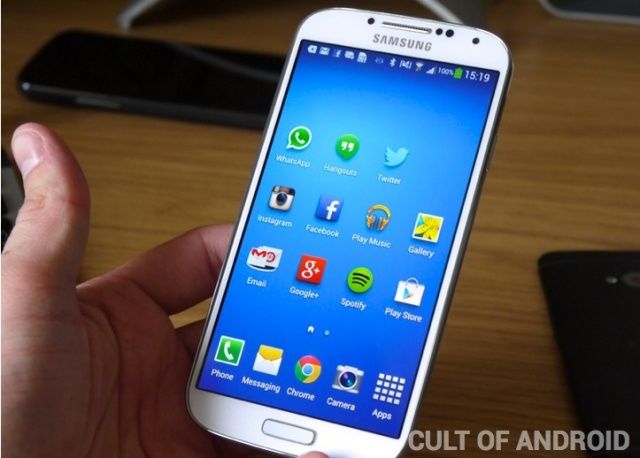
The iPhone 5 has been branded the “slowest smartphone” by Which? magazine after going up against its latest rivals in a group of tests that evaluate processing power and graphics capabilities. The Galaxy S4, Samsung’s latest Android-powered flagship, came out top in the tests, with a rating almost double that of the iPhone’s.
At CES in Las Vegas, Madfinger Games just announced Dead Trigger 2, the sequel to its mobile first-person shooter Dead Trigger, to be available on iOS and Android in the second quarter of this year.
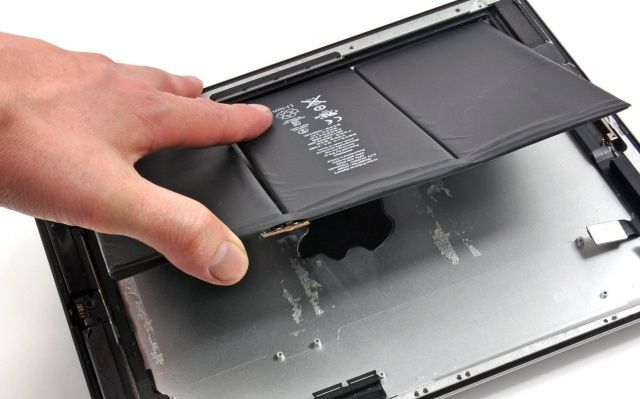
Samsung is no longer supplying Apple's iPad batteries.
Apple has reportedly further distanced itself from rival Samsung by switching its suppliers for iPad and MacBook batteries. The Cupertino company has been seemingly working to avoid Samsung’s components since the companies became embroiled in various legal battles all over the world.
Samsung currently supplies all of Apple's mobile processors.
Samsung has dealt Apple a nasty blow by increasing the price of its mobile processors — the ones built into every iPhone, iPad, and iPod touch — by 20%. According to a person familiar with negotiations between the two companies, Apple initially disapproved the price hike, but was forced to accept it with no replacement supplier available.
You mess with the bull, you’re going to get the horns. Google discovered this when they launched Android, their own competitor to iOS, a move which ultimately resulted in Apple jettisoning the search giant’s products almost entirely from iOS 6. Now Samsung is finding out the same thing: not only has it been found guilty of infringing Apple’s intellectual property and been told to pony up a $1 billion fine, but now Apple is now taking away their portion of Samsung’s multi-billion dollar manufacturing business.
The iPhone-Dev Team has updated its popular Redsn0w tool to offer full iOS 6 compatibility, including an official Cydia app. Until now, the iOS 6 jailbreak was strictly for developers, and so Cydia was not installed automatically when jailbreaking an iOS 6 device. Now it’s ready for the public.
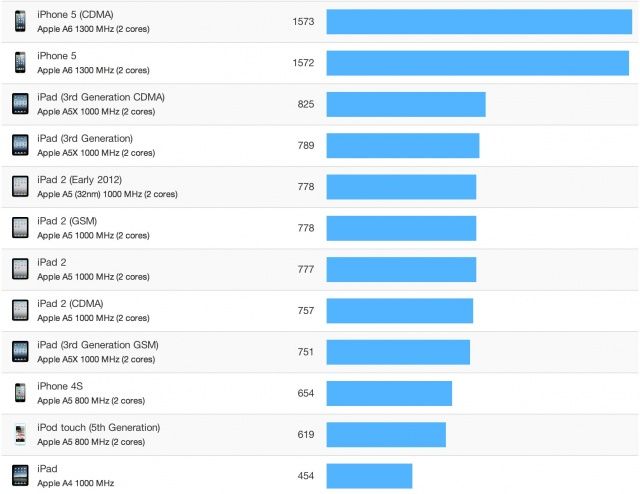
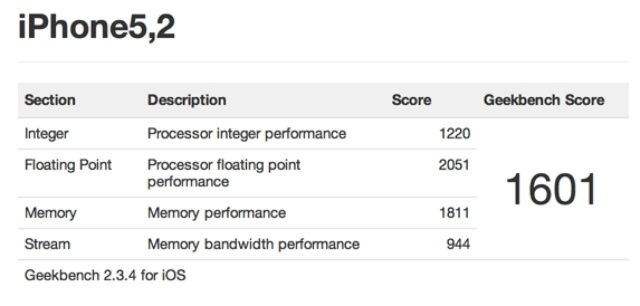
The iPhone 5 is way ahead of its siblings when it comes to Geekbench performance.
Geekbench benchmarks for the new iPod touch prove Apple has made lots of improvements to the fifth-generation device, with its dual-core A5 chip making it significantly faster than its predecessor. When compared with iPhone performance, however, the iPod touch is lagging far behind.
Despite the same 800MHz processor, the new iPod touch is still slightly slower then the iPhone 4S, and not even half as fast as the iPhone 5.
The iPhone 5 runs on an Apple-designed A6 chip, which has been widely reported as running at 1.0GHz. The software that performed that analysis, Geekbench, was recently updated to an iOS 6-enabled version, and the iPhone 5 was tested again. Turns out that the A6 CPU dual-cores are actually running at 1.3GHz, which is a bit faster than previously thought.
We already know a few details about the A6 chip thanks to iFixit’s immaculate teardown, but there’s still a lot to learn about how much hard work Apple put into custom designing their A6 chip.
iFixit teamed up with Chipworks to dive into Apple’s A6 processor to find out what makes Apple’s new chip so special. To their surprise, the team found out that Apple manually laid out each of the Dual Arm Corse, making it the first manual layout chip to hit the market in several years.
When Apple unveiled the iPhone 5 last week, the company promised that its custom A6 chip deliver performance twice as fast as its predecessor, the iPhone 4S. But according to the handset’s first benchmarks, this isn’t just the fastest iPhone yet — it’s also one of the most powerful smartphones money can buy.
Apple has issued a press release this morning confirming that iPhone 5 pre-orders topped two million units during its first 24 hours of availability. That’s more than double the record held by the handset’s predecessor, the iPhone 4S, and Apple has warned that while the majority of pre-orders will be delivered on launch day, September 21, “many” are scheduled to be delivered in October.
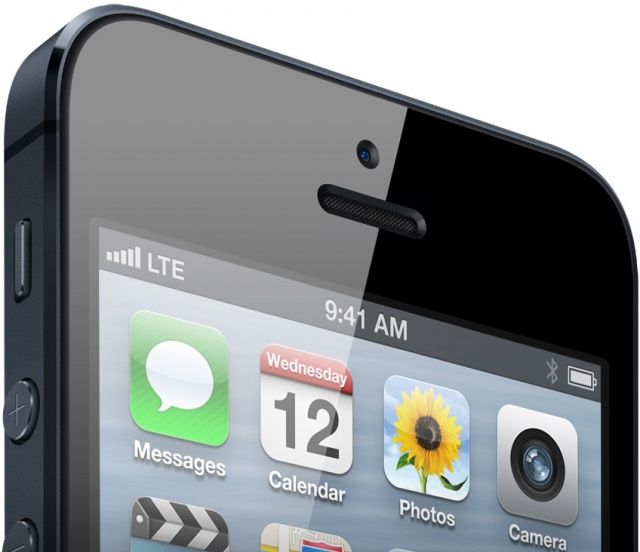
Apple’s iPhone 5 is almost everything we expected it to be. If you’ve been following the rumor mill in recent months, it’s probably safe to assume everything you saw at yesterday’s event regarding the iPhone, you already knew. But does that make the iPhone 5 any less incredible? With its 4-inch display, A6 processor, improved cameras, and LTE connectivity, could you label iPhone 5 “disappointing” because there are no surprises?
I don’t think I could, but I’d like to hear what you think. Leave your answer below.
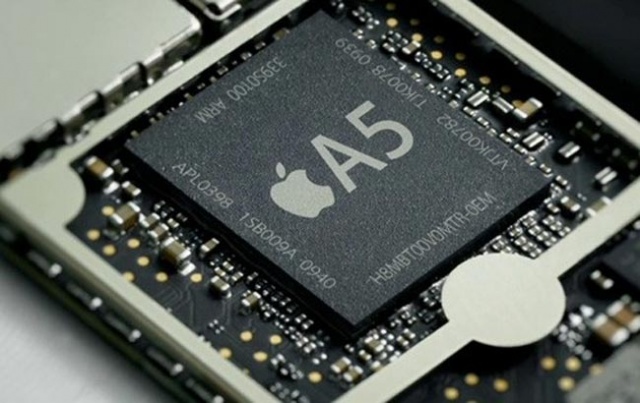
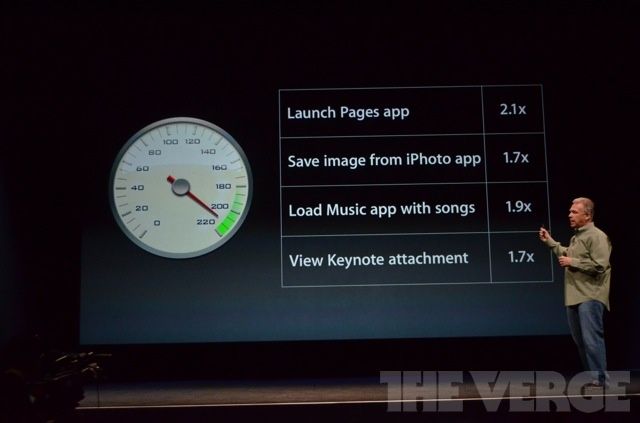
Following the announcement that the iPhone 5 features LTE networking, Apple’s Phil Schiller unveiled the phone’s new A6 processor. According to Schiller, the A6 chip is 2x faster than the previous A5 in both CPU and GPU computing.
“It’s a huge jump in performance, but 22% smaller,” noted Schiller.
Per tradition, Apple invited EA onstage to demo the upcoming Real Racing 3 game on the iPhone 5’s A6 chip. EA explained how the A6 allows for “”full console quality” gaming on a mobile device.
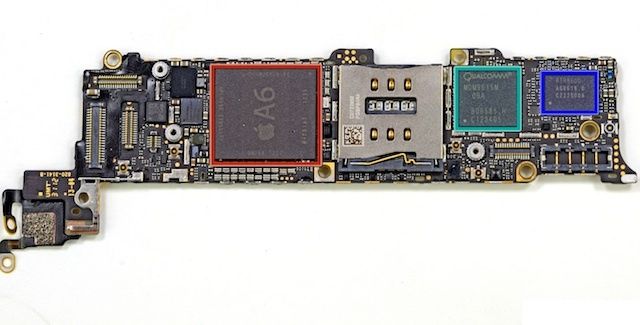
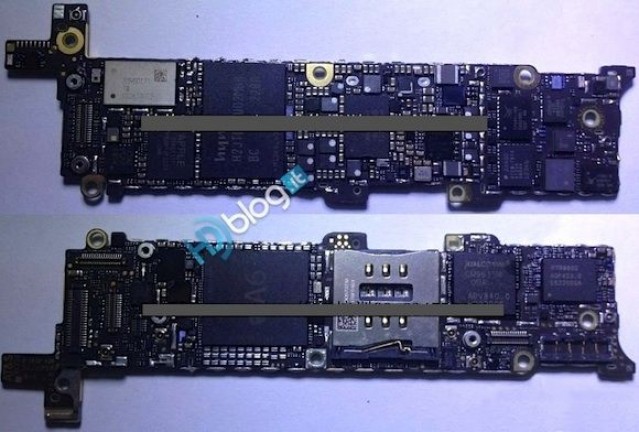
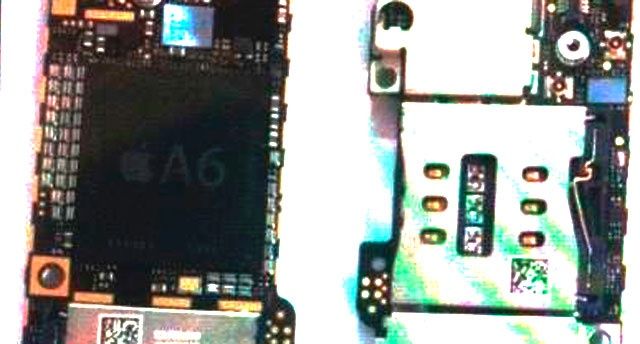
You don’t need to watch the Apple keynote — you already know there’s a new iPhone coming, it’ll be called the “iPhone 5,” and will be accompanied by a new iPod touch and a new version of iTunes. You also know now that the device will be packing an A6 processor and LTE connectivity, thanks to the latest pictures of its logic board.
I’ve lost count of the number of iPhone 5 parts that have leaked out of Apple’s Chinese factories. But one thing that’s been notably absent from those leaks is the device’s new processor. We’ve questioned whether it will use the same A5X chip that features in the new iPad, or whether it will get an all-new A6 processor.
Thanks to the latest leak, that has become a little clearer.
The iPhone 5 probably won't look like this... or arrive in June.
Apple broke away from its traditional June iPhone unveiling last year, delaying the iPhone 4S announcement until early October instead. The company is widely expected to do the same with the iPhone 5 — likely to be called the “new iPhone” — this year, but according to one Foxconn recruiter, it’ll arrive in June like many of its predecessors.
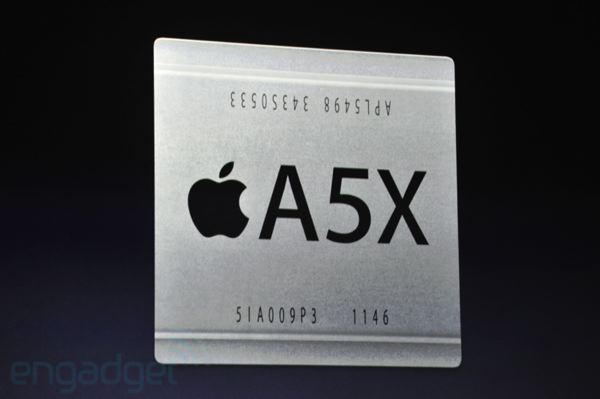
Apple introduced its new A5X processor in the third-generation iPad yesterday, and based on the company’s previous moves, we’re expecting the chip to appear in its next iPhone. However, that may not be the case. According to analysts, the chip requires too much power to be used in the iPhone, and Apple will need to create a more power-efficient chip with a new manufacturing process for its next smartphone.
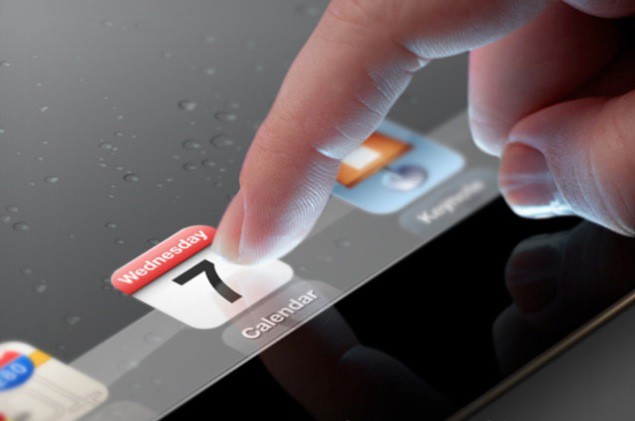
Apple has officially confirmed that an iPad event is set to take place today, Wednesday, March 7th, at the Yerba Buena Center for the Arts in San Francisco, California. “We have something you really want to see. And touch,” teases the press invitation.
Months and months of rampant speculation and conspiracy stories have built up to next week’s event, and no one really knows what Apple has planned, other than a new iPad. The Retina display is widely expected to make its way to Apple’s tablet. Will it even be called the iPad 3? Will it be offered at a new price point? Let’s take a look at the rumors and examine what we think we know.
With the announcement of the iPad 3 lurking in the shadows, the web has been buzzing with rumors and leaked parts as everyone tries to solve the puzzle of what the next iPad 3 will look like, and what new hardware it might have. Some have claimed the iPad 3 will sport a new quad-core A6 processor, while others claim it will merely get an improved A5 dual-core chip. It appears the confusion over which processor will actually be included in the iPad 3 stems from the fact that Apple is working on BOTH processors at the same time.
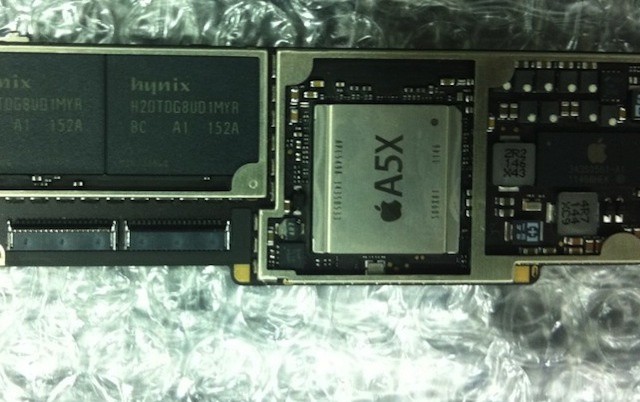
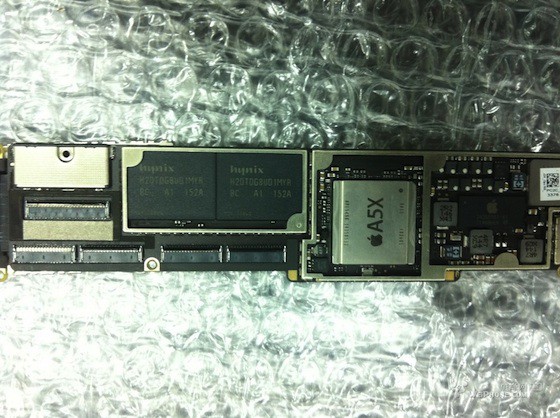
A photograph of what is believed to be an iPad 3 logic board with an unreleased Apple “A5X” processor has appeared within a forum post on Chinese site WeiPhone. If the component is genuine, it suggests Apple’s next tablet may not ship with that quad-core A6 processor after all.
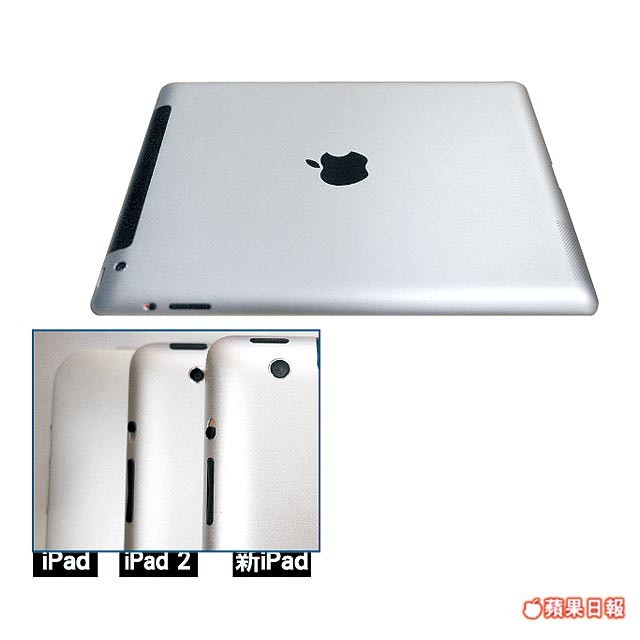
Yet another rear panel for Apple’s iPad 3 has surfaced, refueling rumors that claim the third-generation tablet will feature a new camera and a slightly modified design to accommodate its new components.