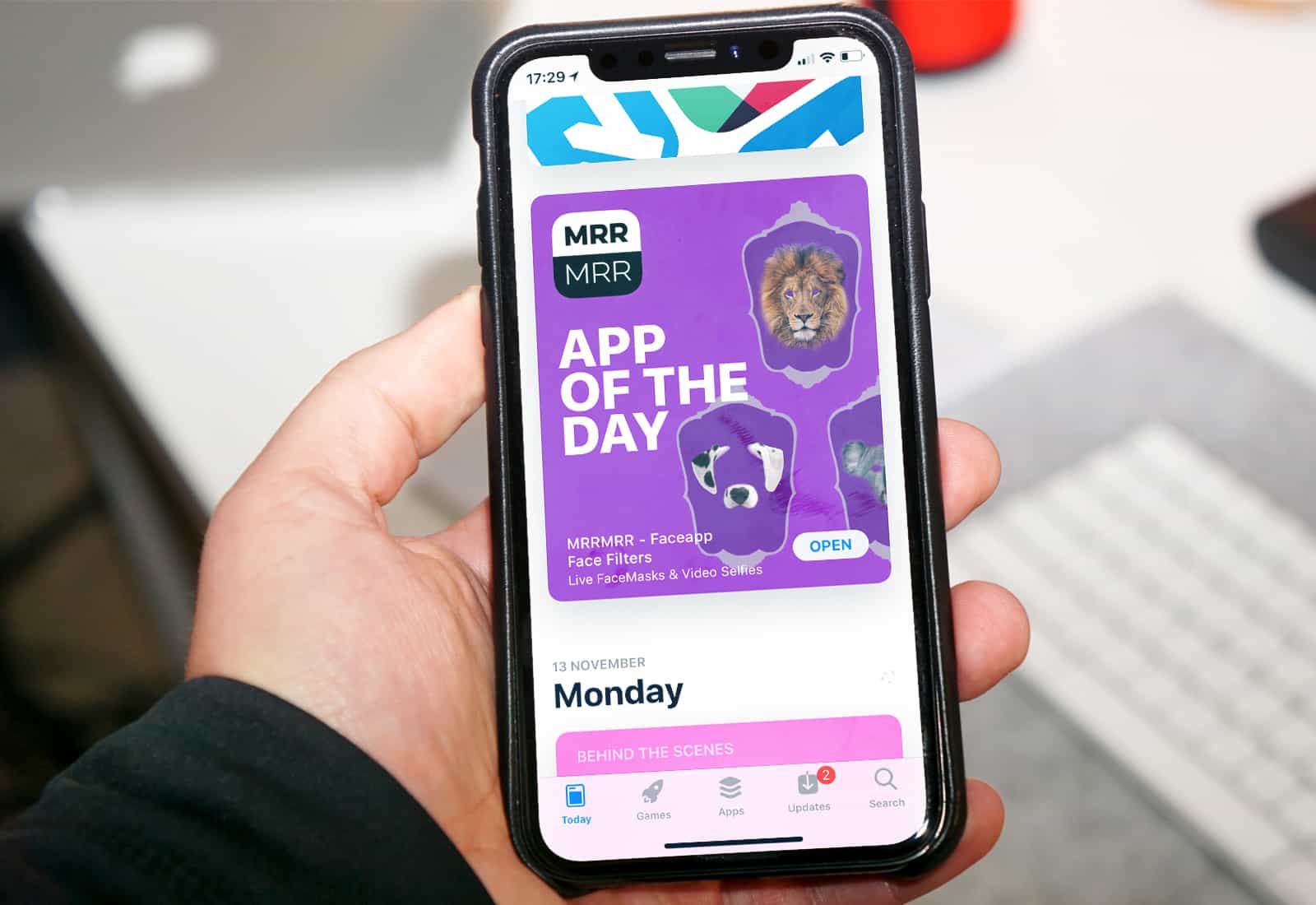
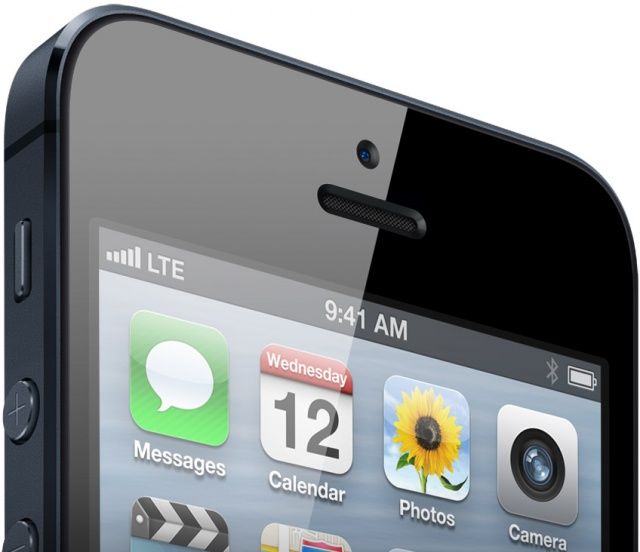
Apple apps no longer dominate App Store search results. Photo: Ste Smith/Cult of Mac
Apple has finally increased the App Store’s cellular download limit on the iPhone — but not by much.
You can now download up to 200MB over a 3G or 4G connection. The limit was previously set at 150MB. You will still need to connect to a Wi-Fi network to download larger apps and games.
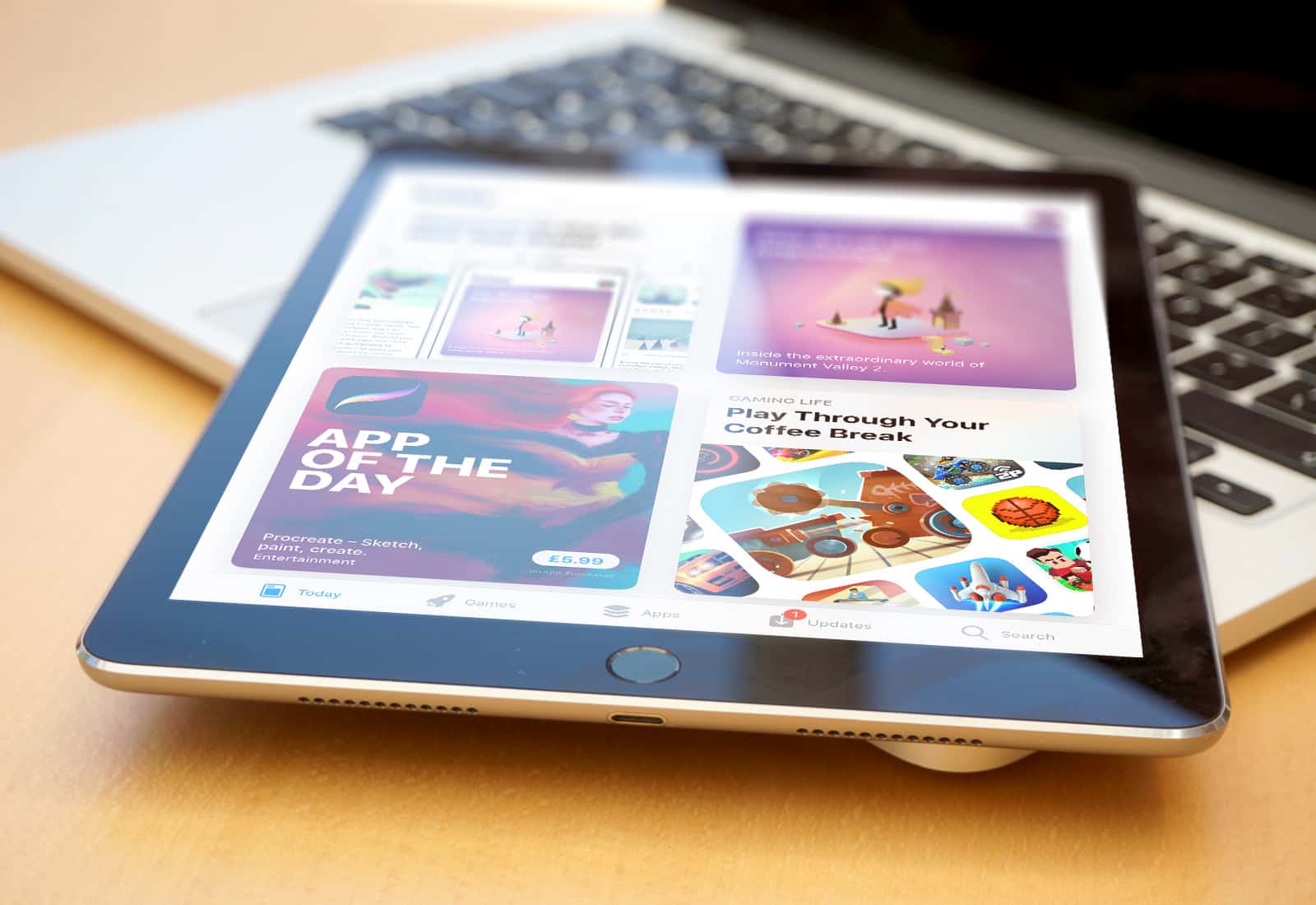
Look out for the changes next month. Photo: Ste Smith/Cult of Mac
Apple has finally increased the cellular download limit for iOS apps.
Following the release of iOS 11, you can now download titles up to 150 MB in size without a Wi-Fi connection. That’s still not enough for many apps and games, but it is a step in the right direction.
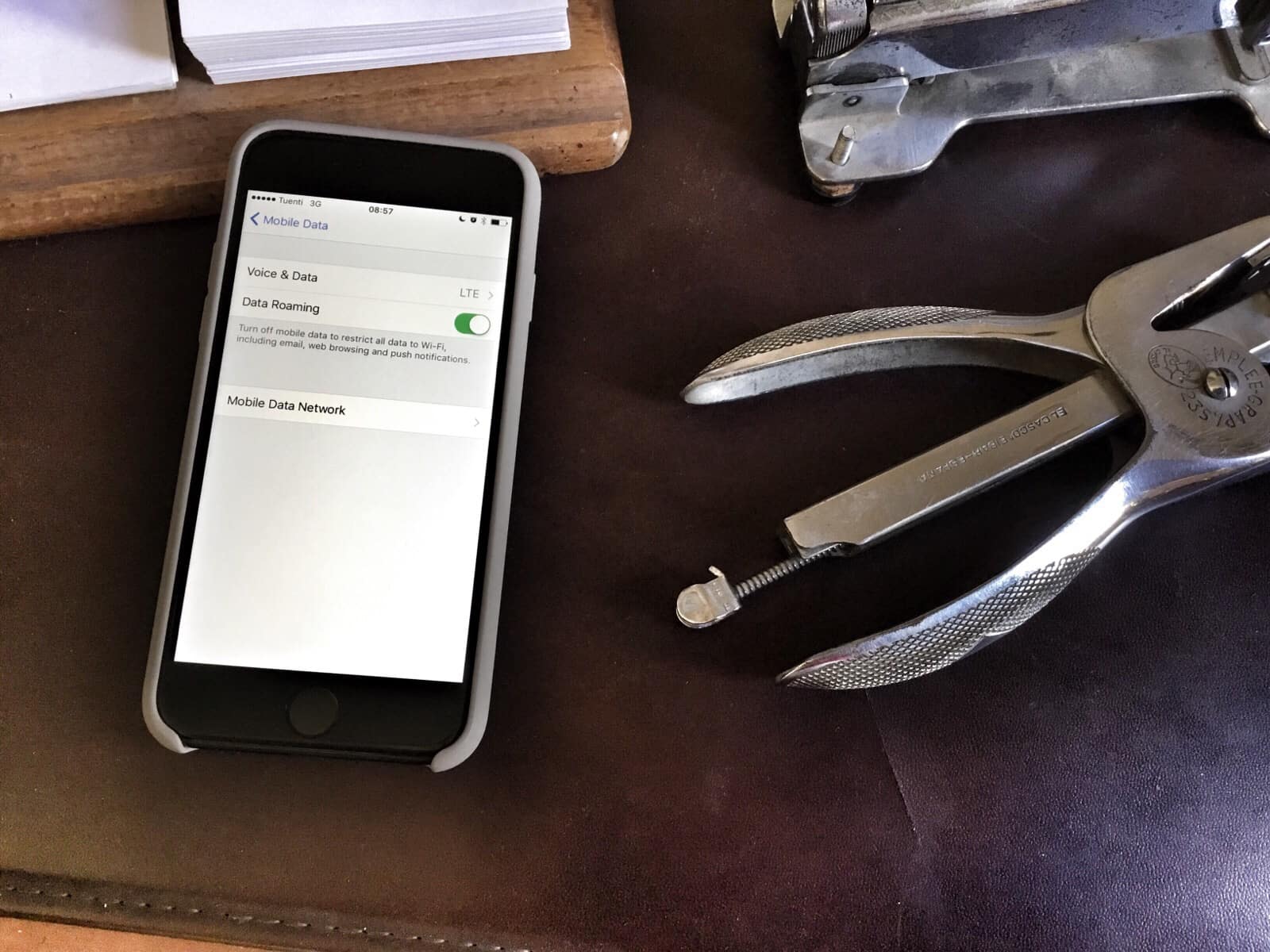
Just switch this setting to fix the iPhone No Service error. Photo: Charlie Sorrel/Cult of Mac
If you’ve ever traveled to a foreign country with your iPhone or iPad, you may have come across the dreaded No Service error. This happens when you get off the plane and switch on your iPhone. But instead of connecting to a cellular network, your iPhone just spins its wheels and refuses to connect.
Apple offers a support page to help out, and a zillion forum pages serve up advice, but none seem to cover this particular tip, which I discovered after hours of painful futzing with settings.
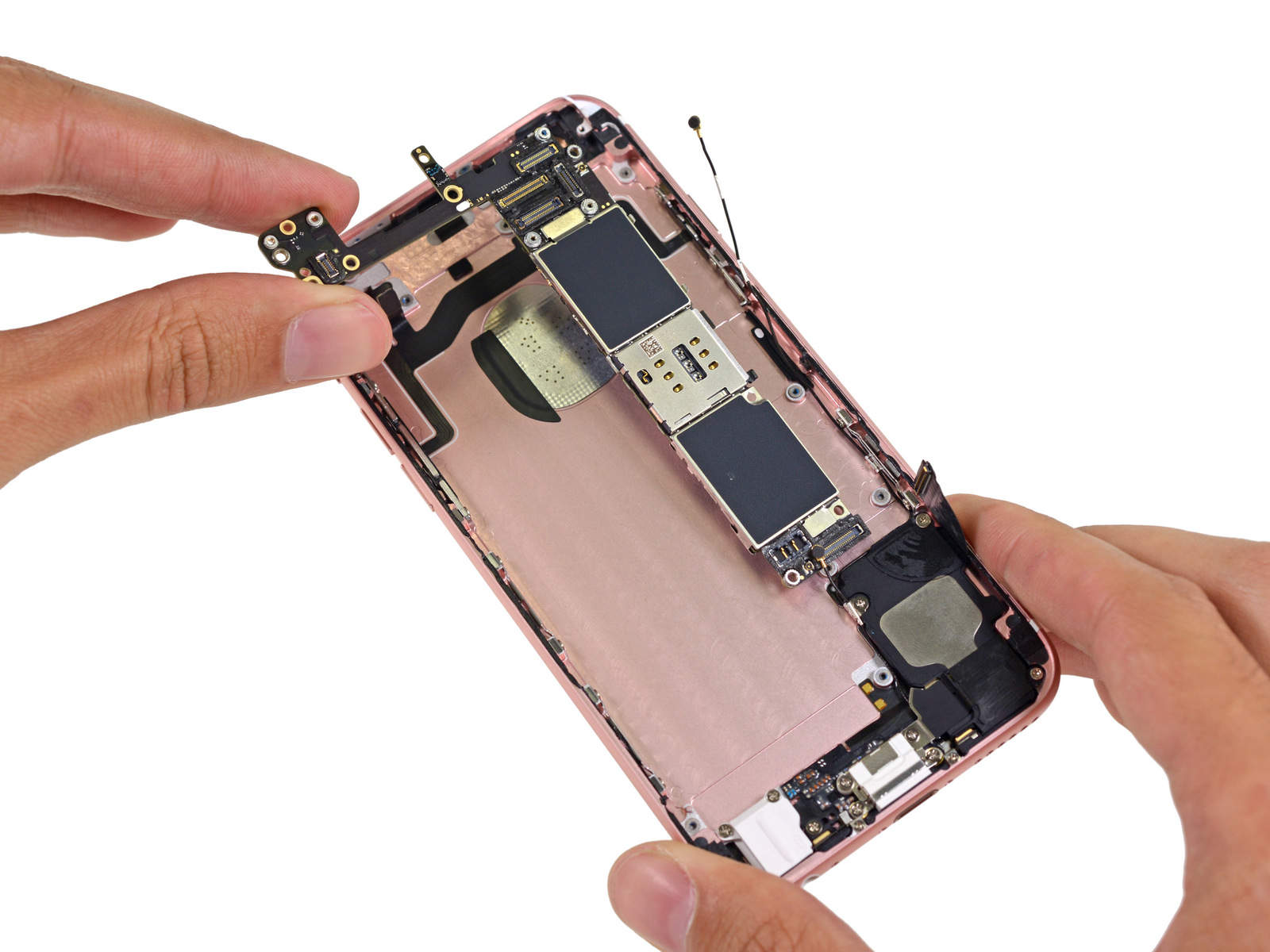
Pegatron will team up with an Indonesian manufacturer.. Photo: iFixit
After being sued by Apple for allegedly charging royalties on technology it did not own, Qualcomm is fighting back with a lawsuit of its own, claiming Apple is misleading and has breached its contract with the company.
Qualcomm has long been responsible for the wireless chips used in iPhones, iPads and many other Apple devices, but the relationship between the two turned sour back in January when Apple filed a $1 billion lawsuit against the chipmaker.
LG's smartwatches have always been bad, but the W7 is even worse. Photo: LGLG’s new Watch Urbane doesn’t need your phone. Photo: LG
LG today unveiled a second edition of its Watch Urbane smartwatch, which finally frees Android Wear from your smartphone.
Thanks to its built-in 4G and 3G connectivity, the new Watch Urbane makes calls and continues to receive notifications even when you leave your phone behind.
AT&T being generous? What?! Photo: AT&TAT&T being generous? What?!
AT&T is increasing its data cap to 22GB for customers who are still grandfathered into unlimited data plans. This is more than four times the 5GB cap previously offered to LTE subscribers, and more than seven times the 3GB cap offered to 3G subscribers.
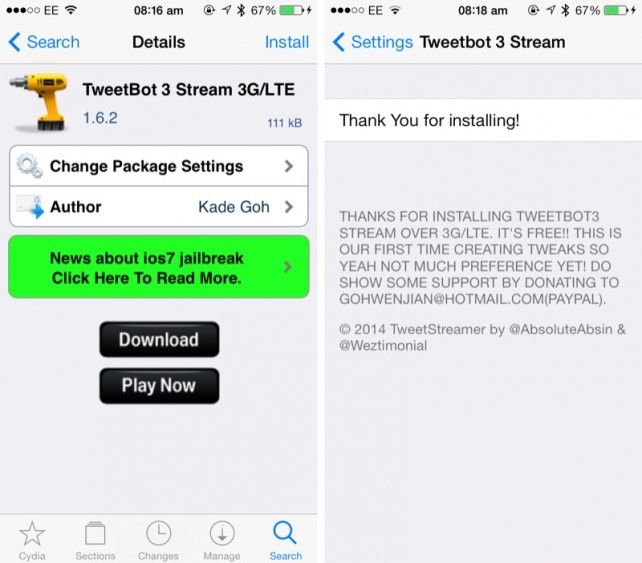
While Tweetbot has added a feature that allows timelines to stream to iPhone and iPad, this is currently limited to Wi-Fi only.
Thanks to a new jailbreak tweak called Tweetbot 3 Stream 3G/LTE, however, the ultra-useful feature can now be carried over to 4G LTE and 3G cellular data networks.
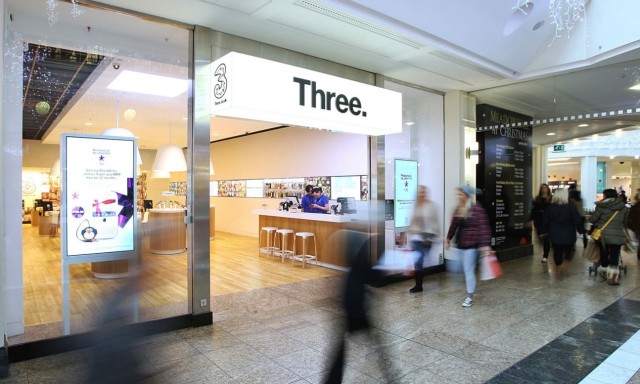
Three has today provided us with more details on its 4G launch plans for the United Kingdom. The carrier aims to cover four major cities by the end of the year, but its new super-speedy service will really take off in 2014 when it increases the number of 4G locations to 42.
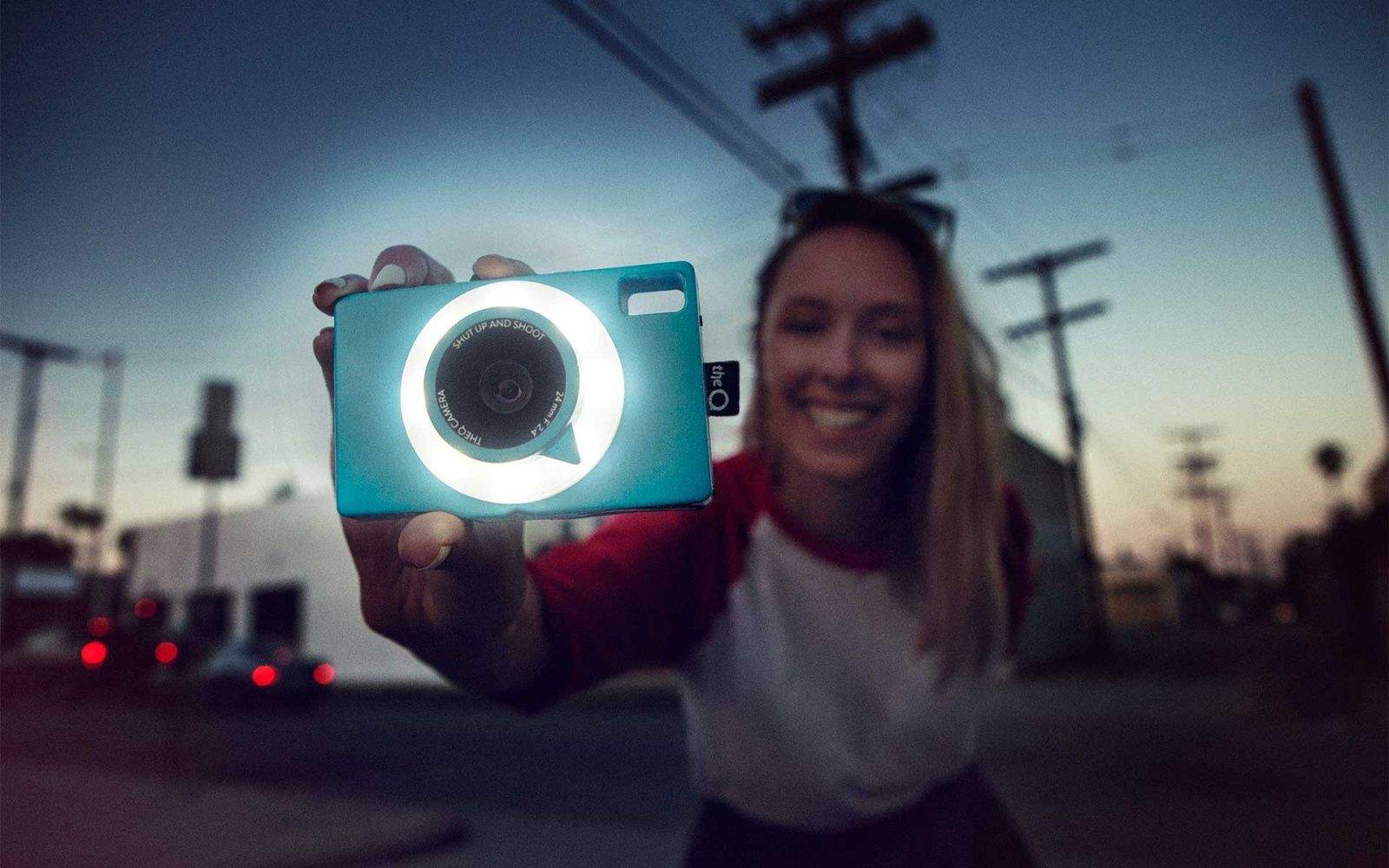
It was only a matter of time before somebody put a SIM card inside a camera. That camera is the Q, comes from Sweden and is – according to the pitch – “world’s first social camera.”
But the company has today confirmed that it is on track to launch 4G during the fourth quarter of this year, and that it will come at no extra cost to consumers.
Tim Cook with Miao Wei, the head of China’s Ministry of Industry and Information Technology
With competition around the iPhone at an all-time high, Apple could use a huge boost in sales numbers, so Tim Cook made another visit to Beijing this week to recruit the world’s biggest mobile carrier, China Mobile, to bring the iPhone to its network.
China Mobile Chairman Xi Guohua was on hand Tuesday to meet with Cook, and according to the Chinese firm, the two discussed ‘matters of cooperation’ between the two companies, which means they were probably talking about how much money they’d both make if China Mobile sold the iPhone 5C.
Apple is in the middle of negotiations to launch an iPhone 5S with LTE-Advanced technology on SK Telecom, according to an unnamed executive for the Korean carrier. The news comes just days after Samsung announced a new Galaxy S4 variant with LTE-Advanced, which is an upgraded version of LTE that promises faster data speeds.
Verizon Wireless has been hard at work rolling out LTE on its network over the past three years or so, but the company announced today that the nationwide 4G LTE rollout is ‘substantially complete.’
With support for over 500 LTE markets, Verizon’s 4G LTE network now covers 95% of the U.S. population. Verizon Wireless CTO Nicola Palmer says the company isn’t totally done just yet. As reported by PC Mag, Palmer says the company plans to add more services to LTE over the next few years and open new markets:
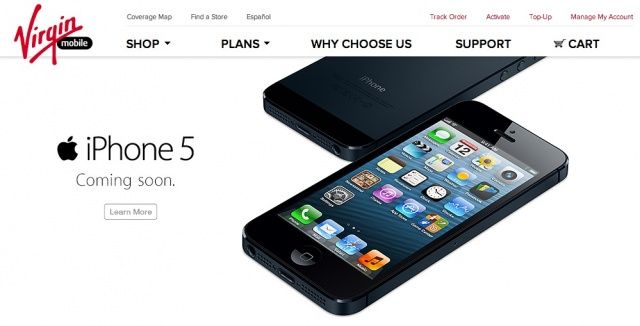
Virgin Mobile has today announced that it will be launching the iPhone 5 on Friday, June 28. The handset will be available on its Beyond Talk plans, which offer unlimited 3G and 4G LTE data and unlimited messaging for $35 per month. Prices for the iPhone 5 itself start at $549.99.
We’ve already seen hacked carrier updates for iOS devices on AT&T and T-Mobile, and now there’s one for customers on Verizon, too. Like the others, this one promises to increase the 3G and 4G data speeds on your iPhone 5, iPad, and iPad mini — and it doesn’t require a jailbreak.
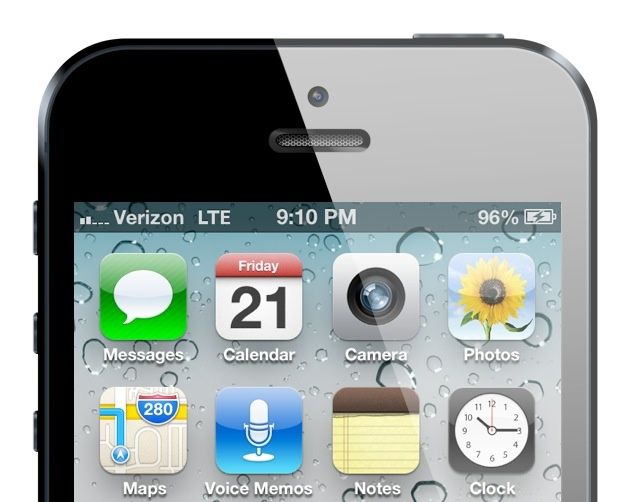
EE has announced plans to double its 4G LTE network speeds in ten U.K. cities by the summer. The move will boost headline speeds to 80Mbps, and increase the average speed to 20Mbps for both new and existing subscribers. The carrier says this is part of its ambition to “stay one step ahead” as rival carriers prepare to launch their own 4G networks in the coming months.
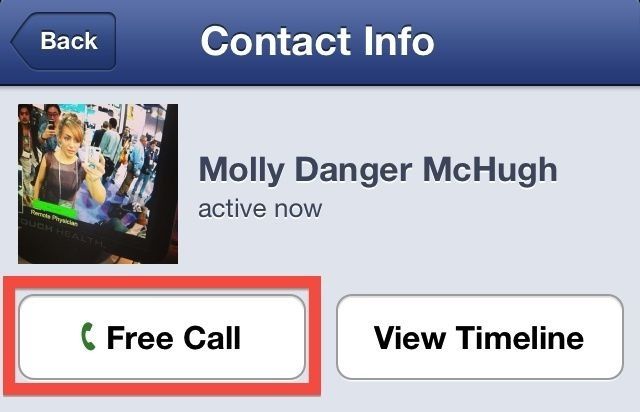
Facebook has today rolled out its new VoIP calling feature to Messenger users in the United Kingdom, following its launch in the United States back in January. Available only on the iPhone, the feature allows users to make free voice calls to their Facebook friends over Wi-Fi and 3G.
iPhone 4s marked a leap in iPhone photography with an 8MP sensor. Photo: UWHS
Vodafone U.K. has told iPhone 4S users that it’s okay to update their handsets to Apple’s latest iOS 6.1.1 release. The carrier had previously warned that updating to iOS 6.1 could cause connectivity problems, but it has now confirmed that those issues are fixed in the latest release.
EE launched the United Kingdom’s first 4G LTE network back in October 2012, and with it came some pretty expensive price plans; the carrier has certainly been taking advantage of the fact that it has the U.K.’s only 4G network. But that approach is going to be spoiled by rival carrier Three.
Already the cheapest of all the U.K.’s major providers, Three is looking to maintain its position by promising its customers that they won’t pay any extra for 4G connectivity.
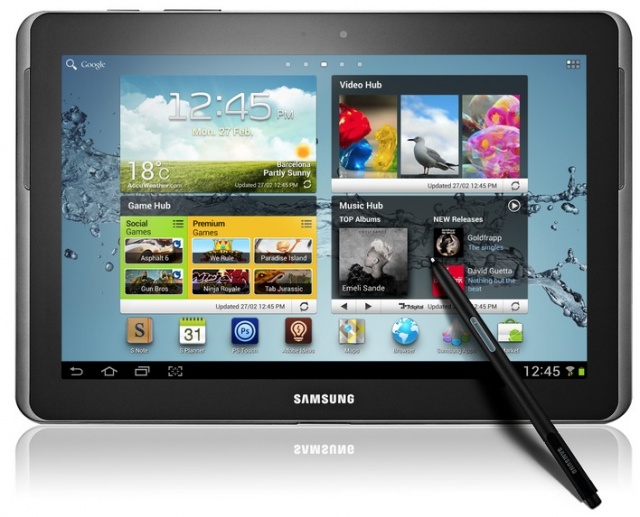
The Galaxy Note 10.1 could be about to get a little brother.
Samsung looks to be preparing to take on the iPad mini with the Galaxy Note 8.0, a smaller version of the Galaxy Note 10.1, which is expected to be priced very aggressively. In addition to an 8-inch display, the device will reportedly offer a 5-megapixel rear-facing camera, a 1.3-megapixel front facing camera, and of course, Samsung’s S Pen stylus.
The United Kingdom is a little late to 4G — just a few months ago, 4G networks didn’t exist. Now it has one, EE, which is quickly trying to expand its 4G coverage across the country. It began its rollout in 11 major cities, and the company has announced today that it will be reaching an additional 17 by March 2013.
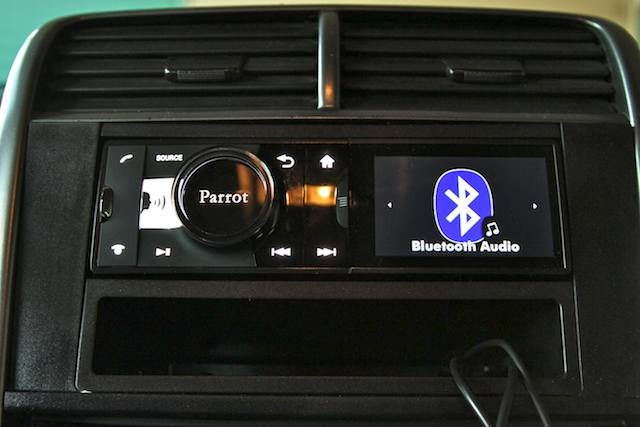
This is the original Parrot Asteroid Classic car stereo head-unit ($349), and it made quite a splash when it launched last year. The single-DIN, 4×55 watt receiver boasts a formidable array of features: Bluetooth connectivity, powerfully accurate voice recognition for both calls and music, a GPS receiver, a bright, 3.2-inch LED screen and a quiver of apps that run off its customized, upgradeable, early-vintage Android 1.5 OS (all of which require a data connection via a dongle).
Though this model was originally called the the Asteroid (no Classic), the Classic nomen was added to lessen confusion as three new models were announced a few months ago. However, the Asteroid Classic still very much in play; in fact, as this review goes live, the Classic is the only member of the Asteroid family currently available, as its new siblings haven’t shipped yet.
With its Android-based OS, you’d be forgiven if you thought the Asteroid Classic was more friendly to Android phones than the iPhone. In fact, the opposite is true, as I’ll explain later. And while it suffers from something that can probably be described as teething trouble, it’s still a lust-worthy system.
Apple released iOS 6.1 beta 3 to registered developers yesterday, but unless your iOS device’s unique identification number (UDID) is registered with Apple’s developer program, you can’t install it. But don’t worry, we can tell you everything that’s new in this version, including some changes to iCloud setup and Passbook sample cards, new mobile-cellular data options, and more.
Apple has issued a press release announcing that the iPhone 5, the iPad mini, and the fourth-generation iPad with Retina display will be arriving in China next month. Both iPads will be available on December 7, while the iPhone 5 will be available on December 14.
The iPhone 5 is expected to make its debut in China next month, and that’s looking increasingly likely now that the device has received its third and final license from China’s Telecommunications Equipment and Certification Center (TENAA).