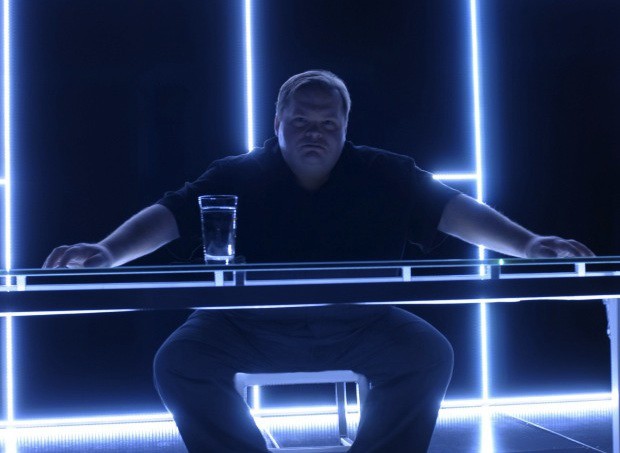
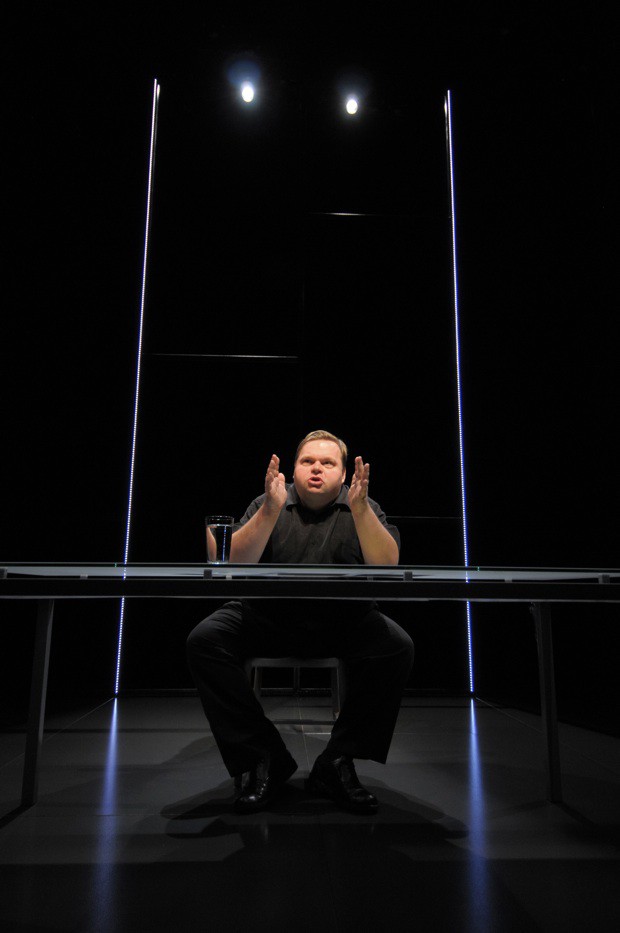
I think performer/journalist Mike Daisey has very important things to things to say about Apple, the electronics industry, and modern industrial production.
Mike Daisey isn’t afraid to rant. The mercurial storyteller first made a name for himself on stage by decrying the state of American theater. Tech is a natural target for him – he’s survived a stint at Amazon.com and takes apart computers to relax – so he really makes his point forcefully with a two-hour monologue called “The Agony and The Ecstasy of Steve Jobs,” onstage now through Feb. 27 at the Berkeley Repertory Theatre. (See our review of the show here.)
During our 40-minute conversation, I get the uncomfortable feeling he’s ranting directly at me. In fact, the show takes tech journalists to task for being subservient to the industry as well as missing the whole story of where all the shiny gadgets we report about so breathlessly come from. Ahem.
Cult of Mac talked to Daisey about why both Apple fans and PC people will enjoy his show, as well as his own gadget gear and why donning Steve Jobs’ signature black turtleneck on stage would’ve been “fucking stupid.”
Google is preparing to take on companies like Spotify and Rdio with a new YouTube music streaming service, according to sources in the record industry, who have been speaking to Fortune. The service, which is expected to launch later this year, could be available for free, but there will be subscription options for those who don’t like to see advertisements.
2012 was a very different year for Apple. For starters, it was Tim Cook’s first year as CEO. While much of Apple has remained the same, Cook has definitely shown that he is a different type of leader than his predecessor. Apple is evolving into something new.
Between four press events and the Worldwide Developers Conference in June, Apple announced an unprecedented slew of new products in 2012. Every single major product was refreshed to some extent, which leaves even more speculation as to what Apple has up its sleeve for 2013.
There have been key executive firings and hirings, heated lawsuits, and scandals. In the midst of everything, Apple managed to become the most valuable company on earth.
While there are many big Apple moments from this past year, we’ve gathered what we think are the 10 most notable stories. Here they are:
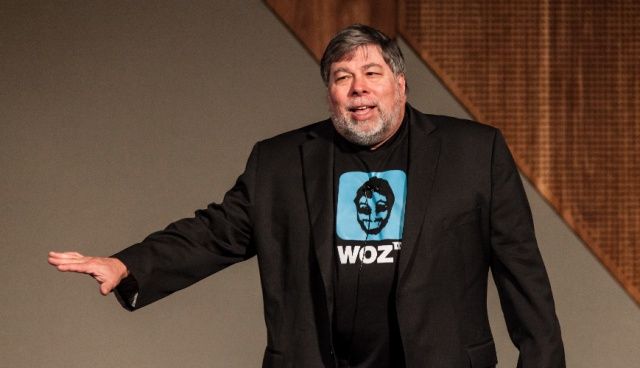
And what’s not to love? Steve Wozniak is a one-of-a-kind genius who invented the personal computer. He’s a millionaire who spends his money having fun, rather than trying to control the world. He’s a practical joker. He’s an iconoclast. And he’s a nerd’s nerd and a geek’s geek who believes in technology and the power of change.
But even the biggest Woz fan has to admit: The man loves the spotlight.
And the main way he grabs it is by saying what nobody expects him to say.
Apple has granted Rob Schmitz of Marketplace direct access to the Foxconn supply chain following his debunking of Mike Daisy’s inaccurate claims regarding Chinese working conditions. This makes Schmitz the second reporter to ever take a video crew behind the scenes at Foxconn. ABC News and Bill Weir previously visited China for a Nightline segment.
This 2 in a half minute video briefly takes you though the iPad manufacturing line and Foxconn life in general. Schmitz offers a very different take than that of Mike Daisey, highlighting how much people actually want to work at Foxconn.
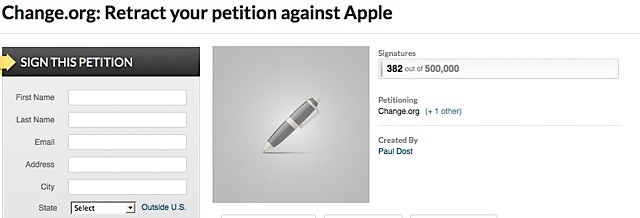
Mark Shields’ petition on Change.org sparked by Mike Daisey’s This American Life story earned over 250,000 online signatures and led to protests outside Apple stores across the country.
That doesn’t sit well with Paul Dost, who launched a counter petition after the TAL story was debunked. Cult of Mac reached out to Dost via email for the story behind the anti-petition petition.
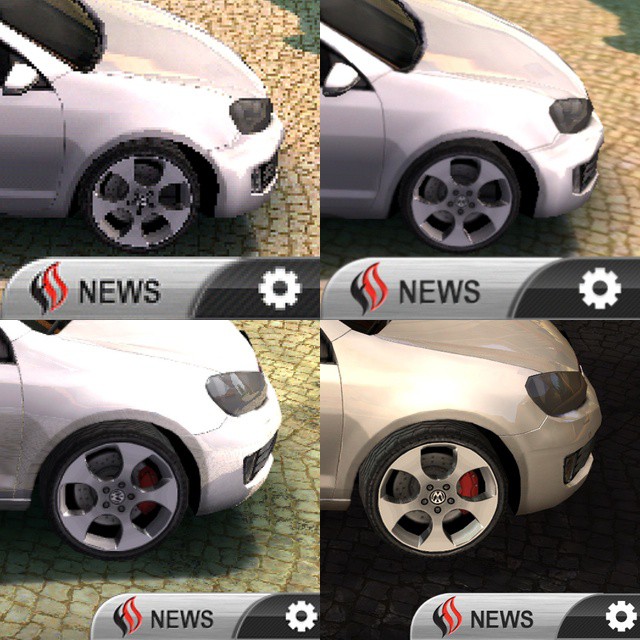
Real Racing, as rendered in pixel-doubled and HD versions on the iPad 2 and new iPad. Screen shots Touch Arcade
We now know that the new iPad uses retina images when blowing up iPhone apps to fill its big screen, but what does that mean exactly? It’s one thing to know that Spotify doesn’t look horrible anymore, but it’s another thing entirely to see the differences side-by-side. That’s why the fine folks at Touch Arcade grabbed screenshots of various versions of Real Racing running on the new iPad and the iPad 2. The results are astonishing.
Underage workers, health hazards and debilitating overtime are findings echoed by sociologist Dr. Boy Lüthje, who has spent the last decade researching labor conditions at China’s contract manufacturers where U.S. tech giants including Apple, Dell and HP make the electronic devices that populate our homes.
(You can read Cult of Mac’s exclusive interview with him here.)
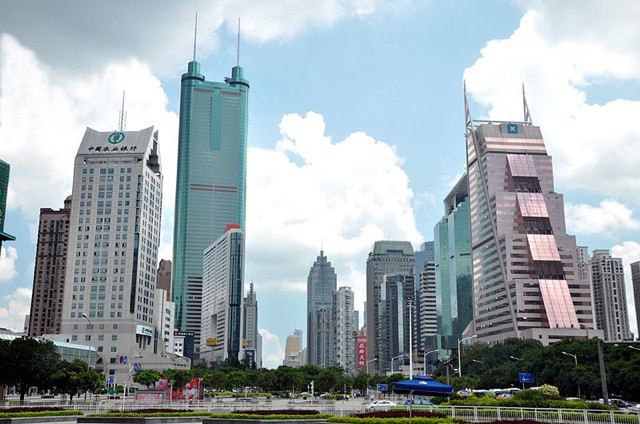
Along with a team of researchers, he’s the author of a forthcoming academic work titled From Silicon Valley to Shenzen. The data here, Lüthje notes, is from late 2009 (before the wave of suicides hit Foxconn) but the general conditions remain largely unaltered. When it hits shelves, the book will include updated comments on Foxconn and Apple, he says.
Publisher Rowman & Littlefield granted Cult of Mac permission to publish an excerpt from Chapter 4, which similarities between electronics assembly plants in Mexico, China and Eastern Europe.
Adapted from CC-licensed photo by Mrbill on Flicker.
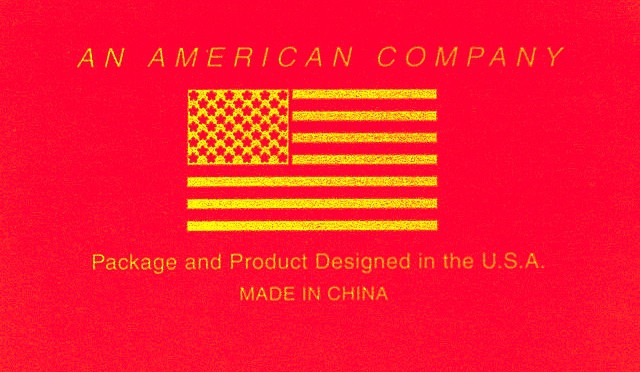
If you own an iPhone, laptop, Kindle, Android device, electric toothbrush, baby monitor or GPS navigator, it was probably put together by a worker in a Chinese factory.
Although Apple is currently juggling the PR hot-potato over working conditions at Foxconn plants in China, a situation made more murky by the factual takedown of Mike Daisey’s monologue, dozens of other global companies make their must-have electronics there.
For a wider perspective, Cult of Mac tracked down one of the world’s leading experts on modern labor in Asia.